14 Magical Germany Christmas Markets You Must Visit in 2025
This guide explores the 14 best German Christmas markets for 2025, with tips, routes, food to try, and advice on staying connected with Jetpac eSIM for Germany.
Germany’s Christmas markets are one of the biggest reasons to visit Europe in December, and this guide highlights 14 of the best ones for 2025. It explains what makes each market unique, how the season works, what to eat, and how to plan your route using Germany’s easy train network. You’ll also find simple tips on weather, payments, timing, and how Jetpac eSIM helps you stay connected while traveling between cities.
Germany takes winter traditions seriously, and December is when the country feels its most festive. Cities and small towns set up wooden stalls, outdoor kitchens, and light displays that turn public squares into holiday villages. If you’re deciding “Where to go in Germany”, during winter, the markets are the easiest place to start. They’re walkable, welcoming, and full of seasonal food that’s hard to find any other time of year.
This guide breaks down the 14 best places to experience the holiday season in 2025, along with practical tips on timing, transportation, and what to expect. If you’re planning your list of places to travel in December, Germany should be near the top.
When Christmas markets start in Germany
Germany’s Christmas market season usually begins in the last week of November. Some of the bigger ones open exactly four Sundays before Christmas, while smaller markets choose slightly different dates if you’re wondering when do Christmas markets in Germany end, most close on December 23 or 24, with only a few continuing beyond Christmas Day.
Here’s the general timeline:
Opening week: Late November
Peak season: December 1–22
Wind-down period: December 23–26
Exceptions: A few markets in Berlin, Cologne, and Leipzig operate through New Year’s Eve
For travelers planning their route, early December is the best mix of festive crowds and comfortable space to explore. The weather is cold, but the markets feel calm compared to the final days before Christmas.
What makes a great Christmas market
Germany has hundreds of markets, but a few factors set good ones apart from great ones. The best way to compare them is by atmosphere, food, and layout.
Atmosphere and tradition
Long-running markets like Nuremberg and Dresden emphasize history and regional customs. Many of these traditions are centuries old, which is why the term “Germany Christmas market" attracts so much international attention.
Food and drink
Mulled wine, bratwurst, roasted nuts, gingerbread, and regional specialties are part of what defines a Christmas market Germany experience. Each region has something unique.
Crafts and gifts
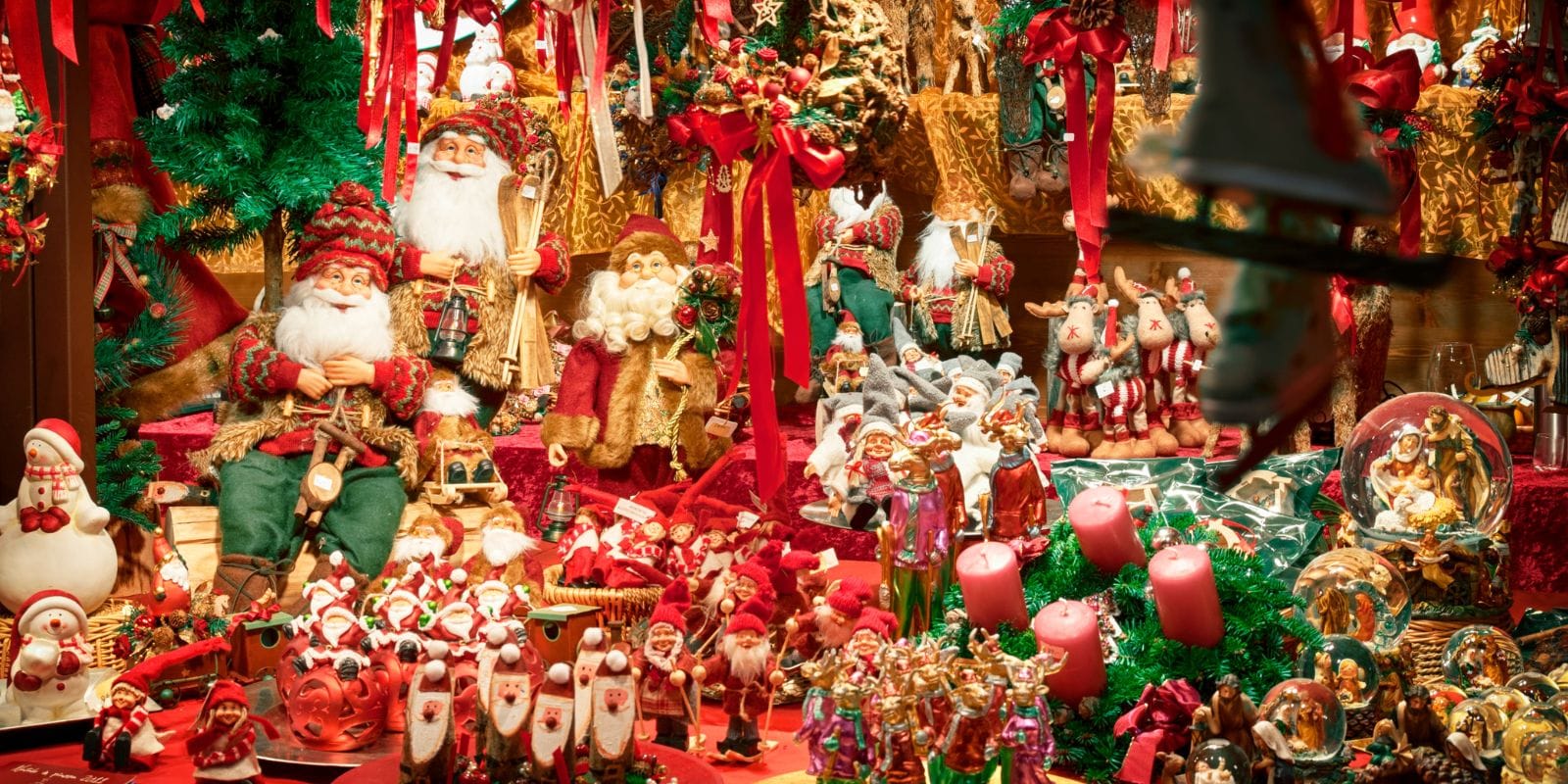
Wooden toys, ornaments, candles, and hand-carved decorations appear in nearly every town. If you’re searching for authentic souvenirs, this is where to find them.
Market layout
Big city markets spread into several squares. Smaller towns concentrate everything in one area, which makes them easier to explore.
14 Best Germany Christmas Markets to Visit in 2025
These Christmas markets in Germany 2025 are some of the most visited in the country. Each one has its own layout, food options, and crowd patterns. If you’re looking for the best European Christmas markets, add these to your list.
1. Nuremberg Christkindlesmarkt
The Nuremberg Germany Christmas market is one of the best known in the country. Stalls fill the main square, selling local food, gingerbread, and small handmade gifts. It gets busy in the evenings, but the layout is straightforward and easy to navigate. If you want a market with long-running traditions and a clear structure, this one is a solid choice.
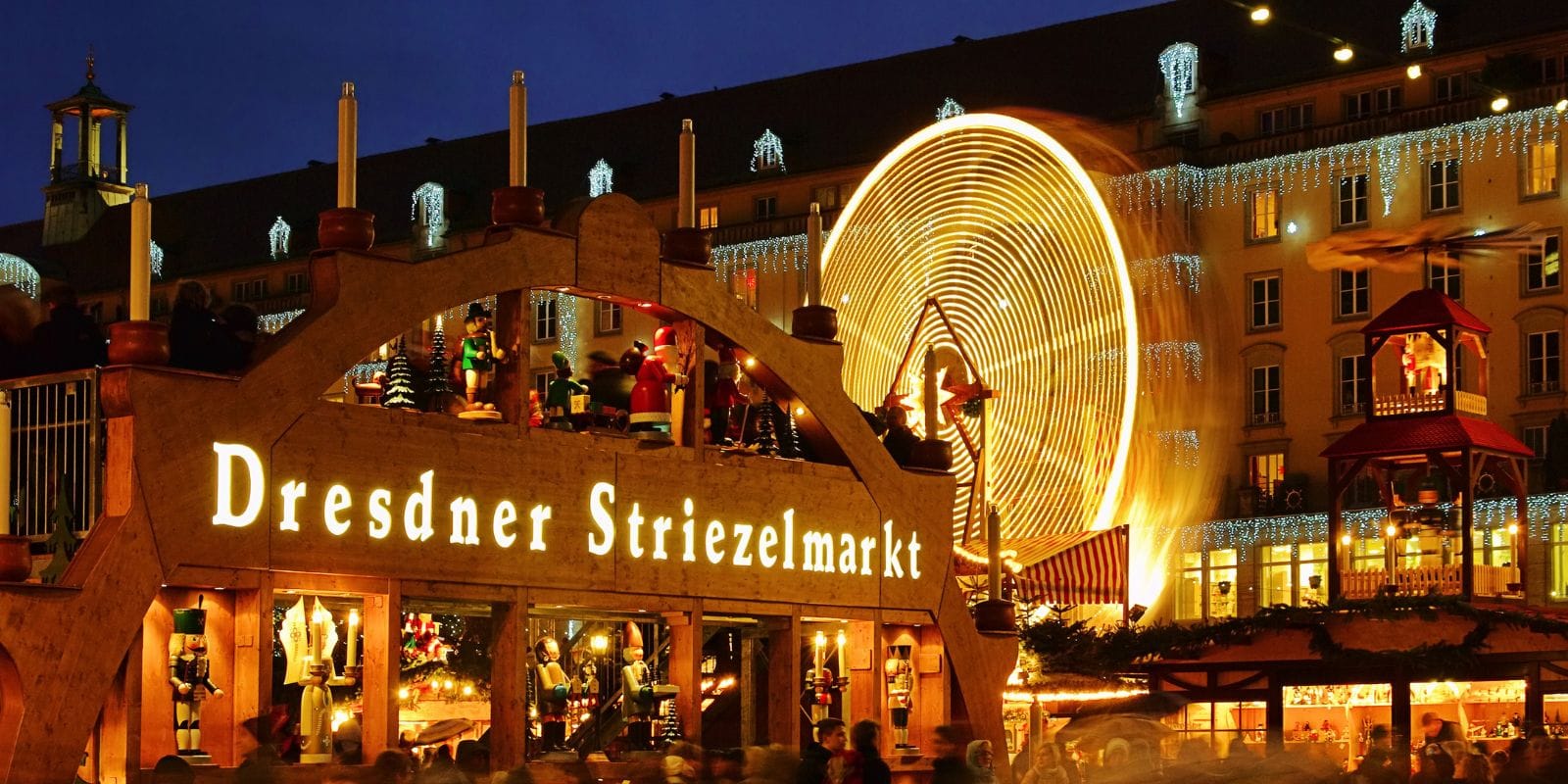
2. Dresden Striezelmarkt
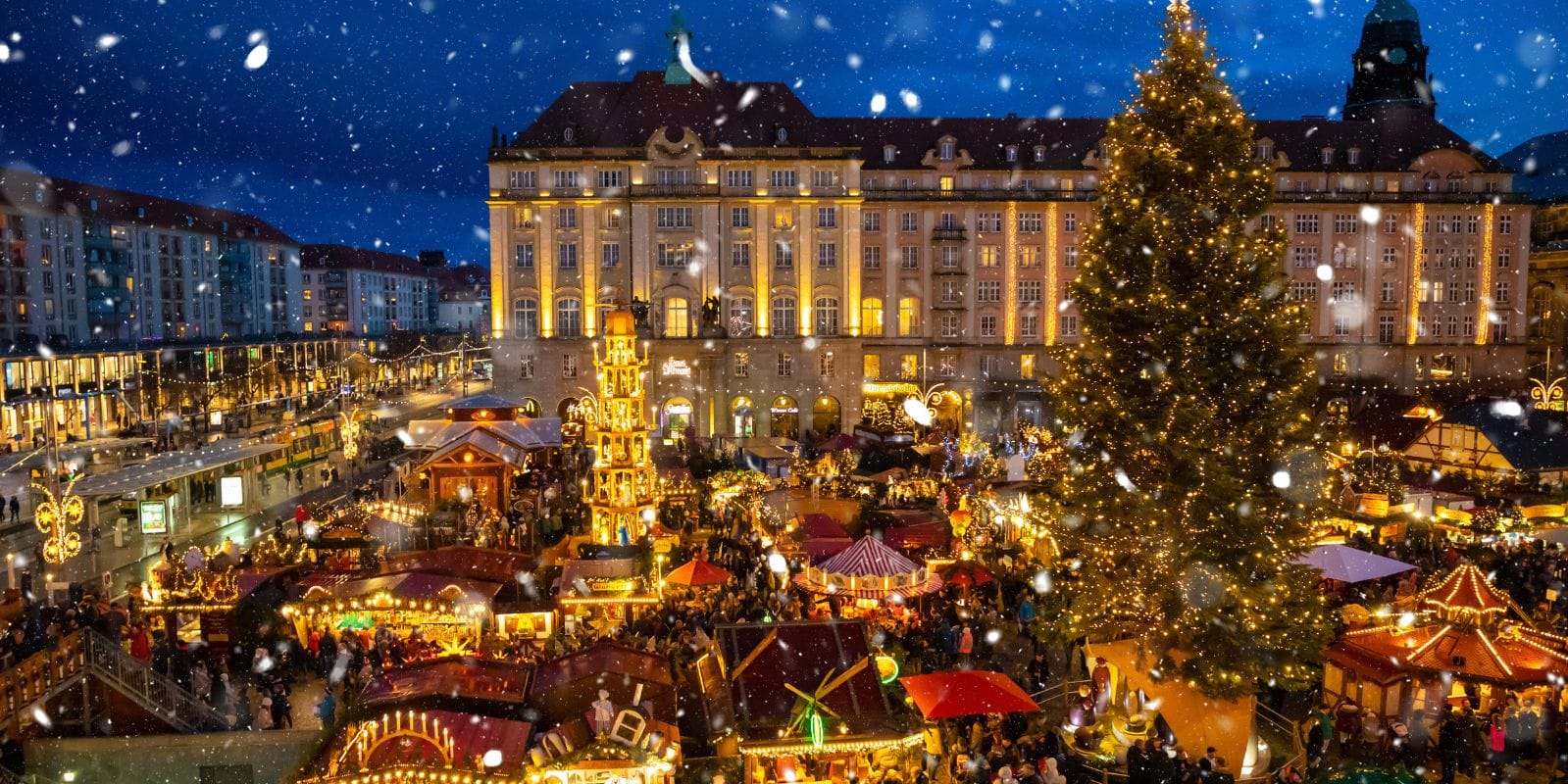
The Dresden Striezelmarkt is one of Germany’s oldest markets. Vendors focus on regional products, including stollen and handmade wooden items. The setup is compact, so you can walk through it without rushing. It’s a practical stop for travelers who want to see a historic Germany Christmas market without covering a large area.
3. Cologne Cathedral Christmas Market
The Cologne Germany Christmas market is located directly next to the cathedral. The food selection is strong, and the stalls are organized in a simple loop that’s easy to follow. It draws a mix of locals and visitors, which gives it steady but manageable crowds.
4. Munich Christkindlmarkt
The Munich Germany Christmas market takes place in Marienplatz and continues into the streets around it. Vendors rotate each year, so you’ll find a combination of traditional items and newer crafts. Food options are reliable, and the market is easy to cover in a single visit.
5. Berlin Christmas Markets
Berlin has many markets, but the most visited are Gendarmenmarkt and Charlottenburg. Gendarmenmarkt is known for crafts, while Charlottenburg has more food options. Because the city spreads its markets across different neighborhoods, you can choose locations based on where you’re staying or what you want to buy.
6. Stuttgart Weihnachtsmarkt
The Stuttgart market spreads across the central squares. The stalls focus on Swabian food, baked goods, and seasonal items. It’s a large market, but the walking paths are wide, so it doesn’t feel cramped even during peak times. It’s a good stop if you want a larger Christmas market Germany experience without complicated navigation.
7. Hamburg Rathausmarkt & Santa Pauli
Hamburg has two main markets that appeal to different types of visitors. Rathausmarkt is the traditional option with standard food stalls and gift vendors. Santa Pauli is located near the nightlife district and has a more adult-oriented setup.
8. Rothenburg ob der Tauber Reiterlesmarkt
Rothenburg’s market is smaller than the big city ones, but the old town layout makes it easy to explore. Food vendors sell local specialties, and the smaller scale means you can see everything in less time. It works well for travelers who prefer quieter Germany Christmas markets without long lines.
9. Frankfurt Römerberg Christmas Market
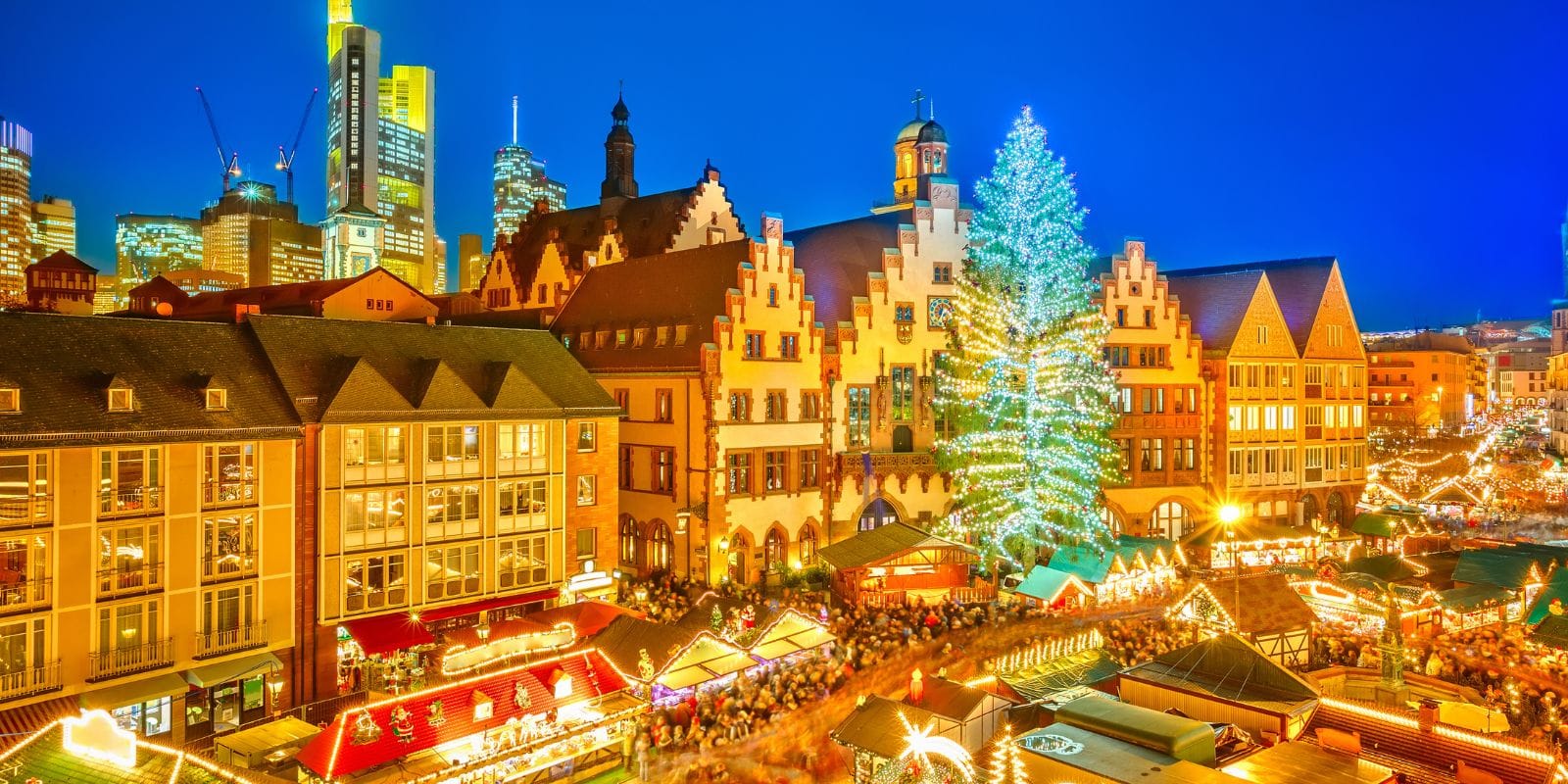
Frankfurt’s market is located in the old town district. It has consistent crowds, but the stalls are spaced out enough to move comfortably. Food options include cider, sausages, and baked goods. Since Frankfurt is a major transit hub, this market is convenient for travelers passing through the region.
10. Leipzig Christmas Market
Leipzig hosts one of the larger Christmas markets in Germany. It includes several sections with different styles, which makes it easy to spend a couple of hours here. The food and drink selection is broad, and the walking paths are straightforward, so you don’t get stuck in one area.
11. Lübeck Christmas Market
Lübeck’s market runs through the old town streets. Vendors sell marzipan products and typical holiday food. The layout is simple, and the town is small enough that you can cover most of it on foot. It’s a convenient option if you’re already visiting Hamburg.
12. Heidelberg Christmas Market
Heidelberg’s market covers several connected squares in the city center. The food stalls are reliable, and the space is easy to walk. Because the city attracts many day-trip visitors, the market gets busy, but it remains manageable compared to larger urban markets.
13. Aachen Christmas Market
The Aachen market is close to the borders of Belgium and the Netherlands, so it draws visitors from all three countries. Vendors sell Printen, a local cookie, along with standard holiday items. The market is compact, so you can see it at a steady pace without spending the entire day there.
14. Erfurt Christmas Market
Erfurt hosts one of the more spacious Christmas markets in Germany 2025. The main square has food, drinks, and vendors spread out in a grid, which keeps walking easy even when it’s crowded. It’s a practical option for travelers who want a large market with predictable layouts and room to move.
How to plan your Christmas market route
Traveling between markets is straightforward because Germany’s rail network is reliable and covers most major cities and small towns. Trains run frequently, including regional routes that connect less touristy destinations. If your goal is to see several markets in one trip, it helps to plan your route around simple, direct transfers.
Start by picking one major city as your base. Berlin, Munich, Frankfurt, and Cologne are the most practical because they have large transportation hubs, frequent train departures, and plenty of hotel options. From these cities, you can reach nearby markets in under one or two hours.
The easiest way to organize your itinerary is by grouping markets by region. For example:
Munich → Nuremberg → Rothenburg
This route combines a big-city market with two well-known traditional ones.
Cologne → Aachen → Düsseldorf
All three are close together, and trains run between them throughout the day.
Dresden → Leipzig → Erfurt
This cluster works for travelers who want to explore eastern Germany on a tight schedule.
Small towns shouldn’t be ignored. Some of the most memorable Christmas markets in Germany are in places you may not have planned to visit before. These towns often have shorter walking distances, fewer crowds, and more emphasis on regional food and crafts. If you want variety, mix one or two small towns into your itinerary rather than focusing only on major cities.
What to eat, drink, and buy
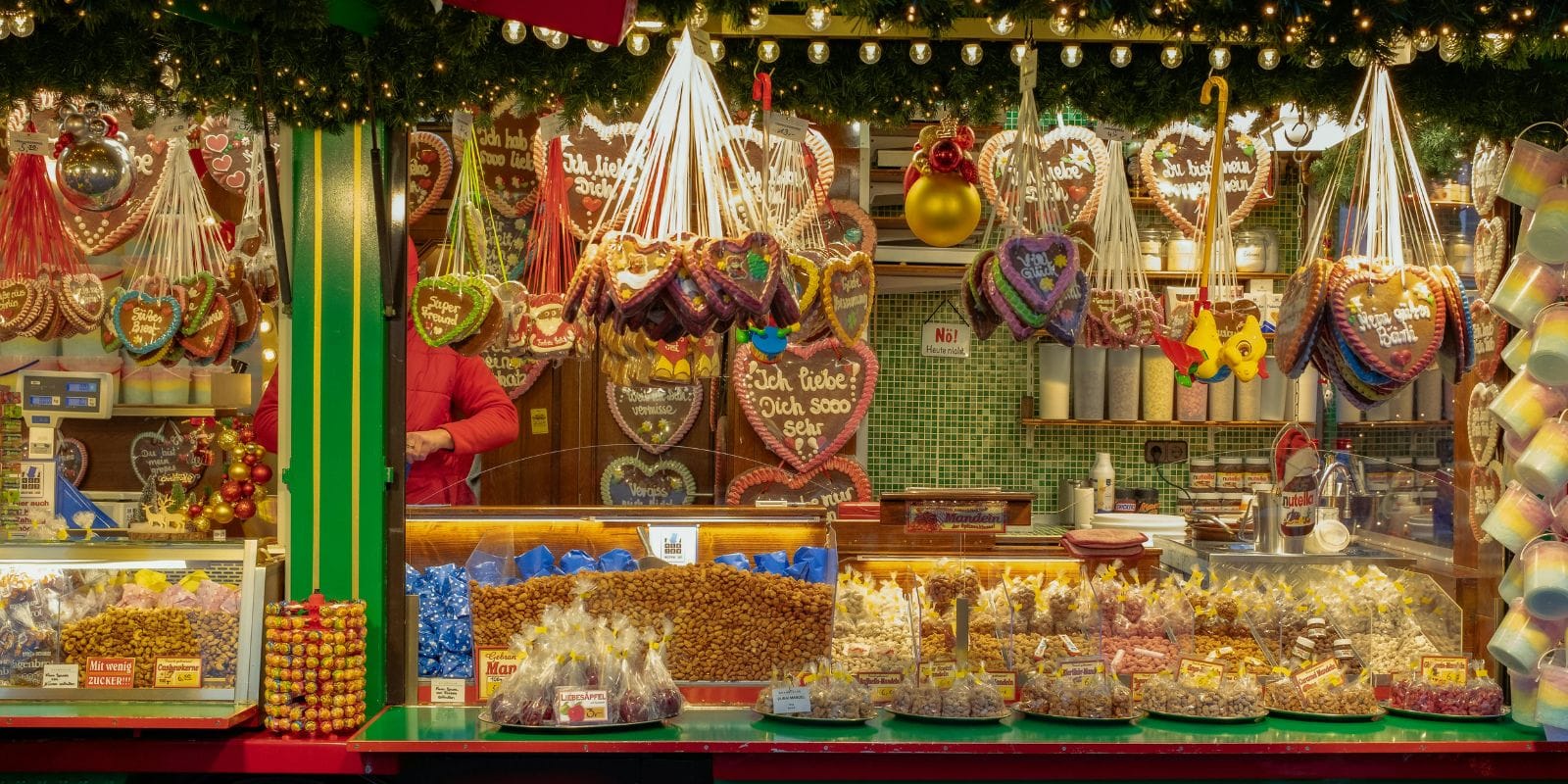
If you’re not sure what to eat first, start with the basics. Every Christmas market Germany has Glühwein, sausages, potato pancakes, and gingerbread, and they’re popular for a reason. Glühwein keeps you warm, the sausages are filling, and the potato pancakes are easy to eat while walking. Most markets also have roasted nuts and pretzels, which are good if you want something quick. The food isn’t complicated, but it’s reliable, and you’ll find small differences from city to city that make it worth trying the local version instead of skipping straight to the next stall.
If you want something more specific, look for dishes tied to the region you’re in. In Nuremberg, try the smaller bratwursts. In Dresden, stollen is the main thing to try. Cologne often has potato dishes you won’t see everywhere else, and Munich’s baked goods usually stand out. For snacks, pick up roasted almonds, gingerbread, or any warm pastry you see people carrying around. Markets are set up for grazing, so you don’t need a plan, just grab whatever looks good, and you’ll end up trying more variety than you expect.
Practical tips for visiting Germany’s markets
These suggestions make visiting a Christmas market Germany easier, especially if you’re traveling for the first time.
Weather
December in Germany is cold and often wet. Temperatures drop quickly after sunset, so it's best to wear layers. Also, keep gloves, hats, and waterproof shoes for rainy or cold weather, especially if you plan to stay out for several hours.
Payments
Many vendors accept cards, but cash is still common. Having a small amount of euros makes paying faster and avoids delays. ATMs are easy to find in major cities, but smaller towns may have fewer options.
Connectivity
Maps, train schedules, and messaging apps make travel easier, so having dependable data helps. A German eSIM or a German eSIM card is useful if you don’t want to rely on roaming. These options are inexpensive and quick to activate. Many travelers compare plans before choosing the best German eSIM for their needs.
Get online and stay connected with Jetpac eSIM
If you plan to visit several Germany Christmas markets, staying connected helps with directions, train updates, and coordinating with travel partners. Jetpac eSIM makes it easy to stay connected, letting you activate your plan before your flight or as soon as you land, without visiting a store or swapping SIM cards.
Jetpac connects you to strong local networks across Germany and supports fast 5G speeds, which is helpful when you’re navigating crowded squares or checking the next train. It also keeps essential apps like WhatsApp, Uber, and Google Maps running even after your main data allowance runs out, so you’re never stuck without a connection.
Jetpac also offers voice calling through the same app you use for data. It lets you make international calls to 50+ countries, without switching SIM cards or relying only on Wi-Fi. It’s an easy way to stay reachable while traveling, whether you’re calling hotels, drivers, or family back home.
If your trip includes multiple cities or even nearby countries like Austria, Switzerland, or France, Jetpac’s coverage in 200+ destinations means you can keep using the same plan without worrying about roaming charges or hidden fees. The plans are cheaper, and you can choose one based on your usage and the number of days you’re planning to stay.
FAQs
When do Christmas markets in Germany end?
Most markets wrap up between December 23 and 26. A few in bigger cities, like Berlin or Cologne, run until New Year’s Eve, but that’s not the norm. If you’re planning your route around closing dates, check each city’s schedule ahead of time so you don’t show up after vendors have packed up. This is also where people often look up fun facts about Christmas, since some regions keep small traditions going even after the main markets close.
Are Christmas markets free to enter?
Yes, almost all of them are free. You just walk in, look around, and buy whatever you want. Some cities charge small fees for specific sections, like ice rinks or themed areas, but the general market is open to everyone. This makes it easy to visit several in one day without worrying about extra costs.
Can I visit several markets in one trip?
Definitely. Germany’s train system connects most major cities and many small towns, so you can cover more than one market in a single day if you want to. Many travelers pick a main base: Munich, Cologne, Berlin, or Frankfurt, and do simple day trips from there. Travel times are short enough that you won’t spend your whole day on trains.
Is it better to visit during the day or evening?
Both times have advantages. Daytime is easier if you want to avoid big crowds and take your time at the stalls. Evenings are busier but have a more lively feel because more people are out and the lights stand out more. Most travelers end up visiting at both times just to see the difference, so there’s no “wrong” choice.
Do markets stay open in bad weather?
Most markets stay open unless the weather is extreme. Rain or light snow usually isn’t a problem, but individual stalls may close early if it becomes unsafe or uncomfortable for vendors to stay open. If you’re traveling during a week of harsh weather, keep a short list of indoor places, cafés, museums, or shops, so you can adjust your plans without losing the day.
How early should I book hotels?
Booking six to eight weeks in advance is usually enough, but popular cities like Nuremberg, Munich, and Cologne fill up quickly. If you’re traveling on weekends or planning a route that hits multiple markets, reserving earlier helps you avoid last-minute price jumps. Hotels near main train stations are usually the most practical because they save you time moving between cities.
These best Christmas markets in Germany are a must-visit when you’re planning to visit Europe in December. And, don’t forget to get Jetpac, the best German eSIM to stay connected no matter which market you visit.