15 Fun Facts About Germany You Didn't Know
Explore 15 fascinating fun facts about Germany - from castles and gummy bears to language, inventions, and cultural traditions you didn’t expect.
Is Germany your next destination? Before you go, you might want to check out these fun facts about the country.
When people think of Germany, beer, bratwurst, and luxury cars usually come to mind. But there’s so much more to this incredible country than the usual clichés. From quirky traditions to fascinating inventions, Germany is full of surprises, many of which you will not find in any travel guide.
Below, we’ve rounded up some fun facts about Germany that you probably didn’t know. Get ready to learn a few things that might just surprise you and give you something to discover on your next German adventure.
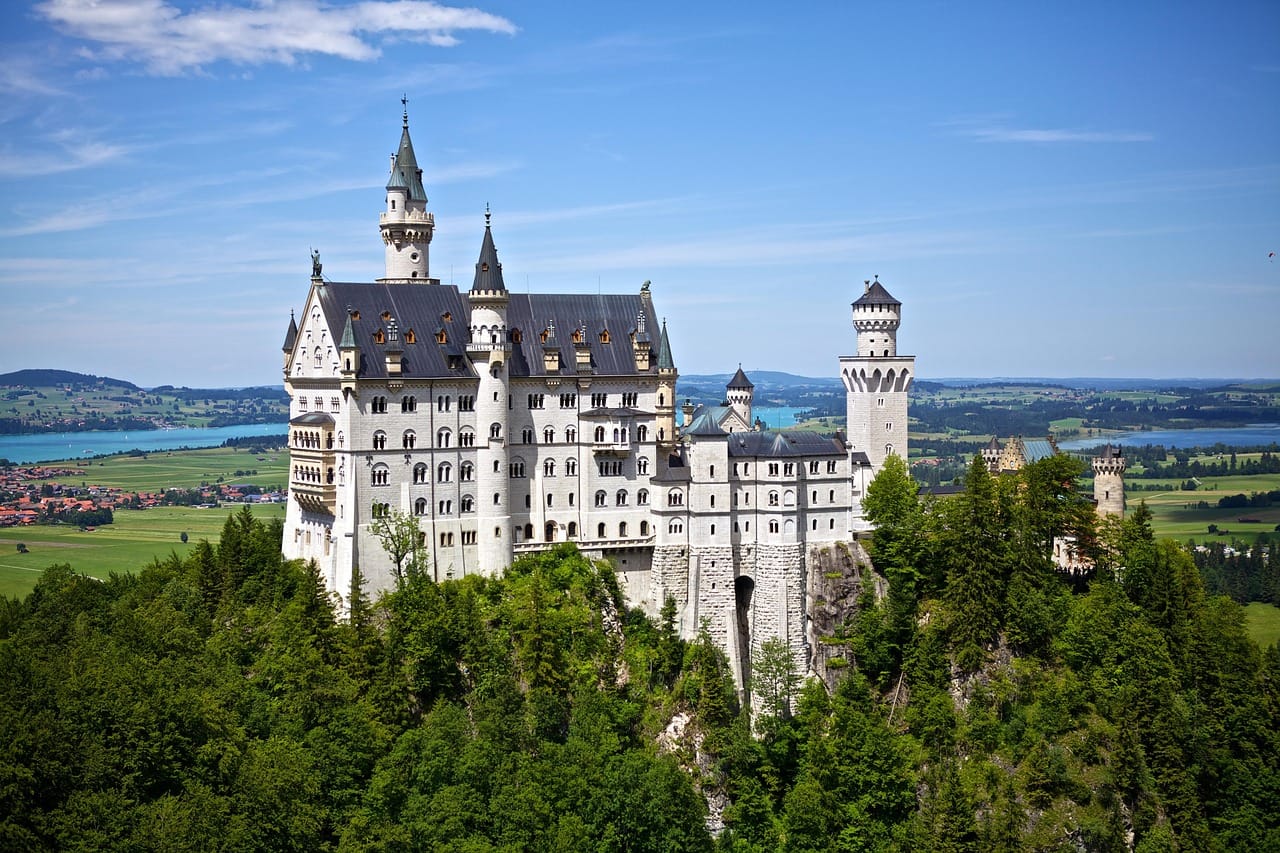
1. Germany Is Home to Over 20,000 Castles
Sure, you have probably heard of Germany’s fairy-tale castles, especially the iconic Neuschwanstein Castle in Bavaria, which famously inspired Disney’s Sleeping Beauty Castle. But did you know that Neuschwanstein is just one of over 20,000 castles scattered across the country? From medieval fortresses to romantic ruins, there’s no shortage of majestic spots to explore here. So if you’ve ever dreamed of living out your Disney princess (or knight-in-shining-armor) fantasy, Germany might just be the place to do it.
2. German Is the Most Widely Spoken Native Language in Europe
One of the most surprising facts about Germany is the widespread use of the German language, not just within its borders, but also across Europe. In fact, German is the most widely spoken native language in the region, with over 90 million native speakers in countries like Austria, Switzerland, Belgium, and parts of Italy. It also ranks 11th among the most spoken languages in the world. So don’t be surprised if you hear German being used far beyond Berlin or Munich, as it’s a language with a truly global reach!
3. The World’s First Printed Book Was in German
Here’s something that many people may not know - the very first book ever printed was in German. Thanks to Johannes Gutenberg’s revolutionary invention of the movable-type printing press in the 15th century, the Gutenberg Bible was printed in Latin in Mainz, Germany, which forever changed the way knowledge was shared. Also, in 1663, the country launched the world’s first magazine, Erbauliche Monaths-Unterredungen (Edifying Monthly Discussions), marking the beginning of modern periodicals.
4. There’s No Speed Limit on Many Parts of German Highways
One of the most interesting facts about Germany is that parts of its famous Autobahn highway have no official speed limit. But be careful - this is not a lawless stretch of road. German drivers take road rules and etiquette seriously, with clear expectations regarding lane discipline and safe driving. If you are planning a road trip, be ready for fast-moving traffic on German highways. Make your journey smoother by using an eSIM for Germany to stay connected for navigation, real-time traffic updates, and finding the nearest rest stops along the way.
5. Germany Sells Around 6 Million Cars Each Year
Germany is world-renowned for producing some of the finest automobiles, with iconic brands like Mercedes-Benz, BMW, Audi, and Porsche leading the way in innovation, engineering, and design. These brands do not only symbolize luxury. They also represent a long-standing national passion for precision and performance. But here’s a stat that might surprise you - Germany sells around 6 million cars every year, making it one of the largest car markets in the world.
6. Beer Is Considered a Food in Bavaria
Here’s one of the most entertaining fun facts about Germany for tourists - in the Bavaria region, beer is officially considered a food. This dates back to historical times when beer was seen as a “liquid bread,” rich in nutrients and often consumed during fasting periods. Even today, beer holds a special cultural status in the region, especially during festivals like Oktoberfest. So don’t be surprised if locals treat their pint with the same reverence as a meal. It’s just part of the tradition!
7. Germany Has Over 1,500 Types of Sausages
If there’s one thing you should know about German cuisine, it’s that sausages are a big deal. In fact, there are over 1,500 different types of Wurst across the country. From the smoky Bratwurst to the garlicky Knackwurst and the hearty Weisswurst of Bavaria, sausages are a cultural staple in this part of the world. This is one of those interesting food-related facts about Germany that surprises many visitors, especially when they see just how seriously locals take their sausage traditions.
8. Oktoberfest Starts in September
Oktoberfest is one of Europe’s most iconic festivals, attracting millions of visitors to Munich each year for beer, music, and traditional Bavarian fun. But despite what the name suggests, the festival actually begins in September and wraps up in early October. It was originally moved forward to take advantage of better weather. This is one of those fun facts about Germany for tourists that’s good to know if you're planning to join the celebration, especially if you don’t want to show up late to the party! Make the most of the experience by using an eSIM for Germany, which makes it easy to access translations, navigate the beer tents, or post real-time snaps on your Instagram account!
Aside from Oktoberfest, be sure to check out our Guide to Europe’s Summer Festivals to discover more exciting events to experience across the continent.
9. Germans Are Very Serious About Recycling
One of the most important things to know before visiting Germany is that recycling is expected. Germany has one of the most efficient and strict recycling systems in the world, and locals take it seriously. You will often find multiple bins in homes and public places, labelled with a specific type of waste: paper, plastic, glass (sometimes separated by color), and even bio waste. There is also a bottle deposit system called Pfand, where you pay a small deposit on bottles and get it back when you return them.
10. Gummy Bears Were Invented in Germany
If you’re a fan of gummy bears, you will be delighted to learn that these chewy treats were actually invented in Germany. In 1922, a German confectioner named Hans Riegel created the very first gummy bear and founded the now-famous candy company Haribo. Inspired by the trained dancing bears of 19th-century festivals, his creation quickly gained popularity and became a sweet staple around the world. Today, Haribo gummy bears are still produced in Germany and remain one of the country’s most beloved candy exports.
11. Germany Has More Zoos Than Any Other Country
Animal lovers, take note, Germany is home to more zoos than any other country in the world! With over 400 registered zoos, including wildlife parks, aquariums, and animal reserves, there’s no shortage of places to observe and learn about animals. If you only have time to visit one, make it the Berlin Zoological Garden, one of the oldest and most species-rich zoos in the world. Prefer something quieter? Head to one of the many smaller regional zoos tucked away in the countryside.
12. Some Parts of Germany Charge a Tax for Owning a Dog
Planning to move to Germany with your furry friend? Make sure to check the local rules first, because in many towns and cities, owning a dog comes with a tax known as Hundesteuer. That’s right, dog owners in Germany are often required to pay an annual fee, which varies depending on the municipality and even the breed of the dog. In some areas, higher taxes are charged for breeds considered “dangerous” or for owning multiple dogs. The goal is to promote responsible pet ownership and help fund local services like waste disposal and dog-friendly public spaces.
13. Germany Has a Forest That Inspired Fairy Tales
Germany is not only home to Neuschwanstein Castle, the real-life inspiration behind Disney’s Sleeping Beauty Castle. It also has a magical forest straight out of a storybook, the Black Forest (Schwarzwald). Located in southwestern Germany, this dense, misty woodland inspired many of the Brothers Grimm’s most beloved fairy tales, including Hansel and Gretel, Rapunzel, and Snow White. Known for its towering pines, charming villages, and winding trails, the forest has long sparked the imagination of storytellers and continues to enchant visitors today.
14. The Christmas Tree Tradition Began in Germany
One of the most heartwarming facts about Germany is that the beloved Christmas tree tradition started here. Dating back to the 16th century, devout Christians in Germany began bringing decorated evergreen trees into their homes during the holiday season. Over time, the custom spread across Europe and eventually around the world.
15. Germany Is the Birthplace of Many Famous Inventions
Germany has played a major role in shaping the modern world through innovation. From the printing press, invented by Johannes Gutenberg in the 15th century, to the creation of the automobile by Karl Benz, the country has long been a hub of groundbreaking ideas. That inventive spirit continues today with smart, traveler-friendly technology. Digital solutions like the eSIM for Germany are part of that legacy. eSIMs have made it easier than ever for visitors to stay connected, navigate, and explore with ease.
FAQs
What are the most surprising fun facts about Germany?
Germany has over 20,000 castles, more zoos than any other country, and even considers beer a food in Bavaria. It’s also where the Christmas tree tradition and gummy bears originated. Another lesser-known but surprising fact - in many parts of Germany, dog owners are required to pay a special tax just for having a pet!
What is Germany most famous for?
Germany is most famous for its world-class engineering and fascinating culture. It’s known for iconic cars like BMW and Mercedes-Benz, fairy-tale castles, Oktoberfest, delicious sausages and beer, and historic figures like Beethoven and Einstein. It also has a strong reputation for efficiency, innovation, and beautifully preserved medieval towns.
Are there any weird or unusual facts about Germany?
Yes! For instance, some parts of Germany charge a tax just for owning a dog. It’s also illegal to run out of fuel on the Autobahn, and many public places strictly enforce quiet hours. Even mowing your lawn on Sundays is frowned upon.
How many UNESCO World Heritage Sites are in Germany?
Germany has 52 UNESCO World Heritage Sites as of 2024. These include historic towns, architectural landmarks, natural landscapes, and cultural treasures, ranging from the Cologne Cathedral to the Wadden Sea and the Bauhaus sites.
What are some fun cultural traditions in Germany?
Germany is renowned for its lively traditions, such as Oktoberfest, where people dress in traditional outfits and savor beer, music, and hearty food. During Christmas, festive markets pop up in towns across the country, selling handmade gifts and warm treats. Another unique tradition is Karneval, a colorful celebration with parades and costumes, usually taking place in Cologne and the Rhineland.
What are interesting historical facts about Germany?
Germany has played a major role in world history. It was the birthplace of the printing press, invented by Johannes Gutenberg in the 15th century, and the automobile, developed by Karl Benz. It was also at the heart of major events like World War I and II, and the fall of the Berlin Wall in 1989, which marked the end of the Cold War and led to German reunification. These are just some of the many interesting facts about Germany that highlight its global influence and rich historical legacy.
What are some lesser-known facts about German food and wine?
Germany has over 1,500 types of sausages and more than 300 kinds of bread, making it a haven for food lovers. In Bavaria, beer is legally considered a food, and there's even a purity law dating back to 1516 that regulates how it’s made. While often overshadowed by beer, Germany is also one of the world’s top wine producers, especially known for its high-quality Rieslings grown along the scenic Rhine and Moselle rivers.
What is a fun fact about the German language?
A fun fact about the German language is that it’s famous for its long compound words, with some having over 30 letters! One example is Donaudampfschifffahrtsgesellschaftskapitän, which means “Danube steamship company captain.” German is also the most widely spoken native language in Europe.
What do tourists usually not know about Germany?
One of the most surprising things to know before visiting Germany is that the country has over 20,000 castles, many tucked away in small towns and forests. Germany also has more zoos than any other country and parts of the Autobahn with no speed limit. Tourists are often surprised to learn that some cities charge a dog ownership tax and that recycling is taken very seriously.
How can I stay connected in Germany without buying a local SIM card?
You can stay connected easily by using Jetpac’s eSIM for Germany. It lets you access reliable mobile data without the hassle of buying a physical SIM or dealing with local phone shops. Just activate it before or upon arrival, and you are instantly connected to the internet when you get to Germany!