15 Fun Facts About the Dominican Republic
Discover some fun facts about the Dominican Republic, from secret cave lakes to pirate beaches, faceless dolls, why they celebrate independence twice, and more.
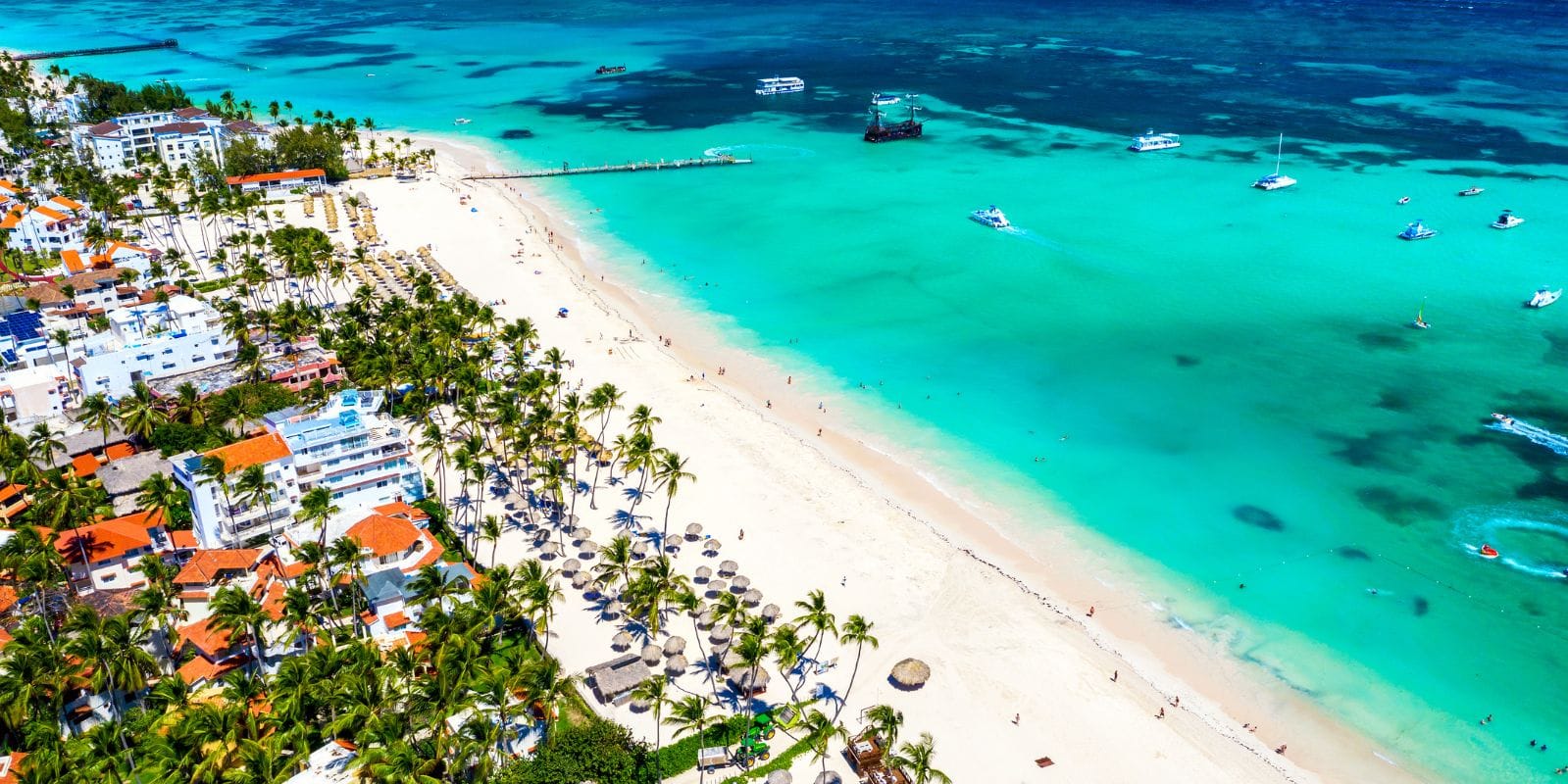
Discover some fun facts about the Dominican Republic, from secret cave lakes to pirate beaches, faceless dolls, why they celebrate independence twice, and more.
The Dominican Republic is more than just its idyllic beaches and all-inclusive resorts. Although Punta Cana receives the majority of the attention, this island is home to much more than you’d even imagine. It's a surprising country, with its rich colonial history, lively music, and even a secret lake inside a cave.
We are going to share 15 fun facts about the Dominican Republic, which many people are not aware of. And once you know them, you’ll want to make a trip right away!
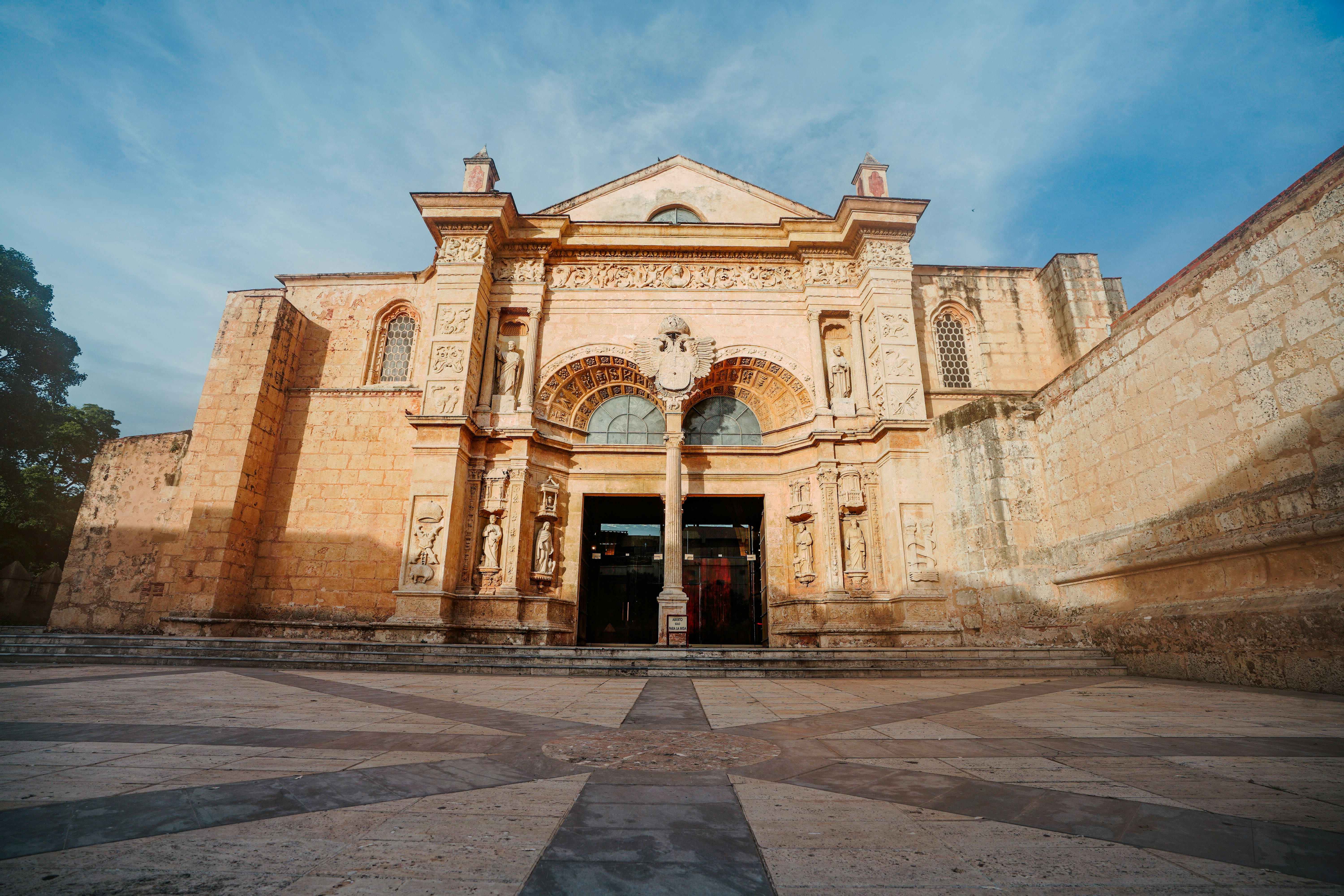
Photo by Aldward Castillo on Unsplash
1. Santo Domingo Is the Oldest City in the Americas
The capital city, Santo Domingo, is the oldest inhabited settlement in the Western Hemisphere. Founded in 1496, it was the first headquarters of the Spanish Empire in the Americas. You can still walk along cobbled streets in the Colonial Zone and see buildings that have been standing for over 500 years. That alone makes it one of the things to know before visiting Dominican Republic, especially for history lovers.
2. Merengue and Bachata Were Born Here
If there’s one thing you’ll hear everywhere in the Dominican Republic, it’s music. The music is so deeply integrated into their culture that even Merengue and bachata originated from here. Whether it’s someone blasting tunes from a colmado (corner store) or couples dancing in the street, you’ll find music everywhere.
3. There’s a Hidden Cave Lake in Santo Domingo
Just minutes from the city center, Los Tres Ojos (The Three Eyes) is a series of natural limestone caves that are home to deep blue lagoons. Lit naturally from above, the caves feel like scenery from a fairy tale. It’s one of the most surprising fun facts about the Dominican Republic that not many know about.
BaileysTable from Getty Images via Canva Pro
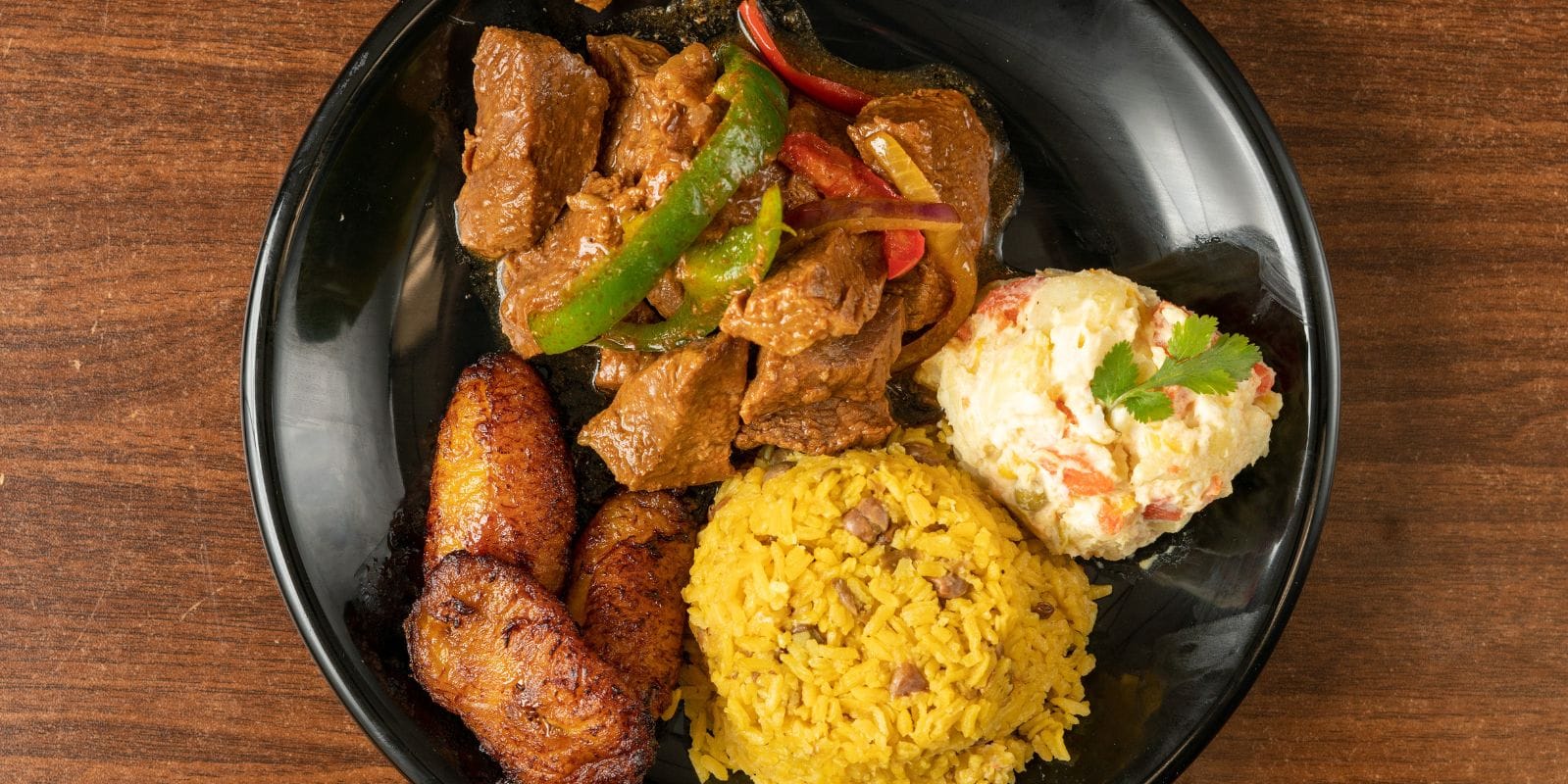
4. The National Dish Is Called “La Bandera”
“La Bandera” means “the flag,” and it’s what many Dominicans eat every day. A typical plate includes rice, stewed beans, meat (usually chicken or beef), and fried plantains. It's a traditional dish that shows the African, Spanish, and Taíno influences in the country. This is one of the interesting things to know before visiting the Dominican Republic.
5. Saona Island Has Starred in Real Pirate Movies
Saona Island’s beaches are so stunning, they’ve been used in actual pirate films, including “Pirates of the Caribbean” and “Cutthroat Island”. Parts of Pirates of the Caribbean and Cutthroat Island were filmed here, thanks to the island’s white sand, clear water, and remote feel. When you visit, don’t be surprised if it feels like you’ve stepped onto a movie set because you kind of have.
6. Larimar and Amber Are Native to the Dominican Republic
Larimar, a rare blue gemstone that looks like tropical water, is only found in the Dominican Republic. You’ll see it in local jewelry shops, especially in Barahona. The island is also known for amber, some of which contains preserved insects from millions of years ago. These make meaningful souvenirs that are rare in the Dominican Republic.
PepiteVoyage from Getty Images via Canva Pro
7. Columbus Might Be Buried Here (Depending on Who You Ask)
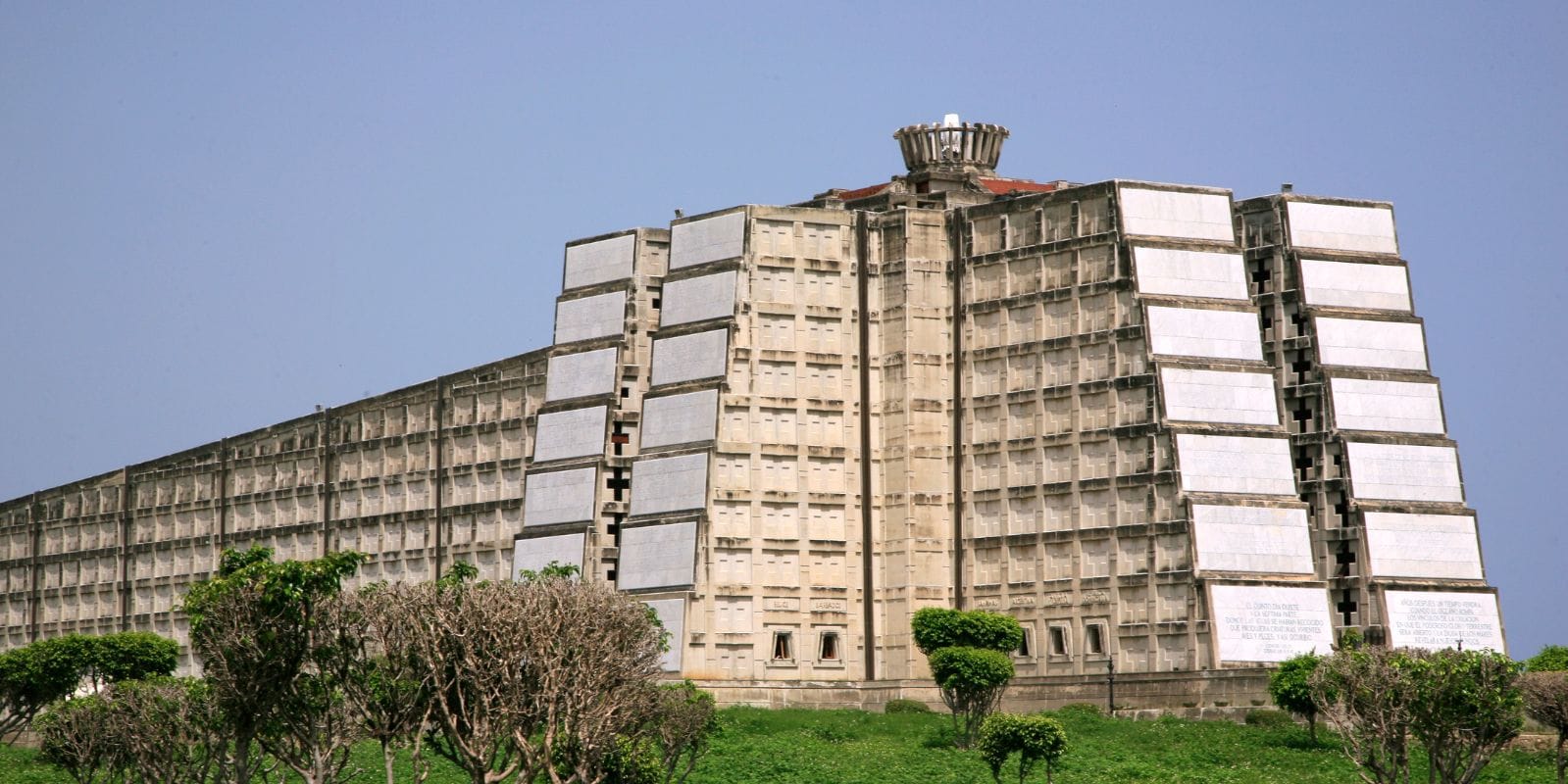
The Columbus Lighthouse in Santo Domingo claims to hold the remains of Christopher Columbus. Spain says otherwise. There’s been debate for decades over where he’s actually buried. Whether true or not, the massive monument is worth a visit, and the story is one of those weird but fascinating things to know before visiting Dominican Republic.
8. Dominican Mamajuana Comes With Tree Bark
Mamajuana is the Dominican Republic’s traditional drink, and it’s definitely not your average rum. It's made by soaking tree bark, herbs, and spices in a mix of rum, red wine, and honey. Locals swear it’s good for everything from colds to, well... romance. Whether you believe in its powers or not, you must try it.
9. You Can Slide Down Natural Waterfalls in Puerto Plata
The 27 Charcos of Damajagua are a collection of waterfalls and pools tucked into the jungle. You can climb up and then slide or jump down natural cascades. It’s adventurous, refreshing, and a highlight for anyone looking to explore the island’s hidden gems.
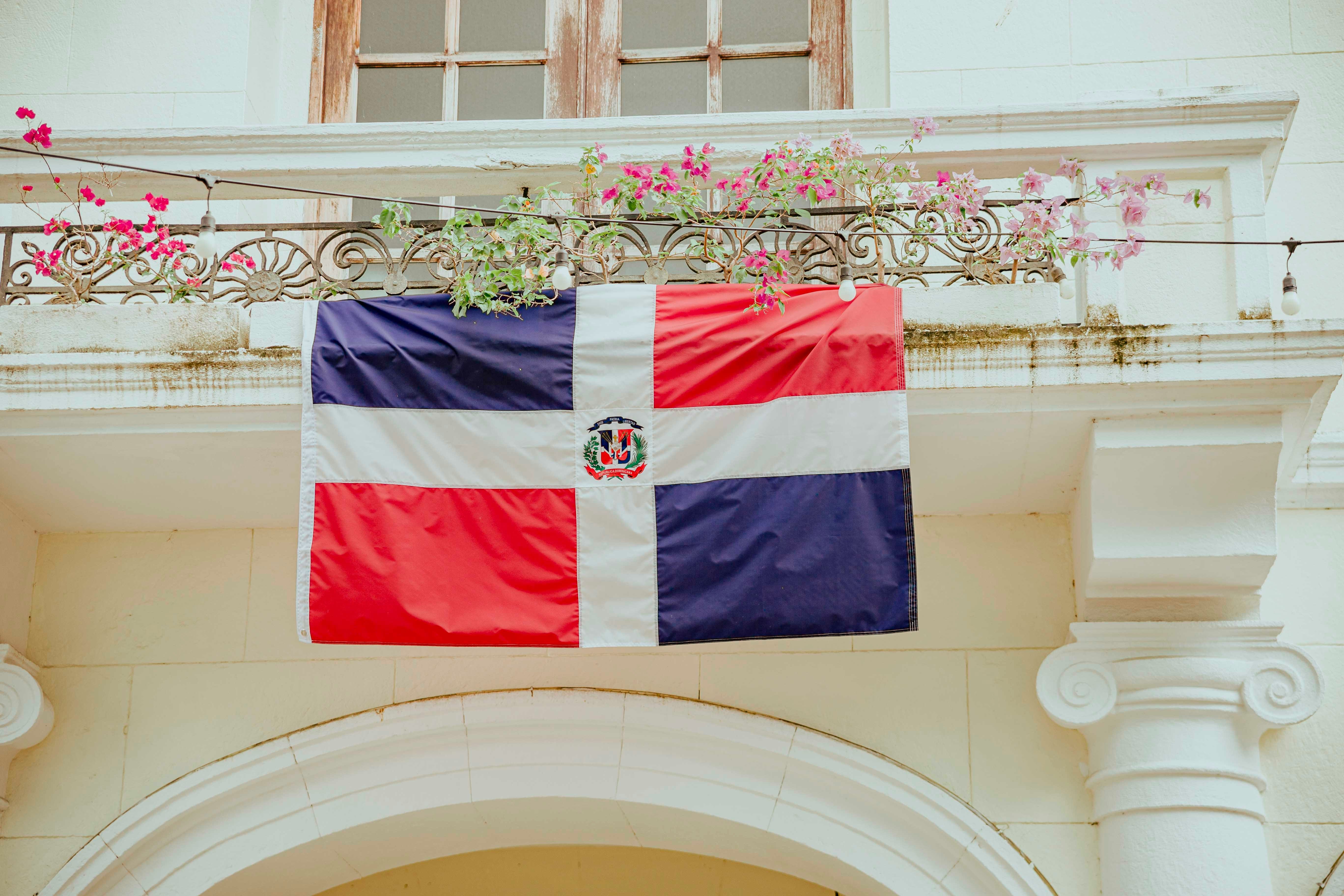
Photo by Ruddy Corporan on Unsplash
10. The Dominican Republic Celebrates Independence Twice
Here’s a fun one: the Dominican Republic celebrates independence twice. First, from Haiti in 1844. Then again, in 1865, they drove out the Spanish for good. Both moments mark great turning points in the country’s story, and yes, both are remembered in their own way.
11. Some of the World’s Best Cigars Are Made Here
You might think cigars come from Cuba, but it is the Dominican Republic that is the producer of the finest hand-rolled cigars in the world. You can also watch the whole cigar-making process in factories in places like Santiago.
12. Dominicans Take Their Coffee Seriously
People may be aware of the strong coffee culture in the Dominican Republic, but not everyone knows that they take it very seriously. They like it strong, sweet, and usually served in tiny cups, but don’t let the small size fool you. It packs a punch for those who try it.
Edwin_Butter from Getty Images via Canva Pro
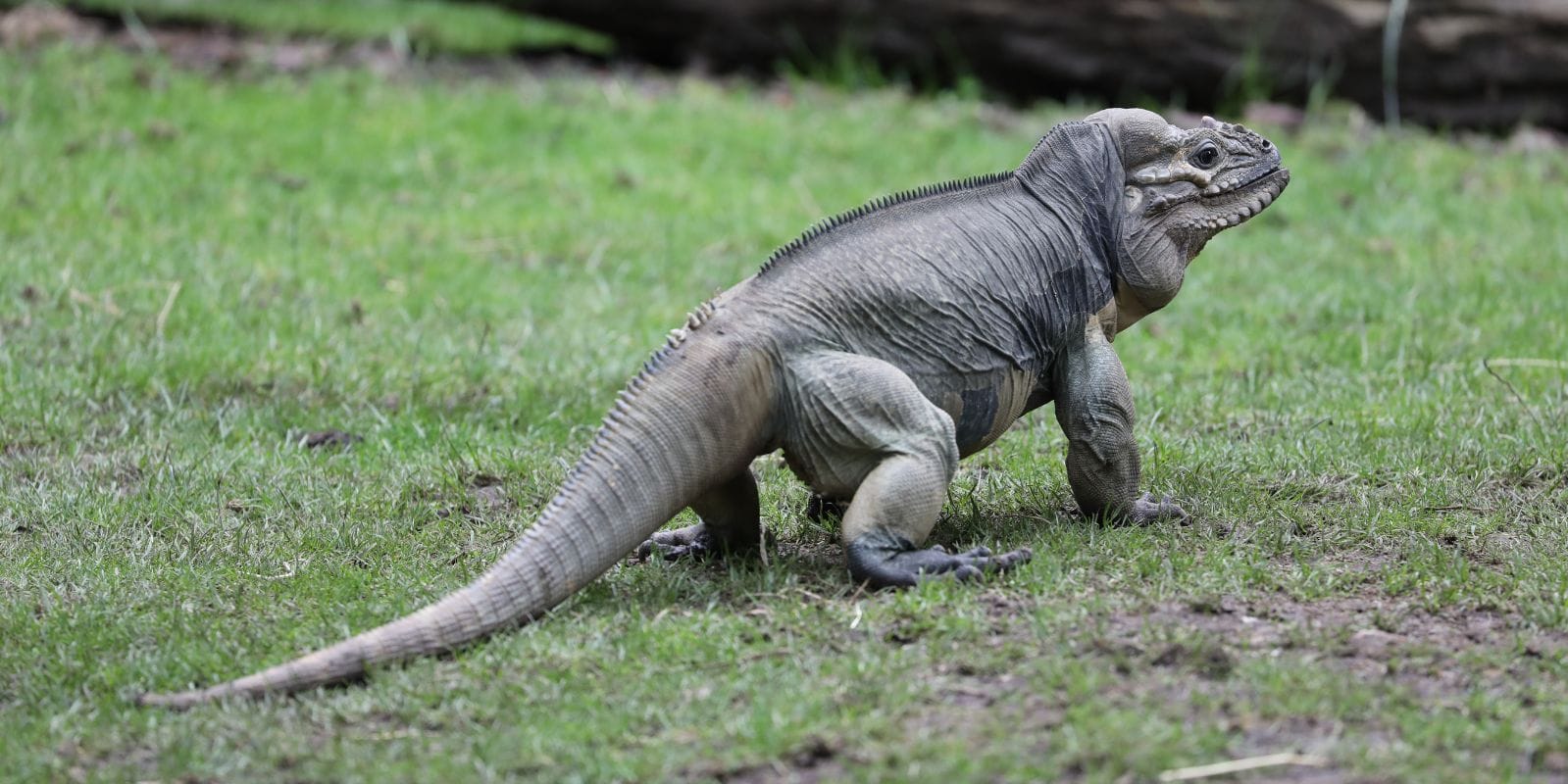
13. Two Endemic Species You’ll Only Spot in the Dominican Republic
The Dominican Republic is home to some rare wildlife, including two species you won’t see anywhere else on Earth, the Hispaniolan solenodon (a small, nocturnal mammal) and the rhinoceros iguana. Both are native to the island and incredibly unique.
14. You’ll See Muñecas Limé (the Faceless Dolls) Everywhere
Muñecas Limé are traditional Dominican clay dolls you’ll see all over local markets. What makes them special is that they don’t have faces. The faceless design represents the country’s multi-culturalism and the idea that identity goes beyond skin or features.
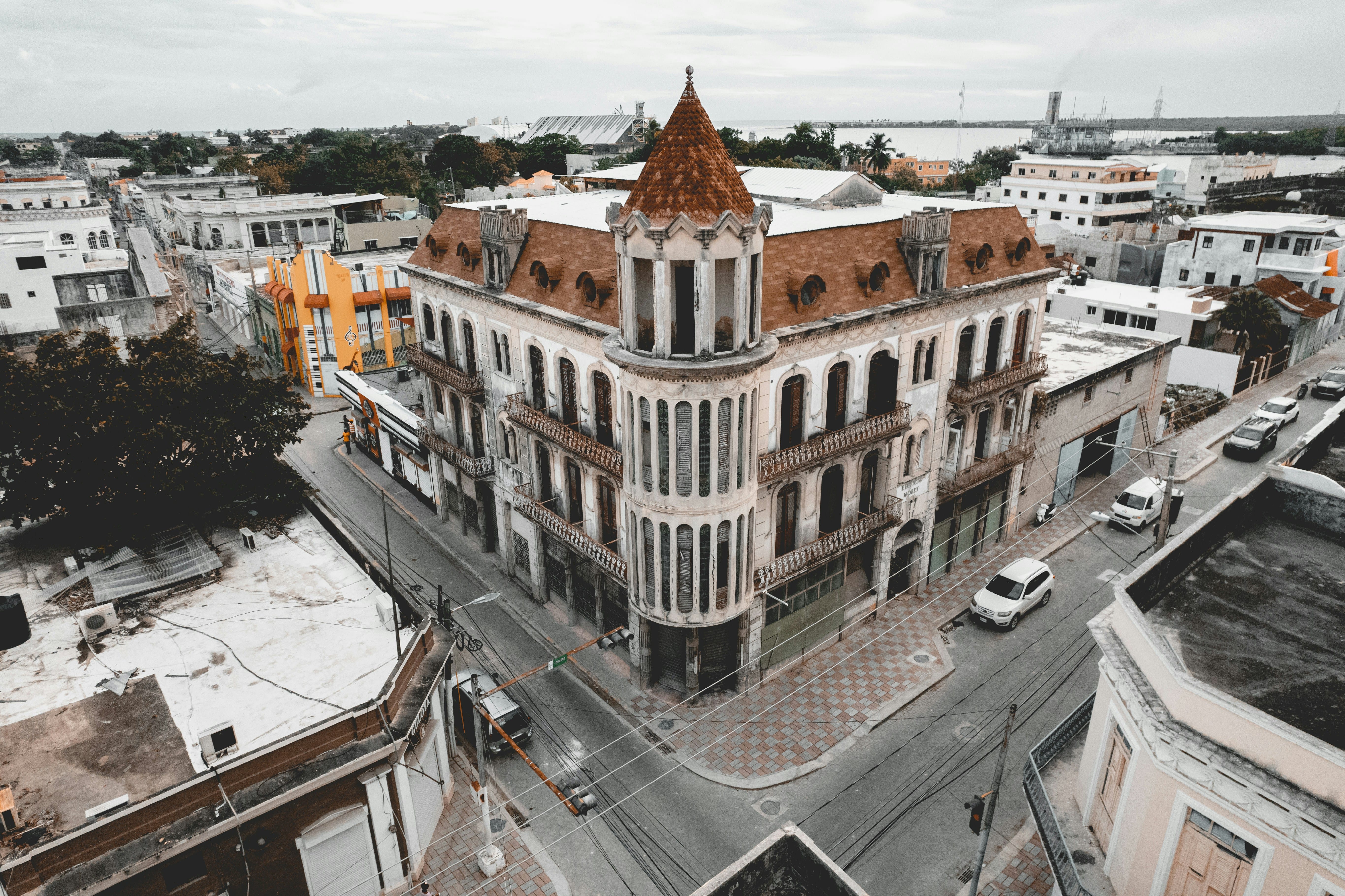
Photo by Asael Peña on Unsplash
15. Don’t Be Shocked; Everyone Honks in the Dominican Republic
In the Dominican Republic, honking your car is very common, and it’s not considered rude. It’s noisy, yes, but surprisingly efficient. It’s the locals’ way of warning you or saving you from any accident or potential harm.

Photo by Nikolai Maksimenkov on Unsplash
FAQs
What are some interesting facts about the Dominican Republic?
The Dominican Republic is full of surprises, from rare gemstones and hidden cave lakes to producing cigars.
What is the Dominican Republic known for culturally?
It’s known for merengue and bachata music, rich colonial history, and unique wine and coffee culture.
Is the Dominican Republic safe for tourists?
Yes, especially in resort towns and popular tourist areas. Like anywhere, be mindful of your surroundings, avoid isolated places at night, and take care of your valuables.
What language is spoken in the Dominican Republic?
Spanish is the official language, but in tourist areas, many locals also speak English. Knowing a few phrases in Spanish will help and is always appreciated.
What is the best time to visit the Dominican Republic?
The dry season from December to April is ideal, especially for beach weather. January to March is perfect for whale watching in Samaná.
What food is the Dominican Republic famous for?
La Bandera is the most common dish, but you’ll also find sancocho (a stew), fried cheese, and fresh seafood. Don’t leave without trying Mamajuana, though.
What are the top tourist attractions in the Dominican Republic?
Santo Domingo’s Colonial Zone, Samaná Bay, Los Haitises National Park, Damajagua Waterfalls, and the beaches of Bávaro and Las Terrenas are all the top attractions.
Do I need a visa to visit the Dominican Republic?
Most visitors from North America and Europe don’t need a visa for stays up to 30 days.
Is tap water safe to drink in the Dominican Republic?
It’s recommended to stick to bottled or filtered water, even for brushing your teeth, to avoid any stomach issues.
Can I use an eSIM in the Dominican Republic for mobile data?
Absolutely. An eSIM for the Dominican Republic from Jetpac is an easy and affordable way to stay connected. You can activate it in minutes and use your phone just like you would at home.