20 Fun Facts About Japan You Probably Didn't Know
Discover 20 fun facts about Japan you probably didn’t know. From vending machines and bullet trains to quirky traditions and cultural surprises, this guide reveals what makes Japan truly unique.
Discover 20 fun facts about Japan you probably didn’t know. From vending machines and bullet trains to quirky traditions and cultural surprises, this guide reveals what makes Japan truly unique.
Japan continues to amaze visitors, even those who think they know what to expect. Beyond the well-known cherry blossoms and sushi restaurants, this country is full of truly strange and wonderful surprises. These fun facts about Japan give you a glimpse into the little things that make the country so fascinating and unforgettable.
The cultural facts about Japan highlight a society that has not only preserved its traditions for centuries but also taken a step forward in terms of technology at the same time. Whether you’re planning your first visit or have been there before, these interesting facts about Japan are sure to change your perspective on this amazing archipelago.
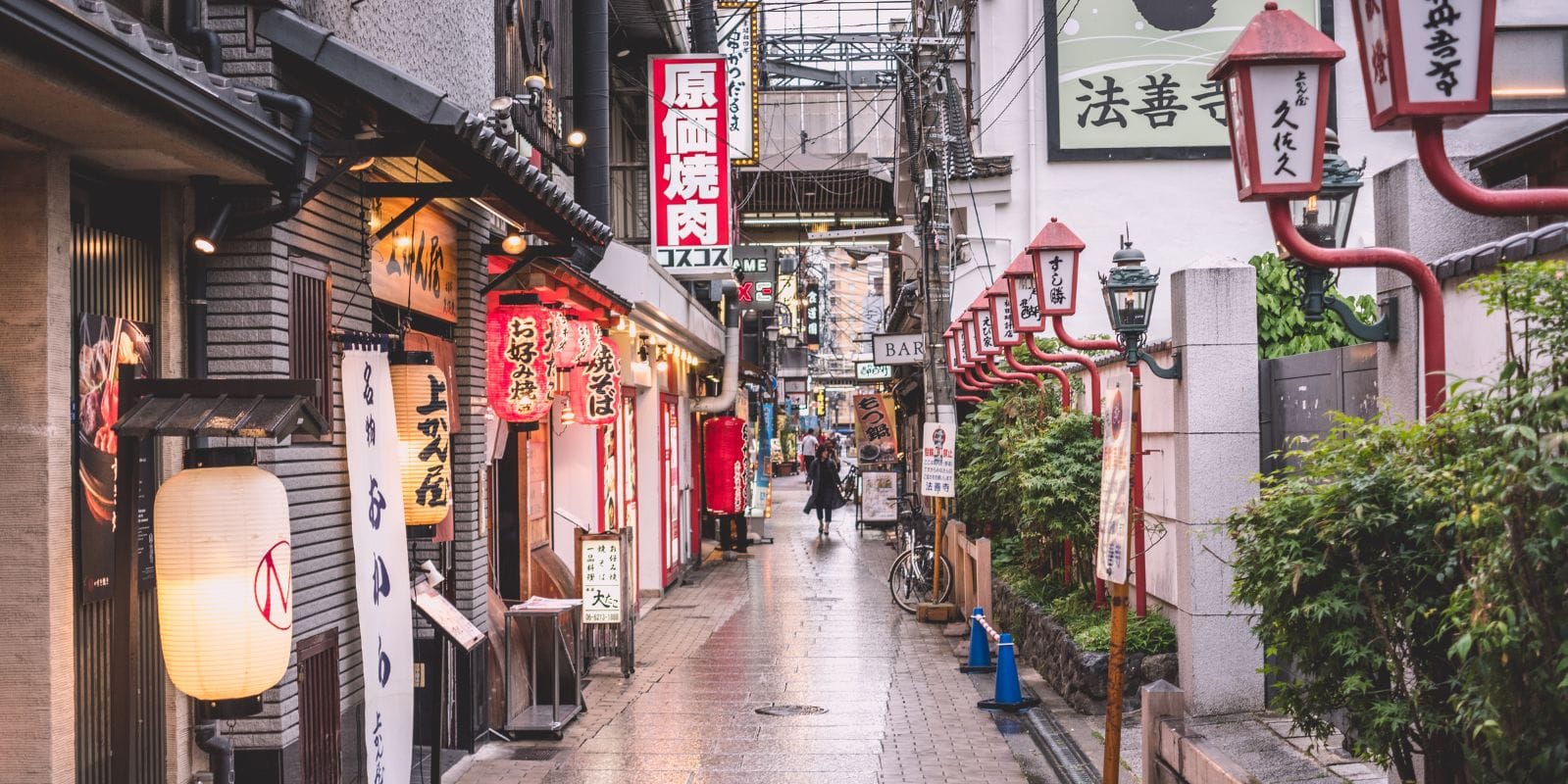
Image by O-seop Sim from Pexels via Canva Pro
20 Facts That Will Change How You See Japan
Here are the 20 fun facts about Japan that you should know:
1. Japan is Actually Made Up of 6,852 Islands
Most people think Japan has four main islands. But that’s not true. This archipelago nation contains nearly 7,000 islands scattered across the Pacific Ocean. While most Japanese live on Honshu, Hokkaido, Shikoku, and Kyushu, hundreds of smaller islands dot the coastline. Some islands have more rabbits than people. Others are completely uninhabited. A few host unique wildlife that exists nowhere else on Earth.
2. Slurping Your Noodles Isn't Rude in Japan
Western etiquette advises against slurping your soup. Japanese culture says the opposite. Making noise while eating noodles shows appreciation for the chef's work. This is one of the cool facts about Japan’s tradition that serves practical purposes, too. Slurping cools hot ramen and enhances flavors by aerating the broth. Eating noodles silently actually confuses many Japanese people.
3. Christmas Means KFC
Kentucky Fried Chicken has become a traditional Christmas dinner in Japan. This sounds unbelievable until you see families dressed up, heading to KFC on Christmas Eve like it's a sacred ritual. A 1974 marketing campaign created this tradition with the slogan "Kentucky for Christmas!" The campaign was so successful that people now book their holiday chicken meals weeks in advance. Christmas Day brings massive queues at every KFC location in Japan.
4. There's One Vending Machine for Every 23 People
Japan operates over 5 million vending machines nationwide. That's roughly one machine for every 23 residents! These aren't just soda dispensers either. You'll find machines selling hot soup, fresh eggs, beer, and even toys and collectibles. These machines generate over $60 billion annually, making it one of the interesting facts about Japan for travelers to remember.
5. Mount Fuji Could Still Erupt
That serene, picture-perfect mountain remains an active volcano. Mount Fuji hasn't erupted since 1707, but scientists monitor it constantly for seismic activity and gas emissions. This doesn't stop millions from climbing it during the official season (July to September). The sunrise view from the summit makes the risk worthwhile.
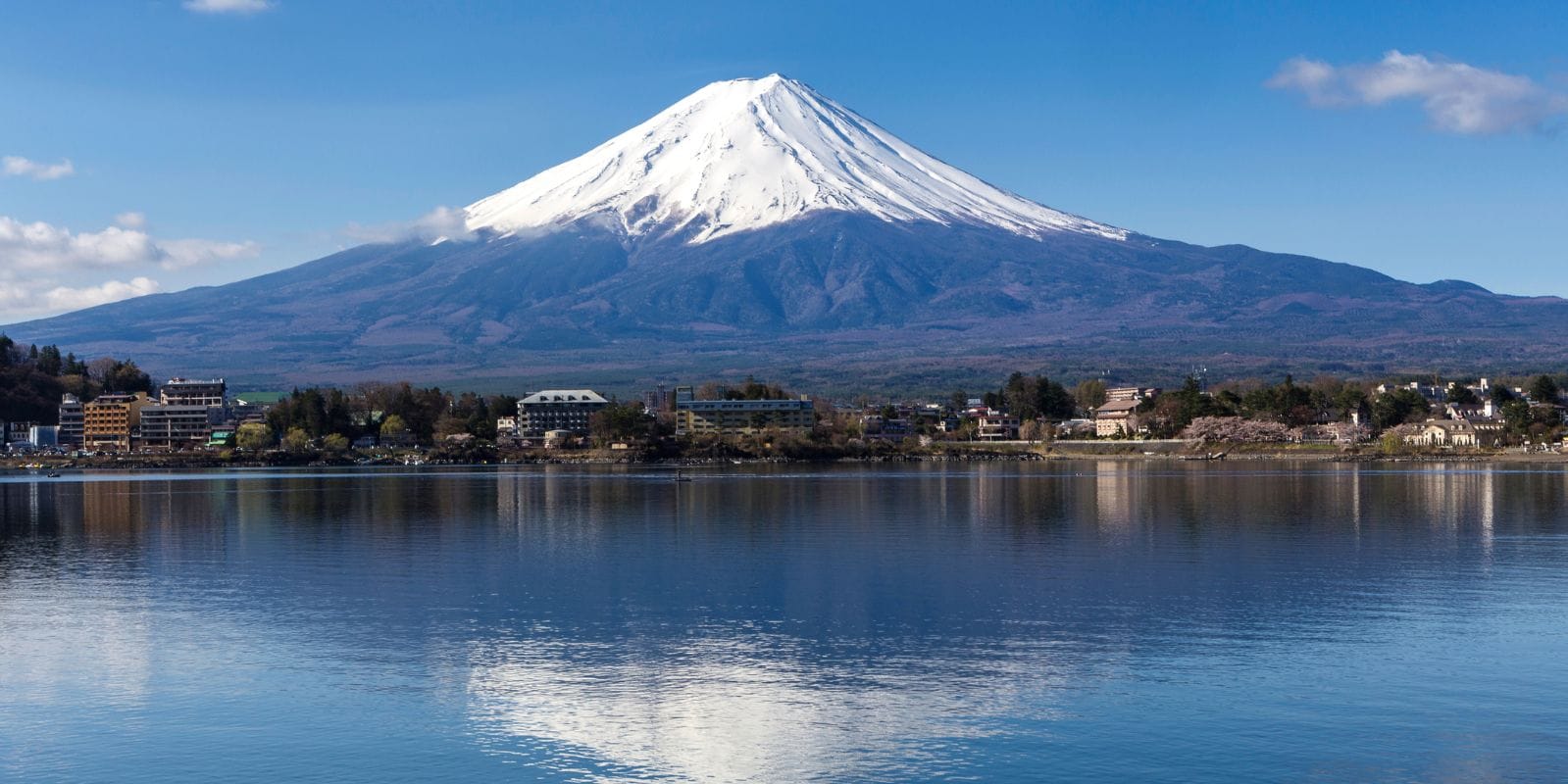
Image by jukurae from Getty Images via Canva Pro
6. Bullet Trains Travel at Lightning Speed
Shinkansen bullet trains reach speeds up to 320 km/h (200 mph). Speed isn't even their most impressive feature, though. These trains strictly maintain punctuality, making sure they are not even a few seconds late or early. This precision makes them one of the amazing Japan facts for travelers planning itineraries.
7. Sleep in a Pod at Capsule Hotels
Capsule hotels offer Japan's most unique accommodation experience. These individual sleeping pods were initially designed for businessmen who had missed their last trains home. However, these spaces now attract budget travelers seeking authentic Japanese experiences. Each capsule includes basic amenities such as lighting, ventilation, and typically a small TV.
8. Some Melons Cost More Than Your Flight
Yes, you read that right. Premium Yubari melons in Japan sell for up to $45,000 per pair at auction! These are not the ordinary melons that we often eat. These melons are grown with special care to achieve a perfect shape and have a unique, sweet flavor. They're considered prestigious gifts for special occasions in Japan.
9. Nightingale Floors Were Anti-Ninja Security
In the days of shoguns and samurai, security was a constant concern. Some castles and temples had floors designed to sing like a bird when stepped on, earning the name “nightingale floors.” It served as an alarm system, making it nearly impossible for intruders, even stealthy ninjas, to move undetected. Visitors can still experience these defenses in historic sites such as Nijo Castle in Kyoto.
10. Bean-Throwing Festivals Ward Off Demons
Every February, the Setsubun festival transforms Japan into a nationwide celebration of bean-throwing. Families and crowds gather at temples and shrines, tossing handfuls of roasted soybeans while chanting “Demons out, luck in!” The ritual is intended to ward off evil spirits and bring good fortune for the year ahead. This is one of the most surprising yet weird facts about Japan.
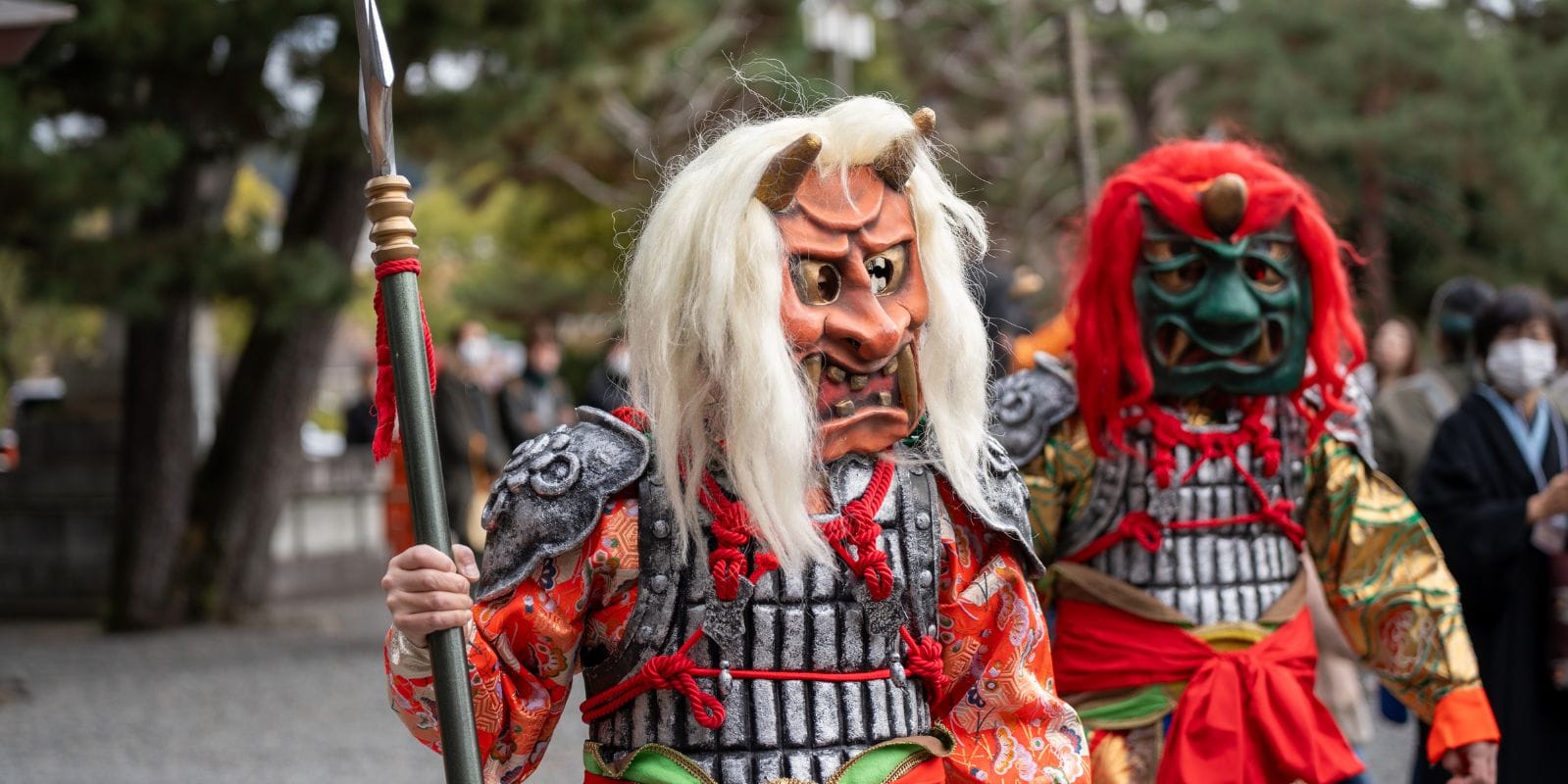
Image by Shawn.ccf via Canva Pro
11. Personal Seals Instead of Signatures
A large population in Japan still uses personal seals called hanko instead of handwritten signatures. These carved stamps feature individual names rendered in kanji characters and carry legal weight equivalent to Western signatures. Most adults own three different hanko for various purposes: personal letters, banking transactions, and official documents. Losing your official hanko can cause serious issues.
12. Rabbit Island Has a Dark History
Okunoshima, also known as Rabbit Island, is home to hundreds of friendly wild rabbits in a seemingly idyllic setting. However, this location conceals a dark past; the island served as a secret chemical weapons testing facility during World War II. Today, visitors enjoy peaceful interactions with thriving rabbit populations in their predator-free environment. This is one of the most surprising facts about Japan that many people are not aware of.
13. Hotels Staffed Entirely by Robots
Henn-na Hotels operate with predominantly robotic staff. Dinosaur-shaped receptionists check in guests while mechanical arms handle luggage. They use facial recognition technology instead of traditional room keys, and even cleaning and maintenance are managed by AI-controlled systems. Of course, if you encounter any issues that robots cannot resolve, humans will be there to assist.
14. The Number Four is Seriously Avoided
The number four carries such negative connotations that Japanese society actively avoids it. Buildings frequently omit the fourth floor, retailers sell items in sets of three or five, and people consciously avoid this unlucky digit. The superstition comes from the number's phonetic similarity to the Japanese word for death.
15. Tipping Can Actually Offend People
Unlike most countries, tipping in Japan can be inappropriate and might even be refused. Japanese service culture emphasizes providing exceptional customer care without expecting additional compensation. This is one of the most interesting facts about Japan that reflects its deeply held values.
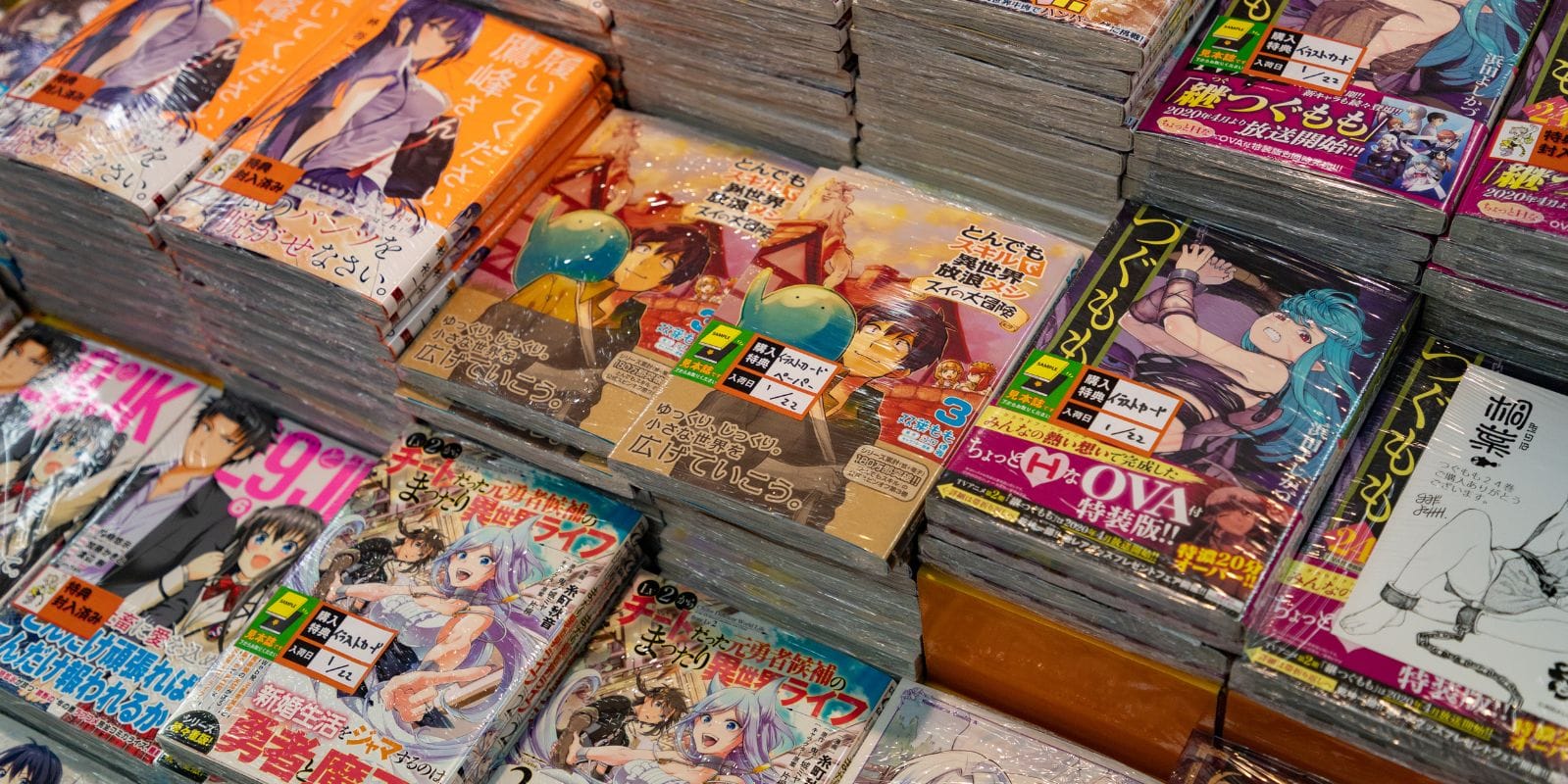
Image by Bruno Coelho via Canva Pro
16. Manga Dominates Publishing
In Japan, Manga makes up nearly 40% of everything sold in bookstores. These comics cover far more than superheroes or fantasy; they’re used in classrooms, business guides, and even instruction manuals. The contribution of manga shows just how deeply it shapes daily life in Japan, and its worldwide popularity continues to grow as one of the country’s most influential cultural exports.
17. Hello Kitty Has No Mouth
Sanrio's Hello Kitty character has evolved into one of the world's most recognizable brands. The character generates billions in revenue through merchandise, entertainment, and themed establishments. Her simple design, notably lacking a mouth, allows people to project their own emotions onto the figure, creating universal appeal across age groups and cultures.
18. Snow Monkeys Enjoy Hot Spring Spas
Japanese macaques, also known as snow monkeys, are primarily located in Nagano Prefecture and have learned to use natural hot springs for warmth during harsh winters. The sight of red-faced monkeys lounging in natural baths has become one of Japan’s most unforgettable wildlife encounters, drawing travelers eager to watch these clever animals beat the cold just as any human would.
19. Nara's Deer Have Perfect Manners
In the heart of Nara Park, more than a thousand sacred deer roam freely among temples and gardens. Over the years, they’ve learned to bow politely to visitors in exchange for special deer crackers sold nearby. Meeting Nara’s bowing deer has become a must-do experience for travelers exploring the ancient city.
20. The World's Oldest Business is a Japanese Inn
Japan is home to Nishiyama Onsen Keiunkan, a hot spring inn that has been welcoming guests since the year 705 AD. Recognized by Guinness World Records as the world's oldest continuously operating business, it has remained in the same family for over 1,300 years. The establishment continues offering traditional hospitality and therapeutic hot spring baths.
Image by Aflo Images from アフロ(Aflo) via Canva Pro
Explore Japan's Fun Facts and Stay Connected with Jetpac
Discovering these incredible fun facts about Japan becomes even more rewarding when you can share them instantly. With a Jetpac eSIM for Japan, you get high-speed data starting from just $1, plus free access to WhatsApp, Google Maps, Uber, and Grab, even after your data runs out. No roaming fees, no bill surprises, complete peace of mind while exploring and learning about fun facts about Japan.
These cool facts about Japan barely scratch the surface of what makes this country so captivating. Every corner holds new surprises, from weird facts about Japan, like robot hotels, to profoundly meaningful cultural facts about Japan that have shaped society for centuries. Whether Tokyo's neon streets or Kyoto's ancient temples call to you, these Japan facts for travelers will make you appreciate this beautiful country even more.
Why Choose a Jetpac eSIM for Japan?
Choosing a Jetpac eSIM for Japan means you don’t have to worry about connection, no matter where you go. And, you can learn more about fun facts about Japan when you’ve an internet connection and want to do a quick search online. Here is why Jetpac eSIM for Japan is the best option:
Instant Activation, No Need to Swap SIM Cards
A Jetpac eSIM activates instantly, providing immediate connectivity upon arrival without physical SIM card exchanges or lengthy registration procedures. You can just follow the Jetpac eSIM’s easy guide, and you’re good to go.
Save Up to 70% on Roaming Costs
Roaming bills can eat your budget faster than you think. Jetpac eSIM plans for Japan provide reliable coverage at a fraction of the cost carriers usually charge.
Keep Your Existing WhatsApp Number
Stay in touch with friends and family without changing numbers. Your WhatsApp works exactly the same as it does at home with Jetpac eSIM.
Flexible Plans to Fit Any Trip Length
Just visiting Tokyo for a few days? Or staying for a month to explore? Jetpac offers data packs tailored to match your travel plans, allowing you to pay only for what you need.
No Bill Shocks, Ever
The price you see is the price you pay. There are no hidden fees or shocking bills waiting for you after the trip.
Explore Jetpac eSIM for Japan plans and enjoy staying connected wherever your travels take you!
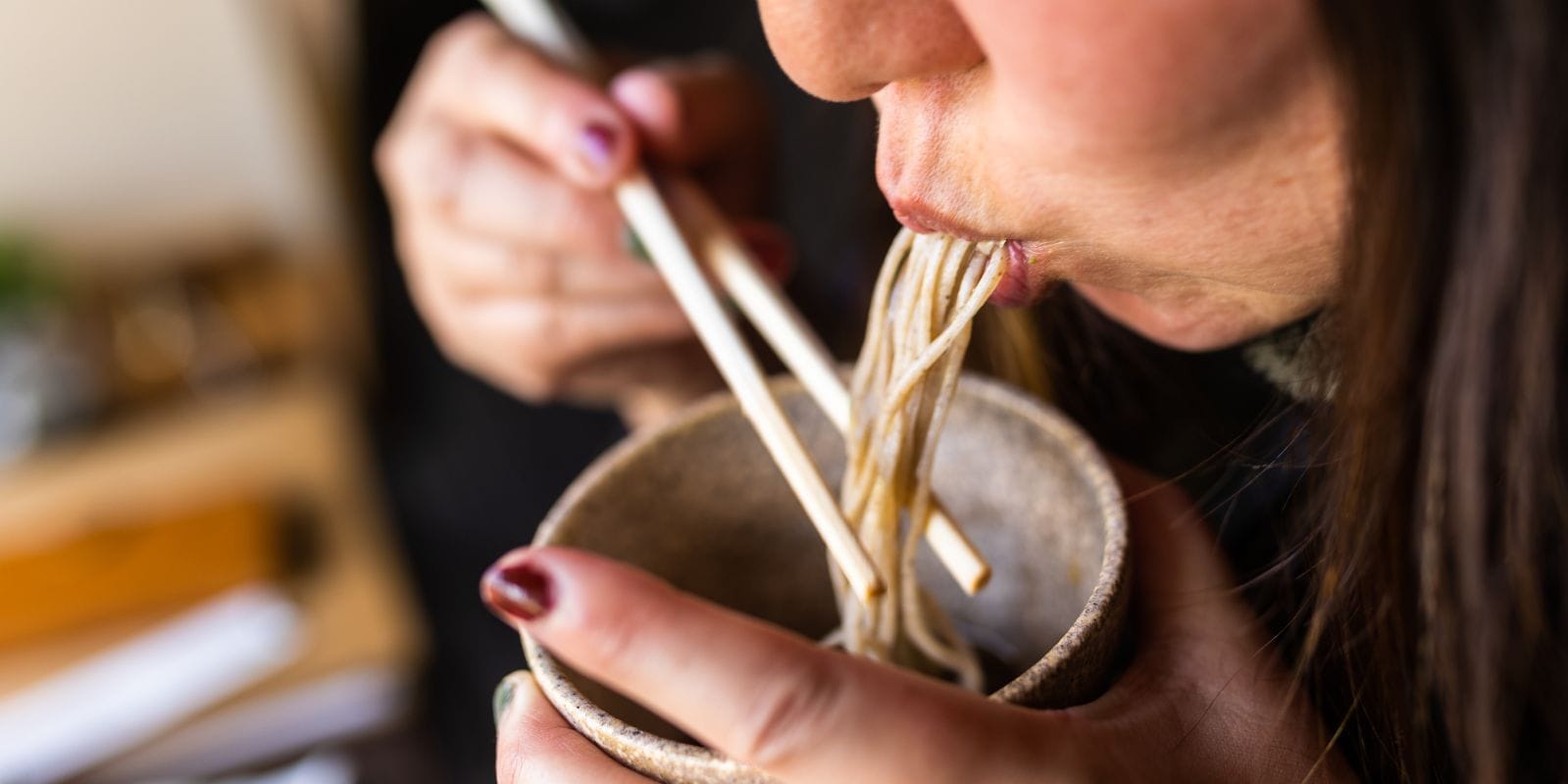
Image by petesphotography from Getty Images Signature via Canva Pro
FAQs
Why is slurping noodles polite in Japan?
Slurping cools hot noodles, enhances flavors, and shows appreciation for the chef's work. This is one of the most interesting fun facts about Japan.
What's the Japanese Christmas KFC tradition about?
KFC Japan's 1974 marketing campaign, "Kentucky for Christmas," became so successful that it evolved into an actual cultural tradition, with families booking holiday meals weeks in advance.
What's special about Japanese vending machines?
Japan's 5+ million vending machines sell everything from hot meals to toys, operating reliably everywhere from busy cities to remote villages.
Is Mount Fuji still an active volcano?
Yes, Mount Fuji remains active despite not erupting since 1707. Scientists continuously monitor it, but climbing during the official season (July-September) is considered safe. This is one of the most surprising facts about Japan that many people are unaware of.
How fast do Japanese bullet trains go?
Shinkansen trains reach 320 km/h (200 mph) and maintain incredible punctuality; you won’t notice a delay of even a few seconds.
What is a capsule hotel exactly?
Capsule hotels feature pod-like sleeping compartments with shared facilities, designed initially for businessmen but now popular with budget travelers.
Why do some Japanese melons cost a fortune?
Premium fruits, such as Yubari melons, are grown with special care to achieve a perfect appearance and taste, making them prestigious luxury gifts for special occasions. This is one of the fun facts about Japan that many still don’t believe.
What are nightingale floors, and why were they made?
Some castles and temples in Japan were built with special floors that squeak on purpose. Known as nightingale floors, they were an early security system: anyone walking across them made bird-like chirping sounds, making it nearly impossible for intruders, even ninjas, to move undetected.
What's Setsubun, the bean-throwing festival?
Every February, Japan celebrates Setsubun, a lively tradition where people throw roasted soybeans while shouting “Demons out, luck in!” to expel evil spirits and welcome good fortune.
What makes Hanko seals significant in Japan?
Instead of signing documents, many people in Japan use hanko, small personal stamps carved with their names in kanji. These seals are required for everything from bank accounts to contracts, and losing one can cause significant trouble.