20 Fun Facts About the Netherlands That Even Locals Don't Know
Discover 20 surprising fun facts about the Netherlands, from quirky traditions to hidden history and unique sights even locals may not be aware of.
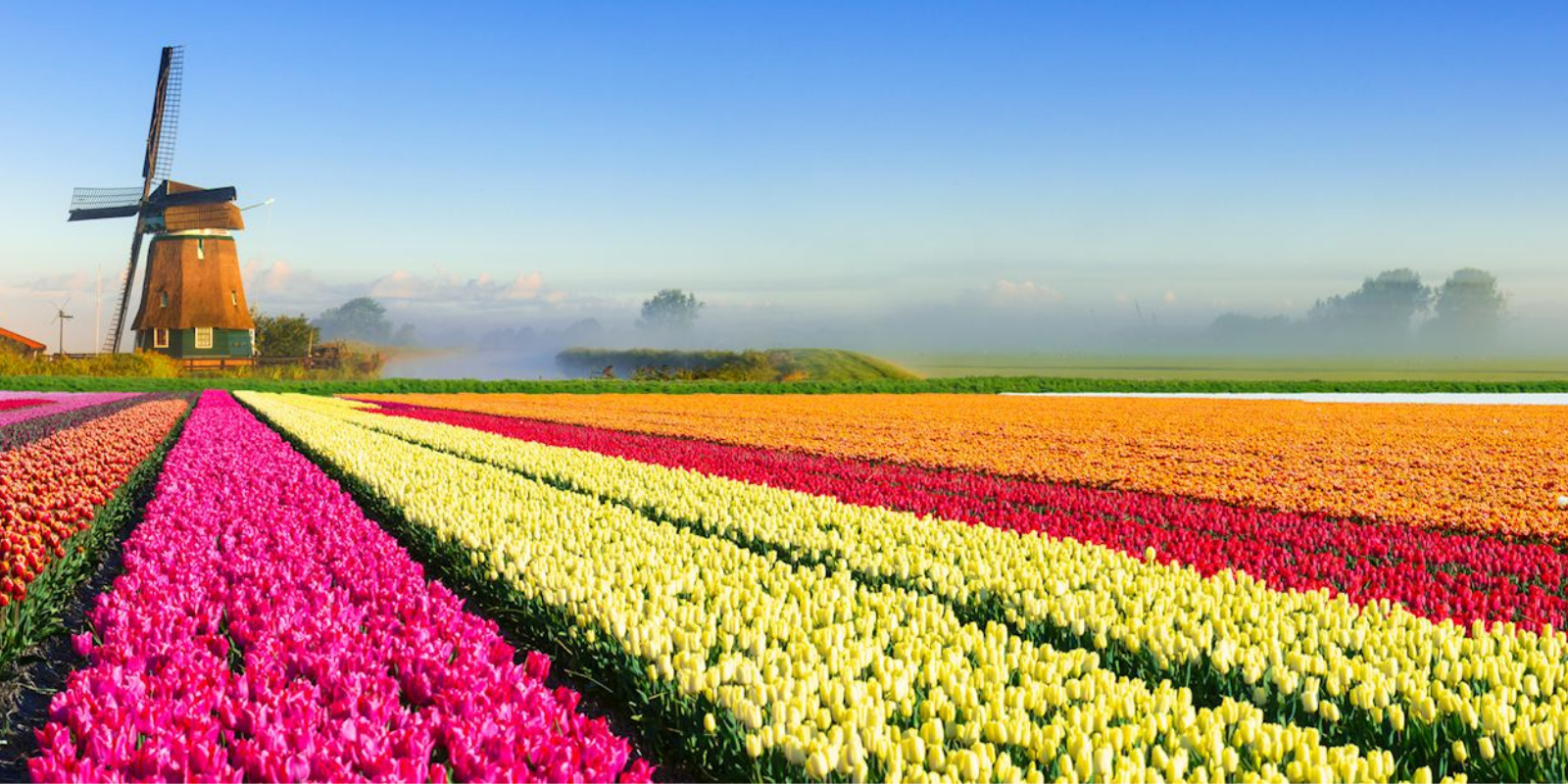
Discover the Netherlands like never before in these 20 surprising and delightful facts. From quirky traditions and hidden history to iconic sights and festive customs, this list reveals secrets even locals might not know!
The Netherlands is known for its tulips, canals, windmills, and charming cities, but there’s so much more hiding beneath the surface. This small yet fascinating country is full of surprising stories, quirky traditions, and little-known history that even many locals have never heard of.
If you’re curious about the culture, landscapes, and unusual facts that make this place unique, you’re in the right spot. These fun facts about the Netherlands will give you a fresh look at a country you may already think you know.
1. Much of the country lies below sea level
One of those fun facts about the Netherlands that might come as a surprise is that a large portion of the country sits below sea level. Entire regions would be underwater without the help of dikes, dunes, and advanced water management systems. This makes the Netherlands one of the most impressive examples of human engineering in Europe.
Areas like Amsterdam, Rotterdam, and The Hague rely on constant water control to stay safe. When you explore the canals and waterfront neighborhoods, especially in Amsterdam, you’re walking through a place where people have literally shaped the land to survive.
2. Land was reclaimed by hand over centuries
Perhaps, one of the most fascinating and fun facts about Amsterdam Netherlands and the rest of the country is how much land was manually reclaimed from lakes and marshes. Early Dutch communities worked together to build polders, windmills, and pumps long before modern machines existed. Their teamwork shaped the landscapes we see today.
This process took centuries and shows just how determined the Dutch were to create safe, livable spaces. Many towns, farms, and even cities stand on land that humans engineered from nothing. It’s one of the most impressive and long-lasting interesting facts about the Netherlands.
3. Flat but with a hidden high point
Most travelers know the Netherlands as a famously flat country, but one of the lesser-known fun facts about the Netherlands is that it does have a high point. The Vaalserberg, located near the borders of Belgium and Germany, reaches about 322 meters. It’s not a mountain by global standards, but it’s a fun surprise in such a level landscape.
The flat terrain makes biking incredibly easy throughout the country, especially around Amsterdam. But if you’re searching for something a bit different from the usual canals and cycle paths, this small hill adds a unique twist to your cycling adventure.
4. There are over 1,000 traditional windmills left
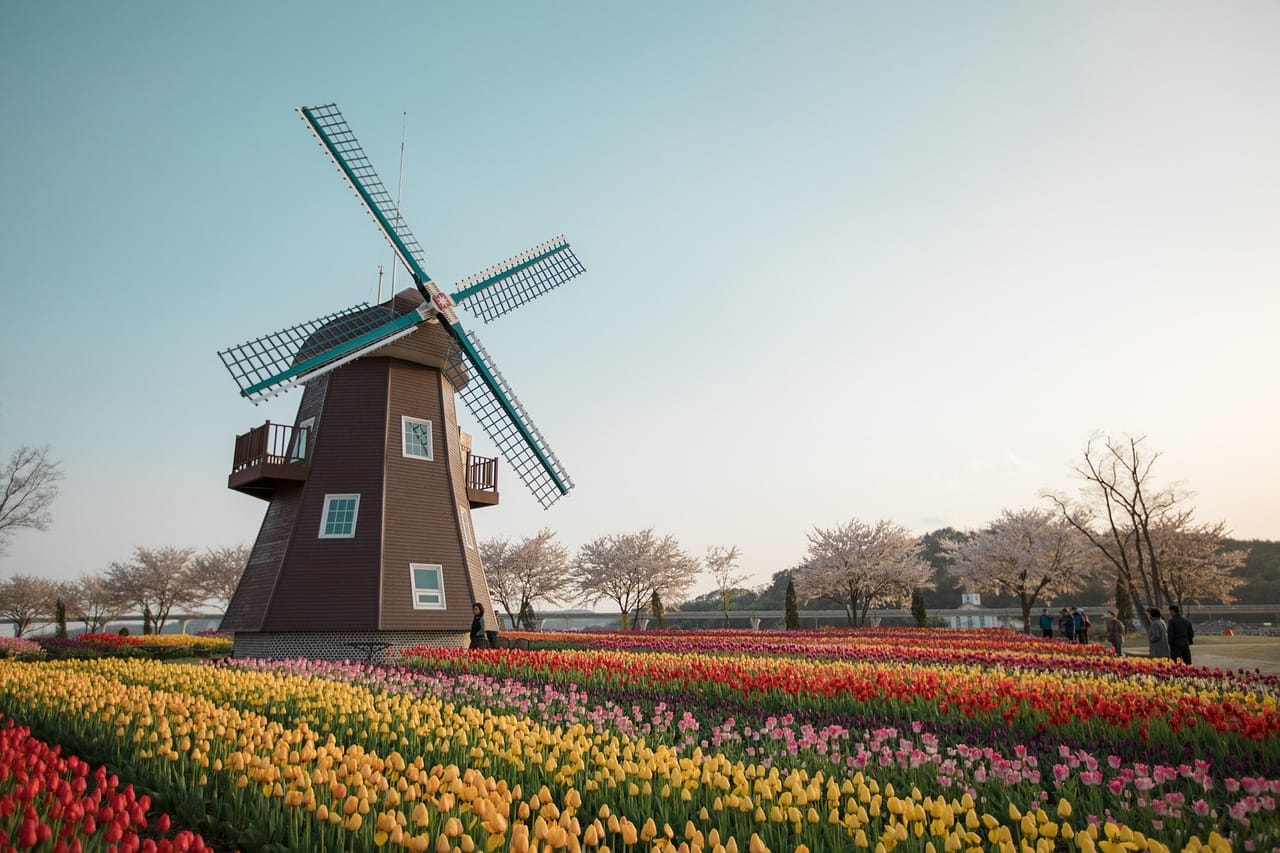
Windmills are a classic symbol of the Netherlands, and more than 1,000 still stand today. They once played a vital role in pumping water, milling grain, and supporting local industries. Although many are no longer in daily use, they remain an important part of Dutch heritage.
Places like Kinderdijk and Zaanse Schans let visitors see these historic structures up close. Their preservation helps keep Dutch history alive, which is why it made it to the list of fun facts about Amsterdam Netherlands.
5. Wind energy powers Dutch trains
Modern public transport in the Netherlands is surprisingly sustainable. Many electric trains now run entirely on wind energy, thanks to partnerships with renewable power providers. This shift makes daily travel cleaner and more efficient for millions of people.
For visitors, it’s a simple but impressive detail that shows how the country blends tradition with innovation. The same wind that once powered old windmills now powers modern transportation, a perfect example of progress rooted in history.
6. Home births are still common
Even in today’s modern healthcare system, many Dutch women choose to give birth at home. Midwives play a central role, and hospitals are often only needed if complications arise. This tradition reflects the trust in local healthcare and the country’s focus on community support.
Home births may surprise visitors who expect hospital deliveries everywhere. It’s one of those fun facts about Netherlands that shows how Dutch culture values personal choice and comfort in family life.
7. Wooden shoes (“klompen”) aren’t just a tourist gimmick
Traditional wooden shoes, or klompen, are often seen in souvenir shops, but they are still used in rural areas. Farmers and gardeners wear them for work because they’re sturdy, practical, and easy to clean. These shoes have been part of Dutch life for centuries and remain a functional item rather than just decoration.
Some workshops and museums even let visitors try making their own klompen, giving a hands-on experience of Dutch heritage. This is one of the most interesting fun facts about Amsterdam Netherlands, showing how old traditions persist in daily life.
8. They Have Two Christmas Days
Unlike most countries, the Netherlands celebrates Christmas across two days: Eerste Kerstdag (December 25) and Tweede Kerstdag (December 26). Families often spend these days visiting relatives, enjoying special meals, and relaxing. Interestingly, most gift-giving happens during Sinterklaas in early December rather than on Christmas Day itself.
This unique holiday schedule creates a festive atmosphere that lasts longer than in many other countries. These fun facts about Christmas in the Netherlands are a surprise to most visitors.
9. Cheese markets with centuries-old traditions
The Netherlands is famous for its cheese, and historic cheese markets are still held in towns like Gouda and Alkmaar. Farmers and cheese porters follow centuries-old customs, complete with traditional clothing and ceremonial handshakes. It’s a lively spectacle that draws tourists and locals alike.
Walking through a market, you can taste, see, and even buy a wide variety of cheeses while learning about Dutch craftsmanship. Visiting the cheese markets in summer or spring is a treat, which is why many travelers consider this the best time to visit Netherlands.
10. Stroopwafels: not just sweet, but a national treasure
Stroopwafels, two thin waffles with a caramel-like syrup filling, are more than a snack, for they’re a Dutch institution. Originally made in the city of Gouda in the 18th century, they are now enjoyed across the country and exported worldwide. They’re often eaten warm on top of a cup of coffee or tea, which makes them extra delicious.
Sampling a freshly made stroopwafel is a must-do for visitors, and it’s easy to see why locals are proud of this treat. This tasty tradition is one of the sweetest fun facts about Netherlands that travelers can enjoy firsthand.
11. Dutch Christmas Really Starts With Sinterklaas
While Christmas is celebrated in the Netherlands, the real highlight for children is Sinterklaas, celebrated on December 5th. Sinterklaas arrives from Spain on a steamboat, and children leave shoes out to receive gifts, candy, and little poems. The tradition is full of songs, parades, and playful mischief, making it a truly festive experience.
Many visitors are surprised that Sinterklaas is more important than Christmas itself in Dutch culture. This just shows how holiday traditions here are unique and deeply rooted in history.
12. Amsterdam’s canals and bridges in numbers
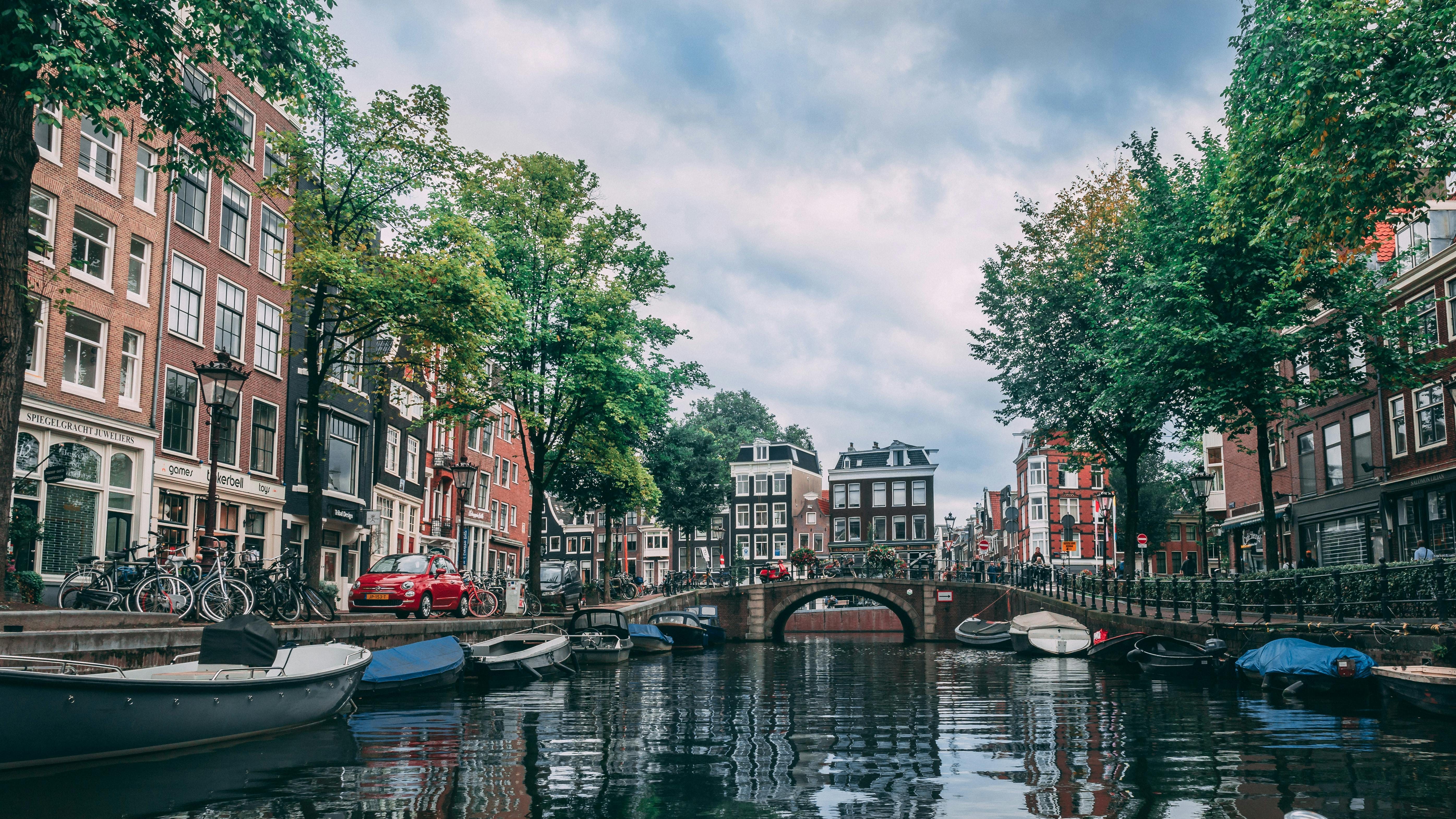
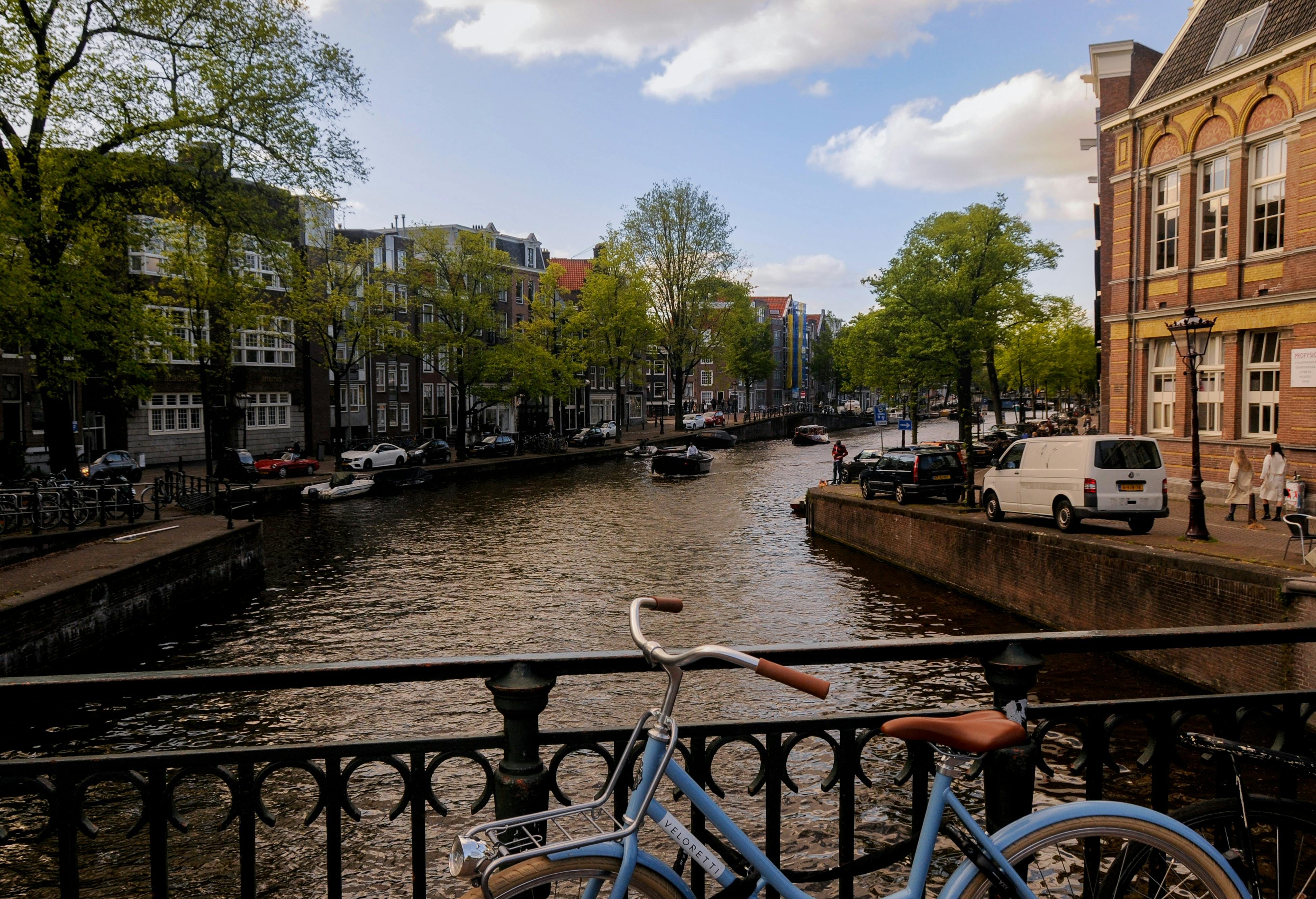
One of the most interesting facts about the Netherlands is the sheer scale of Amsterdam’s canals. With over 100 kilometers of waterways and around 1,500 bridges, the city’s layout reflects careful planning from the 17th century. A boat ride or walk along the canals offers a glimpse into the city’s history and charm.
This impressive network makes Amsterdam a top destination for both sightseeing and cultural exploration. Visitors often find themselves marveling at the architecture and engineering that shaped the city.
13. Some Dutch houses lean forward on purpose
If you notice houses in Amsterdam leaning forward, it’s not due to age or neglect—it’s intentional. Many old buildings were designed this way so that large items, like furniture, could be hoisted up using a pulley without damaging the structure. The forward tilt is both practical and a quirky part of Dutch architecture.
These leaning houses give canalside streets their charming character and make for great photo opportunities. It’s one of those small but memorable fun facts on the Netherlands that adds character to everyday city life.
14. Zaandam’s Lego-like houses
In the Zaan region, you’ll find houses that look like they were built from colorful Lego bricks. These iconic wooden homes, painted in bright reds, greens, and blues, date back to the 17th and 18th centuries. Their vibrant colors and distinctive style make the town instantly recognizable and photo-worthy.
The playful design reflects local traditions and craftsmanship and is a striking example of Dutch creativity. This is one of those cool facts about Holland that visitors exploring beyond the usual tourist spots should know about.
15. Dutch engineers changed the world
One of those Dutch interesting facts that might interest you is how engineers from the Netherlands contributed inventions that shaped modern life. From the first practical submarine to innovations in renewable energy and water management, Dutch creativity has had a global impact. Their engineering feats blend history, technology, and sustainability.
Travelers often discover that this culture of innovation extends far beyond traditional tourist sites. It highlights the Netherlands’ role as a hub of invention and forward-thinking design.
16. Cornelius Drebbel’s submarine
One of the cool facts about Holland is that a Dutch inventor built the first navigable submarine in the early 1600s. Cornelius Drebbel’s vessel could travel underwater, powered by oars and innovative engineering techniques. This early invention laid the foundation for modern submarines and showcased Dutch ingenuity.
The submarine was demonstrated on the River Thames for the English navy, surprising everyone at the time. It’s a reminder that the Netherlands has long been a center of innovation and daring ideas.
17. More bikes than people
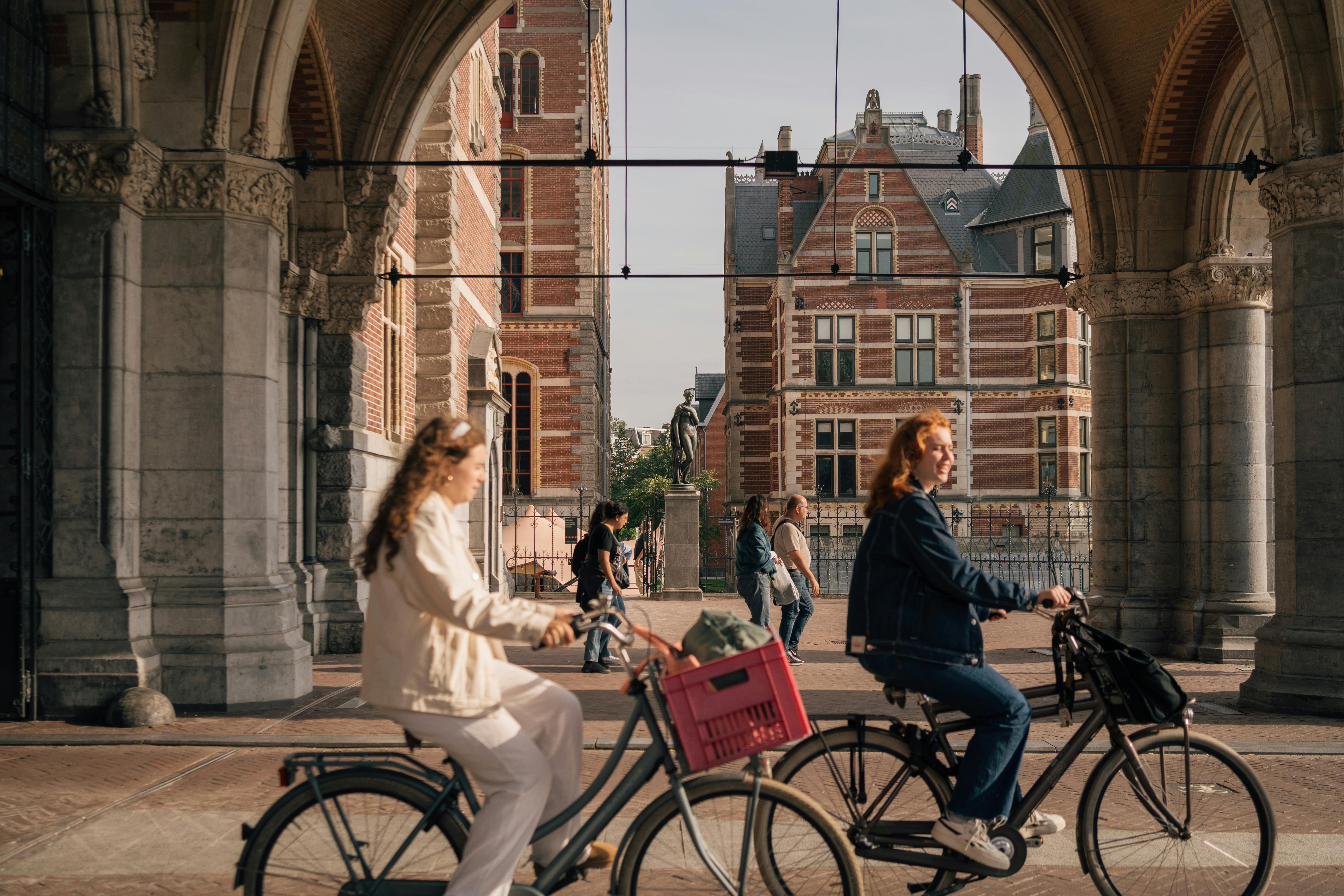
One of those fun facts about the Netherlands that many people may already know about is that there are more bicycles than people in the country. Cycling is an essential part of daily life, with dedicated lanes, traffic signals, and bike parking everywhere. It’s not just for leisure. Most people commute, shop, and run errands on two wheels.
This biking culture is particularly evident in cities like Amsterdam, where cyclists outnumber cars in busy streets. It’s a simple, sustainable, and efficient way to get around, making it one of the most iconic Dutch experiences.
18. Almost everyone learns to swim
One of those Dutch interesting facts that you may not know about is that nearly all children in the Netherlands learn to swim from an early age. Growing up surrounded by canals, rivers, and lakes, swimming is considered a vital life skill. Lessons are often provided by schools or local swimming clubs, ensuring safety and confidence in the water.
Swimming proficiency is a point of pride and a practical necessity in a country where water is everywhere. Visitors often find this culture fascinating and inspiring, reflecting the Netherlands’ relationship with its waterways.
19. Miniature Netherlands: Madurodam
If you're heading to the Netherlands with the kids, you should definitely check out Madurodam, a scale model of the Netherlands located in The Hague. This miniature city showcases famous landmarks, canals, and windmills in a 1:25 scale, giving visitors a fun and educational overview of the country.
Many tourists are amazed at the attention to detail, from tiny trams to miniature cheese markets. Madurodam remains one of the most memorable fun facts about the Netherlands for anyone curious about Dutch architecture and history.
20. Fairy-tale theme park: Efteling
One of the most magical attractions in the Netherlands is Efteling, a theme park inspired by legends, myths, and fairy tales. Visitors can enjoy rides, shows, and attractions that bring stories from Dutch folklore to life. Its charm and creativity make it stand out from typical amusement parks.
Efteling has been delighting generations since the 1950s, and its combination of storytelling and innovation makes it a must-visit. This park is one of the most enchanting cool facts about Holland for families and anyone who loves fairy-tale experiences.
These fun facts about the Netherlands might inspire your trip, but for more travel ideas, check out our guide to the best things to do in Amsterdam.
Travel Smarter With Jetpac: Your Go-To eSIM for Netherlands
Exploring the Netherlands is easier when you stay connected from the moment you arrive, and Jetpac makes that effortless. With a Netherlands eSIM, you can skip airport SIM queues and avoid expensive roaming fees.
Jetpac activates instantly, so you can load maps, check train schedules, or message your accommodation as soon as you land. It works on all eSIM-compatible devices and gives you the freedom to manage your data your way.
Jetpac stands out for its reliable global coverage, flexible plans, and sustainable travel features. The eSIM Netherlands option gives you fast data speeds across major Dutch cities and rural areas, powered by strong local network partners. Plus, you don’t need to worry about physical SIM cards! Jetpac’s digital-only system means less waste, easier setup, and zero risk of losing tiny cards while traveling.
What's more, a Jetpac eSIM for Netherlands comes with exclusive travel perks, including over 20,000 Airport LoungeKey lounges, and rewards that make every trip more enjoyable. Their support team is available around the clock, so you’re never stuck if you need help!
FAQs
What are people of the Netherlands called?
People from the Netherlands are called Dutch. The term refers to both the language and the nationality. Although “Holland” is often used casually, it only refers to two provinces, not the whole country. So the correct name for the people is always “Dutch.”
What are some fun facts about Christmas in the Netherlands?
Christmas in the Netherlands is celebrated a bit differently than in other countries. The main gift-giving holiday is actually Sinterklaas, which happens on December 5th. Christmas Day is usually quieter, focused on family meals rather than presents. Many families also enjoy a special “gourmetten” dinner where everyone cooks small dishes at the table.
Why is the Netherlands often called Holland?
Many people use “Holland” when they mean the Netherlands, but it isn’t technically correct. Holland refers only to North Holland and South Holland, two provinces out of twelve. These regions became well-known because they were historically the most powerful in trade and politics. Over time, their name started being used to represent the whole country.
Why does so much of the Netherlands sit below sea level?
Large parts of the Netherlands are below sea level because they were reclaimed from the sea over many centuries. The Dutch built an advanced system of dikes, pumps, and polders to create usable land. This engineering allowed towns, farms, and entire provinces to expand. Today, it’s one of the most impressive examples of water management in the world.
Why does the Netherlands have so many bicycles?
Cycling is part of daily life in the Netherlands thanks to safe infrastructure, flat landscapes, and a culture built around bikes. Most cities have dedicated bike lanes, bike traffic lights, and secure parking areas. It’s cheaper and faster than driving, especially in busy urban areas. Many Dutch people even use bikes for commuting, grocery shopping, and school runs.
What languages do people speak in the Netherlands?
The main language spoken in the Netherlands is Dutch. However, many people also speak English very well, especially in larger cities. In the northern region of Friesland, the official language Frisian is also widely used. You may also hear other regional dialects, depending on where you travel.
What is the Netherlands famous for?
The Netherlands is known for its canals, tulip fields, windmills, and world-class museums. The country is also famous for innovative engineering, sustainable design, and cycling culture. Cities like Amsterdam, Rotterdam, and Utrecht offer a mix of history and modern creativity. Dutch food, festivals, and traditions also attract travelers from around the world.
What is unique about Dutch culture?
Dutch culture is known for its direct communication style, which values honesty and clarity. People also appreciate practicality, punctuality, and a strong sense of community. Many Dutch traditions, like King’s Day and Sinterklaas, reflect the country’s deep history. At the same time, modern Dutch society is open-minded, diverse, and welcoming to visitors.