
21 Fun Facts About Puerto Rico You Never Knew Before Today
Discover fun facts about Puerto Rico that go beyond beaches and resorts, from culture to geography, and stay connected easily with an eSIM while exploring.
Puerto Rico rewards travelers who pay attention. Fun facts about Puerto Rico reveal surprising details about its land, people, food, and identity that often go unnoticed during brief visits. These insights bring context to everything from road trips to island hopping. Travelers rely on Jetpac to stay connected while exploring places beyond the usual tourist routes.
Why Puerto Rico Is More Interesting Than Most People Realize
Puerto Rico is often introduced as a tropical getaway, but that description barely scratches the surface. Beyond beaches and resorts, the island boasts a rich tapestry of history, culture, geography, and everyday traditions that often surprise even the most frequent travelers. These fun facts about Puerto Rico reveal how the island works, feels, and lives beyond postcards.
Many visitors only uncover these details once they start exploring towns, forests, and smaller islands on their own, often relying on their phones to navigate places that never appear in guidebooks. This is where an eSIM from Jetpac serves as your most reliable travel companion in terms of data and connectivity, making your trip to Puerto Rico effortless.
Together, these facts paint a clearer picture of why Puerto Rico feels so different once you slow down and pay attention.
Fun Facts About Puerto Rico’s Geography and Nature
Puerto Rico’s landscape is far more complex than its size suggests. The island packs dramatic geological features, shifting climates, and rare ecosystems into a relatively small space.
Below are the 21 facts about Puerto Rico that you can’t miss:
1. Puerto Rico Sits on One of the Most Geologically Active Zones in the Atlantic
Puerto Rico lies near the boundary of the Caribbean and North American tectonic plates. This positioning explains why earthquakes occur occasionally and why the surrounding ocean floor drops so sharply. It also shapes the island’s mountains, caves, and deep coastal waters, making geography one of the most fascinating facts about Puerto Rico.
2. The Puerto Rico Trench Is Deeper Than the Grand Canyon
Just north of Puerto Rico lies the Puerto Rico Trench, the deepest part of the Atlantic Ocean. Its lowest point reaches more than 27,000 feet below sea level, making it deeper than the Grand Canyon’s height from rim to river. This trench sits along an active tectonic boundary, which helps explain why the region experiences earthquakes and has such diverse marine ecosystems beneath the surface. It is often cited when travelers ask what some of the fun facts about Puerto Rico are that are beyond what you can see on the land.
3. Puerto Rico Has More Microclimates Than You’d Expect
Puerto Rico’s geography creates sharp climate changes across short distances. In a single day, you can move from heavy rainforest rain in the interior to dry heat along the southern coast, then reach cooler air in the central mountains. Elevation, wind patterns, and proximity to the ocean all shape these shifts. This is why road trips across the island feel so diverse, and why packing for Puerto Rico often requires more flexibility than travelers anticipate.
4. El Yunque Produces Its Own Weather
El Yunque is not just a rainforest; it actively shapes its own climate. Moist trade winds rise from the Atlantic, hit the mountains, and condense into clouds and steady rainfall. This natural cycle keeps the forest green year-round and feeds rivers and waterfalls across the island. It is one of the most fascinating fun facts about Puerto Rico for nature lovers, which helps explain why the weather can change quickly here, even when nearby coastal towns stay sunny.
5. There Are Beaches in Puerto Rico for Every Water Color
Puerto Rico’s beaches do not all look the same, and that is part of the surprise. Depending on location, you will find pale sand, golden stretches, and darker shores shaped by ancient volcanic activity. Water color shifts just as dramatically, from clear turquoise in shallow bays to deep blue along open coasts. These contrasts come from reef systems, depth, and sunlight, which is why driving the island reveals such different coastal scenes and adds to the list of fun facts about Puerto Rico that travelers remember the most.
6. Puerto Rico Has Changed Flags and Names Multiple Times
Before Spanish rule, the island was known as Borikén, a name that is still deeply tied to local identity today. Spain later renamed it San Juan Bautista, and over time, the island and its capital exchanged names before settling into what we now know as Puerto Rico and San Juan. These shifts reflect centuries of cultural and political change, making them one of the more surprising fun facts about San Juan in Puerto Rico and the island as a whole.
7. Puerto Rico Has its Own Olympic Team
Although Puerto Rico is a U.S. territory, it competes as a separate nation in the Olympics. Athletes represent the island under their own flag, which reflects Puerto Rico’s distinct identity. This independence on the global stage is one of those fun facts about Puerto Rico that often surprises first-time visitors.
8. The Island Uses U.S. Currency but Feels Culturally Distinct
You can pay in U.S. dollars everywhere, yet daily life feels very different from the mainland. Language, food, music, and social rhythms are shaped by Caribbean and Latin traditions rather than American norms. This contrast between familiarity and difference is a key part of the fun facts about Puerto Rico’s culture.
9. Puerto Ricans Are U.S. Citizens but Vote Differently
People born in Puerto Rico are U.S. citizens, but they cannot vote in U.S. presidential elections unless they live on the mainland. This political reality is often misunderstood and regularly comes up when people ask for some fun facts about Puerto Rico beyond beaches and history.
10. Puerto Rico Created a Language Style All its Own
Spanish is the primary language, English is widely understood, and Taíno words remain part of everyday speech. Over time, this blend created a rhythm of communication that feels uniquely local. The way language evolves on the island is one of the subtler fun facts about Puerto Rico’s culture that travelers notice once they spend time there.
While you navigate Puerto Rico, a Jetpac eSIM keeps you connected effortlessly.
11. The Coquí Frog is Loud Enough to Wake You at Night
The tiny coquí frog produces a call that can reach up to 90 decibels, often catching visitors off guard after dark. While it may sound startling at first, locals grow up hearing it and associate the rhythm with comfort and home. That contrast between surprise and familiarity is one of the quieter fun facts about Puerto Rico, understood best once you spend a night on the island.
12. Puerto Rico Shaped Global Music More Than You Think
Long before Latin music dominated global charts, Puerto Rico helped shape salsa, reggaeton, and modern Latin pop. Music here is woven into daily life, from casual gatherings to public celebrations. This influence is one of the most impactful fun facts about Puerto Rico’s culture, especially once you experience it in person.
13. Dancing is Considered a Social Skill, Not a Talent
In Puerto Rico, dancing is an integral part of social interaction, rather than a performance. At family events, festivals, and neighborhood parties, participation matters more than technique. You do not need formal lessons, just a willingness to join in, which says a lot about how culture is shared on the island.
14. Puerto Rican Coffee Rarely Leaves the Island
Puerto Rico produces high-quality coffee in its central mountain region, where elevation and climate combine to create smooth, rich flavors. Much of the best harvest is enjoyed locally rather than exported, which is why visitors often discover a depth of flavor they never encountered outside the island.
15. Puerto Rico Eats More Plantains Than Potatoes
Plantains show up everywhere in Puerto Rican cooking, fried into tostones, mashed into mofongo, baked, or stuffed. Their versatility and everyday presence explain many fun facts about Puerto Rican food, especially why meals feel hearty and comforting without relying heavily on bread or potatoes.
16. Rum Production in Puerto Rico Is on a Massive Scale
Puerto Rico is one of the world’s largest rum producers, with distilleries that operate on an industrial scale while still shaping local culture. Rum is not just an export here; it is tied to history, labor, and everyday social life across the island.
17. You Can Travel Without Changing Time Zones or Currency
Visitors from the mainland U.S. keep the same dollar and time zone in Puerto Rico, which removes friction around payments, schedules, and daily planning. This detail often surprises people and explains why many travelers find the island easier to navigate than other Caribbean destinations.
18. Puerto Rico Is an Archipelago, Not One Island
Puerto Rico includes the main island along with Vieques, Culebra, and dozens of smaller islets. Each has its own pace, beaches, and character, which is why island hopping feels like a natural extension of travel here rather than a special excursion. This answers the most common questions that travelers ask, such as what are some fun facts about Puerto Rico that first-time visitors rarely expect.
19. Bioluminescent Bays Are Brighter Here Than Almost Anywhere Else
Puerto Rico is one of the few places on Earth with multiple bioluminescent bays, created by dense concentrations of microscopic organisms. Under the right conditions, the water glows with movement, making night kayaking one of the most memorable natural experiences on the island.
20. Road Trips Can Take You From Rainforest to Desert in One Day
Short driving distances and sharp climate changes allow you to move from lush rainforest to dry coastal terrain within hours. This contrast is one of the most surprising fun facts about Puerto Rico, especially for travelers who assume the island has a single, uniform landscape.
21. Puerto Rico Has More UNESCO-Recognized History Than People Realize
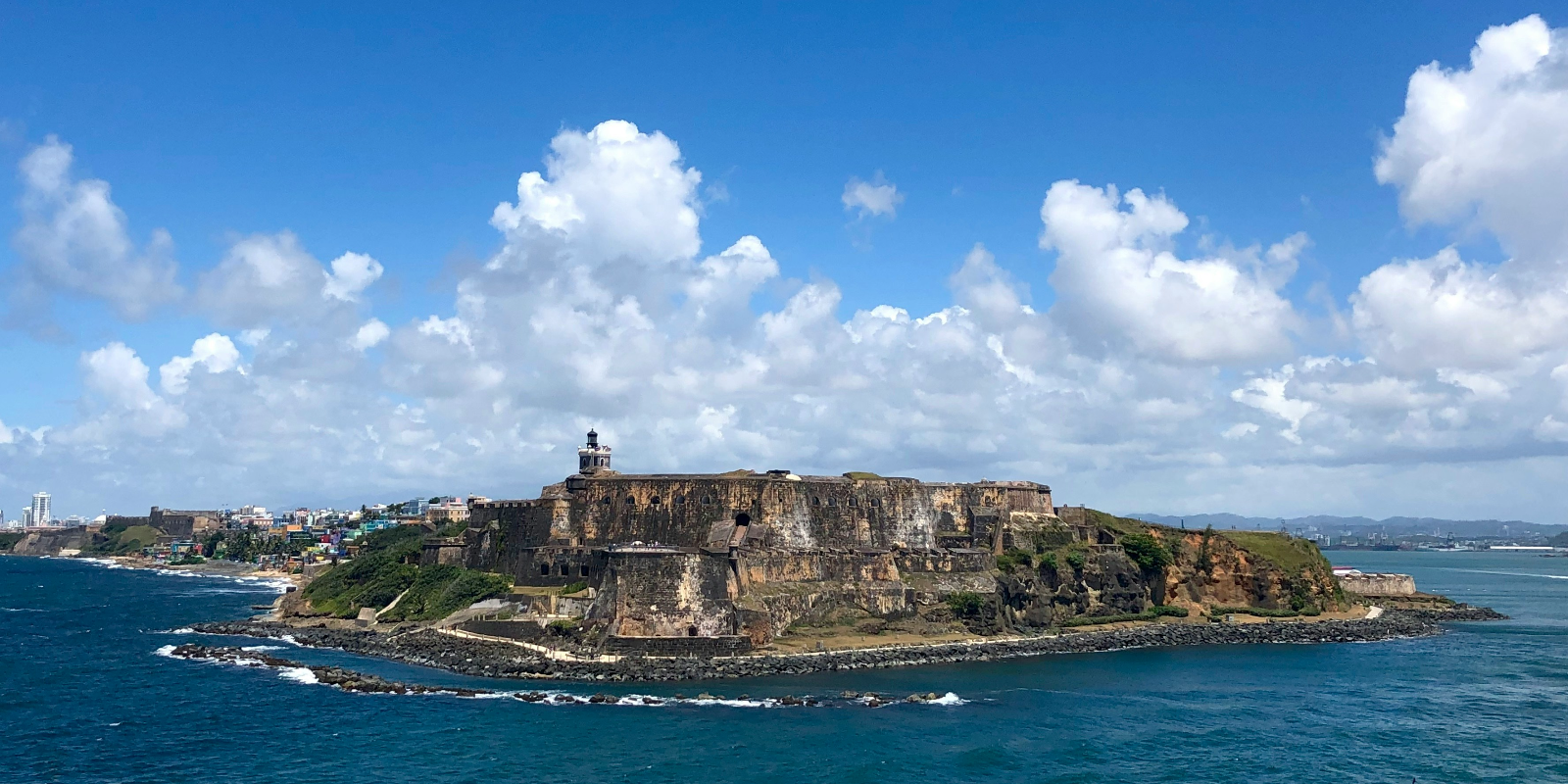
The fortifications of Old San Juan are part of a UNESCO World Heritage Site and remain among the best-preserved colonial defenses in the Americas. These structures are not just monuments but active reminders of the island’s strategic and cultural importance over centuries, adding depth to many fun facts about San Juan in Puerto Rico.
Staying Connected While Exploring Puerto Rico
All of these details become more meaningful once you start moving beyond resort areas and well-marked attractions. Exploring smaller towns, beaches, and nearby islands often means navigating unfamiliar roads and changing schedules, which is where reliable connectivity quietly becomes essential.
Mobile data matters more than many travelers expect. Beaches, ferry terminals, mountain routes, and quieter regions do not always offer dependable Wi-Fi, and relying on roaming can lead to unnecessary costs. Having consistent access to maps, updates, and messaging makes exploring Puerto Rico feel simpler and far less stressful.
Read More:
Staying connected abroad does not have to mean expensive roaming bills or complicated setups. Learn how travelers switch to eSIMs before flying to avoid surprise charges and stay online instantly.
Read our blog 👉 How to Get an eSIM Online and Save on Roaming?
Jetpac: Your True Travel Buddy for the Puerto Rico Trip
Exploring Puerto Rico often means moving between cities, remote beaches, and smaller islands where mobile coverage can vary. Jetpac offers a practical solution for travelers who want reliable connectivity without juggling multiple SIM cards.
With Jetpac, one eSIM works across 200+ destinations, making it useful not only in Puerto Rico but also for onward travel. It connects to multiple networks automatically, helping keep your signal stable as you move around the island.
Pricing is fully upfront with no hidden charges and can be up to 70% cheaper than roaming. You can share data freely using unlimited hotspot access, which is helpful for laptops or travel companions. Even if your data runs out, Uber, WhatsApp, and Google Maps continue working. Jetpac also provides 24/7 premium support and offers outgoing voice calls and 5G access in over 50 countries, starting from $1.99 for five minutes.
For Puerto Rico’s varied terrain and island-hopping routes, Jetpac keeps connectivity simple and predictable.
FAQs
Is Puerto Rico safe for first-time visitors?
Yes. Most visitors feel comfortable in Puerto Rico, especially in San Juan, coastal towns, and popular beach areas. As with any destination, staying aware at night and following local advice goes a long way.
How many days do you need beyond San Juan?
Plan at least 5 to 7 days if you want to see more than the capital. This allows time for beaches, El Yunque, and either the west coast or a nearby island without rushing.
Can you visit Vieques or Culebra as a day trip?
Yes, day trips are possible by ferry or small plane. However, staying overnight makes it easier to enjoy beaches, bioluminescent bays, and slower island rhythms without time pressure.
Is English widely spoken in Puerto Rico?
English is common in tourist areas, hotels, and major cities. Spanish dominates daily life, so knowing a few basic phrases helps when shopping, driving, or visiting smaller towns.
Do you need a rental car to explore Puerto Rico?
Outside of San Juan, a rental car is strongly recommended. Many beaches, scenic routes, and food spots are difficult to reach using public transport alone.
Can I rely on an eSIM like Jetpac instead of a local SIM?
Yes. Travelers use an eSIM for Puerto Rico from Jetpac to stay connected without visiting SIM stores or dealing with roaming charges, especially when moving between towns and islands.
Disclaimer:
All information in this blog is based on details available at the time of writing. Travel conditions, connectivity coverage, pricing, and local regulations may change. Jetpac is not responsible for updates, inaccuracies, or changes that occur after publication.