25 Best Places to Visit in Italy Beyond the Tourist Trail
Discover 25 places to visit in Italy beyond the tourist trail, with small towns, coastlines, islands, & scenic regions that offer a more relaxed travel experience.
This guide highlights the best places in Italy for travelers who want scenery, culture, and local character without the usual crowds. It covers mountain valleys, small coastal towns, volcanic landscapes, island routes, and historic villages across the north, center, south, and central islands. You’ll find practical notes on when to go, how to move between regions, and how an eSIM makes navigation and planning easier during a multi-stop trip.
Italy has famous cities and landmarks, but the country is full of quieter towns, small coastal pockets, mountain valleys, and historic corners that most travelers never reach. If you’ve already seen the classic highlights, or you want a trip that feels less crowded, this guide walks through the best places to visit in Italy that still keep their local rhythm. These spots stretch from the Alps to Sicily, with a mix of quiet villages, hikes, islands, and small-city breaks. Along the way, you’ll also find practical notes for trains, cars, ferries, and staying connected with the best eSIM for Italy.
This list doesn’t replace the classic cities; instead, it adds options that feel calmer and more personal. Think small piazzas instead of long lines, coastal paths without noise, and towns where you can actually wander without crowds. Whether you’re planning a regional loop or mixing these stops with bigger cities, this selection covers a broad look at the best places in Italy to visit, the top places to visit in Italy, and a range of cool places to visit in Italy that still feel authentic.
How We Chose These Places
We focused on geographic variety, easy access, and places off the tourist trail. Each region offers something different: Alpine lakes, medieval lanes, limestone cliffs, or volcanic landscapes. These aren’t hidden secrets; they’re quieter alternatives that show Italy’s landscape without the crowds. If you’re planning travel research around the best places to visit in Italy, this list gives you ideas that offer beautiful scenery, culture, and slower days.
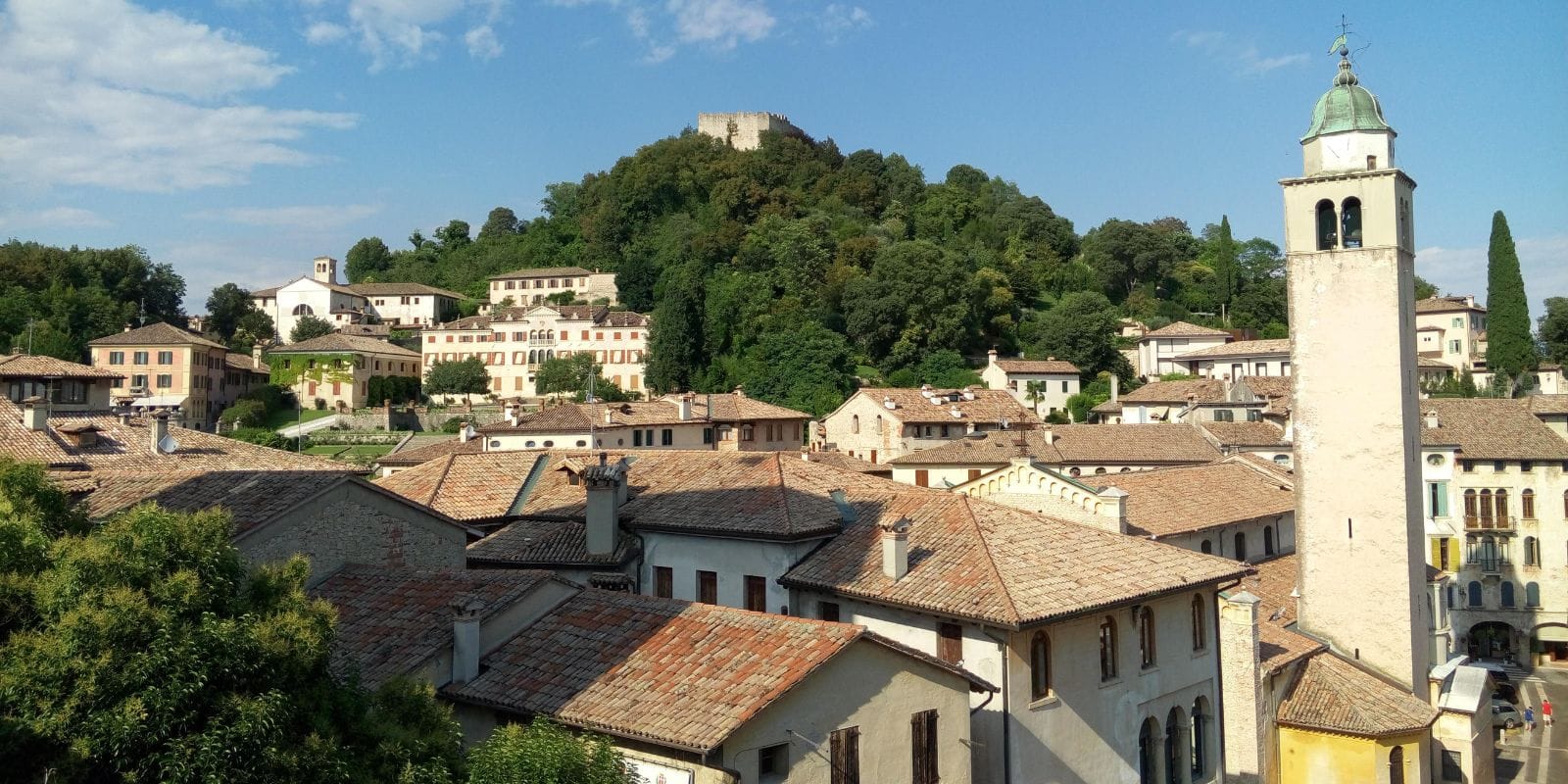
Image by fraormequi from pixabay
Northern Italy (Mountains, Lakes & Small Cities)
Northern Italy has dramatic scenery and easy day trips without the pressure of the busiest Alpine resorts. These are places where you can enjoy mountain views, lakeside walks, and small towns at a relaxed pace. They’re great additions to any route built around the best places in Italy to visit or the nicest places to visit in Italy.
1. Brisighella, Emilia-Romagna
Brisighella has narrow medieval lanes, old stone staircases, and three hilltop towers connected by scenic trails. The town makes a great base between Bologna and Ravenna, especially if you want to enjoy Emilia-Romagna’s food without staying in bigger cities. Some of the best things to do here include olive oil walks, quiet evenings, and relaxed wine bars. It’s one of the cool places to visit in Italy if you’re looking for a slower start to your trip.
2. Lake Orta & Orta San Giulio, Piedmont
Lake Orta is a quieter alternative to the larger lakes in the north. The small town of Orta San Giulio sits on a gentle slope facing the water, with soft views of the island church. Paths around the lake are calm even in summer. If nearby Lake Como feels too busy, this area is an incredible alternative offering beautiful natural scenery. It belongs on any list of the best places in Italy to visit for peaceful lake days.
3. Val di Mello, Lombardy
Val di Mello is known for its granite cliffs, cold streams, and open meadows, where hikers can spread out in plenty of space. The valley feels wild but accessible, with clear trails and a low-key atmosphere. It’s a great option if you want to witness nature without heavy tourism. This spot fits naturally into the top places to visit in Italy for outdoor travelers.
4. Cogne & Gran Paradiso, Aosta Valley
Cogne sits at the entrance to Gran Paradiso National Park, one of Italy’s best regions for wildlife and easy hiking. Waterfalls and alpine trails lead straight from the village edge. You will also find rustic rifugi (mountain huts) serving simple meals along popular routes. For travelers who want mountains without the crowds of major ski resorts, Cogne ranks among the nicest places to visit in Italy.
5. Asolo & the Prosecco Hills, Veneto
Asolo is a small hill town with stone arcades, quiet lanes, and panoramic terraces. The surrounding Prosecco hills are now a UNESCO site, and the roads between wineries stay relatively peaceful compared to other wine regions. If you want culture, scenery, and short drives, Asolo is a great place to visit.
6. Trieste Carso & Duino Cliffs, Friuli-Venezia Giulia
Trieste’s coastal stretch has cliffside trails, castles above the sea, and a mix of Italian and Central European influences. The Duino to Sistiana path has open views and plenty of places to pause. Trieste itself is easy to navigate, making it an underrated stop in any list of cool places to visit in Italy.
7. Trento Old Town & Valle dei Laghi, Trentino
Trento has frescoed buildings, a castle, and a compact old town that’s easy to explore. Just outside the city, Valle dei Laghi offers small lakes, vineyards, and short drives between viewpoints. This area offers an incredible city escape, with nature just a short drive away.
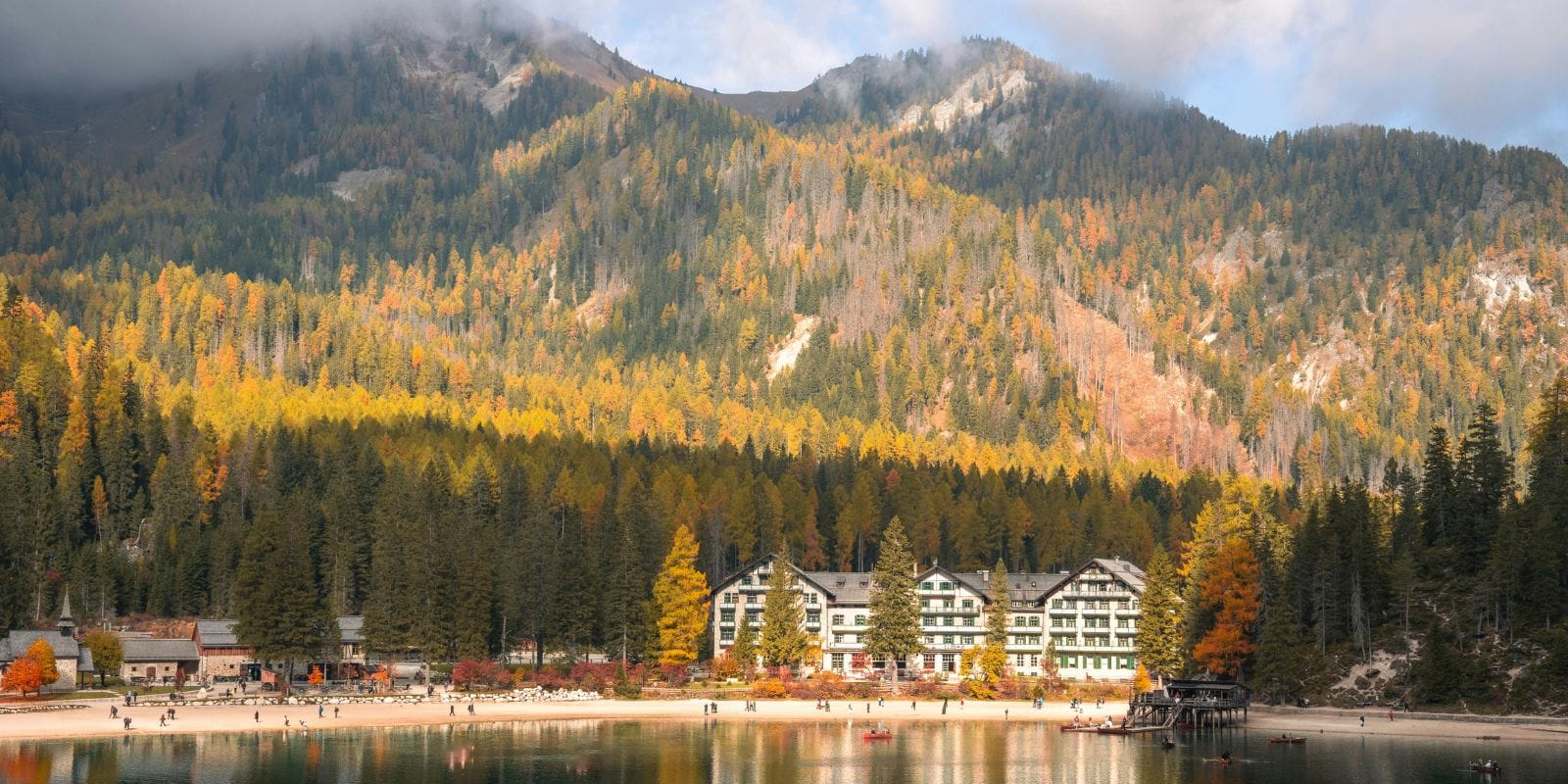
Image by Oskar Gross from Pexels
Central Italy (Hill Towns, Coast & Wild Parks)
Central Italy is home to plenty of hill towns with lesser-visited areas that offer quiet walks, volcanic lakes, and relaxed beaches. If you’re planning the best places to visit in Italy, these stops provide stunning scenery with easy day trips.
8. Pitigliano & the Tufa Towns, Tuscany
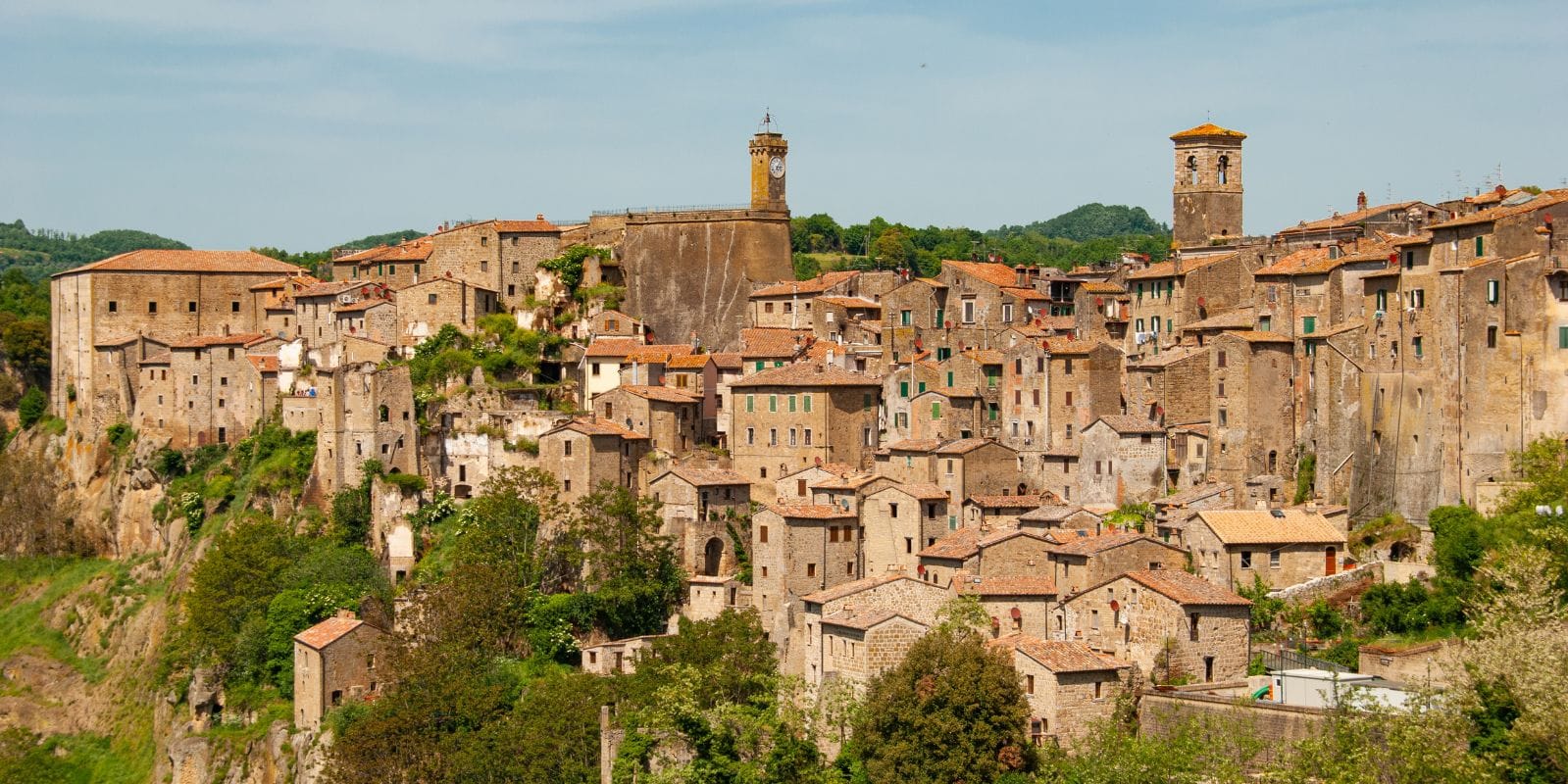
Pitigliano rises from tufa rock with narrow lanes and Etruscan paths carved into the cliffs. The area feels far removed from Tuscany’s busiest routes. Walking through the vie cave gives a glimpse of the region’s old history, and the small town stays lively in the evenings.
9. Garfagnana & Barga, Tuscany
This part of northern Tuscany has forested slopes, stone villages, and hiking paths between chestnut groves. The town of Barga offers views toward the marble peaks of the Apuan Alps. It’s a must-visit town if you want Tuscany without the typical traffic.
10. Civita di Bagnoregio & Bolsena, Lazio/Umbria
Civita di Bagnoregio stands on a plateau accessed only by a footbridge. Visiting early or late avoids day-tripper crowds and lets you enjoy the quiet lanes. Nearby Lake Bolsena offers volcanic-lake swimming and slow-paced towns. Together, they are ideal places to visit in Lazio and should make it to the list of the best places in Italy.
11. Ascoli Piceno & the Sibillini Mountains, Le Marche
Ascoli Piceno has pale travertine piazzas and long arcades that stay calm even in peak season. The local stuffed olives are worth trying here. From town, you’re close to the Sibillini Mountains, with wildflower meadows and good hiking routes.
12. Dozza, Emilia-Romagna
Dozza is small but memorable, with murals adorning nearly every building. The fortress houses a wine cellar with regional bottles you can sample in a relaxed setting. It’s one of those stops where you can see everything without rushing.
13. Sperlonga & the Gaeta Coast, Lazio
This coastline has whitewashed houses, long beaches, and small coves. Sperlonga feels like a quieter version of more famous coastal towns, with clear water and simple restaurants. Gaeta is home to beautiful grottoes and headland walks with views of the open sea.
14. Ponza & Palmarola, Pontine Islands
These islands offer calm coves, snorkeling, and pastel harbors without the crowds of Capri. Boats shuttle between beaches throughout the day. Palmarola, in particular, feels remote with its rocky inlets and bright turquoise water. They’re a must-visit for anyone exploring the top places to visit in Italy by sea.
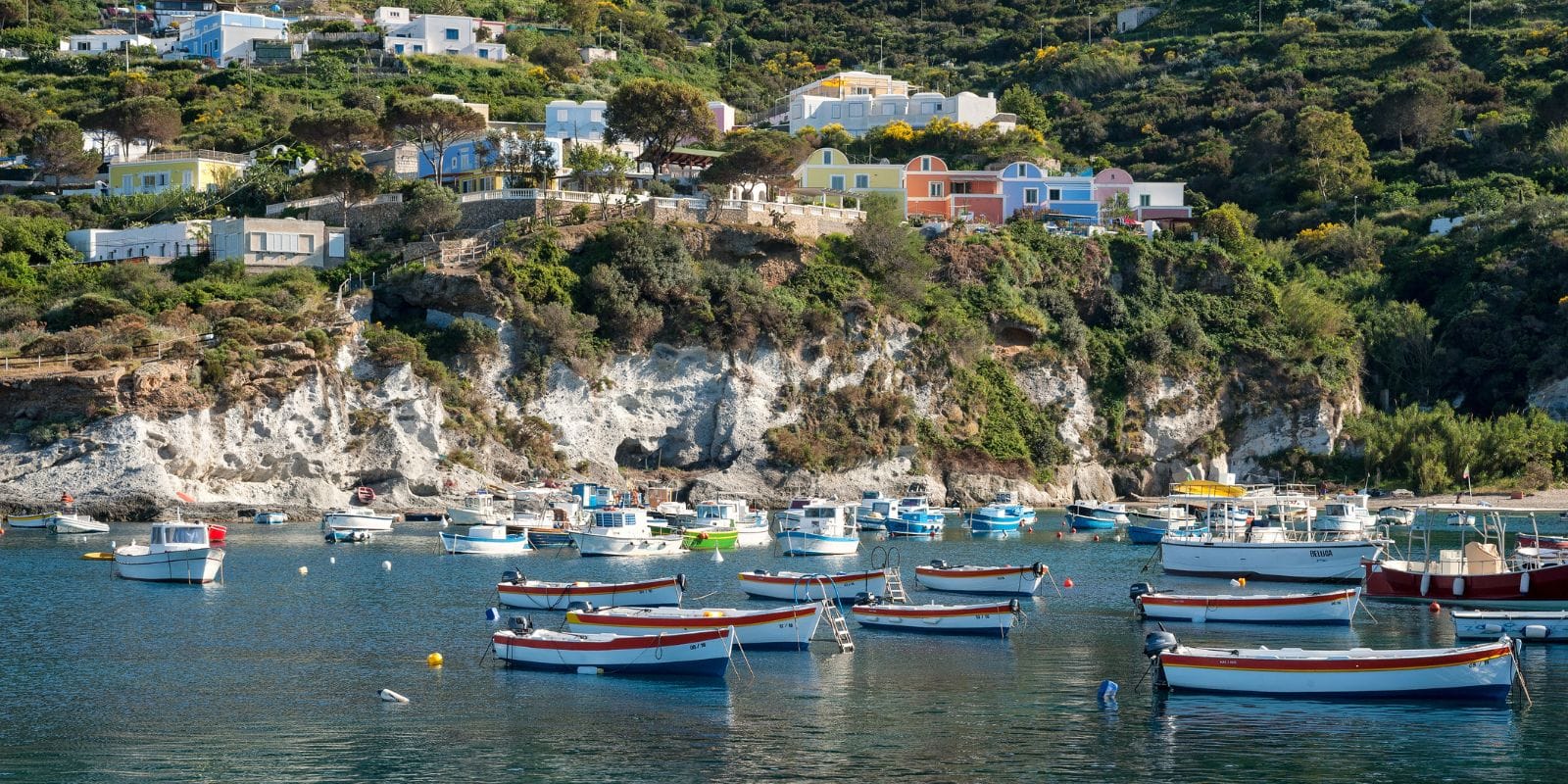
Image by Dionisio Iemma from Getty Images
Southern Italy (Villages, Canyons & Quiet Coasts)
Southern Italy has some of the country’s most dramatic landscapes, from canyon towns to clear-water coastlines. These stops show a slower, more traditional side of the South and belong solidly among the best places to visit in Italy.
15. Castelmezzano & Pietrapertosa, Basilicata
These two towns face each other across jagged peaks known as the Dolomiti Lucane. A zipline connects them, but you can also walk scenic paths between overlooks. Both towns are small, quiet, and ideal for travelers who enjoy dramatic scenery.
16. Matera Backstreets, Basilicata
Matera is well known now, but walking through its backstreets early or late in the day still feels peaceful. The Sassi’s cave dwellings stretch far beyond the main viewpoints. Staying overnight lets you see slower hours when the crowds have left.
17. Maratea & the Tyrrhenian Cliffs, Basilicata
Maratea has cliffs that rise sharply from the sea, hidden coves, and a large statue overlooking the area. It’s spread out, so you can easily explore the area by car. Its coastline is also worth exploring, where you’ll find quieter beaches compared to more publicized spots further north.
18. Cilento Coast: Acciaroli & Palinuro, Campania
South of the Amalfi Coast, Cilento has blue-flag beaches, manageable summer crowds, and coastal trails. Acciaroli and Palinuro both offer calm waters and good food without the rush of larger destinations. They’re great additions if you’re expanding your search for the best places to visit in Italy.
19. Ostuni Hinterland: Cisternino & Locorotondo, Puglia
These whitewashed towns sit above rolling countryside dotted with trulli and olive groves. Afternoons are slow, evenings lively without being chaotic, and nearby roads are easy to navigate. They make a good base for drives across the Itria Valley.
20. Otranto & Salento’s East Coast, Puglia
Otranto’s old town faces a bright-blue bay, while nearby coves have limestone cliffs and shallow water. The Bauxite Lake offers a vivid landscape just a short drive away. This coastline is best to visit early or late in the day, when fewer visitors are around.
21. Scilla & Chianalea, Calabria
Scilla sits on a headland with the fishermen’s quarter of Chianalea built right along the water. Houses open directly to the sea, and small boats line the edges. It’s a great place to visit if you want something scenic without heavy infrastructure.
22. Pentedattilo Ghost Village, Calabria
Pentedattilo clings to a rock formation shaped like a hand. The abandoned buildings, narrow paths, and open views make it a striking visit, especially at sunset. The town also hosts annual Pentedattilo Film Festivals, so make sure to check it before you visit.
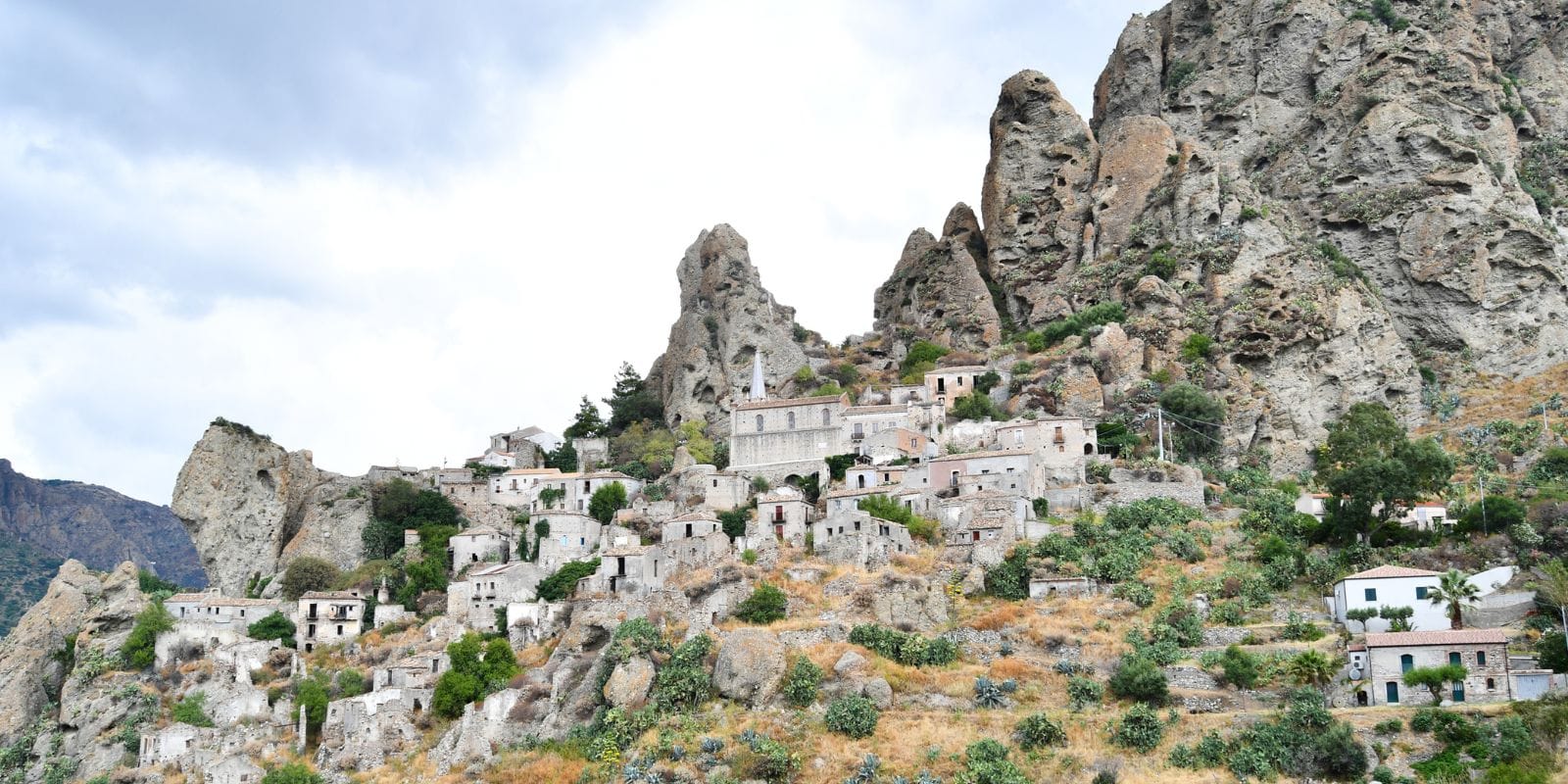
Image by Simona Balconi from Getty Images
Islands (Quiet Alternatives to the Usual Names)
These islands offer calmer experiences than the busiest Mediterranean hotspots. They offer beaches, history, and short boat rides, making them perfect for travelers planning the best places to visit in Sicily, Italy, along with other islands.
23. Egadi Islands: Favignana & Levanzo, Sicily
Favignana’s flat roads are perfect for cycling between coves. Levanzo is smaller, with quiet paths and relaxed harbors. Both islands make strong alternatives to Sicily’s larger beach towns and deserve a place among the best places to visit in Sicily, Italy.
24. Ragusa Ibla & the Baroque Southeast, Sicily
Ragusa Ibla has honey-colored buildings, winding lanes, and viewpoints overlooking the valley. The region is known for chocolate, historic towns, and scenic drives. It’s an excellent addition for travelers interested in architecture and slower city vibes.
25. Cala Gonone & Golfo di Orosei, Sardinia
This coastal stretch in Sardinia has boat-access beaches, limestone cliffs, and clear water. Hiking routes lead into canyons, while visitors can reach hidden coves by boat. It’s best in spring and fall, when temperatures are mild and seas are calm.
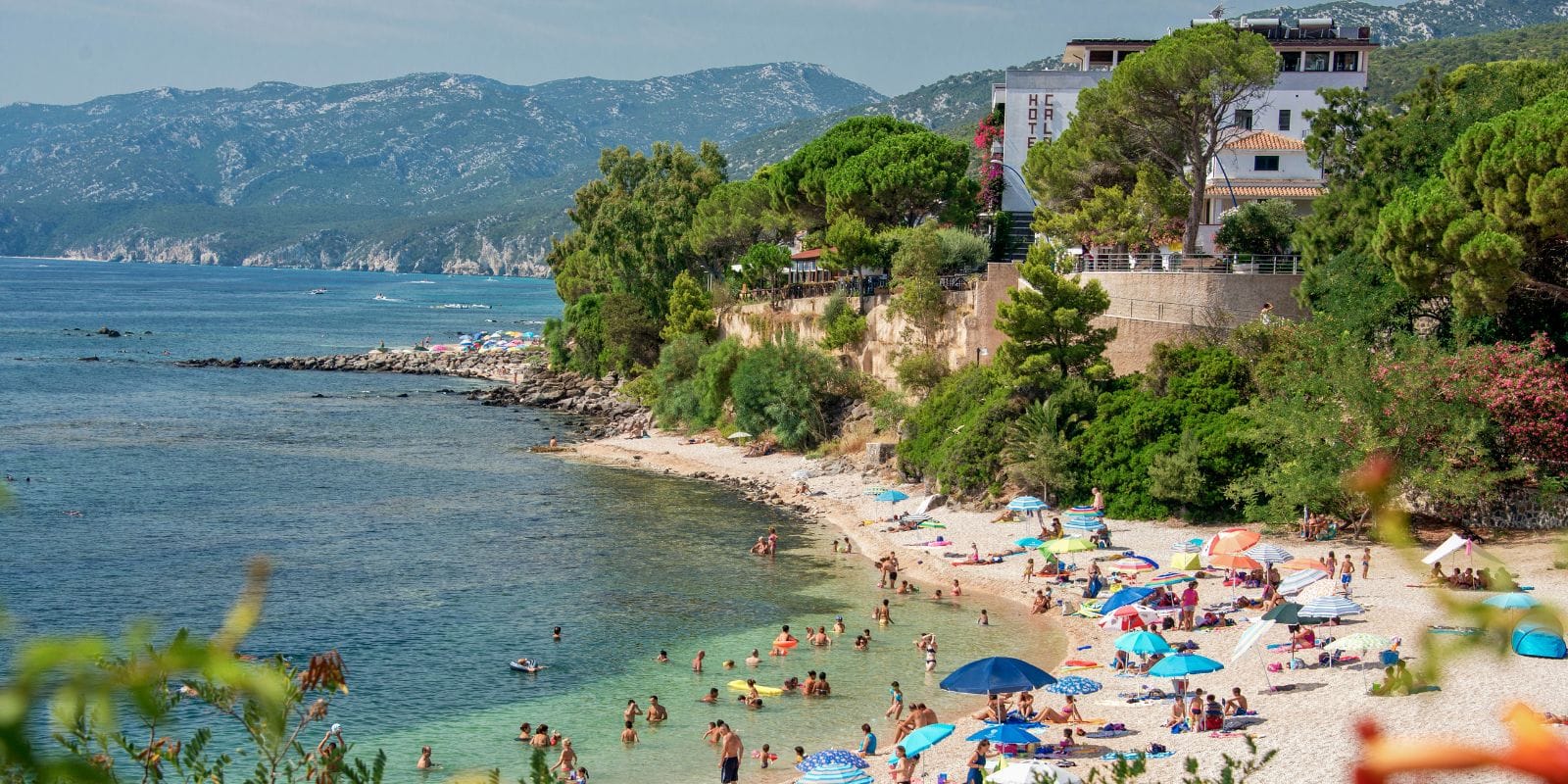
Image by fabiano caddeo from Getty Images
When to Go (Season-by-Season)
Italy shifts a lot from season to season. The best time to visit Italy depends on what you want to see.
Spring (April–June)
Spring is one of the most reliable periods across the country. Days are mild, hill towns open up, and wildflowers fill the countryside. Coastal areas are warm enough for light beach days, and mountain valleys start to clear. For most travelers planning the best places to visit in Italy, spring offers good weather and manageable foot traffic.
Summer (July–August)
Summer has long days, late dinners, and busy coastlines. Beaches, islands, and major cities draw large numbers of visitors. If you’re focusing on coastal or island destinations, make sure to book ahead. Summer is also festival season, especially in central and southern regions. It’s still a great time to explore, but expect higher prices and fuller ferry schedules.
Fall (September–October)
Fall mirrors spring in many ways: warm days, comfortable evenings, fewer crowds, and excellent train and ferry schedules. Vineyards and smaller towns are especially lively during harvest season. Water is still warm enough for swimming in many parts of the South. If you want the nicest places to visit in Italy without heat or heavy crowds, fall is one of the best windows.
Winter (November–March)
Winter slows down coastal areas, but makes cities and cultural destinations easier to reach. Museums in Rome, Florence, and Turin are calmer, and mountain towns in the north open for winter activities. Restaurants have more locals than tourists, and airfare prices are reasonable during this period. It’s not beach weather, but it’s a perfect time to explore cities if you prefer quiet streets.
Getting Around (Train, Car, Ferries, What Actually Works)
There are a few ways to travel around Italy, depending on where you want to go. Trains are good for major cities and many medium-sized towns, especially in the north and center. If your trip includes smaller inland villages, rural coasts, or national parks, renting a car gives you more flexibility. Ferries operate mostly in summer, linking islands and certain coastal towns with regular schedules.
For navigation, having mobile data helps with train delays, ferry timetables, and long drives. Using an eSIM in Italy makes it easier to stay online without relying on scattered public Wi-Fi. It also helps when you’re following directions in rural areas or adjusting plans on the go.
Get Online in Minutes with Jetpac eSIM
If you’re wondering, “How to avoid roaming charges?” The best way to do so is to get an eSIM.
Staying connected in Italy makes the whole trip easier, especially if you’re moving between cities, small towns, and ferry ports. An eSIM Italy lets you set everything up before you leave, so your phone connects as soon as you land.
You can pull up maps, check train platforms, confirm hotel details, or message your group without relying on airport Wi-Fi or hunting for a local SIM counter. It’s the most reliable way to avoid roaming surprises and keep the basics running smoothly.
Jetpac also helps once you get beyond the big cities. Smaller villages, rural highways, and island ports don’t always have reliable public Wi-Fi, so having your own data means you can adjust plans, look up schedules, or reroute a drive without stress. Whether you’re checking ferries, navigating old town streets, or coordinating meet-ups, having your connection ready from day one keeps your trip moving without extra steps.
And if you’re thinking, “Will my phone work in Italy?” The answer is, it will. All the latest iPhones and Android phones now work with eSIMs, making it easier to travel across the country.
FAQs
What is the prettiest off-the-beaten-path place in Italy?
It depends on what you want to see. If you want mountains, Cogne and Val di Mello are perfect to visit. For coastal scenery without crowds, you should visit the Egadi Islands and the Gaeta Coast. If you prefer historic towns, Ascoli Piceno and Ragusa Ibla are ideal places to visit without traffic. All belong within the wider search for the best places to visit in Italy.
Where can I avoid crowds in summer?
Head south or inland to avoid the crowds. The Cilento Coast, Otranto’s nearby coves, Brisighella, and the Prosecco Hills stay calmer than Italy’s busiest areas. These work well for travelers looking for cool places to visit in Italy without feeling overwhelmed in peak season.
Do I need a car for these spots?
You don’t need a car everywhere in Italy. Trento, Trieste, Lake Orta, and Ragusa Ibla are good places to travel by train or bus. Cilento, Maratea, the Egadi Islands (bike once you arrive), and Basilicata hill towns are easier to reach by car. It depends on how many rural routes you want to include.
How many days should I plan for an offbeat Italy loop?
Ten to fourteen days gives enough time to visit some regions without rushing. If you include Sicily or Sardinia, add more time or focus on one area.
Is Italy safe for solo female travelers in smaller towns?
Yes, most of these towns are calm and easy to navigate. Standard precautions apply, but smaller communities tend to be relaxed, with friendly local businesses and walkable centers.
What month has the best balance of weather and fewer visitors?
Late April to early June and mid-September to mid-October offer warm days, clearer skies, and lighter foot traffic. They’re ideal for visiting Italy’s most beautiful places without the heat or heavy crowds.
Can I rely on eSIM data coverage in rural areas?
Coverage is generally good, though some valleys and cliffs may have slower spots. And eSIM for Italy plans handle most routes well, especially for navigation, ferry schedules, and restaurant searches.
What are the best places to visit in Italy for the first time?
If it’s your first trip, you can visit one touristy city with two quieter stops. Rome covers the essentials and gives easy access to places to visit in Rome, Italy. Florence is good for museum lovers, with many places to visit in the city and nearby. Adding one rural or coastal area, such as Sperlonga, Lake Orta, or Ragusa Ibla, gives you a chance to explore more of the country. And don’t forget to get the best eSIM for Italy, no matter where you decide to visit.
Italy’s less-visited towns and coastlines show how varied the country really is, and exploring them gives you a clearer sense of everyday life beyond the major landmarks. You’ll notice small regional differences in food, landscapes, and traditions, which is one of the most interesting facts about Italy once you start moving around.
Staying connected also helps when you’re hopping between trains, ferries, and rural roads. Some travelers use pocket WiFi Italy, while others prefer an eSIM, but either option keeps navigation and basic planning hassle-free.