25 Best Things to Do in Tokyo, Japan for Your Trip
Discover the best things to do in Tokyo, from neighborhoods to food and culture, and stay connected on the move with an eSIM for easy navigation.
The best things to do in Tokyo are easier to enjoy when you plan by neighborhood, pace your days, and mix culture with food and nature. Moving between districts is smoother when maps and transit updates work instantly, which is why many travelers rely on a Jetpac eSIM to stay connected throughout busy days and late nights.
Tokyo Feels Like Many Cities in One
Tokyo is not a city you “see” in one sweep. It is a collection of neighborhoods, habits, food scenes, and rhythms layered together. The best way to approach the best things to do in Tokyo, Japan, is not to chase everything, but to understand how the city works. Some areas reward wandering, others demand structure, and many experiences feel richer when you slow down and let Tokyo reveal itself gradually. The experiences below cover both iconic sights and quieter moments, helping you choose the things to do in Tokyo, Japan, that match your pace and interests.
This list is built for real planning, not just sightseeing. The goal is to help you move efficiently between neighborhoods, balance culture with food, and avoid spending half your trip underground in transit tunnels. A simple rule works well here: plan two or three anchors per day, usually one area, one cultural stop, and one food experience. Many travelers also prepare for data and voice connectivity through a Jetpac eSIM before landing, so station navigation, reservations, and maps work smoothly from the first train ride.
Start With Tokyo’s Orientation Wins
These early experiences help you understand Tokyo’s scale, transport flow, and neighborhood personality. Once you complete them, the rest of your itinerary becomes easier and far less overwhelming.
1. Watch the City Move From a Major Crossing Viewpoint
One of the most iconic Tokyo attractions is seeing the city’s movement in real time. Cross once to feel the energy, then step back and watch from above. This shows how crowds move with precision rather than chaos. Visit once at dusk and again late at night. The contrast explains a lot about what to see and do during different hours.
2. Get a Skyline View That Matches Your Schedule
Tokyo has both paid towers and free observation decks. Choose based on your day. If time is tight, a free deck works well. If you want longer views and photos, a paid deck delivers. Clear mornings give distance, evenings give atmosphere. Pair the view with a neighborhood walk so it does not feel like a standalone stop.
3. Take a Short River or Bay-Side Ride
A short cruise helps you visualize how districts connect. It is beneficial on jet-lag days or when rain limits walking. Seeing Tokyo from the water clarifies how neighborhoods relate spatially, making it easier to navigate places to visit in Tokyo later.
Old Tokyo That Still Feels Alive
Tokyo’s history lives beside convenience stores and train lines. These experiences feel less like museums and more like daily life continuing across centuries.
4. Visit an Iconic Temple Area Early
Arrive early to experience incense, gates, and quiet temple grounds before crowds arrive. Notice how the surrounding street gradually shifts from souvenir shops to a calm spiritual space. A small traditional snack nearby completes the visit without turning it into a rushed photo stop.
5. Walk Through a Forest-Like Shrine in the City
These shrine paths move you from noise to calm in minutes. Walk slowly, read plaques, and watch how locals behave. This is one of the best things to do in Tokyo when you need a reset between shopping and nightlife.
6. Wander a Palace-Side Park or Historic Garden
These spaces naturally slow the pace of your day. Stone walls, moats, and seasonal flowers create a pause between more crowded attractions. Visiting on weekdays offers better light and fewer people. Including moments like this helps balance out the faster-paced things to do in Tokyo and keeps your trip from feeling rushed.
Food Experiences That Actually Feel Tokyo
Once you understand Tokyo’s layout, food becomes the easiest way to feel the city rather than just see it. The best meals are rarely the most famous ones. They are the places locals use for quick lunches, post-work dinners, and weekend wandering, which is why building your days around food stops makes planning easier. Food-led planning is one of the most underrated ways to experience the best things to do in Tokyo without burning out.
7) Eat your way through an outer market-style area
Instead of scheduling a single “big lunch,” treat an outer market as a snack route. Pick two savory bites, one sweet, and one drink, then stop while you still feel curious. Go mid-morning when stalls are active, but lines are manageable.
Pair it with: A nearby temple, garden, or museum, so you walk off the tasting and keep your day moving naturally.
8) Try conveyor-belt sushi or a standing sushi counter once
This is where Tokyo’s speed and craft make sense together. Conveyor-belt spots are fun for variety and budgeting, while standing counters feel more local and efficient. Go outside peak hours so you are eating, not waiting.
Pair it with: A shopping street or arcade nearby, since this kind of meal is quick and keeps your schedule flexible.
9) Book one “experience meal” that matches your trip style
Choose this based on what you want to feel, not what sounds impressive. A kaiseki meal is calm and seasonal, an izakaya alley dinner is lively and casual, and a tasting set is great when you want a range without overthinking. Make it your main dinner for the day, so you are not forcing it into a packed schedule.
Pair it with: An evening viewpoint or a short night walk, so the meal becomes part of a complete night out.
10) Do one hands-on food activity, like a cooking class
If you want something memorable that is not just photos, do one class. Sushi basics, wagashi sweets, or bento-making give you context for what you will eat in the rest of the trip. Book early in your itinerary so the knowledge pays off later.
Pair it with: A quieter afternoon afterward, because classes can be surprisingly attention-heavy.
One important thing to remember is that a Jetpac eSIM for Japan helps you do all the things, from navigation to booking rides to staying connected with loved ones effortlessly.
Neighborhood Tokyo, Picked for Vibe
Tokyo is easier when you stop treating it like one city and start grouping Tokyo things to do by neighborhood. It has its own tempo, so you waste less time commuting and enjoy more of what makes Tokyo interesting in the first place.
11) Shinjuku for neon lights, viewpoints, and late-night energy
Shinjuku is the city at full volume. Start with a viewpoint, then move into compact lanes where dinner feels close and atmospheric. After that, keep it simple: one bar street, one dessert, then leave while you still feel good.
Pair it with: A daytime park visit earlier, because Shinjuku is best when you arrive with energy.
12) Shibuya for fashion, and modern Tokyo culture
Shibuya is not only the crossing. The best moments come when you drift into side streets where the pace slows, and the shops get more interesting. Do the iconic spots early, then spend your time one block away from the chaos.
Pair it with: Harajuku or a nearby shrine walk, so you balance trend energy with calm.
13) Asakusa for traditional streets and easy souvenir shopping
Asakusa works when you do it in layers. See the temple area early, then browse slower streets where the shops feel more craft-focused than touristy. Buy one item you will actually use, like a small kitchen tool or textile, instead of many cheap souvenirs.
Pair it with: A river walk or short cruise, since the area connects naturally to waterfront routes.
14) Ginza for design, galleries, and polished shopping
Ginza is structured, clean, and surprisingly relaxing if you treat it like a stroll instead of a spending mission. Visit one gallery, then explore a department store's food floor for beautifully packaged snacks. Even if you do not buy much, it is one of Tokyo’s best “look and learn” areas.
Pair it with: An evening skyline view nearby, so the day ends on a high note.
15) Harajuku beyond the obvious street
Harajuku can feel overwhelming if you only do the crowded strip. The better move is to treat the main street like a quick look, then escape into side lanes where fashion feels creative instead of chaotic. Grab one snack and move on before it becomes tiring.
Pair it with: Meiji Shrine or Yoyogi Park, which makes the day feel balanced.
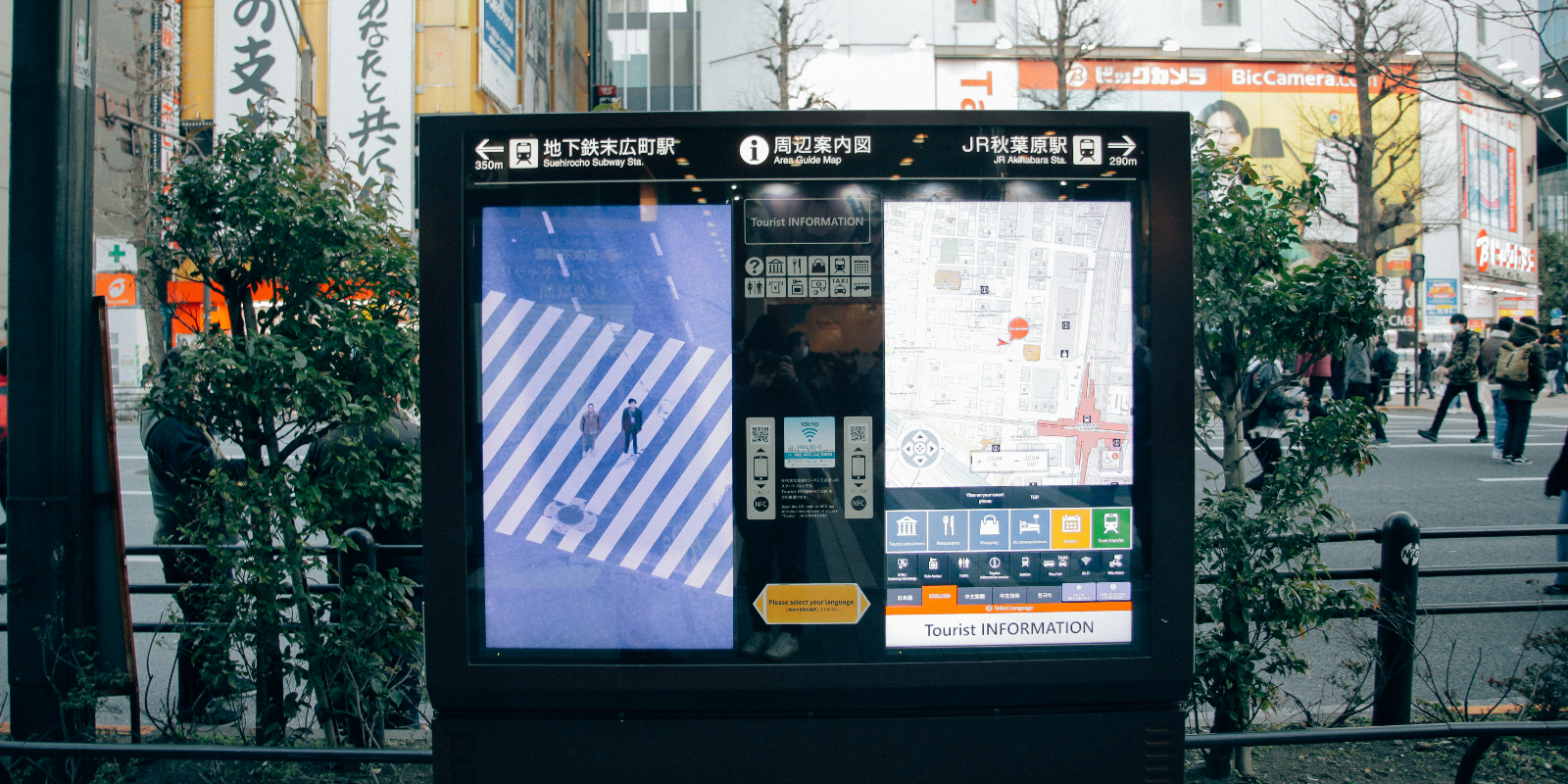
16) Akihabara for anime, arcades, and niche shopping
Akihabara is most fun when you plan the limits. Do one arcade, one specialty shop, and only one themed café if you truly want it. Set a budget before you walk into collectible stores because it is easy to spend without noticing.
Pair it with: A museum or calmer neighborhood earlier, since Akihabara is visually intense.
Read More:
If you are planning beyond Tokyo, this blog helps you choose regions and cities worth adding to your route.
Read our blog 👉15 Best Places to Visit in Japan: Cities, Nature & Hidden Gems
Tokyo’s Modern “Only Here” Experiences
This is the part of Tokyo that feels futuristic, playful, and sometimes slightly unreal. These are not essential for every traveler, but they are often the moments people remember most because they feel so unlike other cities.
17) Visit an immersive digital art space
Go in expecting to slow down. These spaces are designed to change how you move and pay attention. Book timed tickets, arrive a bit early, and wear comfortable shoes because you will stand and wander more than you think.
Pair it with: A food stop afterward, because you will want something simple and grounding.
18) Try one themed café based on your actual interests
Do not treat this like a required Tokyo box. Pick one theme you genuinely like, book ahead if needed, and go mid-day when you want a break from walking. If it is an animal café, follow the rules closely because etiquette matters here.
Pair it with: Shopping or a museum, since it works best as a reset.
19) Spend an hour in a retro alley of tiny eateries
This is where Tokyo feels close and human. Seats are tight, smoke and conversation fill the air, and you eat what fits the space. Go with one or two people max, order a few skewers, and leave before it gets uncomfortable.
Pair it with: Shinjuku or nearby nightlife, because it naturally flows into evening plans.
20) Choose one signature pop-culture stop
Pick the one that genuinely excites you. Ghibli is storybook calm, Pokémon centers are joyful chaos, and flagship stores are great for browsing. The key is planning ahead when tickets or timed entry are required.
Pair it with: A quiet park or café afterward, so you do not stack stimulation on stimulation.
Nature Breaks That Make Tokyo More Enjoyable
Tokyo is thrilling, but it works best when you give yourself space to breathe between dense neighborhoods and high-energy experiences. Green spaces and short nature escapes reset your pace, help with jet lag, and make the city feel more livable rather than overwhelming. Planning these moments intentionally often makes the rest of your Tokyo itinerary feel smoother and more enjoyable. These green escapes balance out the busier places to visit in Tokyo, especially on longer trips.
21) Walk through a major park that also has museums nearby
Large parks in Tokyo are designed to be multifunctional. You can stroll under trees, sit by water, and then step straight into a world-class museum if the weather changes. This flexibility is what makes these parks especially useful on busy travel days.
Pair it with: A nearby museum visit or a café break, so you can shift plans easily if the weather changes or energy dips.
22) Add a shrine-adjacent park for a simple picnic reset
Some of Tokyo’s best pauses happen in smaller parks tucked beside shrines or temples. Grab a few items from a convenience store, find a bench or patch of grass, and slow down for an hour. These moments often become unexpected highlights because they feel unplanned and local.
Pair it with: A shopping-heavy morning or a busy sightseeing block, using the park as a quiet reset before evening plans.
23) Take an easy day trip hike to a nearby mountain
If you want to see a different side of Tokyo without committing to a long journey, a nearby mountain hike is ideal. Trails are well-marked, transport is simple, and the atmosphere shifts quickly from city buzz to quiet nature.
Pair it with: A relaxed dinner or local onsen visit afterward, keeping the rest of the day intentionally light.
Smart Extras That Save Time and Stress
These experiences may not headline social media posts, but they often make the biggest difference in how relaxed and efficient your trip feels. Adding one or two of these options gives you flexibility when plans change, weather shifts, or energy dips. These ideas may not be flashy, but they quietly rank among the top things to do in Tokyo for travelers who value efficiency.
24) Use one free observation deck as your backup plan
Free city viewpoints are perfect for days when you want something memorable without committing time or money. They work especially well on rainy afternoons or evenings when you do not want to navigate crowded attractions.
Pair it with: Dinner in the same neighborhood, so you transition smoothly from views to food without extra travel.
25) Choose one museum that matches your interest, not a checklist
Tokyo’s museums are excellent, but you do not need to see many. Pick one that genuinely interests you, whether that is art, science, design, or history, and limit your visit to 60–90 minutes. This keeps curiosity high without burnout.
Pair it with: A park walk or coffee stop nearby, giving your day a natural wind-down instead of jumping straight to another attraction.
Staying Connected in Tokyo Without Losing Time
Tokyo is efficient, but it expects you to move quickly and make decisions on the go. Stations are large, platform changes happen fast, and reservations often depend on real-time updates. Having reliable data helps you adjust without stress, especially when you are navigating multiple neighborhoods in one day.
Public Wi-Fi can be inconsistent, roaming charges add up quickly, and buying a local SIM takes time you could spend exploring. This is why many travelers now choose an eSIM for Japan so that they land connected and can use maps, transit apps, and translations immediately.
Jetpac for Tokyo Trips and Beyond
Tokyo rewards preparation, and connectivity is part of that. When you are checking platform numbers, adjusting restaurant bookings, or navigating dense stations, small delays can ripple through your day. Jetpac simplifies this by letting you stay connected without juggling SIM cards or worrying about coverage gaps. For travelers comparing options, Jetpac is often considered one of the best eSIMs for Japan setups because it works across cities and onward destinations.
It works across 200+ destinations. A Jetpac eSIM is useful not only for Tokyo but also for day trips or onward travel to other countries. It connects to multiple networks automatically, helping maintain stable service as you move through different districts.
Pricing is 100% upfront, with no hidden charges or costs that can be up to 70% cheaper than roaming, so there are no surprises after your trip. You can share data freely through unlimited hotspot access, which is helpful if you are traveling with others or working remotely.
Even when your data runs out, apps like Google Maps, Uber, and WhatsApp continue to work, which is especially useful in no network areas. If you need help, 24/7 premium support via WhatsApp and email is available regardless of time zone. Jetpac also provides outgoing voice calls and 5G network connectivity in 50+ countries, starting at $1.99 for five minutes, making it practical for quick confirmations or last-minute changes.
For Tokyo’s fast-moving stations, flexible plans, and packed days, Jetpac removes one layer of friction so you can focus on enjoying the city.
FAQs
How many days do you need in Tokyo to avoid feeling rushed?
Five to seven days allows you to explore several neighborhoods, enjoy food experiences, and include one nature break without packing every day too tightly.
What is the smartest area to stay in Tokyo for first-time visitors?
Shinjuku, Shibuya, and Ueno offer excellent transport connections, dining options, and access to major attractions, making daily planning easier.
Is Tokyo expensive for food, or can you eat well on a budget?
You can eat very well on a budget by using markets, casual counters, and convenience stores, while saving splurges for one or two special meals.
Do I need to book attractions like digital art museums and Ghibli far in advance?
Yes. Popular attractions often sell out days or weeks ahead, especially on weekends and during peak travel seasons.
What is the best way to handle cash versus cards in Tokyo?
Cards are widely accepted, but carrying some cash is still useful for smaller eateries, shrines, and local shops.
Can I visit Tokyo and do day trips without buying a rail pass?
Yes. Individual tickets and stored-value cards usually make more sense unless you are traveling long distances frequently.
Will my phone work in Japan, and is an eSIM easier than buying a local SIM?
Most unlocked phones work in Japan. Many travelers find a Japan eSIM easier because it activates instantly and avoids store visits. Using an eSIM for Japan option is often easier than buying a physical SIM after arrival.
What is the easiest way to navigate Tokyo stations if I do not read Japanese?
Use Google Maps with a Jetpac eSIM even when your data runs out, station signage with color coding, and platform numbers. Arriving a few minutes early reduces stress significantly.
Disclaimer:
Attraction hours, ticket availability, transit schedules, pricing, and connectivity conditions may change. Always check official websites and local updates before visiting. Jetpac is not responsible for changes in network coverage, pricing, or service availability after publication.