
Best Pocket WiFi for Korea & Best Alternative to Stay Connected
Explore the best pocket WiFi Korea options, top providers, and eSIM or SIM alternatives to stay connected easily while traveling in South Korea.

Stay connected effortlessly while traveling in South Korea with the best pocket WiFi in Korea or convenient alternatives like SIM cards and eSIMs. This guide covers everything from how pocket WiFi works and top providers to practical tips for booking, using, and choosing the best alternative for your trip.
It’s essential to stay connected when traveling around South Korea. With reliable internet, you can easily navigate Seoul’s subway system, communicate with locals through translation apps, get in touch with loved ones back home, and share your travel moments on social media without any interruptions.
South Korea also ranks among the world’s most digitally connected nations, with some of the fastest mobile speeds globally. This means you can expect smooth navigation, quick uploads, and seamless access to apps, as long as you have the right connection.
In this guide, we’ll walk you through everything you need to know about pocket WiFi Korea, including how it works, the top providers, and who it’s best suited for. We’ll also compare it with other popular options, such as SIM cards and eSIMs, so you can choose the best fit for your trip.
What Is a Pocket WiFi & How It Works
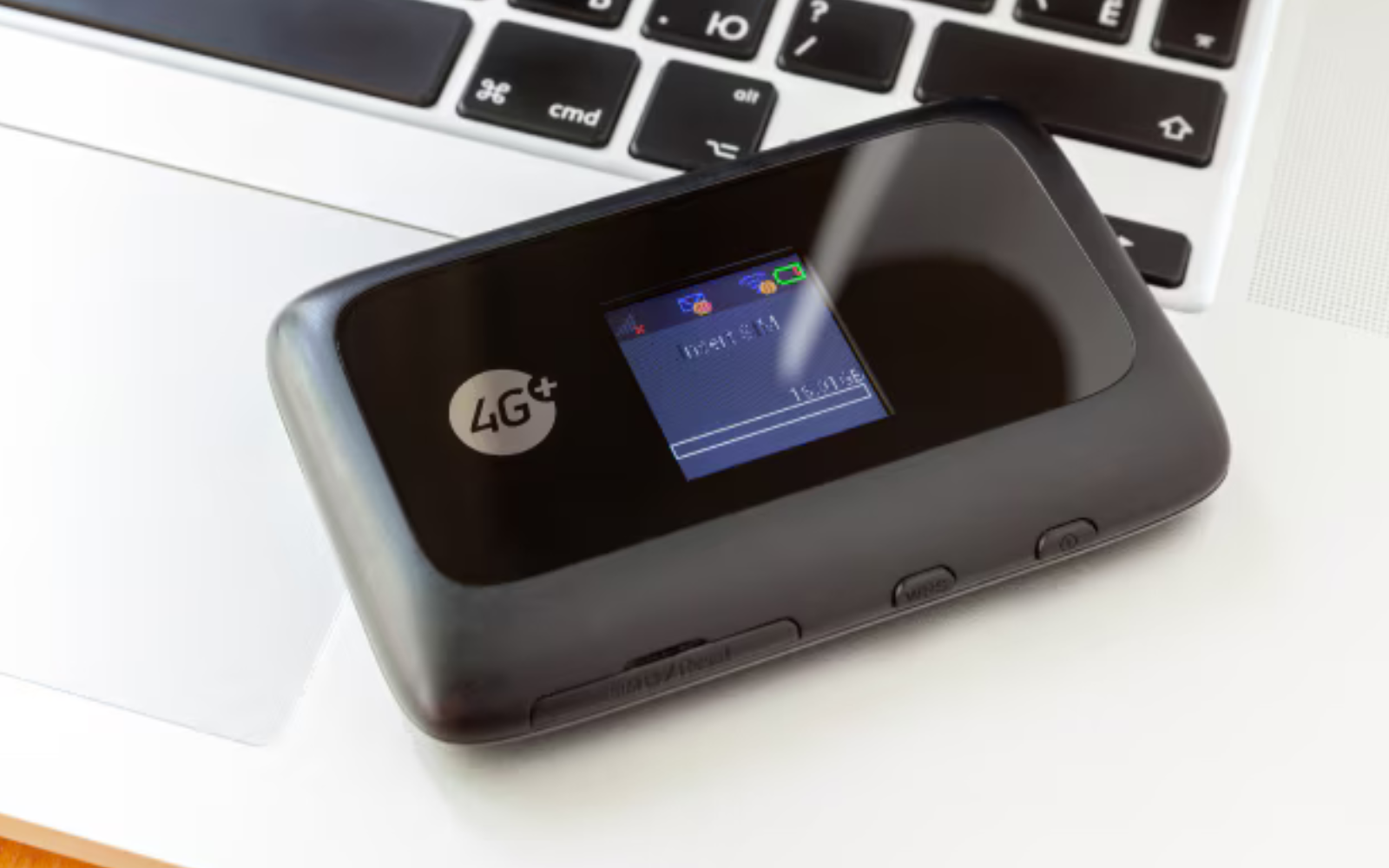
A pocket WiFi is a small, portable device that gives you secure, high-speed internet on the go. Instead of relying on public WiFi or using roaming from your home network, a pocket WiFi device connects to local Korean mobile networks and broadcasts a private WiFi signal that you can use with your phone, tablet, or laptop. It’s one of the most popular ways travelers stay online, which is why many often search for “pocket WiFi Korea” before embarking on their trip.
Using a Korea pocket wifi is easy, and that's another reason why many love it. Once you pick up the device at the airport or delivery point, you turn it on, connect your gadgets to its WiFi network, and start browsing. Most units can support multiple devices at once, making them ideal for couples, families, or groups traveling together.
While the pocket wifi South Korea is generally easy to use, it does require you to keep the device charged, carry it with you at all times, and return it at the end of your trip. The connection quality can also vary, depending on the provider. In many cases, the more people or devices connected to the unit, the slower the internet speed becomes.
Why You Might Need Pocket WiFi in Korea
South Korea is one of the most connected countries in the world, but that doesn’t always mean you’ll find stable, secure WiFi everywhere you go. Many travelers still prefer having their own portable hotspot for convenience and peace of mind, especially when navigating busy cities, rural areas, or moving between attractions throughout the day.
Having a South Korea pocket WiFi device ensures you’re always online, whether you’re using Naver Map to get around, booking tickets on the go, or staying in touch with family. It’s also a great option for groups or families since you can connect multiple devices at the same time without relying on public networks.
Travelers arriving through major hubs like Incheon often choose pocket WiFi Korea Incheon Airport rentals because they’re quick to pick up, easy to activate, and provide instant connectivity the moment you land.
Pocket WiFi is especially helpful for heavy data users, digital nomads, or anyone who wants a fast, private connection without depending on café or hotel WiFi. The best pocket WiFi Korea can give you reliable speeds, strong coverage, and secure browsing no matter where your adventure takes you.

Top Pocket WiFi Providers in Korea
If you’re looking for the best options for pocket WiFi Korea, you’ll find several reliable providers offering fast speeds, wide coverage, and flexible rental plans. Whether you want something budget-friendly or the best pocket WiFi in Korea, it helps to compare the top companies side by side.
Below is a simple guide to the most popular Korea pocket WiFi brands, along with their pros and cons, to help you decide which suits your travel style. This also gives you a clearer idea of how to rent pocket WiFi Korea based on what matters most to you: speed, price, convenience, or multiple-device support.
|
Provider |
Pros |
Cons |
|
SK Telecom (SKT) Pocket WiFi |
Excellent nationwide coverage, including rural areas Fast, stable LTE/5G speeds Easy airport pickup (Incheon, Gimpo, Busan) Supports multiple devices |
Slightly higher price than other providers High deposit required for some rental counters |
|
KT Olleh Pocket WiFi |
Strong coverage in major cities Often cheaper than SKT Simple setup and user-friendly device Good for short trips |
Speeds can fluctuate in crowded areas Battery life varies between models |
|
LG U+ Pocket WiFi |
Affordable daily rates Reliable speeds in urban areas Good option for budget travelers Works well for light to moderate browsing |
Coverage may be weaker in remote regions Not ideal for heavy data users |
|
WiFi Dosirak / WiFi Egg |
Very convenient airport pickup & return Long battery life on most devices Often bundled with discounts on travel apps or transportation |
Can slow down quickly when several devices connect Data speeds vary depending on location |
|
Trazy Rental Pocket WiFi |
Easy online booking before arrival Competitive pricing Pickup available at major airports Good for first-time visitors |
Must return at the same airport unless arranged in advance Device availability can run out during peak seasons |
Cost & Booking Considerations
Before choosing the best pocket WiFi in Korea, it helps to know how the booking process works, what you need to bring, and how much you should expect to pay. Understanding these basics makes it easier to plan ahead and get the right device for your trip.
How Much Is Pocket WiFi in Korea?
Prices vary depending on the provider, data plan, and rental duration. On average, pocket WiFi Korea rentals range from ₩3,000 to ₩8,000 per day, with premium high-speed or unlimited plans costing slightly more. Booking online in advance often gives you better rates than renting on-site at the airport.
How to Rent Pocket Wifi in Korea
You can rent Korea pocket WiFi in two ways:
1. Book Online in Advance
Many travelers prefer booking through platforms like Trazy or directly on provider websites. Booking early ensures availability, especially during peak seasons, and usually offers discounted prices. It’s the most convenient option, especially for first-time visitors.
2. Rent at Airport Kiosks
If you didn’t book ahead, you can still rent a unit at kiosks in major airports, including Incheon, Gimpo, and Busan. This is a straightforward option, but prices may be higher, and availability isn’t always guaranteed during busy travel periods.
What You Need for Pickup
To collect your device, you typically need:
Passport
Credit card for a refundable security deposit
Some providers may accept debit cards, but a credit card is the standard requirement.
Return Logistics
Returning your pocket WiFi is simple. You can usually drop it off at:
The same airport where you picked it up (Incheon, Gimpo, Busan)
Designated airport counters or drop boxes
In some cases, selected city locations
Make sure to return the device, charger, and accessories to avoid extra fees.
Extending Your Rental
If you decide to stay longer, most providers allow you to extend your rental by contacting customer support or visiting a pickup counter. Extensions are subject to device availability, so it’s best to request it early if you know your travel plans are changing.
From pricing to pickup, understanding how to rent pocket WiFi Korea will help you choose the right device with ease and ensure you stay connected from the moment you land.

Alternatives to Pocket WiFi
While many travelers choose pocket WiFi Korea Incheon Airport rentals for quick and reliable connectivity, it’s not the only option available. Depending on your travel style, budget, and device compatibility, there are several alternatives to consider.
Whether you're looking for something more flexible, more affordable, or more convenient than carrying a pocket WiFi South Korea device, the options below can help you stay connected just as easily.
Here are the most popular alternatives to South Korea pocket WiFi:
1. Public WiFi
Korea is known for its wide network of free public WiFi, especially in cafés, shopping malls, subway stations, and tourist hotspots. It’s useful for quick searches or checking messages, but it’s not always reliable or secure. Speeds can vary based on location and crowd size, and many networks require login steps. Public WiFi works best as a backup, not your main source of connection.
2. International Roaming
Your home mobile carrier may offer roaming packages that work in South Korea. This is the most effortless option since you don’t need to buy or set up anything new. However, roaming can be expensive, especially for longer stays or heavy data usage. It’s convenient, but rarely the most affordable choice.
If you prefer mobile roaming instead of getting a pocket WiFi device, make sure you know how to prevent roaming charges.
3. Prepaid Physical SIM
A prepaid SIM card gives you mobile data directly on your phone without carrying an extra device. Many plans come with a local Korean number, which is useful for making domestic calls or verifying apps that require SMS messages. The downside: you must swap your SIM, store your original one safely, and the plan only works on one device.
4. eSIM
An esim Korea is the most convenient alternative for modern travelers. There’s no physical card, no pickup counter, and no device to return. You simply purchase an Jetpac eSIM online, scan a QR code, and your phone connects instantly. It’s ideal for solo travelers, light packers, and anyone who wants internet the moment they land, without stopping at a counter or dealing with extra gadgets. Many travelers now prefer to use the best esim for South Korea for their convenience, flexibility, and competitive prices.
Now that you know how to stay connected with the best pocket WiFi in Korea or an eSIM, here’s a South Korea Travel Itinerary to help you plan your trip.
Comparing Pocket WiFi vs SIM Card vs eSIM
Staying connected in South Korea is easy, but the best option depends on your travel style, budget, and how much data you need. Here’s a quick comparison to help you decide which one fits your trip best.
|
Feature |
Pocket WiFi Korea |
SIM Card |
eSIM Korea |
|
Setup |
Pick up device, turn it on, connect |
Swap physical SIM in your phone |
Instant activation via QR code—no physical installation |
|
Internet Speed |
Fast and stable; great for multiple users |
Fast, depends on carrier |
Very fast (same networks as SIM) |
|
Data |
Usually unlimited |
Data plans vary (limited or unlimited) |
Flexible plans from multiple providers |
|
Device Compatibility |
Works with any WiFi-enabled device |
Requires unlocked phone |
Requires unlocked, eSIM-compatible phone |
|
Convenience |
You must carry and charge the device |
No extra device needed |
No extra device, activation is quick |
|
Best For |
Groups, families, heavy data users |
Travelers staying longer who prefer a local number |
Solo travelers, digital nomads, last-minute planners |
|
Where to Get |
Airport counters (e.g., Incheon Airport), online booking |
Airport kiosks, convenience stores |
Online before arrival or at the airport |
|
Cost |
Daily rental fee |
One-time purchase |
Usually the cheapest, depending on plan |
|
Hotspot Sharing |
Yes, multiple devices |
Yes, if your phone supports it |
Yes, if your phone supports it |
|
Battery/Power |
Needs charging |
No charging required |
No charging required |

Jetpac eSIM: The Smarter Alternative to Pocket WiFi in Korea
For travelers looking for a hassle-free way to stay online, Jetpac eSIM is quickly becoming the go-to solution. Unlike pocket WiFi, there’s no device to carry, charge, or return, because everything is handled digitally! Simply purchase the plan, scan the QR code, and your phone is instantly ready to use data throughout Korea.
Jetpac eSIM offers fast, reliable coverage across South Korea, including major cities, Jeju Island, and even more remote destinations. Plus, it supports multiple data plans, so you can pick the one that fits your travel style and duration.
Many travelers recommend Jetpac eSIM as the best eSIM for South Korea, thanks to its easy setup, competitive pricing, and flexibility. It’s also ideal for solo travelers or groups who don’t want the extra device hassle.
Stay connected effortlessly, get your Jetpac eSIM for South Korea today and enjoy seamless internet wherever your journey takes you.
FAQs
Can I connect more than one device to pocket WiFi?
Yes! Most pocket WiFi Korea devices allow multiple devices to connect simultaneously, making them ideal for couples, families, or groups. Depending on the model, you can usually connect anywhere from 3 to 10 devices at once without significantly compromising speed.
Is Pocket WiFi or a SIM Card Better for First-Time Travelers to Korea?
For first-time visitors, pocket WiFi Korea is often the easier choice because it doesn’t require swapping SIM cards or adjusting phone settings. It’s ready to use right out of the box, works with multiple devices, and is ideal for travelers who want reliable internet immediately upon arrival.
Does Pocket WiFi Work Everywhere in Korea?
South Korea pocket WiFi devices use major mobile networks like SKT, KT, and LGU+, which cover almost the entire country, including Jeju Island and most rural areas. However, signal strength can weaken in very remote mountains, underground tunnels, or some rural valleys.
What happens if I lose or damage the device?
If a pocket WiFi Korea device is lost or damaged, most providers charge a replacement or repair fee. It’s important to keep the device safe and treat it like a valuable item, since fees can range from moderate to quite expensive depending on the model and rental company.
Can I pick up the device outside the airport?
Yes, some providers offer city pickup points in addition to airport counters. However, most travelers prefer pocket WiFi Korea Incheon Airport rentals for convenience, since they can collect the device as soon as they land and start using it immediately.
Is there 5G pocket WiFi or only 4G/LTE?
Both options are available. Many providers now offer 5G pocket WiFi devices in Korea, providing faster speeds and lower latency compared to traditional 4G/LTE. Availability may vary by provider, so it’s best to check before booking if you want the fastest possible connection.