
Best Time to Visit Australia: Weather & Travel Tips
Planning a trip Down Under and wondering about the best time to visit Australia? Discover everything you need to know in our guide, from weather insights to practical tips.

Planning a trip Down Under and wondering about the best time to visit Australia? Discover everything you need to know in our guide, from weather insights to practical tips.
Thanks to its vast landscapes, varied climates, and endless attractions, the best time to visit Australia really comes down to the experiences you’re after. Do you dream of relaxing on golden beaches, exploring lively cities, venturing into the rugged Outback, or wandering through tropical rainforests? Whatever it is that you're after, there’s a perfect season in Australia for every type of traveler.
In this guide, we will walk you through Australia’s weather by season, highlight the best time to visit by region, and share practical travel tips to help you plan the trip of a lifetime.
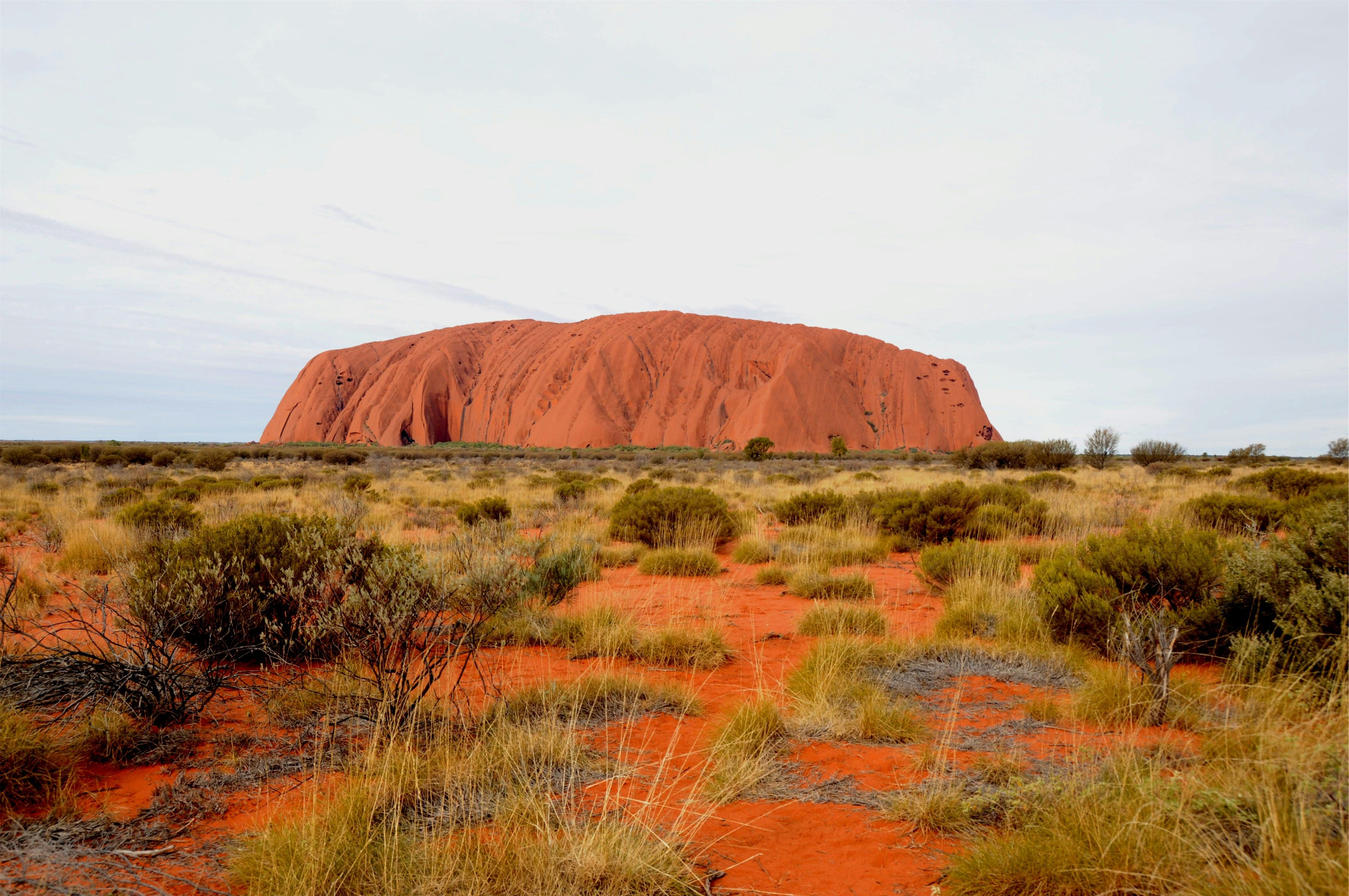
When is the Best time to visit Australia?
For most travelers, the best time of year to visit Australia is during spring (September–November) and autumn (March–May). These seasons bring mild, comfortable weather, fewer crowds, and excellent conditions for sightseeing, outdoor activities, and cultural experiences.
It’s important to remember that Australia’s climate changes dramatically depending on where you choose to go.
Southern Australia (Sydney, Melbourne, Adelaide, Tasmania) follows four distinct seasons. Spring and autumn are the most pleasant, with warm days and cooler nights, making them the best time to visit Sydney Australia, and other southern cities for sightseeing and outdoor activities.
Northern Australia (Darwin, Cairns, the Great Barrier Reef) has a tropical climate with just two seasons. The dry season (May–October) is the best time for reef trips and Outback adventures, while the wet season (November–April) brings heavy rain, humidity, and tropical storms.
Australia’s Seasons Explained
Because of its sheer size and geography, Australia’s climate varies greatly depending on where you travel. Understanding the seasonal patterns will help you decide the best time to visit Australia for your trip.
Southern Regions
Southern Regions (Sydney, Melbourne, Adelaide, Tasmania) experience four distinct seasons.
Summer: December – February (hot and sunny, great for beaches but can be very warm inland)
Autumn: March – May (mild temperatures, ideal for city breaks and wine regions)
Winter: June – August (cool to cold, especially in Melbourne and Tasmania; popular for ski trips in the Snowy Mountains)
Spring: September – November (pleasant, with blooming landscapes and comfortable weather for outdoor adventures)
Northern Regions
Northern Regions (Darwin, Cairns, the Top End, Great Barrier Reef): The tropics follow a two-season pattern.
Wet Season: November – April (hot, humid, with heavy rains and tropical storms; less ideal for travel)
Dry Season: May – October (sunny, dry, and much more comfortable—perfect for exploring the Outback or visiting the reef)
By knowing how the seasons differ between the north and south, you’ll be better prepared to choose the best time to visit Australia based on your interests and travel style.
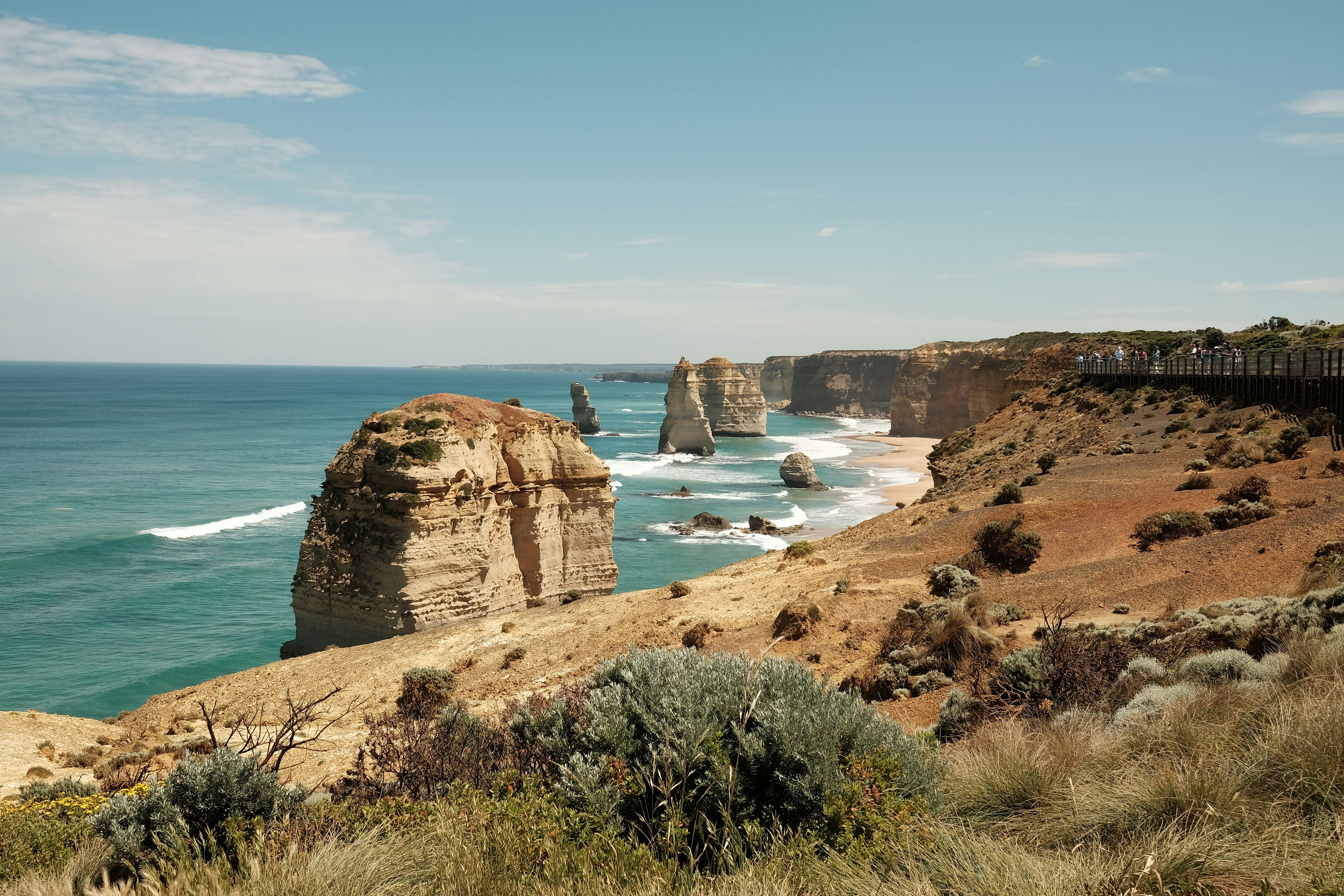
Crowd Levels & Costs by Season
When deciding on the best time of year to visit Australia, it helps to consider how busy it gets and How Much Does It Cost to Travel to Australia. Crowd levels and travel costs can vary a lot between the peak summer holidays, quieter winters, and the more balanced shoulder seasons.
|
Season |
Months |
Crowd Levels |
Travel Costs |
What to Expect |
|
High Season |
Dec – Feb (Summer) |
Very busy – especially in Sydney, Melbourne, and coastal areas |
Most expensive – higher prices for flights & accommodation |
Peak holiday period, beaches are lively, and popular attractions are crowded |
|
Shoulder Season |
Mar – May (Autumn) & Sep – Nov (Spring) |
Moderate crowds – popular but less packed than summer |
Mid-range – better deals than summer, especially on hotels |
Comfortable weather, ideal for sightseeing, road trips, and festivals |
|
Low Season |
Jun – Aug (Winter) |
Quiet – fewer tourists outside ski resorts |
Least expensive – great discounts on flights & stays |
Cooler weather in the south, snow in alpine regions, and the tropical north is still warm |
Best Time to visit Australia by travel goal
The best time to visit Australia depends largely on what kind of trip you have in mind. From golden beaches and vibrant festivals to wildlife encounters and snowy adventures, every season has something unique to offer. Here’s a breakdown to help you choose the right time for your travel style.
Beaches & Island Escapes
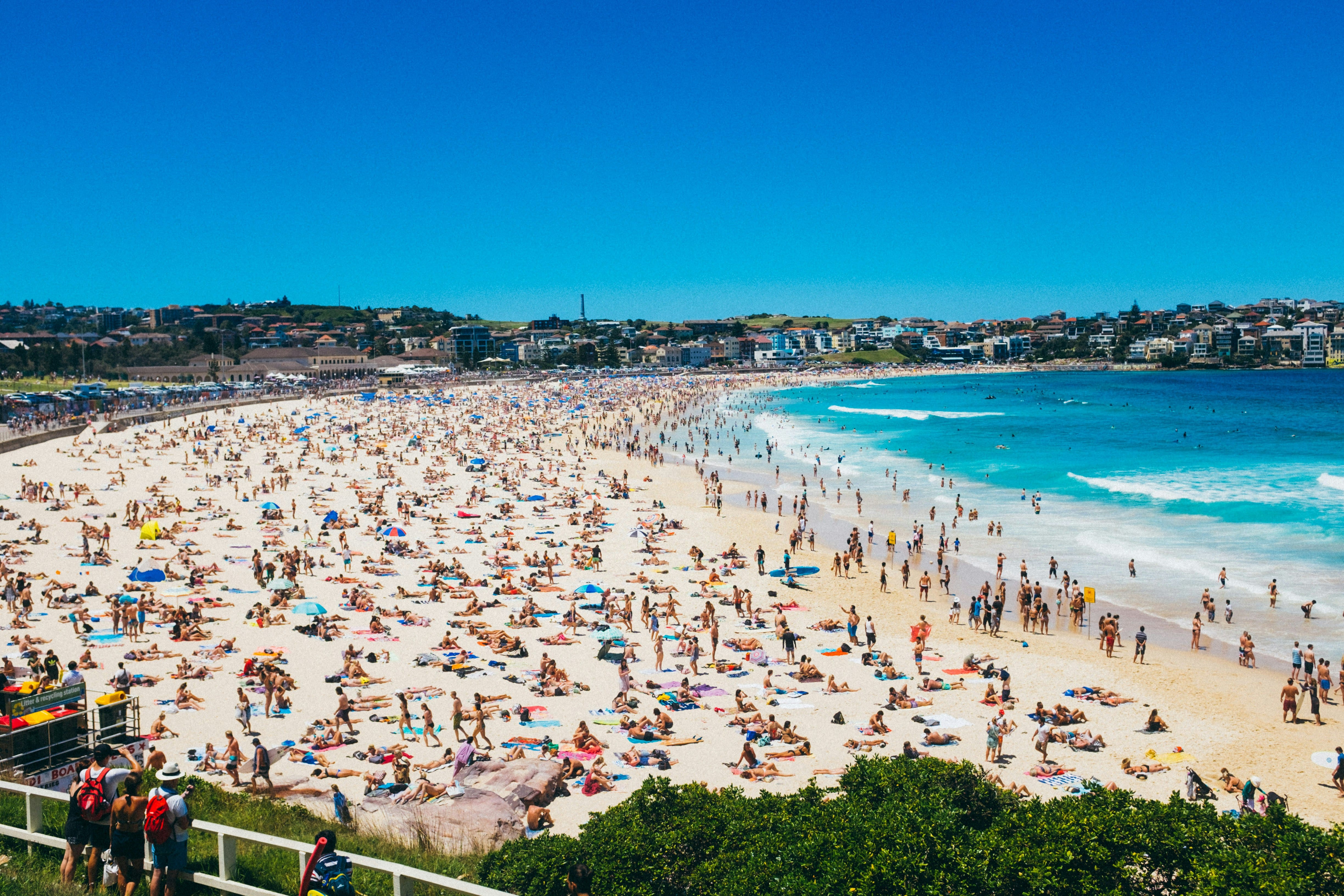
For classic beach holidays and tropical island getaways, summer (Dec–Feb) is peak season in the south, while the dry season (May–Oct) is best in northern destinations like the Whitsundays or Great Barrier Reef. These are some of the best places to visit in Australia if you’re after turquoise waters and white sands.
Road Trips & Scenic Drives
Australia is renowned for its epic road trips, including the Great Ocean Road, Tasmania’s coastal routes, and scenic drives through wine country. Spring (Sep–Nov) and autumn (Mar–May) offer mild weather and fewer crowds, making them the best time to visit Australia for long drives and outdoor adventures. To make the most of the journey, it’s best to stay connected throughout the entire trip. Consider getting an eSIM Australia for tourist to easily access maps, travel apps, and local recommendations while on the road.
Wildlife (Whales, Reef, Wildflowers)
Whale Watching: Best from May–Nov, along the east and west coasts.
Great Barrier Reef: Dry season (May–Oct) offers calm seas and excellent visibility.
Wildflowers in WA: Peak bloom is Sep to Nov, turning the landscapes into colorful carpets.
These seasonal highlights are among the best places to visit in Australia for nature lovers.
Snow Sports in the Australian Alps
If you’re dreaming of skiing or snowboarding, the Australian Alps (in New South Wales and Victoria) are best between June to August. Resorts like Thredbo, Perisher, and Mount Hotham attract winter sports fans from around the world.
Families with Children
Families will find spring and autumn ideal, with comfortable temperatures for sightseeing, outdoor activities, and wildlife parks. Summer is also popular for school holidays, though it comes with higher costs and larger crowds.
Avoid the Crowds
If you prefer quieter travel, autumn (Mar–May) and spring (Sep–Nov) strike the best balance between pleasant weather and manageable crowd levels. Winter (Jun–Aug) is also a great time to find deals, especially in cities and coastal areas outside the ski regions.
Festivals & Big Events
Australia is home to world-class events like Sydney’s New Year’s Eve fireworks (Dec–Jan), Melbourne Cup (Nov), and Vivid Sydney (May–Jun). If you want your trip to align with cultural highlights, check festival calendars in advance. Sometimes the best time to visit Australia is when the country is in full celebration mode.

Best time by Region
Because of its size and diverse climates, the best time of year to visit Australia depends on which region you’re exploring. Each part of the country shines in different seasons:
Tropical North (Cairns, Darwin, Great Barrier Reef)
The dry season (May–Oct) is the best time to enjoy clear skies, lower humidity, and excellent conditions for reef trips and national park adventures.
Southern Cities (Sydney, Melbourne, Adelaide)
Spring (Sep–Nov) and autumn (Mar–May) bring comfortable weather for sightseeing, outdoor dining, and cultural events. If beaches are a priority, summer (Dec–Feb) is ideal, though it’s also the busiest season.
Central Outback (Uluru, Alice Springs)
The desert climate makes April to September the most comfortable window, with cooler daytime temperatures and starry night skies perfect for camping.
Western Australia (Perth, Margaret River, Coral Coast)
Visit in spring (Sep–Nov) to see spectacular wildflower blooms across the state. Autumn (Mar–May) is also a great shoulder season with pleasant weather and fewer crowds.
Tasmania
Summer (Dec–Feb) is the best for hiking, with long daylight hours and mild weather. For a unique experience, winter (Jun–Aug) brings cozy vibes and lively festivals.
By matching your itinerary with regional seasons, you’ll get the most out of your journey and find the best time of year to visit Australia based on your travel goals.
Month-by-month guide: weather & highlights
If you’re planning your trip and wondering about the best time to visit Australia, this section is for you. Because of its size and varied climates, the best time of year to visit Australia often depends on where you’re going and what you’d like to do. This month-by-month guide highlights typical weather patterns and seasonal activities across the regions.
|
Month |
Weather Overview |
Travel Highlights |
|
January |
Peak of summer; hot in the south, tropical rains in the north |
Beach holidays, Sydney Festival, Australian Open in Melbourne |
|
February |
Hot & humid in most areas; wet season up north |
Great for southern beaches, Adelaide Fringe Festival, and wine regions |
|
March |
Start of autumn; cooler temps, less humidity |
Road trips, Melbourne Food & Wine Festival, wildflowers in WA begin |
|
April |
Mild in the south, dry in the north, comfortable in the Outback |
Easter celebrations, hiking in Tasmania, reef trips in Queensland |
|
May |
Cooler in the south, dry season starts in the north |
Vivid Sydney, whale watching begins, ideal for Outback travel |
|
June |
Winter in the south, peak dry season in the north |
Ski season opens in the Alps, Top End national parks are at their best |
|
July |
Cold in the south, sunny in the north |
Snow sports, whale watching, Darwin Festival |
|
August |
Still wintery south, warm & dry north |
Outback camel races, reef diving, and ski season continue |
|
September |
Spring begins, wildflowers in bloom |
Wildflower season in WA, whale watching, mild weather for road trips |
|
October |
Warm spring weather across most regions |
Wine harvest festivals, hiking season in Tasmania, and great for city trips |
|
November |
Warming up; wet season begins in the north |
Melbourne Cup, outdoor dining, coastal getaways |
|
December |
Start of summer; hot in the south, wet up north |
Sydney’s NYE fireworks, beaches, and holiday festivals |
By looking at the seasons this way, you can match your plans with the best time to visit Australia based on the experiences you don’t want to miss.
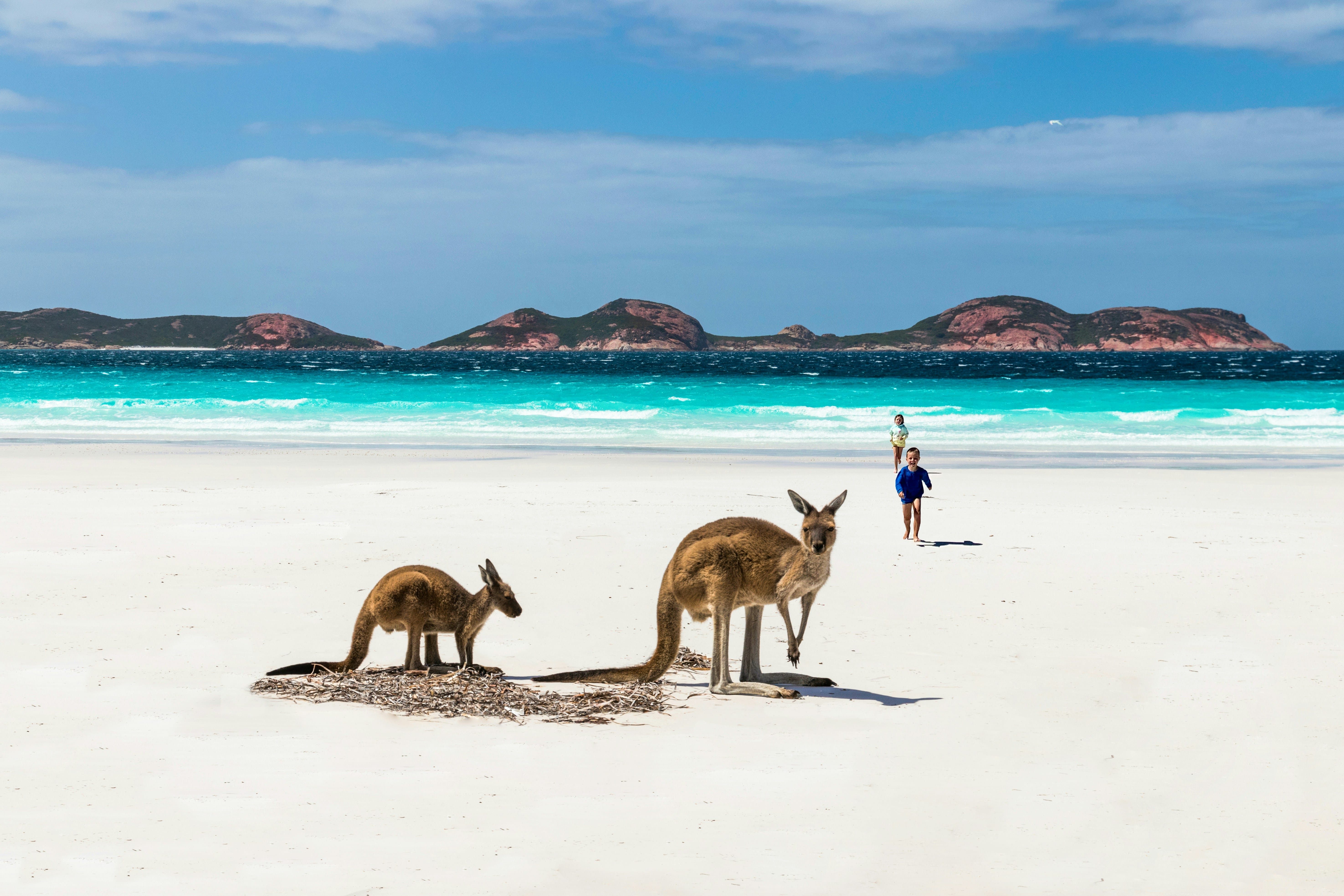
Best time to explore the Great Barrier Reef
If you’re wondering about the best time to visit Great Barrier Reef in Australia, the answer depends on both weather and ocean conditions.
Best Visibility (June–October): These cooler, drier months are considered the prime time for snorkeling and diving. The water is clear, calm, and offers excellent visibility for spotting vibrant coral and marine life. It’s also the peak season for reef tours, so booking in advance is recommended.
Stinger Season (November–April): During the warmer months, northern Queensland waters are home to marine stingers (jellyfish). While this doesn’t stop people from visiting the reef, you’ll usually be required to wear protective stinger suits for safety. On the upside, the summer months bring warmer seas and opportunities to see baby turtles hatching along the coast.
Overall, the best time to visit the Great Barrier Reef in Australia is between June and October, when conditions are at their clearest and most comfortable. Year-round, the reef offers unique experiences worth exploring.
Practical travel tips to visit Australia
Planning your trip wisely can make exploring the best places to visit in Australia much smoother and more enjoyable. Here are a few essential tips to keep in mind:
Booking Windows: If you’re traveling in peak season (Dec–Feb), book flights and accommodation well in advance, as prices rise quickly. For shoulder seasons (Mar–May & Sep–Nov), you’ll often find better deals and more flexibility.
Pack Smart: Australia’s sun is intense, so always carry sunscreen, hats, and light clothing for UV protection. In many regions, the weather can change quickly, so pack a light rain jacket too.
Stay Connected: Setting up the internet before you arrive will save time and hassle. Look for convenient eSIM plans Australia offers to match your travel needs. For longer stays, options like Jetpac’s unlimited plans can be especially cost-effective and practical.
Weather Awareness: Learn about bushfire risks in the south during summer and cyclone season in the tropical north (Nov–Apr). Always check local advisories before traveling.
Outback Flies: If you’re heading into the Outback between late spring and early autumn, be prepared for swarms of flies. A simple fly net or repellent can make your experience far more comfortable.
Plan your Australia trip stress-free with Jetpac eSIM
Staying connected is essential when exploring a country as vast as Australia. Whether you’re navigating to the best places to visit in Australia, booking last-minute tours, or sharing your adventures in real time, having reliable mobile data makes the journey smoother.
For hassle-free connectivity, Jetpac offers one of the best eSIM for Australia options, designed specifically with travelers in mind. Setting up your eSIM Australia for tourist is quick and easy. There’s no need to hunt for a SIM card on arrival. Plus, with flexible eSIM plans Australia, including unlimited data for longer trips, Jetpac helps you stay connected without worrying about roaming charges.
With Jetpac, you can focus on making memories while your internet connection takes care of itself.
FAQs
What is the best month to travel to Australia?
The best month to travel to Australia really depends on what you want to experience, but many travelers find September or October ideal. During these spring months, much of the country enjoys mild, pleasant weather, blooming landscapes, and fewer crowds compared to the busy summer season. It’s also a great time for road trips, wildlife spotting, and exploring both cities and nature.
What is the cheapest time to visit Australia?
The cheapest time to visit Australia is generally during the low season in winter (June–August). With fewer international tourists and lower demand outside of the ski regions, you’ll often find discounted flights, hotel deals, and special promotions on tours. While southern cities like Sydney and Melbourne can be cooler, the tropical north enjoys dry, sunny weather, making it a budget-friendly yet comfortable time to explore. For travelers looking to stretch their budget, winter is often considered the best.
How much does an Australia trip cost?
A trip to Australia typically costs between USD $2,500 to 4,500 per person for two weeks, depending on your travel style and season. Budget travelers can get by on around $70–100 per day with hostels and public transport, while mid-range trips average $150–250 per day with 3-star hotels, car rentals, and dining out. Luxury travelers can expect $300+ per day for premium hotels, tours, and fine dining. Prices peak during the busy summer months (Dec–Feb) and drop in winter (Jun–Aug), making the low season the most affordable time to visit.
What is the best time to see Aurora Australis?
The best time to see the Aurora Australis (Southern Lights) in Australia is during the winter months from May to August, when nights are longer, skies are darker, and geomagnetic activity is often stronger. The phenomenon is most visible from Tasmania, especially in remote areas away from light pollution, like the South Arm Peninsula, Bruny Island, or Cradle Mountain. While sightings can never be guaranteed, planning your trip in the cooler months gives you the highest chance of catching this spectacular natural light show.
How many days in Australia is enough?
The ideal length of stay in Australia depends on how much you want to see, but most travelers find that 10–14 days is enough for a well-rounded trip. With two weeks, you can comfortably explore a mix of highlights such as Sydney, the Great Barrier Reef, and the Outback, or combine city sightseeing with coastal road trips and wildlife experiences. If you only have a week, it’s best to focus on one region, while longer stays of 3–4 weeks allow you to cover multiple states and truly experience some of the best places to visit in Australia.
Is Australia very expensive to visit?
Yes, Australia is often considered one of the more expensive destinations to visit, mainly due to higher costs for accommodation, dining, and domestic flights. On average, travelers spend around USD $150–250 per day for mid-range travel, though budget options like hostels, public transport, and self-catering can bring costs down. Expenses also vary by season. Summer (Dec–Feb) is the priciest, while winter (Jun–Aug) offers cheaper flights and hotel deals.
What is the rainy season in Australia?
Australia doesn’t have a single rainy season everywhere. It mainly depends on the region. In the tropical north (Darwin, Cairns, Great Barrier Reef), the wet season runs from November to April, bringing heavy rain, high humidity, and the possibility of cyclones. In contrast, the southern regions (Sydney, Melbourne, Adelaide, Tasmania) don’t have a distinct wet season but instead receive rainfall spread more evenly throughout the year, often with winter (June–August) being slightly wetter.
What is the best part of Australia to go to?
The best part of Australia to go to really depends on your interests, as the country offers incredible diversity. For iconic city life and coastal experiences, Sydney and Melbourne are among the best places to visit in Australia, with world-class dining, culture, and stunning beaches. Nature lovers often head north to explore the Great Barrier Reef and Daintree Rainforest, while adventurers are drawn to the Red Centre for Uluru and Outback landscapes.