Best Time to Visit Europe: Ideal Months Revealed
Plan your Europe trip smartly with this guide. Discover the best months to visit, avoid big crowds, and enjoy great weather while staying connected with an eSIM.
Planning a trip to Europe? Here’s an easy guide to help you figure out when to go, whether you want warm beaches, quiet streets, or winter markets. Learn which months have the best weather, smaller crowds, and fair prices, and how an eSIM can keep you connected while you travel from one country to the next.
Europe doesn’t have one perfect season. The best time to visit depends on what you want. Some people love sunny beaches and festivals. Others want quiet streets, cool air, and smaller crowds. The best time to visit Europe really depends on your goals, the weather, your budget, and what kind of trip you want to have. If you’re wondering when is the best time to visit Europe, this guide breaks it down season by season, month by month, so you can plan your trip easily and stay connected with an eSIM.
The Best Time to Visit Europe
If you are thinking, ‘when is the best time to visit Europe?’, for most travelers, it is late spring or early autumn. Temperatures are comfortable, local festivals begin, and popular attractions aren’t yet overcrowded. Hotels and flights cost less than in July and August, and outdoor cafés reopen after winter.
If you prefer fewer people, early May and late September are especially good months. You’ll still get long days for sightseeing, but avoid the peak summer rush. The best time to visit Europe weather-wise varies slightly by region: southern Europe warms up earlier, while northern and alpine areas stay cool until late May.
Summer brings reliable sunshine, but also heavy tourism. Winter can be cold and dark, yet it rewards travelers with quiet streets, Christmas markets, and low prices.
Best Time to Visit Europe by Season
Each season in Europe offers a different weather and vibes. Here’s what to expect.
Spring (March–May)
Spring is a comfortable time to explore most of Europe. Days lengthen, temperatures rise to 10–20 °C (50–68 °F), and gardens and parks start to bloom. It’s a pleasant time for walking tours and outdoor dining.
Rain showers are frequent in northern countries, so a light jacket and umbrella help. Cities such as Paris, Amsterdam, and Vienna see steady visitors but not the large summer crowds. Airfares and train tickets are usually moderate.
Summer (June–August)
Summer offers the longest days and the widest range of events. Beaches across Spain, Greece, Croatia, and Italy are lively, and mountain trails in Switzerland and France open fully. Temperatures in southern Europe often exceed 30 °C (86 °F), while northern regions average around 20 °C (68 °F).
It’s the best time to visit Europe for swimming, festivals, and outdoor nightlife, but also the busiest and most expensive period. Book early for accommodation and trains, and plan visits to popular landmarks early in the day to avoid crowds.
Autumn (September–November)
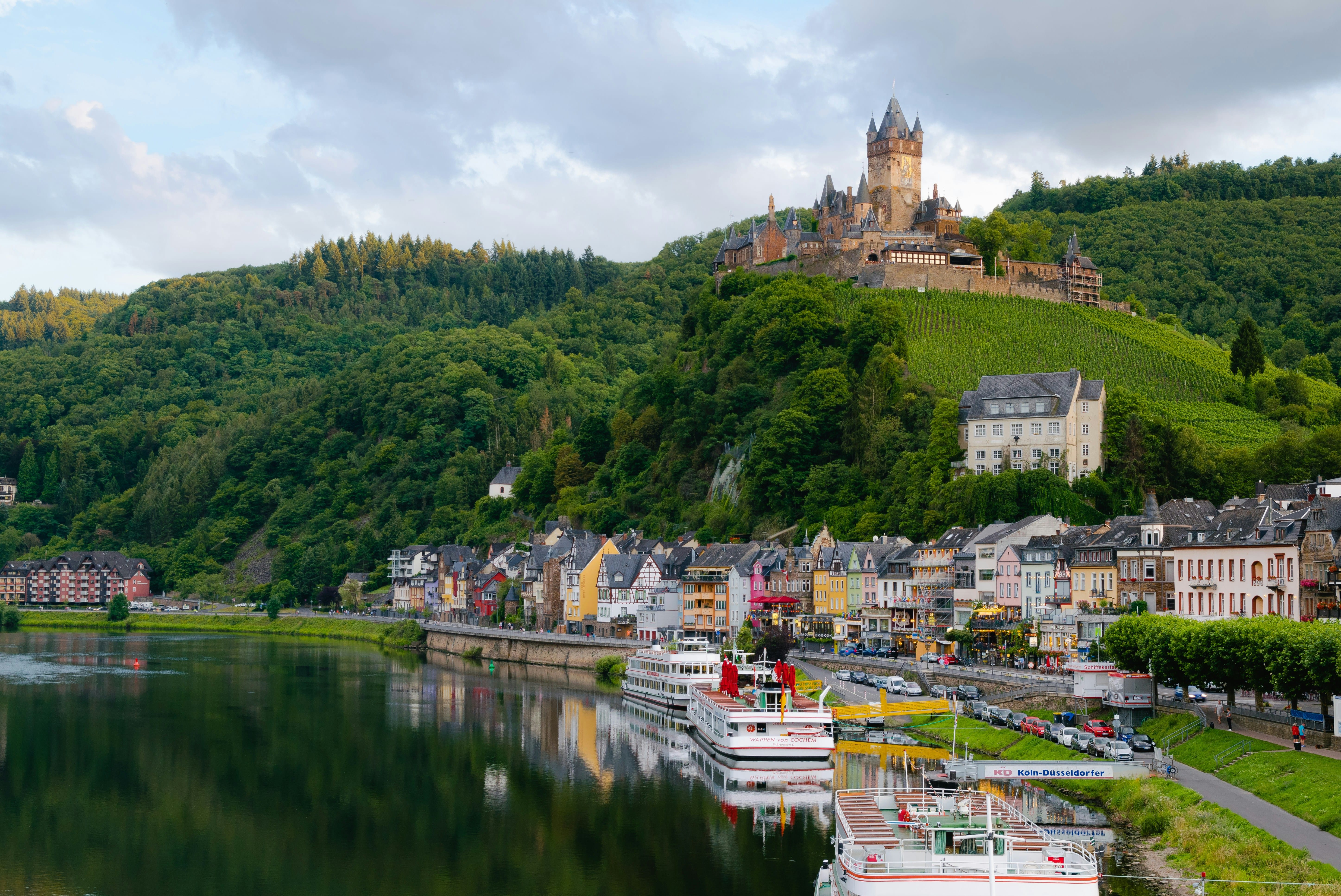
Autumn is one of the most beautiful seasons for travel. Warm weather lingers into September, harvest festivals fill the calendar, and prices drop as schools reopen. Vineyards in France and Italy are active with grape harvesting and wine flavors, and the forests in Germany, Slovenia, and Austria show bright colors.
For many travelers, this is the best time to visit Europe to avoid crowds while keeping good weather. October is cooler but still suitable for sightseeing, and many cities offer discounted hotel rates before winter.
Winter (December–February)
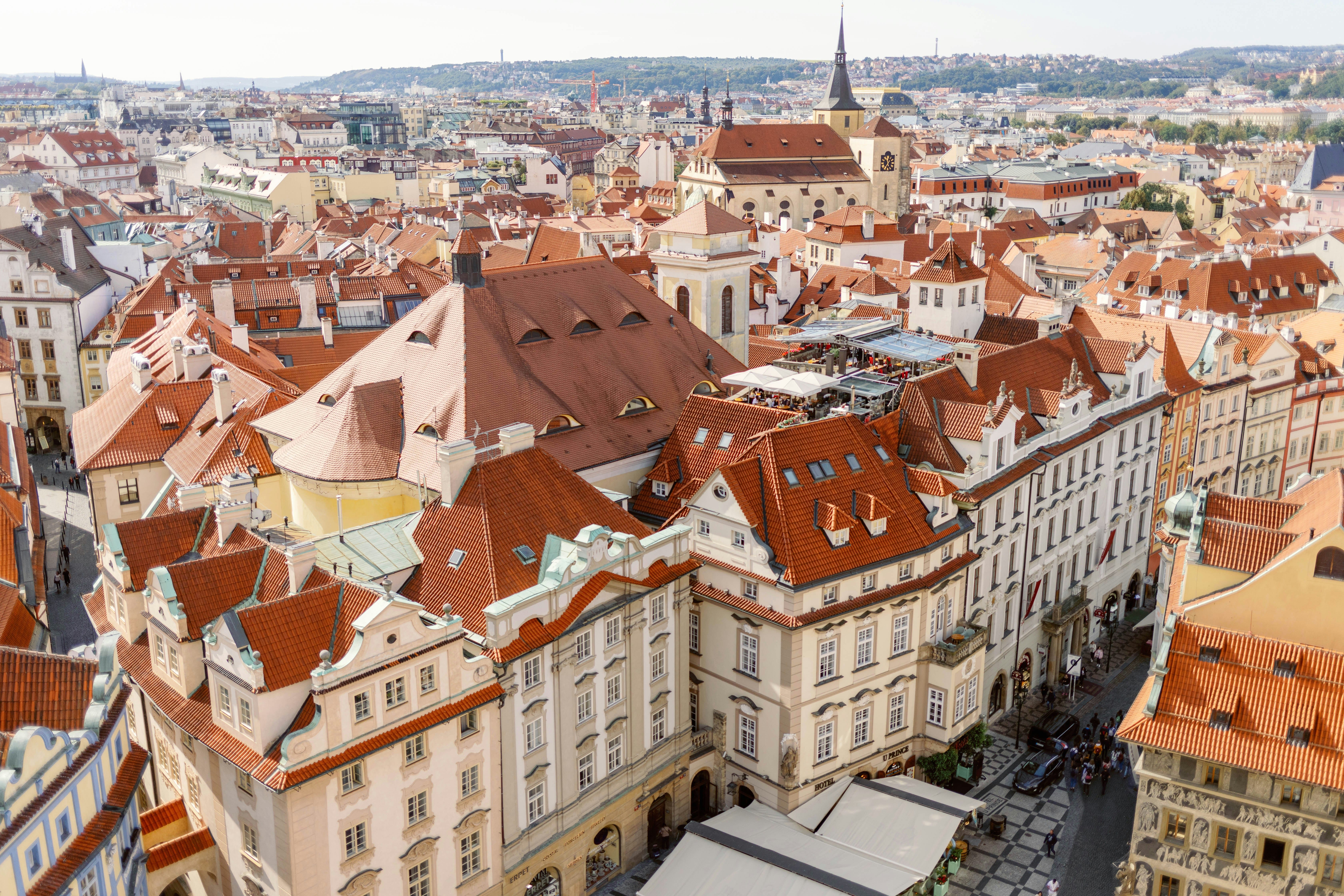
Winter brings short days and cold air, but it’s ideal for travelers who enjoy festive markets or winter sports. Cities such as Prague, Vienna, and Munich host well-known Christmas markets, and the Alps offer reliable skiing.
It’s also the best time to visit Eastern Europe for lower costs. Accommodation is cheaper, and you can explore without waiting in lines. In northern Europe, daylight is limited, but the experience is unique, with fewer tourists, warm cafés, and a slower pace.
If you want to see the Northern Lights, December to February are the ideal months to visit Arctic regions such as Lapland, northern Norway, or Iceland. The long, dark nights give you the highest chance of clear sightings.
Month-by-Month Guide to Europe Travel
Here’s a quick look at what each month feels like in Europe month by month:
|
Month |
Weather |
Crowds |
Price Level |
What it’s good for |
|
January |
Cold, snow in north |
Very low |
Very low |
Quiet, good for museums and ski trips |
|
February |
Cold, some sun in south |
Low |
Low |
Romantic cities, carnival events |
|
March |
Warming up |
Moderate |
Moderate |
Early spring flowers |
|
April |
Mild and bright |
Moderate |
Moderate |
Ideal for walking tours |
|
May |
Warm, long days |
Rising |
Mid-high |
Great for sightseeing |
|
June |
Sunny and lively |
High |
High |
Beach and music season |
|
July |
Hot and crowded |
Peak |
Very high |
Festivals and nightlife |
|
August |
Very hot |
Peak |
Very high |
Busy everywhere |
|
September |
Pleasant |
Moderate |
Moderate |
Perfect mix of weather and prices |
|
October |
Cooler |
Low |
Moderate |
Fall colors and calm cities |
|
November |
Chilly |
Low |
Low |
Cheaper flights and hotels |
|
December |
Cold, festive |
Moderate |
High |
Christmas markets, winter charm |
If you’re flexible, May and September combine good weather with fewer crowds, often considered the overall best time to travel to Europe.
Best Time to Visit Europe by Travel Style
Your plans matter more than the calendar. Here’s what works best for each kind of trip.
Beaches and Islands
For Mediterranean trips, late May through June and early September work best. Sea temperatures are warm, ferries run frequently, and major resorts are less crowded than in July and August. Greece’s islands, southern Italy, Spain’s Balearics, and Portugal’s Algarve are ideal during these months. It’s the best time to travel to Europe weather-wise if your plans revolve around the coast.
Hiking and Outdoor Trips
Hiking season runs from June to October in the Alps, Pyrenees, and Dolomites. Snow melts by early June, revealing clear trails and alpine meadows. Scandinavia is best from late June to August, when daylight can last nearly 20 hours. Early autumn offers cooler air and quieter paths for experienced hikers.
City Breaks and Museums
Large cities such as Rome, Paris, and London are easier to enjoy outside of summer. From November to March, queues are short, hotels are cheaper, and museums have space to linger. This is the best time to visit Europe to avoid crowds if you want to experience culture, food, and local life rather than outdoor sightseeing.
Festivals and Events
Europe’s event calendar runs year-round. Spring brings Easter celebrations like Semana Santa in Spain. Summer is full of music festivals and open-air theatre. Autumn highlights include Oktoberfest in Germany and film festivals in Italy. December is dominated by Christmas markets and New Year celebrations. Choosing a festival you’re interested in can help narrow down when is the best time to travel to Europe for you.
Northern Lights
For travelers heading north, December to February are ideal months to visit Arctic areas such as northern Norway, Lapland, and Iceland. The nights are longest, and the cold, clear air increases visibility. Guided excursions operate from Tromsø, Rovaniemi, and Reykjavík throughout winter.
Cheapest and Worst Times to Visit Europe
Budget travelers find that January and February, plus late November, are the cheapest times to visit Europe. Flights and hotels are at their lowest prices, and many attractions stay open. The main limitation is cold weather and shorter daylight hours.
By contrast, July and August are the most expensive months, with crowded airports, full trains, and limited last-minute availability. These months can also be uncomfortably hot in southern regions. If you prefer moderate temperatures and open space, avoid peak summer.
Mid-winter (excluding Christmas and New Year) remains the best time to visit Europe to avoid crowds completely.

Best Time to Visit Europe by Region
Europe isn’t one single season. The weather can change completely from one region to another, which is why timing depends on where you plan to go. Some of the best countries to travel in Europe, like Italy, France, and Greece, are ideal to visit in warm months, while others, such as Norway or Austria, are at their best in cooler weather. Knowing when each region is most enjoyable helps you plan your route with the right expectations.
Southern Europe
Spain, Portugal, Italy, and Greece have long, warm seasons. May, June, September, and early October bring sunny days without extreme heat. July and August are busier and more expensive, especially along the Mediterranean coast.
Western and Central Europe
France, Germany, Austria, and Switzerland are pleasant from late spring through early autumn. Winter is cold but charming, especially for Christmas markets and ski resorts. Cities such as Paris, Munich, and Zurich remain active all year.
Northern Europe and the Nordics
Denmark, Sweden, Norway, and Finland enjoy mild summers and very long days. June through August is the main travel period. For the Northern Lights, plan between December and February. These countries are among the best countries to travel in Europe for nature, outdoor life, and clean cities.
Eastern Europe and the Balkans
The best time to visit Eastern Europe, including Poland, Hungary, and the Balkan states, is April to October. Summers are hot but lively, while autumn offers cooler weather and lower costs. The region provides excellent value for travelers looking to stretch their budget without sacrificing experiences.
Price, Crowds, and Weather: What to Expect
Not all months are the same in Europe. Some months offer good weather, but prices are higher. While winters can be harsh in some countries, prices are lower in major parts of Europe.
|
Season |
Weather |
Crowds |
Cost |
|
Peak (Jun–Aug) |
Hot, sunny |
High |
Expensive |
|
Shoulder (Apr–May, Sep–Oct) |
Mild, dry |
Moderate |
Fair |
|
Off-Season (Nov–Mar) |
Cold, short days |
Low |
Cheapest |
Shoulder months usually offer comfortable weather, moderate costs, and manageable tourism. That’s why many guides list them as the overall best time to visit Europe.
Essential Tips to Prepare for Your Trip
A few simple steps can make your trip to Europe smoother and more enjoyable. Preparation helps you avoid last-minute stress and saves both time and money once you arrive. From paperwork to packing for Europe, here’s what to check before boarding your flight.
Check Passport Validity and Visa Requirements
Make sure your passport is valid for at least six months after your trip, as most European countries require this. If you’re visiting several destinations, check whether they’re in the Schengen Area, which allows 90 days of travel under one visa. Some non-EU countries, like the U.K. and Ireland, have separate entry rules. It’s worth confirming all visa and entry details well before booking flights.
Choose the Right Travel Insurance
Medical care in Europe is high-quality but can be expensive without coverage. A good travel insurance policy should include health emergencies, lost baggage, and trip cancellations. If you plan outdoor activities like skiing or hiking, add adventure coverage. Having the right plan means one phone call can solve a big problem instead of turning it into a costly delay.
Get the Best eSIM for Europe
Staying connected is essential for directions, bookings, and translation tools. Using an eSIM for Europe travel, such as Jetpac, gives you local data in multiple countries under one plan. You can activate it before leaving home, skip physical SIM swaps, and avoid roaming fees. It’s the best eSIM for Europe travel for those who want steady coverage and easy setup.
Pack for Europe’s Seasons and Local Weather
Europe’s weather can change quickly, so pack layers you can mix and match. Spring and autumn need light jackets, summer calls for breathable clothes and sunscreen, and winter requires a warm coat and sturdy shoes. A small umbrella, travel adapter, and reusable bottle are also useful across regions with different climates.
Learn Basic Local Phrases and Etiquette
A few words in the local language go a long way. Simple phrases like “hello,” “please,” and “thank you” show respect and often make people more helpful. Take a minute to read about tipping habits and social norms, too. Small details like punctuality or mealtime customs vary across countries and help you fit in easily.
Keep Travel Documents and Currency Handy
Keep both printed and digital copies of your passport, flight tickets, and Europe travel itinerary stored safely and accessible. Not every train station or café takes cards, so carry some local currency for small expenses. Having your documents and cash organized will make transfers and border crossings smoother.
Your Perfect Europe Trip Deserves Seamless Connectivity with Jetpac eSIM
When you’re moving between countries, you may need to stay connected online to navigate maps, look for hotels, or send a text to your family back home. Jetpac eSIM Europe gives you data across the regions without switching SIMs or paying extra. It’s easy to set up, works in most countries, and helps you avoid roaming surprises.
You can check maps, message friends, or upload photos without hunting for Wi-Fi. Whether you’re in Paris, Prague, or Lisbon, it keeps you connected from start to finish.
Enjoy reliable coverage, instant activation, and flexible plans that fit your travel style. With Jetpac, your journey stays smooth, no matter where it takes you.
FAQs
What is the off-peak season in Europe?
Off-peak season in Europe usually runs from November to March, except during the Christmas and New Year holidays. During these months, hotels drop their rates, and popular attractions are far less crowded. It’s a good time for travelers who prefer lower prices and calmer experiences, especially in large cities like Paris or Rome, where summer crowds can be overwhelming.
What is the best time to fly to Europe to avoid jet lag?
Take an evening flight that lands in Europe the next morning. You can sleep during the flight and start adjusting to local time as soon as you arrive. Try to stay awake until the evening on your first day, even if you’re tired. A short nap and some time outside in daylight help your body settle faster.
Which month is rainy in Europe?
November is often the rainiest month across Western and Central Europe, while April can bring lighter showers that don’t last long. Northern regions like the U.K. and Scandinavia see more frequent drizzle, while southern countries such as Spain and Greece stay drier even in winter. A compact umbrella or light rain jacket is useful year-round.
How far ahead should I book flights?
Booking two to three months in advance is ideal for spring or fall travel. For summer, aim for four to five months ahead since demand rises and prices climb fast. Winter trips can sometimes be booked closer to departure, as airlines often discount off-season seats. The earlier you book, the more options you’ll have for flight times and prices.
What’s the most expensive time to visit?
July and August are the most expensive months to visit Europe. It’s peak tourist season, schools are on break, and both flights and hotels charge premium rates. If you want to save money, visit in late spring or early autumn when the weather is still pleasant but prices are more reasonable.
How many days do you need for a Europe trip?
A trip of ten to fourteen days gives you enough time to visit two or three regions without feeling rushed. This allows you to visit big cities and smaller towns, plus some rest days in between. Shorter visits are possible, but they may limit how much ground you can cover comfortably.
What’s the average daily budget?
A reasonable budget for mid-range travel in Europe is around $100 to $200 per person per day, including accommodation, meals, and local transport. Eastern Europe tends to be cheaper, while northern countries like Norway or Denmark can be more expensive. Planning ahead and traveling during shoulder season can help you stretch your budget further.
There isn’t one fixed answer to when is the best time to visit Europe because every season has something different to offer. Usually, the best time to visit Europe weather-wise is Spring and fall, which usually offer pleasant weather, manageable prices, and smaller crowds. Summer is full of energy, long days, and outdoor festivals, while winter brings quiet streets, cozy cafés, and bright Christmas markets.
Whatever you choose, set up an eSIM Europe plan before you travel so you can stay connected across borders without worrying about roaming costs.
Europe is large, diverse, and constantly changing. No matter when you go, you’ll find something new to see, eat, or experience that makes the trip unforgettable