Best Time to Visit Italy: Weather & Travel Tips
Choosing the best time to visit Italy can be a bit overwhelming. If you're unsure when to go, this guide has you covered, including helpful travel tips and weather insights.
Choosing the best time to visit Italy can be a bit overwhelming. If you're unsure when to go, this guide has you covered, including helpful travel tips and weather insights.
Italy is beautiful all year round. It’s one of those rare destinations you can enjoy in any season, whether that's sightseeing under the summer sun, wandering through golden vineyards in autumn, or skiing down snow-capped mountains in winter. However, the country is vast, comprising so many different regions. Thus, many are left wondering: "Is there truly a best time to visit Italy?"
The answer largely depends on the kind of experience you are looking for. To help you decide, we'll break down what to expect in Italy throughout the year and share tips on the best time to visit, considering factors like weather, budget, crowds, and more.
Seasons in Italy: What to Expect Year-Round
Italy has four distinct seasons: spring (March to May), summer (June to August), autumn (September to November), and winter (December to February.
Here’s what to expect from each season:
| Season | Months | Weather | Crowds | Travel Cost | Highlights |
| Spring | March - May | Mild and pleasant | Moderate | Moderate | Sightseeing, countryside drives, flower festivals, hiking. |
| Summer | June - August | Hot and sunny | High | Expensive | Beach trips, island hopping, outdoor dining, festivals, and events. |
| Autumn | September - November | Cooler temperatures | Lighter | Moderate | Wine tours, scenic countryside, and cultural experiences. |
| Winter | December - February | Cold in the north; mild in the south | Low | Cheap | Skiing in the Alps, Christmas markets, fewer crowds |
Best Time to Visit Italy — Based on Weather
If you're after pleasant weather, plan your trip for spring (March to May) or autumn (September to early November). These are widely considered the best times to visit Italy. Temperatures are mild and comfortable, making them ideal for sightseeing, hiking, and outdoor activities without the discomfort of extreme heat or cold.
Spring is especially perfect for nature lovers, as the landscape bursts into color. Autumn is just as captivating, with golden vineyards and rolling hills creating a picture-perfect backdrop for exploring the countryside.
Best Time to Visit Italy — Based on Budget
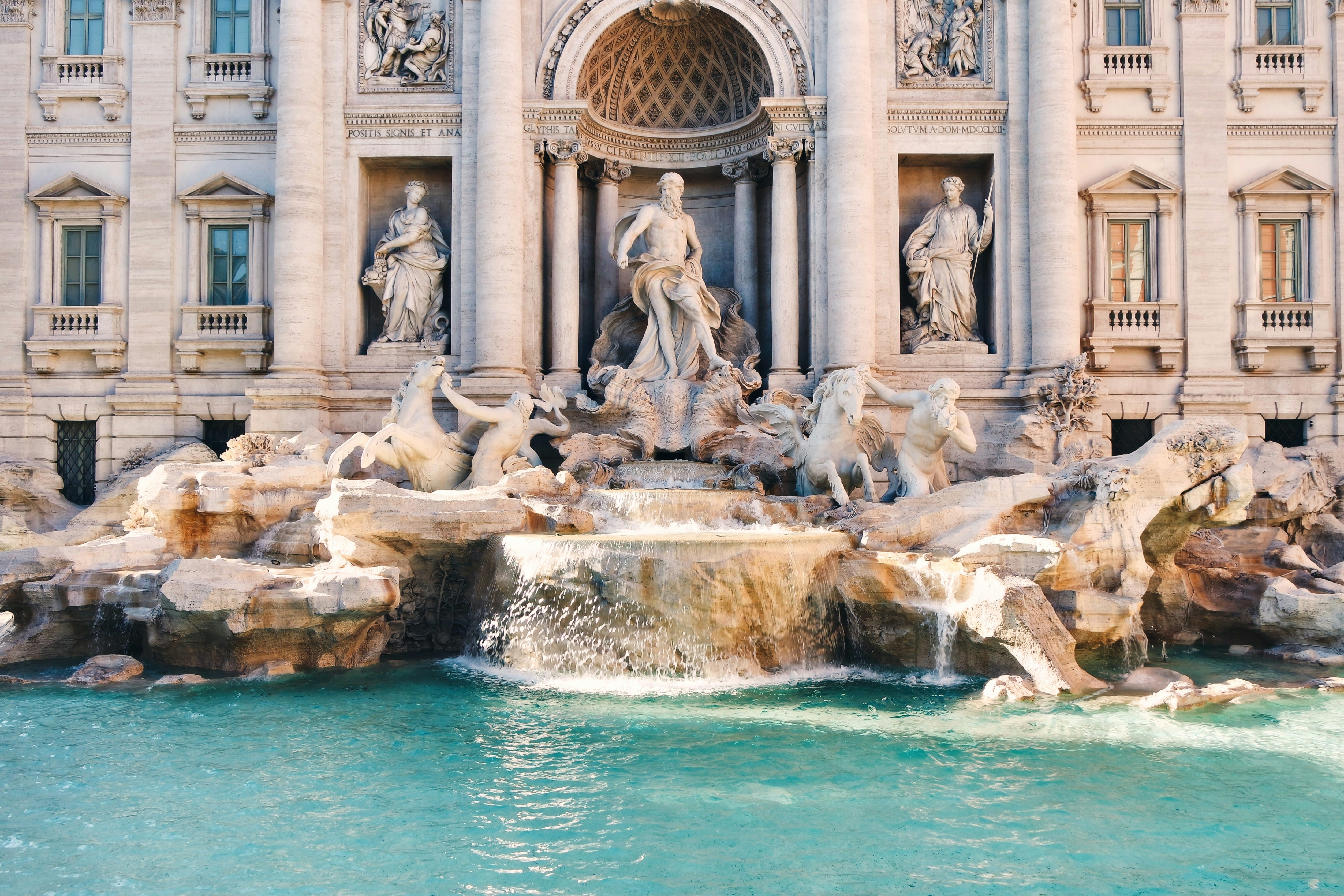
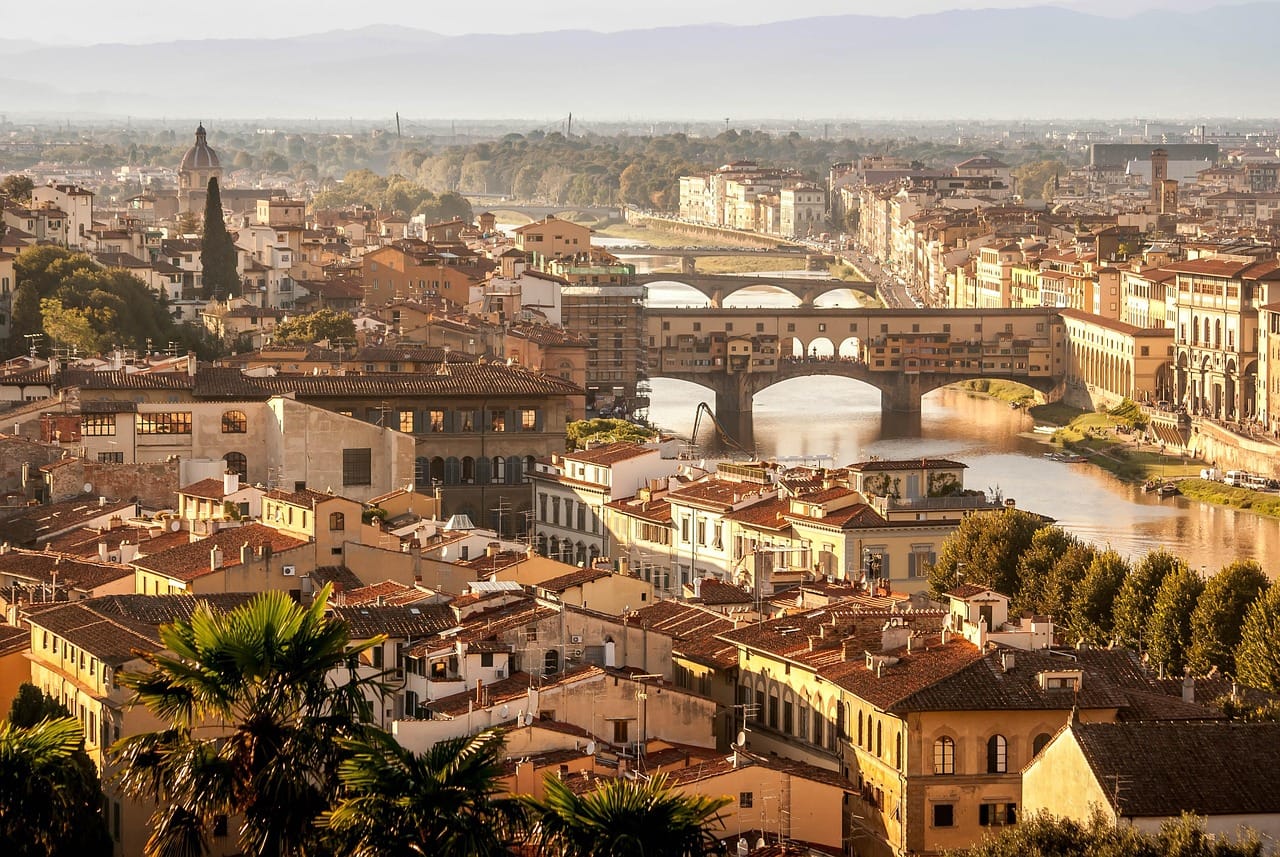
If you're wondering when to travel to Italy on a budget, visit during the low and shoulder seasons, particularly late autumn (November) through early spring (February), excluding the Christmas and New Year holidays. Since there are not too many tourists who go to Italy during this period, you'll find that flights and accommodations are much cheaper. This is a great time to visit places known to be expensive, such as Rome, Florence, and Venice.
You can also enjoy better value for your money when you visit during late winter and early spring (February to early March). But be prepared for the chilly weather. Also, countryside destinations and coastal towns tend to be quieter during this time, and accommodation prices and activities are more affordable.
Best Time to Visit Italy — Based on Crowds
If you do not want to visit Italy when it's crowded, time your visit during the off-peak months. These are during late autumn (November) through early spring (March). Since they are outside the Italy tourist season, you can expect fewer crowds in top tourist attractions like the Colosseum in Rome and the Uffizi Gallery in Florence.
Traveling during the quieter months also means enjoying cheaper prices, so it's also the best time to visit Italy if you're on a budget. Another great advantage of visiting during the off-peak season is that you will not have to deal with long queues at restaurants and famous sites.
Best Time to Visit Italy — Based on Activities
Italy is a vast and varied country, and there's always something to enjoy here regardless of the season. Here’s a breakdown of popular activities in Italy and the best seasons to enjoy them:
Italy is a vast and varied country, and there's always something to enjoy here regardless of the season. Here’s a breakdown of popular activities in Italy and the best seasons to enjoy them:
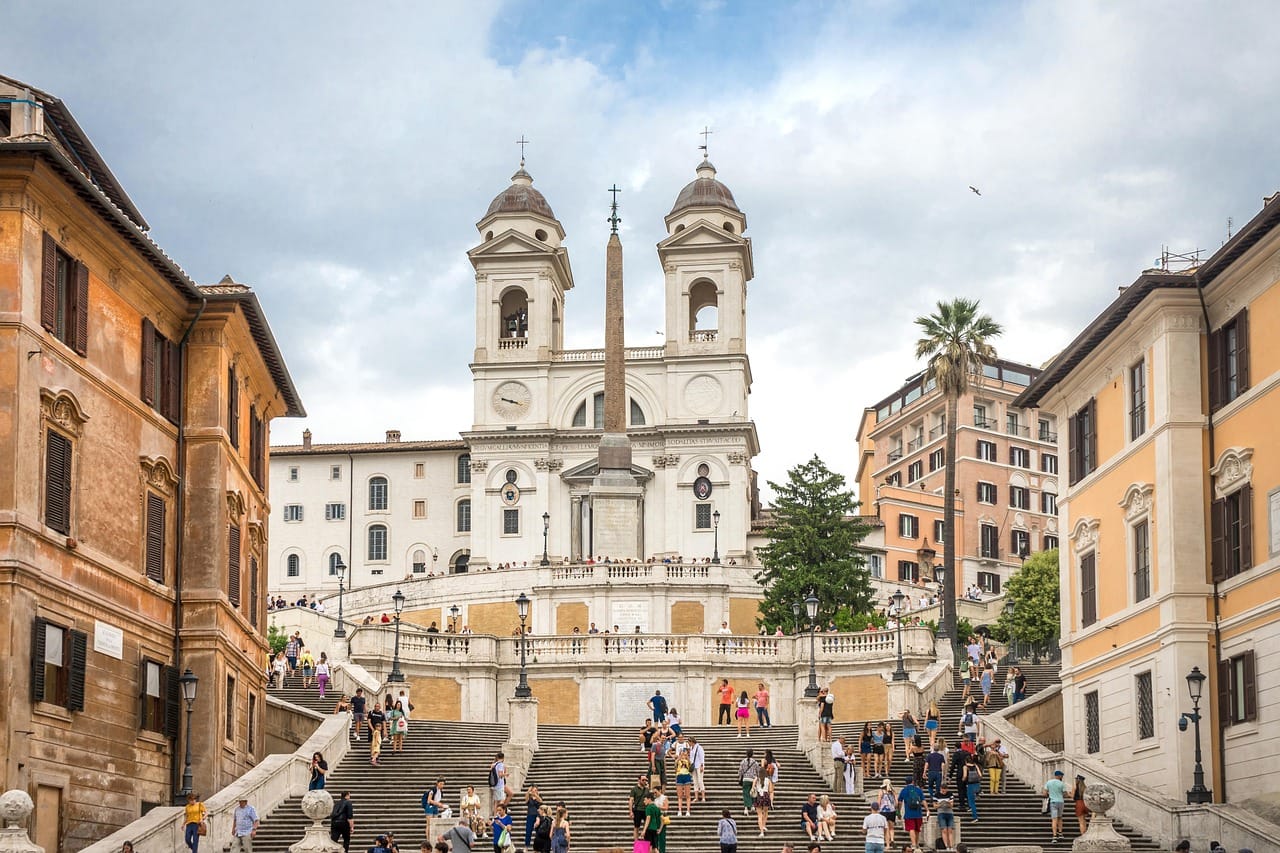
- Sightseeing - spring (March to May) and autumn (September to early November) are the best times to discover Italy’s top museums and landmarks. The weather is mild, and cities like Rome, Florence, and Venice are great to explore on foot without the summer heat or crowds.
- Beach holidays - Italy is known for its gorgeous beaches, and if you're here for that, summer (June to early September) is the best time. Head to coastal areas like the Amalfi Coast, Sardinia, and Sicily. Just be prepared for crowds and higher prices during July and August.
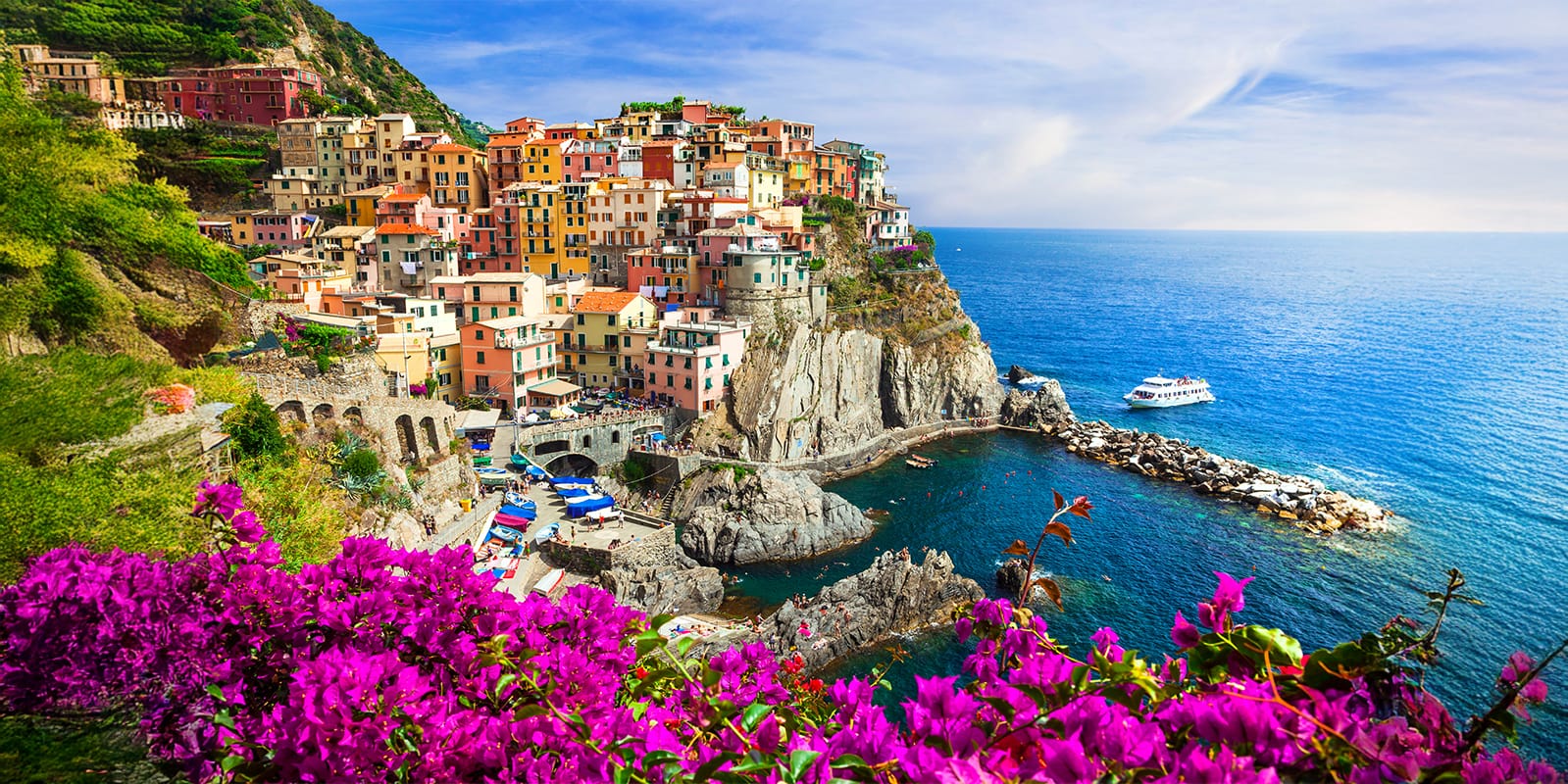
- Hiking and nature trips - late spring (May to June) and early autumn (September) are excellent for hiking in regions like the Dolomites, Tuscany, or Cinque Terre. The trails are still open, and the views are absolutely stunning!
- Skiing and snow sports - winter (December to February) is the top season for skiing in the Alps or the Dolomites. Mountain resorts are in full swing, especially around Christmas and the February holidays.
Best Time to Visit Italy — For Local Events & Festivals
Italy is famous for its vibrant and colorful festivals. If you’re eager to experience the local culture more deeply, consider planning your trip around one of these lively events.
Here are some of the top festivals in Italy that are well worth experiencing:
Venice Carnival (two weeks leading up to Lent)
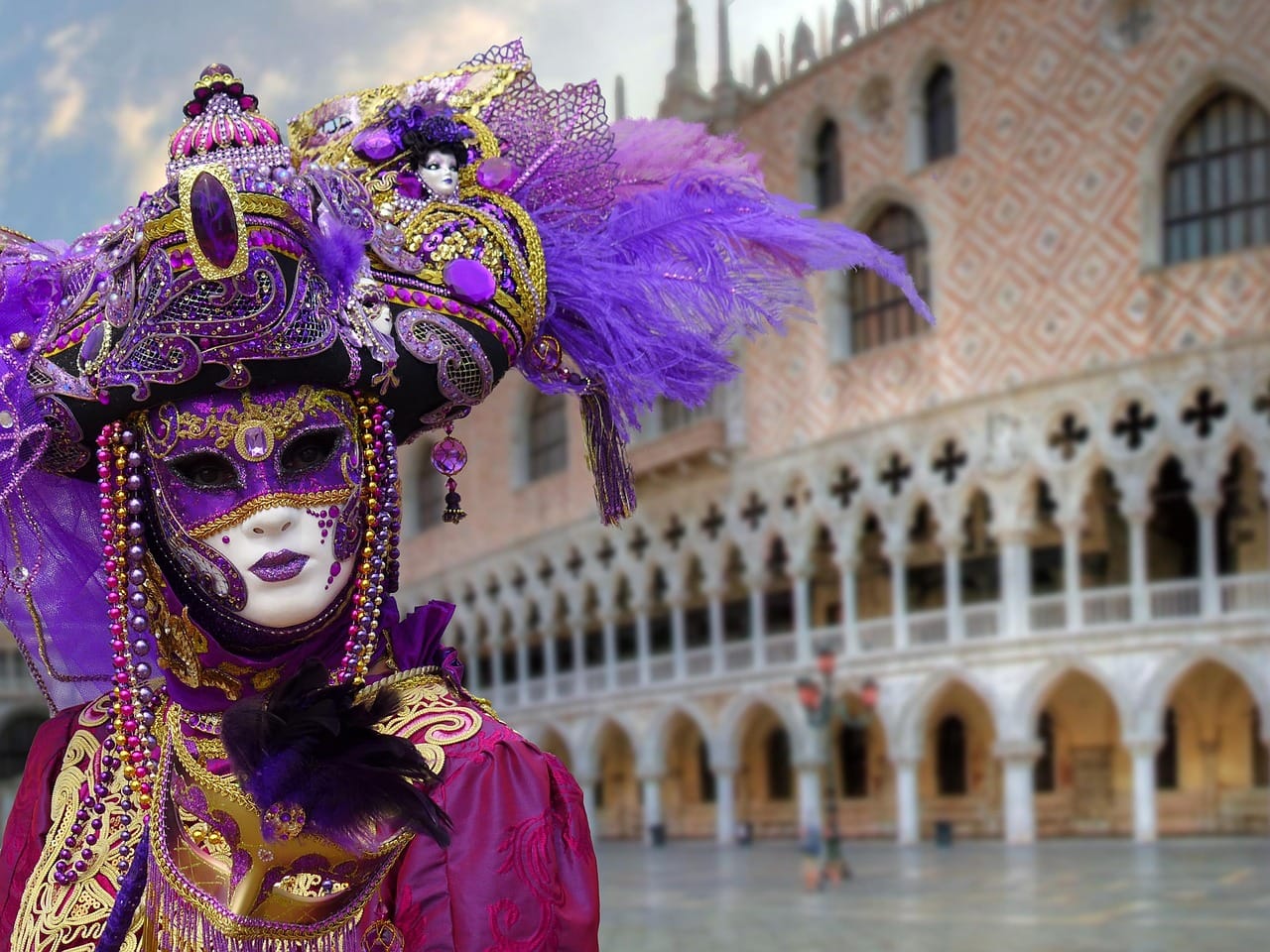
The Venice Carnival is one of Italy’s most iconic and enchanting festivals, held annually in the weeks leading up to Lent, usually in February. During this time, the city transforms into a stage of elegance and mystery, with locals and visitors donning elaborate masks, period costumes, and taking part in grand masquerade balls, parades, and lively street performances.
If you want a fun and magical way to experience the local culture, February might just be the best month to visit Italy, particularly Venice.
Easter Celebrations (March or April, varies each year)
Easter, or Pasqua, is one of the most important religious holidays in Italy, celebrated with deep-rooted traditions and festive spirit. The date varies each year (usually in March or April). During this time, various cities and towns in Italy come alive with grand processions, special church services, and fun local events.
The celebrations are especially significant in Rome, with the Pope leading Mass at St. Peter’s Basilica and the famous Via Crucis (Stations of the Cross) held at the Colosseum on Good Friday.
Christmas Markets (late November to December)
Italy’s Christmas markets are incredibly festive, with sparkling lights scattered around towns and cities from November until December. These markets feature charming wooden stalls selling handcrafted gifts, holiday decorations, regional food, and warm drinks like vin brulé (mulled wine). If you want to join in the festive celebration, then this is definitely the best time to visit Italy.
Some of the most famous markets can be found in Bolzano, Trento, and Merano in northern Italy. Cities like Florence, Rome, and Milan also host beautiful markets in their historic squares.
Italy Month-by-Month Breakdown
Here is the month-by-month breakdown for Italy’s weather:
|
Month |
Weather | Prices | Crowd Levels | Highlight |
|
January |
Cold, snow in the north | Low | Low | Skiing, winter sports |
|
February |
Cold, some rain | Low | Low to moderate | Venice Carnival, ski season |
|
March |
Cool, starting to warm | Low to moderate | Moderate | Early spring blooms, fewer crowds |
|
April |
Mild, occasional rain | Moderate | Moderate | Easter celebrations, spring scenery |
|
May |
Pleasant, warm | Moderate | Moderate to high | Ideal for sightseeing and outdoor sports |
|
June |
Warm, sunny | High | High | Beach trips, festivals start |
|
July |
Hot, dry | High | Very high | Coastal holidays, outdoor concerts |
|
August |
Very hot, humid | High | Very high | Ferragosto, beach destinations |
|
September |
Warm, cooling down | Moderate | Moderate | Wine harvest, fewer crowds |
|
October |
Mild, cooler evenings | Moderate to low | Low to moderate | Autumn colors, truffle season |
|
November |
Cool, rainy in places | Low | Low | Quiet cities, food festivals |
|
December |
Cold, festive atmosphere | Low to high (late) | Low to high (holidays) | Christmas markets, festive lights |
Digital Tips for Every Season: Stay Connected, Stay Safe
In Italy, staying connected can make your trip smooth and hassle-free. Having reliable internet access is essential for navigating the winding streets of Rome or Venice, checking museum hours, or keeping up with train schedules, especially during the busy tourist season. Thus, one of the best Italy travel tips is to set up a dependable mobile connection in advance, so you’re always ready to explore and make the most of your Italian adventure.
You can rely on Jetpac's eSIM for Italy when it comes to staying connected. It activates as soon as you land and keeps you online across cities and the countryside.
Once you have your eSIM sorted, download reliable apps before you go. A weather app like AccuWeather helps you plan around sudden rain or heatwaves, while WhatsApp is essential for communicating with tour guides, Airbnb hosts, and local contacts.
Check these out for our recommended travel apps for Europe.
FAQs
What is the best month to visit Italy?
The best month to visit Italy depends on your travel goals. However, May or September are the most ideal months. They have pleasant weather, fewer crowds compared to peak summer, and breathtaking scenery. May is perfect for outdoor sightseeing, while September brings the grape harvest and gives off a more relaxed atmosphere after the busy tourist season.
When is the cheapest time to travel to Italy?
The cheapest time to travel to Italy is during the low season, typically from November to March, excluding the Christmas and New Year holidays. During this time, flight and hotel prices are cheaper, popular attractions are less crowded, and you can find lots of great deals, especially in major tourist cities.
Is Italy crowded in the summer?
Yes, summer is part of the peak Italy tourist season, especially from June to August. Popular destinations like Rome, Florence, Venice, and the Amalfi Coast can be crowded. Expect long lines at attractions and higher prices for accommodations. If you prefer a quieter experience, consider visiting during the spring or autumn shoulder seasons.
What is the weather like in Italy throughout the year?
Italy has four distinct seasons. Winter (Dec–Feb) is cold, especially in the north, with snow in the Alps. Spring (Mar–May) brings mild, pleasant weather and blooming landscapes. Summer (Jun–Aug) is hot and dry, especially in central and southern regions. Autumn (Sep–Nov) is cooler, with crisp air and beautiful fall colors.
When is the rainy season in Italy?
Italy’s rainy seasons typically occur in the spring (March to May) and autumn (October to November). Rainfall is usually light to moderate, though occasional heavy showers can happen, especially in the north. Summer tends to be drier, while winter can bring rain in the south and snow in the mountains.
What is the best time to visit Italy for the beaches?
If you're wondering when to travel to Italy for a beach holiday, the best time is between June and early September. During these months, the weather is hot and sunny, and you can swim and relax by the sea. Popular coastal destinations like the Amalfi Coast, Sardinia, and Sicily are in full swing, so expect them to be crowded.
When can I see snow in Italy?
If you want to see snow in Italy, visit during the winter months. That's from December to February. Head to the Alps and the Dolomites in the north, and stay in ski resorts like Cortina d’Ampezzo and Courmayeur. These places have reliable snow during the winter season. While it's rare to see snow in central and southern Italy, there is a possibility of seeing snow in higher elevations.
Are there festivals in Italy during spring or fall?
Yes, Italy hosts various festivals in spring and fall. Easter celebrations and Infiorata flower festivals are the most famous events in spring. There are also local food markets and wine fairs during this time of the year. Meanwhile, fall is known for its harvest-themed events, such as the Alba White Truffle Festival and grape harvest festivals.
Is winter a good time to visit Italy?
Yes, winter can be the best time to visit Italy if you prefer fewer crowds and lower prices. From December to February, cities like Rome, Florence, and Venice are quieter. Winter is also the best season for skiing in the Alps and Dolomites. Just be prepared for colder weather, especially in the north, and shorter daylight hours.
Can I use an eSIM in Italy for travel connectivity?
Yes, using an eSIM is a convenient and reliable way to stay connected while traveling in Italy. No matter when you choose to travel to the country, an eSIM saves you the hassle of switching physical SIM cards or dealing with roaming fees. One of the best Italy travel tips is to set up eSIM for Italy, which activates instantly upon arrival and works seamlessly across the country. It allows you to access essential tools like Google Maps and messaging apps like WhatsApp.