Best Time to Visit London: Weather, Events & Crowd Calendar
Discover the best time to visit London with this complete guide to weather, events, and crowd levels. Plan your trip season by season, find the ideal months for sightseeing, festivals, and budget travel, plus get insider tips to make the most of your London adventure.
Discover the best time to visit London with this complete guide to weather, events, and crowd levels. Plan your trip season by season, find the ideal months for sightseeing, festivals, and budget travel, plus get insider tips to make the most of your London adventure.
London is one of the most beautiful and most visited capitals in the world, and for all the good reasons. From the iconic London Eye to Buckingham Palace to Big Ben, there is so much to see and do here. While you’ll have a wonderful time in London, you can surely enhance your experience if you carefully plan your visit.
The city never really stops, but the best time to visit London depends on what you want to do here; whether you prefer long sunny evenings, want to attend festivals, or just wish to relax and walk around streets with no crowd in sight.
In this guide, we’ll explain in detail about London’s weather, crowds, and costs season by season, find out the best month to visit London for different activities, and get some insider advice on when to travel to London and use a Jetpac eSIM to stay connected to make the most of it.
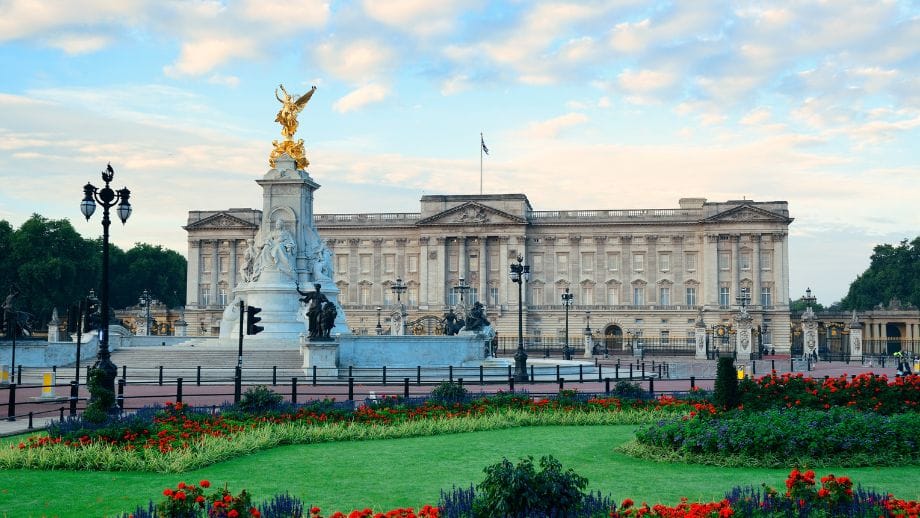
Why Timing Matters When Visiting London
As fascinating as London is, you cannot predict its weather since it has constantly shifting moods. Spring brings with it blossom-covered parks, summer is all about late sunsets and street festivals, in autumn, you’ll experience crisp air and colorful parks, and winter turns the city into a picture-perfect fairytale.
A well-planned trip means you won’t see queues at top attractions, hotels will be cheaper, and you can walk around without the crowds. And don’t forget a reliable internet connection. You can get a Jetpac eSIM for the UK before you travel, which will save you from the hassle of roaming charges, and you won’t have to stand in line at the kiosks to find the best plan.
London’s Weather Overview by Season
If you are wondering when to travel to London, here is an overview of the city by season:
Spring (March to May)
Spring is when London shakes off its winter mood. The days get longer from about 11 hours in March to over 15 hours by May, and temperatures creep up from around 9°C to 15°C. Rain still makes an appearance, so it’s a smart idea to keep a light raincoat or umbrella in your bag.
If you’re into gardens and parks, this is the best time to visit London. Regent’s Park bursts into colour, Kew Gardens fills with cherry blossoms, and Hyde Park becomes a sea of tulips and daffodils. It’s busier over the Easter holidays, but otherwise, you’ll find the streets and attractions more manageable than in summer.
Summer (June to August)
Summer in London is lively and warm. You can expect temperatures between 18°C and 24°C, and on some days, it can get even hotter. June and July have long days, with up to 17 hours of sunlight, which means lots of time to explore. While it does rain less than in winter, be prepared for the occasional shower.
This time of year is very popular with tourists, which means more people and higher prices for hotels and attractions. But a lot is happening in the city: events like Wimbledon, the Trooping the Colour ceremony, outdoor concerts, and delicious food festivals by the river make it an ideal time to visit. If you enjoy the bustling city life, summer is the perfect season for you to visit London.
Autumn (September to November)
Autumn makes London a bit calm yet breathtaking with colorful leaves everywhere. In September, the weather is still mild at around 18°C, but by November, it gets cooler, closer to 10°C. The days get shorter, going from about 13 hours of daylight to around 8 hours, and parks like St. James’s and Greenwich become stunning with beautiful fall colors.
This season is also the best time to visit London for travelers interested in cultural events. There will be the London Film Festival and Halloween celebrations to liven up the calendar, and with summer crowds gone, you’ll find better deals on flights and hotels.
Winter (December to February)
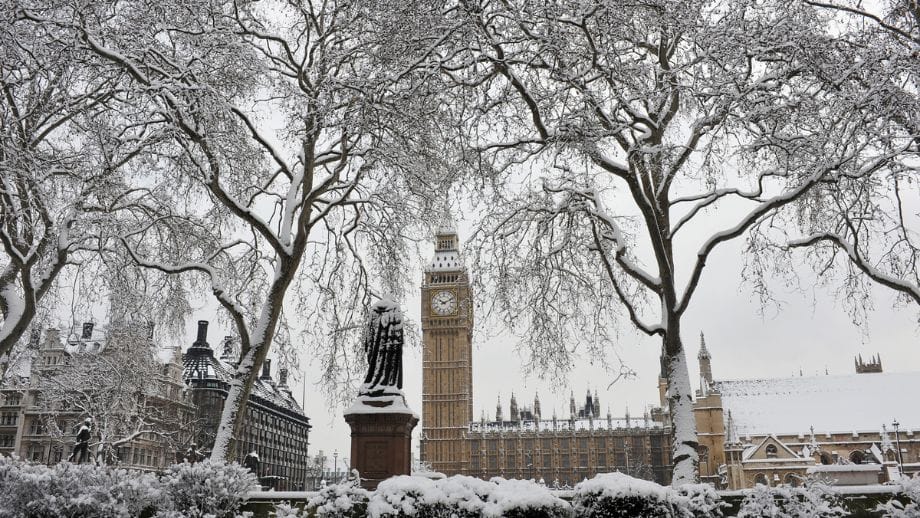
Winter in London can be chilly but still comfortable. Expect temperatures between 5°C and 9°C, with shorter days and more rain. Snow is rare, but when it does snow, it’s not a lot. You can comfortably walk around and enjoy as you’d do in other seasons.
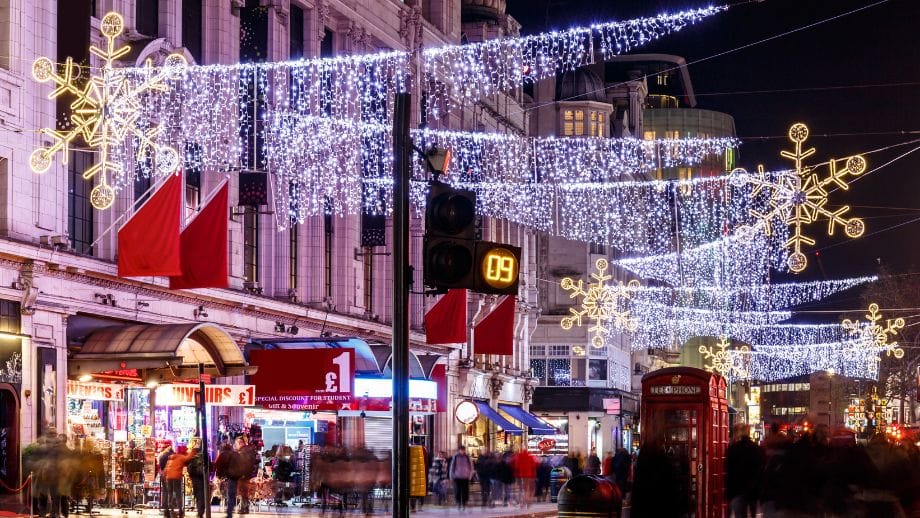
The city lights up with festive decorations, Christmas markets, and seasonal shows, especially in December when it gets busy and prices of everything increase. However, January and February are quieter and more affordable, making it a great time for travelers who prefer lower crowds and don’t mind the shorter daylight hours.
London Month-by-Month Weather & Crowd Calendar
Here is the month-by-month weather of London, how much rainfall you should expect, and the crowd levels. It will help you decide the best time to visit London:
|
Month |
Avg Temp (°C) |
Rainfall (mm) |
Daylight Hours |
Crowd Level |
Price Range (Avg Hotel/Night) |
|
January |
5 |
55 |
8 hrs |
Low |
£100–£140 |
|
February |
6 |
40 |
9 hrs |
Low |
£100–£140 |
|
March |
9 |
40 |
11 hrs |
Low–Med |
£140–£180 |
|
April |
11 |
43 |
14 hrs |
Med |
£140–£180 |
|
May |
15 |
45 |
15 hrs |
Med |
£140–£180 |
|
June |
18 |
45 |
16.5 hrs |
High |
£180–£250+ |
|
July |
21 |
42 |
16.5 hrs |
High |
£180–£250+ |
|
August |
21 |
48 |
15 hrs |
High |
£180–£250+ |
|
September |
18 |
49 |
13 hrs |
Med |
£140–£180 |
|
October |
14 |
63 |
11 hrs |
Med |
£140–£180 |
|
November |
10 |
59 |
9 hrs |
Low–Med |
£100–£140 |
|
December |
7 |
55 |
8 hrs |
Med |
£140–£180 |
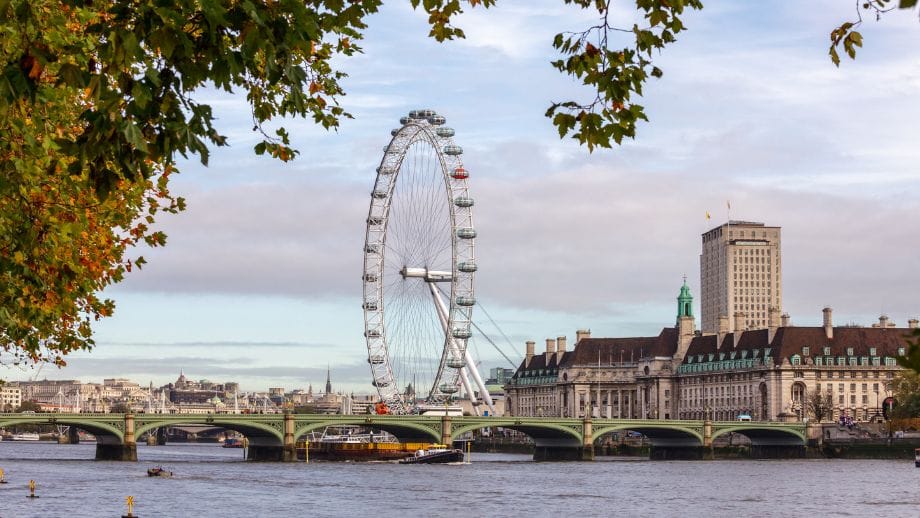
Best Time to Visit London for Activities
The best time to visit London is also based on the activities you wish to enjoy. Here is a breakdown by the type of activities and what will be the suitable months for them:
Sightseeing & Walking Tours
April to June and September are ideal for long days of sightseeing, exploring, and walking around. The weather is mild with plenty of sunshine, and you won’t have to fight the shoulder-to-shoulder crowds of peak summer.
Theatre & Museums
From January to March, it's a great time to explore London's arts and culture. You can find West End show tickets more easily, and popular museum exhibits are less crowded. Plus, many museums don’t charge an entrance fee, making this a wallet-friendly time to visit.
River Cruises
For a delightful experience on the Thames, late spring to early autumn is the perfect time to go on river cruises. The warm weather lets you enjoy the open deck, and the summer evenings are especially beautiful as the sun sets over the skyline.
Outdoor Parks & Gardens
In May and June, London’s parks and gardens burst into beautiful colors. You’ll see blooming roses in Regent’s Park, Kew Gardens has stunning wisteria, and the riverside paths are perfect for leisurely strolls on sunny afternoons.
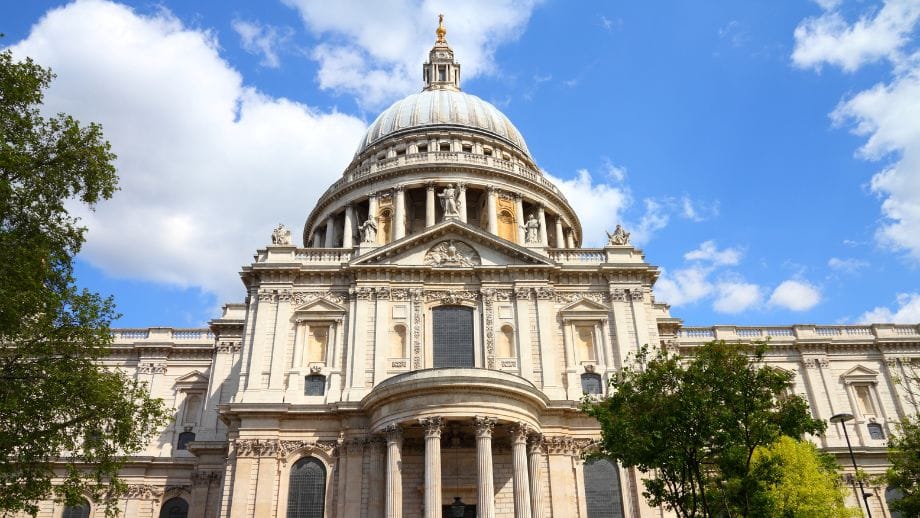
Cheapest Time to Visit London
If you want to visit London on a budget, you should plan your trip for January through early March. Prices for flights and hotels drop after the festive season, and you won’t find many crowds at the popular attractions. The city’s winter sales also make this a good time for shopping.
Additionally, with a Jetpac eSIM for the UK, you can easily find theater discounts and check museum hours while you're out and about, without having to depend on unreliable public Wi-Fi.
Cost Comparison: Peak vs Off-Peak
Here is a cost comparison of peak and off-peak seasons in London:
|
Season |
Flights (avg) |
Hotels (avg/night) |
Attractions (per day) |
Total Est. Cost (5 days) |
|
Peak (Jun–Aug) |
£650 |
£180 |
£80 |
£1,750+ |
|
Shoulder (Apr–May, Sep–Oct) |
£500 |
£150 |
£70 |
£1,450 |
|
Off-Peak (Jan–Mar, Nov–Dec) |
£400 |
£120 |
£60 |
£1,200 |
No matter what time you choose to visit, get a Jetpac eSIM for the UK, which will keep you connected without high roaming charges.
Best Time to Avoid Crowds in London
If you want to visit London when it's less crowded, the best times are late January, February, and early March. During these months, you'll find shorter lines, cheaper hotel rooms, and a more relaxed atmosphere. November, before the Christmas markets start, is also the best time to visit London.
These months are perfect if you like to enjoy your time exploring the exhibits, snapping photos without having to wait for other people to move, or simply want a peaceful experience. You can leisurely explore charming neighborhoods like Greenwich or Hampstead, visit hidden gems, or have afternoon tea or coffee in cozy cafes.
London Festivals and Events Calendar
Interested in attending amazing London festivals? Here is a month-by-month breakdown of London’s most iconic festivals:
|
Month |
Events & Festivals |
Why Visit Then? |
|
January |
New Year’s Parade |
Lively start to the year with a huge public event |
|
February |
London Fashion Week, Chinese New Year |
Cultural celebrations and chic events |
|
March |
St. Patrick’s Day |
Irish music, parades, and themed activities |
|
April |
London Marathon |
City-wide lively atmosphere with cheering crowds and street activities |
|
May |
RHS Chelsea Flower Show |
Famous garden displays and horticulture showcases |
|
June |
Trooping the Colour, Wimbledon starts |
Traditional British ceremony and start of the tennis season |
|
July |
Wimbledon finals, Pride in London |
Major sporting event and a pride parade |
|
August |
Notting Hill Carnival |
Huge street festival with music, dancing, and food |
|
September |
Open House London |
Special access to historic and unique buildings |
|
October |
London Film Festival, Halloween events |
Film premieres and seasonal celebrations |
|
November |
Bonfire Night, Winter Wonderland opens |
Fireworks displays and the start of the festive season |
|
December |
Christmas Markets, NYE fireworks |
Holiday shopping, lights, and end-of-year celebrations |
Daylight Hours and Sightseeing
London’s daylight changes dramatically with the seasons, and it can have a huge impact on how much you can fit into a single day. In June and July, the sun can rise before 5 am and set after 9 pm, giving you plenty of time for long walking tours, multiple attractions, and leisurely evening dinners.
On the other hand, December and January only offer around seven to eight hours of daylight, so it’s better to plan your itinerary around fewer outdoor stops and make the most of indoor activities like museums, galleries, or food at cozy cafes and restaurants.
Local Tips on When to Visit
Many Londoners will tell you that September is one of the city’s best-kept secrets. The weather often stays pleasantly warm, the summer tourist rush has died down, and schools also start, making popular spots like the Tower of London or the British Museum much easier to enjoy. You’ll also catch late-summer events and outdoor dining without the long queues that you may experience in July and August.
If you want to enjoy London like a local, think about visiting in late spring, just before the busy tourist season starts. Neighborhoods such as Hampstead, Richmond, and Greenwich are perfect for a relaxed day, offering scenic riverside walks, charming pubs, and weekend markets. Locals often check weather apps to plan their outings, so if you see sunny weather in the forecast, take the chance to have a picnic in one of the city’s parks or enjoy a boat ride on the Thames.
School Holidays and Public Breaks in the UK
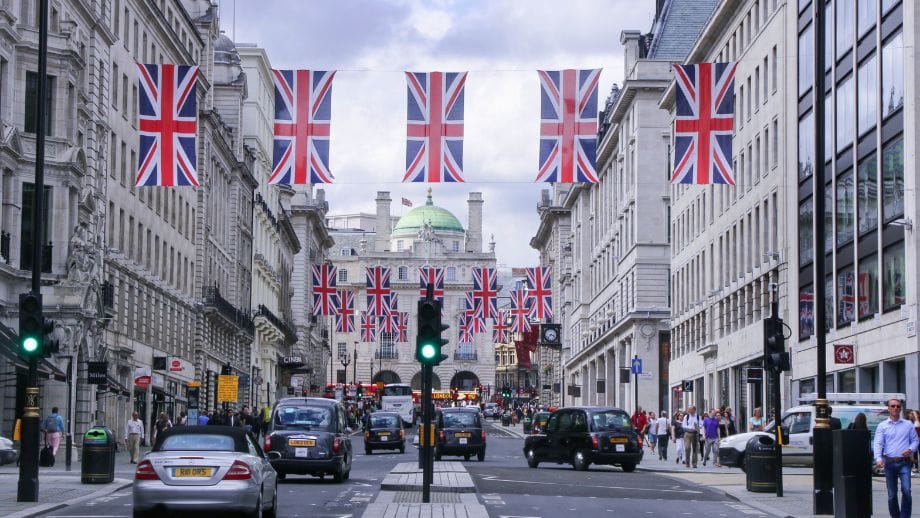
School holidays in the UK can also impact your travel plans. During these breaks, families across the country head to popular destinations, which means higher prices, busier attractions, and limited last-minute availability. If you’re hoping for a crowd-free and relaxing trip, it’s best to avoid these peak periods whenever possible. You can also follow our UK travel guide and plan your trip accordingly.
Mid-February half-term
Late May spring break
Mid-July to early September summer holidays
Late October half-term
Mid-December to early January Christmas break
When Is the Best Weather in London?
For sunny, mostly dry days, late May to early July is the best month to visit London. September also offers pleasant weather with fewer tourists.
If you’re planning a lot of outdoor sightseeing, these months give you nice weather, long daylight hours, and lower rainfall. You can comfortably spend the whole day exploring on foot, enjoy picnics in the parks, and take advantage of outdoor events without worrying too much about the weather changing suddenly.
What to Pack / Travel Essentials
When getting ready for a trip to London, it's important to keep in mind that the weather can change quickly. One minute, you could be enjoying the sun, and the next, you might need to find cover from a sudden rain shower. To help you make the most of your trip, here are some essential items to pack:
Layers of clothing: Bring clothes you can easily put on or take off as the temperature changes throughout the day.
Comfortable shoes: You’ll likely be doing a lot of walking, so make sure your shoes are comfortable.
A rain jacket or umbrella: It’s wise to have something to protect you from the rain just in case.
Portable phone charger: Keep your phone charged throughout the day to stay connected and navigate the city.
Jetpac eSIM for the UK: Buy an eSIM for the UK for instant data without roaming fees.
FAQs
What is the best month to visit London weather-wise?
Late May, June, or September are warm and generally dry, making them perfect for exploring on foot or enjoying outdoor events. These months also give you longer daylight hours, which means more time for sightseeing without rushing.
Is London cheaper to visit during the winter?
Yes, January to March are the most budget-friendly months. You’ll often find great hotel deals, cheaper flights, and fewer crowds.
Are tourist attractions open year-round in London?
Most of London’s major attractions are open throughout the year, so you can plan a trip for any season.
How crowded is London during the summer?
Summer is the busiest season of the year, with tourists from all over the world filling the streets. If you don’t mind the crowds, you’ll also enjoy the city’s biggest events and the liveliest atmosphere.
What should I pack for London in spring/autumn?
When packing for London in spring or autumn, bring layered clothing for temperature changes, a rain jacket for rainfall, and comfortable walking shoes for exploring.
Does it rain a lot in London throughout the year?
Yes, showers are pretty common in London. Using an umbrella or a waterproof jacket can help you stay dry and keep you moving without any issues.
Can I visit London on a budget?
Absolutely! Especially if you travel during off-peak months. London also has a long list of free attractions, including world-class museums and stunning parks.
Is it necessary to pre-book tickets for major attractions?
In summer, it’s definitely worth booking ahead to save time, and you may even get a good deal. Even in quieter months, advance booking can sometimes get you better prices.
How can I stay connected in London without roaming charges?
A Jetpac eSIM for the UK is the easiest option to stay connected without the roaming charges. You can install it before your trip so you’re online the moment you arrive.
What’s the best eSIM for London travel?
Jetpac eSIM for UK offers reliable coverage and fair pricing, making it a perfect choice for both short visits and longer stays. You can manage your plan right from your phone without hunting for a local SIM card.