Best Time to Visit Netherlands: Season-by-Season Guide
A practical season-by-season guide to the best time to visit the Netherlands, including weather, crowds, events, and tips for staying connected with Jetpac eSIM.
This guide breaks down every season in the Netherlands so you can choose the timing that fits your trip, whether you want to see tulip fields, enjoy long summer days, or participate in inter activities. It explains how weather, prices, and events shift through the year and includes practical tips on transportation, packing, and planning. There’s also a quick look at how Jetpac eSIM keeps you connected while moving between cities.
Choosing the best time to visit the Netherlands comes down to what you want your trip to feel like. Some travelers plan around tulip fields, others want warm weather for walking and biking, and many look for months with manageable crowds. The Netherlands is small, and moving between cities is simple, so the season you travel in shapes your days more than the actual destination. This guide breaks the year down in a practical way so you can compare conditions and choose the timing that makes the most sense.
It will also explore how you can stay connected using Jetpac eSIM Netherlands as you roam around the country.
When is the best time to visit the Netherlands?
There isn’t one month that fits everyone, which is why travelers ask when the best time to visit the Netherlands is from different angles. If you want mild temperatures, April, May, September, and early October are reliable. These months usually have enough daylight for day trips and steady conditions for walking and cycling. If your trip revolves around flowers, April is the best time to visit the Netherlands for tulips, and early mornings help avoid crowds. If you prefer warm weather, June through August gives you the longest days.
Key factors: weather, crowds, cost
Weather changes frequently in the Netherlands, so flexibility helps. Spring and fall are the middle ground: not too hot, not too cold, and easier to plan. Summer has the warmest days but also the highest prices. Winter has the lowest rates but shorter daylight. These factors influence the best time to travel to the Netherlands, depending on whether you want to prioritize comfort, budget, or specific events.
How seasons affect your travel experience
Spring is tied to flowers and mild days. Summer brings outdoor events and long evenings. Fall is relaxed and steady with lighter crowds. Winter is slow, simple, and focused on indoor attractions. The variety makes it easier to match your priorities to the season and find your own best time to visit without relying on generic advice.
Spring (March to May)
Spring is one of the most popular choices when deciding the best time to visit the Netherlands. The country shifts from winter’s gray skies into longer days, milder temperatures, and early flowers. March can still feel cool, but April and May are consistently pleasant and give you more walking and biking options. Because the country is compact, spring makes it easy to combine city visits with countryside stops in a single day.
Tulip fields & blooming gardens
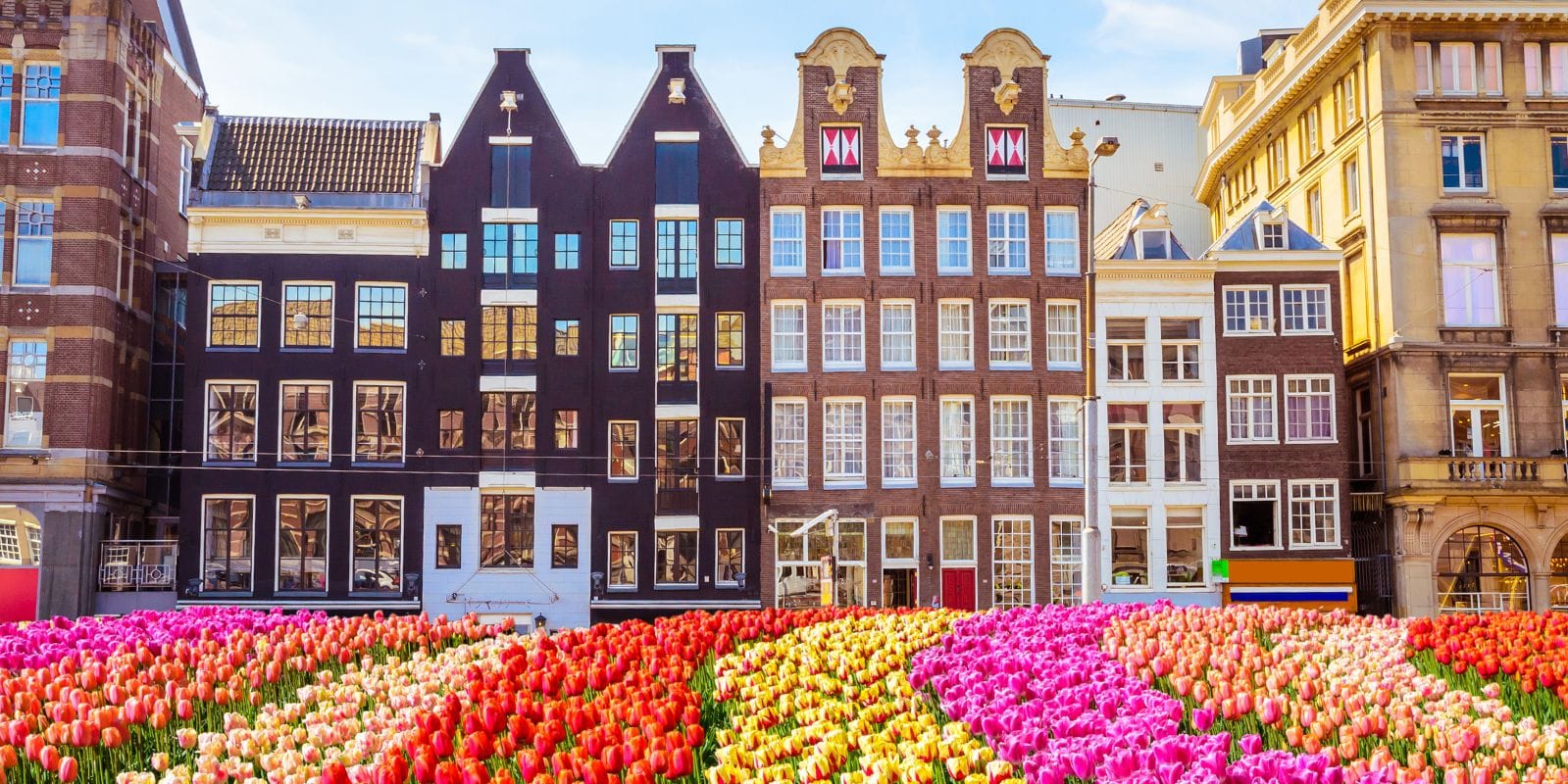
Tulip season is a major reason travelers consider April the best time of the year to visit the Netherlands for tulips. Keukenhof opens for several weeks, and the fields around Lisse become a common day trip. The timing of the bloom shifts slightly each year, but mid-April remains the most dependable period. Arriving early in the morning helps avoid the busiest hours.
Mild weather and fewer crowds
Spring has predictable conditions without the heat or crowd levels of summer. Attractions are busy during tulip weeks, but overall, city centers, museums, and parks are easier to explore during this season. Many travelers prefer spring because it feels active without being overwhelming.
Ideal time for day trips and the countryside
Train routes run frequently, and bike paths become more appealing as temperatures rise. Towns like Haarlem, Leiden, and Delft are ideal day trips. Because the countryside looks fresh at this time of year, spring is often viewed as the Netherlands' best time to visit for first-time travelers.
Summer (June to August)
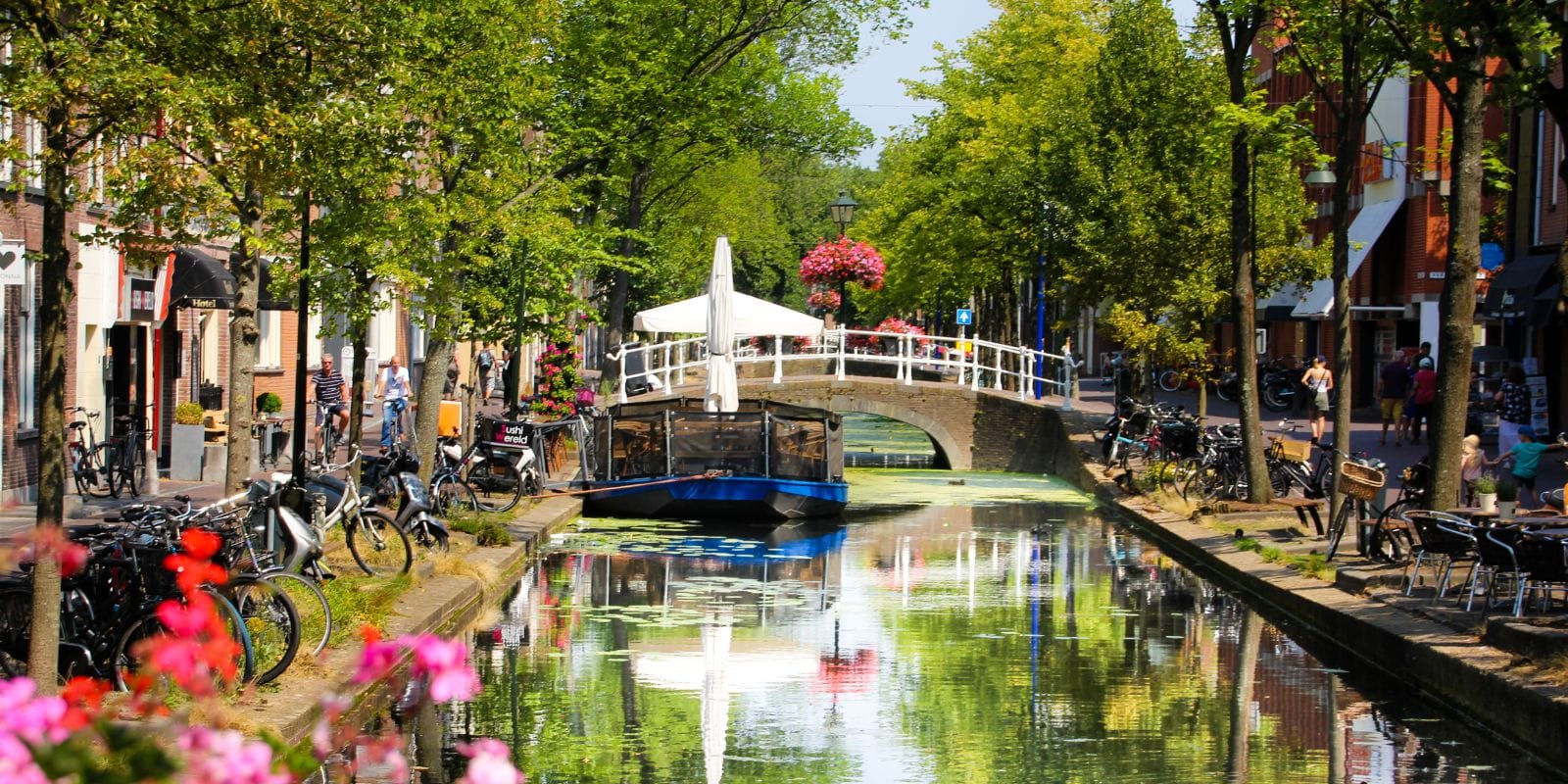
Summer is warm and full of activity. Many travelers look up the Netherlands in summer because this is the period with the longest daylight of the year. Cities stay busy well into the evening, and outdoor seating areas fill early. Even with occasional rain, temperatures remain comfortable enough for full days outside.
Warmest weather and long daylight hours
June, July, and August bring the warmest conditions, making it easier to spend entire days walking through city neighborhoods or exploring parks and waterfront areas. These months give you the most time outside before the light fades.
Peak tourist season & higher prices
Summer has the highest visitor numbers. Hotels cost more, popular museums require reservations, and central areas in Amsterdam get crowded. If you travel during July or August, planning certain activities ahead of time saves you from long waits.
Festivals, canals, and outdoor life
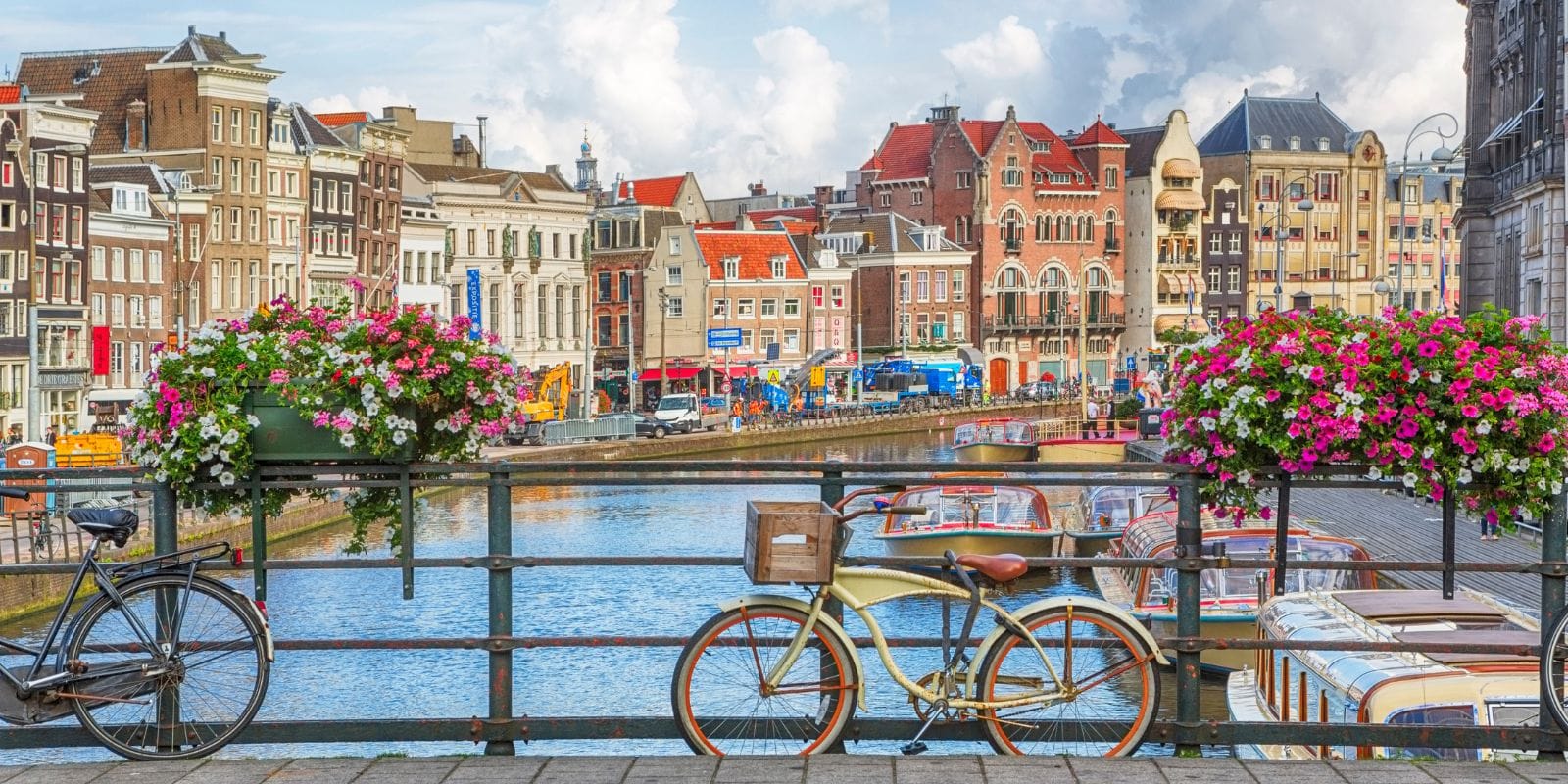
Summer brings weekend festivals, canal-side events, and outdoor concerts across several cities. Many people choose this season as their best time to visit Holland because it’s easy to combine neighborhoods, parks, markets, and waterfront areas in one day. The atmosphere stays active without feeling rushed if you plan your days around early starts.
Autumn (September to November)
Autumn is steady, moderate, and calmer than summer. September is warm enough for outdoor days, while October and November shift toward cooler weather with more indoor plans. This is a good time for travelers who want a relaxed pace without dealing with peak crowds.
Fewer crowds and moderate weather
September often feels like a softer version of summer. Crowds thin out, hotel availability improves, and cities feel easier to navigate. By October, temperatures cool but remain manageable for walking and cycling.
Fall colors and harvest events
Autumn has seasonal food weeks, cultural weekends, and indoor exhibitions. The weather varies, but most events continue regardless of rain. If you like museums, cafés, and short day trips, this season fits well.
Transition period: when to go early vs late
Early autumn is the better choice if you want to spend more time outdoors. Late autumn leans more toward museums and slower days, especially as daylight decreases.
Winter (December to February)
Winter is cold, and daylight is limited, but it’s still a simple season for travel. Cities remain active, and most attractions stay open. December is the busiest winter month because of holiday markets, while January and February are quieter with the lowest hotel rates.
Off-peak travel: fewer tourists, lower prices
If you’re looking for low prices, winter consistently has the best deals. Museums and restaurants are easier to visit without long waits, and trains run on regular schedules even in colder months.
Cold, rainier conditions & shorter days
Expect rain, wind, and low temperatures. Winter works best if you enjoy slower travel days, indoor attractions, and warm cafés.
Festive season: markets, lights & cozy cafés
Holiday markets and winter light displays appear in several cities through December. After the new year, the focus shifts toward indoor exhibitions, concerts, and neighborhood cafés.
Month-by-month snapshot
Here is a month-by-month breakdown of the weather in the Netherlands.
March–April: early spring and tulips
Early spring brings cool days, with mid-April marking the best time to visit the Netherlands for tulips.
May–June: garden peak and mild weather
Both months are comfortable and work well for bike routes and outdoor sightseeing.
July–August: busiest, sunniest months
Warm temperatures and packed event calendars define these weeks.
September: very good compromise
Still mild, but with significantly fewer tourists.
October–November: quiet, cool, occasional rain
Good for museums, cafés, and cultural events.
December–February: winter chill, indoor attractions
Cold weather, holiday markets, and relaxed city centers.
Special occasions & events by season
Spring: King’s Day and spring celebrations
Late April is one of the most active days of the year. Cities are filled with street markets, parades, and live music. It’s crowded, but easy to navigate with a bit of planning.
Summer: Canal Festival & outdoor events
Summer brings outdoor concerts, neighborhood gatherings, and canal-related activities in major cities. These events are spread out, making them easy to fit into a day of sightseeing.
Autumn: Harvest festivals and cultural events
Fall has food-focused weeks, indoor concerts, and cultural weekends. The combination of cooler temperatures and fewer tourists makes autumn a reliable time for indoor activities.
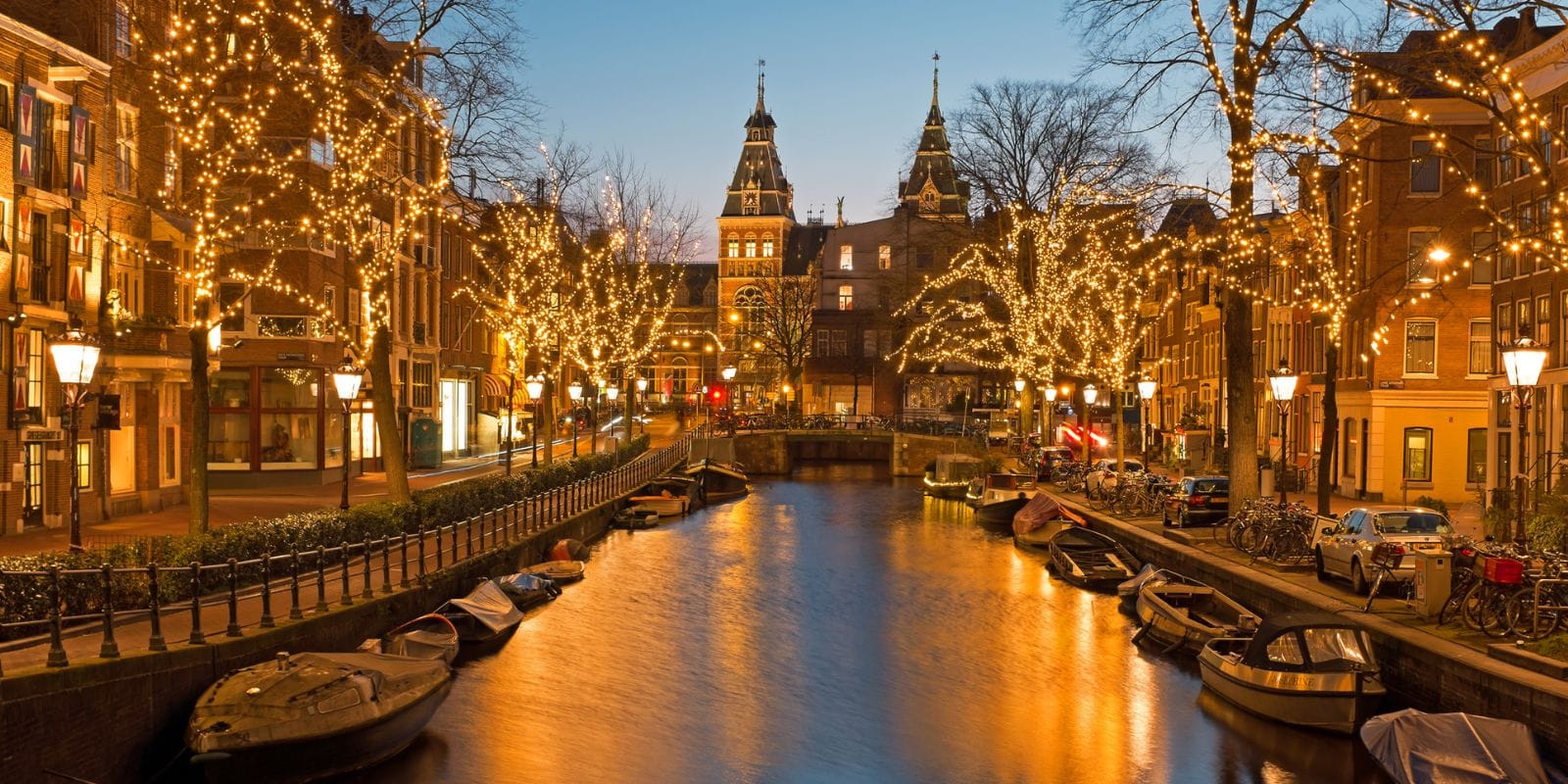
Winter: Christmas markets & winter light festivals
December has Christmas markets, seasonal displays, and winter light programs. These run across several cities and mark winter’s busiest stretch.
Practical Planning Tips
Here are some practical tips to make your trip enjoyable and hassle-free.
Transportation
Trains run often and connect every major city and town. Most trips take less than an hour, which makes day travel simple. Stations are easy to navigate, and delays are rare. If you want to visit smaller towns, local buses connect from the nearest train hub without long waits.
Packing
The Netherlands gets rain in every season, but not usually all day. Bring a light jacket in spring and fall, lighter layers for summer, and a proper winter coat from December through February. Shoes matter more than anything else; choose ones you can walk in comfortably and that handle wet streets.
Crowds and timing
Summer is the busiest, especially in Amsterdam. If you want quieter days, plan museums in the morning and outdoor areas later in the afternoon. Spring draws tulip travelers, but it’s still manageable if you plan weekday visits. Fall and winter are easier for last-minute planning.
Weather expectations
Weather changes quickly, so it’s better to plan flexible days rather than a strict schedule. Most cities are small, so moving your plans indoors or outdoors is easier.
Get connected with Jetpac eSIM
Having steady mobile data makes the trip easier, especially when you’re checking train times or adjusting plans on the go. One simple option is using a Netherlands eSIM, which you can activate before leaving home. If your phone supports it, a Netherlands eSIM saves you the hassle of visiting a store after landing. Some travelers also prefer an eSIM for the Netherlands when they want straightforward data without roaming fees.
Jetpac eSIM for the Netherlands works well for this kind of trip because setup takes only a few minutes, and the plans are flexible. It helps with maps, museum reservations, and navigating places to visit in Netherlands without relying on Wi-Fi.
Jetpac also covers 200+ destinations, so if your trip expands beyond the Netherlands—maybe Belgium, France, or Germany- you won’t need to swap SIM cards. You’ll get automatic network switching, no roaming shocks, outgoing voice calls in 50+ countries, and unlimited hotspot sharing for all your devices. It’s a practical setup for travelers who want reliable service without the usual hassle.
If you’re building an itinerary that includes things to do in Amsterdam, having data on your phone makes every day smoother.
Many travelers who compare international providers also look at how Jetpac fits into the best time to visit Europe planning process or when choosing the best eSIM for international travel. It’s beneficial for summer trips to the Netherlands or anyone who wants easy, prepaid data that just works the moment they land.
FAQs
What is the best time to see tulips in the Netherlands?
Mid-April is the best time to visit Netherlands for tulips, especially for Keukenhof and the surrounding fields.
Is summer too crowded in the Netherlands?
July and August are the busiest months, especially in Amsterdam and major museum districts.
Can I still enjoy the Netherlands in winter?
Yes. Winter focuses on museums, cafés, holiday events, and indoor attractions. January and February are the quietest months.
Which month has the best weather overall?
April, May, September, and early October are often seen as the best times to visit the Netherlands due to steady temperatures and comfortable conditions.
Are there good deals on accommodation in autumn or winter?
Yes. Rates drop in late fall and reach their lowest point in January and February.
The best time to visit the Netherlands depends on what you want from the trip. Spring works well for flowers, fall is steady with lighter crowds, and the Netherlands in summer is the easiest for long outdoor days. Winter is slower and more budget-friendly. Your own routine and pace will determine the best time to travel to the Netherlands, not just the weather.
If you like learning about places ahead of time, reading a few fun facts about the Netherlands can help you understand what to expect.