Best Time to Visit Switzerland for Your Dream Trip
Find the best time to visit Switzerland for hiking, skiing, and sightseeing: month-by-month weather, travel tips, and Jetpac’s eSIM Switzerland travel guide.
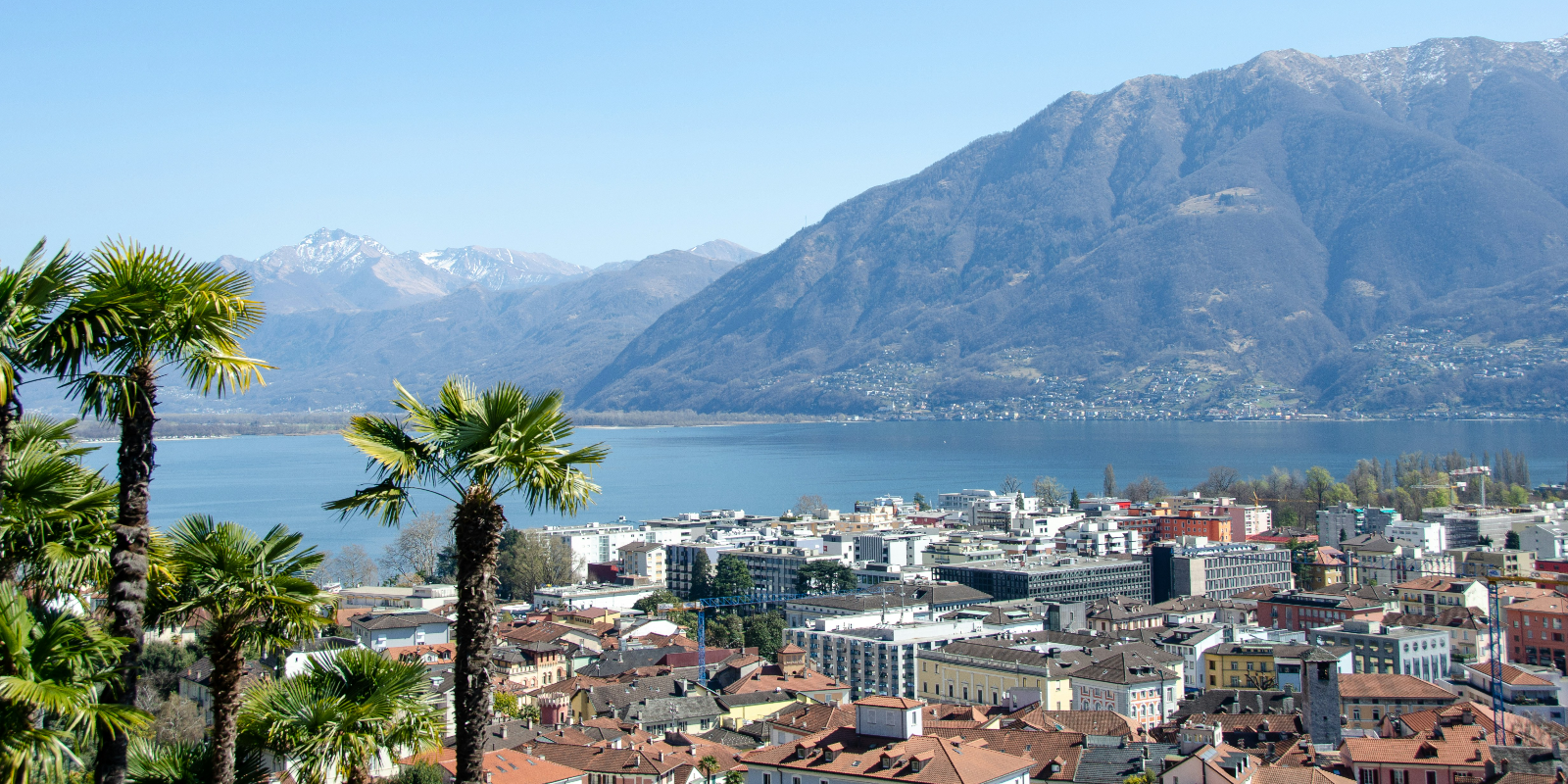
The best time to visit Switzerland is April to October for sightseeing, hiking, and lakes, and December to February for skiing and snowfall. The best time of year to visit Switzerland for good weather is summer (June–August), while the cheapest time to visit Switzerland is during spring and autumn shoulder months. This travel blog covers everything from seasonal breakdowns to hiking and skiing seasons, the best places to visit in Switzerland for first-time travelers, ideal trip lengths, and even the best times to avoid visiting Switzerland. And yes, don’t forget connectivity. With Jetpac’s best eSIM for Switzerland and flexible eSIM Switzerland tourist plans, you can stay connected across the Alps and cities without roaming fees, making your Swiss adventure smooth and stress-free.
Switzerland is famous for its snow-covered Alps, scenic train rides, crystal-clear lakes, and postcard-perfect villages. It’s the land of Swiss chocolate, luxury watches, cheese fondue, and some of the most breathtaking mountain landscapes on Earth. Whether you picture skiing in Zermatt, hiking through green valleys in Interlaken, or strolling Zurich’s old town, Switzerland is the kind of destination that feels magical in every season.
But one question every traveler asks before planning is: when is the best time to visit Switzerland? The answer depends on what you want from your trip. Do you dream of snowy slopes and Christmas markets? Or sunny trails and alpine lakes in summer? Maybe you’re looking for the best time to visit the Swiss Alps for hiking, or wondering about the best time to visit Zurich, Switzerland, for a city break.
This blog will take you through everything: the best time of year to visit Switzerland, when to go for hiking, skiing, or festivals, the cheapest months to save money, and even the worst time to visit Switzerland if you want to avoid gray, rainy days. You’ll also discover the best places to visit in Switzerland for first-time travelers and how to stay connected on your trip with the best eSIM for Switzerland.
Quick Answer: When Is the Best Time to Visit Switzerland
Planning a trip to Switzerland, whether it’s your very first visit or a return to see more, always starts with one question: when is the best time to visit Switzerland? The answer depends on the kind of experience you want.
First-time visitors: If you want to see the best places to visit in Switzerland for the first time — Zurich, Lucerne, Interlaken, and Zermatt then late spring through early autumn (May–September) is ideal. You’ll get clear skies, open hiking trails, and easy travel between regions.
Repeat travelers: If you’ve already seen the classics and now want something seasonal, December–February is perfect for skiing in the Alps and Christmas markets. April and October work if you prefer fewer crowds, lower prices, and exploring cities like Zurich and Geneva at a slower pace.
So, the best time of year to visit Switzerland depends on your goals.
Go in summer (June–September) for hiking, lakes, and sightseeing.
Go in winter (December–February) for skiing and snowfall.
Go in spring or autumn for quieter trips and budget-friendly travel.
This way, whether you’re planning your dream trip for the first time or returning to uncover new regions, you’ll know the best time to visit Switzerland that fits your style.
Best Time to Visit Switzerland by Season
Switzerland is beautiful year-round, but every season offers a different kind of experience. The best time to visit Switzerland depends on whether you want to hike under blue skies, ski on powdery slopes, or simply relax in charming towns surrounded by mountains.
Spring (March – May)
Spring marks the start of travel season, as the snow melts and the valleys come alive with color.
Why go: Blossoming meadows, clear train routes, and lower prices before the summer rush.
What to do: Visit Zurich and Lucerne for lakeside views, or explore Interlaken and Lauterbrunnen before the hiking trails fill up.
Who it’s best for: Ideal for first-time visitors who want to see Switzerland’s beauty without crowds.
Weather: Mild (10–18°C), with melting snow in the Alps and fresh greenery in valleys.
Summer (June – August)
Summer is the best time of year to visit Switzerland for hiking, sightseeing, and outdoor adventures.
Why go: Long sunny days, open trails, warm weather, and festivals across the country.
What to do: Hike the Jungfrau region, ride the Glacier Express, swim in Lake Geneva or Lake Lucerne, and explore the best places to visit in Switzerland for first-time travelers.
Who it’s best for: Hikers, families, and those who love outdoor activities.
Weather: Warm (18–28°C in cities, cooler in the Alps).
Autumn (September – November)
Fall is quieter, cooler, and full of rich color.
Why go: Stunning autumn foliage, local harvest festivals, and better hotel rates.
What to do: Explore vineyards around Montreux, take scenic train rides, and enjoy hiking in September before snow returns.
Who it’s best for: Repeat visitors or anyone looking for a calmer, cheaper trip.
Weather: Cool (10–20°C), with crisp air and clear skies.
Winter (December – February)
Winter transforms Switzerland into a wonderland and is the best time to visit the Swiss Alps for skiing and snow activities.
Why go: Guaranteed snow, festive Christmas markets, and ski resorts in full swing.
What to do: Hit the slopes in Zermatt, Verbier, or St. Moritz. Visit Zurich or Lucerne for holiday lights and cozy cafés.
Who it’s best for: Snow lovers and returning travelers who’ve already explored summer Switzerland.
Weather: Cold (–2 to 7°C), with heavy snow in the mountains.
Cheapest Time to Visit Switzerland
Switzerland has a reputation for being expensive, and trains, hotels, and meals can indeed add up. But timing your trip right can make a big difference. The cheapest time to visit Switzerland is during the shoulder seasons, when the country is quieter but still beautiful.
Spring Savings (April – early May)
Why it’s cheaper: It’s just before the summer crowds arrive. Many hotels offer discounts, and flights are more affordable.
What to expect: Melting snow, blooming valleys, and fewer tourists. The weather is mild enough for sightseeing, though some high-altitude hiking trails are still closed.
Where to go: Explore Zurich, Lucerne, and Bern, cities that shine in spring with lakes, old towns, and museums.
Autumn Deals (Late September – November)
Why it’s cheaper: The summer rush has ended, but ski season hasn’t started yet.
What to expect: Crisp weather, fall colors, and calm train journeys. It’s also grape harvest season in regions like Montreux and Lavaux.
Where to go: Geneva and Lausanne for wine country views, or Interlaken before winter snow arrives.
4 Budget Tips
Stay in smaller towns instead of famous resorts like Zermatt or St. Moritz.
Use the Swiss Travel Pass for unlimited train, bus, and boat rides.
Book flights 2–3 months ahead for lower fares.
Cook a few meals or grab ready-to-eat options from local supermarkets (Coop, Migros).
If you’re wondering when is the best time to visit Switzerland for both savings and scenery, April–May and late September–October strike the perfect balance. You’ll spend less, see more, and still enjoy plenty of sunshine.
What Is the Peak Season in Switzerland
Like most travel destinations, Switzerland has two distinct peak seasons, one in summer and another in winter. These are the times when the country is at its busiest, prices are highest, and popular attractions and resorts are packed.
Summer Peak (June – August)
Summer is when Switzerland shines brightest. It’s warm, green, and lively, attracting visitors from all over the world. This is the best time to visit Switzerland for outdoor adventures, lake swims, and hiking through the Alps.
What to expect: Crowded hiking trails, full trains, and higher hotel rates — especially in Interlaken, Lucerne, and Zermatt.
Pros: Long daylight hours, open mountain passes, festivals, and perfect weather for sightseeing.
Cons: High prices, busy tourist spots, and limited availability if you book last minute.
Winter Peak (December – February)
Winter brings a different kind of magic. It’s the best time to visit Switzerland for snowfall and skiing in world-famous resorts like Verbier, St. Moritz, and Grindelwald.
What to expect: Busy ski towns, festive Christmas markets, and cozy alpine chalets.
Pros: Fresh snow, lively après-ski scenes, and some of the world’s best winter sports facilities.
Cons: Expensive hotels, crowded slopes, and colder days (though still stunning).
If you’re flexible with your travel dates, aim for the weeks just before or after these peaks, late May, early June, or late September. You’ll still enjoy great weather, but with fewer crowds and better prices.
Weather in Switzerland: Mountains vs. Lowlands
Switzerland’s weather changes dramatically depending on where you are; the lowlands around Zurich and Geneva can feel almost spring-like, while the Alps might still be covered in snow. Knowing this difference helps you pick the best time to visit Switzerland for your plans.
Lowlands (Zurich, Geneva, Lucerne, Bern)
The lowland areas, where most major cities sit, have milder and more predictable weather.
Spring (March–May): Temperatures range from 10–18°C, with blooming gardens and light rain.
Summer (June–August): Warm and pleasant, averaging 20–28°C. Great for city walks, lakeside cafes, and outdoor festivals.
Autumn (September–November): Cooler (10–20°C), with beautiful fall colors and fewer tourists.
Winter (December–February): Mild compared to the Alps (0–7°C), with some snow but mainly cold rain in cities.
If you’re wondering about the best time to visit Zurich, Switzerland, late spring and early autumn (May–June and September) are ideal, with great weather, lighter crowds, and reasonable prices.
Mountains (Zermatt, Interlaken, St. Moritz, Jungfrau Region)
Mountain weather can change fast and varies by altitude.
Spring: Snow melts slowly, and higher trails remain closed until late May.
Summer: A dream season for hikers, clear skies, wildflowers, and mountain temps around 15–22°C. This is the best time to visit the Swiss Alps for hiking.
Autumn: Crisp and quiet, with colorful valleys but cooler air (8–15°C).
Winter: Heavy snowfall transforms the Alps into a skiing paradise. From December to February, it’s the best time to visit Switzerland for snowfall.
The contrast between the Alps and the lowlands makes Switzerland truly special. You can be skiing in Zermatt in the morning and enjoying a sunny lunch beside Lake Geneva in the afternoon, all in the same country.
Switzerland by Month: January to December Breakdown
Month |
Weather & Conditions |
Best For |
Travel Notes |
|
January |
Cold and snowy across the Alps; mild in cities. |
Skiing, snowboarding, winter wonderland scenes. |
High season in ski resorts. Book early. |
|
February |
Peak of winter with heavy snow and blue skies. |
Skiing, snow festivals, and the Basel Carnival. |
Great time for snow lovers, busy on the slopes. |
|
March |
Transition month; snow lingers in the mountains, cities warm up. |
Late-season skiing, city sightseeing. |
Great for both winter sports and mild city weather. |
|
April |
Valleys bloom, mountain snow melts. |
Budget trips, lakeside walks, city breaks. |
Shoulder season: some hiking trails reopen. |
|
May |
Warmer with green landscapes. |
Hiking, sightseeing, photography. |
One of the best times to visit Switzerland is before summer crowds. |
|
June |
Long sunny days, perfect balance of weather. |
Hiking, lakes, and train journeys. |
Best time to visit the Swiss Alps for open trails. |
|
July |
Warm in the lowlands, cool in the mountains. |
Summer festivals, swimming, hiking. |
Busy everywhere; book in advance. |
|
August |
Hot in cities, comfortable in the Alps. |
National Day (Aug 1), hiking, mountain trips. |
Peak summer crowds. |
|
September |
Cooler, fewer crowds, golden landscapes. |
The best time to visit Switzerland for hiking and autumn colors. |
Shoulder season savings begin. |
|
October |
Crisp and calm with clear views. |
Budget-friendly sightseeing. |
Great for trains, lakes, and quiet towns. |
|
November |
Cold and gray in cities; pre-snow lull in the Alps. |
Cheapest month to visit. |
Least scenic, some mountain closures. |
|
December |
Snow returns, Christmas lights everywhere. |
Skiing, Christmas markets, cozy city stays. |
Festive season with higher prices. |
Best Time to Visit Switzerland for Hiking
If hiking through meadows, mountains, and mirror-like lakes is your dream, you’ll want to plan your trip between June and September. This is widely considered the best time to visit Switzerland for hiking, when trails are clear of snow, mountain huts are open, and the weather is at its most stable.
Why Summer Is Ideal
During these months, the Switzerland Alps are in full bloom, wildflowers cover the valleys, skies stay clear for panoramic views, and temperatures in the mountains hover between 15°C and 22°C. You can comfortably hike from morning to evening without worrying about slippery or closed paths.
Best Hiking Regions
Jungfrau Region (Interlaken, Lauterbrunnen, Grindelwald): Classic Switzerland — waterfalls, green pastures, and snow-capped peaks.
Zermatt and Matterhorn: One of the best places to visit in Switzerland for first-time hikers who want postcard-perfect views. The Five Lakes Trail is a must.
Engadin Valley (St. Moritz area): Fewer crowds, turquoise lakes, and easy to advanced trails.
Lucerne and Mount Rigi: Great for day hikes with lake views and accessible trails.
4 Tips for Hikers
Start early: Weather changes quickly in the mountains, especially in the afternoon.
Check conditions: Snow can linger on higher trails until mid-June.
Gear up: Good shoes, water, sun protection, and layers are essential.
Stay connected: Use an eSIM Switzerland for maps and safety alerts. Jetpac offers the best eSIM for Switzerland, providing coverage even in remote mountain areas.
If you’re wondering when is the best time to visit Switzerland for hiking, aim for June to early October. The trails are open, trains to mountain passes run smoothly, and every turn offers a postcard view.
Best Time to Visit Switzerland for Skiing
If snow-covered mountains, cozy chalets, and world-class slopes are what you’re after, winter is your season. The best time to visit Switzerland for skiing is between December and March, when snowfall is consistent and the resorts in the Swiss Alps are at their peak.
Why Winter Is the Best Time
From mid-December onward, Switzerland transforms into a skier’s paradise. Snow blankets the Alps, lifts and resorts are fully operational, and the atmosphere is festive — from Christmas markets in cities to après-ski evenings in the mountains.
Snowfall & Weather:
The best time to visit Switzerland for snowfall is January and February, when snow conditions are perfect and temperatures stay low enough to maintain fresh powder. In the Alps, daytime highs average around –5°C to 5°C, ideal for winter sports.
Top Ski Regions
Zermatt: Home to the Matterhorn and one of the highest ski areas in Europe, offering year-round glacier skiing.
St. Moritz: Luxurious, glamorous, and host to international ski competitions.
Verbier: Famous for challenging slopes and lively nightlife.
Grindelwald and Wengen (Jungfrau Region): Great for families and scenic views.
Davos-Klosters: Wide slopes and a classic alpine ski experience.
Insider Tips
Book early: December to February is the peak season in Switzerland for winter sports — hotels and ski passes sell out quickly.
Travel smart: Use the Swiss Travel Pass to connect ski towns by train easily.
Gear up: Renting equipment on-site saves baggage fees.
Stay connected: Alpine villages often have limited Wi-Fi. Jetpac’s eSIM Switzerland tourist plan gives you reliable data, so you can check ski reports, book lessons, or share your slope selfies instantly.
For snow lovers asking when is the best time to visit Switzerland for skiing or snow adventures, it’s simple: December to March, with January and February offering the best snow and energy.
Must-See Events & Festivals in Switzerland
No matter when you visit, Switzerland always has something to celebrate. From cultural traditions to world-class music events, here are a few highlights to plan your trip around:
Basel Carnival (February/March): Switzerland’s biggest and most colorful festival — lanterns, costumes, and lively parades fill the streets.
Montreux Jazz Festival (July): A global music icon held on Lake Geneva’s shores, attracting artists from around the world.
Swiss National Day (August 1): Parades, fireworks, and community celebrations across the country.
Alpabzug (September): Watch farmers parade decorated cows down from mountain pastures, a charming alpine tradition.
Christmas Markets (December): From Zurich to Lucerne, winter towns glow with lights, music, and festive stalls.
These events show why Switzerland is worth visiting in every season — each one has its own rhythm, colors, and experiences that make your trip more memorable.
Where to Go First: Starter Regions & Arrival Cities
For first-time visitors, Switzerland is easy to navigate, and each region offers something different. Trains connect most major destinations within a few hours, so you can start almost anywhere.
Zurich: The main international gateway. Ideal for short city breaks and connections to Lucerne or the Alps.
Lucerne: A compact mix of lake views, mountain access, and local culture.
Interlaken: Best for adventure — hiking in summer, skiing in winter, and easy access to Jungfrau.
Zermatt: Perfect for mountain lovers. Summer hiking and winter skiing around the Matterhorn.
Geneva: Great for combining city exploration with nearby vineyards or French-border day trips.
Start your trip from Zurich or Geneva for easy international access, then use trains to explore.
How Long to Spend: Ideal Trip Lengths for First-Timers
Trip Length |
Suggested Itinerary |
Highlights |
|
5 Days |
Zurich → Lucerne → Mount Pilatus (day trip) |
Short and easy trip covering a major city, a lakeside town, and a mountain day trip. Ideal for a first glimpse of Switzerland. |
|
7 Days |
Zurich → Lucerne → Interlaken → Jungfrau Region |
Combines lakes, waterfalls, and accessible alpine experiences. Good balance of sightseeing and relaxation. |
|
10 Days |
Zurich → Lucerne → Interlaken → Zermatt → Geneva |
Classic route for first-time visitors, covering city life, the Alps, and lakes. Includes the Matterhorn and scenic train rides. |
|
14 Days+ |
Zurich → Lucerne → Interlaken → Zermatt → Geneva → Montreux → Ticino (Lugano) |
Ideal for a deeper trip. Adds the Riviera feel of Montreux and the Italian-speaking charm of Ticino. Great for repeat travelers or slow-paced exploration. |
Worst Time to Visit Switzerland
Switzerland looks stunning year-round, but some months are less ideal for travel.
November: The quietest month and generally the worst time to visit Switzerland. It’s between hiking and ski seasons, with gray skies and closed resorts.
March to early April: Snow melts and trails remain closed, so outdoor activities are limited.
Crowded months: July–August (summer) and late December–February (ski season) bring high prices and busy attractions.
If you want fewer crowds and pleasant weather, stick to May–June or September–October — the best balance between beauty, comfort, and cost.
Switzerland on a Budget: Timing Your Trip for Savings
Switzerland can be expensive, but smart timing helps you save without missing the experience.
Best budget months: April–May and September–November. Flights and hotels drop in price, yet the scenery remains beautiful.
Avoid: Peak months like July–August and the Christmas period when prices surge.
Stay outside major hubs: Choose towns near big cities — like Zug instead of Zurich or Thun instead of Interlaken.
Travel smart: Get a Swiss Travel Pass for unlimited trains, boats, and trams. It’s cheaper than buying separate tickets.
Meals: Supermarkets like Coop and Migros offer affordable ready-to-eat meals — much cheaper than restaurants.
Connectivity: Use Jetpac’s eSIM Switzerland tourist plan to save on roaming costs while staying connected. It’s reliable, affordable, and covers all major regions.
Planning your trip in the shoulder months can make it feel like the best time to visit Switzerland — beautiful, affordable, and far less crowded.
Begin Your Switzerland Adventure with Jetpac
No matter when you choose to travel, whether it’s summer hikes, winter skiing, or spring sightseeing, staying connected makes every trip easier. From navigating trains to checking the weather in the Alps or finding nearby cafés, reliable data is essential.
That’s where Jetpac comes in. With the Jetpac eSIM Switzerland tourist plan, you can connect instantly after landing, no SIM swaps or roaming surprises.
Here’s why Jetpac is the best eSIM for Switzerland:
Works across all major Swiss networks for seamless coverage.
Up to 70% cheaper than standard roaming plans.
Multi-network switching ensures a strong signal everywhere — from Zurich to Zermatt.
Hotspot sharing lets you connect your laptop or share data with friends.
Flexible plans for short stays or extended trips.
24/7 customer support is available anytime, anywhere.
Jetpac eSIM Switzerland also works across 200+ destinations, making it perfect if you’re combining Switzerland with nearby countries like France, Italy, or Germany.
Travel smart, stay connected, and make every moment count. With Jetpac, your Switzerland adventure becomes smoother, easier, and completely stress-free.
FAQs
Which part of Switzerland is the most beautiful?
The Bernese Oberland, Jungfrau Region, and Zermatt are often considered the most beautiful, especially if you want to see the Alps and clear blue lakes.
What is the best month to travel to Switzerland?
June to September is the best time to visit Switzerland for hiking and sightseeing. December to February is ideal for skiing and snow activities.
What month is the cheapest for Switzerland?
April, May, and November are the cheapest times to visit Switzerland, with lower hotel and flight prices.
Which month is rainy in Switzerland?
May, June, and August tend to have short summer showers, while November is generally the rainiest month.
How many days are enough for Switzerland?
At least 7–10 days is ideal to explore major cities like Zurich and Lucerne, and visit the Alps around Interlaken or Zermatt.
Do they speak English in Switzerland?
Yes. While the main languages are German, French, Italian, and Romansh, English is widely spoken in tourist areas.
Is Switzerland expensive to visit?
Yes, it’s one of Europe’s pricier destinations, but visiting in shoulder months and using a Swiss Travel Pass helps manage costs.
Which is the peak tourist season in Switzerland?
Summer (June–August) and winter (December–February) are peak seasons for tourism and skiing.
Which city to visit in Switzerland for first-timers?
Start with Zurich or Geneva for easy international access, then visit Lucerne, Interlaken, and Zermatt for classic Swiss scenery.