
Best UK Prepaid SIM for Tourists: How to Choose, Buy & Use
Best prepaid SIM card UK guide for tourists. Compare UK SIM cost, data & roaming and see why Jetpac eSIM stands out as the smarter travel option.

Staying connected in the UK can be confusing with roaming costs, different SIM options, and varying coverage. A prepaid SIM card UK is affordable, while an eSIM for UK travel is faster and easier to set up. Jetpac stands out because one eSIM works in 200+ destinations, connects to all major UK networks, shows costs upfront, and keeps apps like WhatsApp, Google Maps, and Uber running even if data runs out. In this guide, we’ll look at how to choose, where to buy, what it costs, setup steps, and common issues.
There’s nothing quite like stepping into the heart of London for the first time, maybe you’re taking in the skyline from the London Eye, cheering at Lord’s Cricket Ground, or simply walking along the Thames with a coffee in hand. In those moments, the first thing you want to do is share the experience with friends and family back home.
And that’s where staying connected matters. Relying on roaming can leave you with a nasty bill shock, and public Wi-Fi isn’t always reliable. For most travelers, the most convenient option is a prepaid SIM card for the UK or an eSIM for UK travel. It keeps you online, gives you affordable data, and let's you use maps, WhatsApp, and ride apps like Uber without a second thought.
This guide will walk you through how to pick the right UK SIM card, where to buy it, what it costs, and how to set it up, so you can focus on enjoying your trip, not worrying about data.
Quick Picks: Best UK Prepaid & eSIMs for Tourists (Top 3)
Not sure where to start? Here are three options tourists swear by:
EE Prepaid SIM – Fastest 5G speeds, excellent coverage.
Three Prepaid SIM – Budget-friendly with generous data.
Jetpac eSIM for UK – Instant setup before you fly, plus free access to WhatsApp, Maps, Uber, and Grab.
Whether you need an England SIM card, a United Kingdom SIM card, or even a SIM card for Great Britain that works across your itinerary, these three are reliable choices.
How to Choose: Coverage, Data, EU Roaming & Hotspot (6 Quick Checks)
When you’re in the UK, your phone is your lifeline, whether it’s finding the nearest Tube station, streaming highlights from a Premier League match, or making a WhatsApp video call home. Before you buy a prepaid mobile SIM UK, here are the key things to check:
Coverage → EE = widest & fastest, Vodafone = strong in cities, O2 & Three = budget-friendly.
Data → Light: 5–10GB · Medium: 15–30GB · Heavy: 50GB+. (1 hr WhatsApp video call ≈ 300–400MB).
EU Roaming → Post-Brexit, caps apply: 12GB–50GB, then $4–$7/GB extra.
Hotspot → Most SIMs allow it, but some unlimited plans block/throttle.
Validity → Most plans = 30 days.
ID → Usually not required, but carrier shops may ask for passport ID.
Example:
2 weeks in London + Edinburgh, moderate social media + 2 hours of WhatsApp video calls → 15–20GB plan is enough.
| 👉 With EE: around $25 for 20GB. 👉 With Jetpac: one upfront plan, no roaming fees, and WhatsApp/Maps/Uber stay free even if data runs out. |
Where to Buy: Before You Fly vs On Arrival (5 Places That Work)
You can buy your prepaid SIM card UK either before you travel or after you arrive. Here are the main options and what you can expect to pay:
Option |
Pros |
Cons |
Typical Cost (USD) |
|
Online (before you fly) |
Arrive connected. eSIMs like Jetpac can be set up in minutes. |
Needs unlocked/eSIM-compatible phone. |
$20–$35 for 15–30GB |
|
Airports |
Convenient, available right after landing. |
Often most expensive, fewer plan choices, and long paperwork |
$30–$50 for 10–20GB |
|
Supermarkets & Corner Shops |
Tesco, Sainsbury’s, and WHSmith sell prepaid SIMs at lower prices than airports. |
You need to visit a store and set it up yourself. |
$15–$30 for 10–25GB |
|
Carrier Stores |
Buy direct from EE, Vodafone, O2, or Three with full plan options. |
May take time, and some shops may ask for a passport ID and long paperwork. |
$20–$40 for 20–30GB |
|
Travel eSIM Apps |
Fastest setup if your phone supports eSIM. No physical card needed. |
Not all phones support eSIM. |
$20–$35 for 15–30GB |
If you want peace of mind, get an international eSIM before your trip. With Jetpac, you’re connected as soon as you land, you avoid daily roaming fees, and your essential apps like WhatsApp, Google Maps, and Uber keep working even if your data runs out.
Price Guide: Typical Costs, Validity & Top-Ups
The UK SIM cost depends on how much data you need. Most plans are valid for 30 days and can be topped up in shops, online, or via carrier apps.
Data Allowance |
Typical Cost (USD) |
Validity |
Best For |
|
5–10 GB |
$13–$20 |
30 days |
Light users: maps, email, messaging. |
|
20–30 GB |
$20–$32 |
30 days |
Moderate users: social media, a few video calls. |
|
50 GB+ / Unlimited |
$38–$50 |
30 days |
Heavy users: streaming, hotspot, frequent WhatsApp video calls. |
With an eSIM for UK travel, topping up is easier, you just add data in-app.
Prepaid SIM Card vs eSIM: Pros, Cons & Compatible Phones
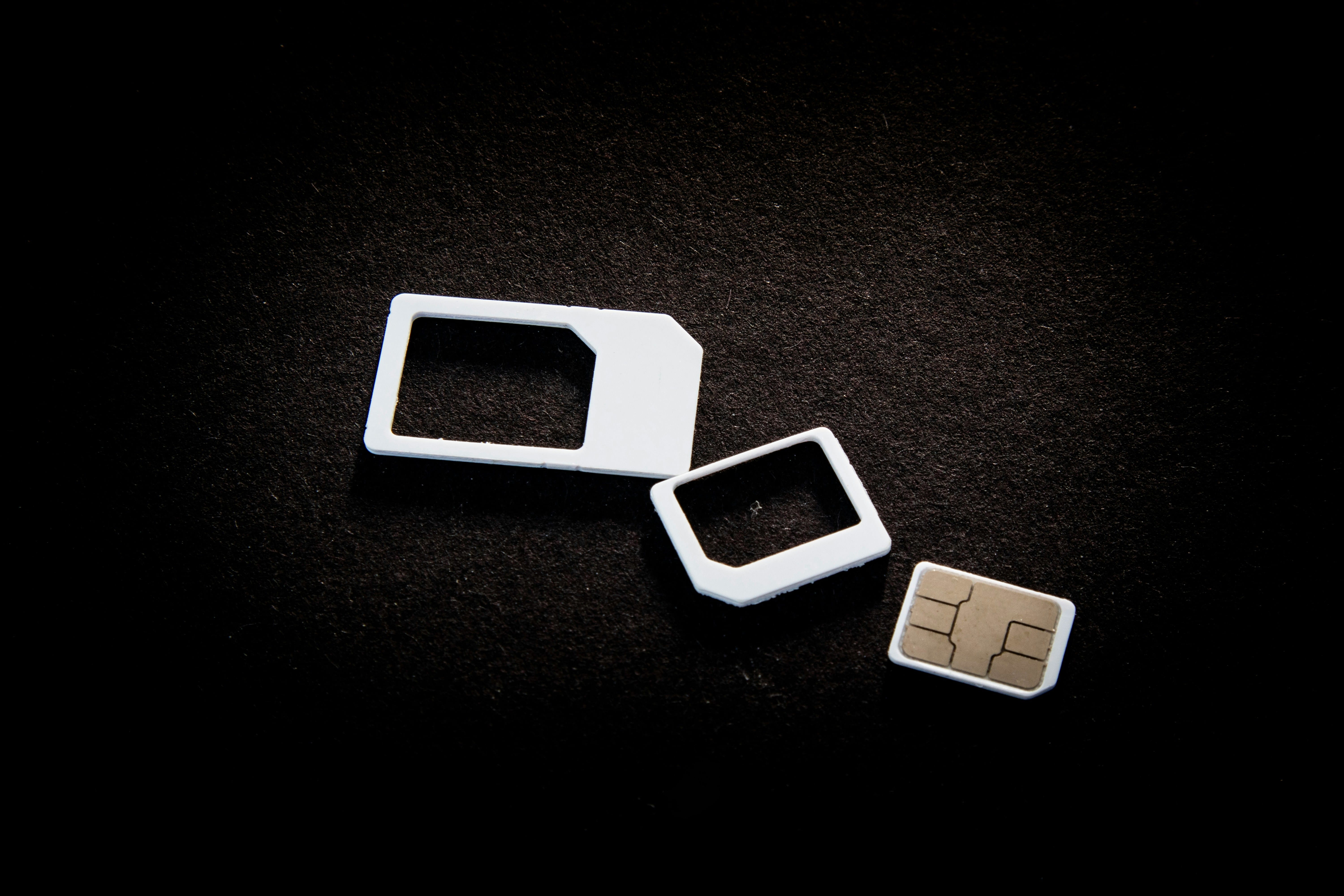
A traditional SIM card is the small plastic chip you insert into your phone. An eSIM (embedded SIM) does the same job, but it’s built into your device and activated digitally. That means no plastic, no swapping, and no waiting in line, just scan a QR code and you’re connected.
Type |
Pros |
Cons |
Best For |
|
Physical SIM |
Easy to find in shops, cheaper upfront. |
Requires swapping cards, may need ID, airport kiosks can overcharge. |
Budget travelers who don’t mind buying in person. |
|
eSIM |
Instant setup, no physical card, works on most modern phones (iPhone XS+, Pixel 4+, Samsung Galaxy S20+). |
Needs an eSIM-compatible device. |
Tourists who want convenience and to be online the moment they land. |
How to check if your phone supports eSIM?
Go to Settings → Mobile Data/Cellular → Add eSIM or Mobile Plan. If you see this option, your phone is compatible.
Most UK eSIM providers are tied to one carrier, meaning if that network is weak where you are, your connection suffers. And that’s where Jetpac comes in. Jetpac eSIM for UK travel works differently:
1 eSIM for 200+ destinations – set it up once, top up for every trip.
Multi-network access – in the UK, Jetpac connects you to EE, O2, Vodafone, or Three automatically, whichever signal is strongest.
Upfront pricing, no bill shocks – you know exactly what you’ll spend.
Hotspot even on unlimited – share data freely, unlike many carriers.
Free WhatsApp, Google Maps & Uber – these essentials stay active even if your data runs out.
24/7 customer support – available anytime via WhatsApp or email.
Voice & 5G – outgoing calls from $1.99/5 min and high-speed 5G in 50+ countries.
For most tourists, an eSIM for UK travel is the easiest and most reliable option. With Jetpac, you’re not just covered in the UK, but across your entire journey.
Networks, Coverage & Speed: EE, O2, Vodafone, Three
When you buy a prepaid SIM card UK, you’ll usually end up on one of the four main networks:
EE → Widest coverage and fastest 5G. Best for city + countryside.
Vodafone → Strong in cities, reliable overall.
O2 → Affordable, but weaker in rural areas.
Three → Cheapest, generous data, but slower speeds outside big cities.
MVNOs (like giffgaff, Tesco Mobile) → Budget-friendly, but lower speeds during peak times.
| With Jetpac, you don’t need to pick — it connects you to the strongest available signal across all networks. |

EU Roaming in 2025: Before vs After Brexit
Why this matters:
Many travelers visiting the UK also plan to hop across to Europe; Paris, Amsterdam, or Rome are just a short flight or train ride away. That’s where EU roaming rules come in. What used to be simple before Brexit has now become more complicated, so it’s worth knowing how it works.
Background:
Before 2020 (Pre-Brexit): UK SIM cards worked across the EU at no extra charge under the “Roam Like at Home” policy. Tourists could use their full UK allowance in Europe with no fees.
After 2021 (Post-Brexit): UK carriers are no longer bound by EU rules. Most networks have since reintroduced roaming charges and set fair-use limits on data.
This affects not only people from the UK but also global tourists who buy a local prepaid SIM card UK and expect it to work the same way across Europe.
| Ofcom, the UK telecom regulator, advises all travelers to check their roaming terms before they travel, since fees and data limits now vary by provider. |
Typical changes you’ll see now:
Daily roaming fees between $1.25–$2.90.
Fair-use caps (e.g., 12GB with Three, 25GB with O2, 50GB with EE).
Extra data costs of $3.75–$7.50 per GB once you pass the cap.
Example:
A 10-day trip from London to Paris:
With Three UK → About $25 total, capped at 12GB.
With O2 UK → No daily fee, but after 25GB you pay ~$4.40/GB.
With Jetpac → One upfront plan, no daily fees, free WhatsApp/Maps/Uber, even if data runs out.
How Much Does Roaming Really Cost (UK Carriers vs Jetpac)
Roaming costs can be confusing, especially after Brexit. Here’s a simple side-by-side look at how UK carriers compare with Jetpac so you can see the difference clearly.
What Matters Most |
UK Carriers |
Jetpac |
|
Daily Fee |
$1.25–$2.90/day (O2 $0 but with caps) |
None. Pay only upfront for what you need. |
|
Data Limits |
12GB–50GB before extra charges |
No surprises. You choose your plan upfront. |
|
Extra Costs |
$3.75–$7.50 per extra GB |
$4–$6 per GB (prepaid, transparent) |
|
Signal |
One network only |
Always connects to the strongest signal across multiple networks |
|
Hotspot Use |
Sometimes blocked, esp. on unlimited plans |
Always allowed, even on unlimited packs |
|
Essential Apps |
Counts against your data |
WhatsApp, Maps & Uber stay free even if data runs out |
|
Support |
Local UK business hours |
24/7 support via WhatsApp & email |
|
Where It Works |
Mostly UK + EU |
200+ destinations, one eSIM for all trips |
2-Minute Setup: Activate Your SIM or eSIM
Getting connected with a prepaid SIM card UK or an eSIM for UK travel is simple:
Physical SIM – Insert into your unlocked phone, restart, and you’re online in minutes.
eSIM – Buy from UK eSIM providers, scan the QR code, and activate instantly. No waiting in line.
👉 Tip: Always check that your phone is network unlocked before traveling. Many tourists forget this and only realize it at the airport. If you’re using an international eSIM, you skip this hassle entirely.
Manage Your Plan: Top-Ups, Auto-Renew, and Data Add-Ons
Most prepaid mobile SIM UK plans are valid for 30 days. Managing them is straightforward:
Top-Up – Buy credit at supermarkets, corner shops, or online.
Auto-Renew – Activate via the carrier’s app or directly on an international eSIM for seamless service.
Data Add-Ons – If you run out, add more data in just a few taps.
👉 Hack: Set up a carrier app or eSIM app before you travel. This saves time and avoids hunting for a shop when your data runs low.
No Local SIM? 4 Alternatives Tourists Use
If you decide not to buy a UK SIM card, these are your main options:
Free Public Wi-Fi – Found in cafés, hotels, and stations, but often unsecured.
Pocket Wi-Fi Devices – Good for groups but require pickup/return.
Roaming with Your Home Carrier – Convenient, but costs can skyrocket.
Travel eSIM Apps – The most flexible, especially for multi-country trips.
👉 Tip: Combine free Wi-Fi with an eSIM for the UK as backup. That way, you’re never stranded when Wi-Fi fails.
Fix It Fast: 5 Common Issues and Quick Solutions
Even with the best prepaid SIM card UK, hiccups happen. Here’s what to expect and how to fix it:
No Signal → Restart phone, check “Automatic” network setting, move to an open area.
Activation Fail → Reinsert SIM or re-scan eSIM QR.
Hotspot Not Working → Some budget plans block it; upgrade or use an add-on.
Data Runs Out → Buy a top-up or add data instantly via eSIM.
Frequently Asked Questions (FAQs)
Q1. What’s the best prepaid or eSIM option for UK tourists?
EE is best for coverage, Three for value, and Vodafone for reliability in cities. If you want to skip the hassle of buying in person, eSIMs are the easiest — instant setup, no need to swap cards.
Q2. Where should I buy before I fly or on arrival (airport, store, online)?
Airports: convenient but expensive.
Supermarkets/carrier stores: cheaper, but you need to find one and set it up.
Online/eSIM: best if you want to arrive connected with zero headache.
Q3. What’s the cheapest pay-as-you-go option right now?
Three usually has the lowest-cost data bundles. But remember, you’ll need to buy a physical SIM, which means either airport pricing or a trip to a store — not always convenient if you just landed.
Q4. Do I need an ID or a UK address to buy a SIM?
No UK address is needed. Some carrier shops may ask for your passport, especially for higher-value plans. Buying online or getting an eSIM avoids this entirely.
Q5. How do I activate and set up a UK SIM or eSIM?
SIM: Insert, restart, and follow instructions.
eSIM: Scan a QR code and it’s ready in minutes — ideal if you want instant activation before you fly.
Q6. Which phones support eSIM in the UK?
Most modern phones (iPhone XS+, Pixel 4+, Samsung S20+) support eSIM. You can check in your settings under Mobile Data → Add eSIM. If you don’t see it, stick to a physical SIM.
Q7. Which network has the best 4G/5G coverage and speeds?
EE leads nationwide, Vodafone is strong in cities, O2 is cheaper but weaker in rural areas, and Three offers good value but slower outside big towns. If you don’t want to guess which one will work where you’re going, a multi-network eSIM is safer.
Q8. Do UK prepaid SIMs include EU roaming, and what limits apply?
Yes, but fair-use caps apply: about 12GB on Three, 25GB on O2/Vodafone, and 50GB on EE. After that, you’ll pay extra. If you’re traveling beyond the UK, an international eSIM saves you from buying separate SIMs in each country.
Q9. Can I use hotspot/tethering on a UK prepaid SIM?
Yes, but some “unlimited” plans block or slow it down. Always check the small print. If hotspotting is important for you, choose a plan that clearly says it’s allowed.
Q10. Can I use a UK SIM in a tablet or iPad (data-only)?
Yes, as long as it’s unlocked. Most carriers offer data-only SIMs. With an eSIM-ready iPad, you can just download a plan online — no shop visit needed.
Q11. How do top-ups and validity periods work?
Most prepaid SIMs last 30 days. Top up at shops, online, or via apps. If you don’t want to worry about recharging in the middle of your trip, buy a plan big enough upfront or set auto-renew on an eSIM.
Q12. Is free public Wi-Fi or my home roaming a better option than getting a local SIM/eSIM?
Free Wi-Fi works for quick checks in cafés or hotels, but it’s often slow and unsecured. Roaming on your home SIM is easy, but usually the most expensive. For everyday use (maps, ride apps, video calls), a local prepaid SIM or eSIM is far more reliable and cost-effective.