13 Expert Tips on Traveling to India
Unlock the secrets to a seamless Indian adventure with our 13 expert tips on traveling to India. Get ready for a journey like no other!
Unlock the secrets to a seamless Indian adventure with our 13 expert tips on traveling to India. Get ready for a journey like no other!
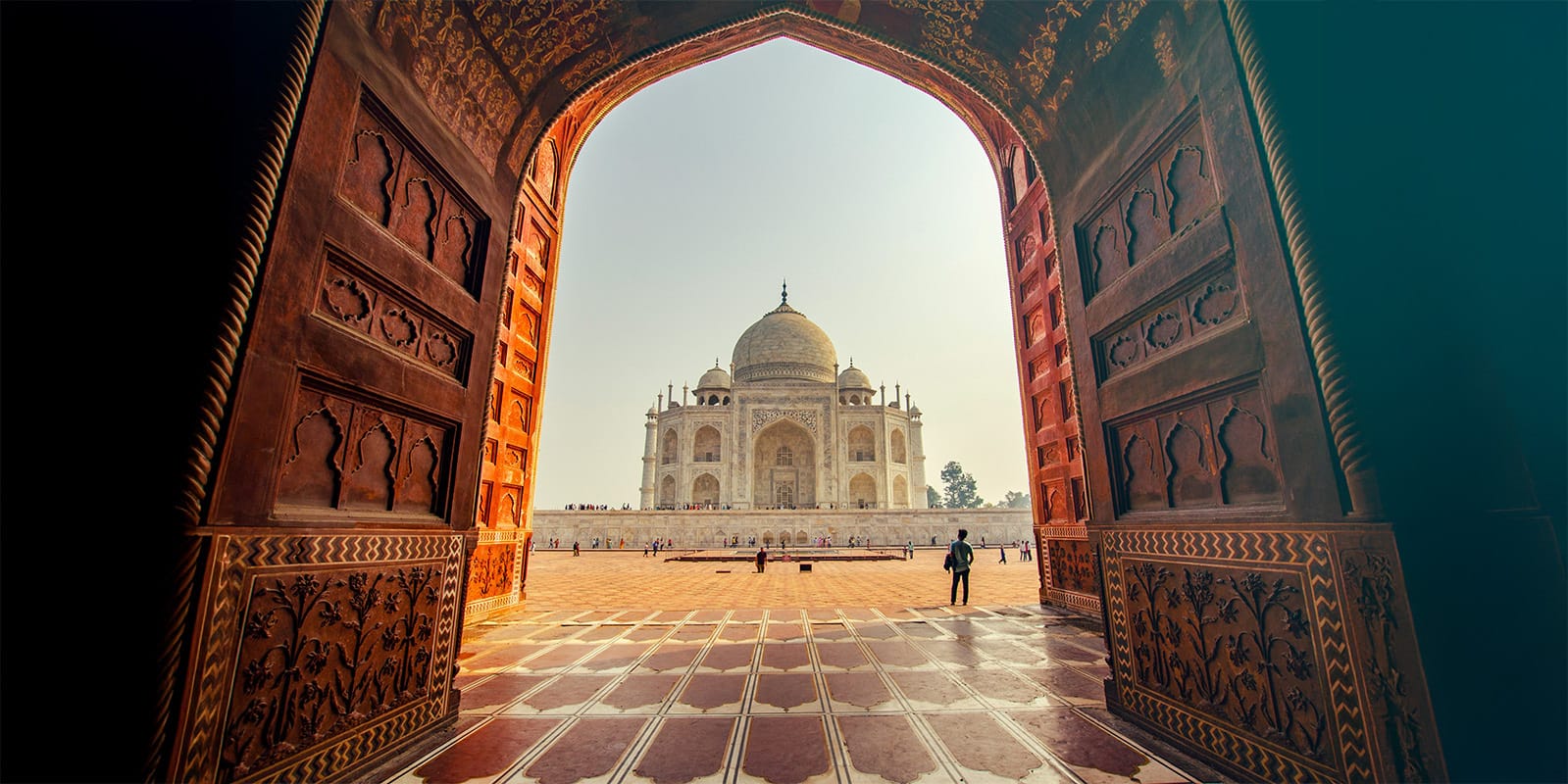
Did you know the Golden Triangle in India is a top tourist spot? It includes New Delhi, Agra, and Jaipur. These cities are close to each other, making it easy to explore India's culture and history.
If you're planning a trip, you've come to the right place for tips.
Traveling in India can be exciting but also a bit challenging. You'll learn how to navigate Delhi and enjoy Varanasi's street food. This article is packed with tips for all travelers, from budget backpackers to those looking for a mid-range experience.
Get ready to discover India's magic. Every corner has a new story to tell. We've got the best tips to make your trip smooth. Your Indian adventure is about to begin!
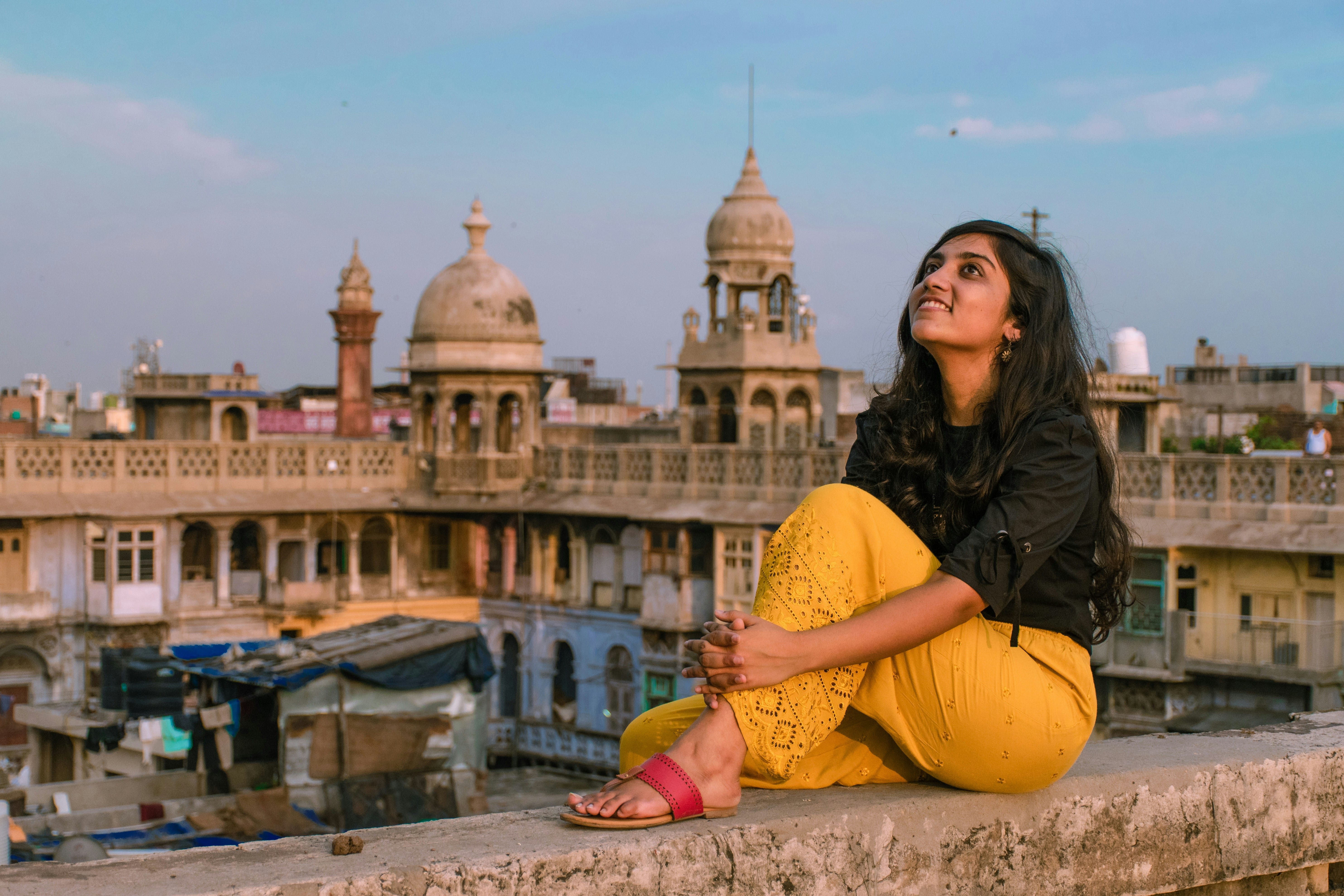
Photo by Rachita Saxena on Unsplash
Tips on Traveling to India
Traveling to India is both thrilling and challenging. Think of Gokarna's beautiful beaches or Hampi's ancient ruins. Plan a rough travel route to guide your adventure.
But remember, some of the best experiences are found off the beaten path. Stay flexible.
When exploring local culture, it's key to embrace diversity. India has over 2,000 ethnic groups and nearly two dozen official languages. Approach your journey with an open mind.
Prepare for the energy and excitement that awaits. Culture shock can be intense, especially if it's your first time. Learn about local customs and practices to have a smoother experience.
Using local tour operators can be incredibly helpful. They know the area better than any guidebook. Also, remember that you need a tourist visa to enter India. Make sure you have it before you leave.
Practice a few local phrases in Hindi or other regional languages.
Enjoy the rich culinary scene, but be careful with street food.
Learn about major festivals like Durga Puja to enhance your experience.
Be prepared for the contrast between wealth and poverty in India.
Purchase a Jetpac eSIM to stay connected to the internet throughout your trip.
By following these tips, you'll be well-prepared for your trip. With careful planning and the right travel tips, your journey will be filled with unforgettable stories and memories. Approach India with curiosity and respect, and you'll master navigating this vibrant land.
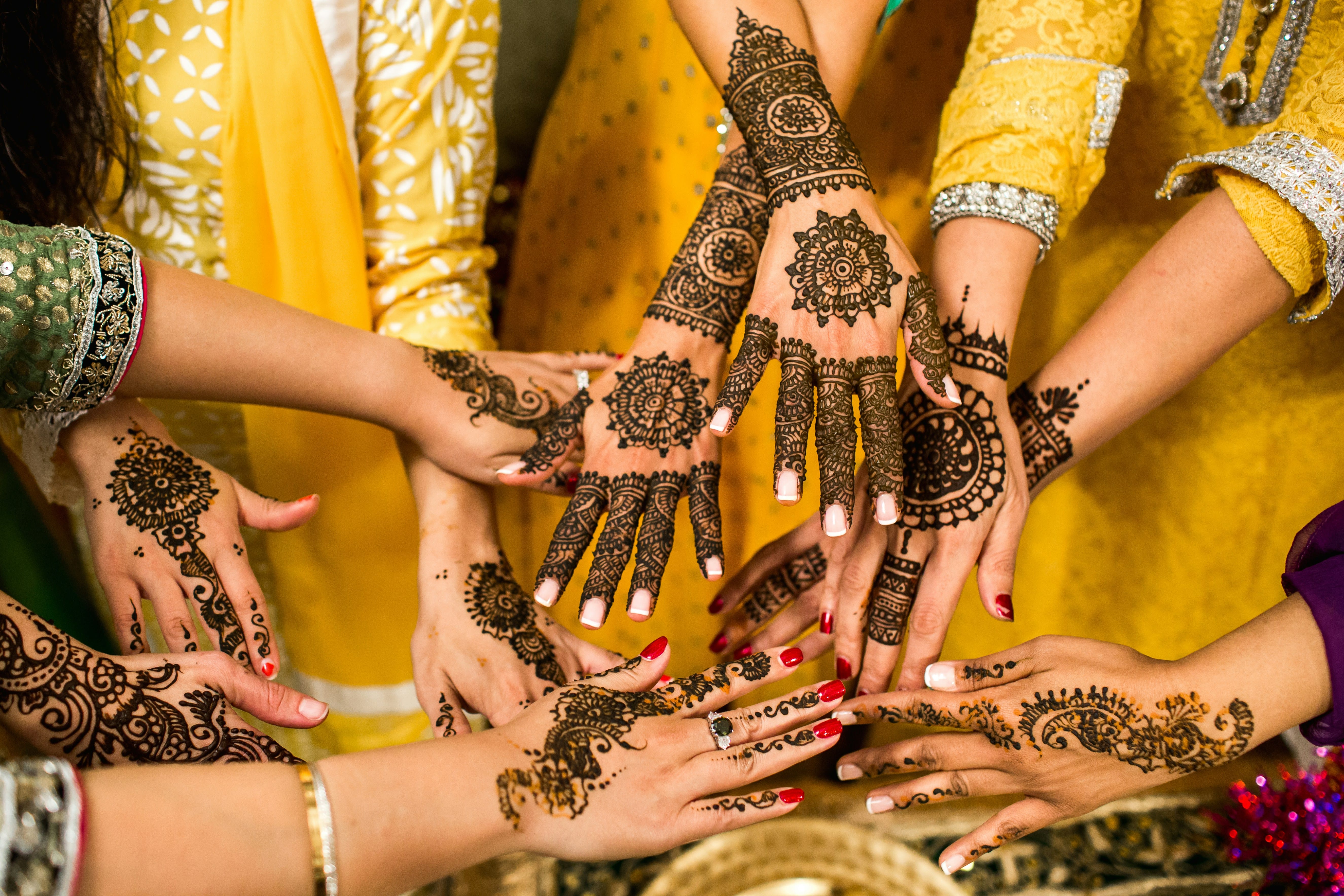
Photo by Vitaliy Lyubezhanin on Unsplash
Understanding India's Diverse Climate
Traveling to India reveals a world of climates across its vast lands. Knowing the Indian climate makes your trip better. It helps you choose the best time to visit, based on what you want to do. Also, understanding regional climate variations helps you pack right and see places at their best.
Best Times to Visit
The best time to visit India is from November to March. This time has nice weather, which is perfect for seeing sights and enjoying the culture. January is cool, with highs around 73ºF and lows below 50ºF.
February has moderate temperatures and little rain, great for Rajasthan. March gets warmer and brings festivals like Holi.
Regional Climate Variations
India's climate changes a lot by region. April and May are very hot, over 104ºF in some areas. But, the south coast has nice weather.
May is great for beach trips, with sea temperatures around 86°F. The Andaman and Nicobar Islands are warm and have occasional showers in May.
The rainy season, from June to September, is less popular but shows off lush landscapes. October is cool and busy, perfect for outdoor activities. Knowing these climate differences helps you plan your trip and enjoy India fully.
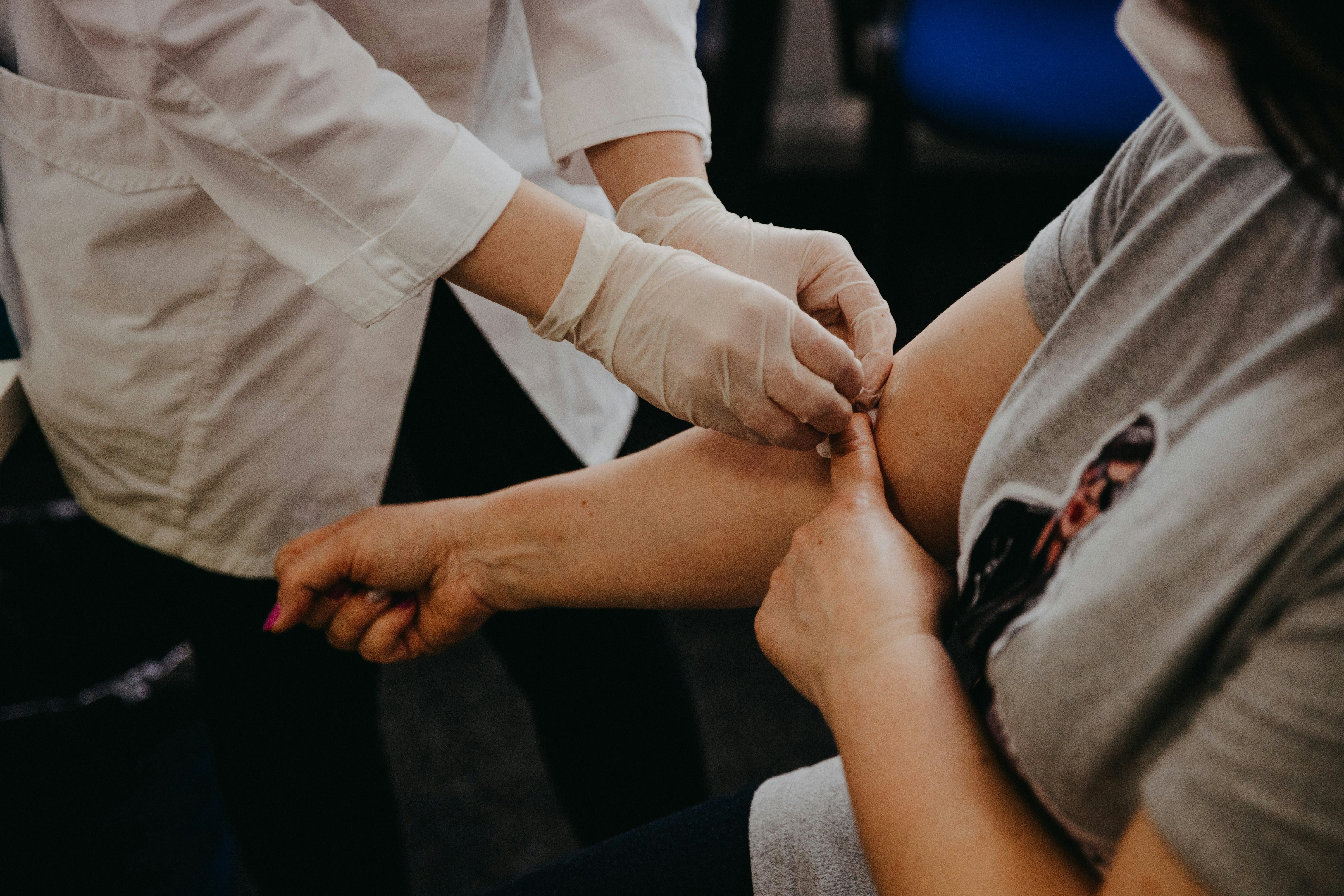
Photo by Trnava University on Unsplash
Health Precautions & Travel Insurance
Getting ready for your India trip means more than just packing. It's also about staying healthy. Here's a quick guide on health precautions for traveling to India, including vaccinations and malaria prevention.
Recommended Vaccinations
Before your vaccinations for the India trip, getting vaccinated is key. You'll need:
Hepatitis A
Hepatitis B
Typhoid
Japanese Encephalitis (especially if visiting rural areas)
See a healthcare provider 6-8 weeks before you go. They'll give you advice and check your vaccinations. Staying healthy is as important as finding great food!
Malaria Prevention Strategies
India is mostly safe, but some areas, like the northeastern states, have malaria risks. To stay safe, follow these malaria prevention strategies:
Consult your doctor about antimalarial medications.
Use DEET-based insect repellent to ward off pesky mosquitoes.
Sleep under a mosquito net in high-risk areas.
Remember to stay clean. Drink only bottled or purified water and eat hot, cooked meals. These steps will keep you healthy and safe while you explore India's vibrant culture.

Photo by Jarritos Mexican Soda on Unsplash
Local Etiquette and Customs
Knowing local etiquette in India can make your trip better. Showing respect for cultural norms leads to good interactions with locals. Learning about Indian customs means understanding simple yet important practices. These practices help you connect with India's vibrant culture.
Common Greetings in India
A polite greeting is key when meeting someone. The traditional “Namaste,” with palms together and a slight bow, shows respect. It acknowledges the divine in others. In casual meetings, especially with women, a warm nod or Namaste is best instead of a handshake.
Dining Etiquette
Dining in India is often communal, focusing on sharing and togetherness. Be ready to eat from large platters and use your right hand, as the left is seen as unclean. It's also customary to remove your shoes before entering homes or places of worship. Knowing these customs can make your dining experience better.
Dress Modestly
Modesty in dress is highly valued, especially in rural areas. In these places, it's common to wear clothes that cover your legs. While cities may have more Western styles, wearing appropriate clothing shows respect for the culture. Dressing modestly is important for blending in and showing respect, whether at temples or family homes.
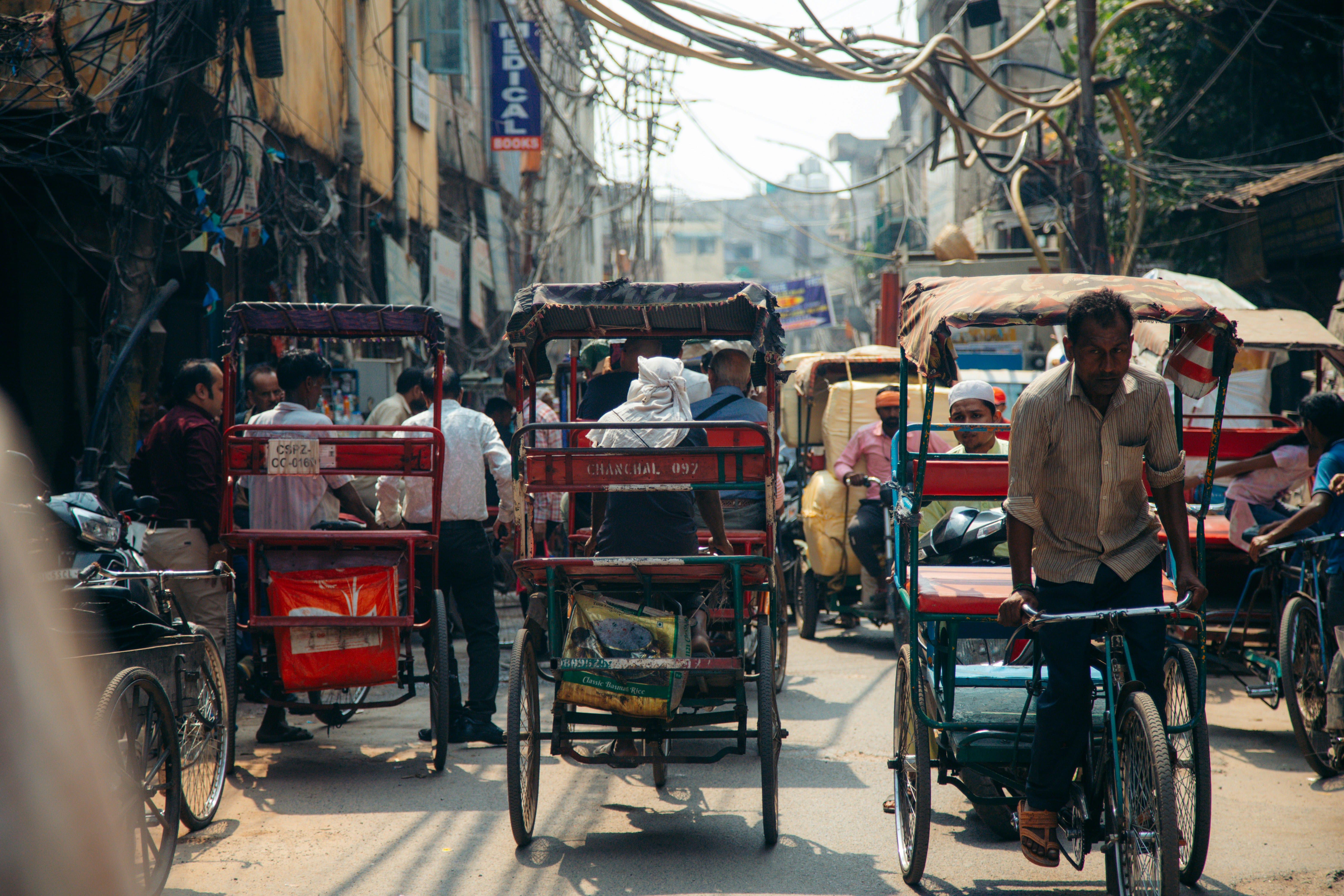
Photo by Patricia Palacín on Unsplash
Transportation: Navigating Your Journey
Traveling in India is an exciting adventure. You'll see vibrant sights and meet new people. The country has many ways to get around, from trains to local transport. Knowing how to use these will make your trip smoother.
Using India's Train System
The Indian train system is efficient and affordable for long trips. It connects cities and rural areas, showing off the country's culture. Booking early is key, especially when many people travel.
Trains have different classes for all budgets. This lets you choose what fits your needs.
Tips for Rickshaws and Taxis
For short trips, auto-rickshaws and taxis are great. Services like Ola and Uber are popular for safe rides. Always carry cash, as many prefer it over cards.
When taking a rickshaw, start bargaining low. This helps get a fair price. In crowded places, keep your things safe from pickpockets.
Learning these tips will make your trip better. You'll enjoy India's amazing sights and sounds more.
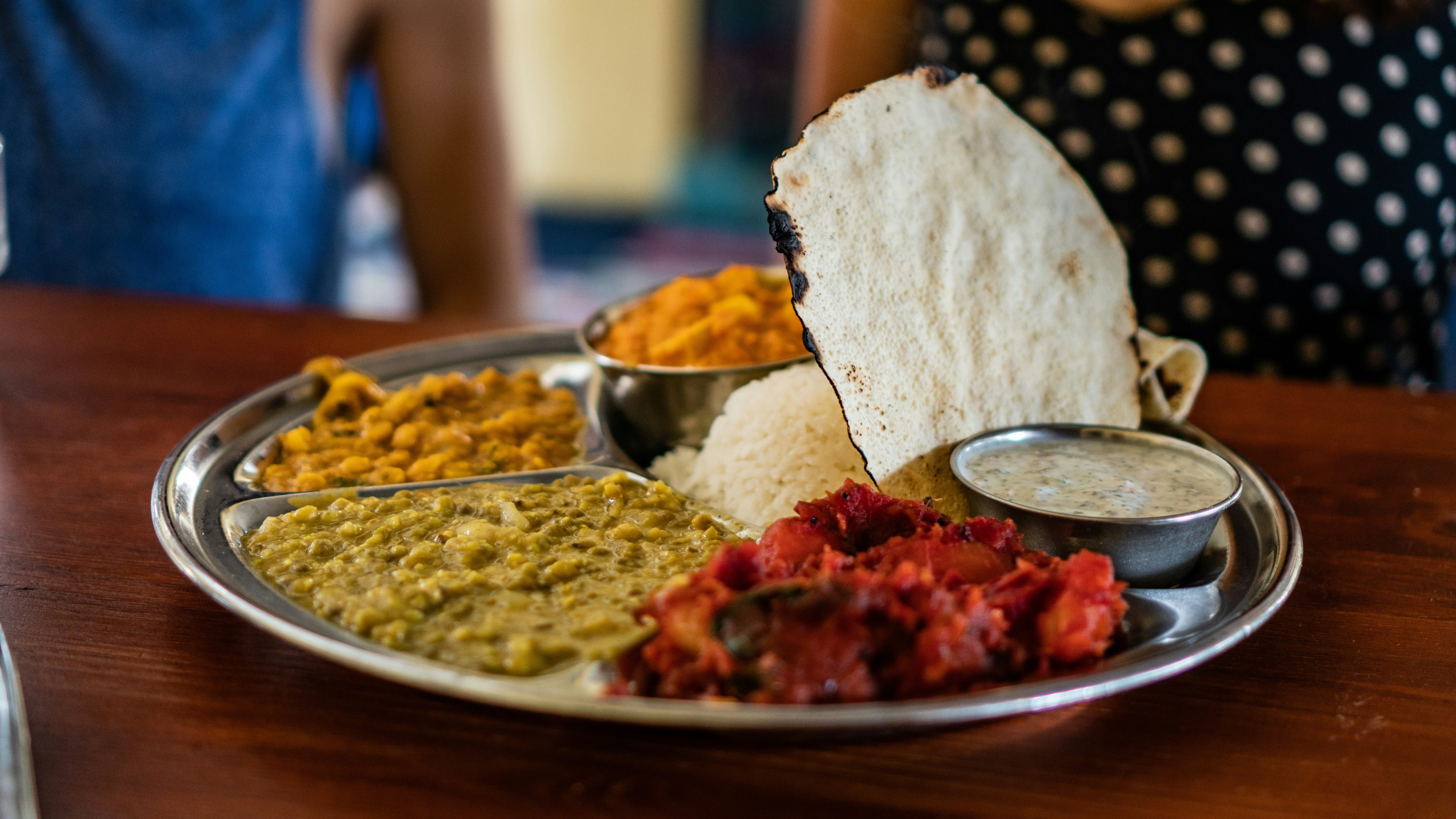
Photo by Lior Shapira on Unsplash
Food Safety and Culinary Adventures
Exploring India's rich culinary landscape is exciting. It's filled with diverse flavors and ingredients. But, it's important to keep food safety in mind for a great experience. Here are some tips on what to eat and what to avoid.
What to Eat and What to Avoid
Choosing your meals wisely is key to enjoying the best flavors and staying healthy. Here are some helpful tips:
Opt for freshly prepared dishes. Cooked-to-order meals tend to be safer and tastier.
Drink only bottled water to steer clear of potential stomach issues.
Be cautious with uncooked foods like salads or fruits that you cannot peel.
Participate in local culinary experiences where you can witness the preparation of your meal.
Indian cuisine is rich in nutrients, with lots of vegetables, legumes, and whole grains. Just remember to take the necessary precautions.
Trying Street Food Responsibly
No adventure in India is complete without trying street food. Here are some tips for enjoying street food safely:
Select vendors who have a bustling clientele, as this typically indicates quality and freshness.
Ensure that the food is cooked well in front of you to minimize health risks.
Stick to popular dishes that are commonly enjoyed, like chaat or dosa, which are often made with fresh ingredients.
Always check the hygiene of the vendor’s setup; cleanliness goes a long way in ensuring your safety.
Street food gives you a taste of India's vibrant culture. With the right precautions, you can enjoy these flavors without worrying about food safety.
Photo by Laurentiu Morariu on Unsplash
Tips on Traveling to India FAQs
Planning a trip to India can raise many questions. You might wonder about the essential do's and don'ts and the cost of traveling. Knowing these can make your trip better. Here are some answers to common questions that might help you.
Do and don'ts when traveling to India?
Knowing the dos and don'ts can make your trip enjoyable and avoid mistakes. Here are some tips:
Do carry cash for small transactions, as not every vendor accepts cards.
Don't take photographs of temples or local people without permission.
Do respect local customs and traditions. Knowing when to remove your shoes is crucial.
Don't discuss sensitive topics like politics or religion openly.
Do use public transport for an authentic experience and to save money.
Don't drink tap water; opt for bottled water instead.
Do purchase a Jetpac eSIM in advance for easy access to the internet.
Is India expensive to visit?
Many travelers find India to be surprisingly affordable. The daily budget for backpacking is $20 to $30, covering food and lodging. You can find budget guesthouses and street food for every budget.
With planning, you can explore places like the Taj Mahal or Goa's beaches without spending too much.
Stay Connected in India with Jetpac
Traveling to India is a thrilling adventure that mixes mystery, charm, and excitement.
This country, with its 38 UNESCO World Heritage Sites, will challenge and amaze you. It's a colorful world waiting to be explored.
When traveling to India, always stay open-minded. ‘
Getting a Jetpac India eSIM is wise for travelers in India. It gives you data access without SIM card swaps. Just buy and activate it for instant internet. Reliable internet is key for exploring cities, researching, or booking travel.
Remember, the key to a great trip is being flexible, prepared, and ready for surprises. So, get ready to explore this amazing country!