15 Best Places to Visit in Japan: Cities, Nature & Hidden Gems
Explore 15 best places to visit in Japan, from Tokyo and Kyoto to Mount Fuji and Okinawa, with travel tips, hidden gems, and how to stay connected with an eSIM.
This Japan travel guide covers 15 of the best places to visit, from major cities like Tokyo, Kyoto, and Osaka to scenic spots like Mount Fuji, Hakone, and Okinawa. It also includes hidden gems such as Kanazawa, Naoshima, and Takachiho Gorge, plus tips on when to visit and how to stay connected with a Japan eSIM. Whether you’re into temples, food, beaches, or mountain trails, this list helps you plan your trip around Japan’s most unique destinations.
Japan is one of the best and most popular countries to visit. It is home to a beautiful landscape that features modern cities, small fishing towns, mountains, and tropical islands. No matter which part of the country you visit, there is something that surprises visitors in every corner.
This guide lists the 15 best places to visit in Japan, covering major cities, natural landmarks, and a few Japan hidden gems that don’t always appear on typical itineraries. You’ll find details on when to go, how to avoid crowds, and how an eSIM Japan helps you stay connected along the way.
Whether you’re planning your first trip or returning to explore more, these are some of the best places to go in Japan to understand what makes the country unique.
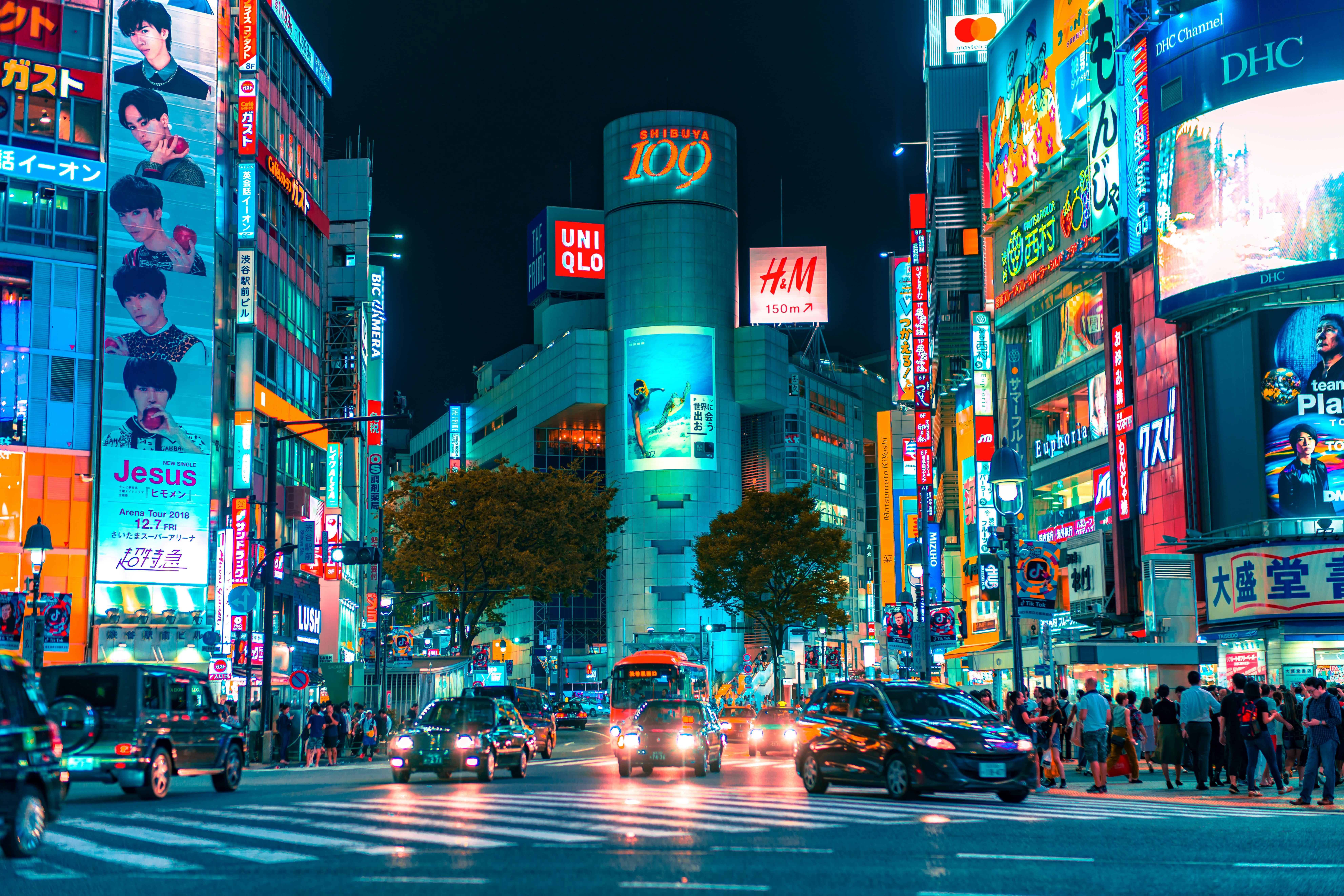
1. Tokyo – From neon Shibuya to peaceful Meiji Shrine
Tokyo is usually the first stop for most travelers and one of the best places to visit in Japan for a good reason. It’s modern and offers a plethora of attractions to its visitors. You can watch thousands of people cross Shibuya every minute, then walk to Meiji Shrine, a calm spot surrounded by trees.
For electronics and anime culture, Akihabara, Tokyo, is where you’ll find specialty shops and themed cafés. The other best places to see in Tokyo, Japan, include Asakusa’s Senso-ji Temple, the Skytree observation deck, Harajuku’s Takeshita Street, and Shinjuku Gyoen Park.
Tokyo can feel overwhelming, so plan neighborhoods by day. You’ll save time and energy, and having an eSIM for Japan lets you use maps and translations without relying on Wi-Fi.
2. Kyoto – Temples, tea houses, and timeless charm
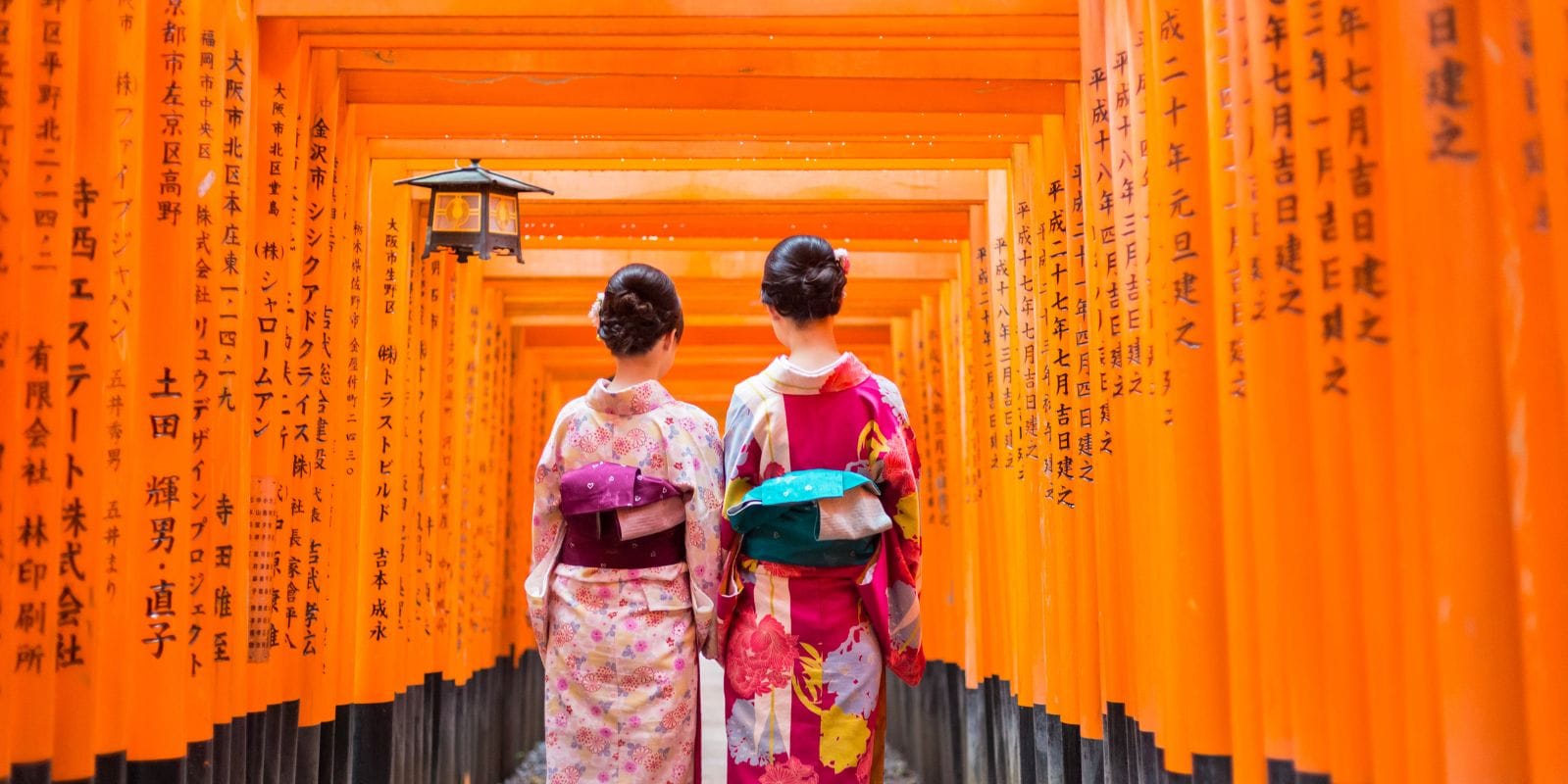
Kyoto has more than a thousand temples and shrines, and many are easy to reach by bus or subway. The Golden Pavilion (Kinkaku-ji) and the red gates of Fushimi Inari Shrine are the most visited. Arashiyama’s bamboo grove and the wooden houses in Gion are also well worth seeing.
If you visit in spring, Kyoto is one of the best places to see cherry blossoms in Japan. Parks and riverbanks fill with people picnicking under pink trees. Despite being a major city, Kyoto offers a peaceful escape to its tourists. It’s a good place to rest between sightseeing days and see a more traditional side of Japan.
3. Osaka – Street food paradise and castle views
Osaka is known for its food. Locals take pride in eating well, and most dishes come from small stands and casual restaurants. Try takoyaki (octopus balls) or okonomiyaki (savory pancakes) in Dotonbori, where the canal is lighted up at night, offering a surreal view.
The historic Osaka Castle is also one of the best places to visit in Japan. It’s surrounded by a park that’s popular for cherry blossoms and summer festivals. Osaka is a good base for day trips to Nara, Kobe, or Kyoto, due to its quick train links.
4. Hiroshima & Miyajima – Peace Park and floating torii magic
Hiroshima is remembered for its past, but today it is a friendly, modern city. The Peace Memorial Park and Museum are important sites that explain what happened in 1945 and how the city rebuilt afterward.
A short ferry ride away, Miyajima Island is home to Itsukushima Shrine and its red torii gate that stands in the water at high tide. You can visit both sites in one day. They’re among the best places to go in Japan if you want to understand both history and culture in one region.
5. Yokohama or Nagoya – Easy day trips from Tokyo with a local vibe
Yokohama is about 30 minutes south of Tokyo and makes an easy day trip. The city’s waterfront, Chinatown, and Cup Noodles Museum are popular attractions to visit.
Nagoya sits between Tokyo and Kyoto and is known for its food, like miso katsu and hitsumabushi (grilled eel over rice). It also has a good collection of science and art museums. Both cities show everyday Japanese life away from heavy tourism and count among Japan best places to see.
Nature Icons & Scenic Classics
6. Mount Fuji & Lake Kawaguchiko – Japan’s iconic silhouette
Mount Fuji is Japan’s tallest peak and the country’s most photographed landmark. The area around Lake Kawaguchiko gives one of the clearest views of the mountain. You can walk or cycle around the lake, visit small museums, or take a ropeway up nearby hills for higher viewpoints.
For those interested in climbing, the official Mount Fuji season runs from early July to early September. Even if you’re not climbing, this region is one of the best places to visit in Japan for nature photography and fresh air.
The view of Japan Mount Fuji reflected in the lake is especially popular in early spring when cherry blossoms bloom along the shore. This is indeed the best place to see cherry blossoms in Japan.
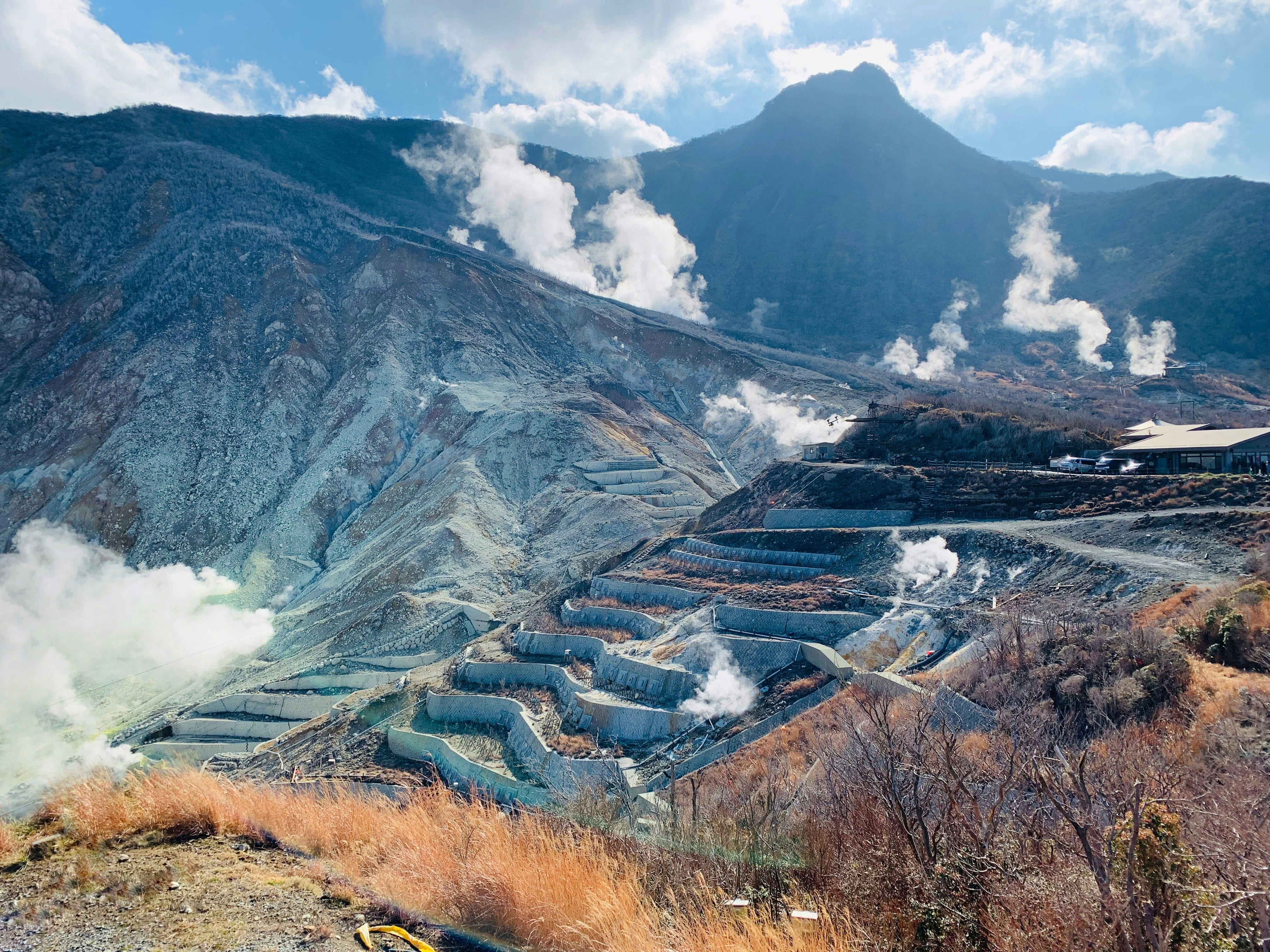
7. Hakone – Hot springs and Fuji views by ropeway
Hakone is close to Tokyo and makes a good one- or two-day trip. It’s part of the Fuji-Hakone-Izu National Park and is known for onsen (hot springs), museums, and cable cars that run over volcanic valleys.
Lake Ashi is one of the best attractions to visit, with sightseeing boats crossing the water and views of Mount Fuji on clear days. Hakone’s breathtaking nature makes it one of the best places in Japan for travelers who want nature without going too far from the capital.
8. Kamikochi – The Alps of Japan for hikers and photographers
Kamikochi is in Nagano Prefecture, surrounded by the Japanese Alps. It’s a popular hiking destination with rivers, wooden bridges, and mountain views. The most common route runs between Kappabashi Bridge and Myojin Pond and takes around two hours on foot.
The park opens from mid-April to mid-November and closes during winter due to snow. Kamikochi is easy to reach by bus from Matsumoto or Takayama and remains one of the Japan best places to see for people who like mountain landscapes.
9. Oirase Gorge (Aomori) – Fall colors and waterfalls galore
Oirase Gorge in Aomori Prefecture is known for its clear stream and walking trail that follows it for about 14 kilometers. The path connects Lake Towada and Yakeyama and passes several small waterfalls along the way.
Autumn brings bright colors, making it one of the best places to visit in Japan for seasonal scenery. The area is quiet and well-maintained, with buses running between the main trail points for those who don’t want to walk the full distance.
10. Okinawa Islands – Turquoise beaches and coral reefs
Okinawa is Japan’s southern island chain. The weather remains mild year-round, and the islands are known for coral reefs, diving spots, and a local culture distinct from mainland Japan.
The main island is easy to explore by car, with beaches and historic castles spread along the coast. The smaller islands, like Ishigaki and Miyako, are great for snorkeling and slower travel. Okinawa is one of the best places to visit in Japan for travelers who want beaches and sea life.
Hidden Gems Worth the Journey
11. Kanazawa – Traditional gardens and samurai districts
Kanazawa is a smaller city on the Sea of Japan side. It’s home to Kenrokuen Garden, one of Japan’s three great gardens, and several preserved districts from the Edo period.
The samurai and geisha areas still have wooden buildings, narrow lanes, and small museums. Kanazawa’s gold leaf craft and seafood markets are also well known. For travelers who want culture with fewer crowds, it’s one of Japan hidden gems worth adding to an itinerary.
12. Kōya-san – Sacred temple stays under the cedar trees
Kōya-san is a religious town in Wakayama Prefecture and one of the main centers of Buddhism in Japan. Visitors can stay overnight at temple lodgings, eat traditional vegetarian meals, and take part in morning prayers.
Okunoin Cemetery, one of Japan’s largest, is located here and contains the mausoleum of Kobo Daishi, the founder of Shingon Buddhism. Kōya-san is a peaceful town, making it one of the best places to go in Japan for travelers interested in culture and history.
13. Tsumago & Magome – Edo-period nostalgia
Tsumago and Magome are two post towns on the old Nakasendō Trail that once connected Kyoto and Tokyo. A walking path between them takes about three hours and passes small farms, forests, and stone paths.
Both towns limit modern signs and power lines, preserving their old atmosphere. They are among Japan hidden gems where you can see how people once traveled across the country.
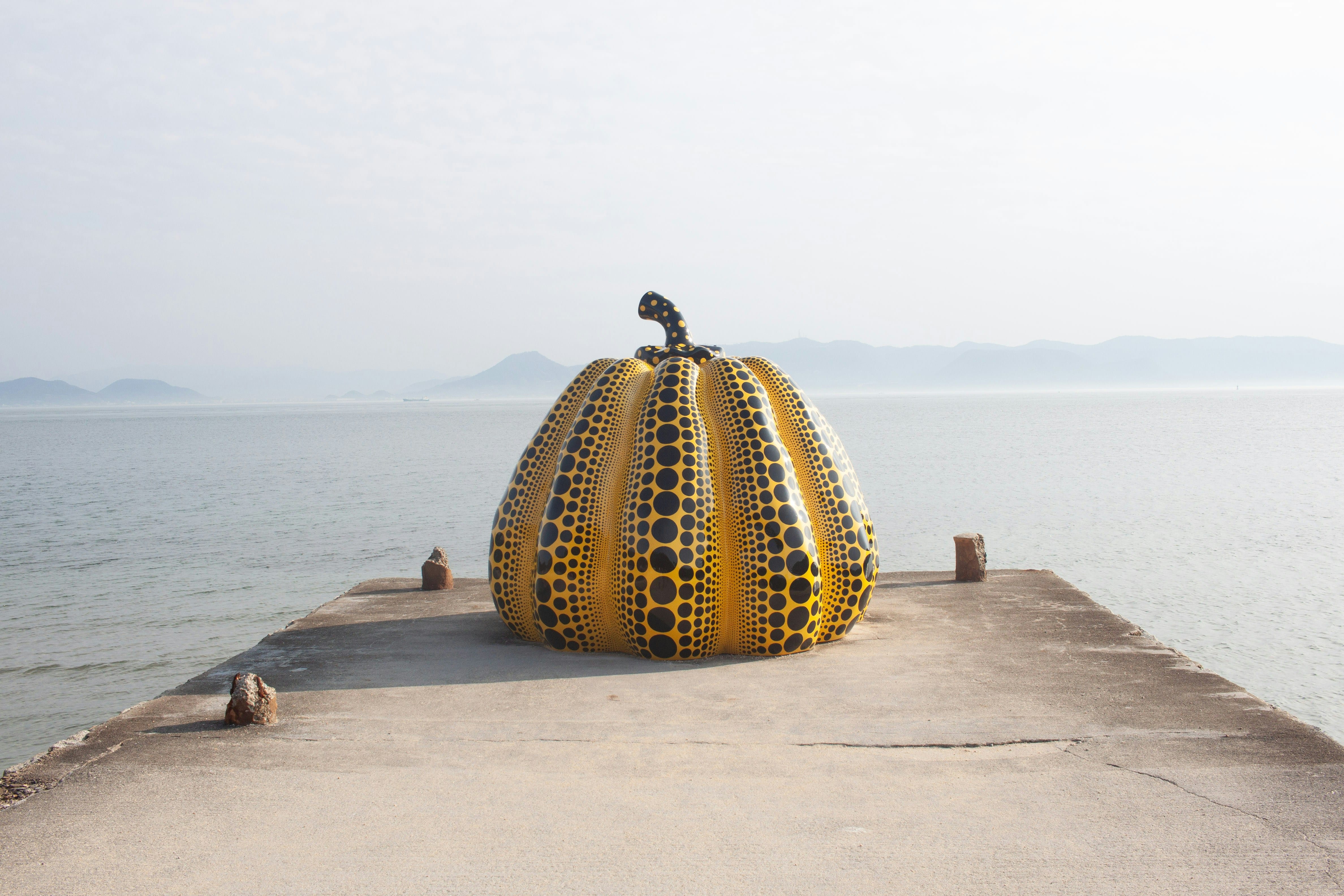
14. Naoshima – Japan’s artistic island escape
Naoshima is a small island in the Seto Inland Sea dedicated to modern art. It has several museums, outdoor sculptures, and architecture by Tadao Ando.
You can explore the island by bicycle or local bus in one day. The art and quiet scenery make Naoshima one of the best places to visit in Japan for travelers who enjoy design and contemporary culture.
15. Takachiho Gorge (Kyushu) – A mythic canyon of legends
Takachiho Gorge is in Miyazaki Prefecture on Kyushu Island. The river goes through tall rock walls, and small boats can be rented to explore the area from the water.
Walking paths above the gorge offer clear views of the waterfalls below. It’s a striking natural site and one of Japan hidden gems in southern Japan.
When to Go and How to Avoid Crowds
Japan’s climate changes noticeably from north to south. So the best time to visit Japan depends on what you want to do. The country has four distinct seasons, each bringing different scenery and activities.
Spring (March–April)
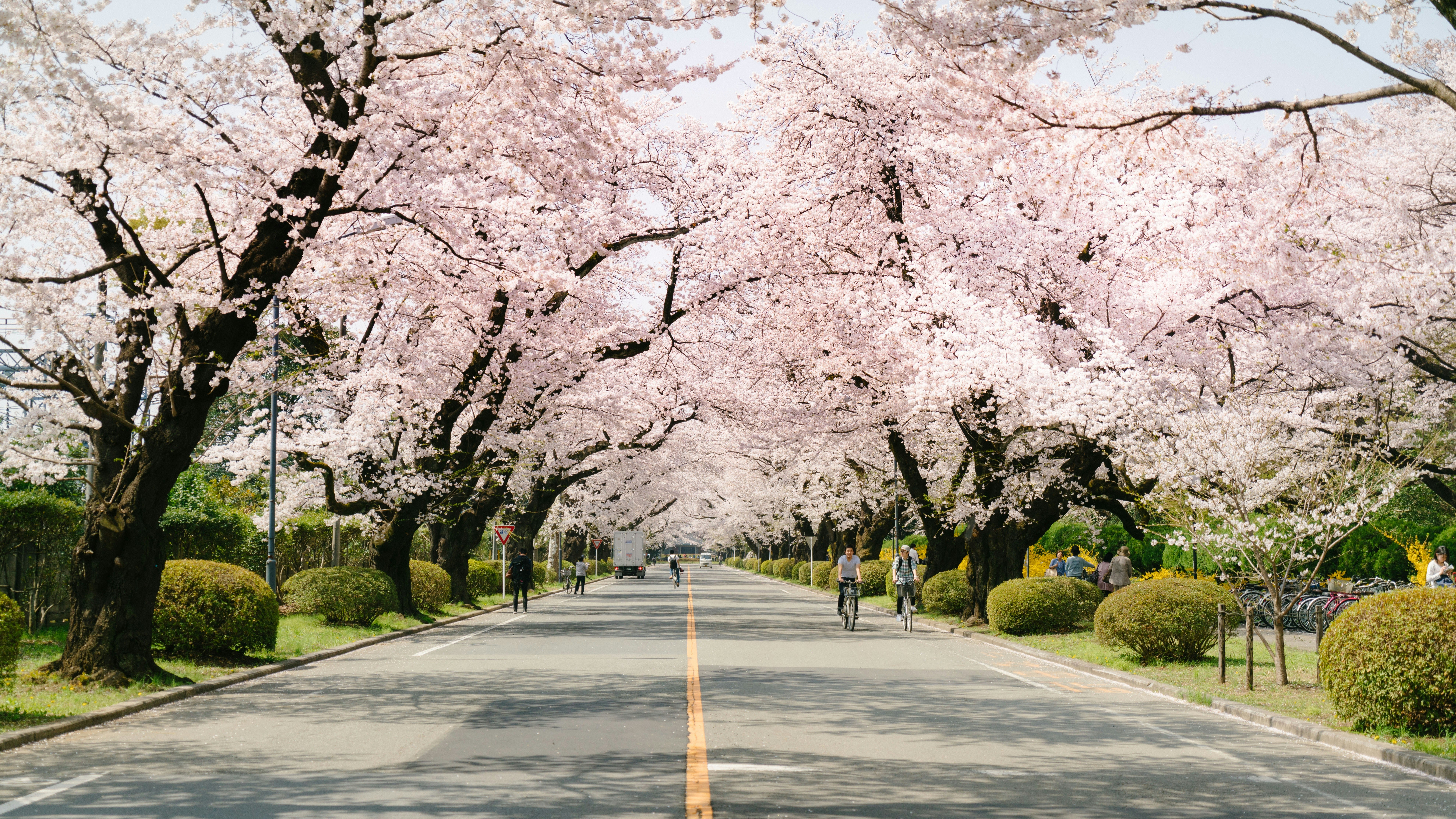
This is one of the busiest and most photographed times of the year. Temperatures are mild, and cities across the country host cherry blossom festivals. The best place to see cherry blossoms in Japan include Tokyo, Kyoto, and the lakes around Mount Fuji. Hotels and trains are booked up, so make sure you book in advance.
Summer (June–August)
Days are long and humid during these months, especially in the cities, but it’s a good time for outdoor travel. Mountain areas like Kamikochi and the Japanese Alps offer cooler weather and hiking trails, while coastal regions such as Okinawa have beach activities and festivals. Summer is also the main season for climbing Mount Fuji, making it one of the best places to go in Japan for active travelers.
Autumn (October–November)
Autumn is comfortable and less humid, with clear skies and colorful foliage. It’s one of the easiest seasons for travel because temperatures stay moderate across most regions. Popular spots for fall colors include Kanazawa, Oirase Gorge, and Takachiho. Autumn food festivals and harvest events also take place in many towns during this season.
Winter (December–February)
Winter brings snow to much of northern and central Japan. Ski resorts in Nagano and Hokkaido open in late December and stay busy through February. For those who prefer a slower pace, they can visit hot spring towns like Hakone and Kusatsu. The clear air also provides better views of Japan Mount Fuji and other mountain landscapes.
To avoid large crowds, skip Golden Week (late April to early May) when nearly all of Japan travels at once. Early mornings are the best time for sightseeing at major landmarks, especially in Kyoto and Tokyo, before the crowds start to arrive.
Travel Smart: Explore Japan’s Hidden Gems with Jetpac eSIM
Getting reliable mobile data in Japan saves a lot of time. An eSIM Japan lets you connect to the network as soon as your plane lands, no SIM cards, no waiting in line at airport kiosks. You scan a QR code, install the plan, and you’re ready to go.
The best eSIM for Japan should have full coverage in major cities and a stable signal in rural areas. This helps you stay connected when you’re traveling beyond Tokyo or Osaka, especially in places like Kamikochi or Takachiho, where reception can drop on certain networks.
Jetpac eSIM Japan works across Japan with strong 4G and 5G coverage. It can be set up before departure and recharged online if you need more data. Plans vary by length and usage, making it easy to pick one that fits short vacations or longer stays.
With a Japan eSIM, you can check train times, use Google Maps, translate menus, and message hotels instantly. It’s especially helpful when visiting Japan hidden gems, where free Wi-Fi is often limited.
FAQs
What is the prettiest place to visit in Japan?
Many travelers cite the view of Mount Fuji and Lake Kawaguchiko as among the most iconic and beautiful. Others find Kyoto’s temple gardens or the autumn colors in Oirase Gorge just as stunning. The prettiest place literally depends on what interests you, whether it’s nature, history, or bustling city life.
Is $5,000 enough for a week in Japan?
Yes, this cost is enough for a week’s trip in Japan. With sensible choices, you could easily spend far less. But USD $5,000 gives you plenty of flexibility for comfortable hotels, dining out, intra-Japan travel, and experiences.
Is Kyoto or Tokyo better?
It depends on what you want. Tokyo offers vibrant, major vibes. Kyoto offers historical charm, a slower pace, temples, and cultural immersion. You can go to either, depending on what you want to see, or visit both on one trip.
Where should I go for the first time in Japan?
If it’s your first trip, a classic route might be Tokyo to Hakone (or Mount Fuji region) and then to Kyoto, and to Osaka. That covers major cities, nature, heritage, and food. If you have more time, add a hidden gem like Kanazawa or Takachiho.
What are the top three most scenic places in Japan?
Mount Fuji and Lake Kawaguchiko, Kamikochi, and Oirase Gorge are often listed as the most scenic places in Japan.
What’s the cheapest month to visit Japan?
Typically, the shoulder seasons (late autumn after peak foliage or early winter before Christmas) offer better rates and fewer crowds. Avoid the busiest weeks (cherry blossom surge in spring, Golden Week in spring) for better value.
Japan is easy to travel around, and every region offers something for tourists. It’s also full of some fun facts that surprise visitors: vending machines appear on almost every street, trains run with minute-level precision, and more than 14,000 islands make up the country.
No matter where you go, good planning, an active best eSIM for Japan like Jetpac, and a flexible schedule make travel smoother and more enjoyable.