
15 Essential Travel Tips for First-Time Travelers
Get the best travel tips for beginners! From packing smart to staying safe abroad, here's everything first-time travelers need to know.
Get the best travel tips for beginners! From packing smart to staying safe abroad, here's everything first-time travelers need to know.
Planning your first big international trip? That mix of excitement and mild panic you're feeling is completely normal. Between wondering if you'll pack the right things, figuring out how to navigate foreign airports, and worrying about whether you'll accidentally offend someone by wearing the wrong shoes to a temple, first-time travel planning can feel overwhelming.
Yes, you'll probably make a few rookie mistakes (we all did), but that's part of the adventure. The key is knowing which preparation actually matters and which worries you can let go of. Because while every trip teaches you something new, there's no reason to learn everything the hard way.
Before You Go
1. Check passport validity and visa requirements early
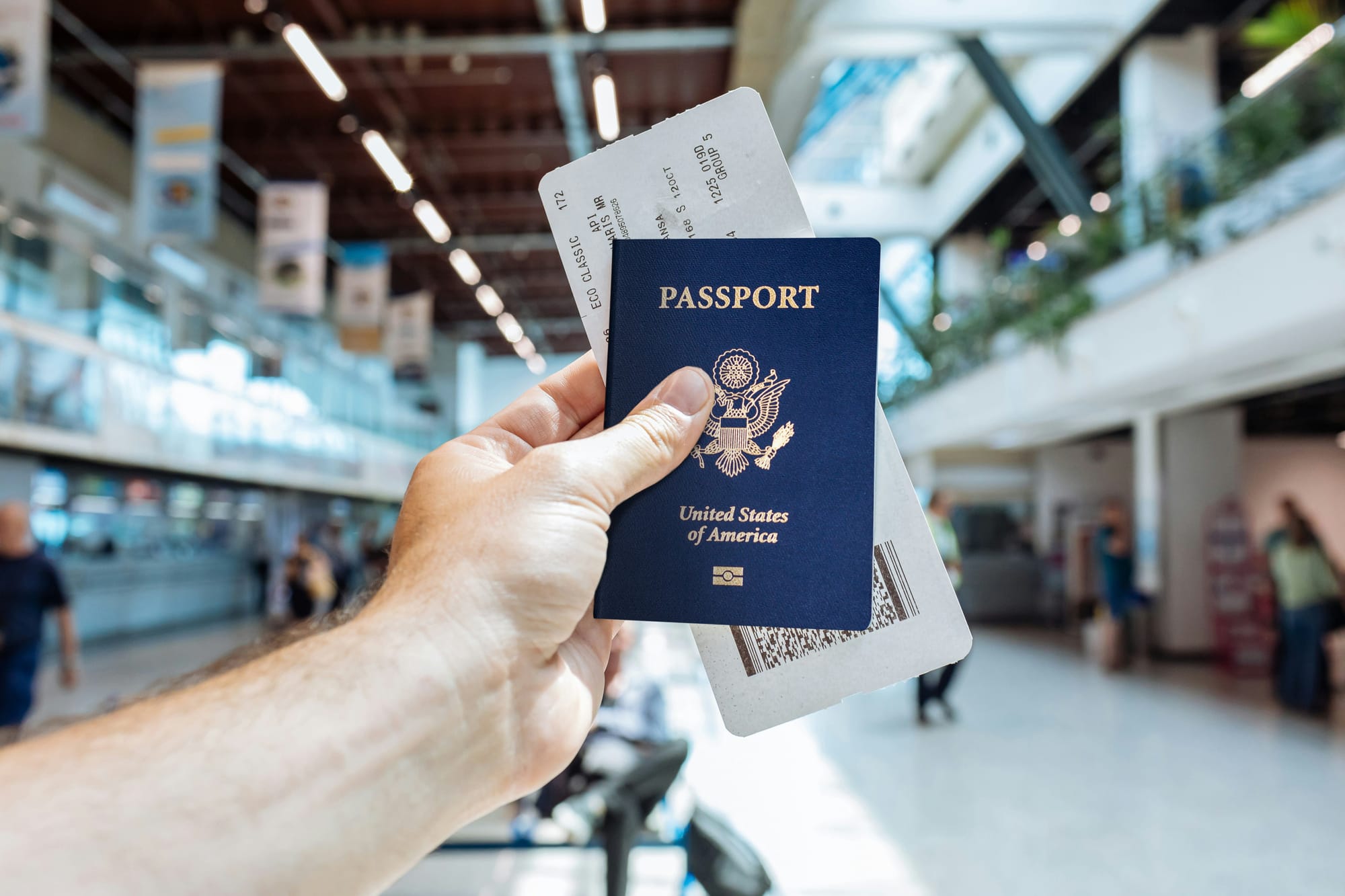
Many countries require your passport to be valid for at least 6 months beyond your travel dates. Renewing or applying for a passport can also take some time, so definitely try and plan at least a few months before your departure.
If you're required to apply for a visa or electronic travel authorization, apply as much as you can in advance. Processing times can take weeks or even months for some destinations, and you might be required to submit documents such as bank statements and a letter of employment, which may take some time to request.
2. Notify your bank and credit card companies that you're going abroad
Tell them your travel dates and destinations to prevent your cards from being frozen for "suspicious" international activity. Some banks also offer the option to turn on international purchases via a mobile app. Upon landing, it's worth trying to buy something small to see if your cards work, or to use the contactless option.
You can also set up Apple Pay before you leave for a seamless experience. Do note that there might be daily limits to how much you can spend, and that you might be prompted to use your card.
3. Make and keep copies of important documents
Photocopy your passport, travel insurance, emergency contacts, and itinerary. Store copies separately from originals and email them to yourself for easy access if something important is lost or stolen. It'd make filing a police report or getting an emergency replacement easier as well.
Packing Smart
4. Pack light and bring versatile clothing
Let's be real, you're probably overpacking. Aim to pack only what you can comfortably carry, especially if you'll be lugging your suitcase through busy or cobblestone streets. Choose mix-and-match pieces and layers rather than bulky items, and clothes that you can reuse for different occasions. You can always buy things you need abroad, but you can't easily get rid of overpacked items.
5. Always pack essentials in your carry-on
Include a change of clothes, medications, important documents, phone charger, and basic toiletries in case your checked luggage is delayed or lost. You can bring travel-sized toiletries (normally up to 100ml) with you through most security checkpoints. There's a common saying that you should never bring what you can't afford to lose in your checked luggage, and that's for good reason!
6. Bring a universal adapter and portable charger
These are absolute essentials that can be expensive or hard to find in some destinations. Consider looking up your destination's plug type in case you might need to get a specialized one, though most universal adapters offer coverage for most regions.
You can also bring a portable charger (or a powerbank) as most airlines permit them, as long as they stay below a certain power range. Each airlines differ in whether you can carry them as part of your carry-on or checked luggage, so make sure you check before you pack. You can opt for something as small as 3,000W (which is enough for almost one full charge) to 20,000W (which can charge your phone several times over).
Money Management
7. Use ATMs for the best exchange rates
ATMs typically offer better rates than currency exchange counters or airports. Just check with your bank about international ATM fees and daily withdrawal limits beforehand. Do note that some ATMs don't accept certain cards or providers, so make sure you're able to find a suitable foreign ATM nearby.
8. Always choose to pay in local currency
When using cards abroad, decline dynamic currency conversion and always pay in the local currency. Your bank's exchange rate is almost always better than what merchants offer.
9. Carry multiple payment methods
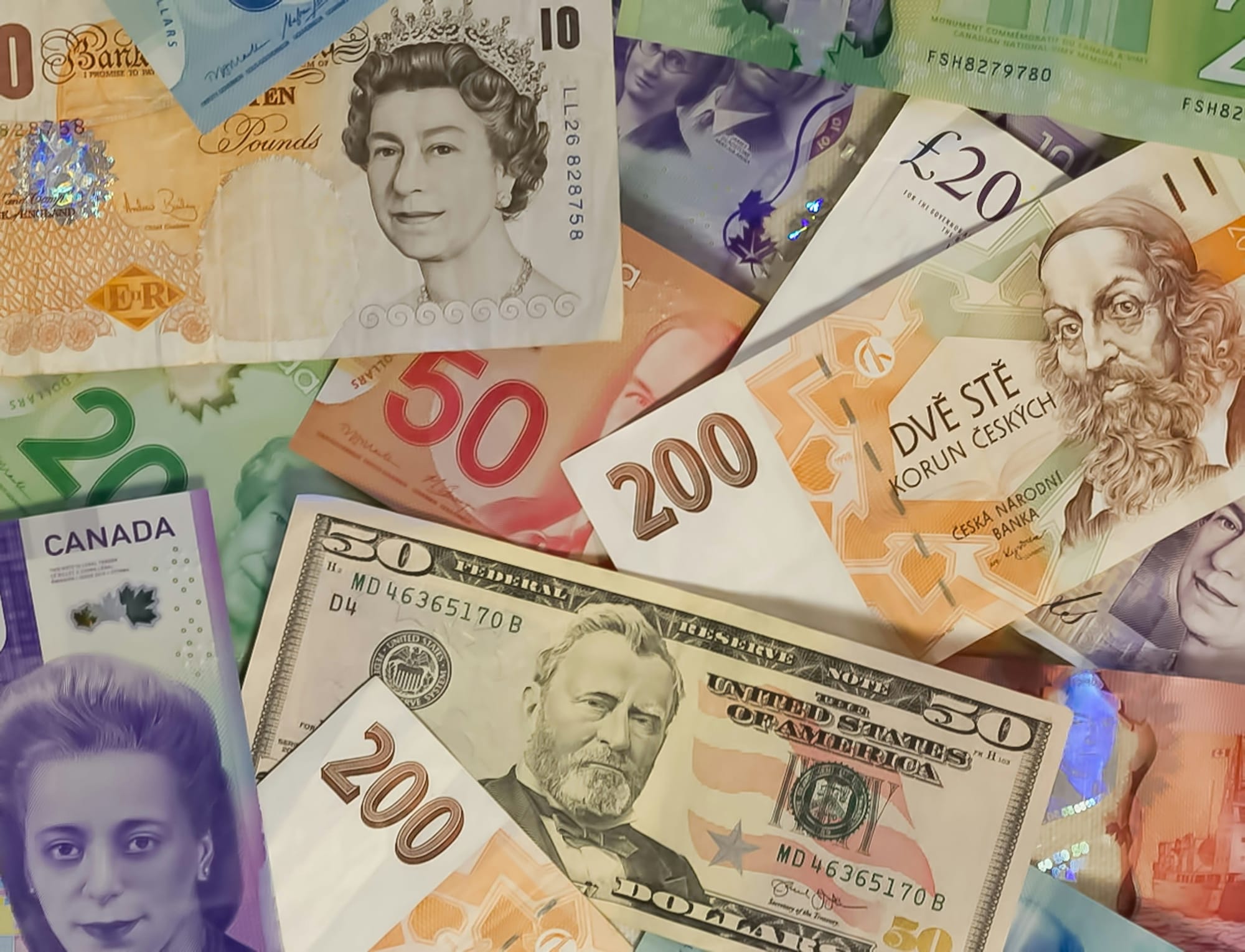
Bring at least two different credit/debit cards, some local cash, and a small emergency stash of widely accepted currency like USD or Euros. Keep them in different locations, like the inside of your suitcase or even an "invisible" fanny or money pack that goes under your shirt.

Staying Safe & Connected
10. Research common scams in your destination
Tourist-targeted scams are surprisingly similar worldwide. Spend 10 minutes reading about common ones in your destination—knowledge is your best defense. Most articles about travel safety also contain information on where these scams are most common, so you can gear up beforehand.
11. Get travel insurance
It might seem unnecessary until you need it. Look for coverage that includes medical emergencies, trip cancellation, and lost luggage. You can opt for a single-use policy that covers your entire trip, as that can save you money. If you're doing adventure activities, make sure they're covered too.
12. Plan your connectivity before you arrive
Research your options for staying connected, as it's easier to set up afterwards. Instead of pocket WiFi, you can also opt for a Jetpac eSIM, which offers coverage to 200+ destinations and more, with 5G speeds available in 50+ countries. If you're keen on staying off the grid, download offline maps and essential apps before you leave.

Making the Most of Your Trip
13. Balance planning with spontaneity
Book must-see attractions and your accommodation in advance, but leave room for unexpected discoveries. If you're a traveler who needs breaks during the day instead of going full steam ahead from morning to evening, take them into account. Over-scheduling turns vacations into stressful checklists.
14. Learn basic phrases in the local language
Even just "hello," "thank you," "excuse me," and "how much?" will be appreciated by locals and can lead to warmer interactions and better experiences. Even if you start by asking "Do you speak English?" in the respective local language, it'd be immensely helpful and respectful to locals who live there.
15. Embrace the unexpected and say yes to new experiences
Things will go wrong—missed trains, closed attractions, language mix-ups. These moments often become the best stories later. Stay flexible and open to opportunities that feel safe and exciting.
Frequently Asked Questions About First-Time International Travel
How much money should I budget for my first international trip?
Budget varies hugely by destination and travel style. As a rough guide, budget backpackers might spend $30-50/day in Southeast Asia, while mid-range travelers in Europe might need $100-150/day. Research accommodation, food, and activity costs for your specific destination and add a 20% buffer for unexpected expenses.
Do I need to speak the local language to travel?
Not at all! English is widely spoken in tourist areas worldwide. Learning basic phrases helps and shows respect, but pointing, gesturing, and translation apps can get you surprisingly far. Many travelers navigate countries where they don't speak a word of the language.
Is it safe to travel alone for the first time?
Solo travel can be incredibly rewarding and is generally safe with proper precautions and common sense. Start with traveler-friendly destinations, stay in well-reviewed accommodations, keep someone informed of your plans, and trust your instincts. Many destinations have strong solo traveler communities, so it might be worth joining a Reddit or Facebook group to meet fellow travelers. You can also get a Jetpac eSIM so you can continually keep your loved ones in the loop about your travels.
What's the best way to exchange money?
ATMs typically offer the best exchange rates, followed by banks and official exchange counters. Avoid airport exchanges and unofficial street exchangers, as there might be a significant markup. Notify your bank before traveling and consider getting a small amount of local currency before you leave for immediate expenses.
How far in advance should I book flights and accommodations?
For flights, booking 6-8 weeks in advance often offers good deals, though this varies by destination and season. Book accommodations for at least your first few nights before arriving.
You can book the rest as you go for flexibility, especially in backpacker-friendly destinations. However, some visa applications, such as for the Schengen region, require you to book accommodation in full before you apply.
What if I get sick or have an emergency abroad?
Travel insurance is crucial for this reason. Contact your insurance provider first, then seek medical attention. Your embassy can help with serious emergencies. Keep emergency contacts and insurance information easily accessible, and know how to contact local emergency services. In case you're offline, Jetpac has emergency numbers easily accessible within the app.

Level Up Your Trip with Jetpac eSIM
One thing that can make your first international adventure significantly smoother? Staying connected from the moment you land. Instead of scrambling to find WiFi or dealing with expensive roaming charges, consider getting a Jetpac eSIM before you go. With reliable data access, you can navigate with confidence, translate menus on the spot, message your loved ones back home, and access all those essential travel apps without hunting for WiFi hotspots. So go grab yours now!