5 Reasons to Visit Japan in 2025
Planning a trip to Japan? Check out our top reasons to visit Japan, visa requirements, and travel tips for 2025.
Planning a trip to Japan? Check out our top reasons to visit Japan, visa requirements, and travel tips for 2025.
Did you know Japan was crowned the "world's favorite travel destination" in 2024 by the Readers' Choice Awards? It’s no surprise—this mesmerizing destination blends ancient temples with neon-lit skyscrapers, creating a harmony of past and future.
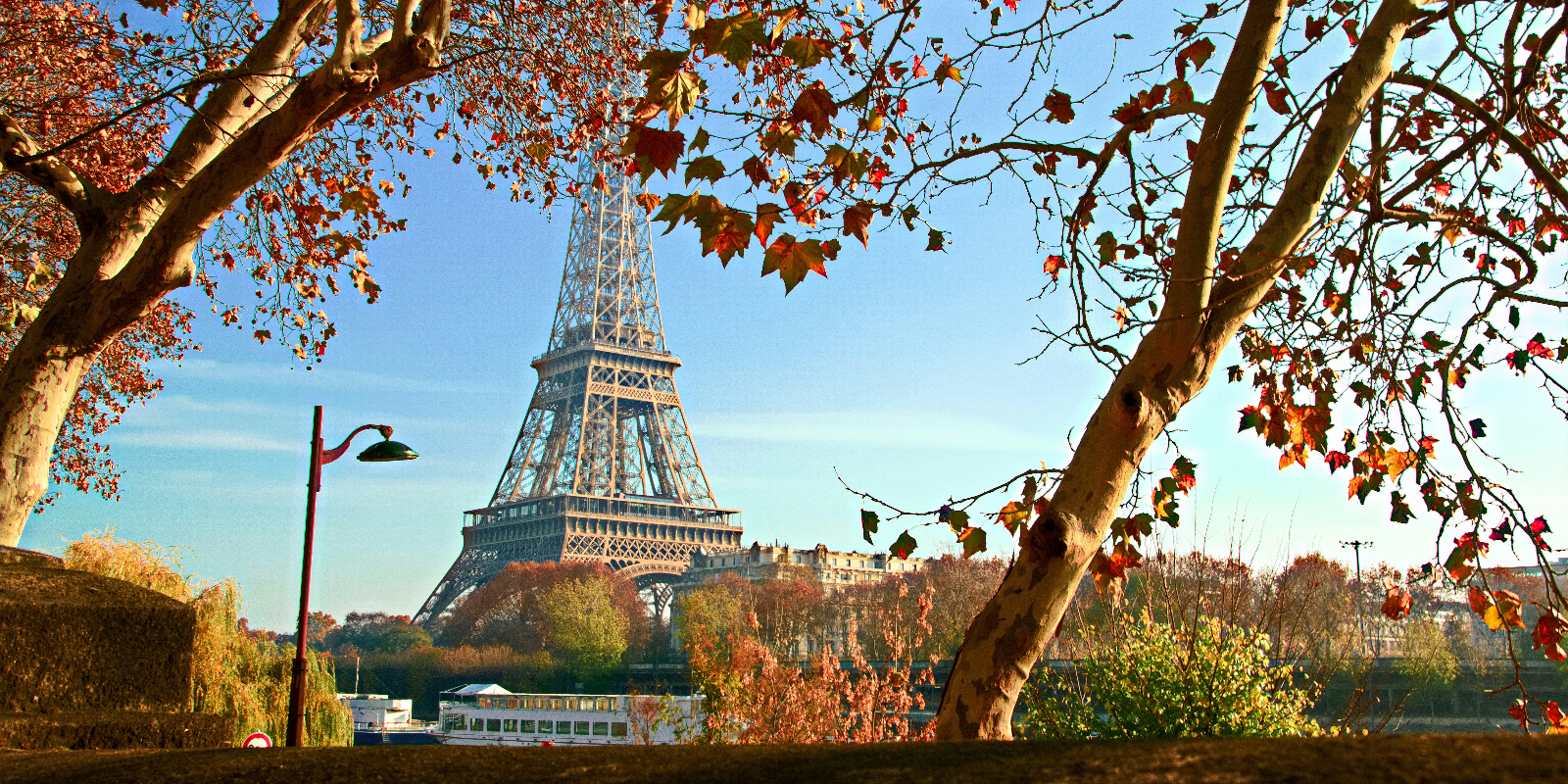
Every season paints the country in new colors. Cherry blossoms in spring, fiery autumn leaves, and snow-draped landscapes in winter make it a year-round spectacle. Even the food changes with the seasons, offering fresh flavors wherever you go.
With post-pandemic travel booming, now’s the perfect time to explore. Entry rules have relaxed, making it easier than ever to dive into Japan’s rich culture.
And don’t worry—we’ll cover visas and logistics too, so you’re fully prepared.
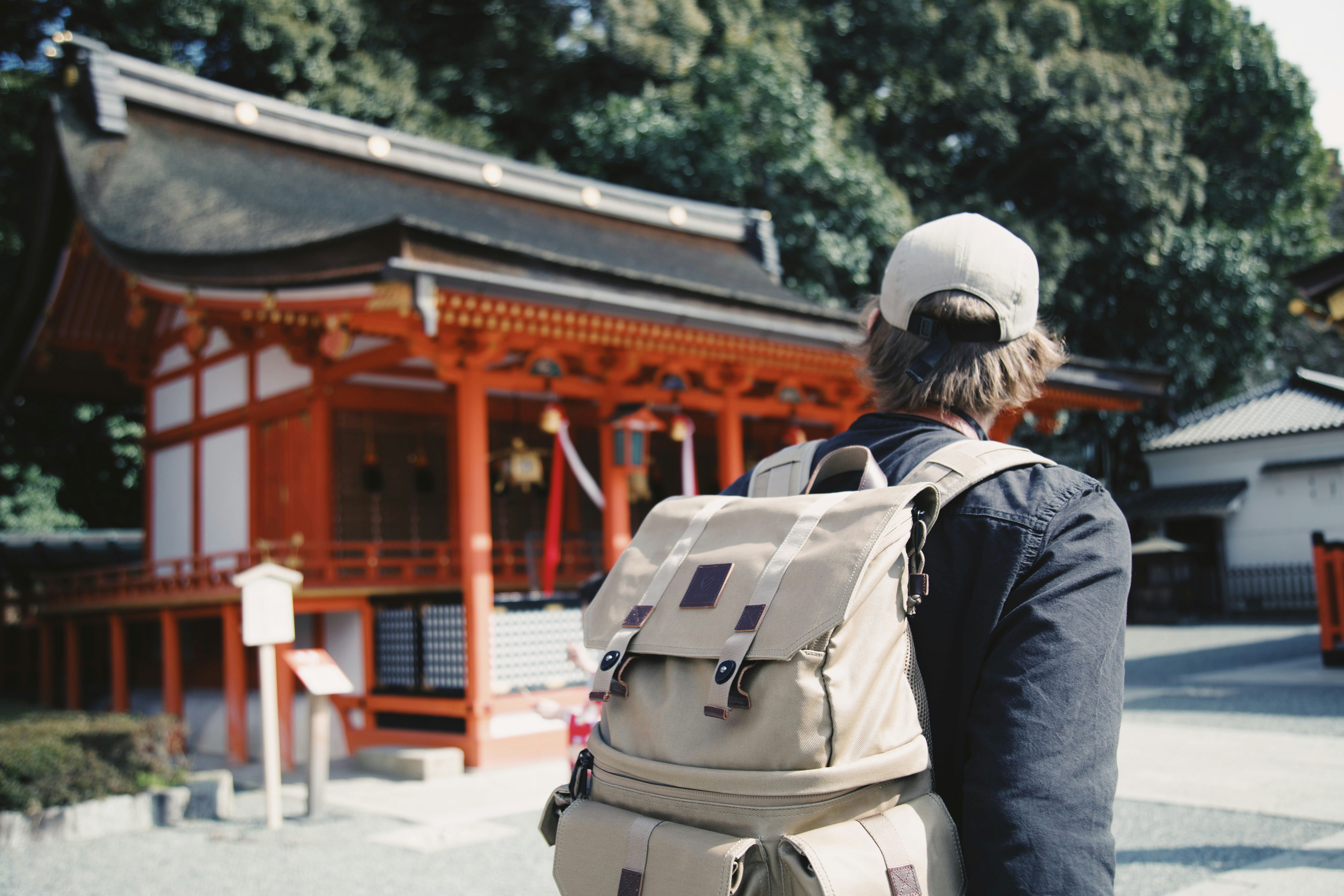
Photo by bobby hendry on Unsplash
What You Need to Visit Japan in 2025
Getting to Japan in 2025 is easier than you think—if you know the rules. With relaxed entry policies and digital upgrades, the country welcomes visitors smoother than ever. Just don’t forget these essentials.
Visa Requirements
72 countries are on the visa-exempt list, but whether you can breeze through immigration with no paperwork needed still depends on your nationality. If you don’t have to prepare anything, though, just bring your passport with at least six months’ validity.
For longer trips, Japan’s new eVisa system cuts embassy lines. Apply online with a digital photo and payment. Approval emails arrive in 3–5 days.
Travel Tips for a Smooth Trip
Ditch paper tickets: Load a Suica or Pasmo IC card onto your iPhone Wallet. Trains, vending machines, and even lockers now support tap-and-go. For navigation, Japan Travel by NAVITIME outperforms Google Maps with real-time train data and station exit guidance.
Stay connected with a pocket Wi-Fi (great for groups) or a reliable eSIM like Jetpac if you’re flying solo or want fewer cables and devices to manage.
Jetpac’s Japan eSIM now includes dual network access, so if one provider drops, your connection doesn’t. Even better, if you choose plans that are 3 GB and above, you’ll still get WhatsApp messaging and Google Maps navigation access even after your data runs out—no more panicking when you're lost in Shibuya or trying to text your Airbnb host.
Skip tipping: It’s a faux pas in Japan. Instead, a genuine “arigato” is always appreciated.
eVisa hack: Use a well-lit, white wall for your passport photo—selfies often get rejected.
JR Pass math: It only pays off now if you’re taking ~7+ Shinkansen rides.
Cash isn’t dead: Many rural onsens, family-run ryokan, and outdoor markets still prefer yen, so keep a little on hand.
Now let’s dive into our top 5 reasons to visit Japan!
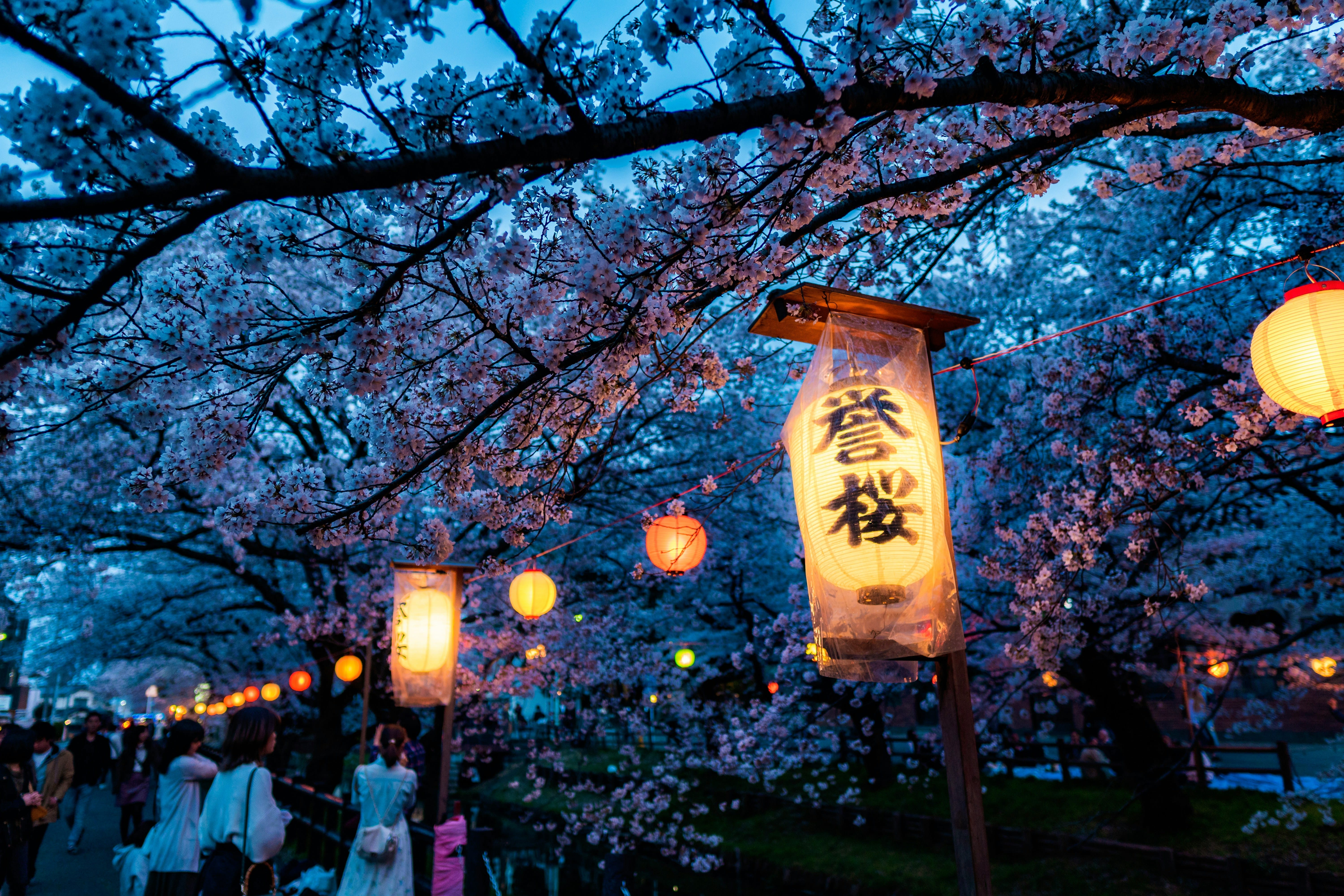
Photo by Zhaoli JIN on Unsplash
1. Dive into a Culture That Blends History, Tradition, and Futurism
Few places on earth balance ancient rituals with cutting-edge innovation quite like Japan. One moment you're bowing at a 1,300-year-old temple, the next you're dodging robot waiters in a neon-lit alley. This cultural whiplash isn’t just exciting—it’s unforgettable.
Lose Yourself in Tokyo’s Organized Chaos
Tokyo doesn’t just buzz—it orchestrates chaos like a symphony. Here, robot cafes share streets with 17th-century shrines, and every alley hides a story.
Shibuya Crossing: Where Crowds Become Art
At Shibuya Crossing, 3,000+ people surge like tides with every light cycle. It’s the world’s busiest intersection, yet somehow, no one collides.
For the best view:
Free option: The Starbucks above Tsutaya—arrive early or fight for window seats.
Paid upgrade: Magnet by Shibuya109’s rooftop (¥1,500) offers sunset cocktails with your people-watching.
Pro tip: Rainy days can turn the Shibuya crossing into a moving mosaic, so find yourself a spot to people-watch while staying out of the rain.
Harajuku’s Fashion vs. Meiji Shrine’s Serenity
Harajuku’s Takeshita Street is a kawaii explosion: rainbow cotton candy, neon wigs, and the now-closed Kawaii Monster Cafe’s trippy decor. Two blocks away, Meiji Shrine’s 100,000 trees swallow sound. Don’t miss the 1,500kg sake barrels, which were offerings for the gods.
Discover 1,000 Years of History in Kyoto
Kyoto is where Japan’s soul lives—17 UNESCO sites whisper tales of emperors, samurai, and tea masters. Walk streets unchanged since the Heian period, then turn a corner to find gold-leaf temples glowing like misplaced treasure. This city doesn’t just preserve history; it breathes it.
Golden Temples and Bamboo Forests
Kinkakuji’s top two floors are coated in pure gold leaf, shimmering over its reflection pond. Burned down twice (most recently in 1950), it’s the phoenix temple that refuses to fade. Nearby, Arashiyama’s bamboo grove towers overhead. The path spans just 500 meters, but morning light turns it into an emerald tunnel.
For a quieter cherry blossom experience, skip the packed Philosopher’s Path. Hidden cafes along the canal serve matcha lattes with petal-strewn views.
Prefer drama? Watch geiko (Kyoto’s geisha) dart through Gion’s lantern-lit alleys. Spotting one is free; their $500 multi-course dinners? Less so.
Why Fushimi Inari’s Gates Are Instagram Gold
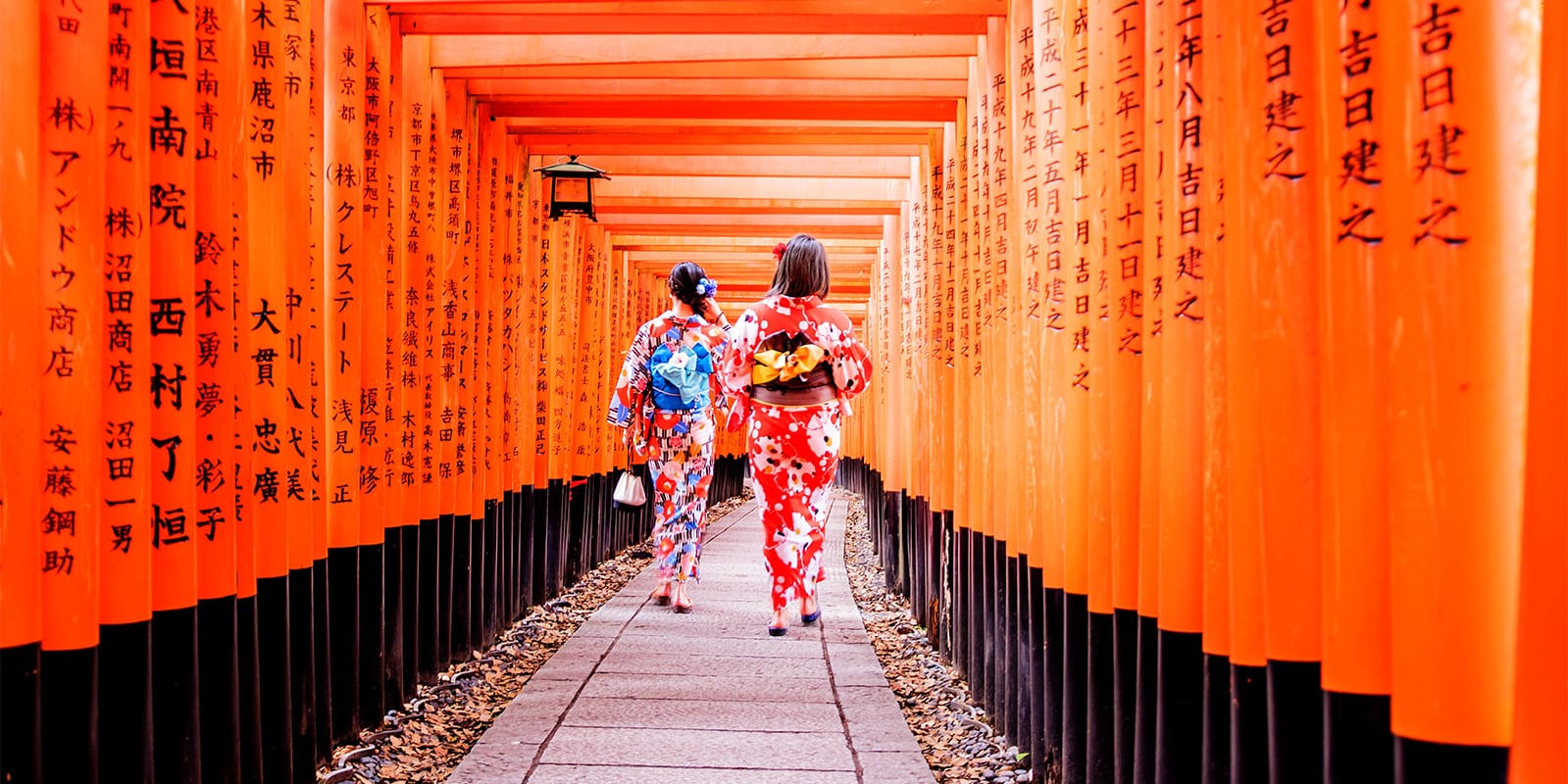
Fushimi Inari’s 10,000 vermilion torii gates form a seemingly endless tunnel up the sacred mountain. Arrive by 7 AM to have the path to yourself—or join the midday shuffle of tourists and stray cats. Each gate was donated by businesses seeking blessings, as Inari is the patron for businesses, small and large alike.
Secret hike tip: Most visitors quit at the halfway point. Push to the summit for quiet shrines and city panoramas.
Kyoto’s magic hides in contrasts. One moment you’re tracing gold-leaf walls, the next you’re sipping sake where warlords plotted. Every alley promises a new experience—if you know where to look.
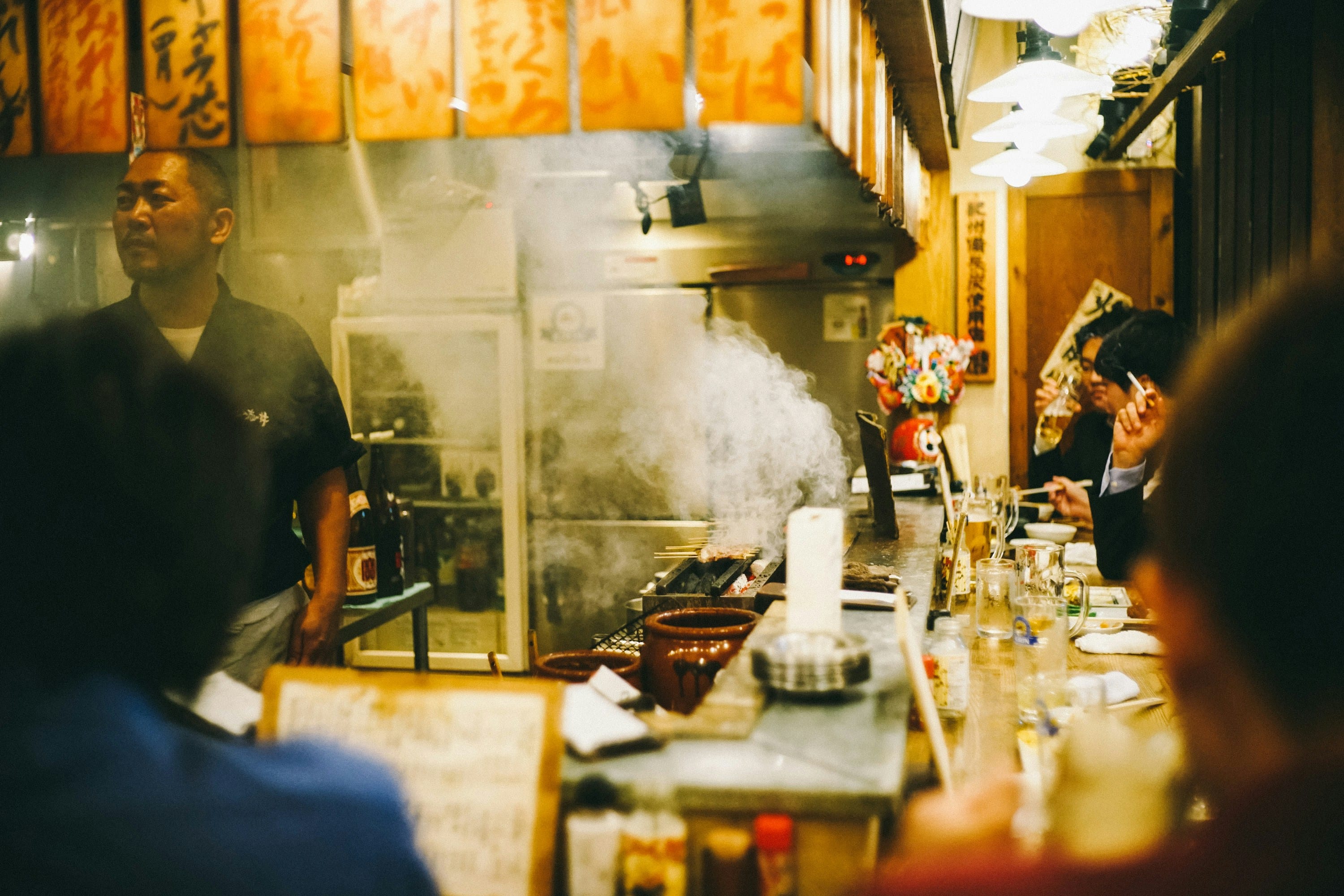
Photo by Josh Wilburne on Unsplash
2. Feast on a Culinary Adventure
Forget everything you know about food—Japan rewrites the rules. Whether you’re slurping ramen at 2 AM or savoring $300 sushi omakase, every bite tells a story.
Tokyo alone boasts 212 Michelin-starred spots, but the real magic hides in ¥100 conveyor-belt joints.
Sushi, Ramen, and Beyond: A Foodie’s Paradise
Think sushi is pricey? Try a tuna roll for less than a dollar at Genki Sushi. Prefer luxury? Watch chefs at Sukiyabashi Jiro craft art from seafood.
Pro tip: Visit Toyosu Market at dawn for tuna auctions—it’s like The Hunger Games, but with fish.
Ramen regionalism: Sapporo’s miso broth vs. Hakata’s creamy tonkotsu. Skip either, and regret is inevitable.
Quirky eats: Wasabi KitKats, vending-machine corn soup, and melon bread shaped like cartoon characters.
Why Tokyo’s Restaurant Scene Is World-Class
Fukuoka’s yatai stalls serve ramen under string lights, while Tokyo’s tiny izakayas plate skewers with precision. Even 7-Eleven here outshines most U.S. bistros. Crave a thrill? Try fugu (poisonous pufferfish)—if you dare.
Best Izakayas for a Casual Tasting
Skip stuffy bars—Japan’s cozy izakayas serve skewers with sake flights. Chains like Torikizoku offer ¥360 bites, but hidden gems pour nama (unpasteurized) sake—the craft beer of the food world.
Pro tip: Hot sake isn’t for cheap stuff—it’s like microwaving a Bordeaux.
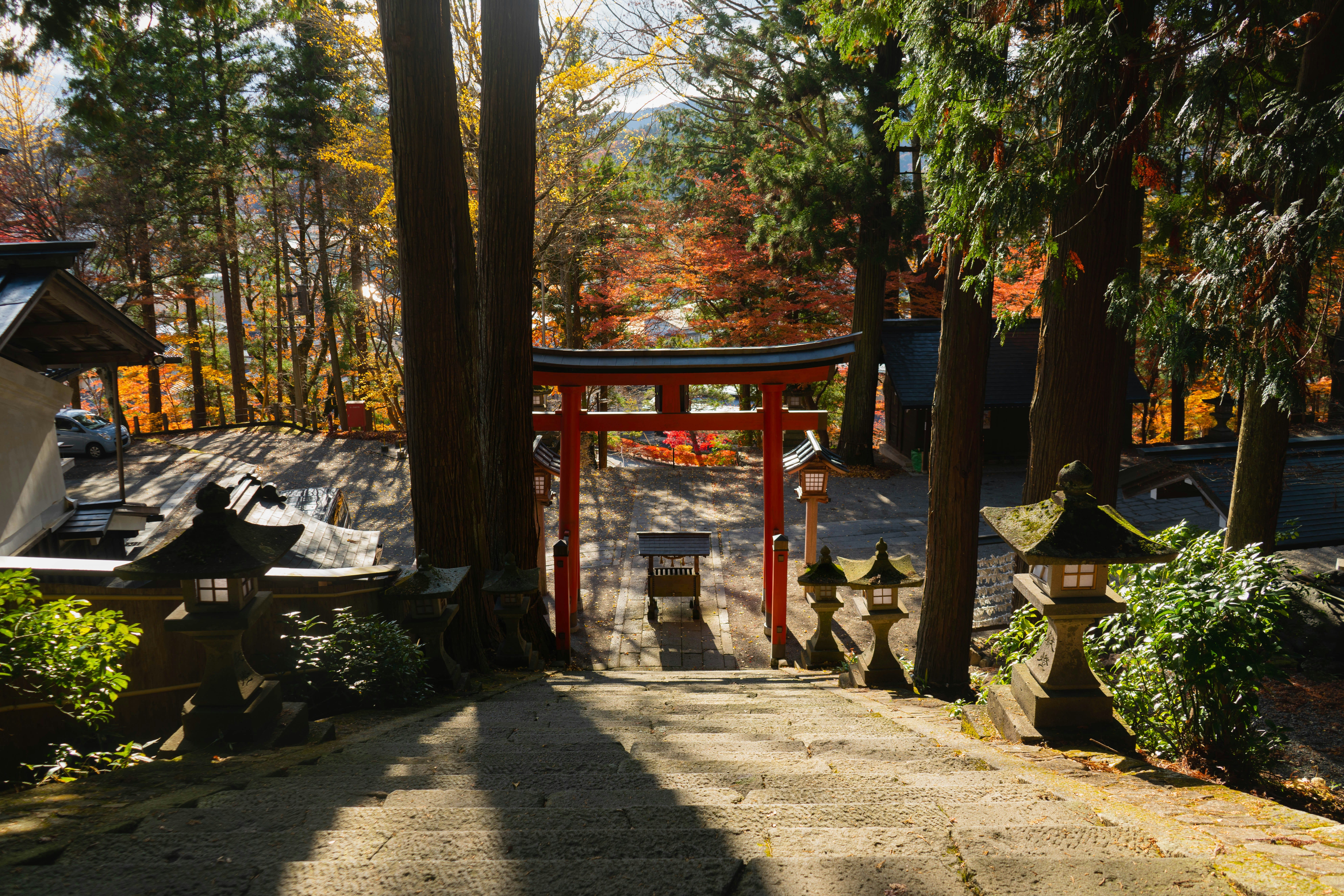
Photo by Lucas Calloch on Unsplash
3. Witness Nature’s Spectacle Across the Seasons
Japan’s landscapes transform like a living painting with every passing month. Whether it’s the delicate pink haze of cherry blossoms or the fiery crunch of autumn leaves, each season brings its own drama. With over 70% of the country covered in mountains, the backdrop is always epic.
Cherry Blossoms in Spring: A Fleeting Pink Dream
Timing is everything. The sakura wave starts in Okinawa (January) and rolls north to Hokkaido (May). Kyoto’s Philosopher’s Path gets packed, but Hirosaki Castle offers quieter hanami picnics under 2,500 trees.
Pro tip: Bring a blanket—and a haiku notebook. Even Bashō struggled to capture their fleeting beauty.
Autumn Foliage That Rivals New England’s Best
Forget Vermont. Kyoto’s momiji tunnels turn maple leaves into stained glass. Hokkaido kicks off the show in mid-September, while Nikko’s waterfalls frame the gold-and-crimson chaos. Pair a hike with an onsen soak for steamy photo ops. Bonus: No pumpkin-spice crowds.
Sakura science: Japan has 600+ cherry blossom varieties. The Somei Yoshino blooms fast and dies young—poetic, right?
Leaf-peeping hacks: Arashiyama’s bamboo forest at dawn beats afternoon Instagram mobs.
Powder Skiing in Niseko
Niseko’s winter magic starts with 15 meters of annual snowfall—enough to bury a bus. Compared to Aspen, lift tickets cost 50% less, and the après-ski involves steaming ramen, not overpriced cocktails. Book a guided backcountry tour for untouched runs and secret hot springs.
Pair your ski trip with Sapporo’s Snow Festival (February). Ice sculptures tower beside stalls selling hairy crab legs. Yes, crab. Because nothing warms you up like cracking open a crustacean in subzero temps.
Matsuri Fireworks That Light Up the Sky
When summer hits, Japan erupts in 300+ festivals. Tenjin Matsuri in Osaka launches 5,000 fireworks over the river—a spectacle so loud, it’s felt more than heard. Rent a yukata (cotton kimono) to blend in, and master goldfish scooping. The trick? Slow hands and a prayer.
Prefer cooler temps? Hokkaido’s lavender fields bloom in July, offering purple panoramas without the sweat. Just don’t call it a winter escape—locals will laugh.
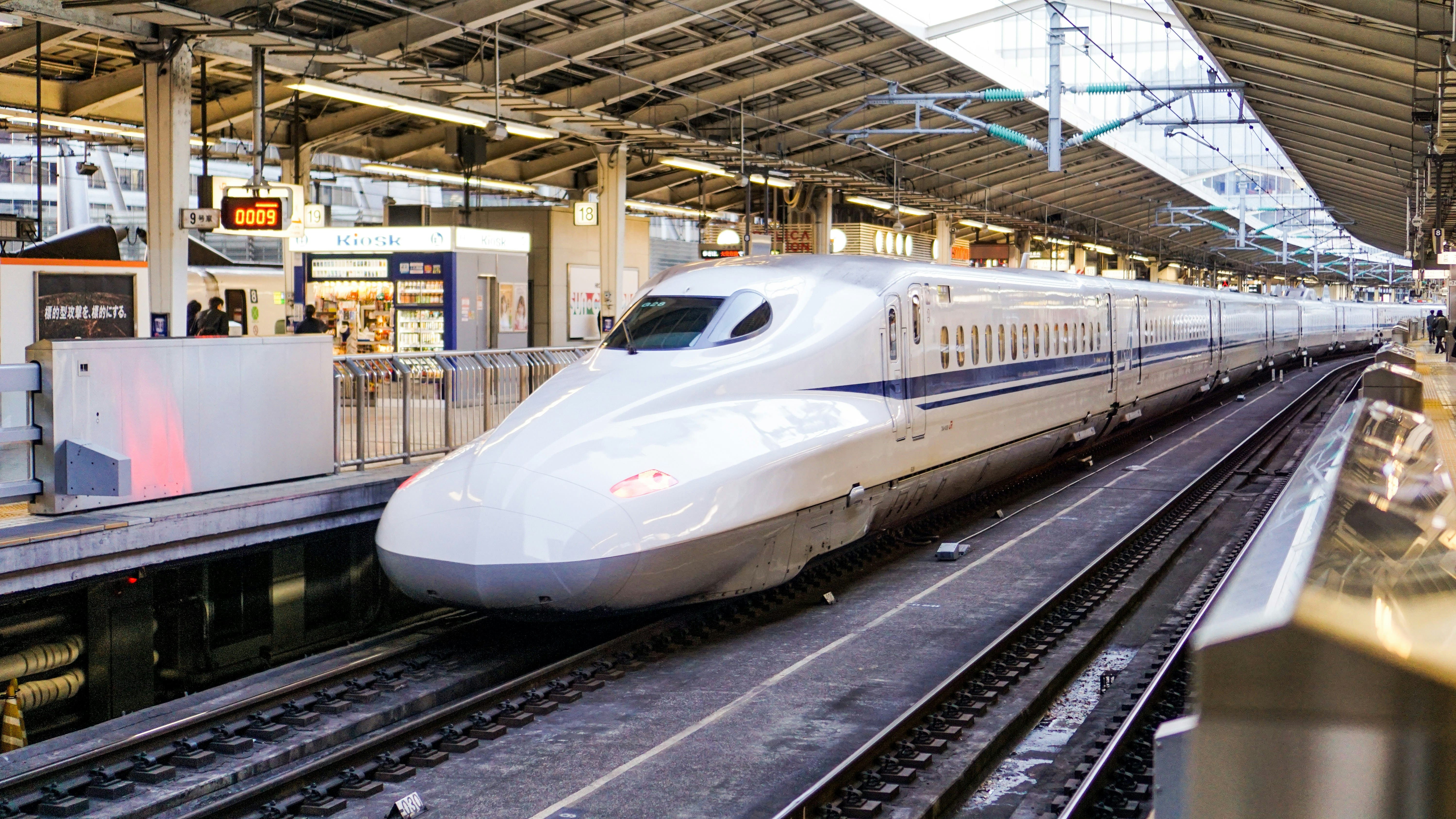
Photo by Fikri Rasyid on Unsplash
4. Ride the Lightning-Fast Shinkansen Bullet Trains
Zip past Mount Fuji at 186 mph—Japan’s bullet trains turn travel into a thrill ride. These sleek silver arrows hit 300 km/h with the precision of a sushi chef’s knife. Best part? The average delay is 0.9 minutes. Amtrak’s "scenic route" excuses won’t cut it here.
How Japan’s Rail System Puts Amtrak to Shame
Tokyo to Osaka takes 2.5 hours by Shinkansen—half the time of driving. Stations feel like sci-fi hubs, with spotless platforms and ekiben (train bento) sold like edible souvenirs. Non-reserved seats save money, but reserve your seats to guarantee window views of castles and coastlines.
Mastering the Japan Rail Pass
The Japan Rail Pass is a golden ticket. A 7-day pass pays for itself with just a Tokyo-Kyoto round trip plus a day trip to Nara.
Bonus: It covers 90% of the lines, including ferries to Miyajima’s floating torii gate. Just activate it after landing—foreigners only.
Speed vs. scenery: Nozomi trains skip stops; Kodama ones offer Fuji panoramas.
Etiquette hack: Quiet cars exist. Save your ramen slurping for the dining cart.
Cultural quirks: Train staff bow when entering/leaving cars—even at 200 mph.
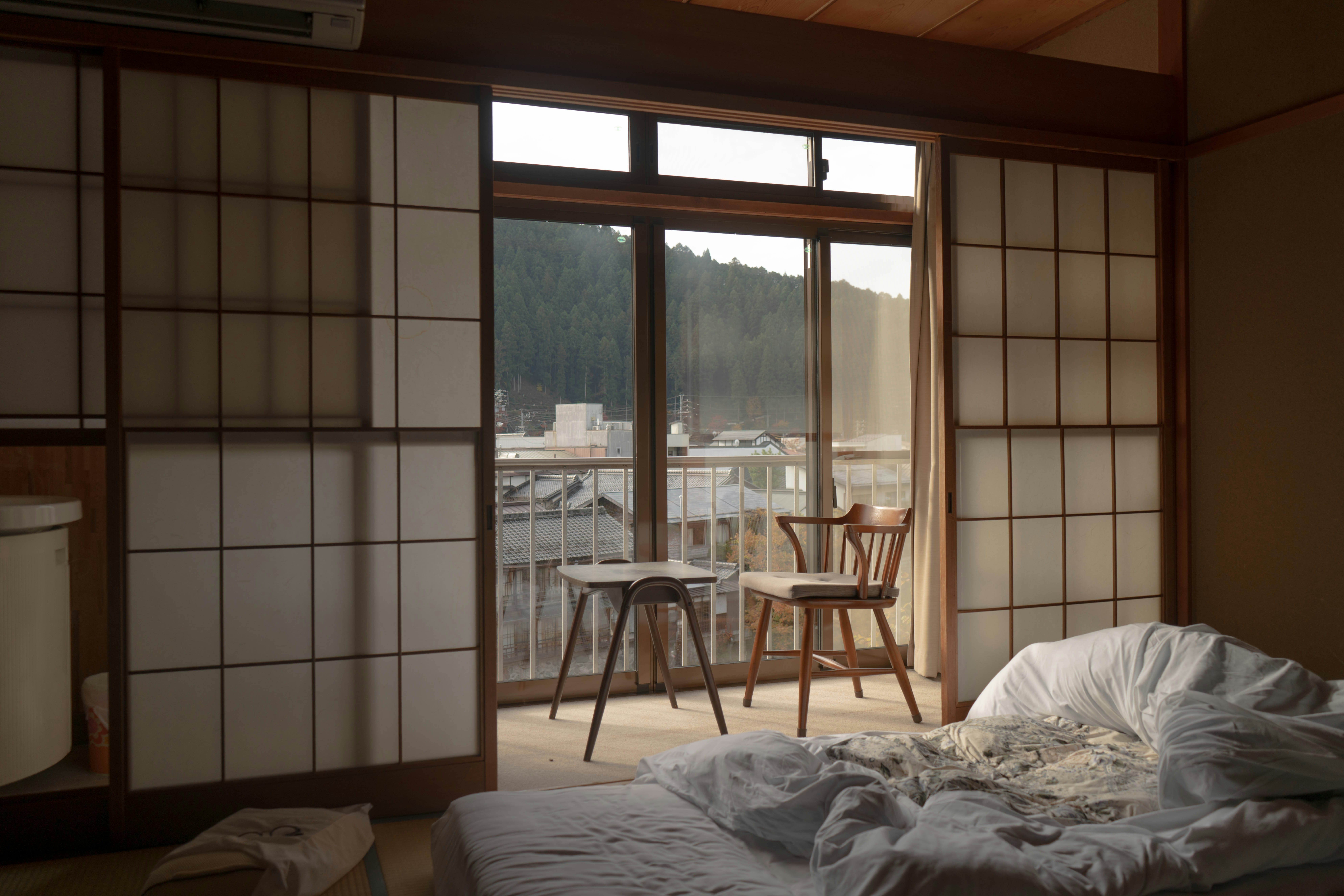
Photo by Lucas Calloch on Unsplash
5. Stay and Sleep Like Royalty in a Ryokan
Swap your hotel keycard for sliding paper doors—Japan’s ryokans offer a traditional Japanese stay unlike any chain resort. These inns blend luxury with heritage, from tatami floors to multi-course kaiseki feasts.
With nightly rates averaging ¥30,000, it’s a splurge that feels like time travel.
Tatami Mats, Kaiseki Meals, and Yukatas
Step into your room and ditch your shoes immediately—tatami mats demand socked feet. Your yukata (cotton kimono) awaits; wrap it left-over-right (right-over-left is for the deceased). The belt’s bow goes in front for women, back for men.
Dinner is theater. Kaiseki’s 10+ courses showcase seasonal ingredients arranged like edible haiku. Spring might bring cherry blossom tofu, while autumn plates persimmon-wrapped fish. Each dish whispers secrets of the region—if you know how to listen.
Splurge-worthy: Hoshinoya Kyoto floats on the Oi River. Private boats deliver you to a world of Zen gardens and open-air baths.
Budget hack: Shukubo temple lodgings (like Koyasan’s) include morning prayers with monks—plus vegan shojin ryori meals.
Tatami knees: Low tables are great until hour three. Stretch breaks are recommended.
Where to Find the Most Luxurious Onsens
Some ryokans double as hot spring paradises. Kinosaki Onsen’s seven public baths come with a wooden pass to hop between them. For ultimate privacy, Gora Kadan in Hakone offers rooms with cedar tubs overlooking misty valleys.
Post-soak, sip matcha on your balcony as fireflies flicker. This isn’t just lodging—it’s an experience that turns tourists into temporary locals. Just remember: Ryokans aren’t hotels. Here, your home comes with tea ceremonies and starched futons.
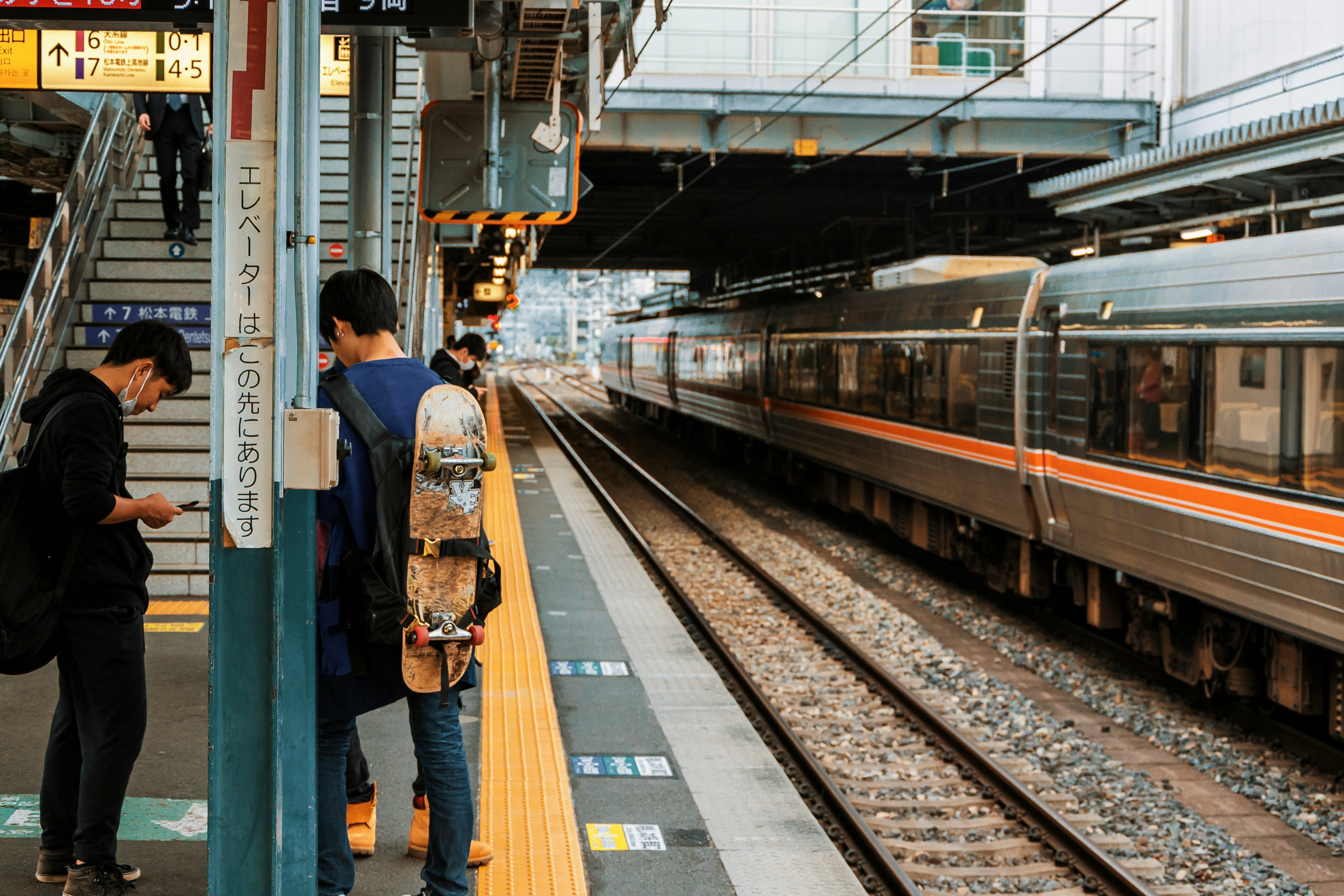
Photo by Rafael Hoyos Weht on Unsplash
Discover Japan with Jetpac eSIM
Ready to swap your routine for sushi trains and sake sunsets? Japan’s seasonal magic—spring petals, autumn hues, and snowy retreats—offers something fresh year-round. From robot cafes to serene shrines, this country balances cutting-edge and centuries-old culture like a tea ceremony master.
Whether you’re wandering Kyoto’s mazelike streets or streaming your favorite show while people-watching, Jetpac keeps you connected. Skip the hassle and make the most out of your Japan trip with Jetpac eSIM!