Australia Travel Guide: Wildlife, Beaches & Adventure
Discover the ultimate Australia Travel Guide, featuring stunning wildlife, beautiful beaches, and thrilling adventures for your perfect getaway!
Discover Australia’s top travel experiences with this complete guide. Explore golden beaches, vibrant cities, the Outback, and unique wildlife. Learn the best time to visit, top destinations, transport tips, itineraries, and how to stay connected with a Jetpac eSIM.
Australia is one of the most exciting travel destinations in the world. It is home to golden beaches, ancient rainforests, red deserts, and modern cities full of life.. From the Great Barrier Reef to the Outback, the diverse landscapes mean that no two trips ever feel the same.
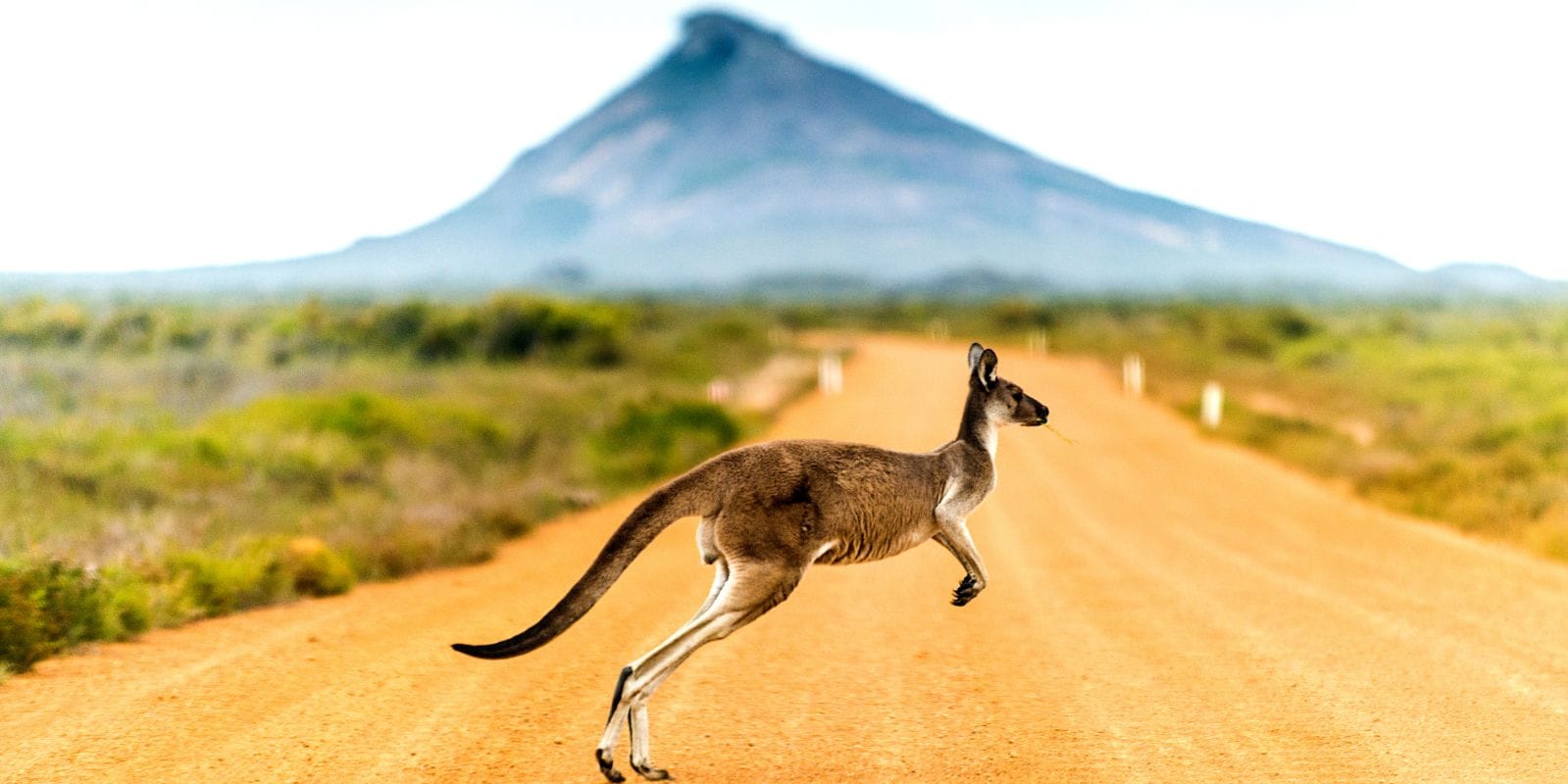
The country is also famous for its unique wildlife. You can often spot Kangaroos, koalas, and emus in the wild, while you may also witness whales, dolphins, and turtles appearing along the coasts. Add to that its rich culture and history, and you’ll see why so many travelers place Australia on their bucket list to visit.
This Australia Travel Guide explains everything you need to know before you visit. It covers practical details such as visas, transportation, and safety, along with highlights including the best places to travel in Australia, when to visit, and how to create an Australia travel itinerary that suits your style.
Australia Travel Guide: Things to Know Before You Go
Australia has its own set of travel rules, seasonal weather patterns, and practical details that are worth sorting out before you arrive. A little preparation means you can spend more time enjoying the country once you’re on the ground instead of worrying about other things.
Visas, Entry Requirements & Biosecurity
Every international visitor needs a visa to enter Australia. You can apply online for an Electronic Travel Authority (ETA) or an eVisitor visa, both of which are approved quickly. When applying, you may be advised to provide proof of funds. Some people worry that they need $5,000 to apply, but this amount isn’t required for every visitor. It’s the amount that shows you can support yourself if asked at immigration, to secure a travel visa in Australia.
Australia also takes its environment very seriously. Border control is strict about biosecurity, which means you must declare food, soil, or outdoor gear that could carry pests or diseases. Even hiking boots need to be cleaned before packing. It’s essential to declare items at the airport; otherwise, it may result in fines.
When Is the Best Time to Visit
The best time to visit Australia depends on where you want to go and what you want to do. Summer, from December to February, brings hot weather and lively beaches, though it is also the peak travel season, leading to high prices for everything.
Autumn, from March to May, offers milder weather and less crowded conditions, making it a favorite season for city visits and coastal trips. Winter, from June to August, is cooler in the south but comfortably warm in the north, making it the ideal time for exploring the Outback or visiting Darwin. Spring, from September to November, offers pleasant weather that is perfect for traveling, experiencing nature, and attending festivals.
Many seasoned travelers say spring and autumn are the best time of year to travel to Australia, if you want to witness wildlife. However, if you are interested in beach activities, consider planning your trip between December and February.
Climate Zones & Regional Variations
The climate shifts dramatically as you move across the continent. The north is tropical, with wet and dry seasons that can affect travel plans. The central Outback is hot and dry, with scorching summers and cool nights.
The southern cities, such as Sydney, Melbourne, and Adelaide, have temperate climates with distinct seasons. Tasmania, further south, is often cooler, with snowy peaks in winter. Understanding these zones helps you pack the right clothes and plan your schedule more realistically.
Australia Travel Guide: Getting Around & Transportation
Australia is huge, and it can be challenging to go from one place to another without proper planning. While cities have reliable public transport, you may have to choose between flights, road trips, or a mix of both to cover long distances.
Domestic Flights vs Driving & Road Trips
Australia is vast, and it may take considerable distance and time to travel from one place to another. A flight from Sydney to Perth takes about five hours, similar to crossing the United States. Domestic flights are reliable and time-saving, making them a smart choice for travelers with shorter schedules.
On the other hand, driving allows you to experience scenic routes on the way. Journeys like the Great Ocean Road in Victoria or the coastal stretch between Sydney and Brisbane are among the most popular road trips, featuring beaches, small towns, and natural wonders along the way.
Public Transport in Cities & Tourist Regions
In major cities, public transport is convenient and affordable. If you are visiting Sydney, you can get an Opal card that works for trains, buses, and ferries, while Melbourne has the Myki card system, which includes its famous tram network. Brisbane, Perth, and Adelaide have their own systems that make it easier to travel within their respective areas. Rideshare apps and taxis are also widely available in cities and regional areas.
4WD & Outback Travel Logistics
Traveling through the Outback or remote areas can be challenging. Many roads are unpaved, and a four-wheel-drive vehicle is often recommended for travel. Carry extra fuel, food, and water, and don’t rely solely on your phone for navigation since coverage is limited in those areas unless you’ve a connection offering reliable service. If you’re not experienced with long-distance driving, it’s best to travel with groups.
Australia Travel Guide: Top Destinations & Highlights
With so much to see across the continent, it can be hard to narrow down the places to visit. From lively cities and coastal gems to remote deserts and rainforests, each region brings something unique. Here are the destinations that most travelers consider the heart of an Australia travel itinerary.
Wildlife Hotspots
Kakadu National Park in the Northern Territory features wetlands, waterfalls, and boasts a rich Aboriginal cultural heritage. You may also spot crocodiles, exotic birds, and rock art sites, making it one of the richest natural areas in the country.
Kangaroo Island in South Australia is another favorite for spotting wildlife. You may witness wild kangaroos, sea lions, and koalas roaming around, with wide open spaces and rugged coastlines.
If you’re in Queensland, a visit to the Daintree Rainforest is a must. It is often described as the world’s oldest living rainforest. Walking under its canopy, you’ll see plants and animals found nowhere else.
Iconic Cities + Coastal Gems
Sydney is a lively and vibrant city full of popular landmarks. The Opera House and Harbour Bridge dominate the skyline, while Bondi and Manly beaches give you a beautiful coastal escape.
Melbourne, in contrast, charms visitors with its hidden laneways, vibrant streets, and strong coffee culture. The Gold Coast is a little calmer than Sydney and Melbourne, and is known for long sandy beaches, theme parks, and nightlife, attracting both families and young travelers.
Must-See Natural Sites
Uluru in the Red Centre is one of the most iconic sites in Australia. Watching the rock change color at sunrise and sunset is an unforgettable experience, and you can book guided walks to learn about the Indigenous culture and history of this land.
The Great Ocean Road in Victoria is another must-visit, known for the dramatic Twelve Apostles rock formations and scenic coastal views.
Tasmania, often overlooked by visitors, is home to numerous national parks, mountains, and untouched wilderness areas, making it an ideal destination for hiking and slower-paced travel.
Whether you’re after wildlife, nature, or city escapes, these are some of the best places to travel in Australia.
Australia Travel Guide: Beaches, Coast & Marine Adventures
The coastline is one of Australia’s biggest attractions, stretching for thousands of kilometers with beaches to suit every kind of traveler. Some spots are made for surfing, others for swimming or snorkeling, and many are simply for relaxing in the sun.
The Great Barrier Reef is one of the most visited marine sites in the world. Boat tours from Cairns and Port Douglas take you to coral gardens filled with unique marine life, including turtles, reef sharks, and fish.
On the west coast, Ningaloo Reef offers the chance to swim alongside whale sharks between March and July. Unlike the Great Barrier Reef, it’s easy to access straight from the shore.
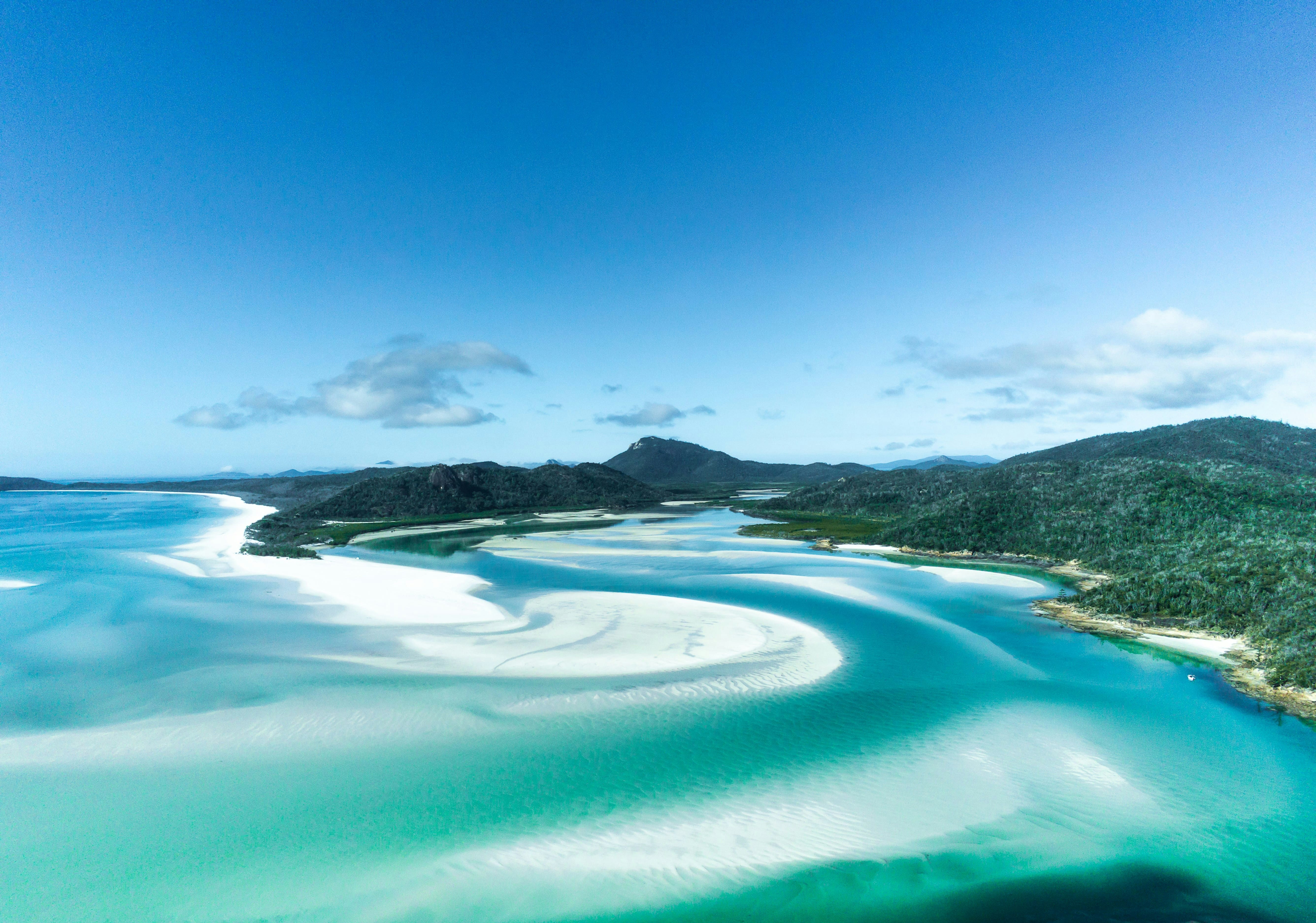
The Whitsundays, home to breathtaking Whitehaven Beach, are famous for their pure silica sand and turquoise waters. Sailing trips across the islands are a popular way to enjoy this region. If you’re interested in surfing, there are many places, such as Byron Bay, Bondi, and Bells Beach, that are suitable for both beginners and professionals.
Coastal trails, such as Sydney’s Bondi to Coogee walk, are also a popular way to enjoy the ocean, passing through rock pools, cliffs, and quiet coves.
Australia Travel Guide: Adventure & Wildlife Experiences
Australia is famous for its wildlife experiences and adventures. No matter how you like to explore, there’s an experience waiting for you somewhere in the country.
Outback Adventures and Desert Journeys
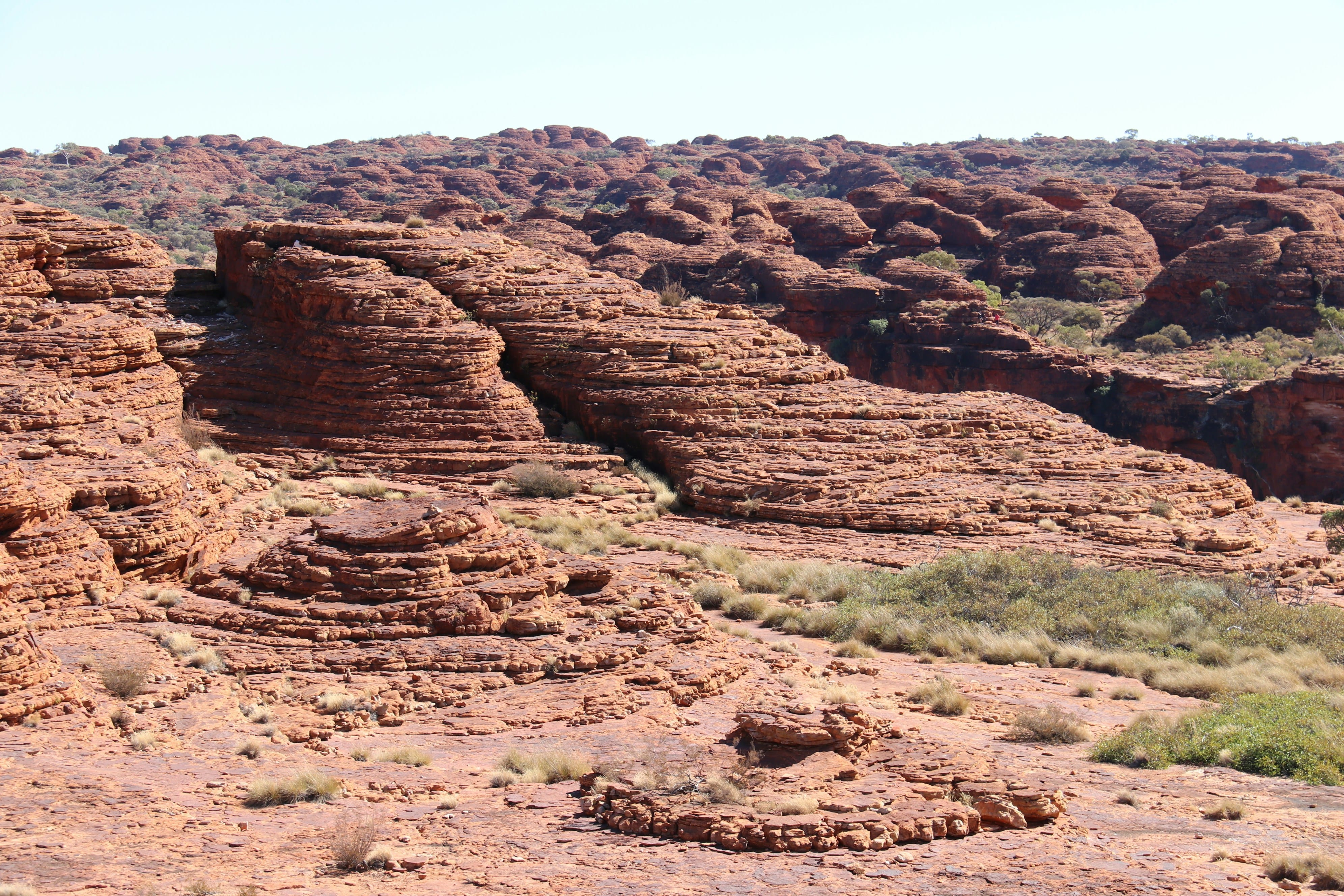
The Outback is one of the most iconic landscapes, spanning vast deserts and rugged ranges. Travelers often begin in Alice Springs before venturing out to Uluru and Kata Tjuta, where sunrise and sunset paint the rocks in unforgettable colors. Kings Canyon adds dramatic cliffs and deep valleys, while remote areas like the Kimberley reveal waterfalls, gorges, and red cliffs. Journeys through these regions let you experience the country’s vastness and raw beauty.
Hiking, Bushwalks, and Scenic Trails
Walking is one of the best ways to connect with the land. Short trails around the Blue Mountains near Sydney or the Grampians in Victoria offer day hikes with waterfalls and stunning viewpoints. If you’re into longer hiking trips, Tasmania’s Overland Track takes about a week and passes through mountains, forests, and alpine lakes.
Bushwalking remains one of the most popular activities in Australia, and you’ll find trails for every level, from family-friendly paths to serious treks.
Close Encounters with Wildlife
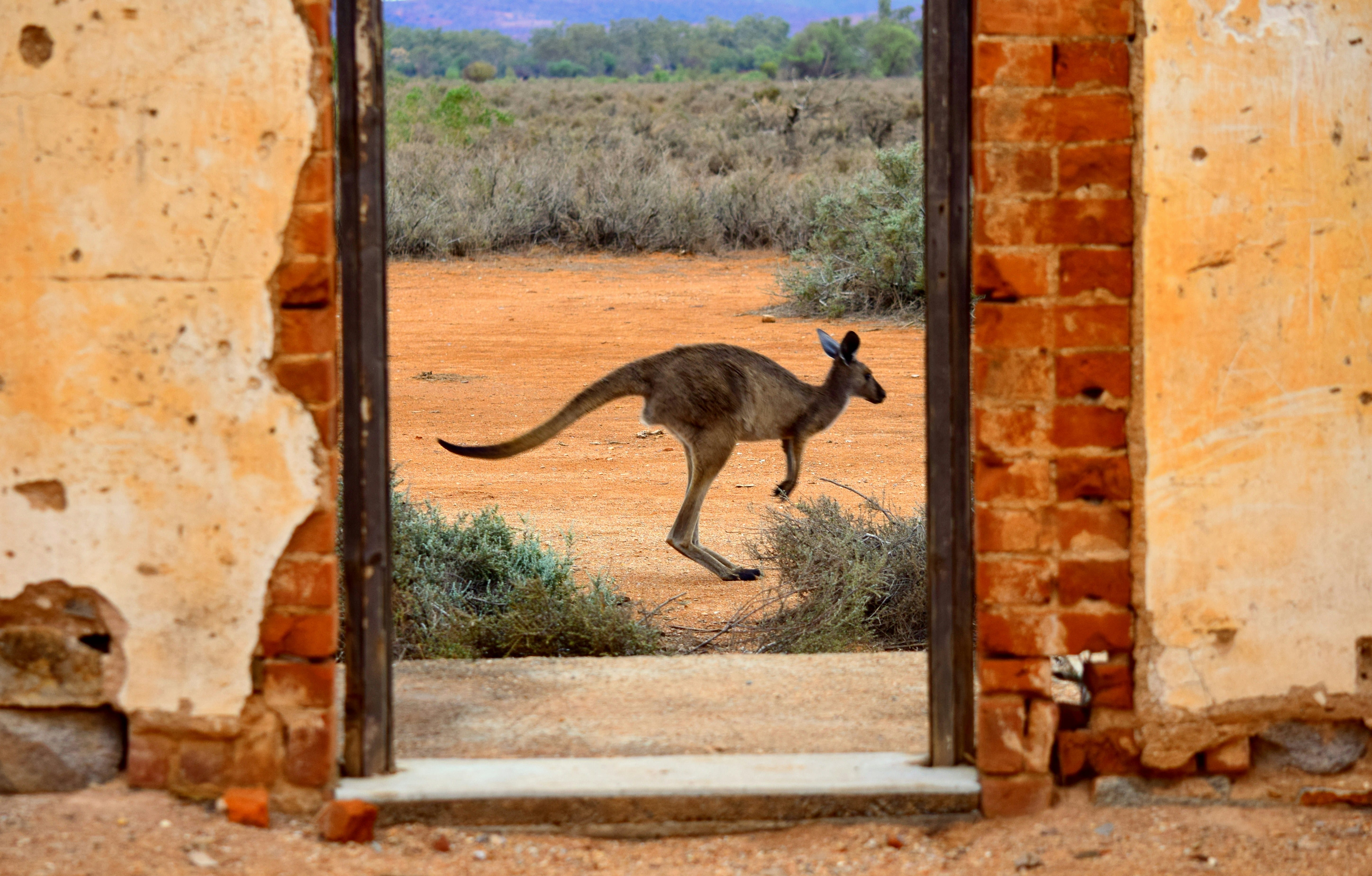
Seeing Australia’s wildlife in its natural setting is something most visitors never forget. Kangaroos and wallabies often appear along country roads, while koalas can be spotted in eucalyptus forests and even in wildlife parks across the country.
Coastal regions are home to dolphins and migrating whales close to shore, and reefs host turtles, rays, and colorful fish. Kangaroo Island, the Daintree, and Phillip Island are among the best places to observe animals safely and responsibly.
Indigenous-Led Tours and Cultural Insights
Joining a tour led by Indigenous guides offers insight into traditions that go back tens of thousands of years. These experiences include learning how people use plants for food and medicine, hearing stories, or visiting rock art sites that explain the connection between land and culture. These tours deepen your understanding of Australia and the respect its First Nations people have for the environment.
Stargazing and Night Tours
With so much open land and little light pollution, Australia is one of the best places in the world for stargazing. In the Outback, the night sky glows with constellations, and you can often see the Milky Way stretching from horizon to horizon. Guided night tours usually combine astronomy with wildlife spotting, as many animals become more active after dark. It’s a peaceful way to end a day of exploration and see a different side of the landscape.
Australia Travel Guide: Hidden Gems & Offbeat Routes
The most popular attractions are incredible, but sometimes the best memories come from places only a few people know about. Australia has endless hidden corners, from remote islands to rugged mountain ranges. If time allows, you can add one or two offbeat stops to your trip.
Exploring the Kimberley and Remote North
The Kimberley in Western Australia feels like another world. It’s home to towering red cliffs, powerful waterfalls, and winding rivers. Many travelers explore it on a 4WD trip or a small-ship cruise, since the terrain is rugged and remote. Highlights include the beehive-shaped domes of the Bungle Bungles and the wide rivers that cut through gorges.
The Flinders Ranges and South Australian Outback
Closer to Adelaide, the Flinders Ranges offer dramatic landscapes with Aboriginal heritage. Walking trails take you past rocky ridges and into Wilpena Pound, a natural amphitheater of mountains. The region is also rich in wildlife, with emus, kangaroos, and wedge-tailed eagles commonly seen.
Cape York and Northern Adventures
At the tip of Queensland lies Cape York, one of the most remote regions you can visit in Australia. You may need a 4WD vehicle to reach Cape York, but the reward is breathtaking scenery, lush tropical forests, and the feeling of being at the very edge of the continent. Along the way, you’ll find Aboriginal communities, fishing spots, and tracks that challenge even experienced drivers.
Remote Islands with Limited Visitors
Australia’s offshore islands are scattered across the coasts, each offering something unique. Lord Howe Island limits visitor numbers, creating a serene, unspoiled escape with world-class hiking and snorkeling opportunities. Norfolk Island boasts a convict history alongside its natural beauty, while the Torres Strait Islands offer a glimpse into rich Indigenous culture. These destinations remain largely untouched by mass tourism, yet are well worth a visit.
Alternative Ways to Explore — Rail, Cycling, and 4WD Routes
Not every journey has to be by plane or car. Australia also offers epic rail adventures, such as The Ghan, which crosses the continent from Darwin to Adelaide, and the Indian Pacific, which runs between Sydney and Perth. Cycling is also popular, especially in regions such as Tasmania and Victoria, where scenic trails connect towns and vineyards, offering a unique experience. For those who prefer road adventures, 4WD routes through deserts and coastal tracks bring you closer to the country’s wilder side.

Australia Travel Guide: Accommodation, Costs & Budget Tips
Cost to Travel in Australia can be expensive, but it doesn’t have to break the bank. From budget hostels to high-end eco-lodges, you’ll find accommodation that fits every style. Knowing typical costs and a few money-saving tricks helps you stretch your budget further.
Accommodation Styles
You’ll find every type of stay in Australia. Hostels are common in cities and along backpacker routes, offering shared dorms and kitchens. Families and couples often choose mid-range hotels or serviced apartments. Luxury travelers can book five-star hotels in cities or exclusive eco-lodges in remote areas. Camping is also a popular choice, especially in national parks where all necessary facilities are provided.
Costs by Region
Australia is not a budget destination. Sydney and Melbourne are the most expensive cities, especially for accommodation and dining. Smaller towns and rural regions are often more affordable, and camping can make travel more budget-friendly. On average, budget travelers spend $70 to $100 per day, mid-range travelers around $150 to $250, and luxury travelers can spend significantly more.
Money-Saving Strategies
To save money, you should plan ahead. Book flights and hotels early, especially during school holidays. Travel during the shoulder seasons, spring and autumn, for lower prices and fewer crowds. Use public transportation in cities, cook meals if your accommodation has a kitchen, and look for tours that bundle multiple activities at a discounted rate.
Australia Travel Guide: Safety, Health & Practical Tips
Australia is a safe and welcoming destination, but its environment can be challenging if you’re not prepared. These simple precautions keep your trip enjoyable and hassle-free.
Sun, Wildlife, Beach & Ocean Safety
The sun is stronger than many visitors expect, so it’s important to pack sunscreen, sunglasses, and a hat. Always carry water, especially in hot regions. Beaches are beautiful but can also be dangerous. Swim only at patrolled beaches and between the red and yellow flags, where lifeguards watch the water.
Wildlife is fascinating, but it's essential to take care around them. Snakes and spiders inhabit many regions, although serious encounters are rare. In northern Australia, jellyfish appear during the warmer months, and stinger nets are often in place to protect swimmers.
Medical & Health Prep
If you’re heading to rural or tropical areas, consult your doctor about any necessary vaccinations or other precautions. You may also encounter mosquitoes on the North side, so be sure to carry repellent, especially during the wet season. Don’t forget to pack a small first-aid kit and purchase reliable travel insurance Australia. It gives you peace of mind if something unexpected happens.
Local Rules, Laws & Cultural Etiquette
Australia is a relaxed and welcoming country, but following local rules helps you avoid problems and shows respect. Drinking alcohol is only allowed in licensed venues or designated areas, and smoking is banned in most public spaces. Road laws are strict, so always wear your seatbelt and obey speed limits. Australians also value fairness and friendliness, so a simple “thank you” goes a long way. Observing these small customs keeps your trip smooth and respectful.
Australia Travel Guide: 7 & 14 Days Sample Itineraries
Planning a trip to Australia depends on how much time you have. A week gives you enough to see the East Coast’s highlights, while two weeks lets you combine the Outback with coastal adventures. These itineraries provide a starting point, but you can always adjust them to suit your interests.
7-Day East Coast Highlights
This one-week plan combines Sydney, the tropical north, and the Whitsundays. It will give you a chance to enjoy city life, rainforests, and islands.
Days 1–2: Sydney
You can start your first day by visiting Sydney, Australia’s most iconic city. Spend the morning around Circular Quay, taking in the Opera House and strolling across the Harbour Bridge. In the afternoon, relax at Bondi Beach or walk the Bondi to Coogee coastal trail. On the second day, take a trip into the Blue Mountains. You’ll find dramatic valleys, waterfalls, and eucalyptus forests only a couple of hours from the city.
Days 3–4: Cairns and the Daintree
Fly north to Cairns, the gateway to the Great Barrier Reef. You can spend one day out on the reef itself, joining a boat tour that takes you to coral gardens and lagoons. The next day, head into the Daintree Rainforest, where you may encounter exotic wildlife along the trails and in the ocean.
Days 5–7: The Whitsundays
End your week in the Whitsundays, a chain of islands with bright turquoise water. Many travelers join sailing trips that let you visit several islands in one go. It’s the perfect place to slow down after a busy week, swimming, snorkeling, or just enjoying the views.
14-Day Outback & Red Centre
Two weeks gives you the chance to combine desert landscapes, Indigenous culture, and coastal escapes.
Days 1–3: Alice Springs and Uluru
Begin your journey in Alice Springs, the main hub of the Red Centre. From here, travel to Uluru and Kata Tjuta, two of Australia’s most famous landmarks. Watching the rock change colors at sunrise and sunset is an unforgettable experience. Join guided walks to discover the cultural significance of these places and explore rock art that has endured for thousands of years.
Days 4–6: Kings Canyon and West MacDonnell Ranges
Continue your journey into Kings Canyon, where hikes take you along cliff edges and into lush valleys. Afterward, explore the West MacDonnell Ranges, a stretch of gorges, waterholes, and desert scenery. Many travelers camp under the stars here, experiencing the clear Outback skies in complete silence.
Days 7–9: Darwin and Kakadu
Fly north to Darwin, a city with a tropical atmosphere and lively markets. From here, spend time in Kakadu National Park. Wetlands, waterfalls, and Aboriginal rock art sites fill the park, and it’s one of the best places to see crocodiles in the wild. A day in Litchfield National Park lets you witness more waterfalls and find natural swimming spots.
Days 10–14: Ningaloo Reef
Finish your trip on the west coast at Ningaloo Reef. Unlike the Great Barrier Reef, Ningaloo can be reached directly from the beach. Between March and July, many tours take you to see whale sharks, while other months bring manta rays and humpback whales.
This longer Australia travel itinerary offers both Outback adventures and time on the coast, letting you experience the country’s diverse landscapes.
Australia Travel Guide: Mistakes to Avoid & Useful Hacks
Australia is easy to travel around, but first-time visitors may still make mistakes that can be avoided with a little planning. If you know what to expect, you’ll save yourself time and stress.
Common Travel Blunders in Australia
Here are some of the most common travel mistakes people make in Australia and how to avoid those:
Distances are much longer than they look on a map. Driving between Sydney and Brisbane takes more than ten hours, so it’s recommended to fly instead of sitting on the road all day, unless you want to plan stops and a stay in between.
The sun is far stronger than many visitors realize. Without sunscreen, a wide-brimmed hat, and sufficient water, it’s easy to get severely sunburned or overheated after only a few hours outside. So, it’s best to carry these essentials, especially in the hot season.
Beaches in Australia look inviting, but swimming in unpatrolled areas can be dangerous. Lifeguards mark the safe zones with red and yellow flags; you should always stay within these boundaries.
Many travelers forget to arrange travel insurance Australia before they arrive. Hospitals provide excellent care, but the bills can be very high if you don’t have coverage.
Shortcuts & Smart Tips from Locals
Locals have plenty of tricks that make getting around cheaper and easier. Picking up a few of these habits can make your trip feel smoother from day one.
Domestic flights are typically less expensive when booked well in advance. Waiting until the last minute almost always means paying double.
City transport cards, such as Opal in Sydney and Myki in Melbourne, cover trains, buses, and ferries. Using these cards saves time and money compared to buying single tickets each trip.
Australian pubs often serve hearty meals at reasonable prices, and many offer specials during the week that rival those of most restaurants.
National parks feel completely different on weekdays. With fewer crowds on the trails, you’ll see more wildlife and enjoy the scenery in peace.
Explore Australia Without Limits Thanks to Jetpac eSIM
Staying connected in Australia is just as important as packing sunscreen or a good pair of walking shoes. From booking tours and ordering rides to checking maps and translating menus, reliable mobile data makes every part of the journey easier. A Jetpac eSIM eliminates the hassle of staying online by providing instant access without requiring a visit to a phone shop.
Why Use an eSIM in Australia
A Jetpac eSIM Australia for tourist activates within minutes, so you can get online as soon as you land.
You don’t need to buy or swap physical SIM cards, which means one less thing to worry about.
Having data ready makes simple tasks, such as ordering an Uber, checking into your hotel, or messaging family, much less stressful after a long flight.
Coverage Differences: Cities vs Remote Areas
In big cities such as Sydney, Melbourne, and Brisbane, you’ll find strong and fast coverage almost everywhere.
Remote areas, especially in the Outback, are more challenging, but Jetpac’s eSIM plans Australia connect to top networks for the best reach available.
No provider can promise perfect service in every desert track, but Jetpac balances cost and coverage better than most, making it the best eSIM for Australia.
Setup Tips, Data Saving & Offline Strategies
Setting up a Jetpac eSIM for Australia is simple and easy: buy a plan, scan the QR code sent by Jetpac, and your eSIM is ready to use.
Download offline maps before heading into remote areas so you can still navigate if the signal drops.
Switch to Wi-Fi at hotels and cafés whenever possible, and keep messaging apps in low-data mode to stretch your plan further.
With a few easy habits, your eSIM Australia for tourist will last your whole trip without surprise roaming fees.
FAQs
What are the best months to go to Australia?
The best time to travel to Australia depends on the region. For most visitors, the months of September to November (spring) and March to May (autumn) offer mild weather and fewer crowds. If you’re heading north to the tropics, the dry season from May to October is best for wildlife and beaches.
How much does a trip to Australia usually cost?
Budgets may vary, but most travelers spend between $100 and $200 USD per day on accommodation, food, and activities. Remote areas and islands tend to be more expensive, while cities offer a wide range of choices to suit every budget. If you are on a budget, you can plan ahead to take advantage of deals.
Do you need $5000 to get into Australia?
Visa applications sometimes require proof of funds, but you don’t literally need $5,000 to enter Australia. What matters is showing you have enough to support yourself during your stay. Bringing documentation of savings, credit cards, or return flights usually meets the requirement for a travel visa in Australia.
Do and don’ts in Australia?
Respect local rules, swim between the red and yellow beach flags, and follow the advice at national parks. Don’t ignore safety signs or feed wildlife. Maintain a friendly attitude, and Australians generally appreciate simple manners and respect for their land.
What’s the cheapest month to fly to Australia?
Flights are generally cheapest in May and June, before the winter school holidays. Prices climb in December and January, as that’s the peak of summer. Booking early and being flexible with dates can save you money on flights.
How many days do you need in Australia?
At least ten days is recommended if you want to see both cities and nature. A week lets you explore one region, but two weeks gives you a more complete Australia travel itinerary with time for both the Outback and the coast.
Do you need a visa to visit Australia?
Yes. Most visitors to Australia require a travel visa, which can be applied for online. Options range from an eVisitor visa for short stays to longer tourist visas. Applications are straightforward, but you should apply at least a few weeks before traveling.
Are Australians friendly to American tourists?
Yes, Australians are generally very welcoming to visitors. Locals often admire casual conversations and enjoy sharing recommendations. As long as you show respect and keep an open mind, you’ll find people are quick to help and curious about your travels.
If you’re planning to visit Australia, this guide will help you plan a memorable trip. Consider your trip in Spring or Autumn, as this is the best time of year to travel to Australia, when the weather is not too hot, nor too cold.
Don’t forget to purchase an eSIM for Australia to make your journey easier and enjoyable. Jetpac offers the best eSIM for Australia that lets you stay connected no matter where you are in the country. It also provides affordable and reliable eSIM plans Australia to suit all types of travelers!