When is the Best Time to Visit Japan? & Seasonal Travel Guide
Planning a trip to Japan? Don't miss our ultimate guide on the best time to visit, packed with seasonal tips, weather insights, and travel highlights!
Planning a trip to Japan? Don’t miss our ultimate guide on the best time to visit, packed with seasonal tips, weather insights, and travel highlights!
Japan is a country that shines in every season, whether it’s the soft pink of cherry blossoms in spring, powdery slopes in winter, vibrant festivals in summer, or fiery foliage in autumn. With so much variety, the best time to visit Japan really depends on what you are most excited to experience.
While the weather varies greatly from north to south, most travelers stick to the “big three”: Tokyo, Kyoto, and Osaka. To help you travel smarter (and pack better), here’s a month-by-month overview of the weather in Japan. This should give you a clearer picture of what to expect and when to go.
Best Time to Visit Japan for Pleasant Weather
Japan experiences all four seasons in full, each offering a completely different atmosphere and travel experience. For pleasant weather, the best time to visit Japan is during spring (March to May) and autumn (late September to November). These seasons offer comfortable temperatures, low humidity, and generally clear skies.
Below, let’s take a look at what each season brings. That way, you can decide when the weather will be just right for your kind of adventure.
Spring (March–May)
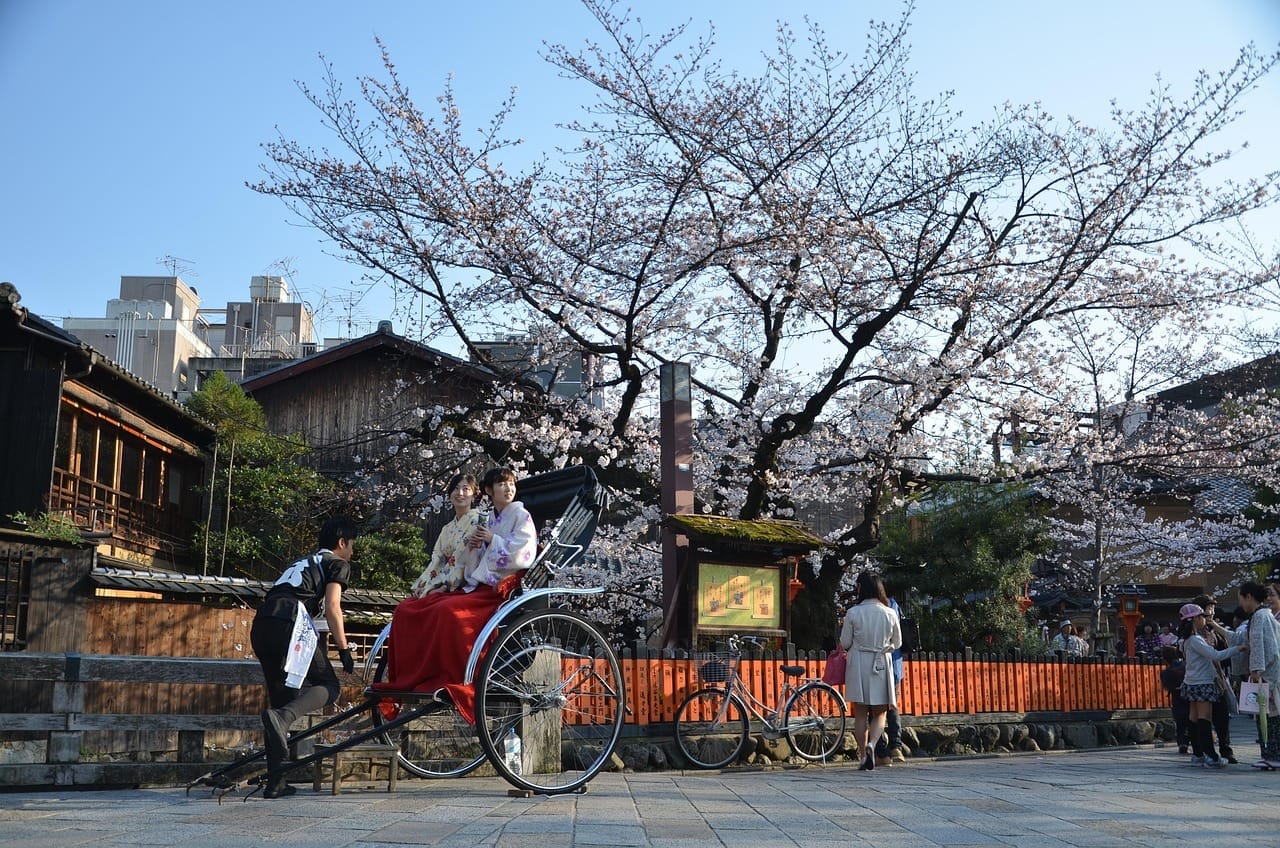
Spring is one of the most popular Japan travel seasons, thanks to its mild weather and stunning cherry blossoms. From late March to early May, cities like Tokyo and Kyoto are covered in soft pink blooms, making it a magical time to visit. Temperatures are comfortable, but it’s also peak tourist season, so expect bigger crowds and higher prices.
Summer (June–August)
Summer in Japan is hot and humid, but full of energy. While it may not be the best time to visit Japan for those who don't like the heat, it’s a great season for vibrant festivals, fireworks, and exploring the cooler mountain regions. June kicks off with the rainy season, while July and August bring rising temperatures and lively events across the country.
Autumn (September–November)
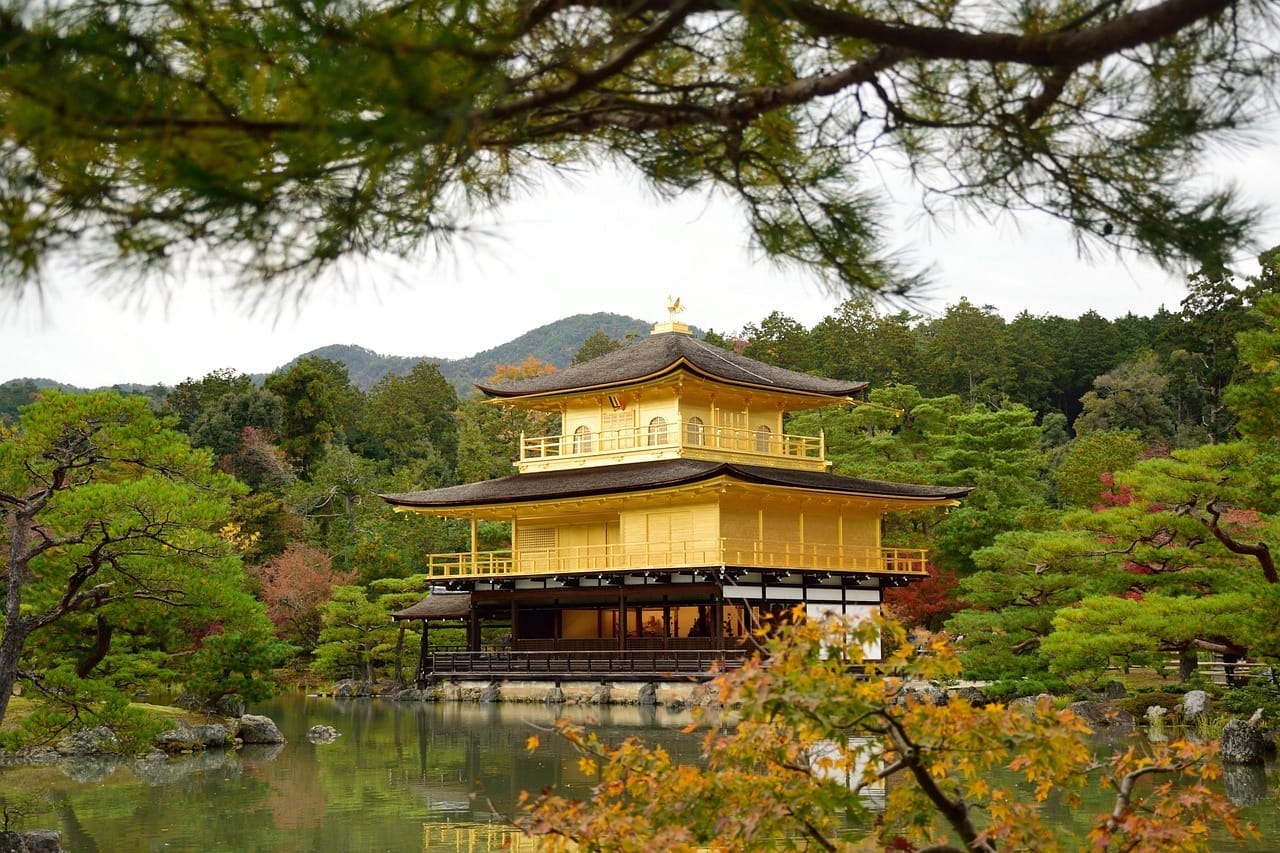
Autumn brings cooler temperatures, lower humidity, and beautiful fall foliage that transforms parks and temples into shades of red, orange, and gold. It's a lovely time to explore cities like Kyoto and Osaka, especially from mid-October to late November when the autumn colors are at their peak. Crowds are thinner than in spring, making it a fantastic time to be in Japan.
Winter (December–February)
Winter is one of the most underrated Japan travel seasons. Those who visit during this time of the year are rewarded with crisp air, clear skies, and fewer tourists in most major cities. Northern regions and mountain areas become snowy wonderlands, perfect for skiing and snowboarding, while cities like Tokyo and Osaka stay cool but rarely see snow.
Best Time to Visit Japan for Cherry Blossoms
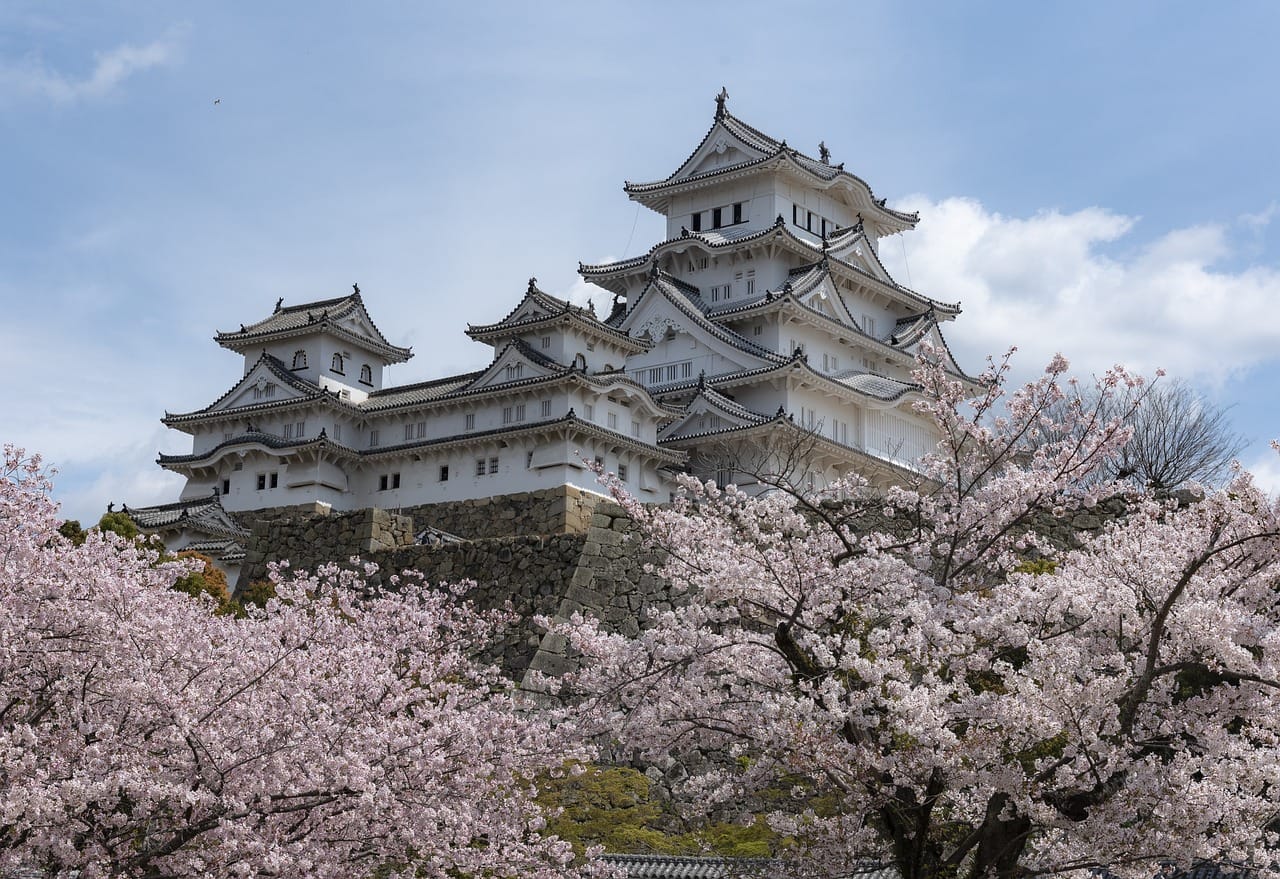
If seeing Japan’s iconic cherry blossoms is at the top of your list, plan your visit between late March and early April. This is when sakura trees typically bloom in popular destinations like Tokyo, Kyoto, and Osaka. The exact timing can vary slightly each year depending on weather patterns, but the last week of March through the first week of April is usually a safe bet.
The cherry blossom season is short but truly magical! During this time, parks and riversides are covered in soft pink petals, and locals celebrate with hanami (flower-viewing) picnics under the trees. It’s also one of the busiest travel periods in Japan, so be sure to book accommodations well in advance.
Best Time to Visit Japan for Snow/Skiing
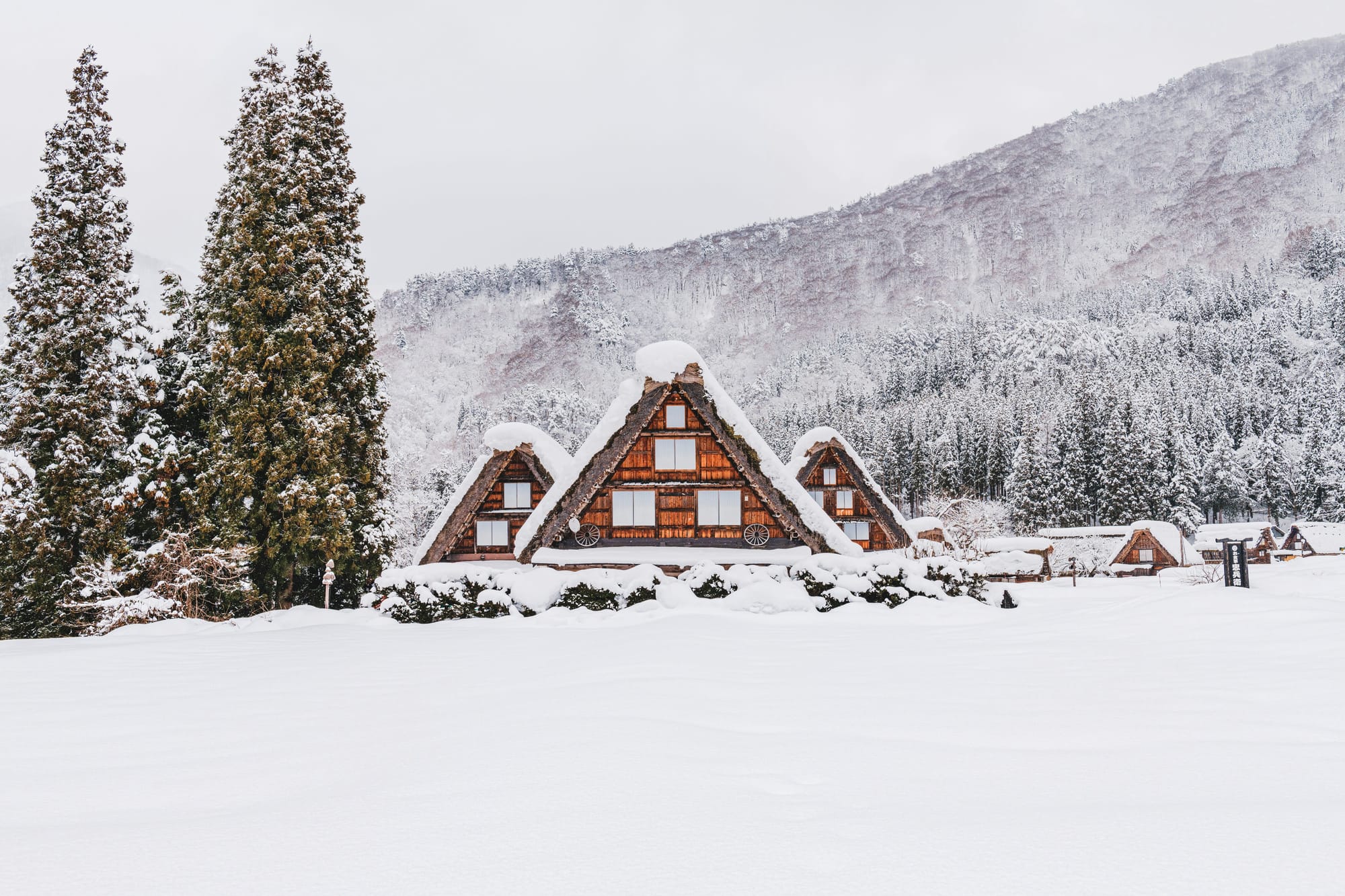
If you’re wondering when to go to Japan for world-class skiing and snowy landscapes, the best time is from late December to early March. During these months, regions like Hokkaido, Nagano, and Niigata have some of the best powder snow in the world, attracting skiers and snowboarders from around the world.
Best Time to Visit Japan for Festivals
Japan has festivals all year round, but the best time to visit for a vibrant festival experience is during summer (July to August) and early spring. Summer is packed with energetic matsuri featuring colorful parades, traditional dances, and spectacular fireworks, similar to the Gion Matsuri in Kyoto or Sumida River Fireworks in Tokyo.
Spring also brings in unique cultural events tied to the cherry blossom season, such as the hanami celebrations, where locals gather under blossom trees.
Autumn has its share of traditional harvest festivals, too. However, if you’re looking for high-energy crowds, lively street food, and unforgettable cultural performances, summer is the peak festival season in Japan.
Best Time to Visit Japan for Tokyo Disneyland
For the best overall experience at Tokyo Disneyland, aim to visit during spring (late April to early May) or autumn (late September to early November). You can enjoy mild weather, fewer rainy days, and a more comfortable park experience for walking and queuing for your favorite rides.
Best Times to Visit Japan for Fewer Crowds and Lower Prices
If you’re wondering when to go to Japan to avoid crowds and save on travel costs, consider visiting during the shoulder seasons (late May to mid-June and mid-September to early December). These periods fall between major holidays and peak tourist seasons, meaning flights are cheaper, there is more availability on accommodations, and popular attractions have fewer lines.
Winter (outside of New Year holidays) can also be a quieter and more affordable time to visit cities like Tokyo, Kyoto, and Osaka. Avoid major travel periods like Golden Week (late April–early May), Obon (mid-August), and New Year, when prices and crowds are at their peak.
Weather in Japan by Month: Tokyo, Kyoto, Osaka
Japan's climate varies from north to south, but for many travelers, the golden triangle of Tokyo, Kyoto, and Osaka offers a good snapshot of the country's seasonal rhythm.
Here's a month-by-month breakdown of the average temperature and rainfall in these three popular cities:
| Month | Tokyo Temp / Rainfall | Kyoto Temp / Rainfall | Osaka Temp / Rainfall |
| January | 5°C / 50mm | 4°C / 45mm | 6°C / 40mm |
| February | 6°C / 55mm | 5°C / 60mm | 7°C / 50mm |
| March | 9°C / 110mm | 9°C / 110mm | 10°C / 95mm |
| April | 15°C / 125mm | 14°C / 115mm | 15°C / 110mm |
| May | 20°C / 140mm | 19°C / 130mm | 20°C / 130mm |
| June | 23°C / 180mm | 23°C / 180mm | 24°C / 170mm |
| July | 27°C / 155mm | 27°C / 120mm | 28°C / 135mm |
| August | 29°C / 155mm | 29°C / 130mm | 30°C / 100mm |
| September | 25°C / 210mm | 25°C / 200mm | 26°C / 185mm |
| October | 19°C / 165mm | 18°C / 120mm | 19°C / 120mm |
| November | 13°C / 90mm | 12°C / 70mm | 13°C / 65mm |
| December | 8°C / 45mm | 6°C / 40mm | 7°C / 35mm |
Best Time to Visit Japan by Region
If you're wondering when to go to Japan, it really depends on the region you plan to explore. Japan’s weather and seasons can vary greatly depending on where in the country you wish to visit.
In this section, we’ll break down the best times to visit popular destinations like Okinawa, Hokkaido, Kyoto, and Tokyo, so you can make the most of your trip.
Okinawa
The best time to visit Okinawa is from late March to early May or October to early December, when the weather is warm, sunny, and less humid. Summer (June to September) is hot and lively but comes with high humidity, occasional typhoons, and more crowds. If you want clear skies and pleasant temperatures without the peak-season rush, spring and autumn are ideal.
Hokkaido
The best time to visit Hokkaido depends on what you’re looking for. Winter (December to February) is perfect for lovers of snow sports. Hokkaido is famous for its world-class skiing, snow festivals, and powdery landscapes. For nature and flower lovers, summer (June to August) offers mild temperatures, colorful flower fields in places like Furano, and great hiking weather. Unlike the rest of Japan, Hokkaido stays cool and pleasant even in summer.
Kyoto
The best time to visit Kyoto is during spring (March to May) and autumn (October to November). In spring, the city comes alive with cherry blossoms, especially around famous spots like Maruyama Park and the Philosopher’s Path. Autumn brings vibrant fall foliage, creating a striking backdrop for Kyoto’s majestic temples and tranquil gardens.
Tokyo
The best time to visit Tokyo is during spring (late March to May) and autumn (late September to November). These seasons offer mild weather, low humidity, and some of the city's most beautiful scenery. It’s also a great time for sightseeing, shopping, and outdoor dining. Summer can be hot and crowded, while winter is cold but clear, with fewer tourists and great views of Mount Fuji on some days.
Best Time for Budget Travelers
If you're traveling on a budget, the most affordable times to visit Japan are during the off-peak seasons, when flights and accommodation are generally cheaper.
The best month to visit Japan for saving money is typically February, when tourist numbers are low. Also, winter promotions are common during this time of the year, especially in major cities like Tokyo and Osaka.
Late May to mid-June is also a good window, just before the summer rush begins. Avoid major holidays like Golden Week and New Year, when prices and crowds spike.
Month-by-Month Travel Guide
Not sure when to book your trip? This month-by-month guide breaks down what to expect throughout the year, helping you decide the best month to visit Japan based on your interests, weather preferences, and crowd levels.
| Month | Weather | Prices | Crowd Level | Highlight |
| January | Cold, dry, clear skies | Low (after the New Year holiday) | Low | Snow festivals in Hokkaido, winter sports |
| February | Cold, slightly warmer than January | Low | Low | Plum blossoms, more snow activities |
| March | Cool, start of spring | Moderate | Moderate | Early cherry blossoms in southern Japan |
| April | Mild; Cherry blossoms are in full bloom | High (cherry blossom season) | High | Peak sakura season, hanami parties |
| May | Warm, fresh greenery | Moderate (high during Golden Week) | Moderate to High | Lush gardens, pleasant weather |
| June | Hot, humid, start of rainy season | Low to Moderate | Low to Moderate | Hydrangeas, start of firefly viewing |
| July | Very hot, humid, occasional rain | High (summer holidays begin) | High | Summer festivals, fireworks, climbing season start |
| August | Hot, humid, possible typhoons | High (Obon season) | High | Obon events, beach season, fireworks |
| September | Warm, rainy early, cooler later | Moderate | Moderate | Late summer festivals, early autumn colors |
| October | Mild, comfortable temperatures | Moderate | Moderate Peak | Autumn foliage in some areas |
| November | Cool, crisp air, vibrant foliage | Low to Moderate | Low to Moderate | Autumn leaves in Kyoto and Tokyo |
| December | Cold, dry, occasional snow in the north | High (late month for holidays) | High (late month) | Christmas markets, hot springs |
How to Stay Connected While Traveling in Japan
Staying connected in Japan is essential for navigating trains, translating signs, and sharing your trip in real time. One of the easiest and most affordable ways to do that is by using Jetpac's eSIM for Japan.
Jetpac lets you access mobile data right away. There's no need for a physical SIM or pocket Wi-Fi. No matter when you think is the best time to visit Japan, an eSIM is the smartest way to stay connected without missing a beat.
Worst Time to Visit Japan
While Japan is beautiful year-round, the worst time to visit for many travelers is during the peak of summer, particularly late July to mid-August. This period is part of the Japan travel seasons when the weather is extremely hot and humid, with temperatures often exceeding 35°C (95°F), making sightseeing and outdoor activities uncomfortable.
The peak of summer also coincides with school holidays and major festivals, which means crowded attractions, higher prices, and limited availability. If you prefer cooler weather and fewer crowds, it's best to avoid this time of year.
FAQs
What is the most affordable time to travel to Japan?
The most affordable time to travel to Japan is during the off-peak seasons, typically in January to early March and late May to mid-June. These periods offer lower airfare and hotel rates, fewer tourists, and good deals, especially after the New Year. If you’re looking for the best month to visit Japan on a budget, consider February or June, when prices are generally lower and crowds are minimal.
When is typhoon season in Japan, and should I avoid it?
Typhoon season in Japan typically runs from June to October, with the highest activity in August and September. While not all areas are affected equally, typhoons can bring heavy rain, strong winds, and travel disruptions. You don’t necessarily need to avoid Japan during this time, but it’s wise to stay flexible with your travel plans.
Does Japan shut down during national holidays or Golden Week?
Japan doesn’t completely shut down during national holidays or Golden Week (late April to early May), but it’s one of the busiest travel periods of the year. While tourist attractions, restaurants, and shops generally remain open, you can expect larger crowds, fully booked accommodations, and limited availability on trains and flights.
What’s the best time for food lovers to visit Japan?
Japan is a year-round foodie destination. However, autumn (September to November) is especially great for food lovers. It is the harvest season, and ingredients like mushrooms, chestnuts, sweet potatoes, and fresh seafood are at their peak. Seasonal dishes and food festivals are everywhere. Winter is also a delicious time to visit, with hearty hot pots, crab, and warm street foods perfect for the colder weather.
Are tourist attractions open year-round in Japan?
Most major tourist attractions in Japan, including temples, shrines, museums, and theme parks, are open all year-round, but some may have short holiday closures, especially around New Year (late December to early January). Seasonal attractions, like ski resorts or flower parks, operate only during specific times of the year.
What should I pack for Japan in different seasons?
Packing for Japan depends on the season. In spring (March–May) and autumn (September–November), bring light layers. Summer (June–August) is hot and humid, so pack breathable clothing, a hat, sunscreen, and a small umbrella for sudden rain or the rainy season. In winter (December–February), especially in northern regions, you'll need a warm coat, gloves, and layers.
Is Japan crowded during school holidays?
Yes, Japan can get quite crowded during school holidays, especially at theme parks like Disneyland and Universal Studios. Peak periods include Golden Week (late April to early May), Obon (mid-August), and New Year holidays (late December to early January). If you're looking to avoid crowds, it's best to plan your trip outside these dates when deciding when to go to Japan.
Can I see Mount Fuji year-round?
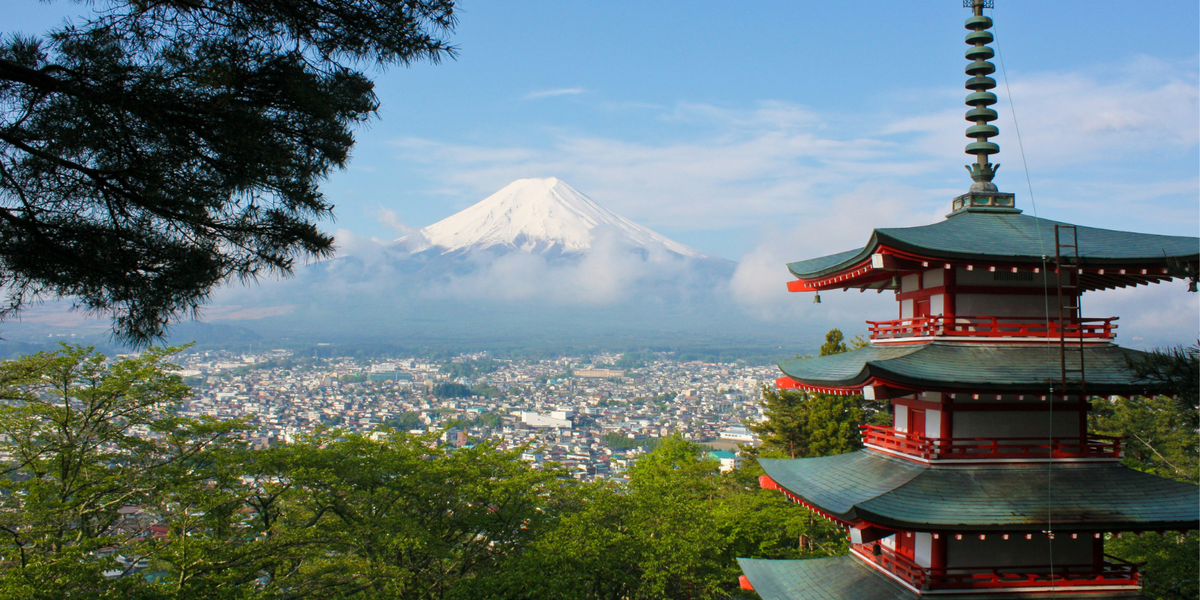
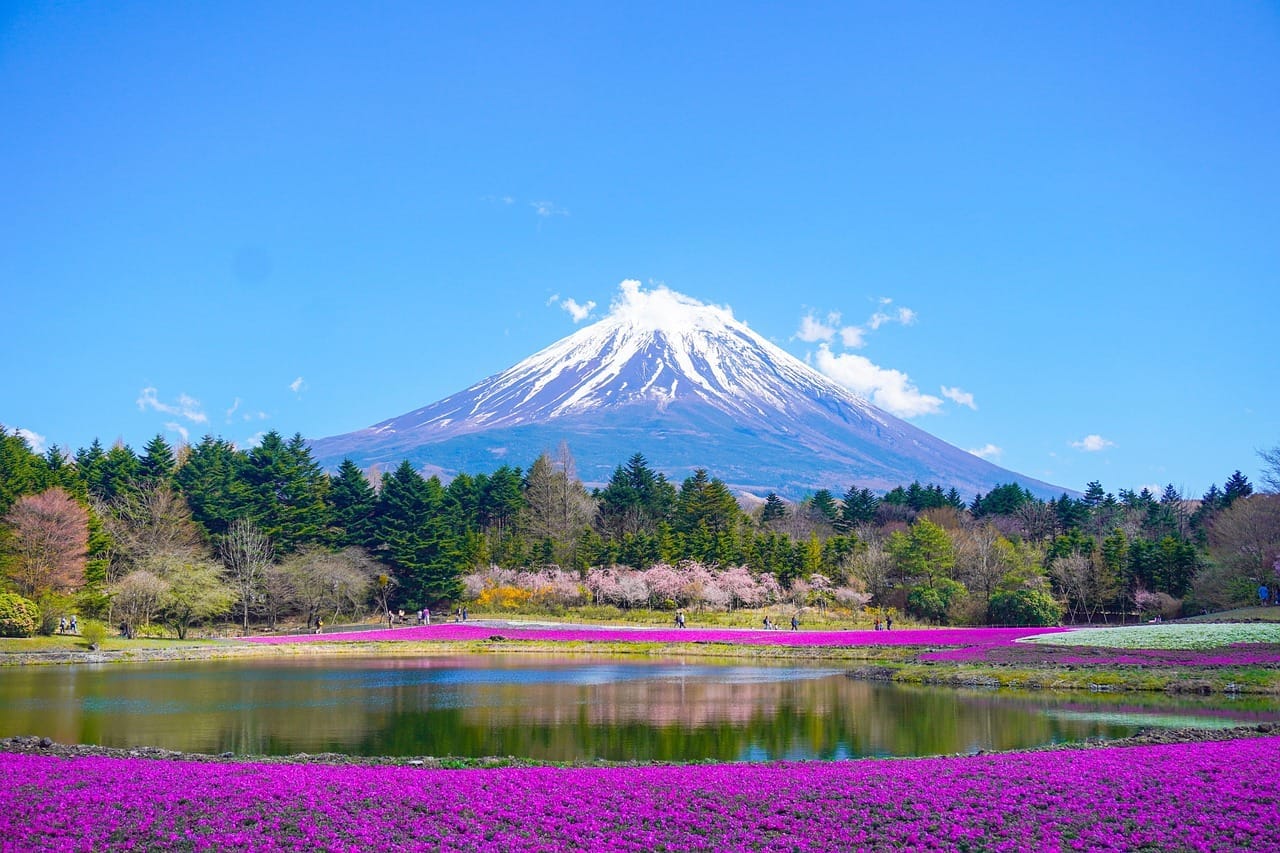
You can see Mount Fuji year-round, but it’s often hidden by clouds, especially in summer. For the best chance of seeing it clearly, visit during the cooler, drier months from November to February, ideally in the early morning. If spotting Mount Fuji is your priority, then winter is the best time to visit Japan to enjoy crisp, unobstructed views.