Best Time to Visit Spain: Month-by-Month Guide with Travel Tips
If you're planning a trip to Spain and are not sure when to go, check out our month-by-month guide to help you decide.
If you're planning a trip to Spain and are not sure when to go, check out our month-by-month guide to help you decide.
One of the trickiest parts of planning a trip to Spain is deciding when to go. This vast and diverse country shines differently in every season. Spring bursts with pleasant weather and vibrant festivals, while autumn enchants with mild temperatures and fewer crowds. In summer, Spain basks in golden sunshine, its beaches inviting you to swim and unwind.
So, when exactly is the best time to visit Spain? This month-by-month guide breaks down the weather, crowds, costs, and seasonal highlights to help you plan that perfect trip. And while you’re planning, consider getting an eSIM for Spain, a convenient way to connect to the internet without the hassle of swapping physical SIM cards.

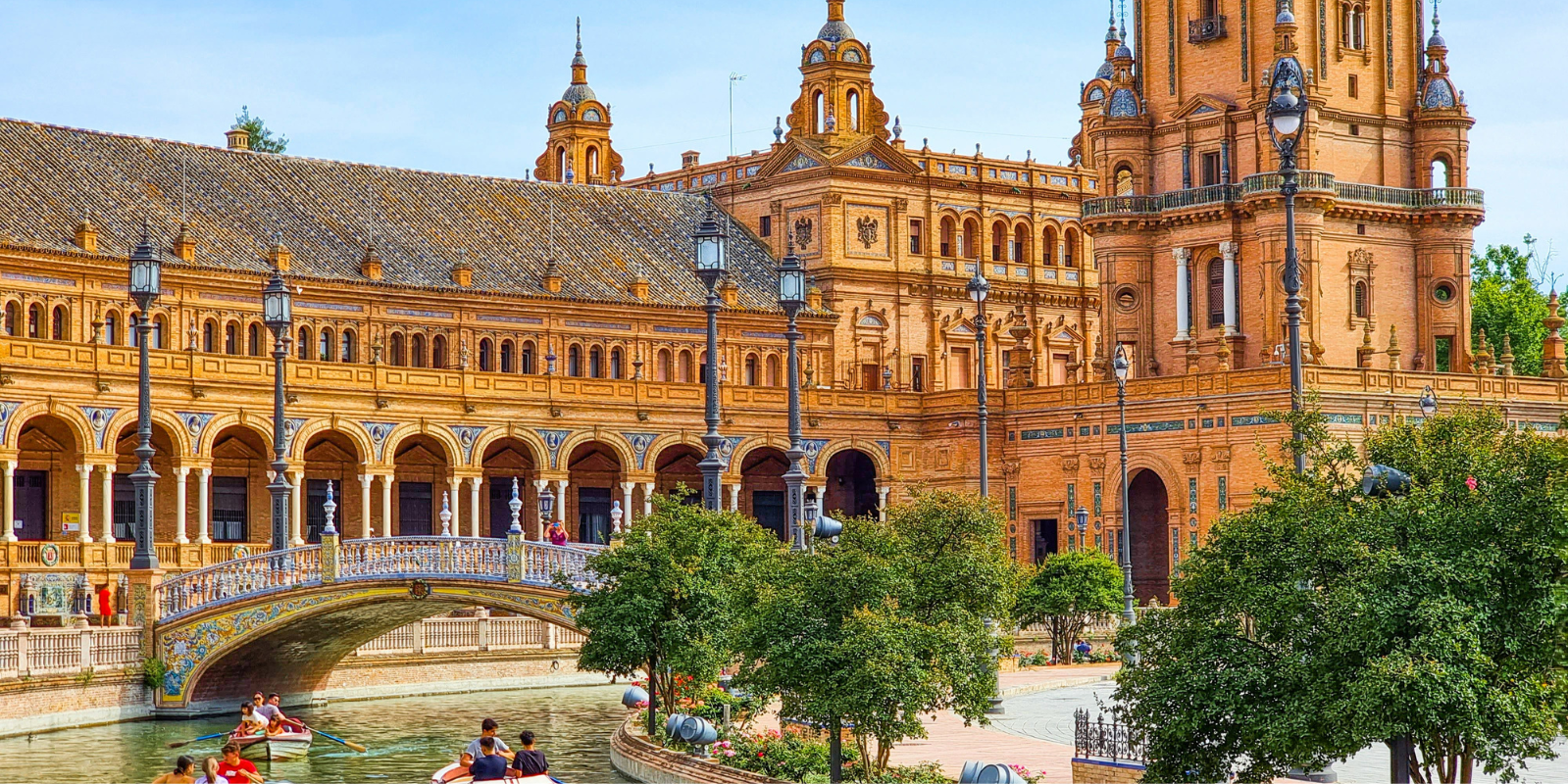
Photo by Jorge Fernández Salas on Unsplash
Spain Travel Seasons
Spain generally has three travel seasons: high, shoulder, and low. Here’s what to expect in each season:
High Season (June - August)
Of all the Spain travel seasons, summer is the peak. Running from June to August, it’s defined by hot weather, especially in inland cities like Madrid and Seville. Coastal destinations such as the Costa del Sol, Costa Brava, and the Balearic Islands buzz with activity as tourists flock to the beaches.
This is also the most crowded time of year, with popular attractions often packed and prices for hotels, flights, and even activities at their highest. If you’re visiting in summer, it’s wise to book well in advance.
Still, summer in Spain has its charms. The vibrant atmosphere, long daylight hours, and abundance of outdoor events make it an exciting time to visit, and you may even catch one of the country’s famous summer festivals.
Shoulder Seasons (Spring: March - May; Autumn: September - October)
In the calendar of Spain travel seasons, spring and autumn are often considered a great time to be in Spain. These months bring mild, comfortable weather that makes sightseeing more enjoyable, since you won't have to deal with the sweltering heat or heavy crowds. In spring, flowers blanket the countryside in vibrant colors, while autumn paints the landscapes in warm golden tones and brings lively harvest festivals.
Crowds are thinner compared to the high season, allowing you to truly enjoy popular attractions with less hustle and bustle. Accommodation and flight prices also tend to be more reasonable. Overall, the shoulder seasons are the best time to visit Spain.
Off & Low Seasons (Winter: November - February)
Winter marks the low travel season in Spain, and is the best time for budget-conscious travelers and those seeking a more authentic local experience. During these months, you’ll find fewer tourists, cheaper flights, and lower hotel rates, especially outside the Christmas and New Year period. While inland areas can be chilly, and some coastal towns quiet down, Spain still offers plenty to enjoy.
This is also a festive time of year, with vibrant Christmas markets, New Year celebrations, and the colorful Three Kings’ Day parades in January. In certain regions, you can even enjoy winter sports, such as in the Pyrenees and Sierra Nevada, where you can enjoy skiing. If you don’t mind cooler weather, visit during the low seasons. It will reward you with great savings, a quieter atmosphere, and some of Spain’s most spirited celebrations.
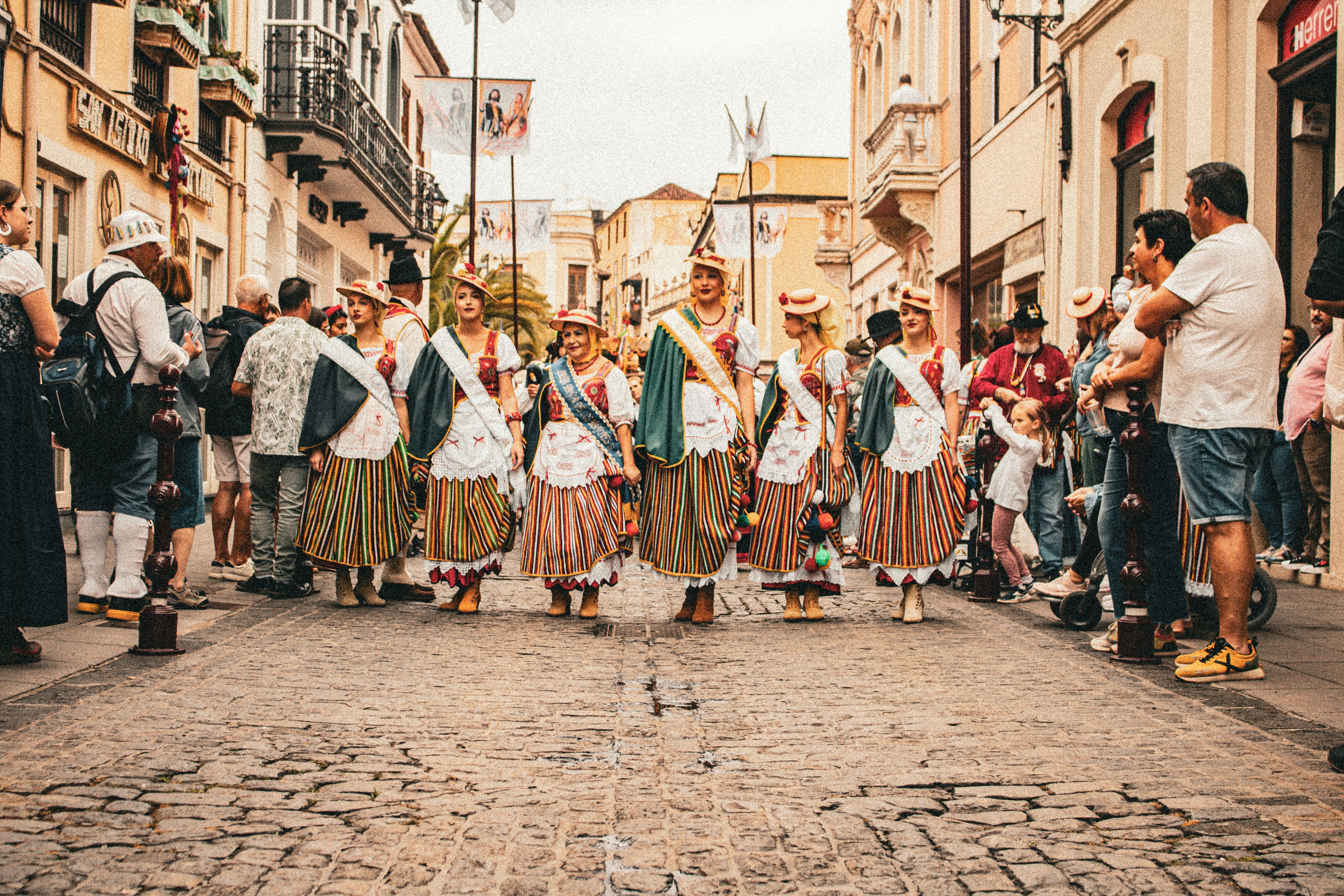
Photo by Junior Verhelst on Unsplash
Season-by-Season Guide
Spain changes its colors with the seasons. Spring bursts with blooming flowers, summer is bathed in sunshine, autumn offers peaceful landscapes, and winter comes alive with festive celebrations.
Here’s a snapshot of each to help you decide the best time to visit Spain.
Spring (March–May)
Spring is one of the most delightful times to visit Spain. The season enjoys mild temperatures, and the days are longer, giving you plenty of time for sightseeing and other outdoor activities. Since it's the blooming season, almost everything in Spain is bursting in color, from parks to gardens and the countryside villages.
Spring is also when you can witness some of the country's most iconic celebrations, such as the Semana Santa (Holy Week) in Seville, the lively Feria de Abril (April Fair), and the beautiful Patios de Córdoba festival, when locals open their flower-filled courtyards to the public.
Summer (June–August)
Summer is the peak of the Spain travel season, bringing hot, sunny days, particularly in inland and southern areas like Madrid, Seville, and Andalusia. It’s the best time to visit Spain for beach lovers. However, expect beach destinations like the Costa del Sol, Costa Brava, Canary Islands, and Balearic Islands to be busier than usual.
Summer also comes with its downsides - temperatures can soar during heatwaves, and popular destinations often become overcrowded with tourists. If you can handle the heat and don’t mind the crowds, summer is worth considering. You will appreciate the long daylight hours, lively festivals, and an unbeatable seaside atmosphere.
Autumn (September–November)
Autumn brings cooler, more comfortable weather. It's the perfect time for sightseeing without the intense heat of summer. Crowds thin out during this time, so it's more enjoyable to explore. This is also wine harvest season in regions like La Rioja and Ribera del Duero. If you're interested in discovering Spain’s rich winemaking tradition, this is the time to visit.
In the north and mountainous regions, autumn paints the landscapes in vibrant hues, adding a golden touch to your travels. With its relaxed pace, fewer crowds, and stunning scenery, it might just be the best time to visit Spain.
Winter (December–February)
Winter in Spain brings in a different kind of charm, with mild temperatures in the south, making cities like Seville, Málaga, and Granada pleasant for exploring. Meanwhile, the Pyrenees and Sierra Nevada come alive for ski season. Across the country, the festive spirit is in full swing. You'll see vibrant Christmas markets, fun New Year celebrations, and the colorful Three Kings’ Day parades.
Winter is also the quietest time of year for tourism. Therefore, there will be fewer crowds at major attractions, and accommodations are more affordable. If you’re wondering when to visit Spain for a budget-friendly yet culturally rich experience, winter is the answer.
Best Times to Visit for Smaller Crowds
If you want to avoid the tourist rush, the best month to visit Spain often falls in the shoulder seasons. These are spring (March to May) and autumn (September to October). During these months, you can enjoy pleasant weather and popular attractions without the summer congestion.
Even in winter, outside of the Christmas and New Year period, you'll find that the streets are quieter and have more breathing room in major cities like Barcelona and Madrid. Traveling to Spain in these off-peak times not only means fewer crowds but also better deals on flights and accommodations.
Best Times to Visit for Good Weather
If you’re after sunny skies and comfortable temperatures, the best time to visit Spain is in late spring (May) or early autumn (September). During these months, Spain enjoys warm, pleasant days without the intense summer heat. This is the ideal time for sightseeing, outdoor dining, and exploring charming cities and the countryside.
Coastal destinations are perfect for beach trips, while inland areas remain cool enough for sightseeing. By planning your trip during these seasons, you’ll enjoy some of the year’s most beautiful weather along with a more relaxed atmosphere than the busy summer months.
Best Times to Visit for Lower Prices
If you want to save money on your trip to Spain, visit during the quiet winter months, from November to early March. During this period, you can take advantage of cheaper flights, accommodations, and activities. You can find discounted hotel rates even in major cities like Madrid and Barcelona.
Plus, visiting during the off-season means you can explore without the busy tourist crowds. Winter in Spain also means visiting Christmas markets and enjoying winter sports in the mountains.
If you're wondering when to visit Spain to enjoy maximum savings, schedule your trip for late January or February. Prices are at their lowest during this time, and popular attractions are less crowded.
The Best Time to Visit Barcelona
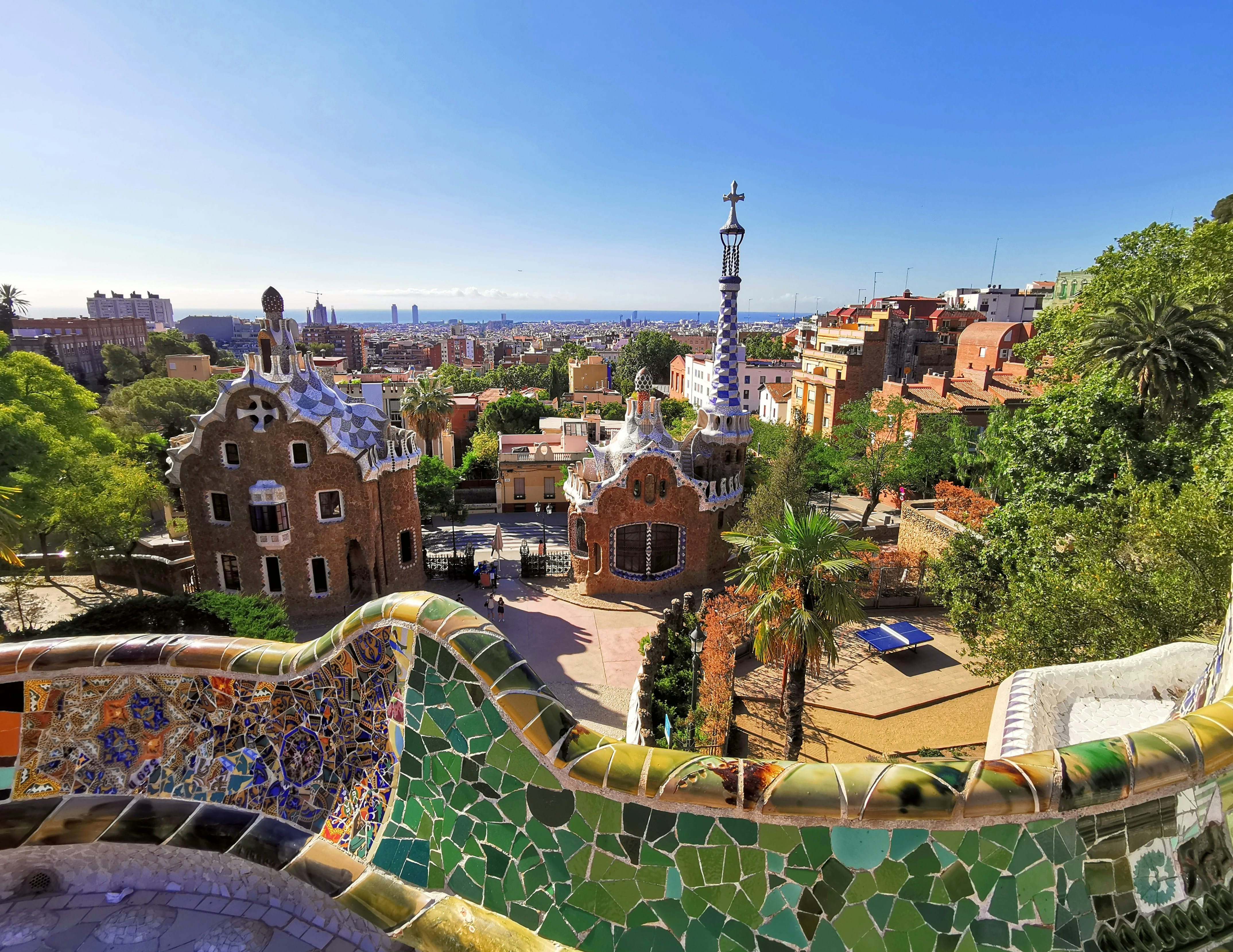
Barcelona boasts a Mediterranean climate, so it's a great destination to visit all year round. However, the best time to visit Barcelona is during spring (April to June) and early autumn (September to October). During these months, the city enjoys warm, pleasant weather, perfect for strolling down Las Ramblas, exploring Gaudí’s masterpieces, and relaxing on the city’s beaches.
Visiting during spring and autumn also allows you to witness some events in Barcelona, such as flower festivals in spring and wine celebrations in autumn. Summer is a great time to enjoy Barcelona's beaches. However, be prepared to brave the crowd of beachgoers. Also, prices tend to be on the higher side.
The Best Time to Visit Madrid
The best time to visit Madrid is in spring (March to May) and autumn (September to October), when the weather is mild and perfect for exploring the city’s grand boulevards, leafy parks, and world-class museums. In spring, you’ll enjoy blooming gardens and lively outdoor terraces, while autumn offers crisp air and colorful foliage in places like Retiro Park.
Summer in Madrid can be really hot, with temperatures often soaring to 35°C (95°F). Since many locals would head to the coast, this can mean the streets are quieter. Winter is cooler but pleasant, with festive lights, Christmas markets, and fewer tourists.
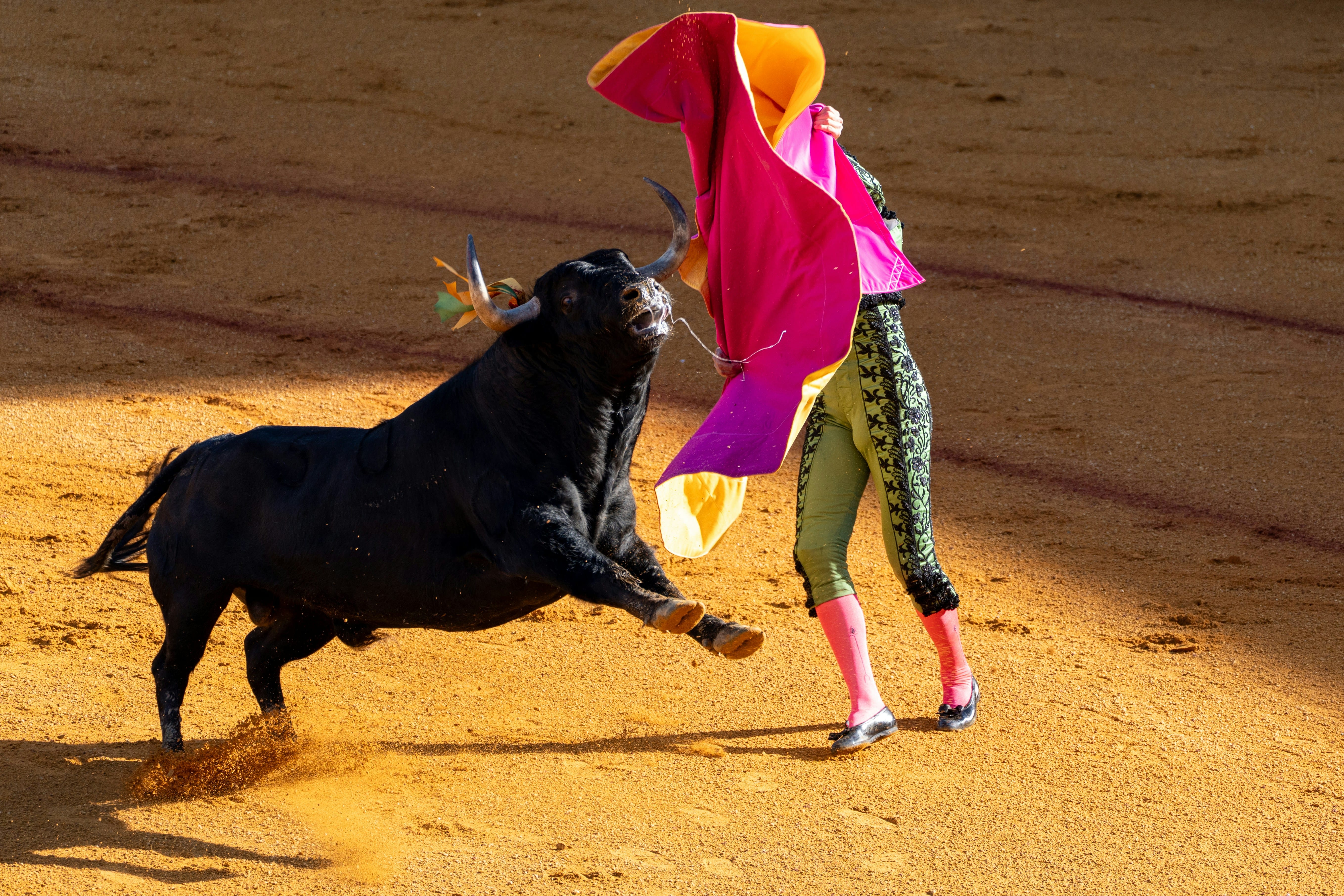
Photo by Paul Kenny McGrath on Unsplash
Best Times to Visit Spain for Festivals
If you want to experience Spain’s lively celebrations, the best time to visit is during spring and summer. In spring, you can partake in world-famous events like Semana Santa (Holy Week), which is especially spectacular in cities like Seville and Málaga, and the colorful Feria de Abril in Seville.
Summer heats up with festivals like La Tomatina in August and the running of the bulls at San Fermín in Pamplona. Autumn also offers harvest festivals and regional celebrations, while winter lights up with festive Christmas markets and the Three Kings’ Day parades.
Worst Times to Visit
While Spain is a year-round destination, some periods are less ideal for travelers. The peak summer months of July and August, though popular, often bring extreme heat, especially inland, not to mention the overwhelming crowds that can make sightseeing and searching for accommodations stressful. In addition, prices for flights and hotels are at their highest during this time.
If you’re wondering about the best month to visit Spain, July and August usually aren’t it, unless you’re specifically seeking lively beach parties and festivals and don’t mind the hustle. Also, major holidays like Easter week in certain cities can mean crowded streets and booked accommodations. Planning your trip outside these peak times can help you enjoy Spain even more.
When Is the Rainy Season?
Spain’s rainy season varies by region but generally occurs in the autumn months, from October to November. During this time, northern and western areas, such as Galicia, Asturias, and parts of the Basque Country, experience the most rainfall. Central Spain, including Madrid, sees occasional showers, while southern regions such as Andalusia remain relatively dry. Spring (March and April) can also bring some rain, but it’s usually lighter and less frequent.
When Is High Season?
The high season in Spain typically runs from June through August, coinciding with the summer months. During this period, the country experiences its warmest weather, attracting tourists to its beaches and vibrant cities.
Coastal areas and popular destinations like Barcelona, Madrid, and the Balearic Islands are often busy during the high season. As a result, prices for accommodations and flights reach their peak, and attractions tend to be very crowded. If you plan to visit during high season, it’s best to book well in advance.
When Is Shoulder Season?
The shoulder season is arguably the best time to visit Spain. It falls in spring (March to May) and autumn (September to October). During these months, the weather is generally mild and pleasant. You can enjoy sightseeing to the fullest, since you won't have to deal with the intense heat or crowds.
Tourist numbers are lower during the shoulder seasons, and prices for flights and accommodations tend to be more affordable. These periods also coincide with many cultural festivals and stunning changes in the natural scenery.
When Is the Low Season?
The low season in Spain generally falls between November and February, except for the busy holiday period around Christmas and New Year. If you’re wondering when to visit Spain for fewer crowds and budget-friendly prices, this is the time to go.
During these months, many popular tourist spots are quieter, accommodations and flights are often at their cheapest, and you can experience a more authentic side of Spanish life. While the weather can be cooler, the south still has pleasant conditions for exploring outdoors.
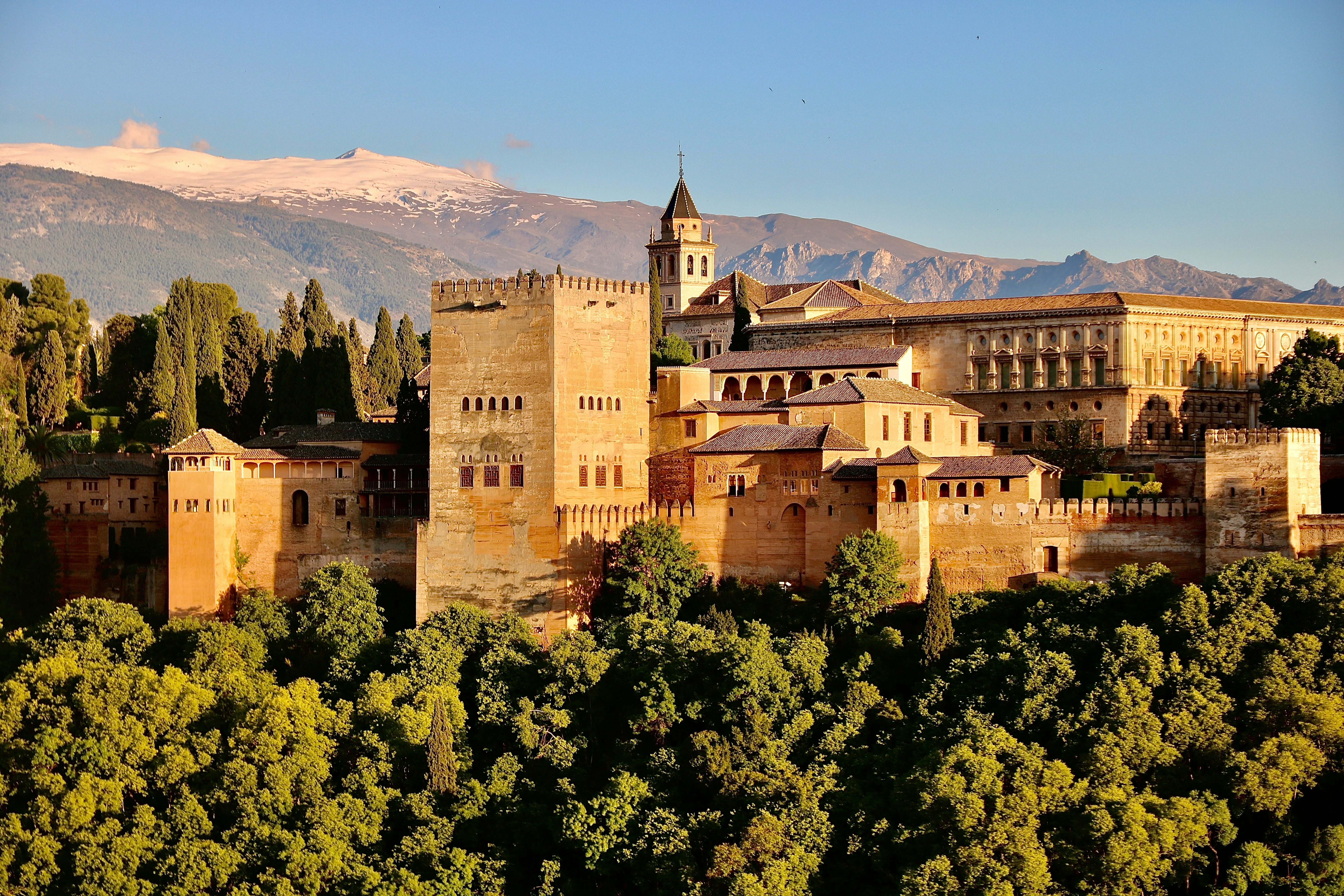
Photo by Jorge Fernández Salas on Unsplash
Regional Travel Timing Tips
Spain is a vast country with diverse regions, each offering its own unique climate and seasonal patterns. If you’re planning to explore these different areas, it’s worth knowing what to expect at various times of the year.
Here are some regional travel timing tips to help you plan your trip:
Southern Spain & Mediterranean Coast
The ideal time to explore Southern Spain and the Mediterranean Coast is during spring (March to May) and autumn (September to November), when the weather is pleasantly warm, landscapes are vibrant, and crowds are more manageable. These seasons are perfect for sightseeing, outdoor activities, and coastal walks without the discomfort of the intense summer heat.
It’s best to avoid visiting the region in summer (June to August), as temperatures often soar well above 35°C (95°F), particularly in inland cities like Cordoba and Seville. The extreme heat can make exploring during the day uncomfortable, and outdoor activities are usually limited.
Northern Spain (Galicia, Cantabria, Basque Country)
Northern Spain, stretching from Galicia through Cantabria to the Basque Country, has a cooler, greener climate compared to the south, thanks to the influence of the Atlantic Ocean. Summer (June to August) is the ideal time to visit, since the weather is drier and milder, allowing you to explore the beaches, charming fishing villages, and lush mountain trails without worrying about heavy rains common in other seasons.
Canary Islands & Winter Sun Destinations
The Canary Islands boast an exceptional microclimate that keeps them warm and sunny throughout the year, making them one of Europe’s most sought-after winter escape destinations. Thanks to their location off the northwest coast of Africa, the islands enjoy consistent spring-like conditions even in the middle of winter. In the coldest months, daytime temperatures typically range from 20 to 24°C, accompanied by plenty of blue skies and only light, infrequent rainfall.
The islands' unique climate means you can enjoy sunbathing on golden beaches even in January, hike volcanic trails without the summer heat, or stroll through lush subtropical gardens while much of Europe is under grey skies.
Expert & Traveler Insights
Travel experts consistently agree that the best time to visit Spain is during the spring and autumn months. The mild temperatures and fewer crowds create the perfect conditions for exploring the best of the country. Renowned guidebook author Rick Steves recommends these seasons for their ideal balance of pleasant weather and manageable tourist crowds, while Conde Nast Traveler notes that off-season travel not only enhances the sightseeing experience but also supports sustainable tourism. Many seasoned travelers praise the vibrancy of local festivals during these periods, such as Seville’s Feria de Abril and La Rioja’s wine harvest celebrations.
On online forums like Reddit, experienced visitors often rank the shoulder seasons as their top choice for discovering Spain’s diverse regions without the summer rush. Northern Spain shines beautifully in late spring with lush, green landscapes, while the Mediterranean coast basks in warm but comfortable sunshine in early autumn. By timing your trip to these windows, you’ll enjoy Spain’s most beloved attractions with more breathing room.
Heatwave & Climate Alert
In recent years, Spain has experienced a noticeable rise in the frequency and intensity of off-season heatwaves, a trend linked to broader climate change patterns across Europe. Unseasonably high temperatures (sometimes exceeding 30°C in spring or autumn) are becoming more common, particularly in southern regions like Andalusia and along the Mediterranean coast. These shifts could affect your travel plans, as days once considered comfortably mild may now feel more like peak summer.
Travelers are encouraged to stay updated on weather forecasts, especially when planning trips outside the standard summer months. Flexible itineraries, early morning sightseeing, and staying hydrated can help mitigate the impact of unexpected heat. While spring and autumn remain among the best times to visit Spain, it’s wise to prepare for the possibility of hotter-than-average days even during the shoulder seasons.

Photo by Toa Heftiba on Unsplash
Best Time by Travel Type
The best time to visit Spain will also depend on the type of experience you are looking for. Here’s a quick guide:
| Travel Type | Best Time to Visit | Why |
| City Sightseeing and Cultural Tours | Spring (Mar–May) & Autumn (Sep–Nov) | Mild weather, fewer crowds, ideal for walking tours in cities like Madrid, Seville, and Barcelona. |
| Beach and Coastal Holidays | Late Spring (May–Jun) & Early Autumn (Sep) | Warm seas, sunny skies, and less crowded than peak summer. |
| Hiking and Outdoor Adventures | Late Spring & Early Autumn | Cooler, dry weather, ideal for exploring the Pyrenees, Picos de Europa, and Sierra Nevada. |
| Food and Wine Tourism | Autumn (Sep–Oct) | Harvest season brings wine festivals, fresh produce, and vineyard tours in La Rioja, Ribera del Duero, and Galicia. |
| Festivals | Varies by Event | Spring for Feria de Abril in Seville, summer for Running of the Bulls and La Tomatina. |
| Winter Sun Seekers | Winter (Nov–Mar) | The Canary Islands offer mild, sunny weather when much of Europe is cold. |
Stay Connected with Jetpac’s eSIM for Spain
If you want a smarter, more flexible way to stay connected while traveling throughout Spain, Jetpac eSIM for Spain is the perfect solution. Designed with travelers in mind, Jetpac is so easy to set up. It keeps you online without the hassle of swapping SIM cards or dealing with expensive roaming fees.
With 5G support and access to multiple top-tier networks across Spain, you can stay connected as you stroll through Barcelona’s Gothic Quarter, explore Madrid’s museums, or relax on the beaches of Costa del Sol. If one network’s coverage dips, Jetpac eSIM for Spain will automatically switch to another so you’re always connected wherever your adventure takes you.