
Can Tourists Use eSIM in Turkey in 2026?
Travelers can use eSIM in Turkey in 2026 if it is installed before arrival. The local ban only affects in-country purchases from some providers. Buy and activate early, avoid restricted brands, and choose alternatives like Jetpac or a local SIM to stay connected across Turkey.
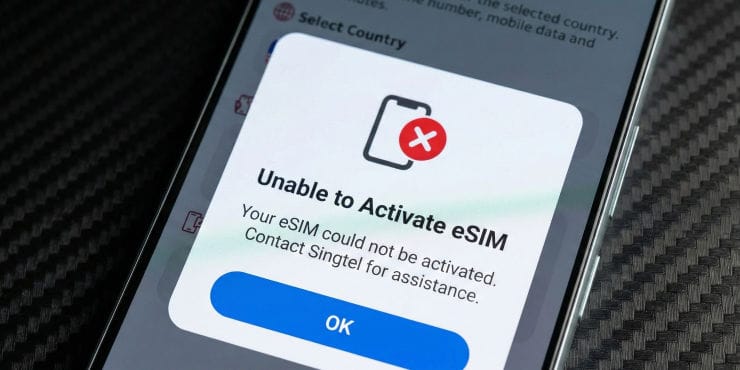
Imagine stepping off a plane in Istanbul, greeted by the aroma of fresh simit bread and Turkish coffee, only to find your phone’s internet isn’t working. Many travelers in 2026 are caught off guard by a Turkey eSIM ban that silently took effect in 2025.
eSIM technology itself isn’t illegal or blocked – you can still use a Jetpac eSIM for Turkey travel . The key is to activate it before you arrive in Turkey to avoid connectivity issues.
This blog will explain the current Turkey eSIM travel regulation, which eSIM services are blocked, how to stay connected as a tourist, and what steps to take so you can share those stunning Istanbul and Cappadocia moments without a hitch.
Understanding the Turkey eSIM Ban (2025–2026)
By mid-2025, Turkey’s Information and Communication Technologies Authority (BTK) began blocking access to many popular international eSIM providers’ websites and apps. This move – often called the Turkey eSIM ban – means that if you try to buy, download, or activate certain travel eSIM plans while in Turkey, you’ll likely hit a dead end.
Importantly, the ban targets the purchase process, not the eSIM technology itself. In practical terms, eSIM plans activated before arrival generally continue to work normally in Turkey. But if you wait until after you land, you won’t be able to access those eSIM providers’ services on Turkish networks.
Why did Turkey do this?
The restrictions stem from a Turkish eSIM travel regulation aimed at bringing eSIM services under local oversight. Turkish law now requires eSIM data to be stored on Turkish soil and eSIM provisioning to use local telecom infrastructure.
Unlicensed foreign eSIM companies operating entirely abroad were seen as sidestepping Turkish regulations. Authorities also want to prevent “permanent roaming” – travelers or locals using foreign eSIMs indefinitely – and instead encourage use of domestic networks.
This policy is about regulatory control, data security, and yes, economics: steering customers toward Turkish carriers like Turkcell, Vodafone Turkey, or Türk Telekom. For tourists, it means a bit more planning is needed, but you can absolutely stay connected with the right approach.
Which eSIMs Are Banned in Turkey?
It’s crucial to know which eSIMs are banned in Turkey so you can avoid or work around them. As of the latest updates, Turkey’s BTK has blocked access (from within Turkey) to at least eight major travel eSIM providers:
- Airalo
- Holafly
- Saily
- Nomad
- Instabridge
- Mobimatter
- Alosim
- BNESIM
These are the primary services known to be affected by the Turkey eSIM ban, travel advice you may have heard about.
In short, any eSIM from these providers might not install or function if you only try to set it up after entering Turkey. The websites and apps for these companies simply won’t load on Turkish internet connections. Some other international eSIM brands have reportedly been impacted too (for example, reports mention Holiday eSIM, Flexiroam, Airhub, GlobaleSIM, Roamless, even GigSky) – essentially any provider without a compliant local presence could be on the block list.
Important: This doesn’t mean your phone’s eSIM functionality is disabled in Turkey. It means these specific companies’ services are geoblocked inside Turkey. If you already have an eSIM from one of these providers installed and active before your trip, it should continue to give you data in Turkey. The ban stops new downloads or activations on Turkish soil, not the usage of data itself.
What Should You Do If You Already Bought One?
If you already purchased an eSIM from one of the above-listed providers, affected by the Turkey eSIM ban, you likely have not wasted your money. Below is practical Turkey eSIM ban travel advice to help you still use it.
- Activate it before you arrive: Install and activate the eSIM while you are still outside Turkey. Add the eSIM to your phone, confirm it connects, then turn off data roaming to save the plan for your trip. Once in Turkey, the provider’s app or website may be inaccessible.
- Save everything offline: Screenshot or download the eSIM QR code, activation details, and instructions before traveling. If you need to troubleshoot later, you will not have to access a blocked site or app.
- Test it after landing: Enable the eSIM and turn on data roaming when you arrive. Many pre-activated eSIMs connect to local networks like Turkcell or Vodafone and work normally for data.
- If it does not connect, stay calm: Check signal settings, try manual network selection, restart your phone, or toggle airplane mode. These steps often fix connection issues.
- Use Wi-Fi or a VPN if needed: Connect to airport or hotel Wi-Fi and use a VPN (Virtual Private Network) installed in advance. A VPN may allow access to the provider’s app or website to complete setup or top up. This is a backup option, not a guarantee.
- Switch to a local option if necessary: If the eSIM still does not work, buying a local SIM or eSIM may be the fastest solution. If your plan is refundable, you can request a refund citing issues related to the turkey esim ban.
In most cases, travelers who activate early and save their details offline continue using their eSIMs in Turkey without issues. The key turkey eSIM ban travel advice is simple. Do not wait until arrival to set things up.
Are There eSIMs That Still Work in Turkey?
Yes – not every eSIM provider is blocked. There are international eSIMs like Jetpc that still work inside Turkey because they operate differently and are not in the official list of banned eSIM providers.
Typically, some of the providers have local partnerships, servers, or compliance with Turkish regulations, so Turkey’s network doesn’t treat them as foreign intruders. If you’re wondering which eSIM for Turkey is a safe bet now, here are some options travelers have found reliable:
- Jetpac – Jetpac eSIM for Turkey has gained popularity for Turkey trips due to its affordability and value for money. Jetpac plans are known for being affordable and short-term (e.g., 1 GB for a few days at around $1 (for new users thereafter $4), or larger 5–10 GB plans under $10).
Jetpac goes a step further. No matter which region you explore, having a travel eSIM that automatically adapts to different networks and coverage conditions makes a clear, practical difference.
With Jetpac, staying connected across Turkey’s cities, coastlines, and scenic regions is simple, reliable, and stress-free. Some other options include:
- GigSky: A long-running eSIM provider with regional plans. Turkey support has mixed reports, but travelers who activated before arrival were still able to connect to local networks. Access the app and complete setup before your trip. When prepared in advance, GigSky can provide stable 4G data in Turkey.
- Yesim: An international eSIM provider offering Turkey-compatible plans. It works through partnerships with Turkish carriers, keeping the service accessible in the country. Travelers report reliable performance when installed before arrival.
- Roamless: A newer provider with pay-as-you-go data. It continues to work in Turkey through local network partnerships, including Turkcell. Best suited for flexible usage, with installation recommended before flying.
These are just a few examples – the landscape is evolving, so by 2026, you might see more international eSIM companies finding compliant ways to serve Turkish travelers. Always check recent traveler reviews or forums for the latest experiences.
In general, choose eSIM services that explicitly mention working in Turkey post-2025 or those with local telecom partnerships. They’re more likely to remain accessible. And of course, purchase and download the eSIM profile before your trip as a precaution.
How to Choose the Best eSIM for Turkey Travel Planning
Every traveler’s needs differ, so the best eSIM for Turkey will depend on your budget, data needs, and how long you’ll be in the country. That said, when planning a 2026 Turkey trip, you should prioritize an eSIM that avoids the ban hurdles and offers good coverage. Here are a few tips and options:
1. Look for Local Connectivity: Pick eSIMs that connect directly to Turkish networks like Turkcell or Vodafone Turkey. Jetpac is a popular option for its local network access and low prices, with plans like 10 GB for about $10, enough for a week of maps, social media, and emails. Always compare providers to match your plans.
Jetpac eSIM for Turkey is an affordable option as mentioned above, that makes it easy to stay connected without overspending. (Soft reminder: Always compare a few providers to see which suits your itinerary.)
2. Consider Data vs. Duration: Some eSIMs offer unlimited data for short periods, Jetpac eSIM for Turkey offers fixed data plans with longer validity. Unlimited plans can cost more or have speed limits. For most travelers, 5 to 10 GB over one to two weeks is sufficient and more affordable. The best eSIM for Turkey might be one that balances generous data with an affordable price.
- Check coverage and speed: Turkcell offers the widest coverage and fast 4.5G or 5G speeds, with Vodafone and Türk Telekom also reliable in cities and tourist areas. Confirm which network your eSIM uses to ensure good service in places like Istanbul, Antalya, or Cappadocia.
- Prioritize ease of use: Choose an eSIM with simple installation and a clear app to track data and top up if needed. If apps may be restricted in Turkey, make sure account management is possible via email or web access.
In summary, plan ahead and choose wisely. A little research now will save you from headaches later. Whether you go with Jetpac or another reliable eSIM provider, verify that others have used it successfully in Turkey recently. That way, you’ll confidently have your digital lifeline ready for your trip.
Using Local SIM Cards or eSIMs in Turkey
You can also stay connected by using a local Turkish SIM or eSIM, which fully avoids international eSIM restrictions. Here is what to know:
- Major networks: Turkey’s main operators are Turkcell, Vodafone Turkey, and Türk Telekom. Turkcell has the widest coverage, including rural areas. Vodafone performs well in cities and is familiar to international travelers. Türk Telekom is often more budget-friendly. All work reliably in major cities and tourist areas.
- Tourist SIM and eSIM plans: All three offer prepaid visitor packages sold at airports and official stores. Prices usually range from about €10 for 3 to 5 GB to €20 to €30 for higher data plans. Most plans are valid for 30 days and may include local calls or SMS.
- Buying process: A passport is required for registration. Airports like Istanbul and Antalya have official kiosks where staff usually speak basic English. Setup takes around 10 to 15 minutes. Airport prices can be higher, so buying from a city store may be slightly cheaper.
- Pros and cons: Local SIMs are fully reliable and unaffected by any eSIM restrictions, with strong speeds and coverage, especially on Turkcell. Downsides include needing to buy it after arrival, getting a new local number, and the extra time involved. For very short trips, this may feel inconvenient.
- Local carrier eSIMs: Turkcell and Vodafone can activate prepaid eSIMs at their service centers. You still need passport registration and an in store visit, but you avoid using a physical SIM.
Overall, local SIMs and eSIMs are a guaranteed and stable option. While many travelers prefer international eSIMs for convenience, the local option is useful to know. If you choose this route, visit official stores, avoid resellers, and keep your passport ready. Once activated, you can expect fast and reliable 4.5G or 5G service across most of Turkey.
Connectivity by Region in Turkey
Mobile connectivity in Turkey is generally reliable, with small differences depending on where you travel. From major cities to coastal areas and scenic regions, coverage supports most travel needs.
- Urban and metropolitan areas: Large cities offer strong 4G and expanding 5G coverage, making it easy to navigate, book rides, stream content, and stay connected throughout the day.Examples: Istanbul, Ankara, Izmir.
- Coastal and resort regions: Popular seaside destinations are well covered along beaches, town centers, and main roads. Mobile data is especially useful when moving between hotels, beaches, and nearby towns.
Examples: Antalya, Alanya, Bodrum.
- Scenic and rural regions: Tourist-focused rural areas usually have stable coverage in towns, with slower speeds or brief drops in remote valleys or countryside routes. Planning ahead with offline maps helps in these areas.
Examples: Cappadocia, Pamukkale, Mount Nemrut area.
FAQs
Is eSIM banned in Turkey in 2026?
eSIM technology is not illegal in Turkey. The Turkey eSIM ban refers to blocking certain eSIM apps and websites inside the country, not banning eSIM usage. If you install your eSIM for Turkey before arrival, it will work normally. Many travelers continue using eSIMs in 2025 and 2026 despite the turkey esim ban.
Which eSIMs are banned in Turkey?
When people ask which eSIMs are banned in Turkey, the most commonly listed providers are Airalo, Holafly, Saily, Nomad, Instabridge, Mobimatter, Alosim, and BNESIM. These were affected under the Turkish eSIM travel regulation. Reports suggest that which esims are banned in Turkey may change over time, so checking recent updates is important.
What is the Turkey eSIM travel regulation?
The Turkey eSIM travel regulation controls how eSIMs are sold and activated. It requires local network usage, local data storage, and limits permanent roaming. Providers that do not meet these rules may be blocked online. The turkey esim travel regulation affects buying or activating eSIMs in Turkey, not using one already installed.
What travel advice should tourists follow regarding the Turkey eSIM ban?
Key travel advice is simple - buy and install your eSIM for Turkey before flying. Do not delete your eSIM profile once in Turkey. Save support details offline and install a VPN in advance as a backup. Following this, the Turkey eSIM ban travel advice avoids most issues.
What is the best eSIM for Turkey in 2026?
The best eSIM for Turkey depends on your data needs, but trusted options exist. Jetpac is often considered one of the best eSIMs for Turkey due to pricing and reliability. The best esim for Turkey is one confirmed to work after setup.
Can a VPN help with the Turkey eSIM ban?
A VPN can help access blocked eSIM apps or manage plans affected by the Turkey eSIM ban. Install it before arrival and use it only when needed. A VPN is a backup, not a replacement for proper planning.
What if I use roaming or Wi-Fi instead?
Roaming can be costly in Turkey, and public Wi-Fi can be slow or unreliable. While possible, traveling without an eSIM for Turkey often makes navigation and bookings harder. Mobile data remains the smoother option for most travelers.
Disclaimer
Prices and data plans mentioned are based on publicly available information (as of the time of writing) and are subject to change. Travel regulations may change, and the eSIM accessibility situation in Turkey could evolve – always check the latest sources before your trip.
This article is for educational purposes only, aimed at helping travelers understand their options. Jetpac is not responsible for any network variations, service outages, or inaccuracies in third-party data that travelers may experience. No product mentioned here is officially endorsed and is cited based on reported traveler experiences. Always verify the latest information with official sources or the eSIM providers before making travel connectivity decisions.