Costa Rica Travel Guide: Where to Go and What to Do
Costa Rica works best when the trip trusts variety without rushing it. Arenal’s hot springs, Monteverde’s cloud forest, Tortuguero’s canals, Pacific beaches, and Caribbean food give the journey its layers and make careful planning feel worthwhile.

Costa Rica draws U.S. travelers searching for volcanoes, cloud forests, two coastlines, and wildlife inside one country, and that demand keeps growing into 2026. Short flights from major U.S. gateways and widespread English in tourist areas make first-time planning far less intimidating than other Central American destinations.
What makes it different is how compressed the variety is. Arenal pairs an active volcano with hot springs, Monteverde sits cool and misty above cloud forest canopy walks, Guanacaste leads with dry beaches and surf, and the Caribbean side slows down with reggae and coconut rice.
This Costa Rica travel guide breaks down where to base yourself, what to eat, and which things to do in Costa Rica are worth the extra drive. Use this Costa Rica travel guide as the starting point, then build a Costa Rica vacation guide around the region that fits your pace.
Best places to stay in Costa Rica
These are some of the best places to visit in Costa Rica for straightforward first-trip planning.
1. La Fortuna: The classic base for Arenal Volcano, hot springs, waterfalls, and soft adventure.
- Cost: $60 to $180 per night
- Best for: Volcano views and guided tours
- Tip: Book hot spring access and shuttle transfers in advance
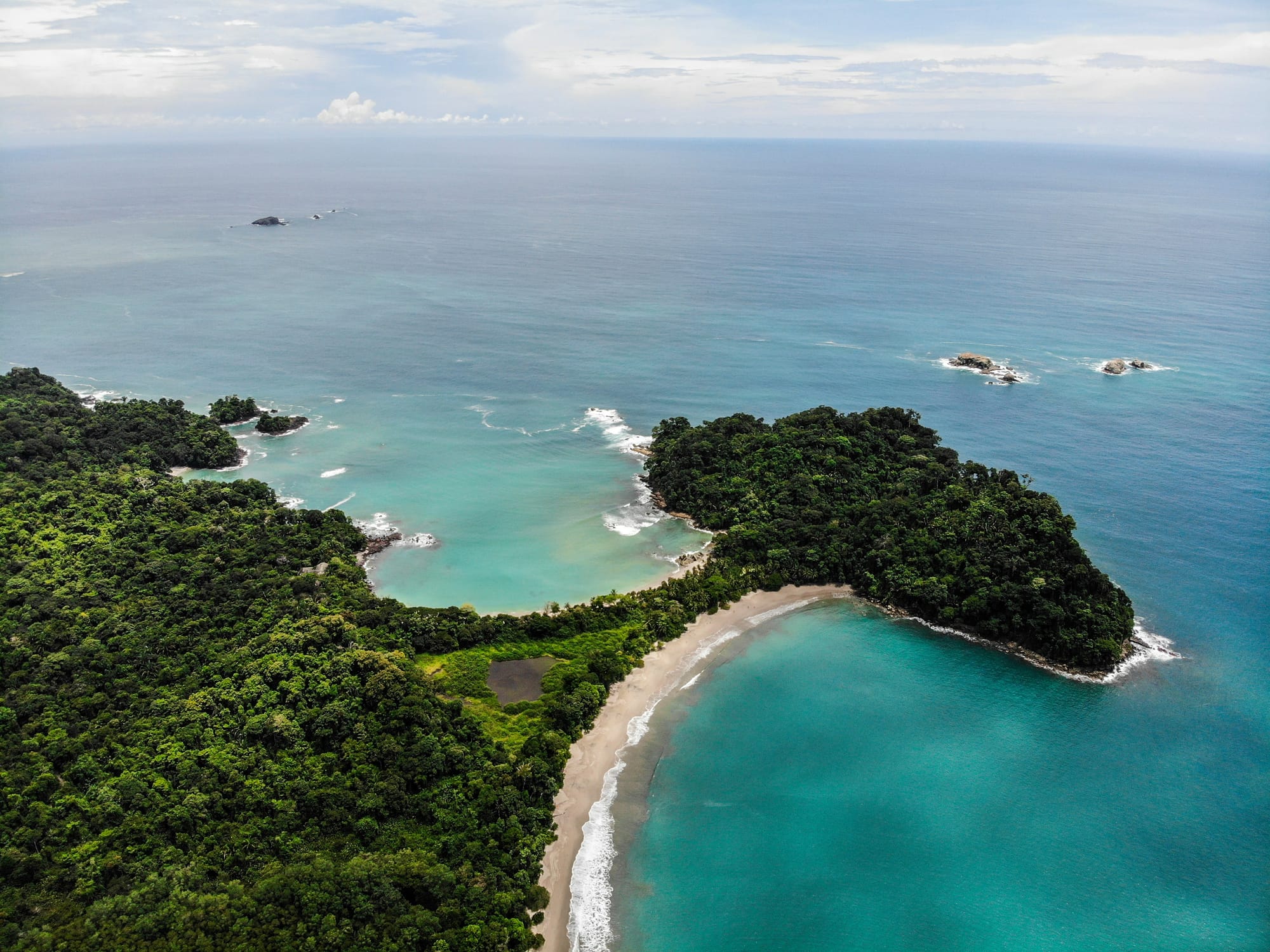
2. Manuel Antonio Compact and scenic with beaches, wildlife, and national park access in one area.
- Cost: $70 to $220 per night
- Best for: Wildlife and beach combination
- Tip: Book park tickets through official SINAC channels
3. Tamarindo A lively surf town near Guanacaste Airport with restaurants, shops, and beach access.
- Cost: $80 to $250 per night
- Best for: Surf lessons and social stays
- Tip: Peak dry-season rates rise quickly
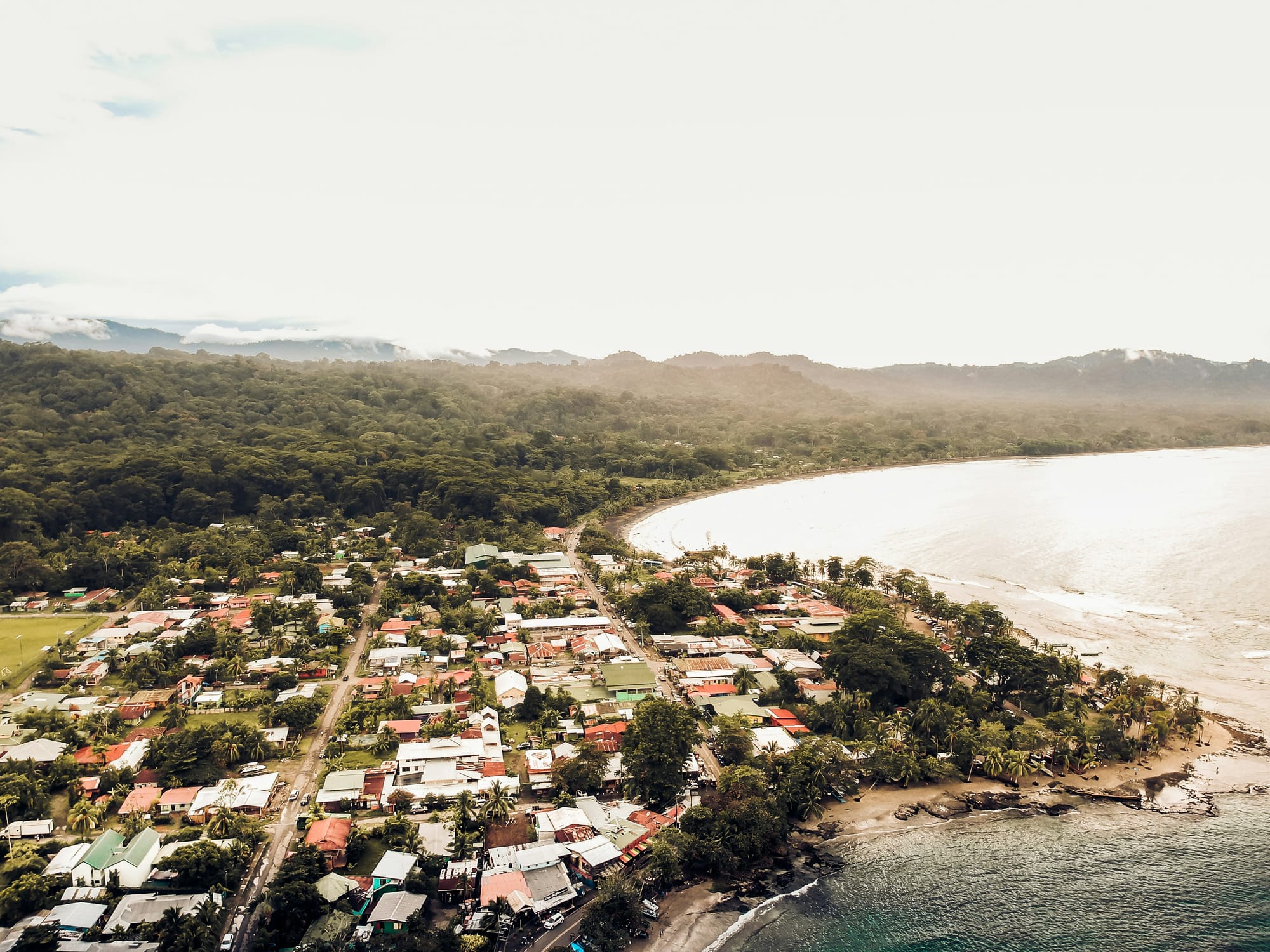
4. Puerto Viejo de Talamanca: Caribbean food, beaches, music, and a slower pace on the east coast.
- Cost: $50 to $160 per night
- Best for: Caribbean culture and relaxed beaches
- Tip: Avoid tight arrival-day plans from San José
5. Monteverde Misty, cool, and one of the best places to visit in Costa Rica for nature lovers.
- Cost: $55 to $180 per night
- Best for: Cloud forest hikes and birdwatching
- Tip: Bring a light jacket and closed shoes
Best foods in Costa Rica
Costa Rica must see and do planning should include local food, because sodas, coffee towns, and coastal seafood are part of the travel experience. Among the fun facts about Costa Rica is that gallo pinto, chorreadas, and casado all trace back to ingredients grown locally within the country.
1. Gallo pinto, San José: Classic rice-and-beans breakfast served with eggs, plantains, and cheese.
- Cost: $5 to $10
- Tip: Order it in the morning at a local soda
2. Casado, Alajuela, or Heredia: A filling lunch plate with rice, beans, salad, plantain, and protein.
- Cost: $7 to $14
- Tip: Lunch offers better value than dinner
3. Ceviche, Puntarenas: Bright, citrusy fresh ceviche found at coastal seafood counters.
- Cost: $8 to $16
- Tip: Choose busy counters with fast turnover
4. Rice and beans, Limón: Caribbean-style rice and beans cooked with coconut milk for a richer flavor.
- Cost: $8 to $18
- Tip: Ask about the spice level before ordering
5. Coffee and chorreadas, Naranjo: Sweet corn pancakes paired with locally grown Naranjo coffee.
- Cost: $6 to $15
- Tip: Taste coffee before buying beans to take home

Best beaches in Costa Rica
Beach conditions vary by coast, season, and surf, making each destination unique. From calm bays ideal for swimming to world-famous surf breaks, knowing what to expect can help you choose the perfect beach for your trip.
1. Playa Conchal, Guanacaste: Clear water and crushed-shell sand in the north Pacific.
- Cost: Free, plus transport or parking
- Best for: Calm-water swimming
- Tip: Bring water shoes for the shell sand
2. Playa Sámara, Nicoya Peninsula: Relaxed and gentle, easier for casual beach days than surf-heavy towns.
- Cost: Free
- Best for: Gentle beach time and kayaking
- Tip: Check tides before kayaking
3. Playa Cocles, Caribbean coast: Palm trees, surf energy, and a lively Caribbean feel near Puerto Viejo.
- Cost: Free
- Best for: Surf atmosphere and long walks
- Tip: A Costa Rica eSIM helps check the weather and ride options in this remote area
4. Playa Uvita, South Pacific: It is known for the whale-tail sandbar inside Marino Ballena National Park.
- Cost: Park entry may apply
- Best for: Scenery and whale-season visits
- Tip: Visit near low tide for the best sandbar view
5. Playa Hermosa, Central Pacific: Powerful waves make this better for surf watching than casual swimming.
- Cost: Free
- Best for: Experienced surfers and sunsets
- Tip: Avoid swimming when waves are strong
Also Read
Is It Safe to Travel to Costa Rica Right Now?
Safety conditions, road risks, and regional crime levels vary significantly across Costa Rica. This guide covers what U.S. travelers need to know before and during their trip.
Best Summer Vacations for Families
Planning a family summer trip and comparing destinations? This guide covers the strongest family-friendly warm-weather options across multiple regions for 2026.
Best Travel Apps for Planning Trips
Managing bookings, tides, weather, and routes on a varied trip needs the right tools. This guide covers the most useful travel-planning apps for trips of any length in 2026.
Europe Travel Guide for U.S. Travelers
If Costa Rica leaves you wanting a longer multi-destination adventure, this guide covers the best European routes, budgets, and practical planning for U.S. travelers heading abroad.
Hawaii Travel Guide: Where to Stay and What to Do
Hawaii blends dramatic volcanic landscapes, turquoise beaches, and rich island culture across each of its islands. This guide covers how to plan between islands, where to stay, and the best ways to experience local life beyond the resorts.
Best things to do in Costa Rica
No Costa Rica travel guide is complete without the activities that define each region. From volcano hikes to canal tours, the things to do in Costa Rica vary significantly by area and pace.
1. Explore the Arenal Volcano area: Hot springs, waterfalls, hanging bridges, and volcano views all in one region.
- Cost: $20 to $120
- Tip: Limit paid activities to 1 or 2 per day
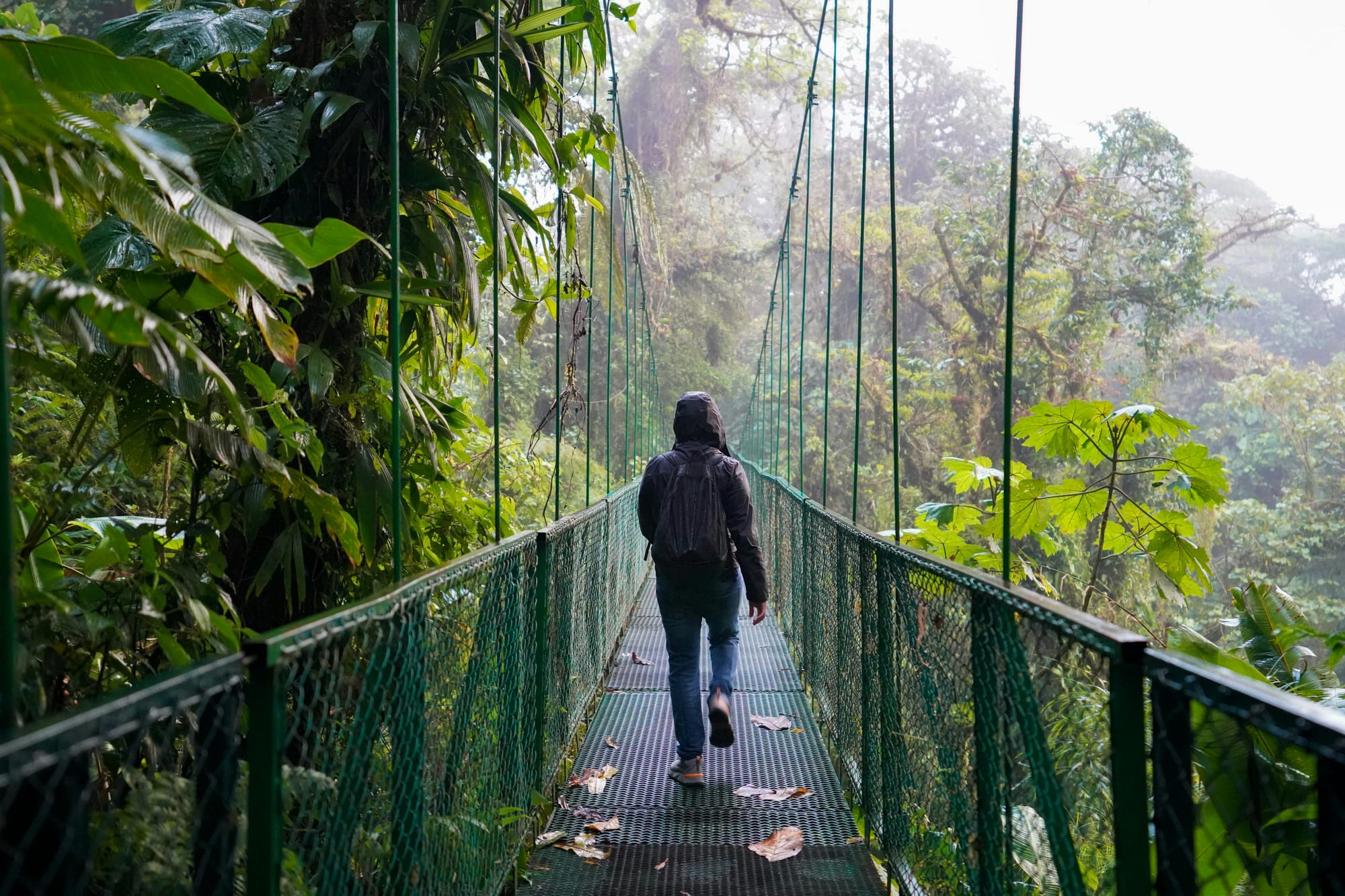
2. Walk Monteverde hanging bridges: Suspension bridges show the cloud forest from above without ziplining speed.
- Cost: $30 to $55
- Tip: Go early for fewer crowds and better wildlife sightings
3. Tour the Tortuguero canals: Remote and best explored by boat through rainforest waterways full of wildlife.
- Cost: $35 to $100
- Tip: Use Jetpac to coordinate lodge messages and pickup times
4. Hike Rincón de la Vieja National Park: The Las Pailas Loop is the main trail, passing bubbling mud pots, fumaroles, and dry forest with views of the active volcano. The summit crater trail has been closed for years due to ongoing volcanic activity, and that has not changed in 2026, but a guide is not required for the main loop.
- Cost: $15 entrance fee per person, plus optional guide or transport
- Tip: Reserve entry online through SINAC and start early, since heat builds fast on the volcanic terrain
5. Visit Corcovado National Park: Remote, biodiverse, and best for serious wildlife travelers. Licensed guides are required.
- Cost: $90 to $200+ with guide and transport
- Tip: Book well in advance through authorized operators
How Jetpac helps in Costa Rica
When comparing the best eSIM for Costa Rica, prioritize multi-network coverage over a single carrier, since signal strength varies sharply between San José, the cloud forest, and remote lodges. If you're wondering, "Will my phone work in Costa Rica?", choosing an eSIM with access to multiple local networks can help ensure reliable coverage throughout your trip. An eSIM Costa Rica plan from Jetpac activates before boarding, so park tickets, SINAC reservations, and shuttle confirmations are already loaded by the time you clear customs at either airport.
Coverage holds up on the mountain road to Monteverde, inside Tortuguero's boat-only canal network, and along the access trails into Corcovado, where a licensed guide and a working signal both matter for safety. Setting up an esim Costa Rica plan before departure also means hotspot sharing across the group with no data caps, calls to lodge operators at $1.99 per 5 minutes, and pricing confirmed upfront with no roaming surprises on return.

FAQs
Is Costa Rica good for first-time U.S. travelers?
Yes. Strong tourism infrastructure and many guided options make it accessible. Road transfers between regions can be longer than expected, so plan transfers carefully before booking.
How many regions should you visit in one trip?
For 7 days, choose 2 regions. For 10 days, 3 regions can work if transfers are planned well in advance.
Do you need a 4x4 in Costa Rica?
Not always. A standard car is suitable for common tourist routes. A 4x4 helps for rough roads, remote lodges, and rainy-season driving in less accessible areas.
Is Costa Rica expensive?
It can be pricier than other Central American destinations. Save by eating at local sodas, using shared shuttles, and limiting paid activities to 1 or 2 per day.
Should you book national parks in advance?
Yes for popular or capacity-managed parks. SINAC provides online reservation options for several national parks, including Manuel Antonio and Rincón de la Vieja.
Can you drink tap water in Costa Rica?
Generally safe in San José and many tourist areas. In remote lodges and rural locations, check with your host or use bottled or filtered water to be safe.
Disclaimer
This Costa Rica travel guide is for general planning only. Entry rules, safety conditions, weather, road access, national park reservations, prices, and tour availability can change at any time. Always check official tourism, airport, park, hotel, and transport sources before booking or visiting.
Get connected as soon as you land with a Jetpac travel eSIM.