Croatia vs Italy: Which Southern European Country to Visit
Deciding between Croatia vs Italy for your next vacation? Dive into our comparison guide to choose your perfect Southern European getaway.
Deciding between Croatia vs Italy for your next vacation? Dive into our comparison guide to choose your perfect Southern European getaway.
Did you know that Italy is the fifth-most-visited country in the world, while Croatia boasts over 1,000 islands? Both nations attract millions of tourists each year with their stunning scenery and rich history.
When it comes to choosing between Croatia and Italy for your next Mediterranean getaway, you're faced with some pretty tough decisions.
Italy, renowned as the epicenter of the Roman Empire and the birthplace of the Renaissance, offers a plethora of cultural landmarks like the Colosseum, the Leaning Tower of Pisa, and the Sistine Chapel.
Meanwhile, Croatia enchants travelers with its eight national parks, crystal-clear Adriatic waters, and the fact that you could visit the country four times a year for 11 years and still find new experiences each time.
Whether you're swayed by the draw of Italy's delectable cuisine and its 450 islands or lured by Croatia's affordable luxuries and free-access beaches, this guide will help you navigate the Greece-sized question of Croatia vs Italy.
Prepare to discover the coastal beauty, cultural richness, and culinary delights that make Croatia and Italy top contenders on your travel list.
The Allure of the Mediterranean Coastlines
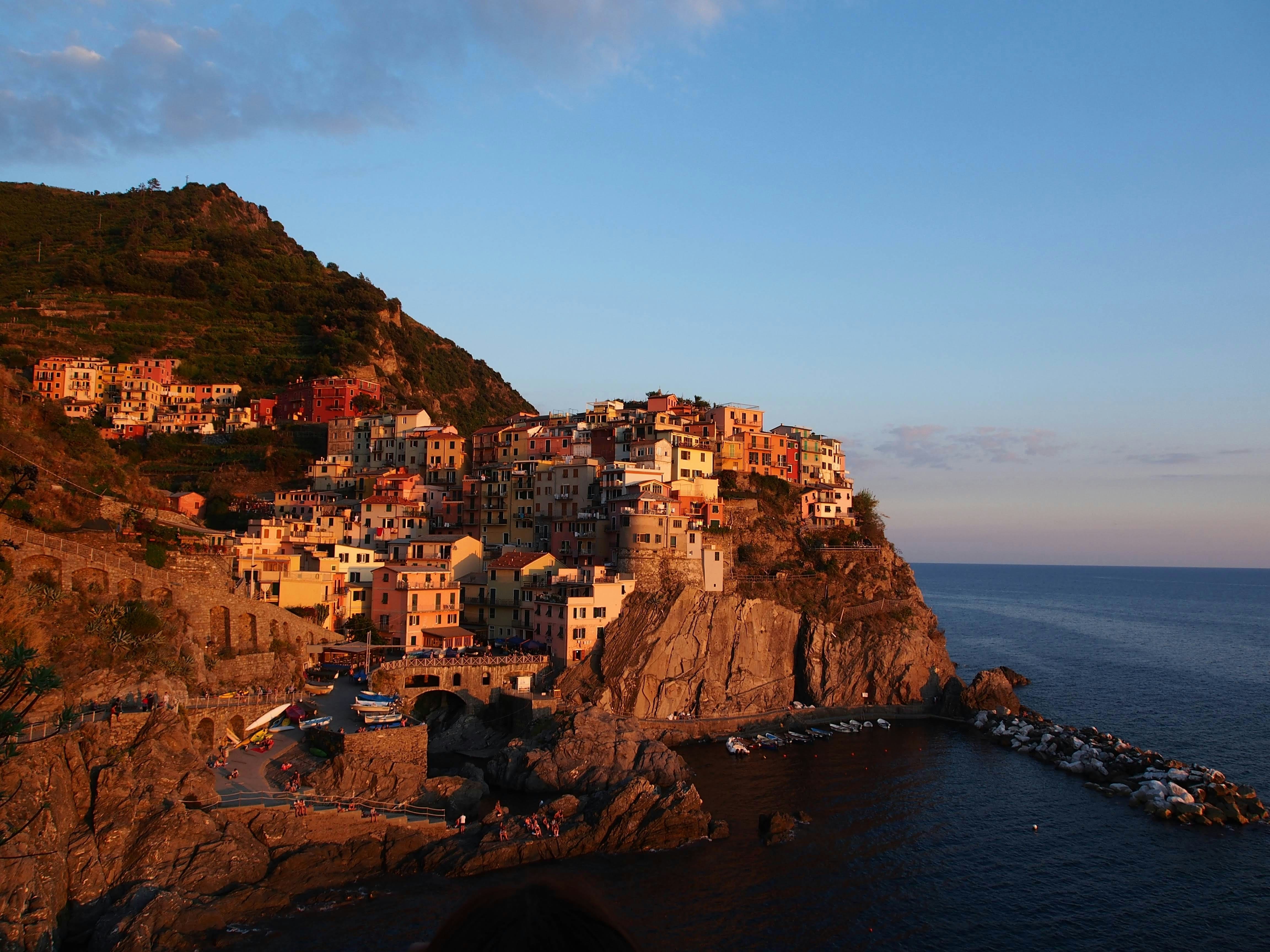
The Mediterranean coastlines are renowned for their beauty, offering you a mix of stunning landscapes, rich history, and cultural experiences. Whether you're cruising along the Amalfi Coast or exploring Croatia’s Dalmatian coastline, the allure is irresistible.
Stunning Landscapes and Coastal Beauty
As you navigate through the Mediterranean, you'll encounter a variety of stunning landscapes.
Italy, with its iconic Amalfi Coast, provides coastal beauty like no other. The dramatic cliffs, pastel-colored villages, and azure waters create a picture-perfect setting.
Croatia boasts equally mesmerizing coastlines, with turquoise waters and ancient walled towns that offer a unique blend of Slavic and Roman heritage.
Both regions experience hot, dry summers, ideal for beach activities, and milder, wetter winters that provide a tranquil atmosphere perfect for cultural exploration.
Popular Beaches and Secluded Coves
Among the many highlights of the Mediterranean are its popular beaches and secluded coves. Italy features enticing ports and famous beaches such as those along the Italian Riviera, where you can enjoy the sun and surf.
Croatia’s Dalmatian coast, with stops like Zadar, Split, and Dubrovnik, is renowned for its historic sites and crystal-clear waters. You can explore secluded coves that offer an intimate escape from the bustling tourist hubs. For those seeking tranquility, the region’s coves provide a perfect retreat amidst the stunning landscapes.
Historical and Cultural Richness
When it comes to experiencing the historical richness and cultural richness of Southern Europe, both Italy and Croatia stand out as prime destinations. They offer unique snapshots of Europe's past, deeply etched into their architecture and traditions.
Italy: The Cradle of the Renaissance
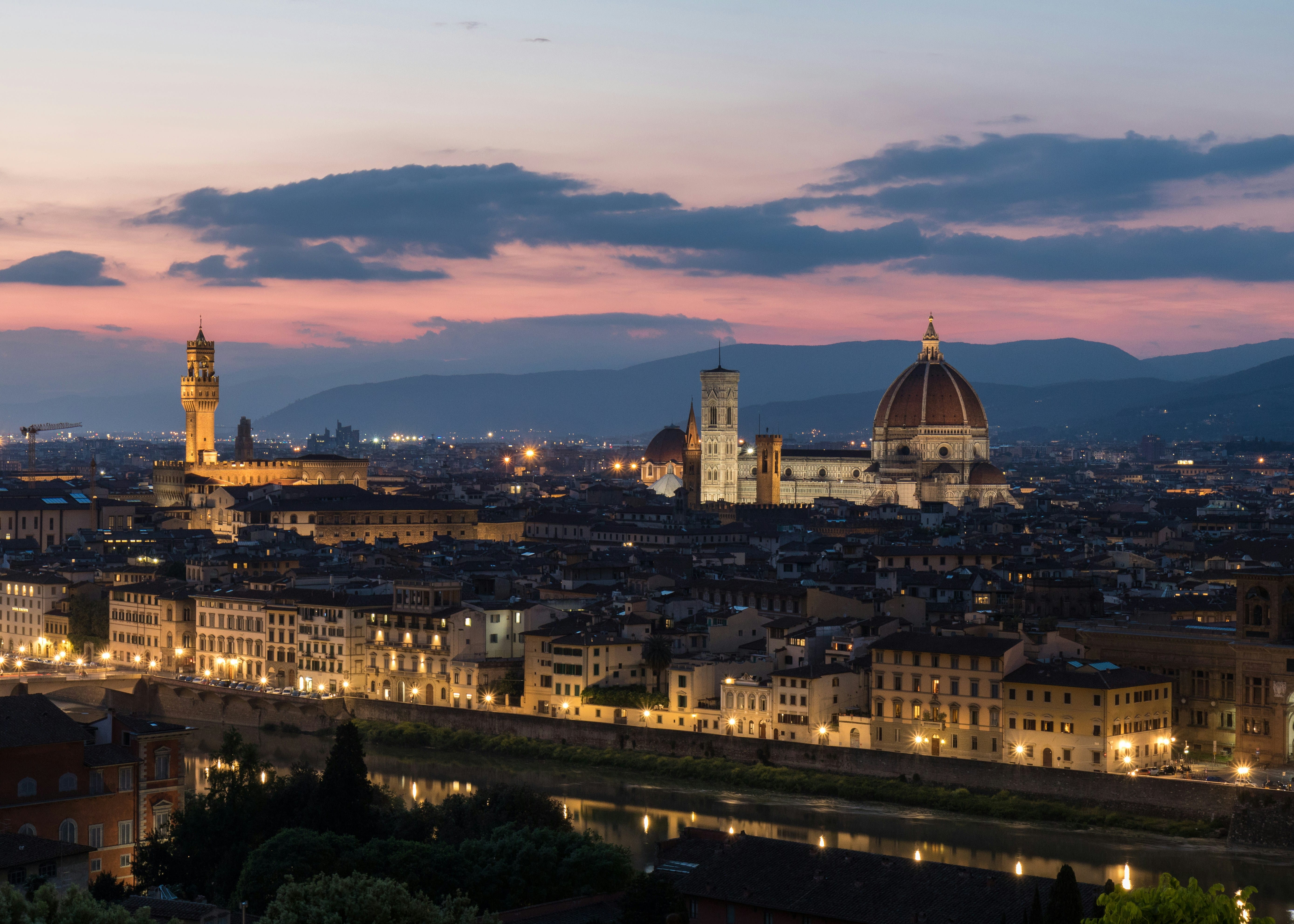
Italy's significance as the birthplace of the Renaissance cannot be overstated. The Florence Cathedral, with its breathtaking dome engineered by Filippo Brunelleschi, and the art of Leonardo da Vinci and Michelangelo, epitomize Italy's cultural heritage. From the ruins of the Roman Forum to the iconic Colosseum in Rome, Italy boasts a treasure trove of historical landmarks. Each corner you turn could reveal another piece of Italy's boundlessly rich historical tapestry.
Croatia: A Blend of Slavic and Roman Heritage
On the other side of the Adriatic, Croatia mesmerizes visitors with its blend of Slavic and Roman influences. Croatia's historical sites, such as Diocletian's Palace in Split, a UNESCO World Heritage site, demonstrate the country's ancient Roman roots.
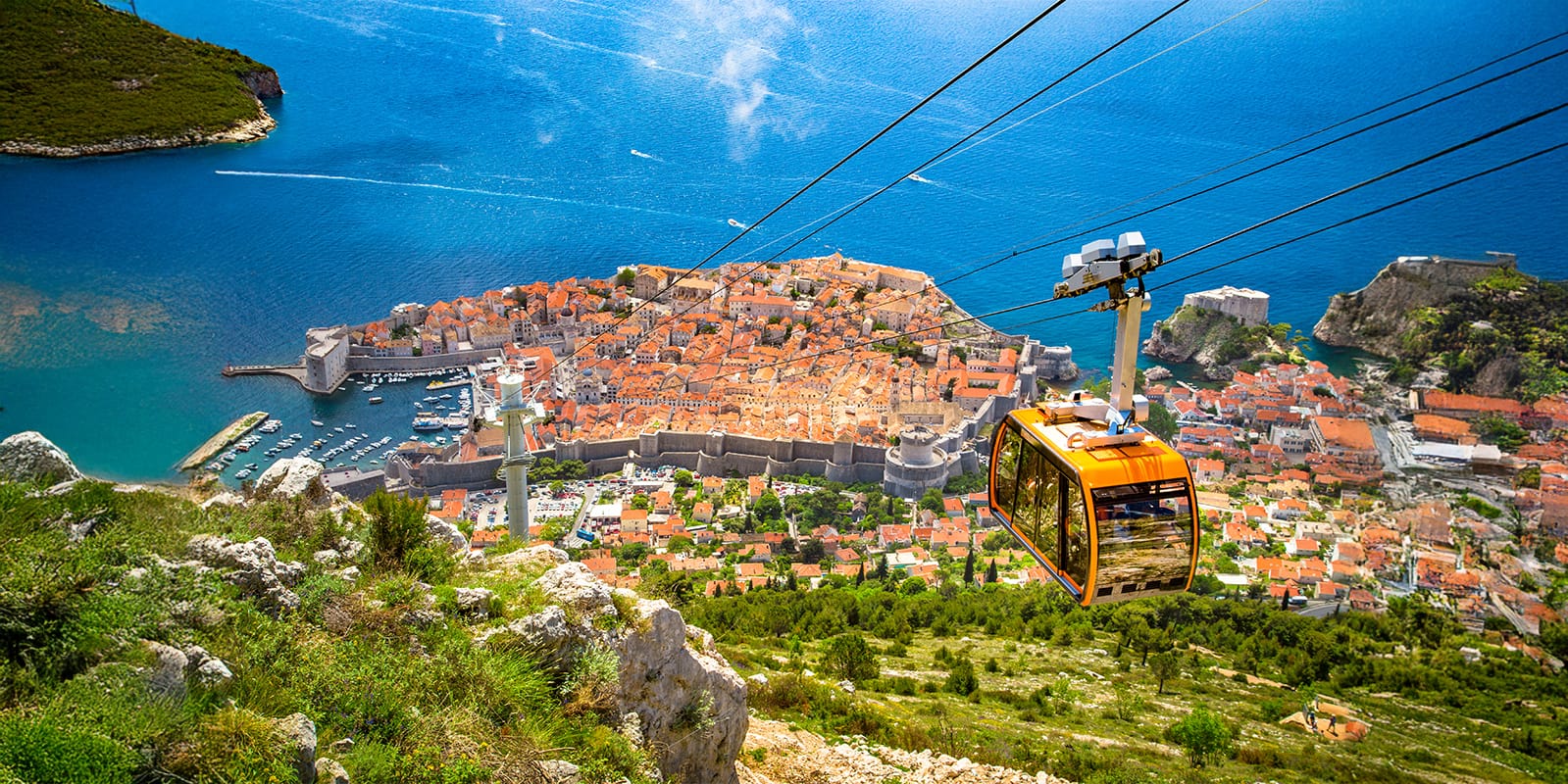
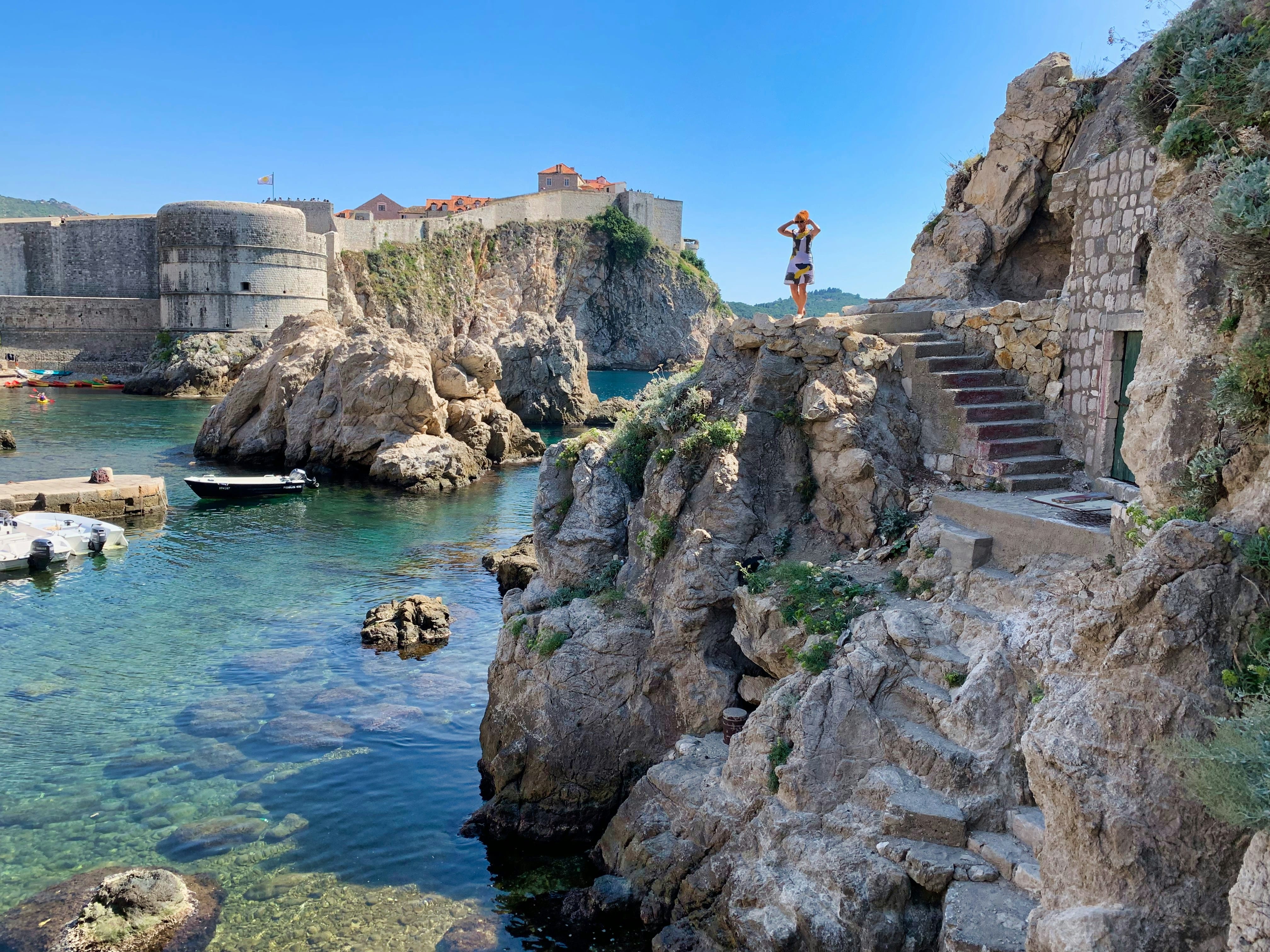
The city of Dubrovnik, often referred to as the "Pearl of the Adriatic," embodies centuries of cultural richness, with its medieval walls and baroque buildings.
Croatia also adds its unique flavor to Europe's historical landscape through fascinating sites like the Euphrasian Basilica in Poreč and the well-preserved town of Stari Grad on Hvar Island, which is one of the oldest in Europe.
Archaeological treasures like the Krapina Neanderthal site and remnants from the Bronze Age Vinkovci culture deepen the story of Croatia’s historical richness.
Italian Cuisine: A Global Favorite
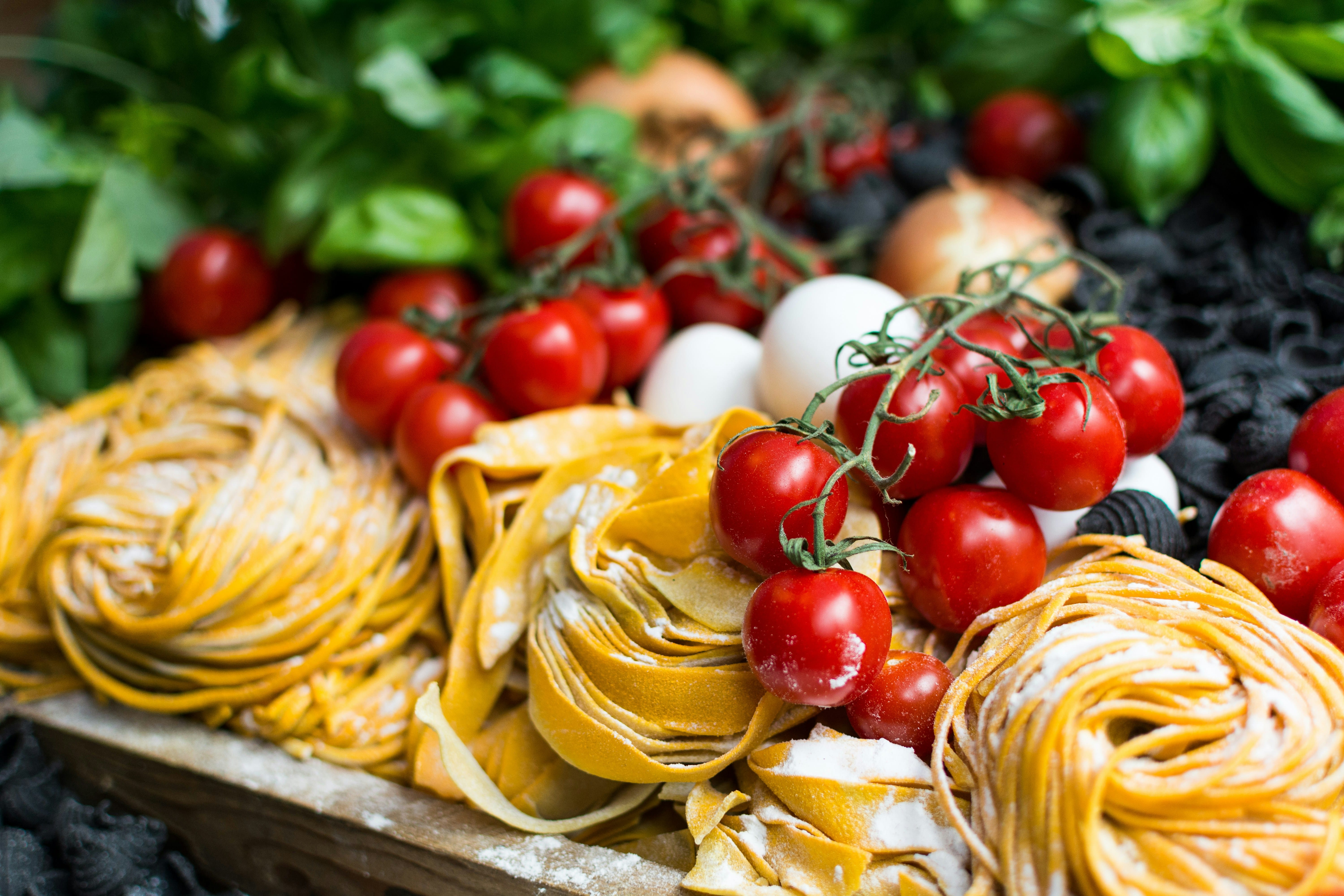
Renowned worldwide, Italian cuisine captures the hearts (and stomachs) of food lovers everywhere. Italy has blessed the global table with delectable creations like Pasta Carbonara, Pizza Margherita, and the ever-luxurious Risotto alla Milanese.
The northern regions, like Lombardy, with their hearty Polenta Taragna, show their love for comfort food, while the central regions highlight tomato-rich sauces and unique greens like lacinato kale.
Moving south, the flavors become even bolder, with Campania offering iconic dishes like Spaghetti alle Vongole and the aromatic, herb-infused Porchetta Umbra.
Italy is also the birthplace of the Slow Food movement, which reminds us to embrace local, sustainable ingredients and traditional cooking methods.
Raise a glass of Barolo wine from the Langhe area, and you'll taste the nuances of a landscape that has cultivated these grapes for centuries.
Exploring Croatian Culinary Gems
Just across the Adriatic Sea, Croatia offers a culinary adventure that’s equally compelling.
Rooted deeply in the Mediterranean diet, Croatian food incorporates fresh seafood, aromatic herbs, and olive oil that has been a staple since ancient times. Coastal towns along the Dalmatian Coast are known for their fresh catches, like Black Risotto (Crni Rižot) and the slow-cooked seafood dish, Peka.
Food tours in Croatia are a sumptuous expedition, often featuring wine tasting experiences of Plavac Mali from Pelješac Peninsula's sun-drenched vineyards or indulging in cheese like Paški sir from the island of Pag.
Let’s not forget the heritage-rich family-owned konobas (taverns) where you can savor authentic flavors and hospitality.
Ultimately, whether you delight in Italian cuisine or explore the fresh, high-quality wonders of Croatian food, both countries promise an unforgettable gastronomic journey that adheres to the wholesome principles of the Mediterranean diet.
Outdoor Activities and Adventures
If the notion of travel adventures excites you, both Italy and Croatia serve as paradises for outdoor enthusiasts. What makes these destinations stand out are the unique landscapes and exhilarating activities that await travelers.
Italy's Diverse Outdoor Experiences
When it comes to Italy adventures, the country offers an impressive array of outdoor activities for all types of travelers. Imagine skimming through the snowy peaks of the Alps in the winter, only to switch to sailing along the picturesque Amalfi Coast as the seasons change. If you're a nature aficionado, Italy's countryside provides endless opportunities for leisurely walks, allowing you to soak in the romantic valleys and rolling hills.
For those seeking heart-pounding excitement, Italy has you covered, too. Engage in kite surfing off the Sardinian coast or mountain climbing in the Dolomites. Wherever you go, Italy's diverse landscapes ensure you never run out of ways to embrace the great outdoors.
Croatia’s National Parks
Meanwhile, Croatia stands as the undisputed jewel of outdoor activities, drawing approximately 20 million visitors annually. Known for its 8 national parks, 12 nature parks, and 7 protected marine areas, Croatia offers an extensive menu of travel adventures.
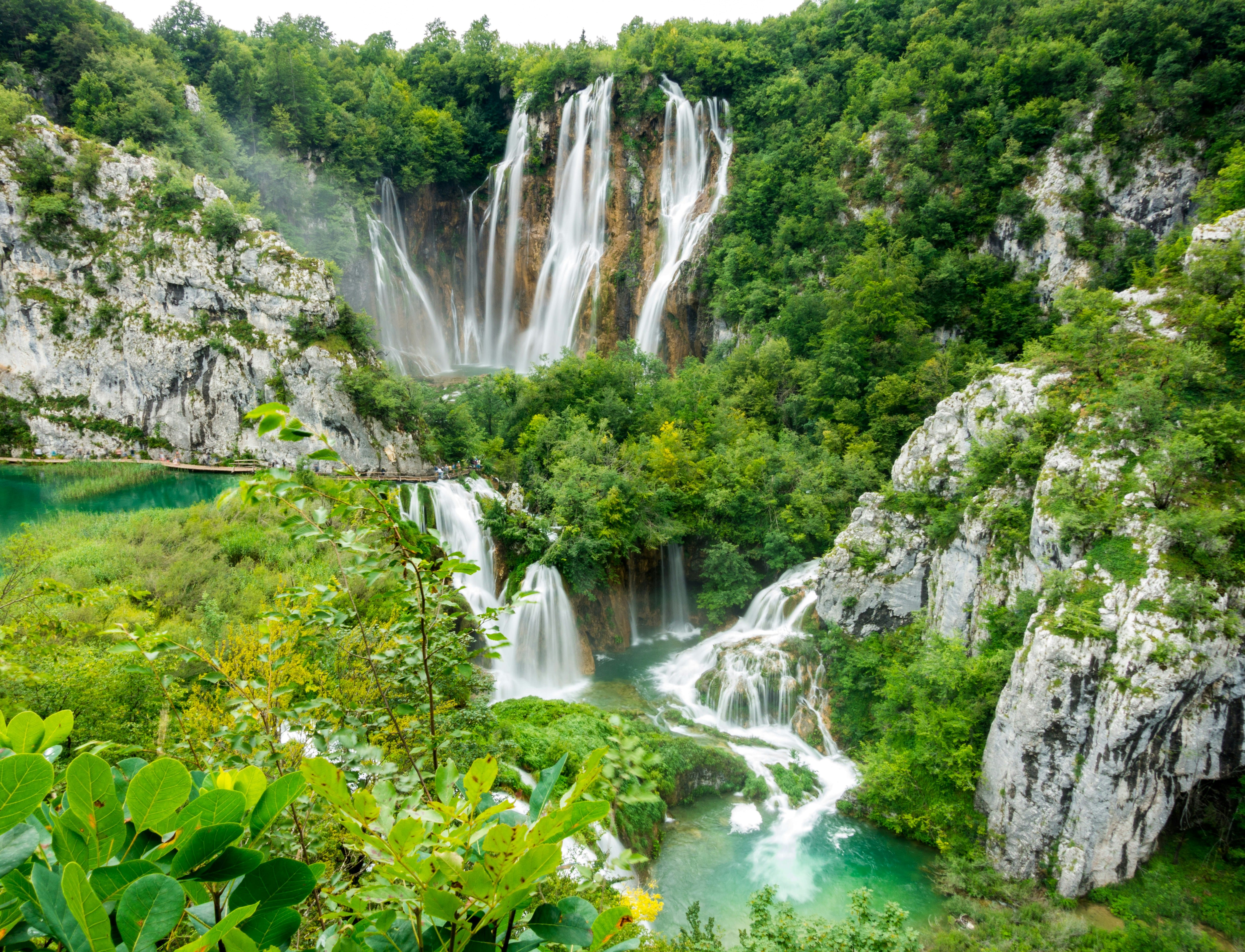
Visitors flock to Plitvice Lakes National Park to marvel at its 16 named lakes, interconnected by more than 90 cascading waterfalls. The Paklenica National Park also beckons hikers to ascend trails that elevate up to 1,312 feet, providing breathtaking views of the rugged landscape.
Water-based activities are another cornerstone of Croatia's outdoor adventures. With 26 rivers and 27 lakes, options like white-water rafting, paddleboarding, and even ziplining over the Cetina Canyon abound.
And don't forget the Istrian Peninsula, where you can combine outdoor fun with gourmet pleasures, such as truffle hunting.
Unique Architectural Wonders
When it comes to architectural wonders, Italy and Croatia are in a league of their own. Both countries boast an impressive array of landmarks that span centuries, reflecting their rich histories and cultural evolutions.
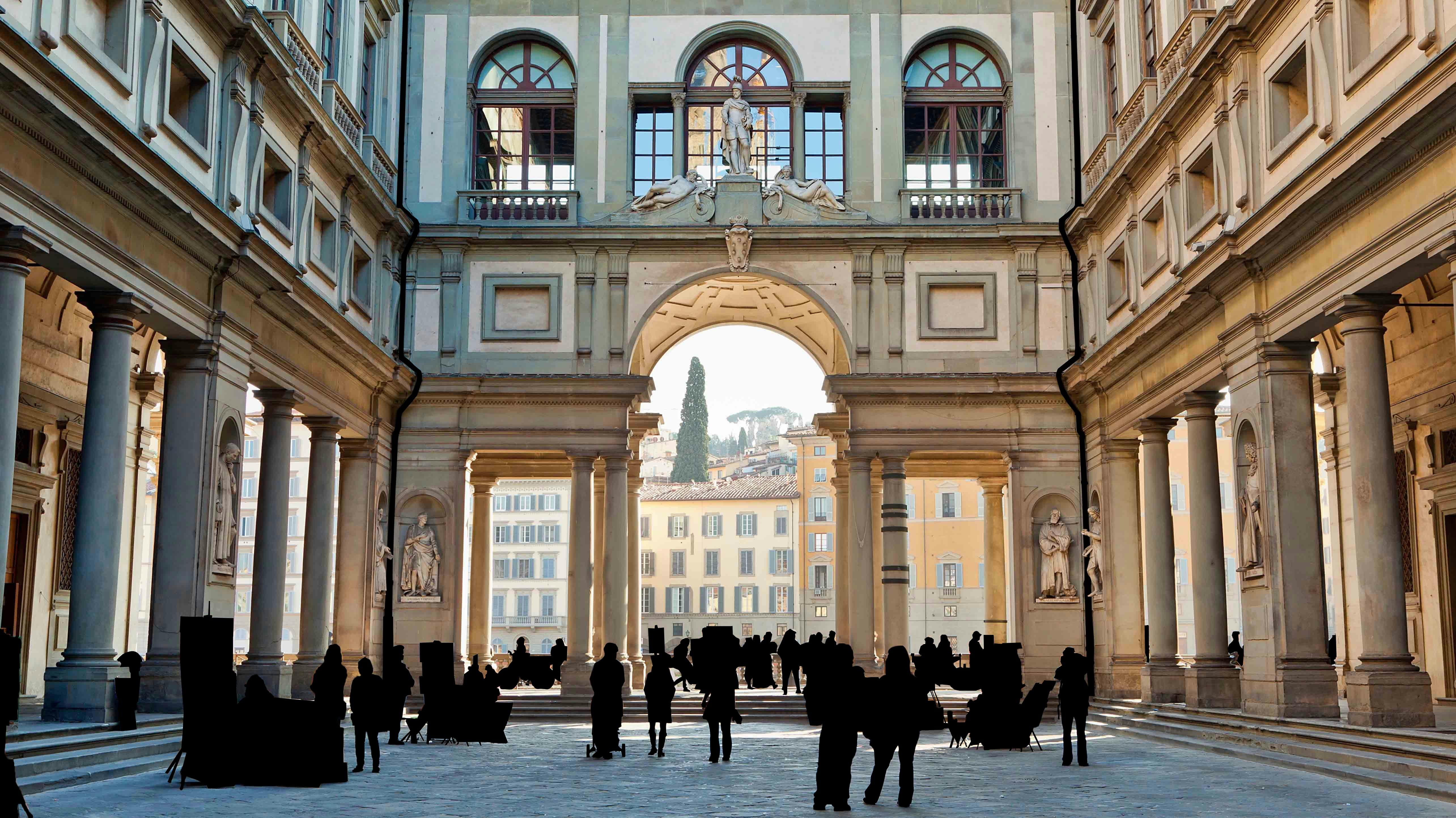
Italy stands as a beacon of historical architecture, with its myriad renowned structures. In Rome, you'll find the Colosseum, an iconic relic of ancient gladiatorial combat, alongside the majestic Pantheon and the Vatican City. Florence, often hailed as the birthplace of the Renaissance, is adorned with spectacular sites like the Duomo and Uffizi Gallery, capturing the essence of Italian artistry.
Venice adds another layer to the country’s architectural tapestry with marvels like St. Mark's Basilica and the Doge's Palace, each echoing the city’s romantic and historic charisma.
Meanwhile, Croatia offers a unique blend of Croatian architecture that juxtaposes medieval and modern elements. Dubrovnik’s Old Town, a UNESCO World Heritage Site, is a magnificent labyrinth of medieval walls and baroque churches that transport you back in time. Wandering through its cobblestone streets feels like stepping into a living history book.
Yet Croatia isn’t just about ancient edifices. Modernist buildings in Zagreb, for instance, provide a sharp, refreshing contrast to the historical landmarks, symbolizing the country’s architectural progression and innovative spirit.
From the ancient Roman Forum to Dubrovnik’s city walls, the architectural wonders in both Italy and Croatia are bound to leave you in awe. Bridging the gap between past and present, these Italian buildings and Croatian marvels encapsulate the enduring allure of their respective cultures.
Whether you're an enthusiast of historical architecture or modernist design, these destinations offer a visual feast that captivates the imagination and stirs the soul.
Festivals and Local Traditions
Diving into the heart of Southern Europe, you'll discover an abundance of local festivals and cultural festivities that vividly bring to life both Italian festivals and Croatian traditions. These celebrations present a unique opportunity to experience the vibrant cultures and historical depth of these enchanting countries.
Italy's Vibrant Festive Scene
Italy boasts an impressive array of festivals that showcase its rich cultural history and joyous spirit.
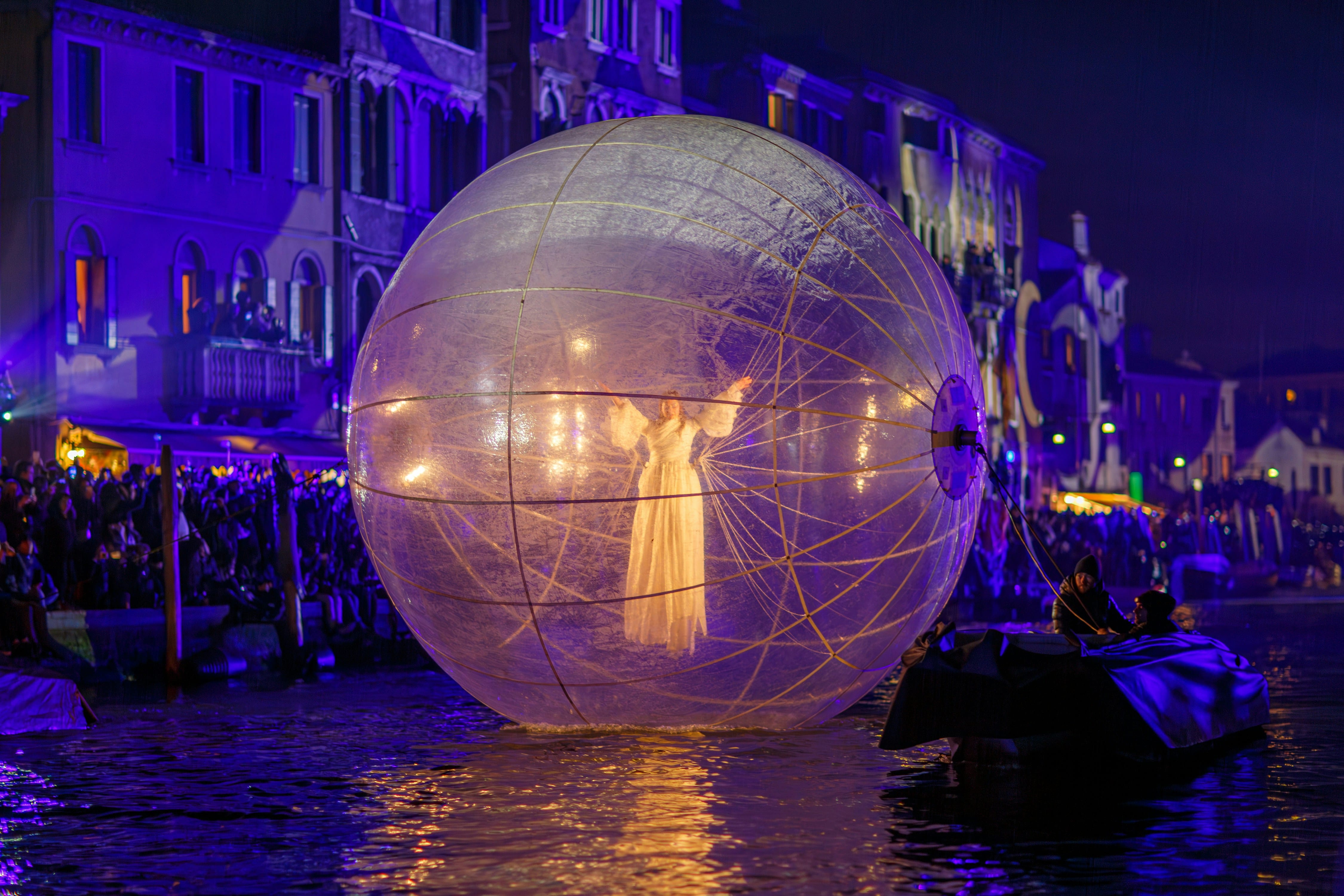
The Venice Carnival, with its resplendent masks and intricate costumes, runs from January 7 to February 17 in 2026, celebrating the Venice Republic's victory in 1162. While the Christmas (Natale) festivities light up Italy from December 8 to January 6, the Easter week starts on Palm Sunday, April 20, 2025, with parades and processions held across the nation.
Additionally, the Festa della Repubblica on June 2 commemorates the 1946 referendum that established the Italian Republic. Summer in Italy gleams with celebrations like the Ferragosto on August 15, marking the Assumption of the Virgin Mary, and the Palio of Siena, a thrilling horse race held on July 2 and August 16. For oenophiles, the Vinitaly wine fair from April 6 to April 9 in 2025 is a must-visit.
The Regatta Festival in Venice on September 7, 2025, the Lemon Festival in Monterosso on May 18, 2025, and the Infiorata Festival in Sicily’s Noto on May 17, 2025, further add to Italy's festive allure.
Croatia's Traditional Celebrations
Croatia equally delights with its cultural festivities that celebrate Croatian traditions.
The Rijeka Carnival, running from January 17 to March 5, is a highlight, featuring 9,000 masqueraders in 92 groups adorned with decorated floats. The zvončari, wearing bizarre animal heads, evoke historical attempts to ward off invaders, adding a unique historical flavor to the event.
The Dubrovnik Summer Festival and the Pula Film Festival held in Pula's ancient Roman amphitheater underline Croatia’s commitment to blending history with contemporary culture.
Montenegro’s carnival season, extending re-runs into August, and Shkodër's carnival from March 20 to March 22, with Venetian-inspired hand-crafted masks, highlight the region's rich and varied festive heritage.
The summer months in Istria see temperatures reaching around 27°C, perfect for enjoying the outdoor festivities. Each of these cultural celebrations offers travelers an immersive experience into the heart of Croatian life and tradition.
Croatia vs Italy: Which Should You Choose?
Whether you choose Croatia’s stunning Adriatic coastline or Italy’s rich cultural heritage, staying connected is key to making the most of your trip.
With Jetpac’s eSIM for Europe, you can enjoy seamless mobile data across both countries—no need to swap SIM cards or worry about expensive roaming fees.
With Jetpac, new users can enjoy 1GB for $1 deals. You also get dual network access, a feature that allows you to connect to a backup network if your primary one fails. Plus, data packs worth 15GB or more include free access to WhatsApp chat. This means you can navigate historic streets, book last-minute experiences, and share your adventures effortlessly.
No matter which destination wins your heart, Jetpac keeps you connected, so you can focus on savoring every moment of your Southern European adventure.