
Digital Nomad Italy: Cost of Living & Work Culture
Digital nomad planning in Italy works best with realistic budgeting and choosing a base that fits your pace. Living costs vary by city, work culture values patience and clarity, and non EU travelers must plan visa steps, including the permesso di soggiorno after arrival.
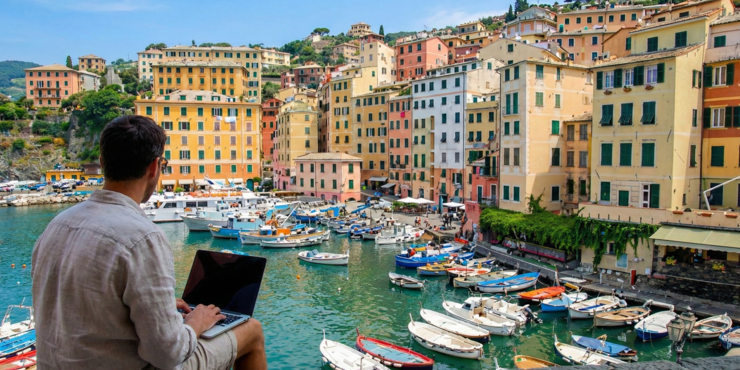
A winter morning in Italy has its own rhythm. Cold air on your hands, warm espresso in a small cup, the quiet scrape of chairs on stone outside a bar. People linger. Nobody rushes you out. It is a good place to open a laptop and start the day slowly.
Digital Nomad Italy life can feel grounded like that, but it also comes with practical decisions. Where do you base yourself? How do you budget? How you handle paperwork. How do you work with local teams without fighting the pace?
Staying connected with Jetpac eSIM for Italy helps more than most people expect. Calls, banking, navigation, and bookings become easier when your internet is stable, especially if you move between towns or work from different apartments.
Who This Is For
This is for a global audience.
If you are an EU or EEA citizen, you usually have a simpler path to living in Italy than non-EU citizens. If you are non-EU, the Italian digital nomad visa conversation matters more, because it is built as a long-stay route for highly qualified remote workers and digital nomads.
Either way, the day-to-day questions stay similar. You still need to understand the Cost of living in Italy, and you still need to adapt to the work culture in Italy if you work with Italian clients or teams.
Italy Digital Nomad Visa Basics
The Italianare digital nomad visa is designed for non-EU citizens who plan to live in Italy while working remotely using technology tools. Consular guidance frames it for “digital nomads” and “remote workers” and ties eligibility to highly specialized work.
If you are planning Italy digital nomad life as a non-EU citizen, treat the visa as the entry step, not the finish line. You enter Italy with a national visa, then you follow local steps to stay legally longer term.
Italy Digital Nomad Visa Requirements
Italy's digital nomad visa requirements can vary slightly by consulate, but the official guidance consistently emphasizes two themes: highly qualified work and clear proof that the work is genuinely remote.
If you are building a plan around the Italy digital nomad visa, use the consulate site for your jurisdiction as the source of truth, then work backward from their document list.
What Happens After Arrival
This is the step that surprises people.
Once you enter Italy on a national visa, you are required to apply for a residence permit, the permesso di soggiorno, within the first eight working days of arrival.
In real life, this means you should arrive with extra time and patience. Appointments, paperwork, and local processes can take longer than you expect. It does not mean things are impossible. It means you should leave buffer space in your first month.
Cost of Living in Italy for Digital Nomads (USD)
The cost of living in Italy changes a lot by city. Milan and Rome can feel tight fast. Bologna and Florence sit in the middle. Palermo is often the easiest to rent.
To keep this realistic, the ranges below combine:
- Monthly essentials for one person, excluding rent (food, transport, basics)
- Typical 1-bedroom rent (city center vs outside center) Converted to USD using a recent 2026 EUR/USD average as a simple baseline.
Digital nomad baseline for 1 person (per month)
- Milan: about $2,380 to $2,910 (rent outside vs city center plus monthly essentials)
- Rome: about $2,000 to $2,540
- Florence: about $2,120 to $2,430
- Bologna: about $2,000 to $2,200
- Palermo: about $1,420 to $1,690
Cost buckets that usually move the needle
- Rent and deposit: the biggest swing, especially in Milan and central Rome.
- Groceries and simple eating out: manageable if you cook often, rises fast if you eat out daily.
- Transport: local passes are usually reasonable, but intercity trains add up if you move every weekend.
Small note for couples
For a couple, monthly spending is usually not double. Groceries and transport scale more gently, but housing often goes up if you want more space. A common rule of thumb is 1.6x to 1.9x a solo baseline, depending on rent and lifestyle.
Best Bases for Italy Digital Nomad Life
These are not the only options, but they are common starting points for Italy digital nomad planning. Each one feels different, and that difference affects your workday.
#1. Milan
Milan has momentum. Fast mornings, sharp commutes, busy cafés where laptops blend in. It suits people who like structure and want easy access to coworking and business networks. Costs can be higher, especially rent, but the city makes work routines feel straightforward.
Local feel: espresso at the bar, quick lunches, evenings that start later.
#2. Rome
Rome has scale and friction at the same time. You get energy, history, and convenience for paperwork, but you also get noise, traffic, and longer travel times across the city. For remote workers, it works best when you choose a neighborhood that matches your pace.
Local feel: markets, small bakeries, and long walks when the day ends.
#3. Florence
Florence feels compact and walkable. It can be easier to hold a stable routine here, especially if you like calmer evenings and predictable days. It is also a city where culture is not a weekend project. It is the background.
Local feel: warm pastries in the morning, art, and quiet streets after sunset.
#4. Bologna
Bologna has a lived-in feel. It is a university city with good food and a practical layout. Many people find it easy to settle, cook at home, and still enjoy cafés and social life without trying too hard.
Local feel: tagliatelle, arcades that keep you dry on rainy days, and a steady pace.
#5. Palermo
Palermo can feel raw and vibrant. It is warmer, louder, and often cheaper than northern hubs. If you like sunlight, street markets, and a slower work rhythm, it can be a strong base. Summer heat can change your daily schedule, so many people work earlier and rest more midday.
Local feel: citrus, sea air, and street food that pulls you outside.
Work Culture in Italy
Work culture in Italy can feel relationship-driven. People often prefer trust and context before fast execution. If you work with Italian clients, a short call can sometimes solve what long emails cannot.
The workday rhythm varies by industry and city, but Italy is known for valuing personal time and family life. Long lunches are common in some settings, especially outside global corporate environments.
For Italy digital nomad routines, it helps to set expectations early. Confirm deadlines. Clarify time zones. Keep communication warm and direct.
How to Move to Italy Smoothly
How to move to Italy without stress usually comes down to sequencing.
- Choose your legal path first: If you are non-EU, confirm whether the Italian digital nomad visa fits your profile and gather documents early.
- Start with a temporary base: A short-term rental for the first month gives you room to learn the neighborhood rhythm and handle admin without panic.
- Set up payments: You can use international cards in many places, but having a clear banking setup helps with rent, bills, and longer stays.
- Keep insurance and health coverage clear: Consulates typically require health insurance for visa purposes, and you will want coverage that matches your reality, not just paperwork.
- Tax and compliance, kept simple: Long stays can raise tax residency questions depending on your situation. If you plan to stay most of the year, consider getting professional advice early, rather than later.
Connectivity for Remote Work
If your day depends on video calls, banking logins, maps, and two-factor codes, connectivity becomes part of your routine.
An eSIM can simplify this. eSIM Italy options are useful if you want to set things up before landing, then get online quickly when you arrive. If you plan to move between cities, an eSIM for Italy can also reduce the hassle of managing physical SIM swaps. Many people choose the best eSIM for Italy based on stability, not just price.
Jetpac eSIM for Italy is one option some remote workers use for Italy digital nomad life.
FAQs
What are Italy digital nomad visa requirements?
Italy's digital nomad visa requirements focus on highly qualified remote work, proof of remote arrangements, insurance coverage, accommodation proof, and financial documentation, based on the consulate handling your application.
What is the Italy digital nomad visa?
The Italian digital nomad visa is a long-stay pathway for non-EU citizens who work remotely using technology tools and meet the highly specialized worker criteria described in consular guidance.
What is the Cost of living in Italy like for remote workers?
The cost of living in Italy varies widely by city. Northern business hubs tend to cost more, while smaller cities and parts of the south can feel more manageable, especially for rent and daily life.
What is the work culture in Italy like?
Work culture in Italy often values relationships, context, and work-life balance. Expectations vary by industry, but family time and holidays can shape the pace, especially in summer.
How to move to Italy without feeling overwhelmed?
How to move to Italy smoothly usually comes down to sequencing: legal path first, temporary housing next, then banking and health coverage, with buffer time for local admin.
Disclaimer
Information is based on publicly available sources and may change. Visa rules, processing steps, and documentation requirements can vary by consulate and individual circumstances, so verify the latest official guidance before applying. Cost figures are approximate mid-range estimates based on crowd-sourced city data and typical rent ranges, converted to USD using a recent 2026 EUR/USD baseline for simplicity. Prices vary by city, season, neighborhood, and personal habits. This is for educational purposes only. Jetpac is not responsible for network variations, coverage gaps, or third-party information. No product endorsement is implied. Always verify the latest details before making decisions.