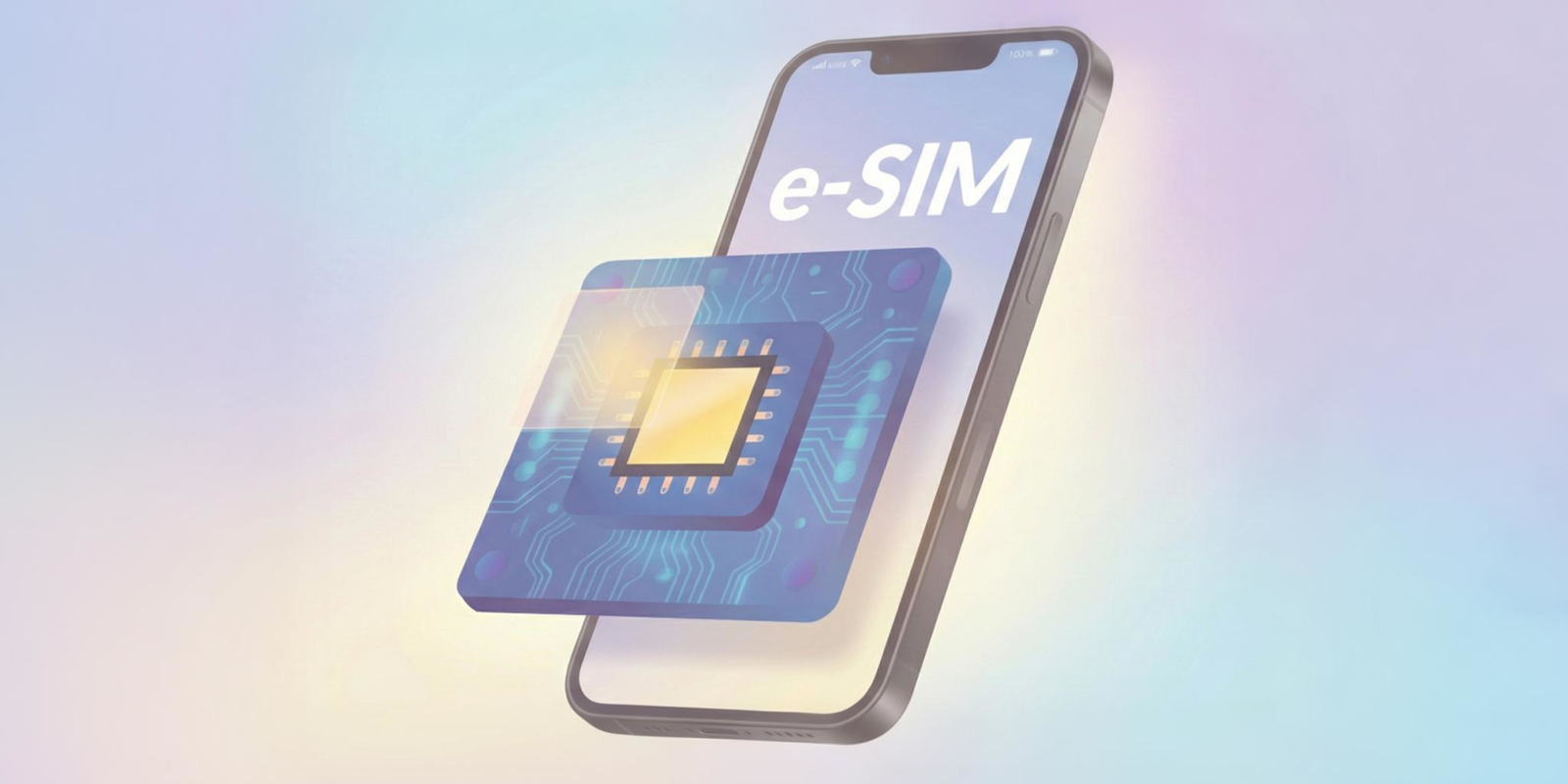
eSIM vs Physical SIM: An Honest Comparison
Explore the battle of convenience in our eSIM vs Physical SIM showdown and decide which digital warrior wins your mobile freedom.
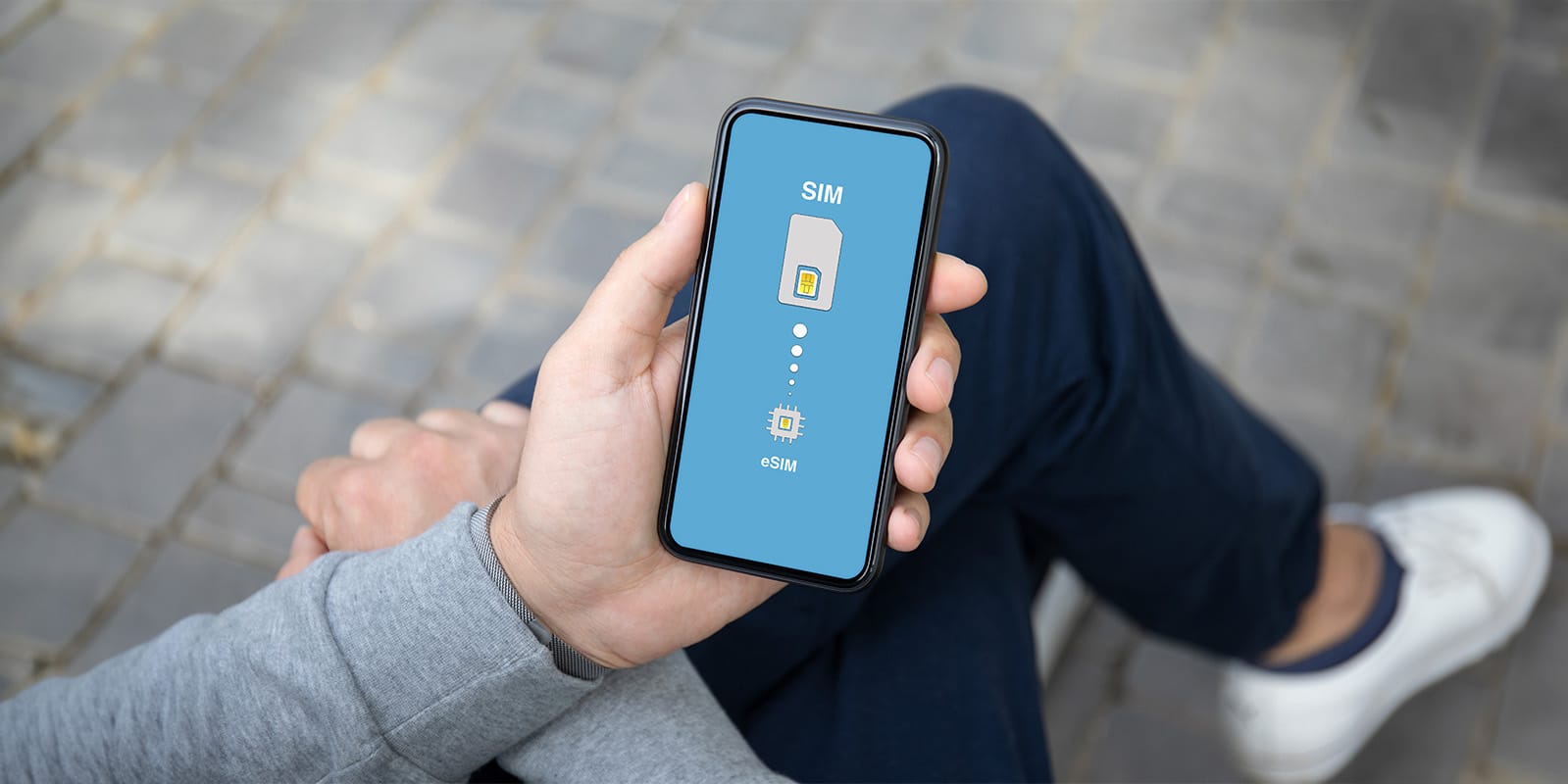
Explore the battle of convenience in our eSIM vs Physical SIM showdown and decide which digital warrior wins your mobile freedom.
Did you know that by 2025, over 60% of smartphones will be eSIM compatible?
This shift from traditional SIM cards to digital ones is big. But what does it mean for you? Let's dive into the eSIM vs Physical SIM debate.
We'll look at the signal strength, convenience, cost, and how it affects international travel. By the end, you'll know if eSIM is better for your phone needs.
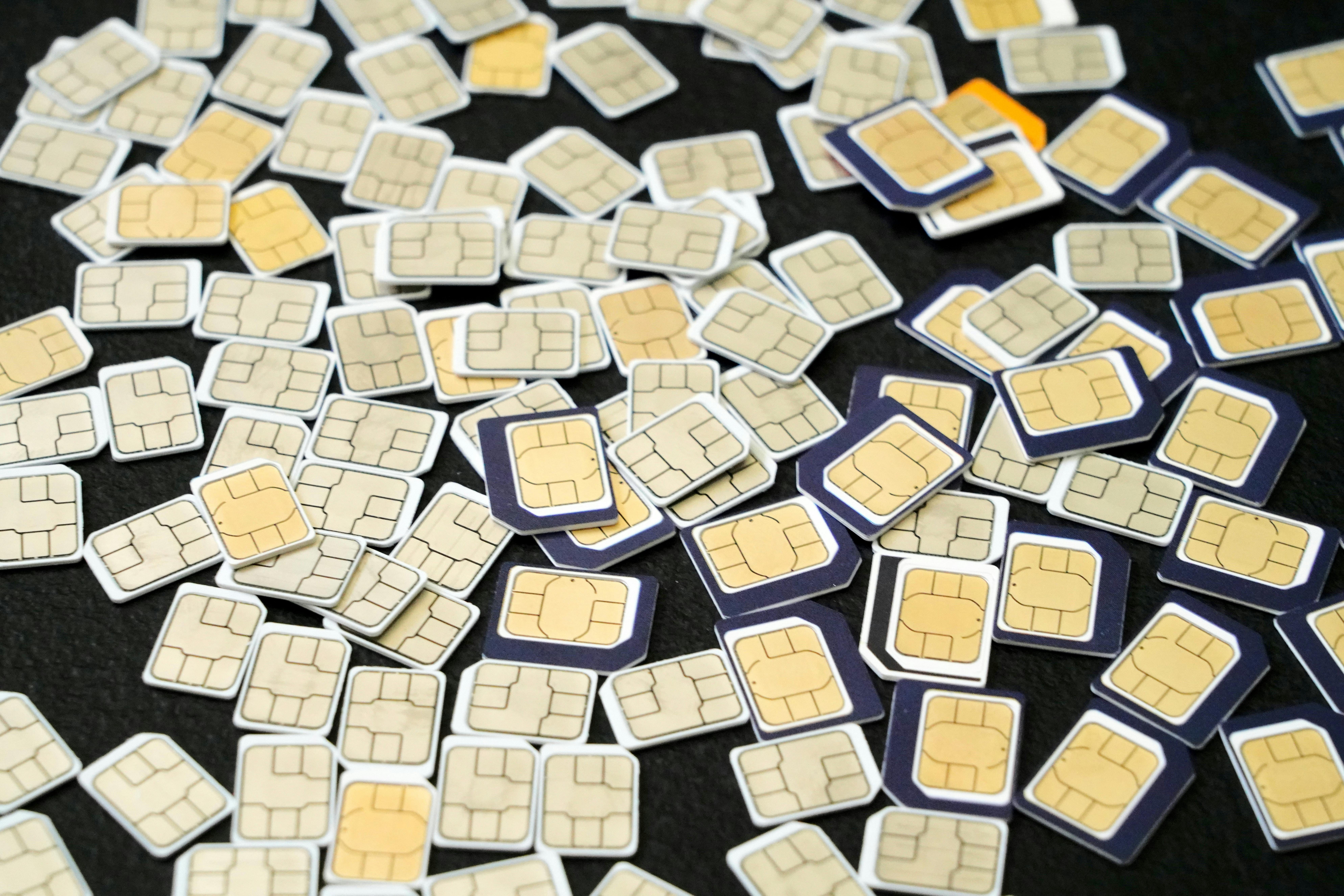
Photo by David Barber
What is a SIM Card: Physical vs. eSIM
Your journey into the world of SIM cards starts here. These cards are key for making calls and sending texts. But, with technology changing, you now have more choices.
Overview of Physical SIM Cards
The traditional physical SIM card is a small chip you put in your phone. It lets your phone connect to the network, storing your data and authenticating your account. These SIM cards are vital for daily communication.
Introduction to eSIM Technology
Meet the future: eSIM technology. An eSIM, or embedded SIM, is a digital version of the physical SIM. It's built into your device. This means you can change carriers without swapping SIM cards. eSIM features like remote activation make it easy to switch plans anytime.
The debate on electronic SIM vs physical SIM is growing. Your choice depends on whether you want flexibility and ease. Whether you prefer the reliable physical SIM or the new eSIM technology, the decision is yours.
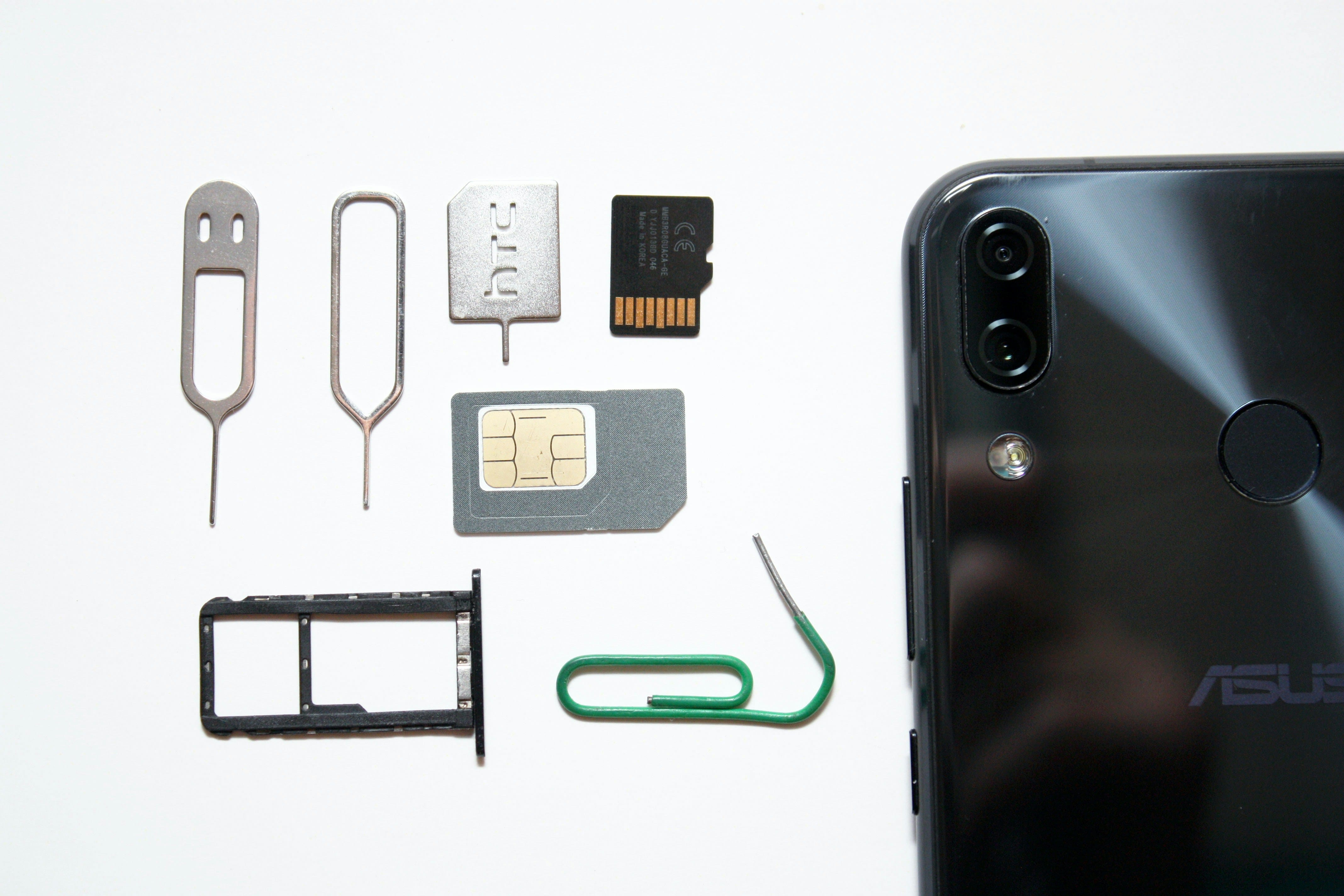
Photo by Andrey Matveev on Unsplash
How Do They Work?
Understanding how physical SIM cards and eSIMs work is key to seeing their benefits. Both connect your device to cellular data networks but in different ways. Let's look at their technical differences and how to install them.
Technical Differences Between Physical SIM and eSIM
Physical SIM cards are small chips you put into your device's SIM slot. They store your subscriber info, letting you access the mobile network. eSIM, on the other hand, is built into your device. It offers big eSIM benefits by removing the need for a physical SIM system.
With eSIM, you can easily switch between profiles, making eSIM uses more convenient without the hassle of physical cards.
eSIM vs Physical SIM Signal Strength and Coverage
When looking at eSIM vs physical SIM signal strength, many factors matter. It's simple to think the SIM type affects your signal, but it's more complex. Your signal strength depends on things outside the SIM, whether you have a traditional or an eSIM.
Factors Affecting Signal Strength
Many things can change your signal strength. These include how far you are from cell towers, physical barriers, and the weather. These factors don't matter if you use a SIM card or eSIM.
So, when choosing between a sim card and an eSIM, don't worry too much about signal strength.
Role of Network Providers
Network providers are key to a strong and reliable connection. They work hard to improve their networks for both eSIM and physical SIM users.
Choosing eSIM means you get the same network improvements as traditional SIM users. Your experience depends on your network provider's quality, not the SIM type. So, whether you're on an eSIM or a physical SIM, your network provider supports you.
Installation and Activation Process
To install a physical SIM, you must physically put it into the slot, often needing a tool for it. After that, your device is set up for cellular data.
Activating an eSIM is easy. Just scan a QR code from your carrier to download the info to the eSIM. This makes changing carriers or plans much easier.

Photo by Karolina Kaboompics
Pros and Cons: eSIM vs Physical SIM
The debate between eSIM and physical SIM has many points to consider. This guide will help you see how each option compares in the world of mobile connectivity.
Advantages of Physical SIM
The physical SIM card has been a trusted choice for a long time. It's often cheaper than eSIMs. Plus, it lets you get a local phone number easily, making calls in a new country simple.
Disadvantages of Physical SIM
But, physical SIM cards have their own problems. They can be easily lost or damaged. Also, they work only in certain countries, so you might need a new SIM when you travel.
Benefits of Using eSIM
eSIMs have many advantages. They're easy to get and set up, without needing a physical card. eSIMs also let you use two SIMs at once, making switching between profiles and networks easy. This is great for people who travel a lot.
Drawbacks of eSIM
But, eSIMs have some downsides too. They can be more expensive, which might be a problem for those watching their budget. Also, they don't give you a local phone number, which can make calling from abroad harder.
Thinking about these points will help you choose the right option for you. The best choice depends on how you use your phone and your lifestyle.

Photo by Annie Spratt on Unsplash
Application in Travel
Choosing between an eSIM and a physical SIM can change your travel game. Let's explore how they compare to those who love to travel.
Using eSIM for International Travel
Traveling with an eSIM offers a big advantage in convenience. Imagine arriving in a new country and switching to a local carrier without going to a store. eSIMs don't need a physical card. You can download a local plan directly to your phone, avoiding high roaming fees.
With eSIMs, you can switch between countries easily. This is great for travelers who move around a lot.
Benefits of Physical SIM for Travelers
Physical SIMs also have their own perks. If you prefer the traditional way, using a local SIM card is straightforward. It gives you direct access to local networks without the trouble of setting up an eSIM.
Having a local number is very useful. It helps when you need to talk to local businesses or new friends. The choice between eSIM vs physical SIM for travel depends on what you prefer and your trip's needs.
Switching Between eSIM and Physical SIM
The digital age brings us flexibility in switching phones. If you're looking at eSIM vs sim card, knowing how to switch is key. This is especially true for popular phones like the iPhone and Samsung Galaxy.
Dual SIM Functionality
Modern smartphones offer dual SIM functionality. The latest iPhone and Samsung Galaxy support both an eSIM and a physical SIM at once. This lets you keep personal and work numbers separate on one phone. It's great for those who often change networks or travel a lot.
Steps to Switch from Physical SIM to eSIM
Switching from a physical SIM to an eSIM might seem hard, but it's easy once you know how. First, make sure your iPhone or Samsung Galaxy supports eSIM. Then, contact your carrier to get an eSIM QR code or details.
On your phone, go to the settings menu. For iPhones, it's Settings > Cellular. For Samsung Galaxy, it's Settings > Connections > SIM card manager. Scan the QR code or enter the details your carrier gave you. Finally, confirm the switch and your eSIM should work, freeing up your physical SIM slot.
Using dual SIM technology and knowing how to switch between eSIM and physical SIM can greatly improve your phone use. It makes managing multiple lines and traveling internationally easier without the need to swap SIM cards.

Photo by Andrea Piacquadio
Reasons to Use a Jetpac eSIM for Travel
The Jetpac eSIM changes the game for international travel. Forget about carrying many SIM cards and high roaming costs. With a Jetpac eSIM, you get global coverage and instant data, wherever you go.
Using a Jetpac eSIM is super convenient. Just arrive in a new country and your phone is ready to use, without finding a SIM card shop. Jetpac eSIM gives you quick and secure data access. This lets you navigate, share updates, and stay connected easily.
Also, Jetpac's eSIM deals offer great value. They're perfect for both frequent travelers and business people. You get the best deals, easy setup, and a wide global network.
The business travel eSIM benefits are huge. With a Jetpac eSIM, you're always ready for work trips and staying in touch. You can easily switch networks, keeping you connected. This gives you a big advantage in today's fast business world.
Choosing a Jetpac eSIM means better connectivity, convenience, and saving money. It's essential for today's travelers.

Photo by Anna Shvets
FAQs
What is the main difference between an eSIM and a physical SIM?
An eSIM is a digital version inside your device. It lets you switch carriers without a physical card. This makes changing plans easier.
How do signal strength and coverage compare between eSIM and physical SIM?
Signal strength and coverage don't change whether you use an eSIM or a physical SIM. These depend on your location, obstructions, and your network provider's quality.
Can eSIMs be used on all phones?
Not all phones can use eSIMs. But, newer devices like the latest iPhones and Samsung Galaxy series do. Always check your phone's specs to be sure.
Photo by Priscilla Du Preez 🇨🇦 on Unsplash
Ready to Choose?
In this detailed look at eSIM vs Physical SIM, we've covered everything from the basics to the technical differences.
Physical SIM cards are still a good choice for those who like having a chip they can remove. On the other hand, eSIMs offer a new way to use your phone that's great for travelers.
Both types have their strengths when it comes to signal strength and coverage. But, the choice between eSIM and Physical SIM often depends on what you need and like. The ability to use two SIMs at once and easily switch between them shows how flexible eSIMs are.
The move to digital with eSIMs is more than a trend; it's a big step forward in mobile tech. Whether you're switching for travel ease or want the latest tech, it's clear eSIMs are gaining support.
The future looks like it will be all about flexibility, and eSIMs are leading the way. They're making a world where old-school SIM cards are less needed.