eSIM vs Roaming: Which Option is Best for Travelers?

Author: Daniella Schoeman (travel, tourism & hospitality writer)
5 August 2024
Did you know that international roaming rates are insanely pricey? This money could go towards a fancy dinner or fun activities at your travel destination. Technology has brought new ways to stay connected overseas, with eSIM and roaming being top choices.
This article delves into the distinctions between using eSIM and roaming. It will guide you to pick the best option for your travel. By looking at what each method offers, you get to choose based on what fits your needs and likes.
What's the Difference Between an eSIM vs Roaming?
For travelers wanting to stay connected, knowing about eSIMs and roaming is key. They both let you use your phone but work differently. It's important to understand each to see what fits you best.
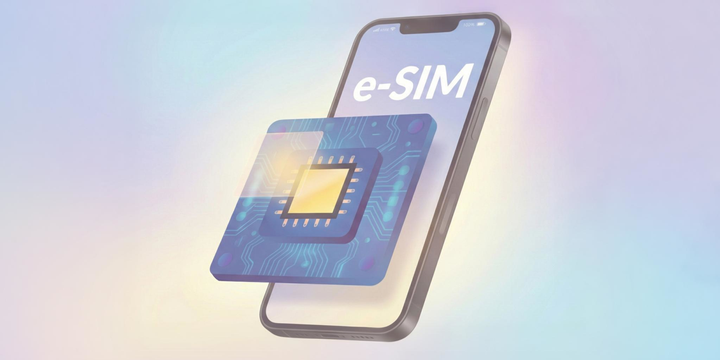
What Is an eSIM?
An eSIM is like a SIM card but inside your device. You don't need to swap physical cards to change networks. This means you can use local networks when you travel without buying a new SIM card. It makes life easier by avoiding the need for physical SIMs.
What Is a Roaming Plan?
Rather than swapping SIM cards, roaming plans let you use your phone abroad. They connect you to local networks using partner operators. They offer smooth phone use but might cost more depending on your plan.
After looking at eSIMs and roaming, it's clear they have their own perks. The main difference is how you connect to networks. eSIMs let you change digitally, while roaming uses partnerships.
How To Choose Between an eSIM vs Roaming
Choosing between an eSIM and roaming depends on several factors. It's important to look at what each offers. This way, you can choose the best one for your needs. Let's look at the key points to consider:
Benefits of Using an eSIM
An eSIM is a great choice for many travelers. Here's why:
Flexibility: You can easily switch between mobile operators with an eSIM. This lets you pick the best option for where you are.
Convenience: eSIMs are inside your device, unlike physical SIM cards. So, no more losing or carrying extra cards.
Cost-Effectiveness: eSIM plans are often cheaper. You can save money and adjust your plan types anytime.
Disadvantages of Using an eSIM
But, eSIMs have downsides too. Keep these in mind:
Compatibility: Not all devices work with eSIM technology. Be sure your device can use eSIMs before you choose this option.
Limited Coverage: Some places might not have eSIM services. Check if your destinations have eSIM coverage before deciding.
Benefits of Using Roaming
Roaming has its perks too. Check them out:
Wide Coverage: Roaming often connects you to more places than eSIMs. This is great for traveling to remote areas.
Simplicity: Roaming is easy. Your phone connects without complex setups or switching SIM cards.
Support: Roaming plans include customer support. You can get help if something goes wrong on your trip.
Disadvantages of Using Roaming
Roaming also has its downsides. Be aware of these:
Higher Costs: Using roaming can be expensive. Without careful use, you might face big bills.
Data Limitations: Some roaming plans limit your data use. This could affect how well you can stay connected.
When making your decision, think about what's important to you. Consider your travel plans, where you will go, and the devices you'll use. Think about costs and what you value more.
Is it the flexibility and savings of an eSIM or the broad coverage and ease of use from roaming? By doing this, you can pick the option that best fits your travel needs.

Image Source: Photo by Jordan Opel on Unsplash
How Much Is an eSIM vs Roaming
Choosing between an eSIM and regular roaming means thinking about costs. Knowing how both works can help you pick what fits your budget and how you travel.
eSIM Pricing:
eSIMs add ease and change, but they do have costs. eSIM prices change by provider and where you're going. Look at these points:
Cost of the eSIM: Getting an eSIM might be free with a data plan from some providers. Yet, others might charge you to use their eSIMs.
Data Plans: The price of eSIM data plans depends on how much data you get, how long it lasts, and where it works. Compare plans to find one that fits your needs and budget.
Add-On Services: Extra services like more data or international calls might cost more. Check the prices for these if you think you'll need them while you're away.
Roaming Charges:
Roaming is when you use your usual SIM in another country. Keep in mind these points about roaming costs:
Data Roaming: Using a lot of data, like streaming or video calls, can lead to high fees. It's key to know your home network's roaming costs and if they have any packages.
Calls and Texts: Costs for making calls and sending texts while roaming can increase, especially for international ones. Learn about the prices for these before you go.
Additional Fees: Being in certain countries or using some services might lead to extra fees. These can change, so make sure to read up on roaming with your provider.
Deciding between an eSIM and roaming comes down to what you need and how you'll use it. With the right info and a bit of comparison, picking the cheaper, reliable choice is possible for your trip.
How To Use an eSIM vs Roaming
Now you know what makes an eSIM different from roaming. It's time to see how they work for your trips. We'll show you the steps to make using eSIM or roaming smooth and simple when you're away.
How to Activate eSIM
Getting your eSIM working is easy. Just follow these steps:
First, check if your device can use eSIM. Big names like Apple, Google, and Samsung have eSIMs in their new phones.
Next, contact your mobile service. They'll sell you an eSIM plan and give you a QR or activation code.
Then, on your phone, find the option to add a new plan in settings.
Scan the QR code or type in the activation code from your carrier as told.
Now, your eSIM can be used for calls, texts, and data as per your plan.
How to Activate Roaming
If roaming is more your style, getting it ready is straightforward too:
Speak to your mobile carrier before you leave to check if roaming is on your plan.
After arriving, turn on your device and mobile data.
Your phone should find a network by itself. If not, pick one in the settings.
Now, you can use your phone like at home. But, remember, extra fees might come up.
With these steps, setting up eSIM or roaming is no trouble. You'll be all set to enjoy the perks of mobile services everywhere you go.

Image Source: Photo by Johnny Africa on Unsplash
eSIM vs Roaming FAQs
Is eSIM worth it for travel?
Definitely! eSIM has many travel benefits. It lets you hop between local networks. This means you'll get great coverage everywhere.
Swapping SIM cards is also a thing of the past. eSIM lets you handle multiple data plans on your phone. This saves time and hassle on your trips.
eSIM can save you money, too. The right provider can offer data deals that fit your travel. Overall, it's a smart pick for any journey.
How to use eSIM without roaming?
eSIM cuts down on roaming costs. Here's what you need to do:
Find a good eSIM service: Choose a provider like Jetpac with data plans in your destination. Compare costs and coverage to pick the best one.
Get your eSIM: After choosing, buy and download the eSIM to your phone. This usually means scanning a QR code they give you.
Turn your eSIM on: Next, activate the eSIM on your phone. Just follow the steps in your phone's settings to do this.
Get a data plan: Now, see what data plans your provider has. Find one that meets your needs and pay for it.
Use your data: With the plan set up, enjoy using data without big roaming fees. Be mindful of how much you use to stay in budget.
Doing these steps will let you use eSIM without costly roaming fees. It's an easy way to travel smoothly and affordably.
Stay Connected on Your Travels
After looking at eSIM and roaming plans, it's time to choose. Think about what you need and like for your travels.
Using an eSIM is handy because you don't need to change physical SIM cards. You can manage many numbers or data plans. Remember, not all devices and carriers support eSIM. Check if yours does before choosing.
Roaming plans let you use your usual number and data in other countries easily. This way is straightforward, but it can cost more. You won't have to worry about your device working or not.
So, picking eSIM or roaming depends on what you need while traveling. If you love the perks of eSIM and your device is compatible, go for it. For those who want a simple solution without extra worries, roaming plans are a good choice.
Think about what matters most to you, check your options, and choose the best one for your adventures.