Europe Travel Guide 2026: Places, Costs, Transport and More
A Europe trip can cover iconic cities, multiple countries, and varied budgets. Learn how to choose destinations, build an itinerary, manage costs, and get around with ease.

Europe packs ancient ruins, Alpine peaks, Atlantic coastlines, and world-class food into one reachable continent.
This Europe travel guide covers the best places to visit, ideal seasons, getting around, visa rules, costs, connectivity, and practical planning advice for travelers heading to Europe for the first or fifth time.

Europe at a Glance
Why Visit Europe?
No continent concentrates history, art, landscape variety, and culinary depth at Europe's level. Alpine skiing, Greek island beaches, Tuscan vineyards, and Arctic fjords are all reachable within a single trip.
For anyone who wants to plan a trip to Europe, the combination of medieval architecture, diverse cuisine, and a rail network spanning 40 countries makes it unlike any other destination on earth.
Best Places to Visit in Europe
The best places to visit in Europe span cosmopolitan capitals, medieval walled cities, and island coastlines. These five cities anchor most first-time itineraries:
- Paris: Louvre, Musée d'Orsay, Marais district, Montmartre
- Rome: Colosseum, Vatican, Trastevere neighborhood
- Barcelona: Gaudí architecture, Gothic Quarter, La Boqueria market
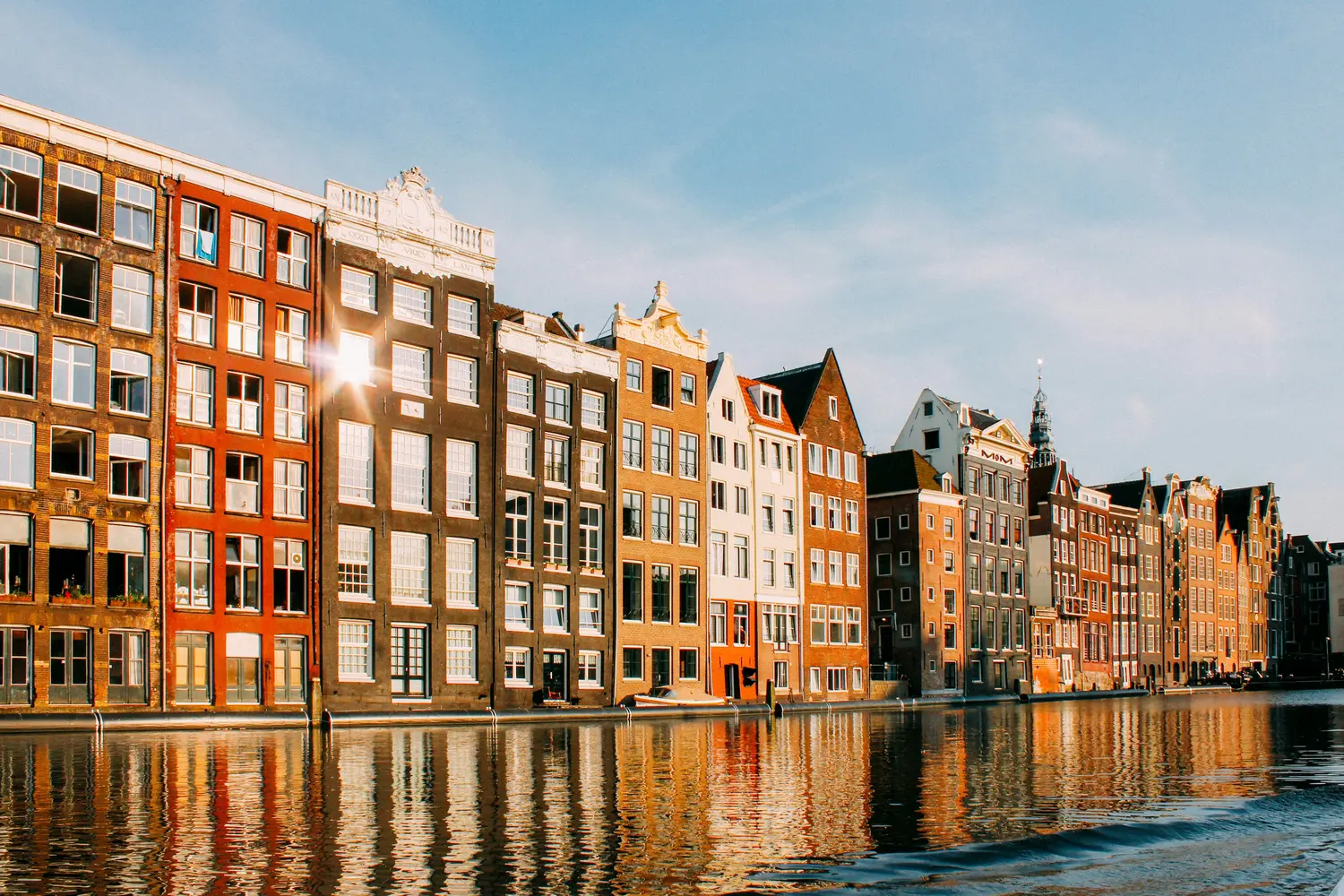
- Amsterdam: Canal network, Rijksmuseum, Van Gogh Museum
- Dubrovnik: Old Town walls, Adriatic kayaking, Lokrum Island
Beyond cities, the best places to visit in Europe also include Scotland's Highlands, Portugal's Alentejo coast, Norway's fjords, and Greece's Cycladic islands.

Read more: Ireland combines ancient castles, dramatic Atlantic coastlines, and genuine pub culture into one of Europe's most rewarding destinations. Check out 👉 Ireland Travel Guide: The Ultimate Itinerary for First-Time Visitors
Things to Do in Europe
The things to do in Europe cover every interest. Sightseeing at the Acropolis, hiking the Dolomites, wine-tasting in Bordeaux, flamenco in Seville, and free museum days in London all represent distinct Continental experiences.
Family activities, cooking classes, festival attendance, and free walking tours add depth across every budget. For a full breakdown by interest, season, and region, see best things to do in europe.
Opera in Vienna, food markets across Tuscany and Provence, and carnival in Venice represent the variety of things to do in Europe that no single trip can fully exhaust.
Read more: Paris rewards travelers who explore beyond the landmarks into its neighborhoods, markets, and local bistros. This guide covers 👉 Paris Travel Guide: Explore the City of Light Like a Local
Best Time to Visit Europe
The best time to visit Europe for most travelers is April through June or September through October. Crowds are smaller than peak summer, prices are lower, and weather across most regions is comfortable.
Summer brings warmth and festivals, but July and August are peak season everywhere.
Key events include Pamplona's San Fermín in July, Edinburgh Festival Fringe in August, and Christmas markets across Germany and Austria from late November.
The best time to visit Europe on a strict budget is November through March outside ski resort areas.
How Many Days Do You Need?
A first-time Europe travel itinerary realistically needs 10 to 14 days to cover multiple countries meaningfully.
- 7 days: One country explored in depth
- 10 days: Two neighboring countries, such as Spain and Portugal
- 14 days: Multi-country Western or Central European route
- 21 days: Four to five countries at a slower, more immersive pace
Read more: Bali combines rice terraces, temple culture, and Indian Ocean coastlines into a travel experience entirely unlike Europe. This guide covers👉 Ultimate Bali Travel Guide for Every Type of Traveler
Europe Itinerary Ideas
A well-built Europe travel itinerary in 2026 connects cities by rail rather than internal flights wherever possible, reducing both cost and transit time.
- Classic Western Europe (10 days): London, Paris, Amsterdam, Brussels
- Mediterranean Loop (14 days): Barcelona, Nice, Rome, Athens via ferry
- Central Europe (10 days): Vienna, Prague, Budapest, Krakow
- Scandinavia (7 days): Copenhagen, Stockholm, Oslo
Plan a trip to Europe with Interrail or Eurail passes when covering three or more countries. Both cover 33 European countries and are the most cost-effective way to build a multi-country Europe travel itinerary.
Check out our detailed Europe travel itinerary.
Europe Travel Cost & Budget
Knowing how much does a trip to Europe costs depends heavily on destination choice and travel style. Eastern Europe costs roughly half as much per day compared to Western Europe.
Accommodation runs USD 15 to USD 40 per night for hostels and USD 80 to USD 350 for hotels depending on city and season. Food costs USD 15 to USD 50 per day depending on self-catering.
Major attractions range from free to USD 25. All figures reflect 2026 estimates and vary by season and booking timing.
Visa & Entry Requirements
Most non-EU nationals can visit the Schengen Area visa-free for up to 90 days within any 180-day period. The Schengen Area covers 29 countries in 2026 following Romania and Bulgaria's full accession in January 2025.
ETIAS, the European Travel Information and Authorization System, will require electronic pre-travel registration for non-EU visitors. Confirm the current launch status on the EU's official portal before booking.
UK citizens have post-Brexit country-specific entry terms and should verify requirements with the relevant embassy before departure.
How to Get Around Europe
Getting around Europe is straightforward thanks to an interconnected rail, bus, ferry, and airline network. The best way to travel Europe for city pairs under four hours apart is by train.
Key transport options:
- High-speed rail: Paris to London (2h 16m via Eurostar), Paris to Brussels (1h 22m), Barcelona to Madrid (2h 30m)
- Budget airlines: Ryanair, easyJet, Wizz Air from USD 20 to USD 60 booked ahead
- Buses: FlixBus reaches Eastern Europe at the lowest price points
- Ferries: Greek islands, Croatia's Dalmatian coast, Baltic Sea crossings
- Metro and tram: Essential for daily navigation within cities
- Rental car: Best for rural Tuscany, Scottish Highlands, Norwegian fjord roads
- Taxis and rideshare: Bolt and Uber operate across most major European cities
Rail connects the best places to visit in Europe for city pairs efficiently. Getting around Europe by rental car makes most sense for rural road trips rather than city-to-city travel.
Read more: Japan offers a completely different travel style combining precision rail, ancient temples, and ultra-modern cities. Check out 👉 Japan Travel Guide for First-Time Travelers
Where to Stay
Europe's accommodation spectrum runs from USD 15 hostel dorms in Eastern Europe to USD 1,500 luxury hotels in Paris. Options by type:
Hostels: USD 15 to USD 40 per night, best for solo budget travelers
Hotels: USD 80 to USD 350 depending on city, star rating, and season
Apartments: Best for stays of three or more nights; kitchen access reduces food costs
Family-friendly: Residential neighborhoods away from nightlife districts suit families better than city centers in most major capitals
Luxury: Paris, Zurich, and London lead for premium hotel options

Food & Culture
Local specialties worth seeking out include pasta in Bologna, pintxos in San Sebastián, souvlaki in Athens, pastéis de nata in Lisbon, and Wiener schnitzel in Vienna.
The best places to visit in Europe for food include Bologna, Lyon, San Sebastián, Naples, and Thessaloniki.
Dining customs vary significantly. Spain's dinner service rarely begins before 9 pm. Tipping customs differ: one to two euros per person in France and Italy, 10 to 12.5 percent in the UK, rounding up in Scandinavia and Germany.
Dress modestly when visiting churches and religious sites across Southern and Eastern Europe.
Travel Tips
Practical travel tips for Europe most travelers overlook include booking the Vatican Museums, Sagrada Família, and Alhambra at least two to four weeks ahead in peak season.
Always validate transit tickets before boarding to avoid on-the-spot fines.
Tap water is safe across most of Western and Northern Europe. Carry small cash for rural markets and some Eastern European transport. Learning a few words in the local language produces noticeably warmer responses in France, Italy, and Spain.
What to Pack
Pack in layers for variable temperatures across multiple countries. This seasonal Europe packing list covers the essentials you’ll need, including:
- Universal EU adapter (Type C/E/F for mainland Europe, Type G for UK)
- Cobblestone-ready walking shoes
- Front-facing day bag for security in crowded areas
- Copies of travel documents stored separately from originals
- Portable charger for long transit days
- Travel insurance documentation and EHIC card if applicable

Staying Connected with Internet
Non-EU travelers face roaming rates up to USD 10 to USD 15 per day. Hotel Wi-Fi is widely available but unreliable for navigation-heavy travel.
Free public Wi-Fi exists in most major cities but drops out between transit points.
An eSIM Europe plan activates before departure and covers multiple Schengen countries without SIM swaps at each border. The best eSIM for Europe connects to local 4G and 5G networks across 25 or more countries.
Jetpac's Europe eSIM covers 30-plus countries from USD 4 with unrestricted hotspot sharing and 24/7 WhatsApp support. If connectivity is lost, restart your phone, toggle airplane mode, and confirm data roaming is enabled on the eSIM line specifically.
A local SIM remains an option at each destination but requires purchase and registration on arrival. An eSIM Europe plan eliminates that step.
Useful Travel Apps & Resources
- Google Maps: Offline maps and public transit routing across Europe
- Omio: Multi-operator train and bus booking across 35 countries
- XE Currency: Live exchange rates across European currencies
- Google Translate: Essential for Eastern and Southern European destinations
- Tripadvisor: Attraction and restaurant discovery
- 112 Emergency App: GPS-linked connection to European emergency services
Safety & Emergencies
Europe is generally very safe for travelers. The most consistent risks are pickpocketing and tourist-targeted scams.
Common scam types include fake petition signers who demand payment after you sign, taxi drivers using unofficial meters, and friendship bracelet sellers who become aggressive once a bracelet is tied.
Barcelona's La Rambla, Rome's Colosseum queue, and Paris Metro Line 1 are consistently flagged pickpocketing hotspots. Use front pockets or a travel pouch for cards and passports.
If your passport is lost or stolen, file a police report immediately and contact your nearest embassy for an emergency travel document before attempting onward travel.
The European Health Insurance Card (EHIC) provides EU citizens reduced-cost state healthcare across EU member states. Travel insurance covering medical and trip cancellation is strongly recommended for all visitors.
Read more: Costa Rica offers a tropical alternative with cloud forests, wildlife corridors, and Pacific beaches. Check out 👉 Costa Rica Travel Guide: Where to Go and What to Do
Stay Connected in Europe With Jetpac
Crossing multiple European countries means managing different carrier networks without daily roaming surprises.
Jetpac's Europe eSIM plan covers 30-plus destinations on a single eSIM that installs before you leave home and activates automatically at each new border without reinstallation.
Plans start from USD 4 and include unrestricted hotspot sharing for travel companions. Its customer support team is available 24/7 on WhatsApp if anything needs attention mid-trip.

FAQs
Do I need a visa to visit Europe?
Most nationalities can visit the Schengen Area visa-free for up to 90 days in any 180 days. Verify requirements at the official Schengen portal or your nearest EU embassy before travel.
What is the cheapest country to visit in Europe?
Poland, Hungary, Romania, Bulgaria, and the Balkans offer the lowest daily costs, with budget travelers managing on USD 40 to USD 60 per day.
Is Europe safe for solo travelers?
Europe is one of the safest global destinations for solo travel. Standard pickpocketing precautions apply in tourist areas including Paris, Barcelona, and Rome.
What currency do I need in Europe?
The Euro covers 20 EU member states, but Switzerland, the UK, Hungary, and Poland retain their own currencies. Always carry both local currency and an internationally accepted card.
How do I travel between European countries?
Train is the best way to travel Europe for journeys under four hours, budget airlines cover longer distances, and FlixBus reaches destinations with limited rail access.
What is ETIAS in 2026?
ETIAS is Europe's planned electronic pre-travel authorization for non-EU visitors. Its launch timeline has shifted previously and should be confirmed on the EU's official portal before booking.
How far ahead should I plan a trip to Europe?
Book flights 3 to 6 months ahead for peak season and reserve major attractions like the Vatican Museums and Sagrada Família 2 to 4 weeks before arrival.
What is the best way to get internet access across Europe?
A multi-country eSIM covering the Schengen Area on a single data plan is the most practical solution, which is why this Europe travel guide recommends setting one up before departure.
Disclaimer
The information in this blog was accurate at the time of writing. Visa and entry requirements, prices, transport schedules, accommodation rates, attraction details, and other travel information may change after publication. Jetpac is not responsible for any changes made after publication. Please check the latest information with the relevant official authority or service provider before traveling.
Get connected as soon as you land with a Jetpac travel eSIM.