
How Many Days Do You Need in Rome? The Perfect Itinerary for Every Traveler
Planning a trip to Rome but unsure how long to stay? This guide breaks down exactly how many days you need in Rome to make the most of your visit.
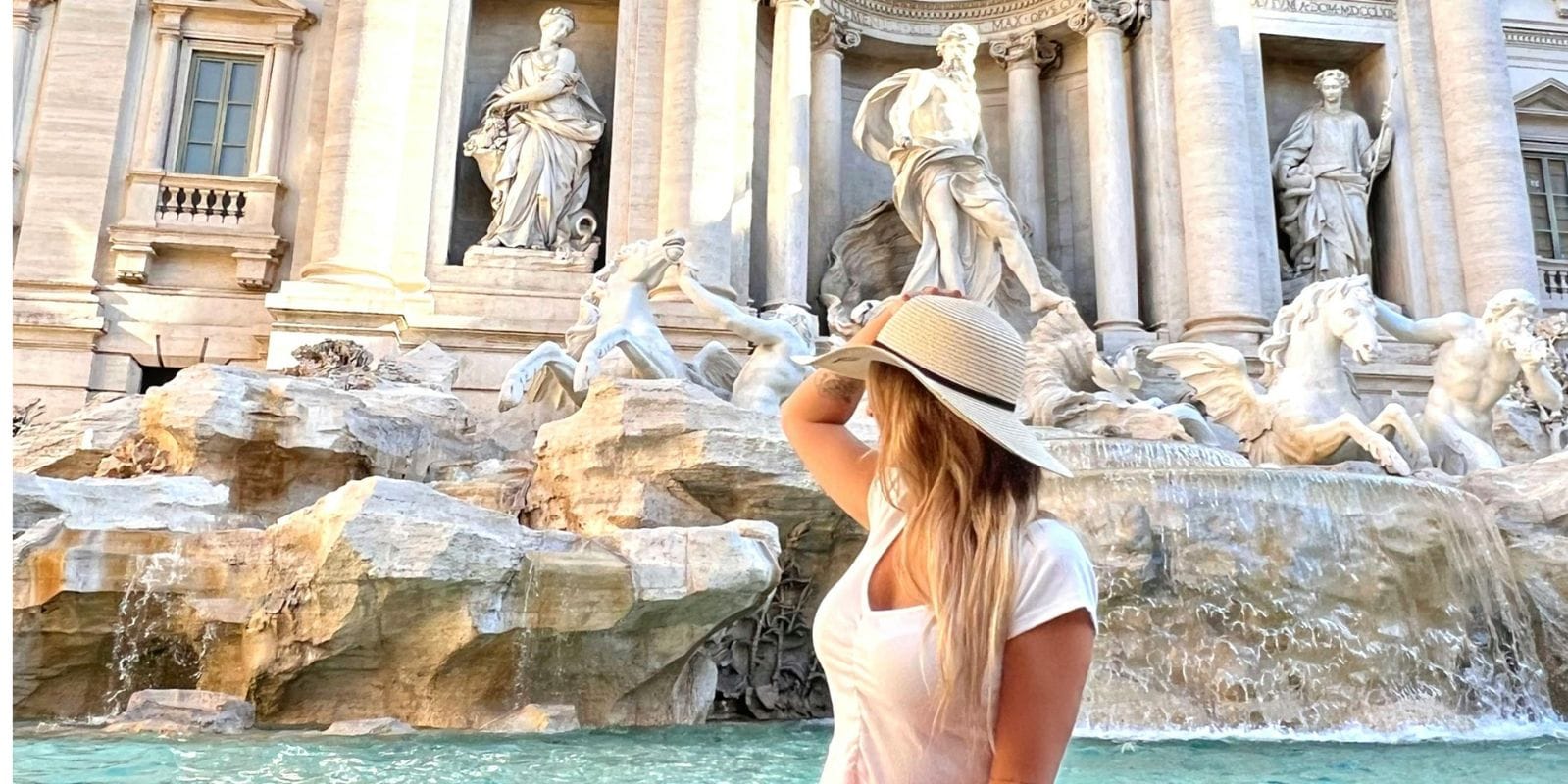
Planning a trip to Rome but unsure how long to stay? This guide breaks down exactly how many days you need in Rome to make the most of your visit.
Rome isn’t a city you can rush through. With more than 2,000 years of history, layers of ancient ruins, Renaissance art, and a food scene that rivals anywhere in the world, every corner of the city seems to hold a story.
So, how many days do you really need in Rome? The answer isn’t one-size-fits-all. It generally depends on your travel style. Some travelers are content with a whirlwind day of highlights, while others prefer a week or more to soak in the culture at a slower pace.
To help you plan, we’ve put together practical itineraries for 1 to 7+ days in Rome, so you can choose the one that fits your schedule and still captures the magic of this magnificent city.
Is 3 Days in Rome Enough?
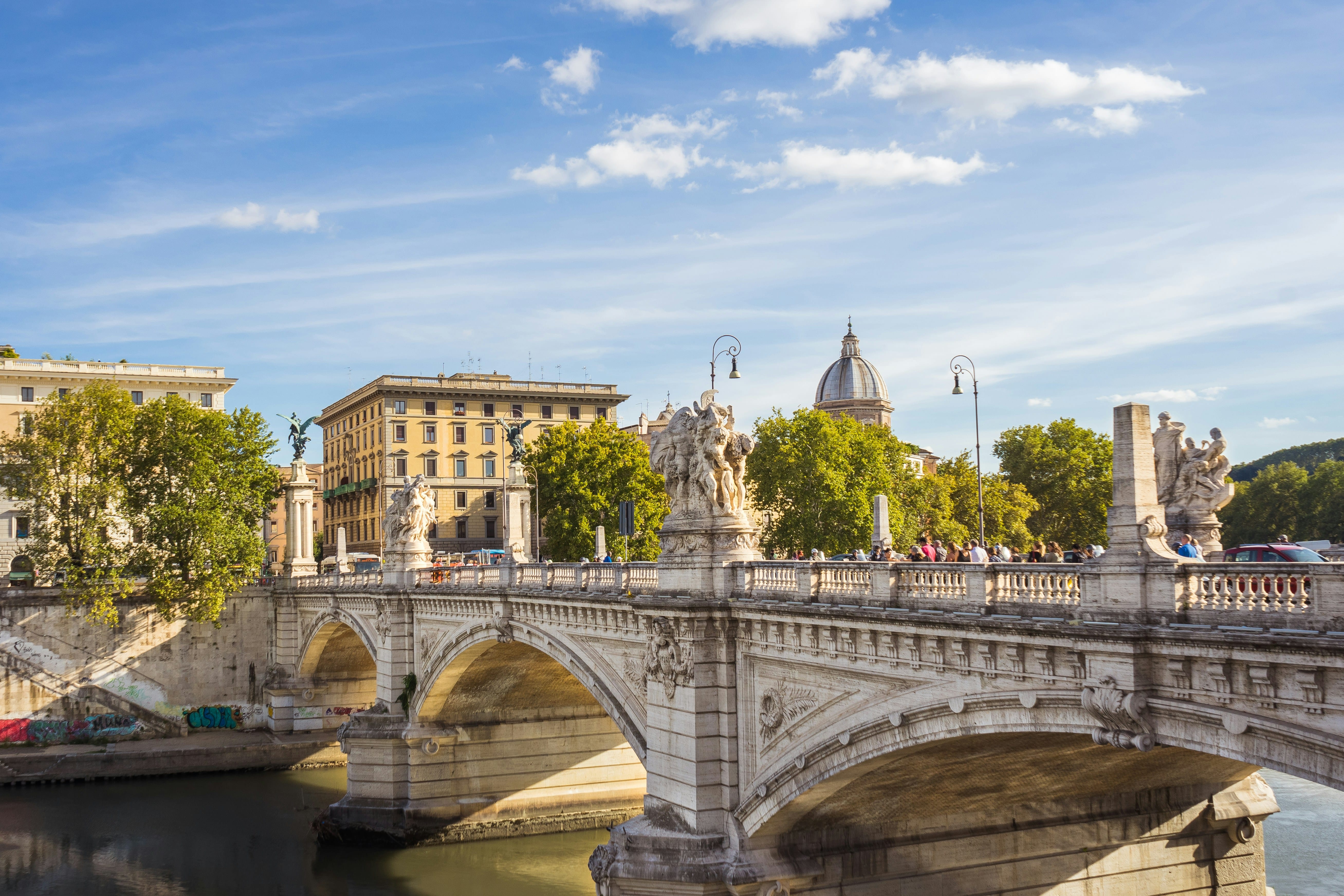
For first-time visitors, three days in Rome is often considered the classic amount of time. It gives you just enough breathing room to see the city’s most famous landmarks without feeling too rushed.
In three days, you can tour the Colosseum and Roman Forum, toss a coin into the Trevi Fountain, marvel at the Pantheon, and dedicate a full day to exploring the Vatican Museums and St. Peter’s Basilica.
The downside? Three days won’t leave much opportunity to wander off the beaten path. Charming neighborhoods like Trastevere, Aventine Hill, or Rome’s hidden churches and local markets may have to wait for your next visit.
Still, if it’s your first trip to the Eternal City and you’re wondering how many days in Rome are enough, the classic answer is three. It strikes the perfect balance between seeing the must-see attractions and soaking up the city’s unforgettable atmosphere.
How Many Days Do You Really Need in Rome?
So, how many days to spend in Rome? The honest answer is: it depends on your travel style.
If you like to move fast and cover only the highlights, two to three days may be enough to check off the Colosseum, Trevi Fountain, Pantheon, and Vatican.
But if you’re wondering how many days to spend in Rome to go beyond the obvious landmarks, four to five days is the sweet spot. With that amount of time, you can explore lively neighborhoods like Trastevere, linger over long Italian dinners, and discover hidden gems such as Aventine Hill or the Borghese Gallery.
Your pace also matters. Fast-paced travelers can squeeze a lot into a short stay. In contrast, slow travelers will appreciate the chance to wander Rome’s piazzas, enjoy gelato breaks, and revisit favorite spots without watching the clock.
Another factor is whether you’d like to take day trips. Rome makes a great base for day excursions to Tivoli, Ostia Antica, or even Florence by train.
In the end, how many days to spend in Rome comes down to balancing your schedule with the kind of experience you want: a quick taste of the Eternal City or a deeper immersion into its history, culture, and everyday life.
How Many Days Do You Need in Rome? Rome Itinerary Options
To find out exactly how many days do you need in Rome, we have provided a breakdown for different traveler schedules, from one day to 7 plus days:
1 Day in Rome
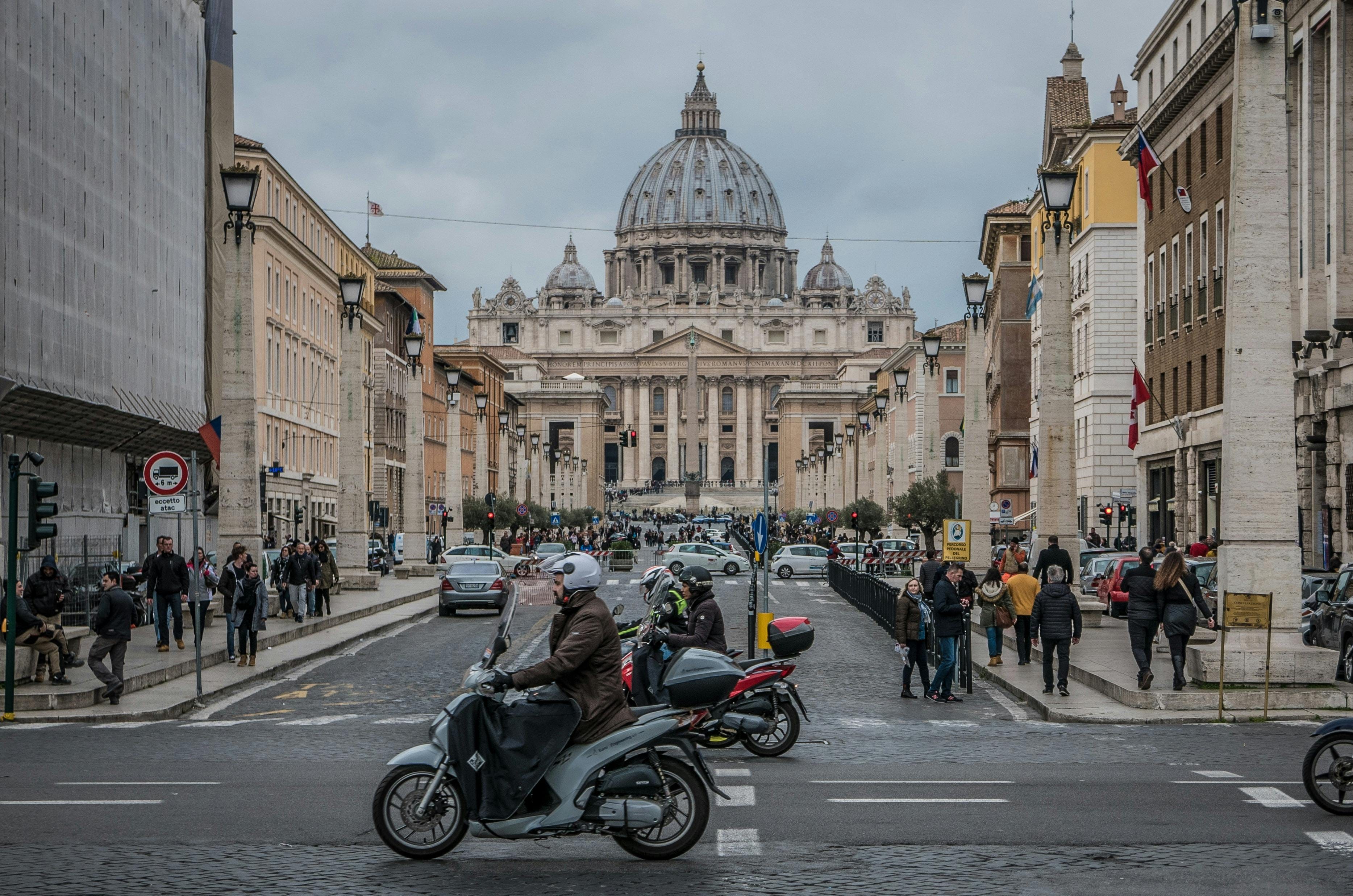
If you only have one day in Rome, focus on the icons. Start with the Colosseum in the morning, toss a coin into the Trevi Fountain, then head toward the Vatican City to admire St. Peter’s Basilica from the outside.
It will be a whirlwind trip, but you’ll capture the essence of Rome in a day.
2 Days in Rome
Is 2 days in Rome enough? In two days, you can slow down a little bit. Dedicate your first day to the Colosseum, Roman Forum, and Trevi Fountain, and spend the second day inside the Vatican Museums and Sistine Chapel. End with a sunset walk around Piazza Navona or Campo de’ Fiori. These are some of the best activities to do in Rome if you want to go sightseeing and relax in the end.
3 Days in Rome
Three days in Rome lets you experience the city at a more relaxed pace. Dedicate your first two days to the major landmarks, such as the Colosseum, Roman Forum, Trevi Fountain, Vatican Museums, and Sistine Chapel.
On the third day, wander through Rome’s famous piazzas like Piazza Navona, Campo de’ Fiori, and Piazza Venezia.
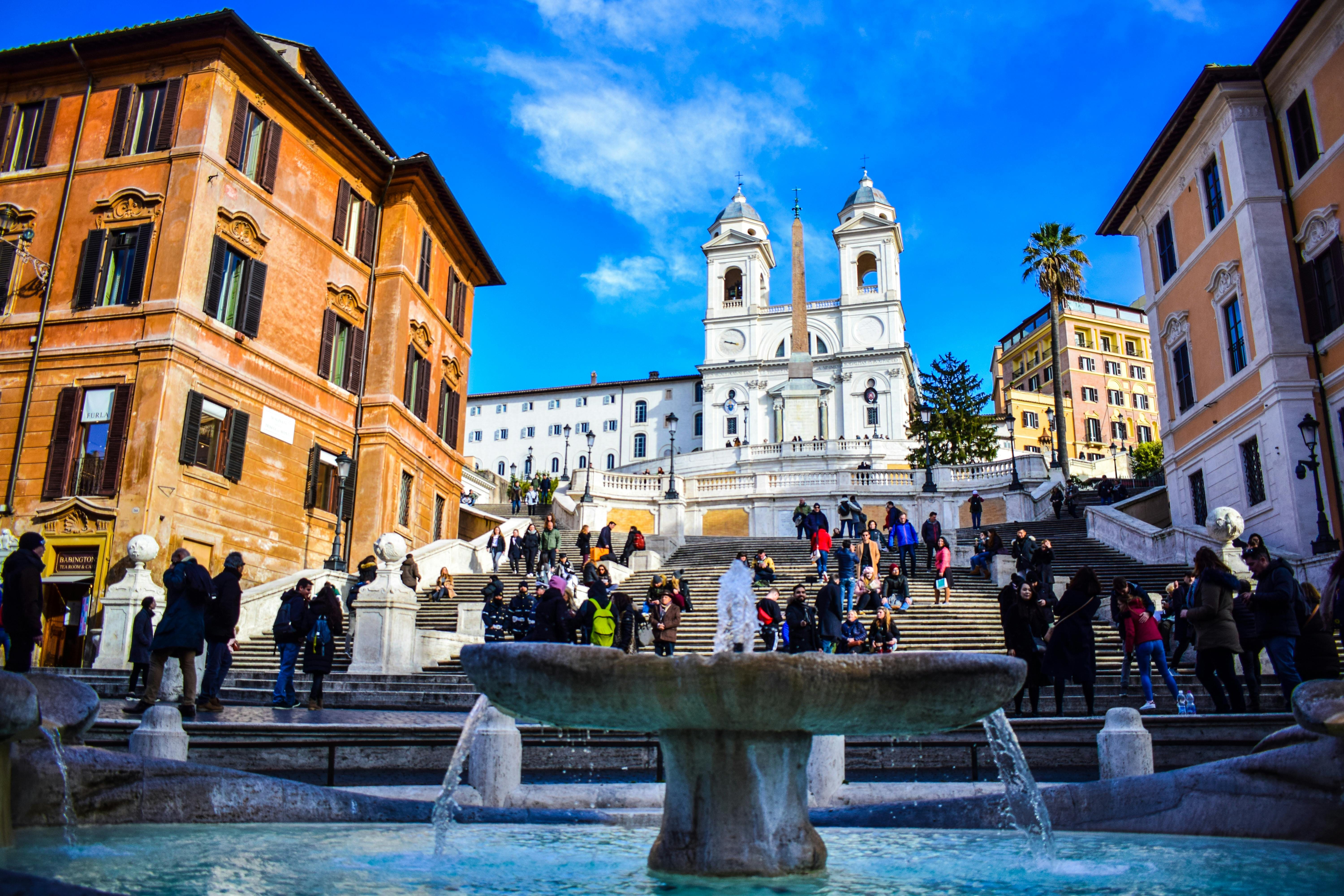
Treat yourself to gelato breaks in between, and don’t miss an evening stroll around the Spanish Steps for that quintessential Roman atmosphere.
4 Days in Rome
For four days, you can look beyond the classics and explore Rome’s charming neighborhoods.
Spend a morning in Trastevere, known for its cobblestone streets and lively trattorias, then head to Aventine Hill to peek through the famous “keyhole view” of St. Peter’s Basilica. Add in a visit to hidden gems like the Baths of Caracalla or Basilica di San Clemente.
Evenings are perfect for savoring authentic Roman pasta dishes away from the tourist crowds.
5 Days in Rome
Five days give you time to slow down, an ideal answer if you’re asking how many days do you need in Rome. Revisit highlights like the Colosseum and Vatican Museums with guided tours to fully appreciate their history.
Use another day to enjoy Rome’s nightlife, perhaps a rooftop bar with views of the city or a lively evening in Campo de Fiori. Don’t forget to linger over long Italian dinners; Rome truly comes alive after dark.
6–7 Days in Rome
A week in Rome means you can dive deeper. Visit the Borghese Gallery to see masterpieces by Bernini and Caravaggio, explore local food markets like Campo de Fiori or Testaccio, and take a bike ride along the ancient Appian Way.
With this much time, you can also enjoy day trips to nearby spots like Tivoli (Villa d’Este and Hadrian’s Villa) or Ostia Antica.
7+ Days in Rome
A week in Rome means you can dive deeper. Visit the Borghese Gallery to see masterpieces by Bernini and Caravaggio, explore local food markets like Campo de Fiori or Testaccio, and take a bike ride along the ancient Appian Way.
With this much time in Rome, you can also enjoy day trips to nearby spots like Tivoli (Villa d’Este and Hadrian’s Villa) or Ostia Antica.
Can You Do Day Trips from Rome?
Rome is not only a city packed with world-class attractions. It’s also the perfect hub for day trips. Depending on how many days in Rome you plan to spend, you can easily set aside one to explore beyond the city.
Thanks to Italy’s excellent train and bus connections, you can step outside the Eternal City and discover charming hill towns and hidden gems in just a few hours.
Here are some destinations to consider if you wish to go on a day trip in Rome:
Vatican City
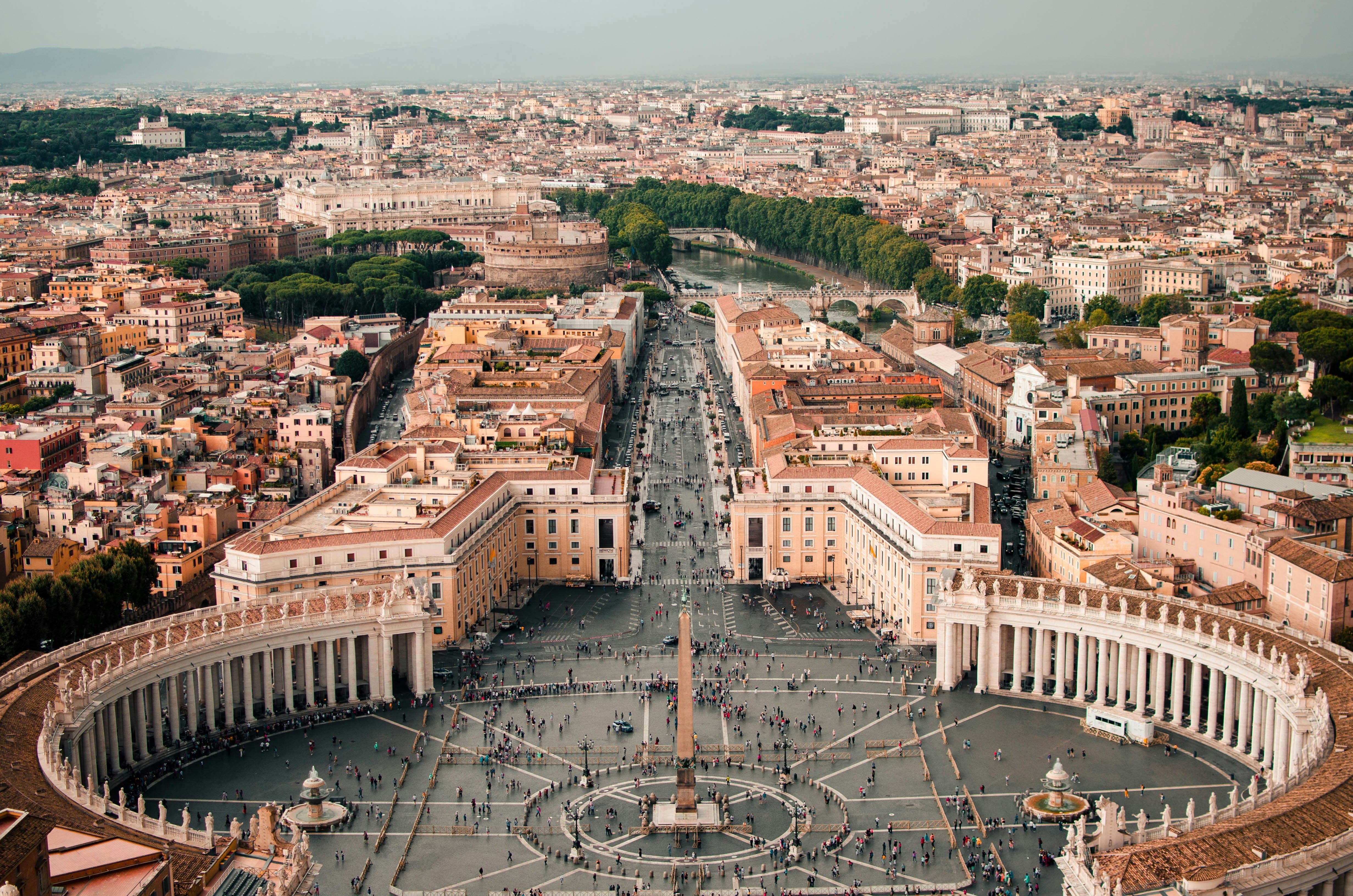
Although it sits right in the heart of Rome, Vatican City is technically its own country. A visit here feels like stepping into a world of art, history, and spirituality.
If you’re treating it as a “day trip,” plan to spend at least half a day to a full day here. The Vatican Museums house some of the world’s most renowned collections, culminating in Michelangelo’s masterpiece on the ceiling of the Sistine Chapel. Afterwards, head into St. Peter’s Basilica, where you can admire its awe-inspiring interior or climb to the dome for sweeping views of Rome.
Tivoli
Just a short train or bus ride from Rome, Tivoli is a favorite day trip for travelers who want a change of scenery. The town is best known for two UNESCO World Heritage Sites: Villa d’Este, with its stunning Renaissance gardens and elaborate fountains, and Hadrian’s Villa, the sprawling retreat of the Roman emperor. Together, they showcase both the artistic elegance of the Renaissance and the grandeur of ancient Rome.
Pompeii & Naples
If you’re up for an ambitious adventure, Pompeii and Naples can be visited as a very long day trip from Rome by high-speed train. History buffs will find it well worth the travel time.
Pompeii offers an extraordinary glimpse into daily life frozen in time after the eruption of Mount Vesuvius in 79 AD. Pair it with a stop in Naples, the birthplace of pizza and home to vibrant streets, world-class museums, and views of the Bay of Naples.
Florence
Thanks to Italy’s high-speed trains, visiting Florence in a single day from Rome is entirely possible, although it makes for a long outing. As the capital of Tuscany and the birthplace of the Renaissance, Florence offers an incredible concentration of art, architecture, and history.
Admire the Duomo’s iconic dome, stroll across the Ponte Vecchio, and admire masterpieces at the Uffizi Gallery or Accademia (home to Michelangelo’s David).
Even with limited time, a day in Florence gives you a taste of one of Italy’s most beautiful cities, making it a worthwhile addition if you’re eager to see more beyond Rome.
When deciding how many days you need in Rome, it’s important to factor in whether you plan to take day trips. Each trip requires at least one additional day on top of your core Rome itinerary.
For example:
3 days in Rome + 1 day trip = 4 days total
5 days in Rome + 2 day trips = 7 days total
So while many travelers say 3 to 4 days is enough to see the highlights of Rome itself, if you’d like to explore beyond the city, to places like Tivoli, Pompeii, or Florence, you should realistically plan for 5 days to a week to avoid feeling rushed.
Where to Stay in Rome
Now that you have a clearer idea of how many days you need in Rome, the next step is deciding where to stay. Your base in the city plays a big role in how much you can see and do, so choosing the right neighborhood is key to making the most of your trip.
Here are some ideas:
1–2 Days
If you’re only spending 1 to 2 days in Rome, it’s best to stay near Termini or in the Centro Storico. Termini offers convenient transport connections, making it easy to get around quickly, while Centro Storico puts you within walking distance of landmarks like the Pantheon, Trevi Fountain, and Piazza Navona. Staying in these areas saves you time on commuting, which is crucial when your visit is short.
3–5 Days
If you’re staying in Rome for 3 to 5 days, neighborhoods like Trastevere or Monti are excellent choices. Trastevere charms visitors with its cobblestone streets, authentic trattorias, and lively piazzas, giving you a true taste of local Roman life. Monti, on the other hand, is a trendy yet historic district close to the Colosseum and Roman Forum, offering a perfect balance of neighborhood character and easy access to major landmarks.
6+ Days
If you’re spending 6 or more days in Rome, consider staying in Testaccio or Prati. These neighborhoods offer a more authentic, residential feel, perfect for travelers who want to experience everyday Roman life.
Testaccio is known for its food markets and traditional trattorias, while Prati, just across the river from the Vatican, combines elegant streets with plenty of local dining and shopping options.
With a longer stay, basing yourself in these areas allows you to enjoy Rome at a slower pace while still being well-connected to the main attractions.
Tips for Planning Your Rome Itinerary
No matter how long you plan to stay in the Eternal City, a little preparation goes a long way. Rome is full of incredible sights, but it can also be overwhelming if you try to do too much at once.
These tips will help you craft a Rome itinerary that lets you make the most of your trip:
Start Early
Rome’s most popular attractions, including the Colosseum, Vatican Museums, and Trevi Fountain, get crowded quickly, especially during peak season.
Starting your day early not only helps you beat the rush but also lets you enjoy the city in a calmer, more atmospheric setting.
An early morning walk through Rome’s piazzas or a quiet visit to St. Peter’s Square is a completely different experience compared to the midday crowds.
Book Colosseum & Vatican tickets in advance
Two of Rome’s biggest attractions, the Colosseum and the Vatican Museums, are also the busiest. Tickets often sell out days or even weeks ahead, especially during high season.
To avoid long lines and disappointment, book your entry passes or guided tours online in advance. Not only does this save you valuable time, but it also guarantees your spot at must-see highlights like the Sistine Chapel and the Colosseum’s arena floor.
Get connected before you land
One of the smartest travel hacks for Rome is to set up your mobile data before you arrive. Instead of hunting for SIM cards at the airport, consider using an eSIM for international travel. With providers like Jetpac, you can purchase and activate your plan online in minutes.
Choose from any of the Jetpac eSIM Italy plans. These plans offer seamless connectivity as soon as you land, so you can focus on enjoying your trip rather than worrying about finding Wi-Fi.
Walking shoes are essential
Exploring Rome means a lot of walking, and much of it is on uneven cobblestone streets. Proper footwear is essential, not just for comfort, but also for safety as you navigate piazzas, alleyways, and historic ruins.
Since many of the best activities to do in Rome involve strolling between landmarks, from wandering through neighborhoods like Trastevere to climbing the Spanish Steps, having good walking shoes will make your experience far more enjoyable.
Use public transport passes for convenience
Rome is a big city, and while walking covers many sights, you’ll often need buses, trams, or the metro to save time and energy.
Instead of buying single tickets each time, consider getting a public transport pass such as the Roma 24, 48, or 72-hour card, or the Roma Pass.These passes offer unlimited rides within the validity period and can be a huge convenience when exploring famous landmarks.
They not only save you money if you’re traveling frequently but also make your journeys around the city much smoother.
Enjoy Local Cuisine
No Rome itinerary is complete without indulging in its incredible food. After all, Italy is renowned for its cuisine.
Beyond world-famous pasta dishes like carbonara, cacio e pepe, and amatriciana, you’ll find authentic pizza, seasonal specialties, and of course, plenty of gelato. Linger over long meals at family-run trattorias, sip espresso at a café, or sample fresh produce at local markets.
Trying the local cuisine is one of the best ways to connect with Roman life and adds just as much flavor to your trip as visiting the landmarks.
Leave space for “dolce far niente”
In Rome, not every moment needs to be packed with sightseeing. The Italian idea of dolce far niente (the sweetness of doing nothing) is just as much a part of the city as its monuments.
Take time to sit in a piazza with a coffee, watch locals go about their day, or enjoy a slow evening walk along the Tiber.
These unplanned moments often become the most memorable, letting you feel the rhythm of Roman life instead of rushing from one landmark to the next.

Explore Italy with Jetpac eSIM
Staying connected while traveling doesn’t have to be complicated. With Jetpac eSIM, you can enjoy seamless data coverage across Rome and the rest of Italy without the hassle of physical SIM cards or expensive roaming fees. Activation takes just minutes, giving you instant access to reliable data the moment you land.
Whether you’re navigating the Colosseum, booking a table at a trattoria, or sharing snapshots of your Roman holiday, Jetpac is the perfect travel companion. For those searching for the best eSIM for Italy, Jetpac stands out as a convenient, affordable, and dependable option.
If you’re planning your trip, consider a dedicated eSIM Rome package or a broader eSIM Italy plan. And since Jetpac is designed as an eSIM for international travel, you can stay connected not only in Italy but also as you continue your journey across Europe.
FAQs
How many days is enough to visit Rome?
The ideal length of stay depends on your travel style, but most visitors find that 3 to 4 days in Rome is enough to see the major landmarks like the Colosseum, Roman Forum, Vatican Museums, and Trevi Fountain without feeling too rushed. If you want to explore at a slower pace, enjoy neighborhood strolls, or take day trips, plan for 5 to 7 days. Ultimately, when deciding how many days in Rome you’ll need, consider whether you prefer a fast-paced highlights tour or a deeper, more immersive experience.
What is the best month to visit Rome?
The best months to visit Rome are April, May, September, and October. During these months, the weather is pleasant, crowds are lighter compared to the peak summer season, and you can enjoy outdoor sightseeing comfortably. Summer (June–August) can be very hot and crowded, while winter (November–February) is quieter but cooler with shorter days.
What is the best way to see Rome?
The best way to see Rome is on foot, as many of the city’s landmarks, such as the Colosseum, Trevi Fountain, Pantheon, and Piazza Navona, are close to each other and best enjoyed while strolling through Rome’s charming streets. For longer distances, use public transportation passes (metro, buses, trams) for convenience. To maximize your experience, mix self-guided wandering with guided tours of major sites like the Vatican Museums or Colosseum.
When Will You Arrive and Depart Rome?
Your arrival and departure times play a big role in planning your itinerary. If you land in Rome late in the day, don’t expect to fit in much sightseeing beyond a relaxed walk and dinner. Similarly, if you depart early in the morning, you’ll effectively lose that day. For example, a “3-day trip” may only give you two full days of exploring depending on your flights. Always factor in travel time when deciding how many days in Rome you truly have.
Where Will You Stay in Rome?
Your neighborhood choice can shape your entire trip. If you only have 1–2 days, staying near Termini Station or Centro Storico puts you close to major landmarks and transport. For a 3–5 day stay, Trastevere or Monti strike the right balance between local charm and easy access to attractions. If you’re planning 6 or more days, consider Testaccio or Prati for a more authentic, residential feel while still being well connected.
How Will You Navigate the City?
Rome is best explored on foot, especially around the historic center where many landmarks are within walking distance. For longer stretches, use the metro, buses, or trams. Taxis and rideshare apps are available but can be pricey. If you want maximum convenience, consider getting an eSIM Rome for instant mobile data so you can use maps, check transit schedules, and book rides.
What clothes to wear in Rome?
Comfort is key when exploring Rome. The city’s cobblestone streets mean you’ll need sturdy, comfortable walking shoes. Lightweight, breathable clothing works best in the hot summer months, while spring and fall call for layers like a light jacket or sweater. Winters are mild but can be damp, so a warm coat and umbrella are handy. If you plan to visit churches or the Vatican, remember to dress modestly.