
How to Apply for the Thailand Digital Nomad Visa
Ready to embrace tropical vibes while working remotely? Learn how to snag your Thailand digital nomad visa and start your adventure!

Ready to embrace tropical vibes while working remotely? Learn how to snag your Thailand digital nomad visa and start your adventure!
Did you know that by 2035, over 1 billion people could be working remotely? If you're keen to join this wave in a sun-soaked land, the Thailand digital nomad visa could be your golden ticket. It's for individuals who work for entities outside of Thailand. You can stay for 180 days and extend for another 180 days, with the option for multiple entries.
Beyond the allure of the country's tropical climate and rich culture, this visa offers a real pathway for remote workers, including American expats. You'll easily move into a digital nomad lifestyle in Thailand with the visa application process. It's designed for those who love flexibility and adventure.
Dive into this guide to learn how to apply for the Thailand digital nomad visa and start your next great adventure.

Photo by Mathew Schwartz on Unsplash
Thailand Digital Nomad Visa
Thailand has been making strides in its support for digital nomads, with visas for remote workers now available since this summer. As an affordable option to other touristy locales, Thailand is a great place to stay during your time in Asia. It offers a mix of culture, modern comforts, and beautiful landscapes. It's made for remote workers, giving you the freedom to live, work, and play in Thailand.
Benefits of Living in Thailand as a Digital Nomad
Why pick Thailand for digital nomads? It's cheaper here, with costs about 51.5% lower than in the US. Thailand is also safe, making it a great choice. With a big expat community, you'll feel at home. Plus, its location lets you easily visit other countries in Southeast Asia. Places such as Singapore, Japan, and Hong Kong are mere hours away by flight.

Photo by Adeolu Eletu on Unsplash
Eligibility Requirements
To live and work in Thailand as a digital nomad, you must meet certain requirements. These include several key factors:
Age and Employment Criteria
You must be at least 20 years old to apply for the Thailand digital nomad visa. You also need a job with a company outside Thailand. Freelancers and entrepreneurs must show they can support themselves with a steady income.
Financial Requirements
You need to show you have enough money to live in Thailand. This means having at least $2,000 a month or a bank balance that meets the visa's standards. This ensures you can live comfortably in the country.
Clean Criminal Record and Health Insurance
You must have a clean criminal record to apply for the visa. This shows you are of good character. Also, having health insurance is key. It protects your health while you are in Thailand.
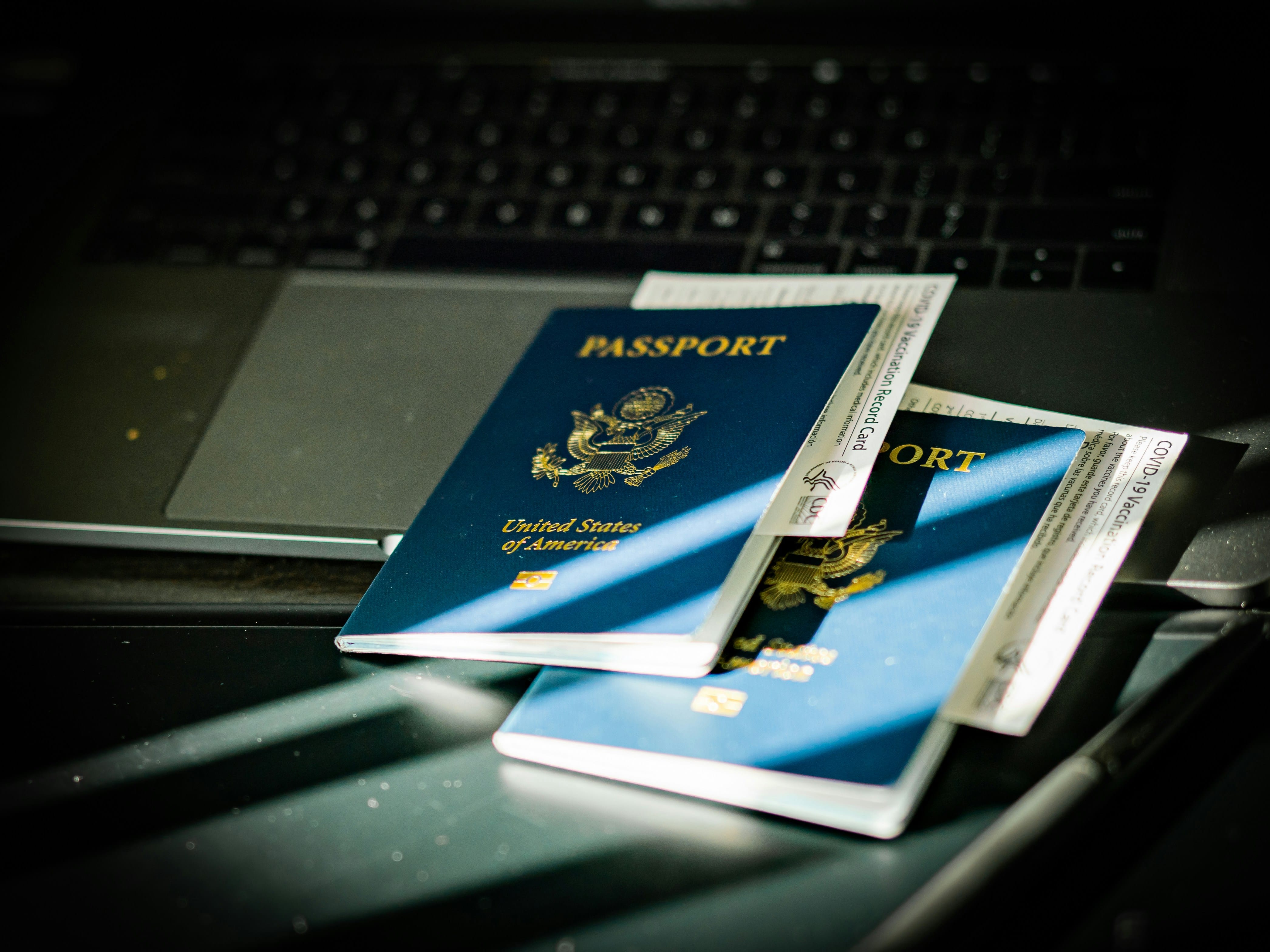
Photo by Oxana Melis on Unsplash
Necessary Documents
Getting a Thailand digital nomad visa means gathering the right documents. Being well-prepared with the necessary paperwork is crucial. It can greatly affect your application's success.
Passport and Photographs
Start with a valid passport that has at least six months left before it expires. Also, have recent passport-sized photos ready. These are key steps to make sure your application is correct.
Proof of Remote Work and Income
Next, show proof of your remote job. This could be a contract or a letter from your employer. Also, you'll need to prove you earn enough money. Use bank statements, pay stubs, or tax returns for this.
Criminal Background Check
A clean criminal record is important. Get this check from your home country. It shows you're not convicted of any crimes, which is good for your visa.
Proof of Accommodations
Finally, show where you'll stay in Thailand. This could be a lease, a hotel booking, or an invitation from someone. All these documents make sure your application is complete. They help you move forward with your digital nomad plans in Thailand.
Photo by OPPO Find X5 Pro on Unsplash
Application Process for the Thailand Digital Nomad Visa
Starting your digital nomad journey in Thailand begins with the visa application process. This process has several key steps to make your move smooth. Let's go through each step carefully:
Step 1: Gather All Required Documents
The first thing you need to do is gather all the required documents. You'll need your passport, recent photos, proof of remote work, proof of income, a criminal background check, and proof of where you'll stay.
Step 2: Submit Your Application
After you have all your documents ready, it's time to submit your Thailand visa application. You can apply online or at the nearest Thai embassy. Make sure all your information is correct to avoid delays. However, you cannot apply from within Thailand itself.
Step 3: Pay Visa Fee
After applying, you must pay the Thailand visa fee. This fee is important, so have your money ready. You can pay with a credit card or bank transfer.
Step 4: Wait for Approval
Now, all you can do is wait for the visa approval process for Thailand. This part usually takes a few weeks. Be patient while your application is checked. Once approved, you'll get the visa stamp, and you can start your life as a digital nomad in Thailand.

Photo by Dan Freeman on Unsplash
Cost of Living in Thailand
Imagine a life full of culture, beautiful landscapes, and delicious food without a high cost. Thailand offers just that at a much lower price than in the U.S. It's a dream spot for digital nomads. Let's explore the costs you might face:
Housing and Utilities
Finding a home in Thailand is both exciting and budget-friendly. You can choose from cozy city apartments or dreamy beachfront bungalows. Rent for a one-bedroom apartment can be as low as $300 a month, with utilities under $100. This leaves more money for enjoying Thailand's amazing experiences.
Food and Dining Out
Thailand is a paradise for food lovers. Street food is cheap but full of flavor. You can eat out every day without spending a lot. Food and dining costs for digital nomads are much lower here. A meal at a local spot costs $1-$3, a big difference from Western prices. Mid-range restaurants offer meals for about $10-$15.
Transportation and Miscellaneous Expenses
Transport in Thailand is easy and cheap. You can use tuk-tuks, motorcycle taxis, or the BTS Skytrain in Bangkok. For nomads, transport costs are very low. A monthly BTS pass is about $40, and a taxi ride is $2-$5.
Other expenses like healthcare, clothes, and fun activities are also affordable. Quality healthcare costs much less than in the U.S., and there are many budget-friendly activities.
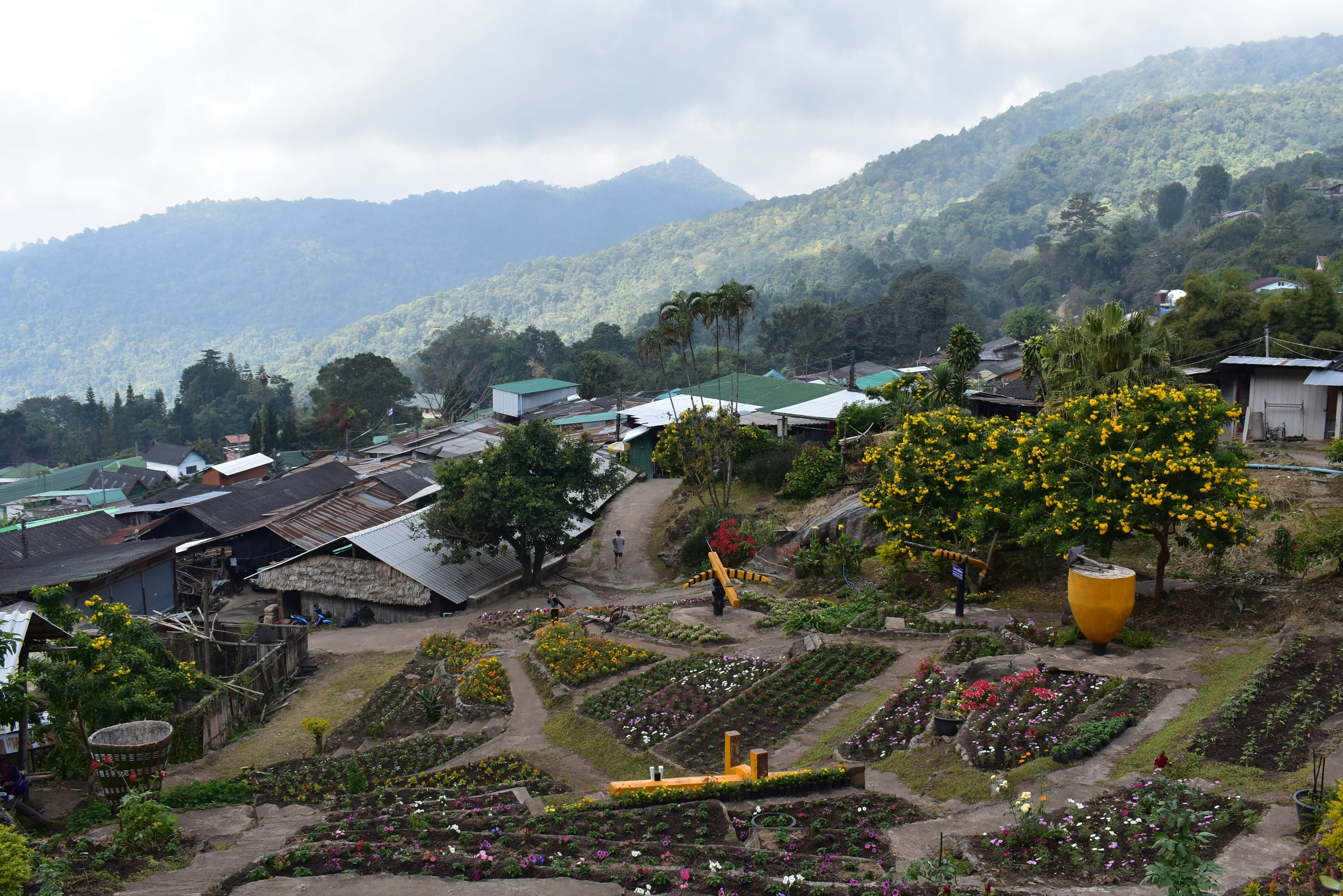
Photo by Dan Freeman on Unsplash
Top Destinations for Digital Nomads in Thailand
Thailand is a paradise for digital nomads, with its rich culture and diverse landscapes. It has everything from fast-paced city life to peaceful island getaways. You'll find the perfect spot whether you're into city life or island vibes.
Chiang Mai: The Digital Nomad Capital
Chiang Mai for digital nomads is a top choice for its affordability and cultural richness. It sits in the mountains, offering a great mix of work and leisure. With many co-working spaces, a strong expat community, and ancient temples, it's a favorite among top destinations in Thailand.
Bangkok: Urban Convenience and Modernity
Bangkok for remote workers is perfect for those who love skyscrapers, shopping, and a fast lifestyle. It's Thailand's economic hub, offering great networking and modern infrastructure. With trendy co-working spots and active meetups, it's a key spot for Thailand nomad hotspots.
Koh Samui: Island Paradise
If you dream of working by the beach, Koh Samui for expats is ideal. It's surrounded by clear waters and beautiful beaches, making it ideal for work and relaxation. Whether you're working or enjoying the sea, Koh Samui offers a unique experience among the top destinations in Thailand.

Photo by Tingey Injury Law Firm on Unsplash
Work Permits and Legal Considerations
Are you planning to be a digital nomad in Thailand? First, learn about the work permit rules. This keeps you legal and lets you enjoy your time in Thailand.
Understanding Work Permit Requirements
Thai labor laws might seem tough to understand but don't worry. You need a work permit if your job is considered "labor" by Thai laws. This includes any work that requires effort, skills, or knowledge. If you work online for a company outside Thailand, you might not need a permit. But always check the latest laws to be sure.
Legal Activities vs. Illegal Work for Digital Nomads
What's okay to do? Working online in Phuket sounds good, but know the legal limits. For example, running an online business in Thailand without a permit is illegal. To stay legal, follow the rules and get a digital work permit if you need one. Avoiding illegal work keeps you safe and lets you enjoy Thailand without problems. Being informed helps you work and relax in paradise.
Stay Connected as a Digital Nomad in Thailand with a Jetpac eSIM
Living as a digital nomad means always being on the move and staying connected. In Thailand, the Jetpac eSIM makes this easy. It lets you activate and manage your data plans right from your device, without needing a physical SIM card.
You can work by the beach or in the jungle without having to worry about finding a local SIM vendor. The Jetpac eSIM keeps you connected wherever you go, offering various data plans to help you save money while staying connected in Thailand. This means you won't waste time dealing with poor internet or worrying about your connection.
With Jetpac, your calls, emails, and video meetings will always go smoothly, letting you focus on your work and fun. It works with the latest smartphones, tablets, and other devices you use for work. You can easily switch between local carriers and plans, keeping your communication steady - making it a great option for digital nomads.