Ireland Travel Guide: The Ultimate Itinerary for First-Time Visitors
Planning your first trip to Ireland? This complete guide to visiting Ireland covers the best time to visit, how many days you need, must-see highlights, sample itineraries, food to try, tips for getting around, and how to stay connected with an Ireland eSIM.
Planning your first trip to Ireland? This complete guide to visiting Ireland covers the best time to visit, how many days you need, must-see highlights, sample itineraries, food to try, tips for getting around, and how to stay connected with an Ireland eSIM.
Ireland is one of the most popular travel destinations, and for good reason. There’s something magical about its green fields, cozy pubs, and dramatic coastal cliffs. Whether you’re a history buff, a foodie, or someone who loves a good road trip, Ireland makes every traveler feel at home.
This Ireland Travel Guide is made for first-time visitors who want to get the most out of their trip. You’ll find detailed itineraries, cultural highlights, food you absolutely need to try, and the best way to see Ireland, without overcomplicating the planning.
Ireland at a Glance: Quick Facts for First-Time Visitors
Ireland is a wonderful country to visit at any time of the year. There are many best things to see and do here, and having enough data will help you stay connected anywhere you go. But first, here is beautiful Ireland at a glance before we explore it in detail:
Geography & Regions
Ireland is easy to cover, which makes it great for first-time visitors. Dublin on the east coast is usually the starting point, full of museums, historic sites, and pubs. Galway, on the west coast, offers colorful streets and music, and nearby are the famous Cliffs of Moher. The south has the Ring of Kerry and Cork, both known for food and dramatic scenery. Northern Ireland adds Belfast and the Giant’s Causeway, which are easily worth a couple of days on their own.
Language & Currency
Before you explore this Ireland travel guide, you should know about the language and its currency. Here is some helpful information every tourist should know about Ireland:
Republic of Ireland: Euro (€)
Northern Ireland: British Pound (£)
Languages: English is spoken everywhere, while Irish (Gaelic) is still used in some regions and also appears on signs.
Cultural Snapshot
Is Ireland a good place to visit? Absolutely. Expect friendly chats with strangers, live folk music in pubs, a pint of Guinness shared with locals, and a sense of history that runs through every village and castle.
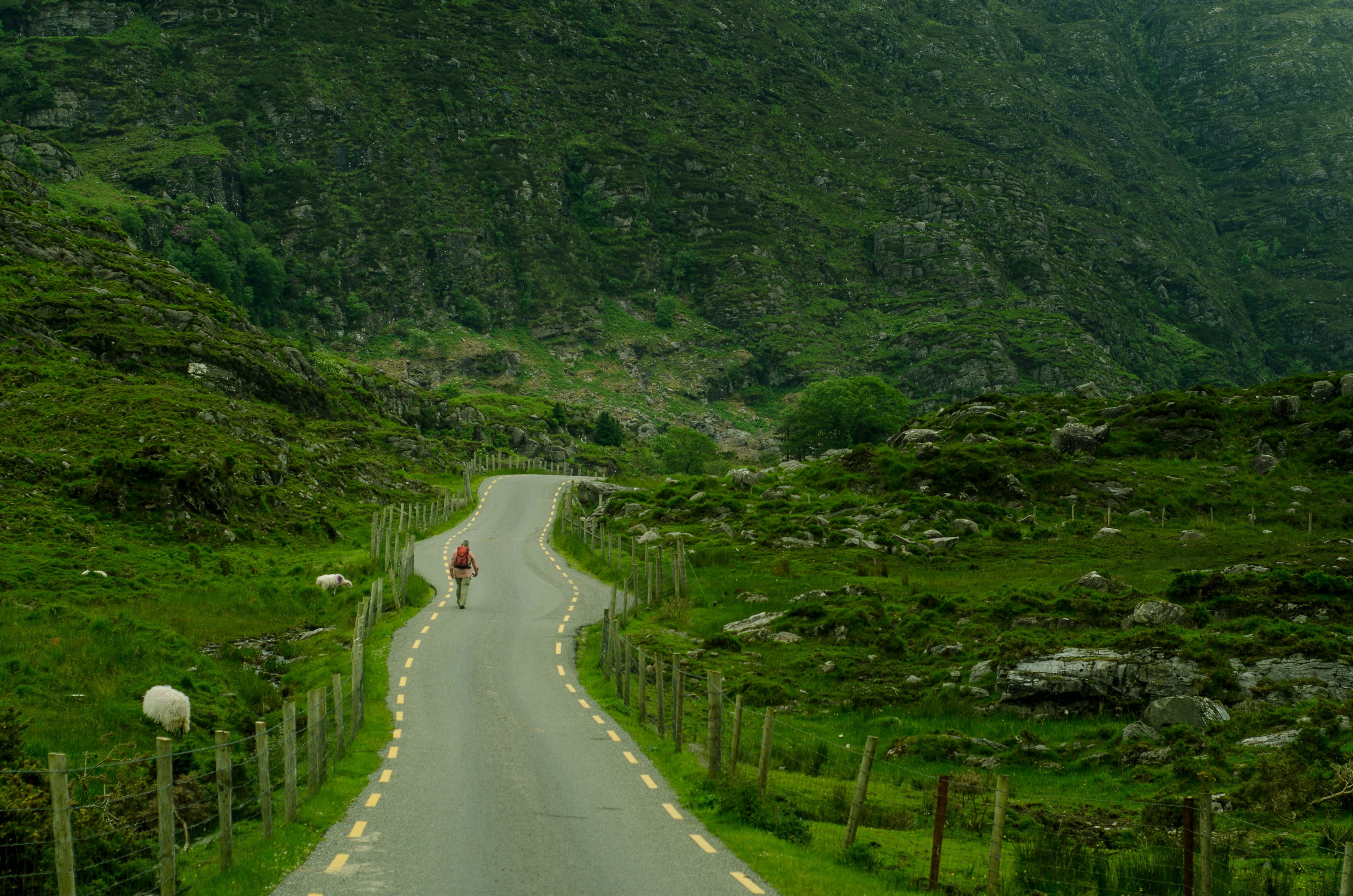
Planning Your Ireland Trip
If you’re traveling for the first time, this Ireland travel guide will explain everything from the best times to how many days you need, and other valuable tips.
Best Time to Visit Ireland
The truth is, there isn’t a bad time to visit Ireland; it all depends on what kind of trip you want.
Summer (June to August) brings long days and buzzing energy. Towns are alive with festivals, pubs spill out into the streets, and the weather is at its warmest. The trade-off is bigger crowds and higher prices, especially in Dublin and along the Wild Atlantic Way.
Spring (April to May) is one of the loveliest times for a first trip. The countryside comes alive with wildflowers, lambs fill the fields, and the air feels fresh and bright. You’ll also avoid peak-season crowds, making it easier to explore at a gentler pace.
Autumn (September to October) offers another great window to visit the country. The summer rush has eased, but the weather is still mild, and you get the added bonus of golden foliage. If you’re a photographer or love quieter roads and towns, this is the ideal season.
Winter (November to February) is the quietest time of year. Days are shorter, and the rain can be persistent, but there’s something cozy about warming up in a pub after a cold walk. Christmas markets and festive lights add charm, and accommodation prices drop significantly. It’s also the best season if you want to experience Ireland without tourist crowds.
How Many Days Do You Really Need?
The number of days you have to explore will shape your itinerary, and this Ireland travel guide will walk you through it. With three days, you’ll barely scratch the surface, so it’s best to focus on Dublin and perhaps a quick day trip to the Wicklow Mountains or Cliffs of Moher. Five days give you room to explore both Dublin and Galway.
If you can spare a whole week, you can make a loop: Dublin, Galway, the Cliffs of Moher, and down into Kerry or Kilkenny before circling back. Ten days is even better, you’ll have time for castles, scenic drives, and a few slower afternoons. But the best way to see Ireland and its most popular attractions is in two weeks. That gives you space for Northern Ireland, hidden gems like Achill Island, and plenty of time to wander without rushing.
Budgeting for Ireland
Ireland has a reputation for being pricey, but with thoughtful planning, it doesn’t have to break your bank. Accommodation usually takes up much of your travel budget. Hostels and budget B&Bs are affordable, mid-range hotels cost more, and luxury or castle stays can push your budget higher. Food prices are flexible; you can fill up on hearty pub meals for €15–€20, grab sandwiches or street food for less, or splurge on fine dining for €50 or more per person.
Transport costs also add up. Renting a car gives you the most freedom, but it can be costly. Trains and buses are cheaper but limited in where you can go. Attractions themselves aren’t too expensive, many natural sights are free, and castles or museums usually cost €5–€20.
The best approach is to plan for a few splurges, like a distillery tour or a castle hotel, while keeping some days low-cost with picnics, hikes, and coastal walks. That way, you enjoy Ireland without stressing over every euro.
Getting Around the Emerald Isle
Ireland, also known as the Emerald Isle, may be small, but the way you choose to get around will shape your trip. Each option comes with its own pros and cons, and many travelers end up mixing different modes of transport to make the most of their time.
By Car: The most flexible and best way to see Ireland. You’ll be able to stop at viewpoints, small villages, and hidden gems. Driving on the left and narrow rural roads takes practice, but it’s worth it.
By Train: Comfortable and scenic between major cities like Dublin, Galway, and Cork, but it doesn’t reach remote areas.
By Bus: Cheaper and widely available, though slower and less flexible.
Guided Tours: Convenient for day trips like the Cliffs of Moher or Giant’s Causeway if you don’t want to drive.
The Ultimate First-Time Visitor Itinerary
Every trip looks different, but how long you stay will decide what you can realistically see. Some people pop in for a quick long weekend, while others spend two weeks circling the whole island. Below are sample itineraries that allow you to see history, scenery, and culture, so you can choose the best things to do in Ireland based on the time you have.
A 3-Day Highlights Trip
If you only have three days, focus on Dublin and one countryside excursion.
Day 1: Dublin City
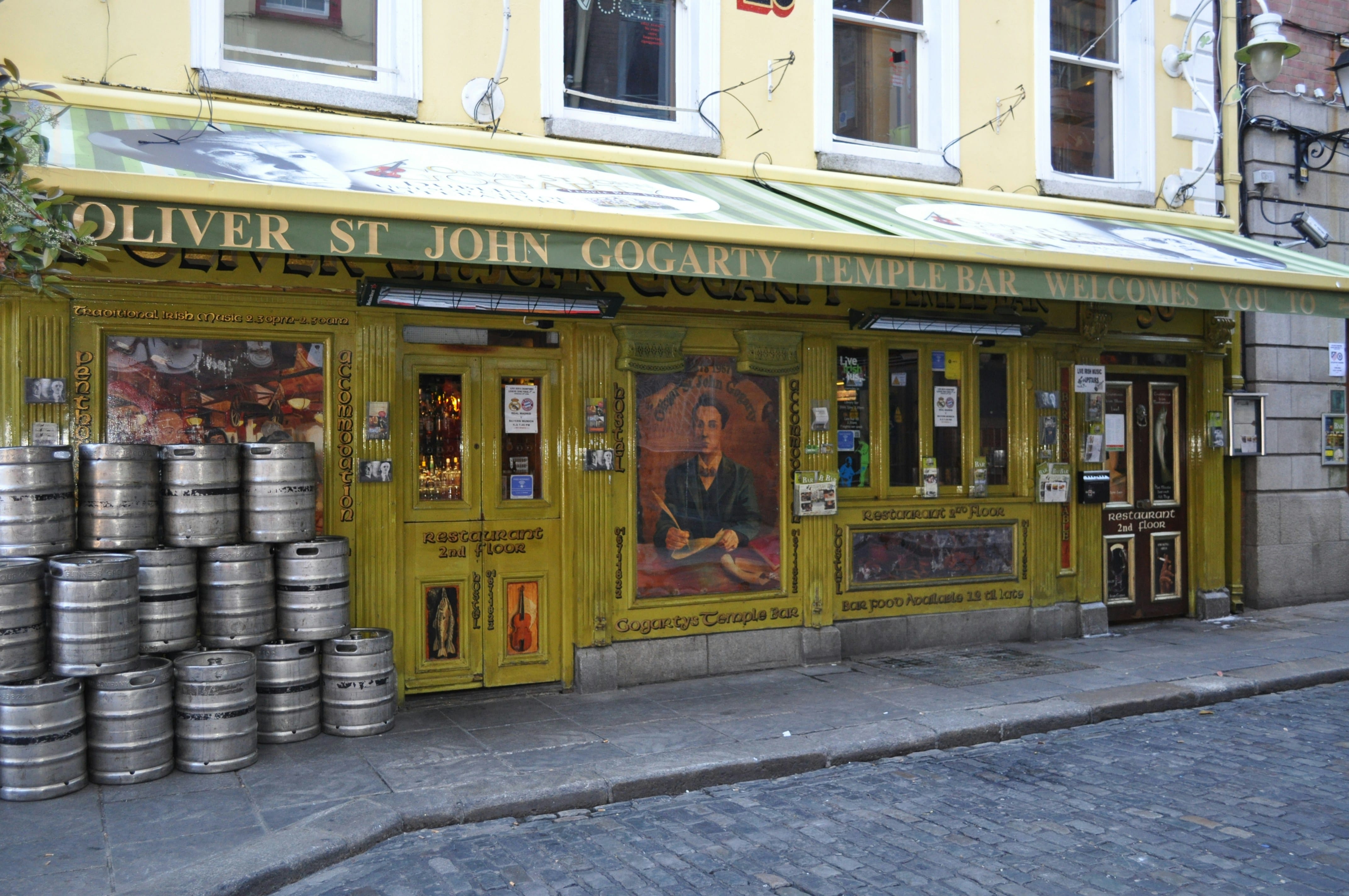
Start at Trinity College to see the Book of Kells and its stunning library. Then, wander Grafton Street for shopping and street performers. In the evening, head to Temple Bar for live music and pub hopping.
Day 2: Wicklow Mountains & Glendalough
Just an hour south of Dublin, Wicklow offers green valleys, lakes, and ancient monastic ruins. Spend the day hiking, snapping photos, and breathing in the fresh mountain air before returning to the city.
Day 3: Coastal Escape or Galway
If you want something nearby, head north to Howth for a cliff walk and fresh seafood. If you’re up for a longer journey, take a train or drive to Galway for a taste of the west. This allows you to explore both the city and the countryside, even on a short trip.
A 5-Day Plan
Five days is enough to explore Dublin and Ireland's west coast, covering some of the best things to do in Ireland.
Days 1–2: Dublin
Explore the capital’s history, museums, and nightlife. Don’t miss Kilmainham Gaol to learn about Irish history.
Day 3: Journey to Galway
Travel west, stopping at Clonmacnoise Monastery, an atmospheric set of ruins on the River Shannon. Arrive in Galway and enjoy its colorful streets and lively music scene.
Day 4: Cliffs of Moher & The Burren
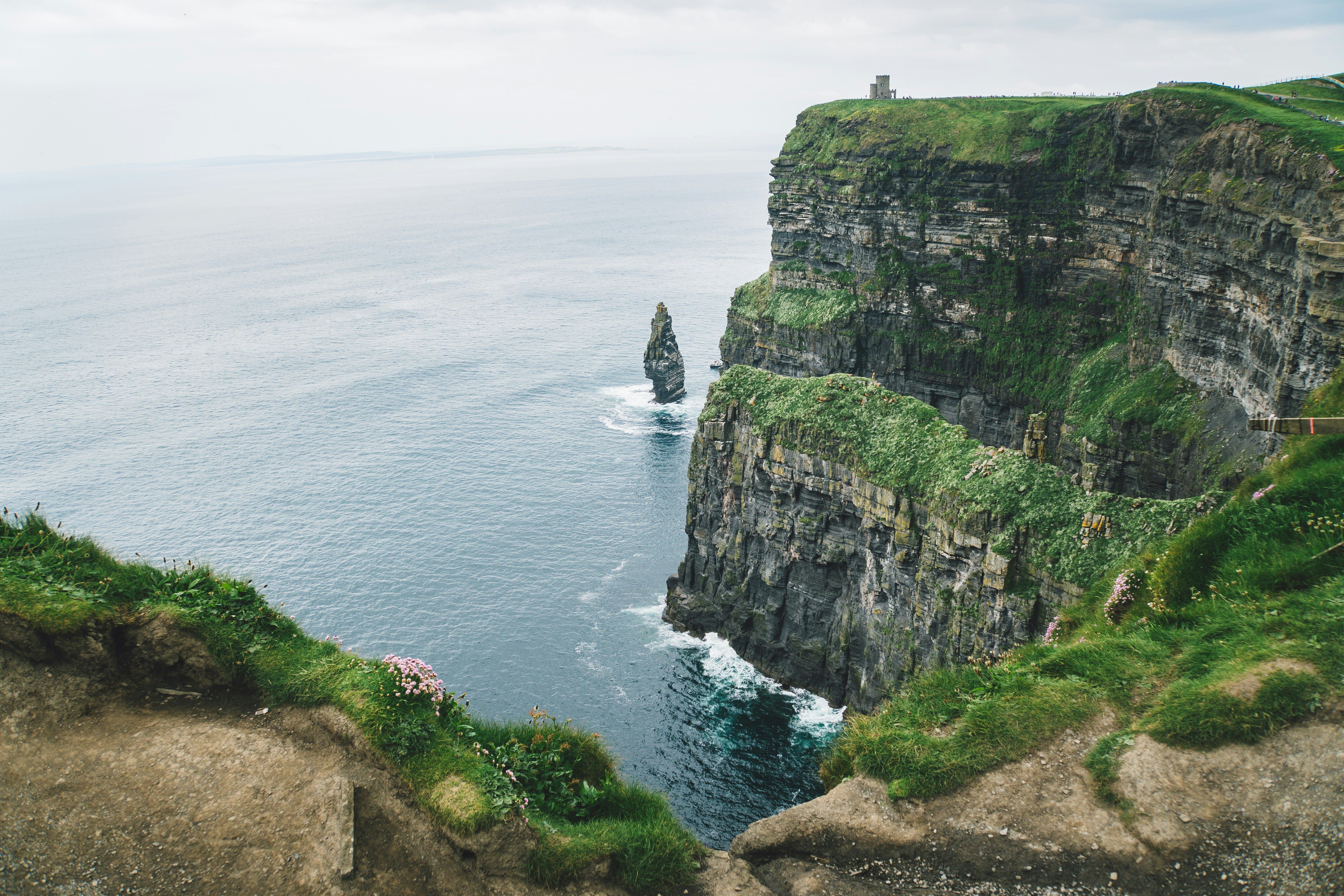
Take a day trip south to see the Cliffs of Moher, one of the most iconic sights in Ireland. Continue into the Burren, a stark limestone landscape filled with ancient tombs and wildflowers.
Day 5: Return via the Countryside
On your way back east, detour through villages or stop in Athlone for a castle visit before ending your trip in Dublin.
A 7-Day Adventure
A week in Ireland lets you allow both coasts while still leaving time to slow down.
Days 1–2: Dublin & Wicklow
Spend one day exploring Dublin, then dedicate a second to Wicklow’s lakes and trails. It’s a great way to explore the city and also enjoy some nature.
Day 3: Galway City
Head west and wander Galway’s Latin Quarter. Enjoy traditional music in a local pub and try oysters if you’re feeling adventurous.
Day 4: Cliffs of Moher & Doolin
A full day to explore the cliffs, take plenty of pictures, then stop in Doolin, a small village famous for traditional music.
Day 5: Dingle Peninsula
Drive the Slea Head loop, one of Ireland’s most scenic coastal roads. Colorful Dingle town is a perfect place for a pint and some seafood chowder.
Day 6: Ring of Kerry & Killarney National Park
Spend the day driving the Ring of Kerry, with stops for lakeside walks and castle visits. Don’t miss a ride on the Killarney’s jaunting cars (horse-drawn carriages).
Day 7: Kilkenny
On your way back east, visit Kilkenny’s medieval castle and cobblestone streets before wrapping up your journey.
A 10-Day Journey
Ten days are often best for first-time visitors. You’ll cover Ireland’s most incredible attractions without rushing.
Days 1–2: Dublin
Explore museums, Trinity College, and the Guinness Storehouse. Take an evening food tour to learn about traditional Irish cuisine.
Days 3–4: Galway & Connemara
Spend one day in Galway and another exploring Connemara National Park, with its rugged peaks, bogs, and fishing villages.
Day 5: Cliffs of Moher
Dedicate a whole day to the cliffs and the nearby Burren region. The views of the sea and cliffs are unforgettable.
Days 6–7: Dingle Peninsula
Take your time driving the scenic roads, exploring beaches, and enjoying slow evenings in local pubs.
Days 8–9: Ring of Kerry & Killarney
These two days allow you to fully enjoy the famous loop and spend time in Killarney National Park. Hike, cycle, or take a boat ride on the lakes.
Day 10: Kilkenny
Stop in this medieval city on your way back to Dublin. Tour the castle, visit artisan shops, and enjoy one last pint before heading home.
Two Weeks in Ireland – The Full Circuit
If you have two weeks, you can cover a lot of Ireland: bustling cities, dramatic coasts, medieval towns, and Northern Ireland’s treasures.
Days 1–2: Dublin
Begin with history and enjoy nightlife in the capital. Visit Trinity College, Kilmainham Gaol, and Temple Bar.
Day 3: Wicklow Mountains
Take a day to hike or drive through Wicklow. The lakes of Glendalough and rolling hills give you the countryside at its best.
Days 4–5: Galway & Connemara
Explore Galway’s vibrant culture, then head into Connemara, where you’ll witness stone walls, mountains, and fishing boats along the coast.
Day 6: Cliffs of Moher & The Burren
Enjoy your time at the mighty Cliffs of Moher. After the cliffs, drive through the lunar-like Burren landscape.
Days 7–8: Dingle Peninsula
Enjoy one of the most scenic drives in Ireland. Dingle town is colorful and welcoming, perfect for evenings filled with music.
Days 9–10: Ring of Kerry & Killarney National Park
Spend two days on Ireland’s most famous loop drive. With more time, you can stop at small villages, waterfalls, and trails without rushing.
Day 11: Cork & Blarney Castle
Kiss the Blarney Stone if you like, or just explore the gardens. Cork itself is lively and filled with vibrant local markets.
Day 12: Kilkenny
Medieval lanes, a gorgeous castle, and artisan crafts make this city a worthy stop.
Days 13–14: Belfast & Giant’s Causeway
End your trip in Northern Ireland. The Giant’s Causeway is otherworldly, and Belfast offers history, street art, and great food. Return to Dublin for your flight home.
This two-week plan is the best way to see Ireland if you want to go beyond the highlights and discover its hidden gems. You can also combine your itinerary with the UK or other cities in Europe.
Must-See Places and Irish Highlights
Every part of Ireland has something unique to offer. From the lively streets of Dublin to the wild cliffs of the Atlantic coast, the island is full of iconic landmarks, cultural treasures, and breathtaking scenery. Here are the places every first-time visitor should consider adding to their itinerary when planning a trip to Ireland.
Dublin & Eastern Ireland
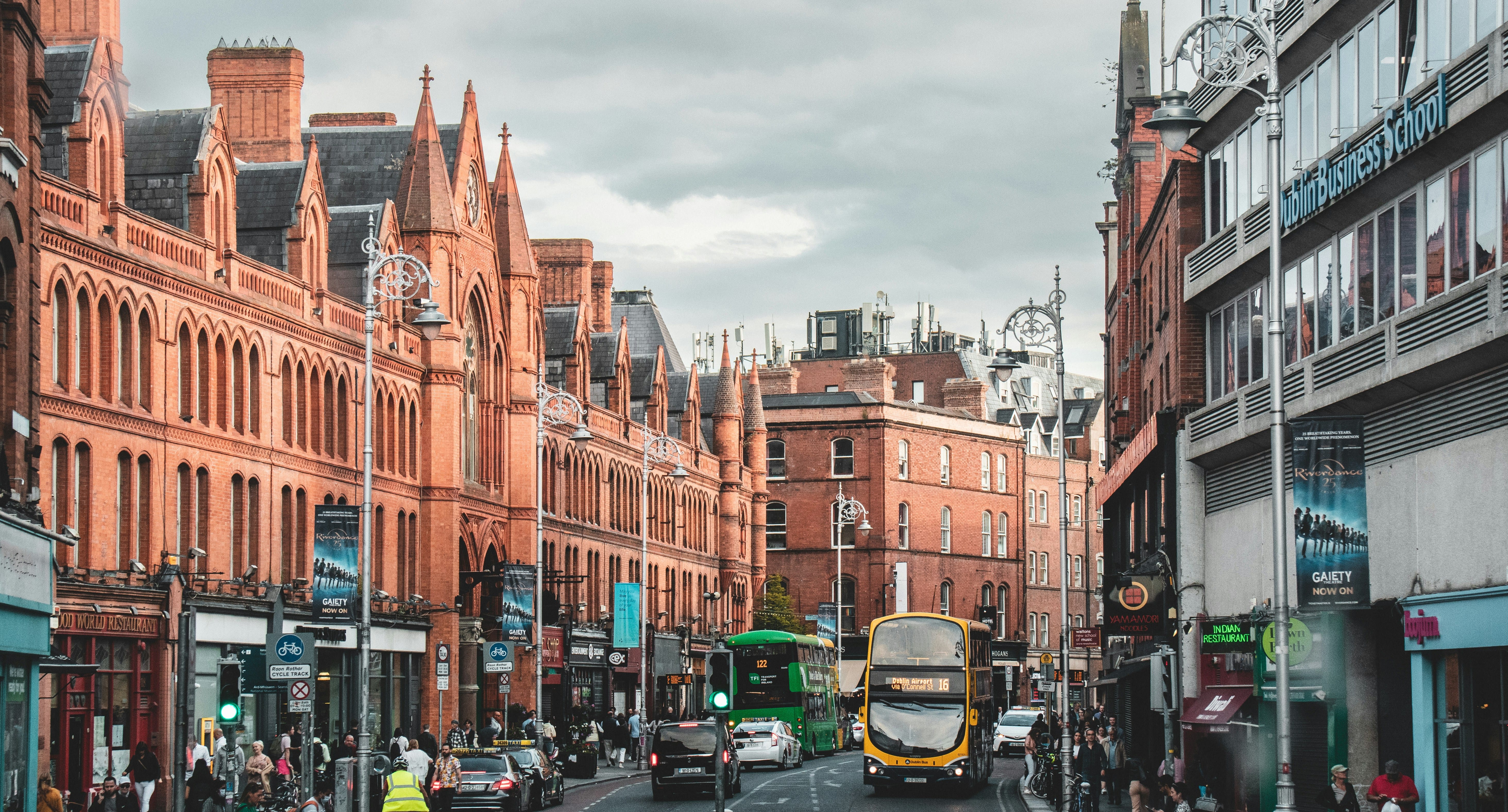
Dublin is often the starting point for a trip. It’s filled with history and culture, from the grand halls of Trinity College to the atmospheric Book of Kells. Wander through Temple Bar, enjoy the pubs and live music, or learn about Ireland’s brewing heritage at the Guinness Storehouse, which ends with a pint overlooking the city skyline.
For those who want a quick escape from the city, head south to the Wicklow Mountains. Just an hour from Dublin, you’ll find lush valleys, shimmering lakes, and the monastic ruins of Glendalough.
The Wild Atlantic Way
Stretching 1,600 miles along Ireland’s west coast, the Wild Atlantic Way is one of the world’s most spectacular coastal routes.
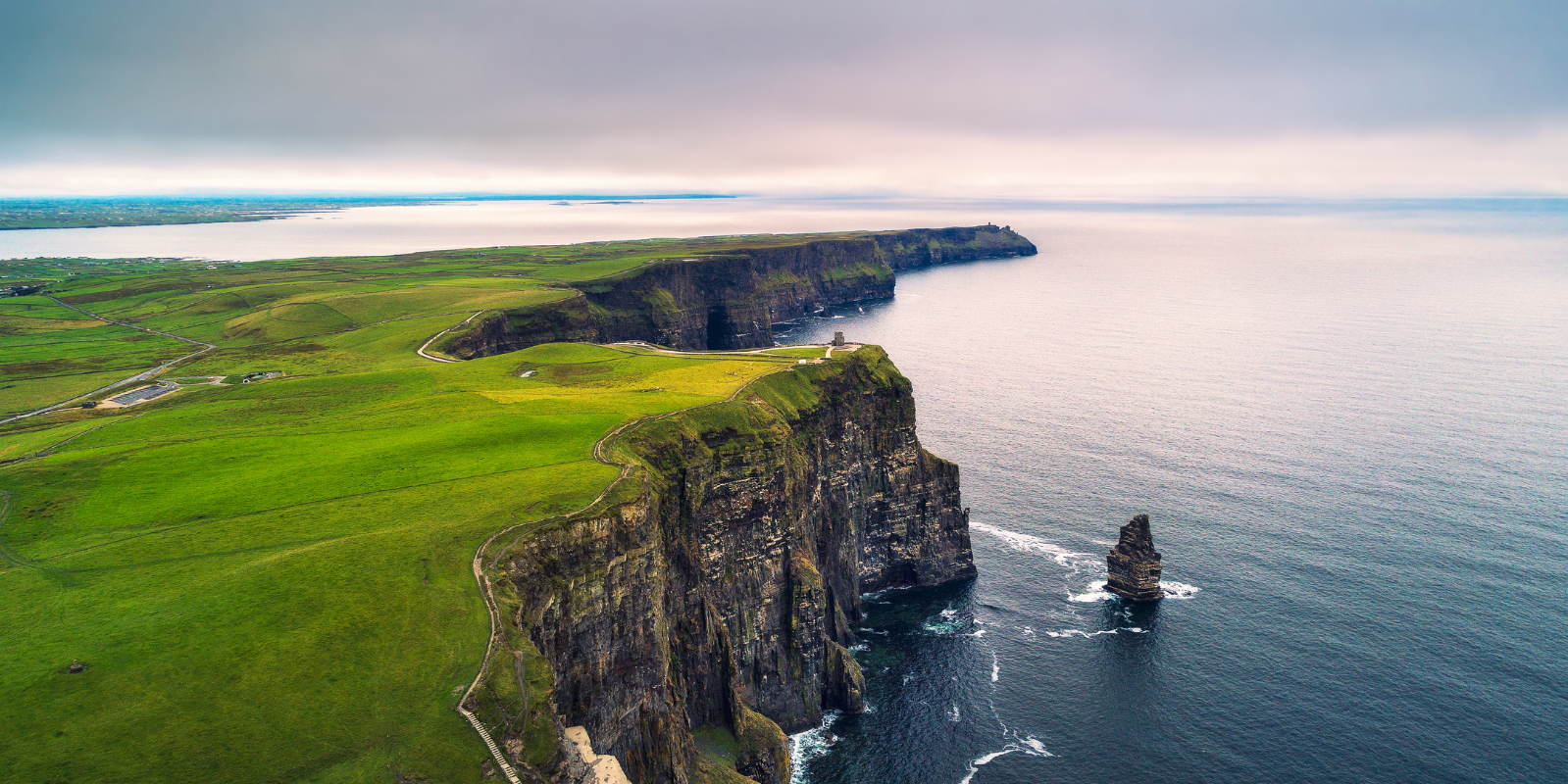
A visit to Galway is one of the best things to do in Ireland. This harbor city offers cobblestone streets, colorful shopfronts, and traditional music coming from the many pubs. Just south lies the Cliffs of Moher, towering 700 feet above the Atlantic. On a clear day, you can see the Aran Islands from the edge. The surrounding Burren region is equally fascinating, with its rocky limestone landscape, ancient tombs, and rare plants.
Further down the coast, the Dingle Peninsula features dramatic drives with friendly towns. The Slea Head route takes you past rugged beaches, stone cottages, and panoramic views that will blow your mind. Dingle town itself is small but worth a visit, where you’ll likely end up listening to a fiddle in a crowded pub before the night is over.
The Ring of Kerry & Southwest Wonders
The Ring of Kerry is Ireland’s most famous scenic drive, looping through mountains, lakes, and coastal villages. Every twist in the road reveals another view, sometimes it’s a sweeping bay, other times a quiet valley dotted with sheep.
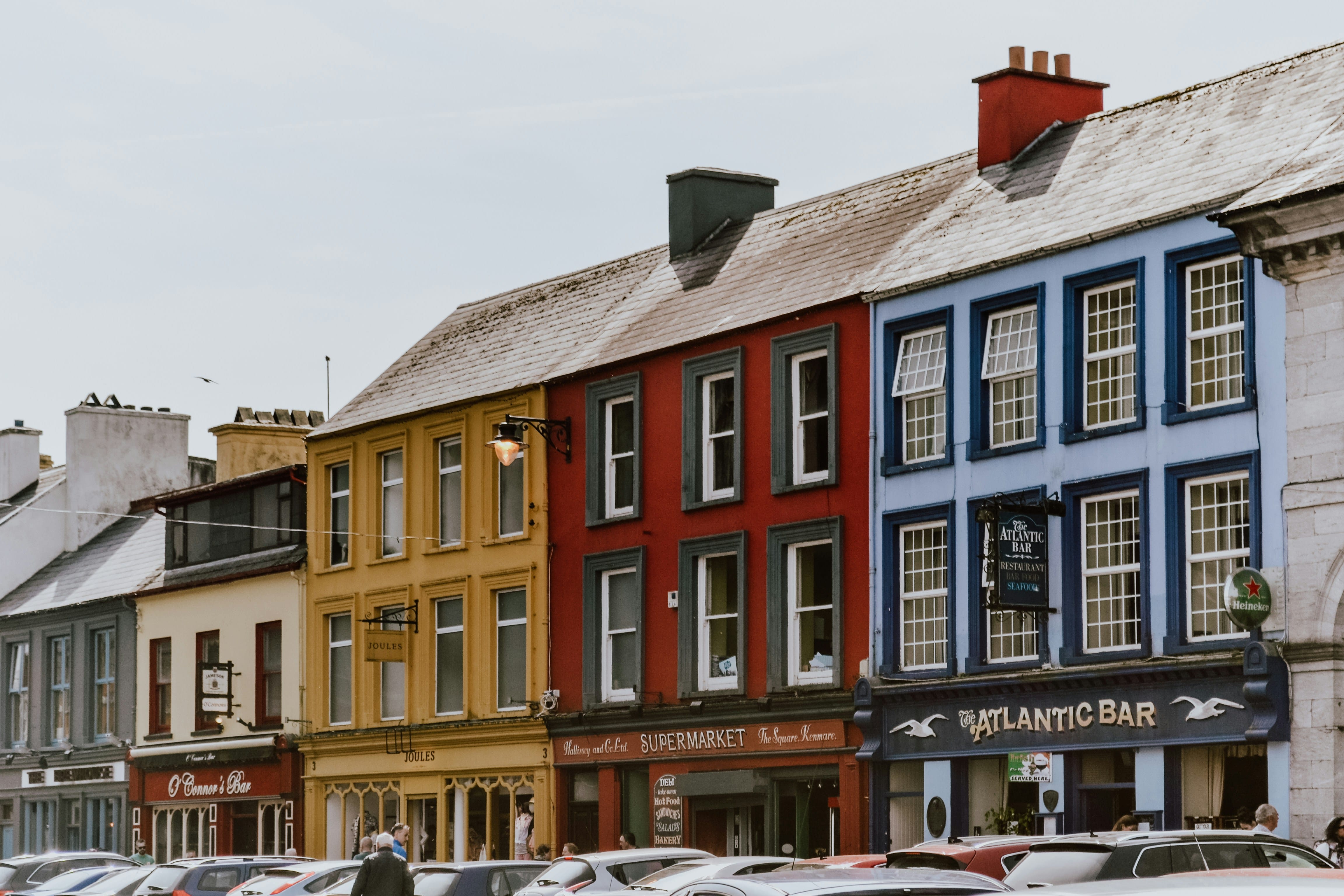
Highlights include Killarney National Park, with its lakes, waterfalls, and ancient oak forests. A horse-drawn jaunting car ride offers a traditional way to see the park, while hikers can explore trails leading to viewpoints like Torc Waterfall. Small towns like Kenmare and Sneem offer colorful streets and warm hospitality, making perfect overnight stops.
Northern Ireland Essentials
Crossing into Northern Ireland gives the journey a fresh change of scenery. The Giant’s Causeway is the main attraction to visit, a UNESCO World Heritage Site made up of thousands of basalt columns that stretch into the sea. The Antrim Coast around it is just as impressive, with cliffside roads, castle ruins, and the Carrick-a-Rede Rope Bridge hanging high above the water.
Belfast is also another beautiful attraction to visit. You can visit the Titanic Belfast Museum, learn the story of the ship built here, while the city’s murals and tours explain more about its past. Beyond that, Belfast’s pubs and food markets are worth exploring too.
Hidden Gems
While the famous attractions get all the attention, Ireland is home to some breathtaking hidden gems you should see at least once. Most people visit the Cliffs of Moher, but the untouched and dramatic cliffs of Achill Island, on the west coast, are equally breathtaking. The Aran Islands can be reached by ferry from Galway, and the ride itself is beautiful.
In the west, Westport is a lively town with access to Croagh Patrick, a mountain pilgrimage site offering stunning views over Clew Bay. There are also many hidden, smaller villages like Cobh, with its colorful harbor houses, or Doolin, known for traditional music, which are also worth a stop. These less-touristy destinations often provide the most authentic experiences and a chance to slow down and connect with local life.
Where to Stay in Ireland
Finding the right place to stay in Ireland adds a lot to your experience. Whether you’re after city life, coastal views, or something truly unique, Ireland offers accommodations for every need.
City Hotels and Guesthouses
Dublin offers everything from sleek modern hotels near the River Liffey to boutique stays in Georgian townhouses. Towns like Galway and Cork have cozy guesthouses and smaller hotels, often run by families who know all the local gems and best foods in town.
Countryside & Coastal Stays
Beyond the cities, Ireland’s countryside offers family-run B&Bs, and they’re famous for hearty homemade breakfasts and warm hospitality. Along the coast, you’ll find cottages perched above the sea, where you’ll wake up to the sound of waves. You’ll also find many eco-lodges and glamping pods offering sustainable ways to enjoy the country.
Unique Irish Experiences
Ireland has no shortage of unique places to stay that make your trip extra memorable. You can sleep in a fairytale-like castle hotel, spend the night in a Lighthouse Keeper’s Cottage on the coast, or try out a modern glamping pod in the countryside. There are also cozy farmhouses, charming B&Bs, and even old manor houses that have been turned into guest lodges. Each one gives you a different way to experience Ireland’s landscapes and history.
Irish Food & Drink You Can’t Miss
Food in Ireland is hearty, simple, and comforting. You’ll find traditional dishes everywhere, and most are worth trying at least once.
Traditional Irish Dishes
A bowl of Irish stew is a must-try. It’s made with lamb, potatoes, and root vegetables, and it tastes even better on a cold day. Boxty is another favorite, a potato pancake that can be found in many pubs and cafés. On the coast, order a steaming bowl of seafood chowder. It usually comes loaded with mussels, prawns, and chunks of fish. And don’t skip the full Irish breakfast, sausages, bacon, eggs, black pudding, and soda bread.
Pub Culture
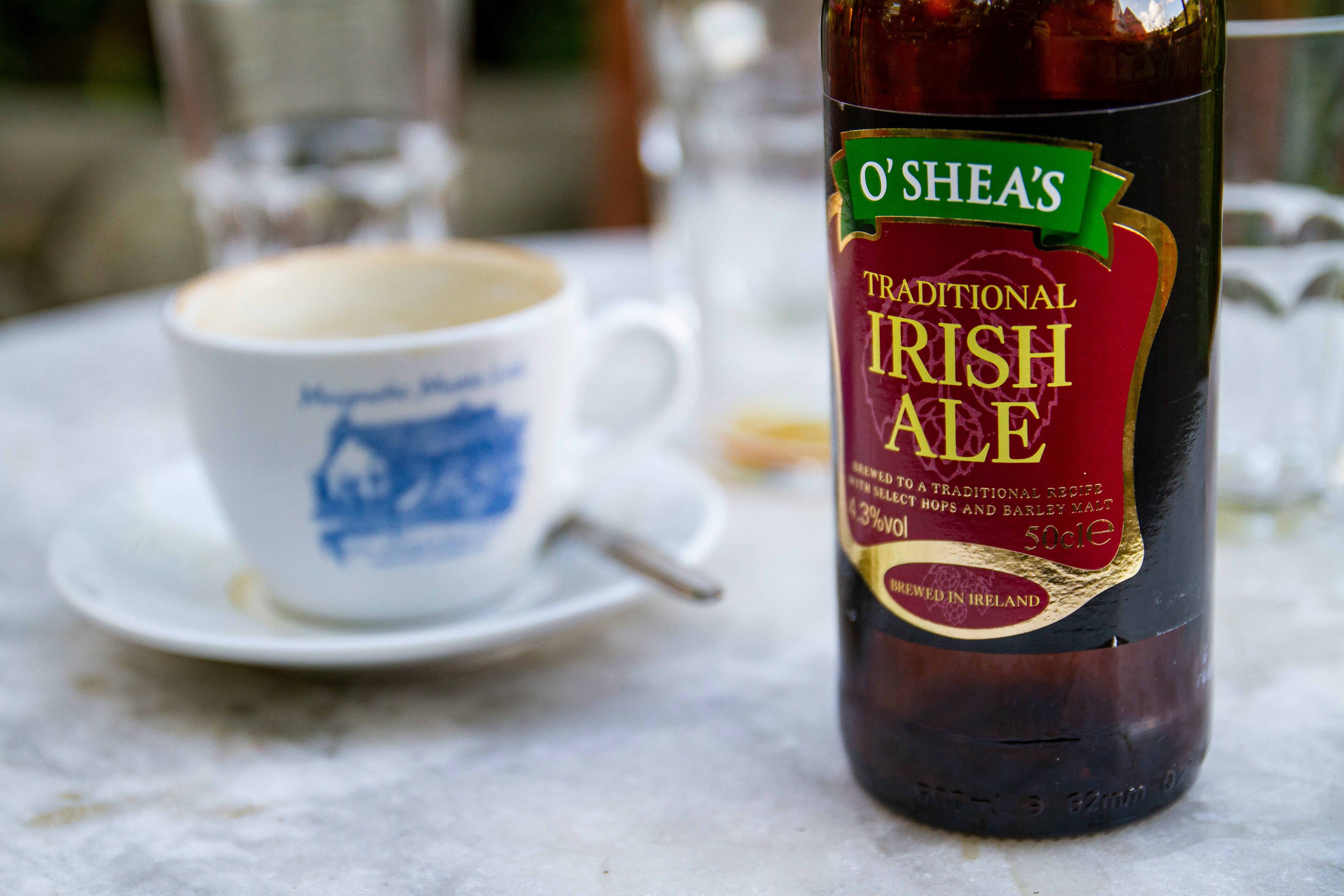
Pubs in Ireland are not just for drinking; they’re where people gather, talk, and listen to music. Order a pint of Guinness, even if you don’t usually drink stout. Locals will tell you it tastes better here, and they’re right. Many pubs also serve filling meals, making them a convenient choice for lunch or dinner.
Whiskey & Beer
Whiskey is another part of Ireland’s food and drink culture. You can visit the Jameson Distillery in Dublin or smaller distilleries around the country for tastings. In recent years, craft beer has also become increasingly popular.
Local Foodie Finds
Markets are fun to explore if you want more variety. The English Market in Cork has everything from fresh bread to handmade cheeses. Galway is known for oysters, especially in September during the oyster festival. Coastal towns are famous for delicious seafood, such as mussels with garlic, fresh crab, or smoked salmon served with brown bread.
Practical Travel Tips for First-Time Visitors
Is Ireland a good place to visit? Ireland is famously welcoming, but a few practical tips for traveling to Ireland for the first time will make your trip even smoother.
Packing for Ireland’s Weather
Irish weather is famously unpredictable. You might experience sunshine, rain, and wind, all in a single afternoon. Pack layers that you can add or remove easily, and don’t forget a reliable rain jacket and waterproof shoes. Umbrellas are usually useless in the wind, so leave them behind.
Driving and Road Rules
If you plan on renting a car, remember that driving is on the left-hand side. Rural roads are narrow and winding, so take your time and be cautious. It’s common to see sheep on the road, especially in rural areas. Most highways don’t have tolls, but carry coins for the few that do.
Money and Payments
Credit and debit cards are widely accepted, especially in larger towns and cities. That said, it’s handy to carry cash for smaller pubs, rural shops, or farmers’ markets. Tipping isn’t mandatory in Ireland, but leaving around 10% in restaurants is appreciated. In pubs, it’s more common just to round up your bill.
Safety and Health
Ireland is one of the safest destinations in Europe. Violent crime is extremely rare, and the biggest risks you’ll face are probably rainy weather and slippery hiking trails. Pharmacies are easy to find in towns, and healthcare is reliable should you need it.
Staying Connected
One of the best tips for traveling to Ireland for the first time is to set up an Ireland eSIM before you arrive. Jetpac’s Ireland eSIM gives you instant data for navigation, bookings, and keeping in touch with family. It saves you from expensive roaming charges or the hassle of buying a local SIM at the airport. Just choose a plan, buy it, and install it easily on your phone.
Whether you use Google Maps, YouTube, or Netflix, your Jetpac eSIM for Ireland will get you covered!
Cultural Insights & Local Experiences
Ireland’s landscapes are stunning, but its culture is what makes a trip truly unforgettable.
Festivals & Events
While St. Patrick’s Day is world-famous, it’s just the tip of the iceberg. Summer brings music festivals, arts fairs, and food markets across the country. Smaller towns often host local fairs that feel intimate and authentic, offering a real glimpse into Irish community life.
Gaelic Language & Heritage
Irish Gaelic is part of the national identity, and you’ll notice bilingual road signs across the country. While English is spoken everywhere, learning a few words like “sláinte” (cheers) or “dia dhuit” (hello) is a fun way to connect with locals. On the west coast, especially in Gaeltacht regions, People follow Gaelic traditions strictly.
Music, Dance & Folklore
Traditional Irish music is alive and well, particularly in pubs where locals gather for “sessions.” These are spontaneous gatherings where fiddlers, flutists, and drummers enjoy together. Add in Irish dancing and the stories of Celtic legends, and you’ll quickly see why Ireland’s cultural traditions are so enduring.
Your Irish Adventure Made Easy with Jetpac eSIM
Travel is easier when you’re connected, and that’s where Jetpac’s eSIM for Ireland makes all the difference. Instead of hunting for a SIM card on arrival or paying roaming charges, you can set up your phone before you even board the plane. Just scan a QR code, and your phone is ready with local data the moment you land.
This is especially handy if you’re planning road trips, since you’ll rely heavily on navigation. It also makes it easier to book last-minute accommodation or check train and bus schedules.
For anyone planning a trip to Ireland, an eSIM Ireland is one of the most innovative tools you can carry. You can get an eSIM for Ireland through Jetpac and stay connected easily without any hassle. You can also install the Jetpac app and track your data usage.
FAQ
What is the best month to visit Ireland?
May and September are often the best times to visit, as mentioned in this guide to visiting Ireland. The weather is generally mild, the landscapes are bursting with flowers or autumn colors, and you’ll avoid the summer crowds. These months also tend to be more budget-friendly.
What I wish I knew before going to Ireland?
Ireland rewards spontaneity. Some of the best memories come from detours, pulling over for a rainbow, stumbling into a pub session, or spending an extra night in a village you fall in love with. Don’t try to over-plan; leave space for surprises.
How many days do I need in Ireland?
Seven days is enough for Dublin, Galway, and the Cliffs of Moher. Ten to fourteen days is the best way to see Ireland, letting you explore the Dingle Peninsula, the Ring of Kerry, and Northern Ireland.
What not to do in Ireland as a tourist?
Don’t complain about the rain, it’s part of the experience. Don’t skip smaller towns, where you’ll enjoy some of the most authentic experiences. And in pubs, avoid blocking doorways or expecting table service; order at the bar instead.
What is the rainiest month in Ireland?
December and January typically see the heaviest rainfall, but showers can happen in any season. Always carry a rain jacket, and embrace the rain; it’s what keeps the countryside so lush and green.
Do US citizens need a visa for Ireland?
For short stays up to 90 days, US citizens don’t need a visa for the Republic of Ireland or Northern Ireland. A valid passport and proof of onward travel are enough.
Is Ireland expensive to visit?
It can be, especially in Dublin, but costs are manageable with the right choices. Staying in B&Bs, eating pub meals, and focusing on free attractions like hikes and scenic drives help balance the budget. Ireland’s natural beauty doesn’t cost a cent.
This guide to visiting Ireland is perfect for first-time travelers who want to make the most of their trip. No matter how long you plan to stay, get an eSIM Ireland from Jetpac, and stay connected wherever you are!