
Is eSIM Banned in Turkey? The Real Answer Travelers Need in 2026
Choosing the right eSIM for Turkey in 2026 comes down to preparation. Setting it up before arrival helps avoid data issues and high costs. Jetpac lets travelers activate connectivity in advance, so maps, bookings, and payments work as soon as they land.
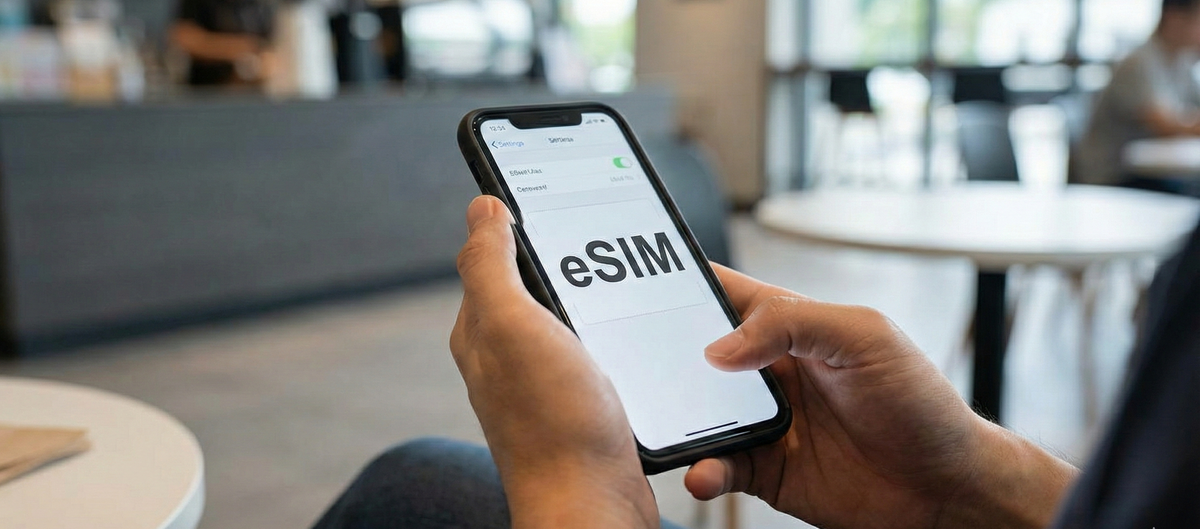
Turkey will remain one of the most visited countries in the world in 2026, but travelers are becoming increasingly anxious about their mobile connectivity after they land. Visitors arrive expecting instant data access, only to find eSIM apps blocked, top-ups failing, or no signal when they need maps or ride apps most. This confusion has led to widespread questions around the Turkey esim ban, especially for short-term travelers.
The core question most people are asking is simple: Is eSIM actually banned in Turkey, or is something else going on? The reality is more nuanced than headlines suggest, and misunderstanding it can leave travelers disconnected at the airport or scrambling for costly alternatives.
Some travelers reduce this risk by setting up connectivity before departure, then switching it on after they land. They go with an esim for Turkey from Jetpac to avoid last-minute SIM shopping and to keep essential apps like Uber, WhatsApp, etc usable from the first ride out of the airport.Before assuming eSIMs are fully blocked, it’s important to understand what is actually restricted and what still works in practice.
Is eSIM actually banned in Turkey in 2026?
The short answer is no, eSIM technology is not illegal in Turkey. What travelers are encountering is not a technology ban, but a service access restriction that affects how international eSIMs are purchased and managed inside the country. This distinction is critical when evaluating the travel advice regarding Turkey's eSIM ban circulating online.
Turkey allows eSIM profiles to function on devices, but reporting shows it has blocked access to some major international eSIM provider websites and apps from within Turkey. In practice, that means travelers can often use an esim for Turkey if it was purchased and installed before arrival, but they may not be able to reliably buy new plans, download profiles, or manage top-ups once they’re already inside Turkey.
What many travelers misunderstand is that the Turkish eSIM ban targets providers and access points, not tourists. Phones are not “blocked” for having an eSIM, and using an already-installed profile is generally not treated as illegal. The problem usually starts when travelers try to interact with provider services while connected to Turkish networks.
This nuance explains why some travelers report no issues while others lose connectivity immediately.
To understand why confusion exists, it helps to look at how Turkey regulates mobile services.
Why Turkey restricted International eSIM services
Turkey’s decision appears rooted in regulation rather than enforcement against travelers. The government requires telecom services operating in the country to comply with local licensing, data storage, and oversight rules. When providers do not align with these expectations, travelers feel the impact through Turkey esim for travel regulation limits.
Unlike many EU markets, Turkey is known for stricter requirements around telecom oversight and for where certain categories of data are handled. Many international eSIM providers rely on global systems, which can conflict with local regulatory expectations.
Security oversight is also frequently cited in discussions of why which esims are banned in Turkey becomes a topic at all. The focus is typically on controlling access and ensuring services align with national telecom frameworks, rather than targeting travelers for using eSIM-capable devices.
For travelers, the takeaway is simple: there is usually no “legal penalty” for having an eSIM, but there can be practical limitations that need planning.
These rules have a real impact on how travelers experience mobile connectivity once they arrive.
How the eSIM restrictions affect travelers on the ground
The biggest issue appears immediately upon arrival. Travelers who expect to buy an eSIM at the airport or activate one through a provider app after landing often find provider websites blocked or apps failing to load. Airport Wi-Fi does not reliably solve this, because the restriction is tied to access inside Turkey, not just whether you have Wi-Fi.
Hotels and cafes may offer Wi-Fi, but relying on it delays access to navigation, ride-hailing, bookings, and payments. This is especially frustrating for short trips where every hour matters.
Digital nomads and business travelers are often hit hardest because failed connectivity interrupts work tools, two-factor authentication, and time-sensitive communications. Long-stay travelers can recover by visiting local SIM shops, but short-term visitors often end up paying expensive roaming out of panic.
This is exactly why Turkey esim ban travel advice should focus more on timing and setup than on fear.
Despite these limitations, travelers still have workable options if they plan correctly.
Can you still use an eSIM in Turkey? What actually works
Yes, you can still use an esim for Turkey, but only under specific conditions. The most reliable method is purchasing the plan, installing the eSIM profile, and confirming it’s ready before you enter Turkey. Then you switch the eSIM line on when you land.
One key detail: “activation” is not always a separate button inside an app. In many cases, the practical activation moment is when the installed eSIM line is turned on and connects to a network. If the provider requires app-based activation or a last-step purchase flow inside Turkey, that is where failures tend to happen.
Also, topping up after arrival can be unreliable if your provider’s app or website is blocked. A safer approach is to buy enough data for your full stay (plus a buffer) before departure.
Do’s:
- Buy and install before departure.
- Test that the eSIM is installed correctly and ready to connect.
- Save support details and plan info offline.
Don’ts:
- Rely on buying or downloading an eSIM after landing.
- Assume top-ups will work inside Turkey for every provider.
Following these steps keeps an esim for Turkey usable despite restrictions.
If an international eSIM isn’t viable after arrival, the next question is what alternatives exist.
Local SIM cards vs international eSIMs in Turkey
Local SIM cards remain fully legal and widely available. Travelers can purchase them from Turkcell, Vodafone Turkey, or Türk Telekom at airports and city stores. Passport verification is typically required, and tourist packages often fall roughly in the $10 to $30 range, depending on allowance and shop location (airports skew higher).
However, buying a local SIM takes time, may involve language barriers, and requires store visits. Tourists also lose access to their primary number unless using dual SIM devices.
International eSIMs, when set up in advance, avoid these issues. For short stays, they are often more convenient. For longer stays, local SIMs may offer better value and easier in-country top-ups.
Choosing the best sim card for Turkey depends on trip length and how much friction you’re willing to accept.
Some travelers try to work around restrictions using technical shortcuts, but these come with trade-offs.
Common workarounds travelers try and why they’re unreliable
VPNs are often suggested to access blocked provider sites, but results vary and can introduce new complications. Roaming from home carriers works, but it is usually costly. Portable Wi-Fi devices can be convenient for groups, but they are often expensive and annoying to manage for solo travelers.
These methods may help in emergencies, but they are rarely the most stable or affordable primary plan. Most failures happen when travelers try to fix connectivity after landing rather than before.
That’s why the most consistent Turkey eSIM ban travel advice is still preparation.
With so many moving parts, choosing the right connectivity setup before departure matters more than ever.
Staying connected in Turkey without roaming stress
Travel in Turkey relies heavily on mobile data. Maps, translation, bookings, banking alerts, and ride apps are essential, especially in large cities. Losing access mid-trip creates unnecessary friction.
Pre-planning connectivity removes stress at airports, during transfers, and on arrival at accommodations. Travelers who plan avoid scrambling for SIM shops or overpaying for roaming.
This is where picking the best esim for Turkey becomes less about “tech preference” and more about avoiding trip stress.
Jetpac for Turkey travel in 2026
Jetpac is chosen by travelers preparing for Turkey due to travel regulation limits, because it supports an advanced setup. Jetpac’s guidance is to install ahead of time and switch the eSIM on when you arrive, which fits the practical reality of Turkey’s restrictions.
To avoid the common failure point in Turkey, the simplest approach is to have your plan ready before departure so you are not forced to buy, download, or troubleshoot inside the country.
Jetpac highlights:
- 1 eSIM, 200+ destinations.
- Always-on with multiple networks.
- No bill shocks with 100% upfront pricing, up to 70% cheaper than roaming.
- Hotspot sharing without data restrictions.
- Free Uber, WhatsApp, and Google Maps even when data runs out.
- 24/7 premium customer support via WhatsApp and email.
- Outgoing voice calls and 5G access in 50+ countries from $1.99 per 5 minutes.
Even with preparation, travelers still have practical questions before committing to an eSIM or SIM option.
Read More: For a broader planning view, this Turkey travel guide with Jetpac eSIM explains routes, connectivity, and preparation tips in one place. Read our blog 👉 Turkey travel guide with Jetpac eSIM: Everything you need to know
FAQs
Is eSIM completely banned in Turkey or just restricted?
It is generally described as restricted rather than banned: access to many international eSIM provider apps and sites may be blocked inside Turkey.
Can tourists legally use eSIMs in Turkey?
Tourists can generally use an esim for Turkey if it is installed and ready before arrival, but in-country purchasing and management may fail due to access restrictions.
What happens if I try to buy or top up an eSIM after landing?
For many providers, purchases or top-ups may fail because the provider app or website may be blocked inside Turkey.
Is a local Turkish SIM better for long stays?
Often yes. For longer stays, a local SIM can be easier to top up in-country and may offer better value, though it requires in-person purchase and ID checks.
How does Jetpac help travelers avoid connectivity issues in Turkey?
Jetpac’s setup flow is designed to be completed before travel, and it recommends switching the eSIM on after arrival. That reduces dependence on in-country app access, which is where many travelers get stuck.
Disclaimer
Information was accurate at the time of writing. Telecommunications regulations may change. Travelers should verify local rules before travel. Jetpac is not responsible for third-party network or regulatory changes.