Is It Safe to Travel to Brazil in 2026? Latest Travel Advice
Brazil is safe to travel in 2026 for prepared visitors who stay within the main tourist areas and move with awareness. From Rio’s beaches to São Paulo’s streets and the Amazon’s river routes, simple precautions and staying connected shape a trip that runs smoothly and stays memorable.
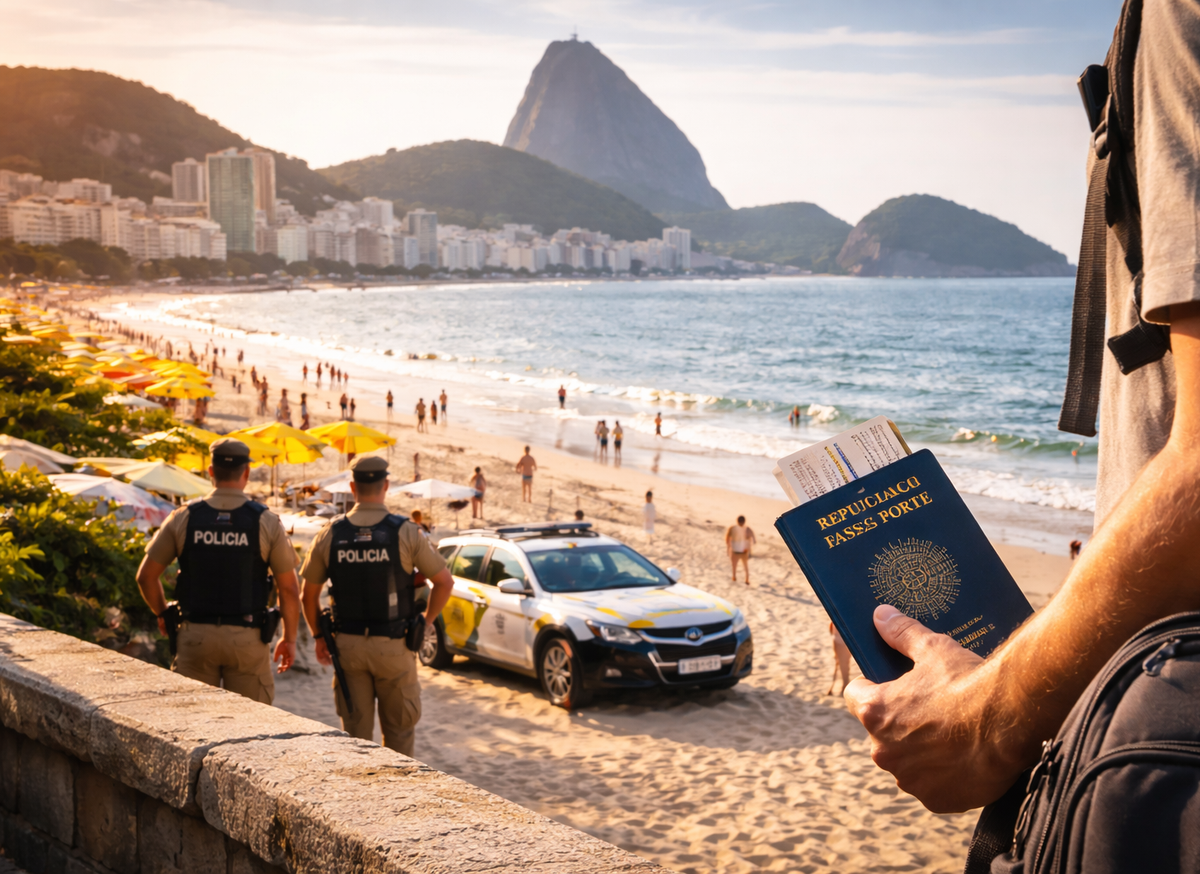
Is it safe to travel to Brazil in 2026? Brazil draws millions of travelers every year to its beaches, the Amazon rainforest, and world-famous Carnival.
The US State Department Brazil travel advisory is at Level 2: Exercise Increased Caution, meaning it is open for tourism but requires real preparation. For travelers heading there from the USA, knowing exactly where to go, what to avoid, and how to stay informed from the moment you land is essential.
It is important to have a Jetpac eSIM for Brazil set up before your flight, so navigation, embassy alerts, and emergency contacts are live the second you touch down, without hunting for Wi-Fi.
The main tourist circuits across São Paulo, Rio de Janeiro, the Amazon, and Iguazu Falls are fully accessible. Violent crime, including armed robbery and carjacking, can occur in urban areas day and night.
Understanding the current picture, city by city, is the first step.
What does the Brazil travel advisory say in 2026?
The Brazil travel advisory from the US State Department sits at Level 2: Exercise Increased Caution, last updated December 30, 2025, with a kidnapping risk indicator specifically added. Three categories carry elevated or Level 4: Do Not Travel designations.
International border zones: Areas within 160 km of Brazil's land borders with Bolivia, Colombia, Guyana, French Guiana, Paraguay, Peru, Suriname, and Venezuela. Travel to Foz do Iguacu National Park and Pantanal National Park is still permitted within these zones.
Favelas and informal housing developments: This applies anywhere in the country, at any time, including on guided tours. The US State Department is explicit: neither tour companies nor police can guarantee your safety when entering these communities.
Brasilia's Satellite Cities (Ceilandia, Santa Maria, Sao Sebastiao, and Paranoa): Level 4: Do Not Travel at night. Avoid them entirely after dark.
When people look for the answers to whether Brazil is safe to travel to outside these zones? The answer would be yes, for the main tourist destinations, with the precautions covered below.
Enroll in the STEP program at step.state.gov before departure so the US Embassy can reach you directly during emergencies.
Where is it safe to go in Brazil?
Is Brazil safe to visit across its main tourist destinations in 2026? Here is the city-by-city breakdown.
São Paulo: Brazil's largest city is open. Districts like Jardins and Itaim Bibi are relatively lower risk. Petty theft and opportunistic crime are the main concerns. Avoid peripheral neighborhoods, the downtown historical centre after dark, and public buses at night.
Crime hotspots include areas around São Paulo Cathedral, Pinacoteca, Estação da Luz, and the Central Market.
Rio de Janeiro: Is it safe in Rio de Janeiro? The city draws millions of visitors each year, but carries the highest crime rates in Brazil. Copacabana, Ipanema, and Leblon have a heavy police presence, but beach robberies occur after dark.
Crime hotspots include the Christ the Redeemer statue, the Corcovado Trail, the Santa Teresa area, and the Lapa neighbourhood.
Never enter favelas. Avoid beaches at night.
Salvador and Recife: Both are accessible cultural destinations with elevated crime levels. Stay in tourist zones and avoid isolated streets.
The US State Department warns of shark attacks at northeastern Brazil beaches, particularly near Recife. Strong rip currents are also present at Rio de Janeiro and Fortaleza beaches. Always observe posted warning signs and never swim in red-flag areas.
Amazon region (Manaus): Open for tourism. Use experienced guides for all river and jungle travel. The city of Manaus carries typical urban crime risks.
Florianopolis and Paraty: Generally more relaxed with lower crime rates than Rio or Sao Paulo. Petty theft remains a factor everywhere in Brazil.
Iguazu Falls: Open and fully accessible, including the national park.
Is it safe to travel to Brazil for the standard tourist circuit covering these destinations?
Yes, provided you stay within established tourist areas and apply the safety steps below consistently. English-speaking tourist police are available in Rio de Janeiro and São Paulo for travelers who need assistance.
Safety tips for American travelers
Is Brazil safe for American tourists who prepare properly? For the main tourist circuit, yes. These are the steps that matter most.
Use Uber over local taxis. Unmarked taxis regularly overcharge and are a documented assault risk.
Uber operates in all major Brazilian cities. When your Uber arrives, always verify the plate number and driver name match exactly what the app shows before getting in.
Do not display valuables. Leave expensive watches, jewelry, and flagship smartphones at your accommodation.
Carry a photocopy of your passport and keep the original locked in your hotel safe.
Avoid public buses. The US Embassy specifically prohibits its own employees from using municipal buses due to documented robbery and assault risk, particularly at night.
Be alert to drink spiking and methanol poisoning. Both the Australian and Canadian governments flag an increase in methanol poisoning cases in Brazil alongside drink spiking incidents.
People have died from methanol-adulterated alcohol. Only drink sealed, branded beverages. Never leave your drink unattended or accept drinks from strangers.
Watch for express kidnapping. Criminals in Rio de Janeiro and Sao Paulo have kidnapped tourists for short periods and forced them to withdraw cash from ATMs or make mobile bank transfers before releasing them.
The Canadian government advisory specifically confirms this pattern in the Rio de Janeiro Metropolitan Region.
Use ATMs only inside banks or hotels during daylight hours and never use mobile payment apps in public view.
Be alert to card fraud. Vendors have used hidden card readers or charged cards multiple times.
Always check the amount on the card machine before confirming payment, and use contactless payment methods where possible.
Take extra precautions during Carnival. Crime levels increase significantly before and during Carnival, with tourists specifically targeted.
Keep valuables secured and avoid large crowds where possible.
Never accept food or drinks from strangers. Drug-facilitated robbery is documented in Rio de Janeiro, targeting foreigners through dating apps and at bars. Avoid going to bars or nightclubs alone.
Is Brazil safe for tourists who apply these steps consistently? For the approved tourist destinations, yes. Most incidents affecting American visitors are preventable with straightforward preparation.
Also Read
Avoid Roaming Charges
Worried about high phone bills abroad? Learn how to avoid roaming charges with simple strategies and smarter alternatives before your trip.
Read More ↗Travel Tips for First-Time Flyers
Flying for the first time? Get practical travel tips for first-time flyers to navigate airports, pack smart, and travel with confidence.
Read More ↗Best Travel Apps
Make every trip easier with the best travel apps for maps, bookings, and real-time updates while you’re on the go.
Read More ↗What do the USA citizens need to know before entering Brazil?
As of April 10, 2025, all US nationals are required to obtain an e-visa before entering Brazil. For the USA citizens, the process is fully online. Apply only at the official portal: brazil.vfsevisa.com.
The e-visa fee is USD 80.90. It allows multiple entries with stays of up to 90 days per visit, up to 180 days total within any 12 months. Processing takes 5 to 10 business days.
Apply at least 10 days before travel and print two copies to carry with your passport.
Your passport must be valid for at least 6 months beyond your planned arrival date in Brazil and must have at least two blank pages for immigration stamps.
The CDC recommends Hepatitis A, Typhoid, and Yellow Fever vaccinations depending on your itinerary.
Travelers heading into Amazon regions should note that dengue, malaria, Zika virus, and yellow fever are active risks.
Use insect repellent with a high DEET content, wear long sleeves and pants after dusk, and sleep under mosquito netting in jungle regions.
Drink only bottled or boiled water. Avoid raw or undercooked food and ice from unknown sources throughout your trip.
Brazil has three distinct wet seasons by region: November to March in the south and south-east, January to July in the north, and April to July in the north-east. Flooding, landslides, and severe storms can delay flights and damage road infrastructure.
Wildfires are common from May to September, particularly in July and August. Build flexibility into your itinerary and monitor local weather advisories throughout your trip.
For U.S. citizens traveling with Brazilian or dual-national minors, Brazilian law requires written consent from any non-accompanying parent.
Two original notarized letters are required and Brazilian authorities enforce this strictly. Failure to carry both originals can result in the child being stopped from departing Brazil.
Contact the Brazilian Embassy before travel for the correct format.
Is Brazil safe for tourists who handle paperwork and health requirements in advance? Yes, and sorting these steps before departure removes the most common avoidable complications at the border.
From the USA, setting up a Jetpac eSIM for Brazil before your flight means you land connected, without needing airport Wi-Fi to access your booking confirmation or reach your accommodation.
Staying connected in Brazil with Jetpac
Navigating Brazil means tracking Uber rides through São Paulo's packed districts, moving between Copacabana and Ipanema in Rio, checking real-time US Embassy security alerts at br.usembassy.gov, and being able to reach emergency services at 190 instantly if needed, all from your phone.
eSIM plans for Brazil from Jetpac install before you leave and activate automatically when your flight lands at Guarulhos International in São Paulo or Galeao in Rio, connecting to Brazil's strongest available carrier across every city on your itinerary.
An eSIM for Brazil means no SIM card queue at the airport, no daily roaming charges, and a single flat prepaid rate covering the entire trip.
Is Brazil safe to travel to without mobile data? Not in 2026, where embassy alerts, real-time navigation, and emergency contacts all depend on a live connection from the moment you land.
For Americans, standard US carrier roaming in Brazil typically runs USD 10 to 15 per device per day. Jetpac replaces that entirely, at a fraction of the cost.
📡 Stay connected across every device in your group: One Jetpac plan keeps navigation, messaging, and embassy updates running across every device your group carries, with no per-device fees and no coverage gaps.
🗺️ Google Maps and WhatsApp work even at zero balance: Real-time navigation through São Paulo's vibrant districts, Rio's beachside neighborhoods, and the Amazon river routes stays live even after your data runs out.
⚡ Automatic network switching across all of Brazil: Jetpac locks onto Brazil's strongest available carrier at every location, from São Paulo and Rio's dense 5G urban corridors to Manaus and the remote Amazon coverage areas.
💸 Up to 70% cheaper than US carrier roaming: Jetpac offers plans up to 70% cheaper than traditional roaming.
📞 Calls for $1.99 per 5 minutes: stay in touch with your travel group, hotel, or airline directly through the Jetpac app with no separate calling plan required.
✅ 24/7 support via WhatsApp and email: Jetpac ensures you are connected throughout your trip with a dedicated customer support team over email or WhatsApp.
Is it safe to travel to Brazil as an American traveler without a live data connection? With real-time navigation, embassy alerts, and emergency contacts all requiring connectivity, the answer is clear.
Is Brazil safe for American tourists who stay informed from the moment they land? Yes, and Jetpac makes that possible before you even board your flight.
FAQs
Is it safe to travel to Brazil in 2026?
Yes, for the main tourist destinations with preparation applied. Brazil holds a Level 2: Exercise Increased Caution advisory. Avoid favelas, border zones, and public buses at night. Stick to established tourist areas and use Uber for all transportation.
Is it safe in Rio de Janeiro for first-time visitors?
Is it safe in Rio de Janeiro? Yes, in Copacabana, Ipanema, and Leblon with standard precautions. Avoid beaches after dark, never enter favelas, and be alert to express kidnapping and drink spiking risks in bars and nightlife areas. Always verify your Uber plate number before getting in.
Is Brazil safe to visit for solo travelers?
Solo travel is manageable with the right preparation. Use Uber, keep valuables out of sight, stay in tourist zones, and avoid going out alone after dark. Enroll in STEP at step.state.gov before departure.
Do the USA citizens need a visa for Brazil?
Yes. As of April 10, 2025, an e-visa is required. Apply at brazil.vfsevisa.com. The fee is USD 80.90, processing takes 5 to 10 business days, and you must carry two printed copies when you travel.
What areas of Brazil should I avoid?
Avoid all favelas anywhere in the country at any time, international border zones within 160 km of land borders, and Brasilia's Satellite Cities at night. All carry Level 4: Do Not Travel designations from the US State Department.
What should I do in an emergency in Brazil?
Call local police at 190, ambulance services at 192, or the fire service at 193. Contact the US Embassy at +55-61-3312-7000. Enroll in STEP at step.state.gov before you travel so the Embassy can contact you directly.
Disclaimer
This information is based on publicly available data at the time of writing and is provided for general reference only. Safety conditions, costs, and local risks may change. Jetpac is not responsible for variations in network performance or third-party data accuracy. No destination or service is endorsed. Travelers should verify current travel advisories, entry requirements, and local conditions before departure.