
Complete Italy Travel Guide 2026: Where to Go and What to Know
Explore Italy with a practical 2026 guide to the best places to visit, ideal travel seasons, itineraries, costs, transport, packing, and essential travel tips.
Italy rewards travelers who plan. This Italy travel guide covers where to go, what it costs, how to move between regions, and what to know before you land, to help you plan a trip to Italy in 2026 with confidence.

Italy at a Glance
Why Visit Italy?
Italy holds 59 UNESCO World Heritage Sites as of 2026, more than any other country globally. Any solid Italy travel guide starts with regional identity, because Italy is not a single uniform destination.
- Main attractions: The Colosseum, Vatican Museums, Uffizi Gallery, Pompeii, and the Dolomites each draw visitors for entirely different reasons.
- Landscape: Alpine peaks in the north give way to volcanic islands in the south, with Tuscany's hills and the Amalfi coastline between them.
- Culture: Each region has its own dialect, cuisine, and architecture pre-dating Italian unification in 1861.
- Food: Parmigiano Reggiano, Prosciutto di Parma, and pizza Napoletana all carry EU protected designation and are region-specific, not nationally uniform.
- Experiences: Open-air opera at Verona Arena, via ferrata in the Dolomites, and morning markets in Palermo are unavailable anywhere else.
- What makes Italy different: Two weeks in one Italian region delivers more depth than the same time spread thinly across the whole country.
Read more: Italy holds records and cultural facts that go well beyond what most travelers encounter before arriving. 👉 20 Fun Facts About Italy You Probably Didn't Know
Best Places to Visit in Italy
The best places to visit in Italy span alpine terrain in the north and ancient temples in the far south.
Rome
The Appian Way archaeological park, largely free and open-air, delivers Roman history without the Colosseum's queues. Trastevere's evening atmosphere and Testaccio's food market make Rome worth at least three nights.
Florence
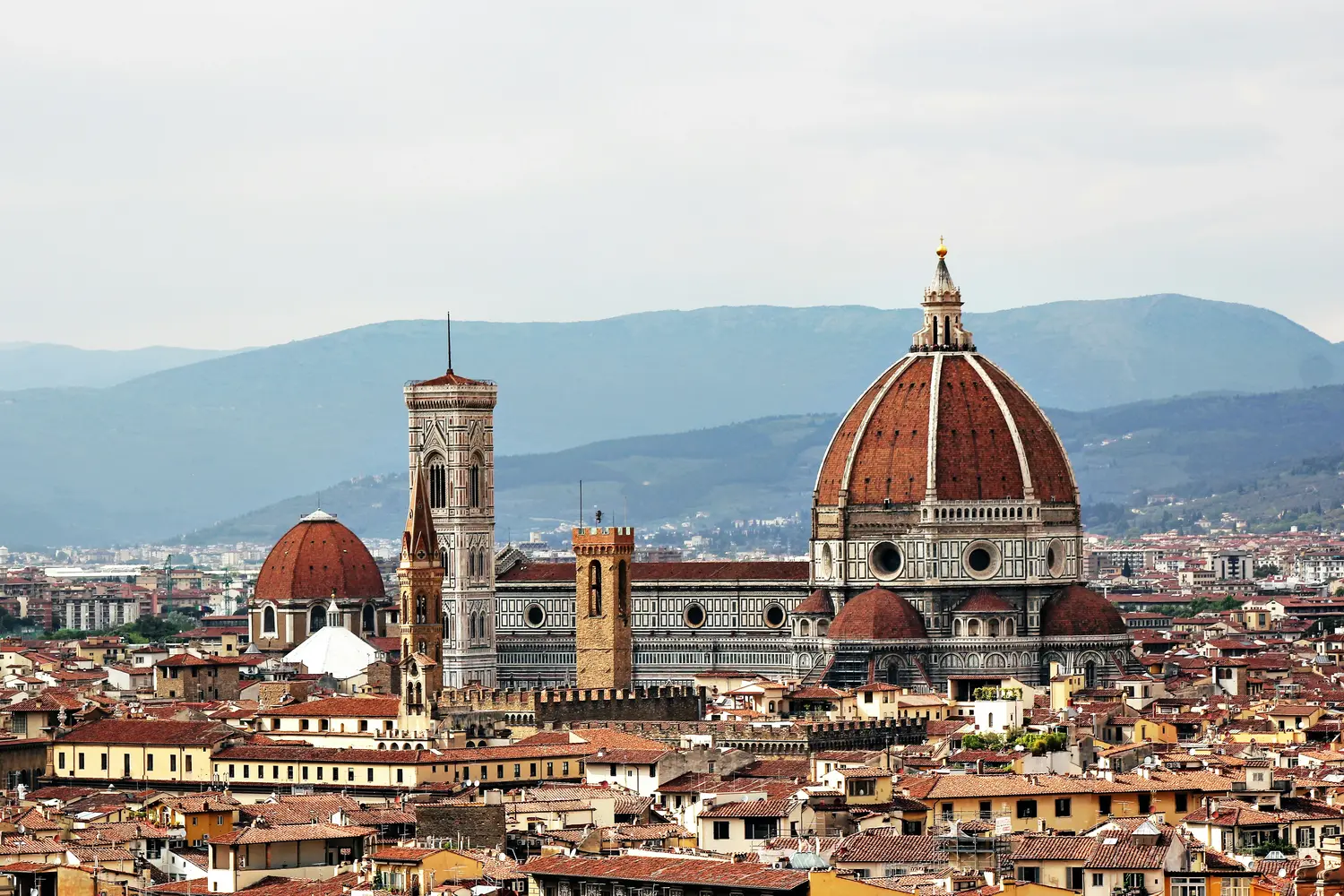
The Bargello Museum holds Renaissance sculpture of equivalent significance to the Uffizi with far fewer visitors. The Oltrarno artisan district south of the Arno remains one of the city's most consistently overlooked areas.
Puglia
Lecce's Baroque stone architecture, the trulli houses of Alberobello, and Adriatic coastline near Otranto give Puglia a travel identity entirely separate from northern Italy's circuit.
The Dolomites
A UNESCO Natural World Heritage Site, the Dolomites offer via ferrata routes, Alte Vie long-distance trails, and rifugio mountain stays within a Ladin-speaking culture found nowhere else in Italy.
Sicily
The Valley of the Temples at Agrigento, the UNESCO Baroque towns of Val di Noto, and a hikeable Etna trail create a travel arc entirely distinct from the mainland.
The best places to visit in Italy for travelers ready to move beyond Rome and Florence consistently include Sicily.
Exploring Italy's regional diversity goes well beyond any five-destination list, and a full breakdown of the best places to visit in Italy by region consistently surfaces options that shorter itineraries miss entirely.
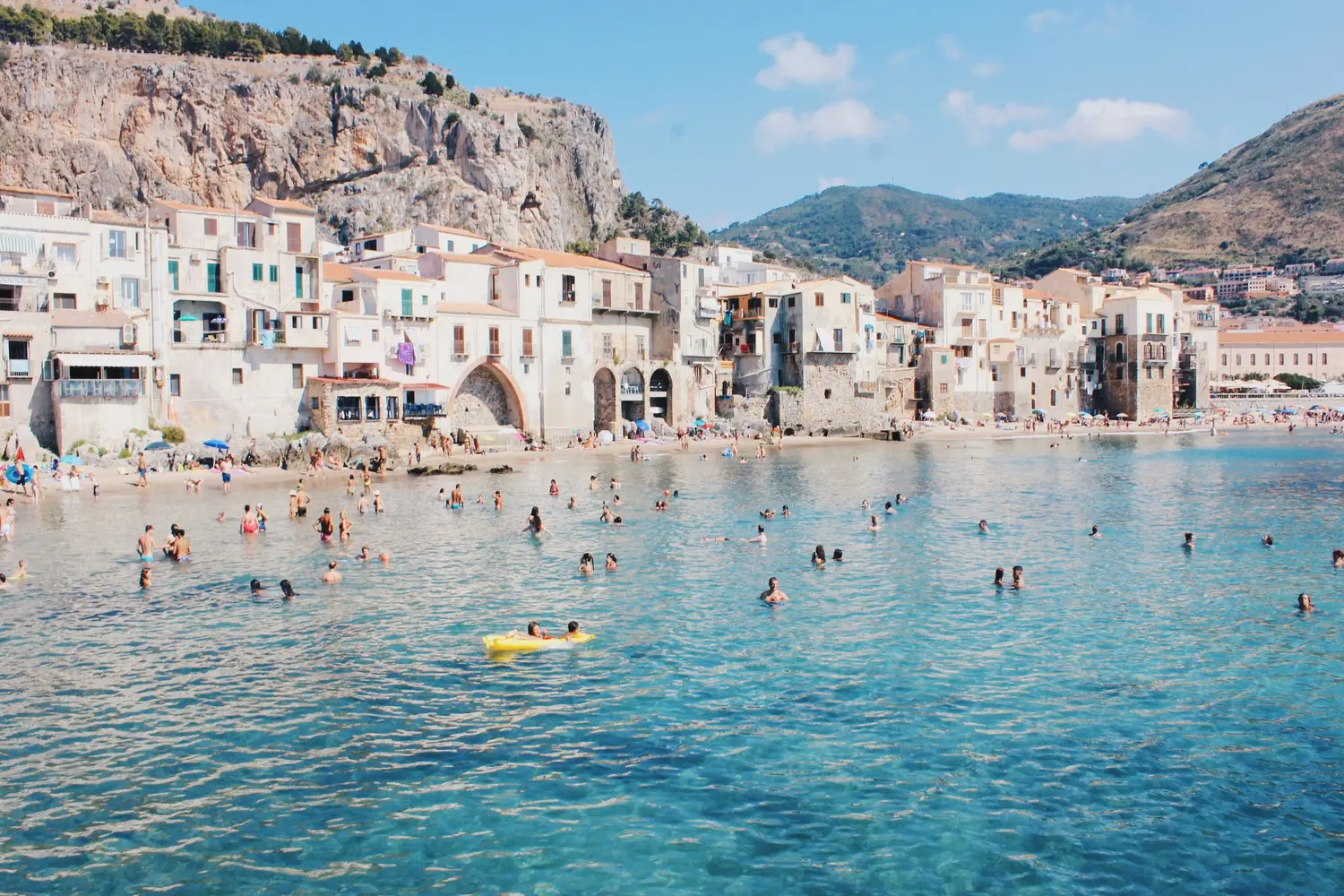
Read more: Planning Italy with children requires specific decisions around pace, beach access, and family-friendly accommodation. 👉 Italy Summer Vacation: Best Places to Visit with Kids
Things to Do in Italy
Core things to do in Italy across all regions:
- Pre-booked timed entry to Vatican Museums, Colosseum, and Pompeii
- Regional cooking classes focused on local rather than generic menus
- Via ferrata and Alte Vie hiking in the Dolomites
- Ferry hops between the Aeolian Islands north of Sicily
- Outdoor opera at Verona Arena during summer
Free things to do in Italy include the Via Appia Antica outside Rome and Palermo's Ballarò market.
The most rewarding things to do in Italy are also the most time-sensitive, which is why a structured Italy travel itinerary matters from the start. Verona Arena in particular requires booking months ahead.
There are far more things to do in Italy across its regions than any single trip can cover, and building around a specific area consistently delivers more than a country-wide activity sweep.
Best Time to Visit Italy
- Spring (April to June): The best time to visit Italy for most travelers, with warm conditions and prices noticeably below July and August.
- Summer (July to August): Peak season and highest prices. Dolomites hiking and Puglia beaches work well, but Rome and Florence hit peak heat and crowds simultaneously.
- Autumn (September to October): Wine harvest across Tuscany and Piedmont, reliable warmth, and lower costs than summer. The best time to visit Italy for food and cultural travel.
- Winter (November to March): Ski resorts peak January through March. Christmas markets in Bolzano and Trento run from late November. Rome and Florence offer the year's lowest prices and shortest queues.
A month-by-month breakdown of conditions across Italy's regions shows how significantly the planning logic shifts between the Dolomites in December and Sicily in October.
How Many Days Do You Need?
- 5 days: One city with a single day trip
- 7 days: Two regions by high-speed train
- 10 days: Three regions including coast or island time
- 14 days: Full north-south route or one region explored in depth
Dedicated Italy travel itinerary planning for each of these timeframes goes deeper on routing and what to prioritize across specific regions. When you plan a trip to Italy, choosing fewer destinations and slower travel consistently produces better experiences.
Italy Itinerary Ideas
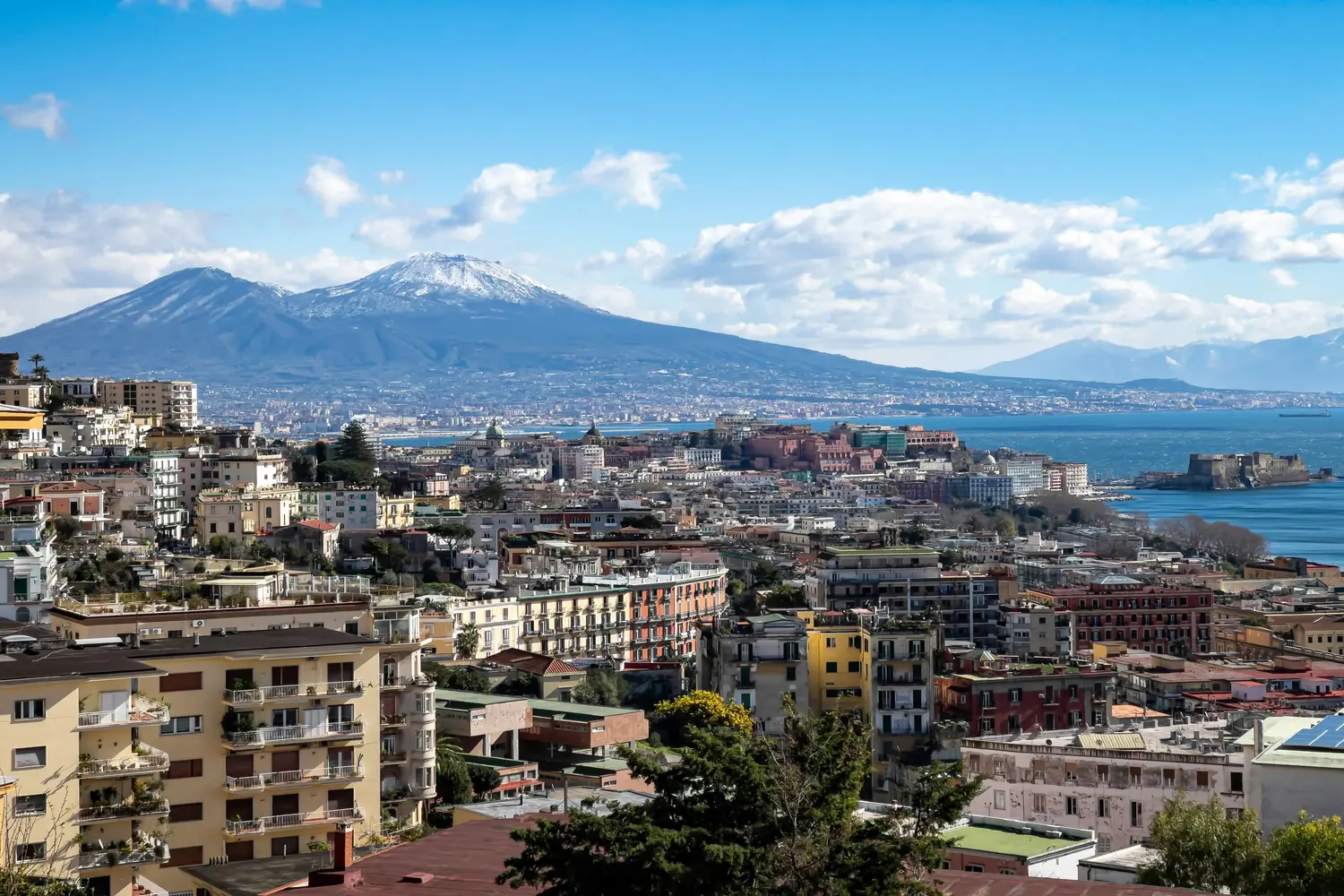
A first-visit Italy travel itinerary starts in Rome and extends south to Naples, Pompeii, and the Amalfi Coast before ending in Sicily. A northern Italy travel itinerary runs from Milan through Verona, Venice, and Bologna by train.
This Italy travel guide recommends building around regional logic rather than city count. The best places to visit in Italy spread across every region, which is why focusing on one area often yields the most rewarding trips.
The best way to travel Italy between major cities is Trenitalia or Italo's high-speed network, covering Rome to Florence in approximately 1 hour 35 minutes.
The best way to travel Italy in rural southern regions and Puglia is by rental car. When you plan a trip to Italy by regional focus, connections simplify considerably.
Read more: Italy's cities offer different infrastructure and long-stay conditions worth comparing before choosing a base. 👉 Italy's Most Livable Cities for Digital Nomads
Italy Travel Cost & Budget
Prices in this Italy travel guide are based on available 2026 market data.
How much is a trip to Italy depends heavily on the season and where in the country you base yourself. Peak summer adds 20-40 percent to most accommodation costs compared to April or October equivalents.
Visa & Entry Requirements
Italy is part of the Schengen Area. EU and EEA citizens enter freely with a valid ID or passport. UK, US, and Australian nationals enter visa-free for up to 90 days within any 180-day Schengen window.
Do you need a visa to go to Italy? Requirements depend on your nationality. Confirm current rules via the Italian Ministry of Foreign Affairs before finalizing any booking.
How to Get Around Italy
Getting around Italy by high-speed train covers Rome, Milan, Florence, Venice, and Naples with journey times of approximately 1 hour 35 minutes to 3 hours.
Book Trenitalia or Italo in advance for the lowest fares. Regional trains connect smaller cities at lower fares and run without advance booking requirements.
Rome, Milan, and Naples each have metro systems. Rome's Line A connects Termini to the Vatican and Spanish Steps directly, making it practical for sightseeing.
City buses cover areas the metro does not reach and require tickets validated before boarding at tobacconists or machines.
Domestic flights from Rome or Milan to Palermo, Catania, Bari, and Cagliari take under 1.5 hours. They add value on longer trips where the train journey would exceed 8 hours.
Getting around Italy by rental car suits Puglia, Tuscany, Umbria, and rural Sicily. ZTL limited traffic zones in historic city centers issue automatic fines for unauthorized vehicles.
Taxis are metered and legally required to use the meter. Rideshare apps including Uber operate in Rome and Milan in limited capacity.
Most historic city centers are best explored on foot, with major attractions clustering within 20 to 30 minutes of each other.
Ferries connect Naples to the Aeolian Islands from spring through autumn, and year-round routes run from Genoa to Sardinia and Naples to Palermo.

Where to Stay
Best areas by destination:
- Rome: Prati for quiet Vatican-area access; Testaccio for local food culture; Trastevere for evening atmosphere
- Sicily: Ortigia in Syracuse for a walkable historic island; Palermo for street food and urban energy
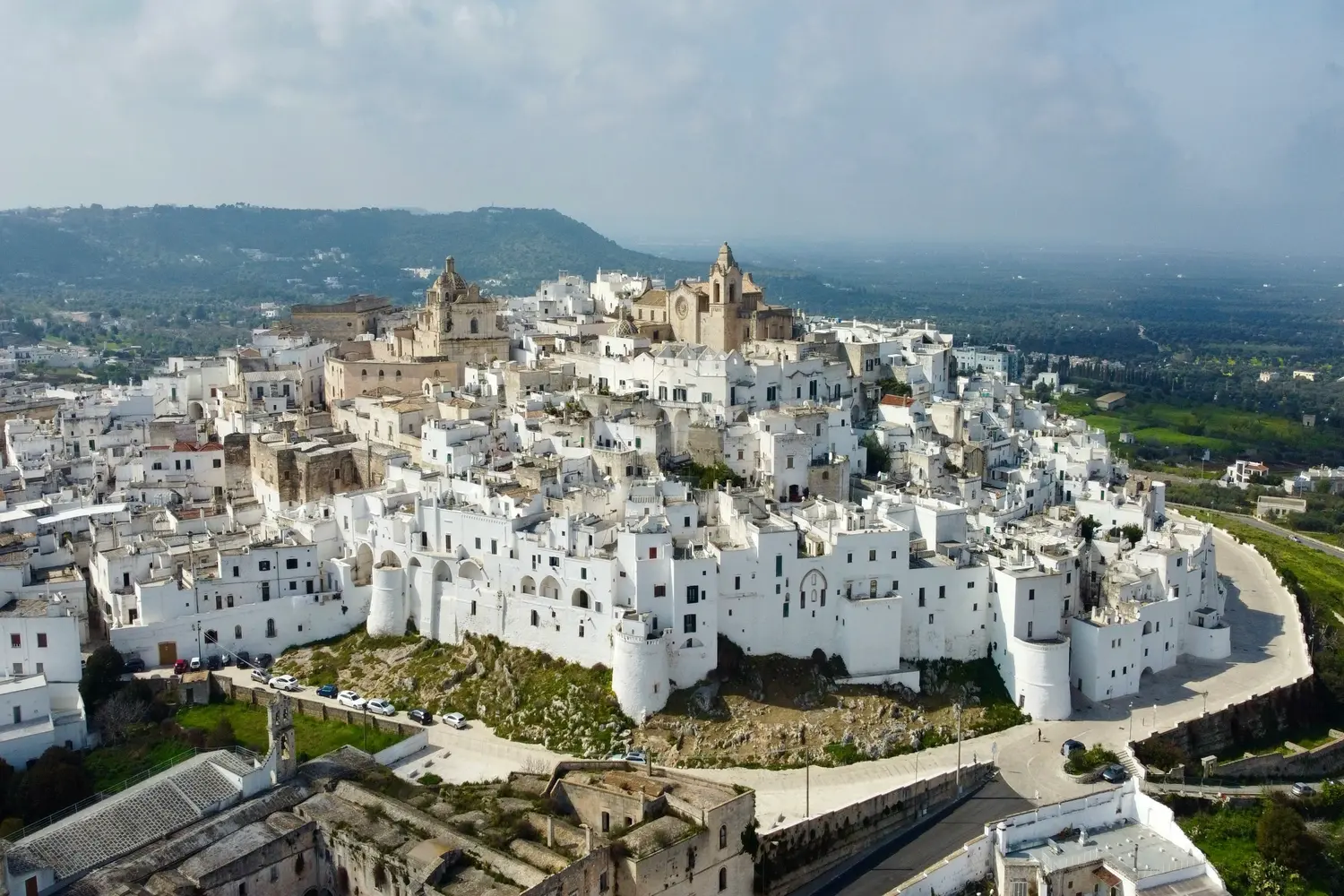
- Puglia: Ostuni's hilltop for character; Otranto for Adriatic coastline
- Dolomites: Bolzano as an affordable hiking hub; Cortina d'Ampezzo for resort access
Accommodation types:
- Hotels: Three-star city hotels average USD 100-150/night in Rome and Florence; boutique options in Puglia and Sicily average USD 80-120/night in shoulder season
- Hostels: Start from USD 25/night in major cities, with private rooms from USD 60/night
- Apartments: One-bedroom rentals average USD 70-140/night in Rome and Florence, and USD 50-90/night in Puglia and Sicily
- Agriturismos: Farm stays in Tuscany and Puglia average USD 80-130/night for two in shoulder season
By travel type:
- Families: Rome's Prati and Naples' Chiaia district offer wide pavements, parks, and accessible transport links
- Luxury: The Amalfi Coast, Lake Como, and Florence's boutique hotel circuit each suit high-end stays with distinct regional character
- Budget: Sicily and Puglia consistently deliver the lowest accommodation costs among Italy's top destinations
Food & Culture
Italian food is regional, not national. Emilia-Romagna produces Parmigiano Reggiano and Prosciutto di Parma under EU protected designation. Campania's pizza Napoletana uses specific flour and San Marzano tomatoes under geographic protection.
Key customs in Italy in 2026:
- Coperto (cover charge) of EUR 1.50-3 per person is standard and legitimate
- Tipping is discretionary; rounding up is appreciated but not expected
- Shoulders and knees must be covered at the Vatican and major basilicas
Italy Travel Tips
The best places to visit in Italy tend to require advance booking, which is the single most important point for any first-time visitor planning a peak-season trip.
Practical Italy travel tips for avoiding common costly mistakes:
- Book Vatican Museums, Colosseum, and Uffizi at least 4-6 weeks ahead in peak season, and 2-3 months ahead for July and August
- Validate regional train tickets before boarding to avoid on-the-spot fines
- Carry EUR 50-100 cash for markets, smaller restaurants, and rural stays
- Avoid unofficial tour guide approaches directly outside major attractions
What to Pack
A packing list for Italy should address cobblestones, variable weather, and church dress requirements:
- Flat comfortable walking shoes for cobblestone streets
- Light layers for shoulder-season evenings that cool quickly
- A scarf for church entry across basilicas and cathedrals
- Type F/L adapter for Italian sockets
- Offline maps downloaded before departure
A winter packing list for Italy adds a waterproof outer layer and thermal mid-layer for northern cities, where December averages 2-6°C.
Read more: Italy connects naturally into multi-country European travel through shared Schengen rules, rail networks, and border crossings. 👉 Europe Travel Guide: Places, Costs, Transport and More
Staying Connected with Internet
Wi-Fi is standard in Italian hotels but unreliable in rural areas and on island ferries. Mobile data is more dependable for navigation, transport updates, and booking confirmations across any multi-region trip.
Local SIM cards are available at airports and tobacconists. Roaming charges vary widely by carrier and can add significantly to costs on longer stays.
An eSIM activates before departure, removes the need to find a physical SIM on arrival, and works across regions without any swap.
The best eSIM for Italy travel covers 4G and 5G networks across all major cities, coastlines, and mountain regions from the moment you land.
Useful Travel Apps & Resources
Safety & Emergencies
Is it safe to travel to Italy right now? As of September 2026, no active travel advisories affect mainland Italy. Main risks are pickpocketing and distraction-based scams in tourist-dense areas rather than violent crime.
Common scams to recognize:
- Friendship bracelets imposed near major attractions
- Unlicensed taxis at Rome Fiumicino and Milan Malpensa
- Staged collisions on crowded transit in Rome and Naples
Emergency contacts: General emergency 112 | Police 112 | Ambulance 118 | Fire 115. If a passport is lost, file a denuncia at the nearest police station and contact your embassy immediately.
Travel insurance covering medical costs, theft, and cancellation is strongly recommended.
Read more: France and Italy share a Schengen border and entry rules that make combining both countries on one trip a practical option. 👉 France Travel Guide: Costs, Routes, Safety and More
Stay Connected During Your Trip With a Jetpac eSIM for Italy
Navigating Rome's transit network, translating a Sicilian menu, and tracking Trenitalia delays all require live mobile data that hotel Wi-Fi cannot guarantee across a multi-region Italy trip.
A Jetpac eSIM Italy plan activates before you land and connects to 4G and 5G networks across all major cities, coastal areas, and mountain regions.
The best eSIM for Italy packs from Jetpac start at USD 2 with unrestricted hotspot sharing and a 100 percent money-back guarantee.
An eSIM for Italy from Jetpac removes the airport SIM queue on arrival. Jetpac eSIM Italy also provides free access to WhatsApp, Google Maps, and Uber even after data runs out, with 24/7 friendly customer support from real people available throughout every trip.

FAQs
What should I know before traveling to Italy?
Book major attractions 4-6 weeks ahead in peak season, validate regional train tickets before boarding, carry some cash, and confirm your passport meets Schengen entry requirements.
How many days are enough to visit Italy?
Seven to ten days suits a first trip across two or three regions. Five days covers one city well, and fourteen allows a full north-south circuit.
What should I book in advance for Italy?
Vatican Museums, Colosseum, Uffizi Gallery, and Pompeii each require advance booking, alongside peak-season ferries to the Aeolian Islands and Cinque Terre coastal connections.
Do I need to rent a car in Italy?
Not for city-to-city travel, which high-speed trains handle efficiently. A rental car adds real value in Puglia, Tuscany, Umbria, and rural Sicily where public transport is limited.
Can I use credit cards and ATMs in Italy?
Cards are accepted at most city hotels and restaurants. Smaller trattorias, markets, and rural accommodation often run cash-only, so carry EUR 50-100 at all times.
Do I need to speak Italian in Italy?
English is spoken at most hotels, major attractions, and tourist-area restaurants. A few Italian phrases improve every interaction outside these settings.
Does my phone work in Italy, and do I need an eSIM?
Most phones work on roaming but charges vary widely by carrier. A Jetpac Italy plan avoids roaming fees entirely and activates before you land.
What are the most common tourist mistakes to avoid in Italy?
Skipping advance attraction bookings, driving into ZTL zones in historic city centers, and overpacking the itinerary during July and August heat are the most consistently costly errors.
Disclaimer
The information in this blog was accurate at the time of writing and is based on available travel, climate, pricing, and destination data. Prices, conditions, requirements, and other details may change after publication. Jetpac is not responsible for such changes.