Japan Travel Guide for First-Time Travelers
Get started on your trip with our Japan travel guide for first-time travelers. Discover essential tips on planning, top destinations, and more for an unforgettable trip.
Get started on your trip with our Japan travel guide for first-time travelers. Discover essential tips on planning, top destinations, and more for an unforgettable trip.
For first-time visitors, Japan can feel intimidating—the complex train systems, the language barrier, and the cultural etiquette you don't want to mess up. But here's the secret: Japan is actually one of the most traveler-friendly countries in the world once you know the basics.
From the bullet trains that arrive exactly on time (seriously, they apologize if they're 30 seconds late) to the convenience stores that somehow have better food than most restaurants back home, this country will surprise you at every turn.
With 36.9 million travelers heading to Japan in 2024, it’s time to join the club. Whether you're dreaming of grabbing beers at an izakaya in Tokyo or soaking in natural hot springs while snow monkeys chill nearby, Japan delivers experiences you literally can't find anywhere else.
That's where this guide comes in—your friendly roadmap to navigating everything from visa requirements to staying connected, plus all the must-see spots that'll make your Japan adventure absolutely unforgettable.
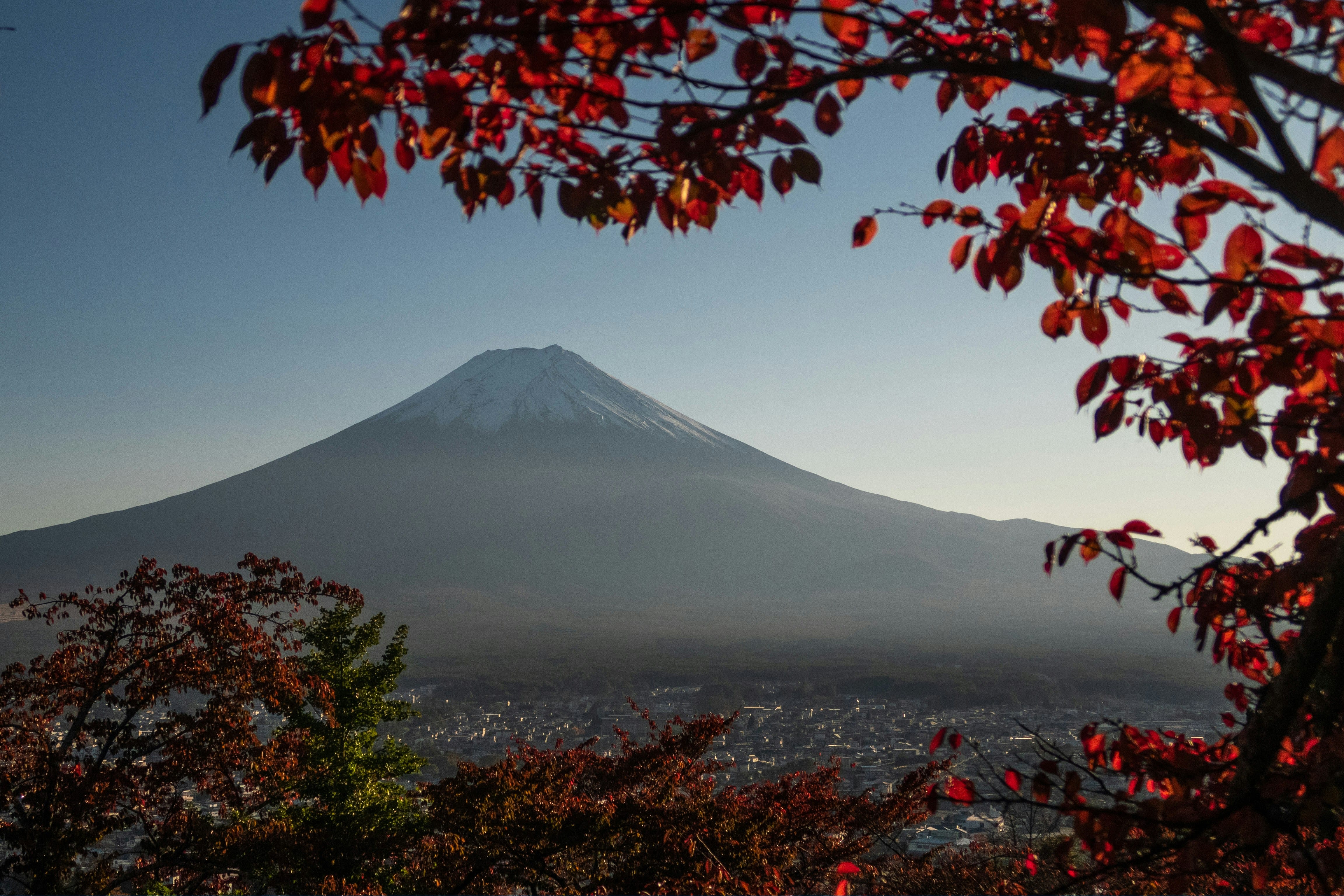
Photo by Svetlana Gumerova on Unsplash
When to Go and What to Expect
Timing can make or break your Japan experience. The country transforms dramatically with each season, and knowing when to visit will help you align your trip with your priorities.
The Best Time to Visit Japan
Spring (March-May)
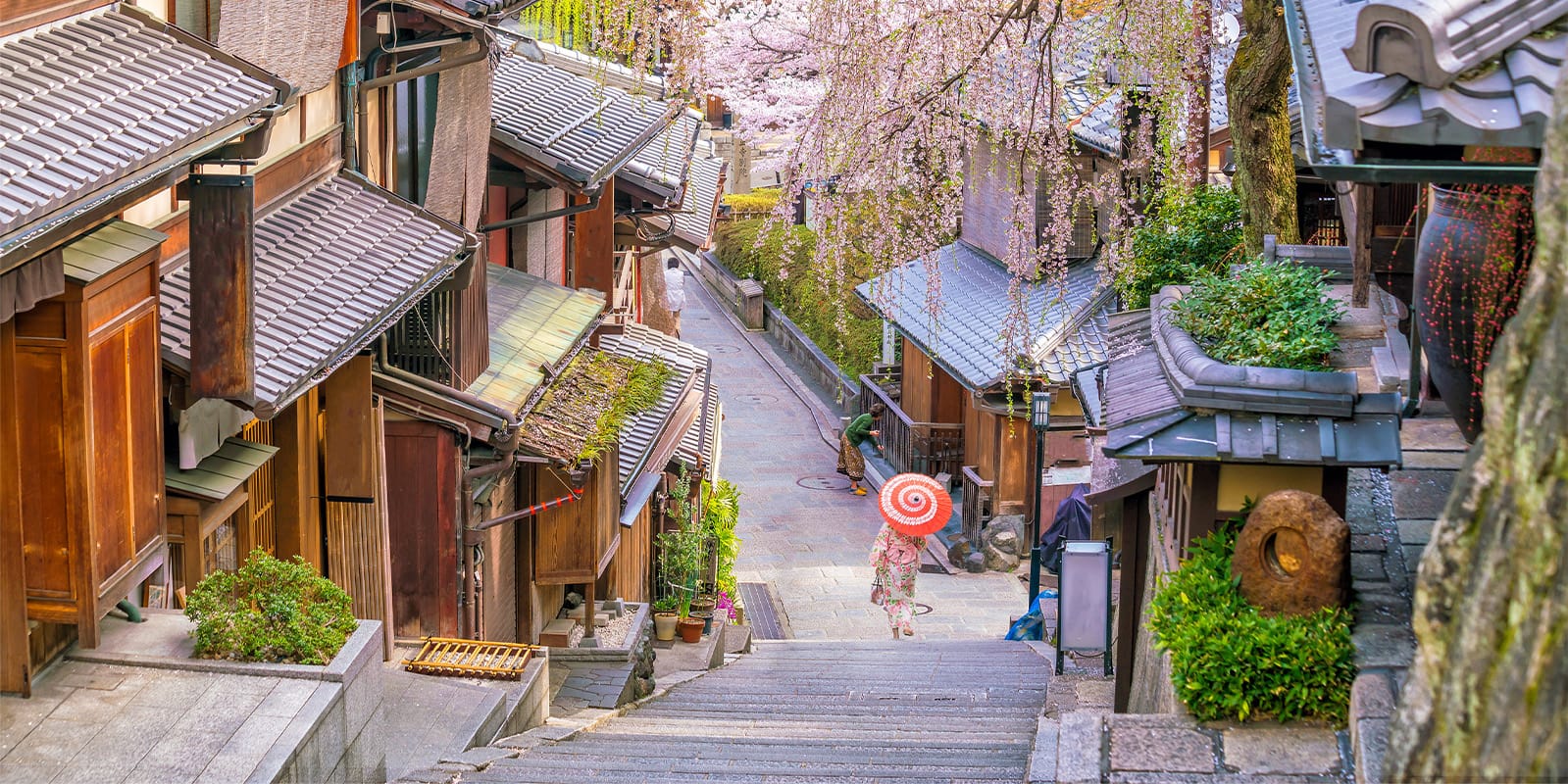
Spring in Japan is absolutely magical, especially with cherry blossoms that bloom in late March to early May. The weather is perfect with mild temperatures that make walking around cities comfortable all day.
However, expect crowds at popular spots and higher accommodation rates during sakura season. If you're planning a spring visit, book your hotels well in advance and be prepared for some company at famous viewing spots.
Summer (June-August)
Summer brings Japan's vibrant festival culture to life, with colorful local matsuri happening throughout the country. Be ready for hot, humid weather that can be intense, especially in July and August. Early summer includes the rainy season (tsuyu) from early June to mid-July, which creates lush, green landscapes.
Autumn (September-November)
Many seasoned travelers consider autumn the best time to visit Japan, and it's easy to see why. The fall foliage rivals spring's cherry blossoms, painting the country in brilliant reds and golds from September through November. This is ideal weather for outdoor activities, temple visits, and exploring both cities and countryside.
Winter (December-February)
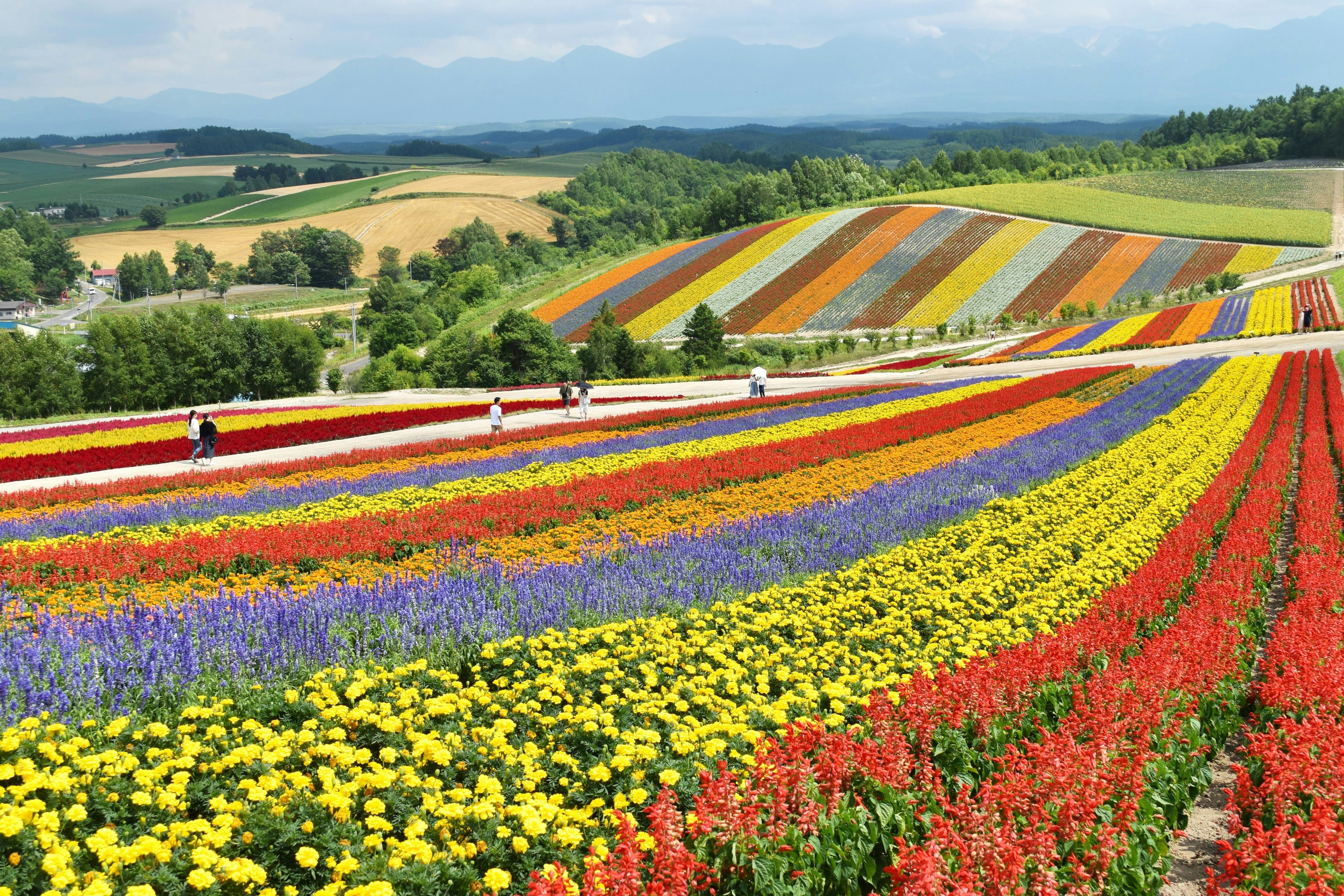
Winter transforms Japan into a completely different country, especially in regions like Hokkaido, where world-class skiing awaits. Cities light up with beautiful winter illuminations that create a magical atmosphere. Tourist numbers drop slightly in January and February, meaning lower prices and fewer crowds.
What to Pack for Each Season
Smart packing for Japan means thinking about layers, comfort, and cultural respect. Each season has its specific requirements, but versatility is always key:
Spring/Autumn: Light layers, waterproof jacket, comfortable walking shoes
Summer: Breathable fabrics, portable fan, modest temple-appropriate clothing
Winter: Warm layers, waterproof boots, hand warmers for northern regions
Year-round: Comfortable shoes for lots of walking, small towel, umbrella/parasol
Still need a checklist? Check out our Japan Packing List guide for a full breakdown on what to bring along for your Japan trip.
Essential Travel Documents and Entry Requirements
Getting your paperwork sorted is the first step to a stress-free Japan adventure. The good news is that Japan makes it relatively easy for tourists to visit, with straightforward requirements and efficient entry processes.
Passport and Visa Requirements
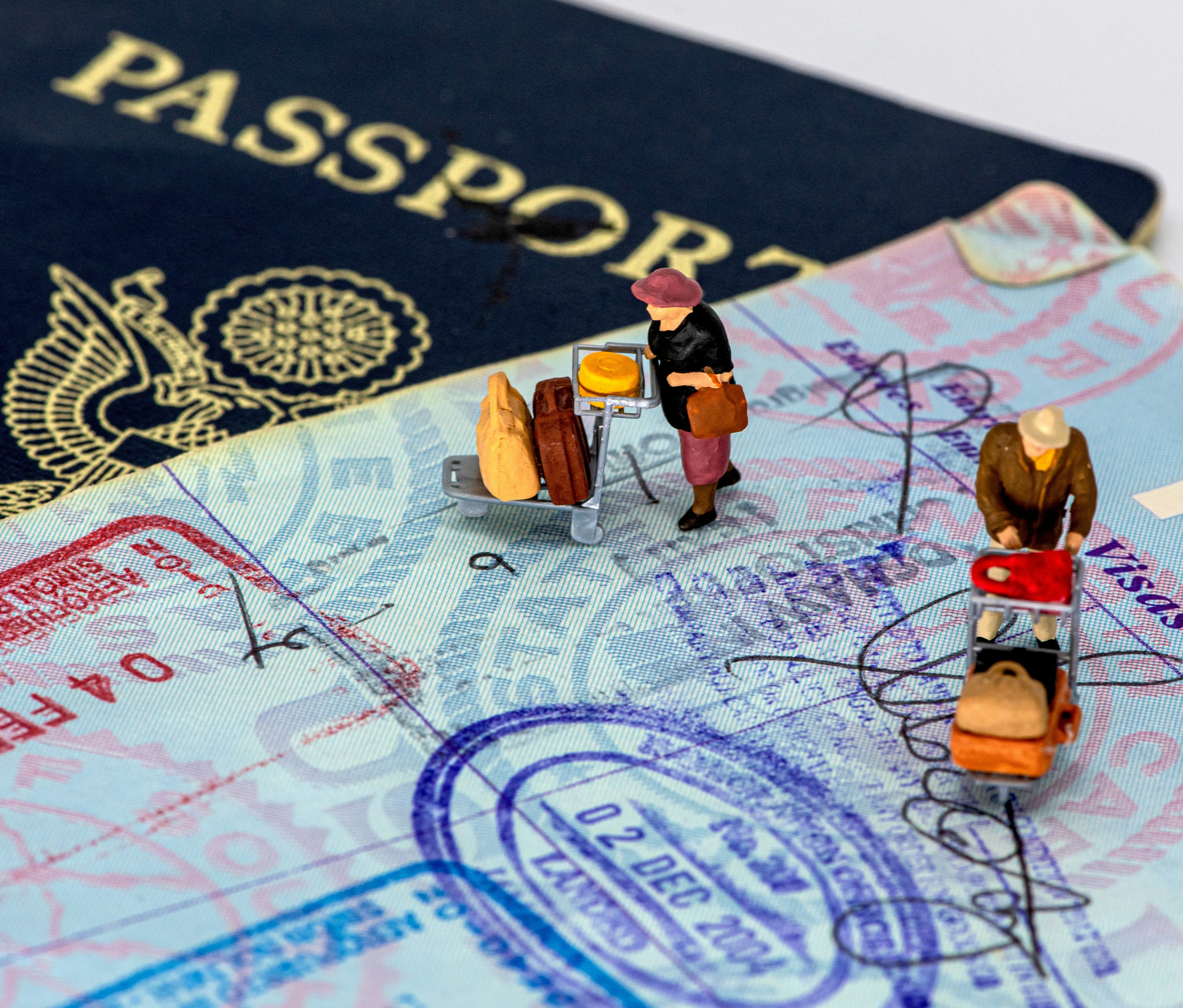
Passport holders from 72 countries can enter Japan visa-free for tourism purposes, with most countries receiving a generous 90-day stay. Your passport needs to be valid for the entire duration of your stay, and you're required by law to keep it with you at all times while in Japan.
However, you will need a visa if you're planning to stay longer than 90 days, coming for work or study purposes, or if you're from a country not on the visa waiver list. The visa application process is straightforward but does require advance planning.
Entry Process Made Simple
Arriving in Japan is surprisingly straightforward compared to many other countries. You'll fill out an embarkation card during your flight, then present your passport and arrival card at immigration.
After collecting your baggage, you'll pass through customs, which usually involves nothing more than walking through a green light. Keep your embarkation card safe throughout your trip—you'll need it when leaving Japan.
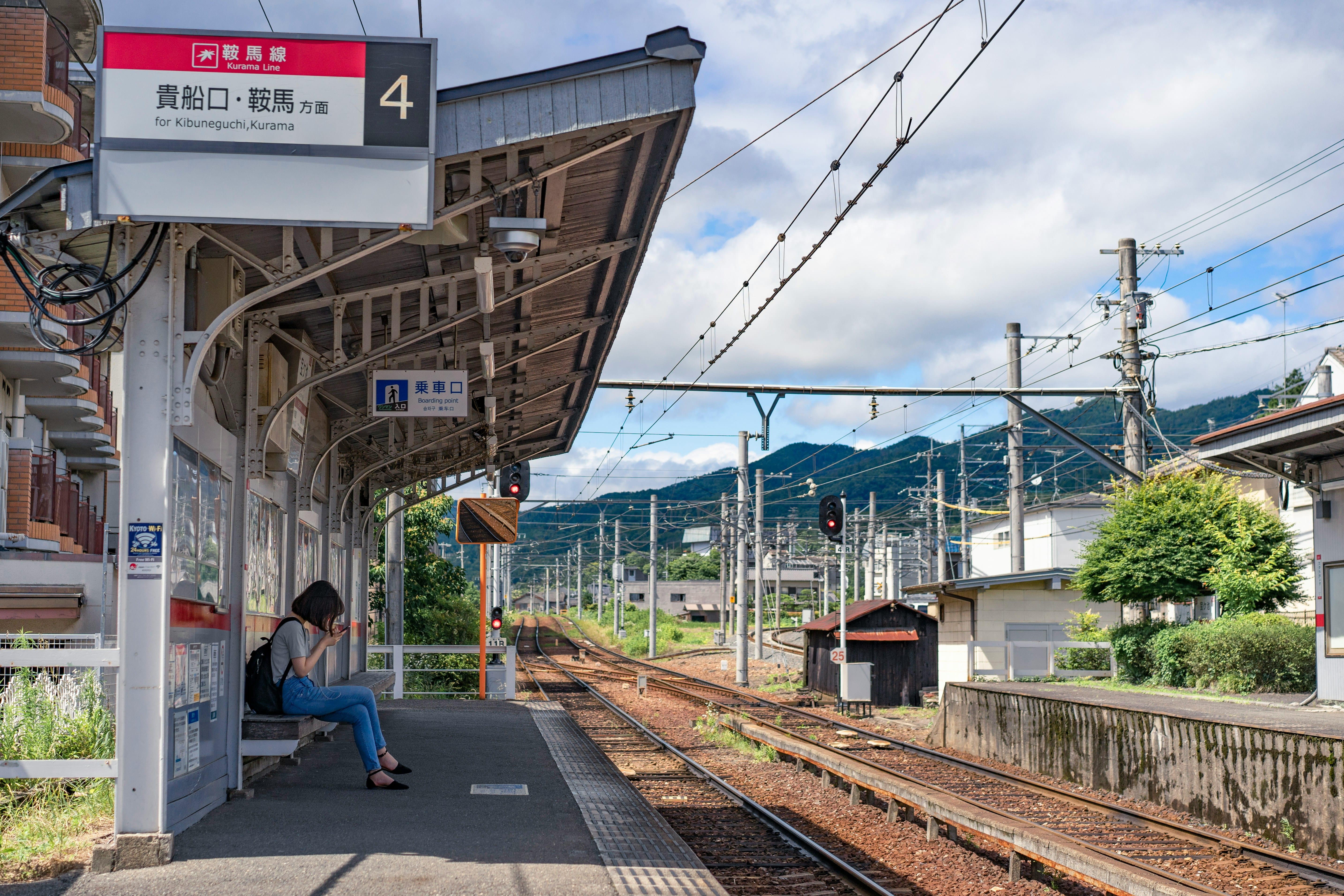
Photo by Weichao Deng on Unsplash
Getting Around Japan
Japan's transportation system might look complex, but it's incredibly efficient and user-friendly once you understand the basics.
By Japan Rail
The famous JR Pass can be a great deal, but it's not automatically the best choice for every traveler. Understanding when it makes sense will save you money and hassle.
The JR Pass is perfect for travelers who want to do the following:
Planning multiple trips between major cities (Tokyo-Kyoto-Osaka route)
Staying for 7-21 days with several long-distance journeys
Want flexibility to hop on any JR train without reservations
Prefer the convenience of not buying individual tickets
However, the math doesn't always work out in the JR Pass's favor. You might save money by buying individual tickets if you're staying in one city or region, traveling for less than a week, or you're budget-conscious and don't mind slower local trains.
Navigating Local Transportation
Once you've sorted out long-distance travel, getting around cities becomes much simpler. Japan's local transportation is remarkably punctual and comprehensive.
IC cards are your best friend. These rechargeable, prepaid cards can easily be bought at train stations or even topped up onto your phone to use with Apple or Google Play. That way, you won’t have to worry about buying individual tickets for trains and subways. You can also use them to pay at convenience stores and other shops.
Pro tip: Don’t forget to download a navigation app before you go. With Jetpac eSIM, you’ll get free Google Maps (and WhatsApp chat) with select packs. Plus, you can also grab a Japan unlimited data pack so you won’t have to worry about data.
Transportation Tips for Beginners
Japanese train etiquette might seem intimidating, but it's actually quite logical once you understand the basic principles.
Train etiquette essentials:
Queue in designated areas marked on the platforms
Move to the back of the train cars to make room
Keep conversations quiet and phones on silent
Don't eat on local trains (bullet trains are fine)
Offer priority seats to elderly and pregnant passengers
If you’re keen on exploring more of Japan without breaking the bank, try saving on transportation. Consider buying day passes for unlimited local transport, walking between nearby stations when the weather's nice, and looking into night buses for long-distance budget travel.
Regional passes often offer better value than the full JR Pass for focused itineraries. If you want a trip outside Tokyo without the price of transport to Osaka or Kyoto, there are many day trips from Tokyo that you can choose from.
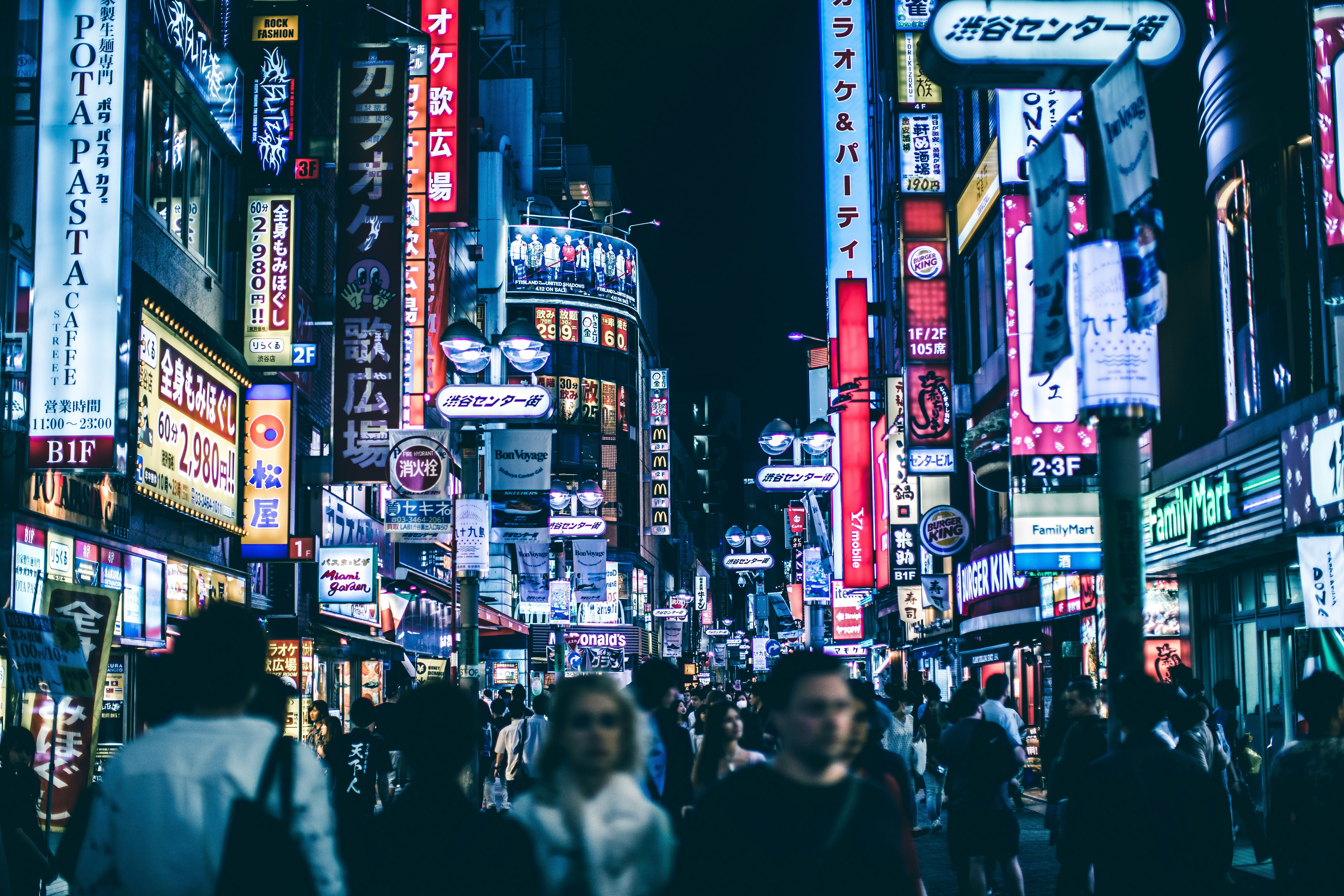
Photo by Andre Benz on Unsplash
Where to Stay and What to Do
Japan offers incredible diversity across its regions, each with distinct personalities and attractions. Here's how to choose your adventure based on your interests and available time.
For a great overview on what you should look for when planning your visit, check out our 5 Reasons to Visit Japan guide.
Tokyo Region
The beauty of Tokyo lies in its contrasts—ancient traditions existing alongside cutting-edge technology. Visit Senso-ji Temple in Asakusa for a traditional atmosphere, then experience the organized chaos of Shibuya Crossing. Explore Harajuku's quirky fashion scene, catch the early morning energy at Tsukiji Outer Market, and consider day trips to nearby Nikko or Kamakura for a change of pace.
Best neighborhoods for first-timers:
Shibuya: Iconic crossing, youth culture, endless shopping
Shinjuku: Towering skyscrapers, vibrant nightlife, major department stores
Asakusa: Traditional temples, old Tokyo atmosphere, artisan shops
Ginza: Upscale shopping, fine dining, art galleries
Kansai Region
The Kansai region represents Japan's cultural soul, where traditional arts and ancient history come alive in cities that have preserved their heritage while embracing modernity.
Kyoto serves up over 2,000 temples and shrines, each with its own story and architectural beauty. The city's highlights include:
Fushimi Inari's thousands of vermilion torii gates winding up the mountain
Bamboo groves of Arashiyama creating natural tunnels of green
Traditional geisha districts of Gion where you might spot maiko
Philosopher's Path lined with cherry trees and traditional tea houses
For a foodie paradise, head to Osaka. The city takes its food seriously—this is where "kuidaore" (eat until you drop) was born. The street food scene in Dotonbori is legendary, with takoyaki (octopus balls) vendors on every corner. Beyond food, Osaka Castle offers history lessons and city views, while day trips to nearby Nara let you meet the famous bowing deer.
For unique experiences beyond the typical tourist trail, explore our guide to unique things to do in Japan.
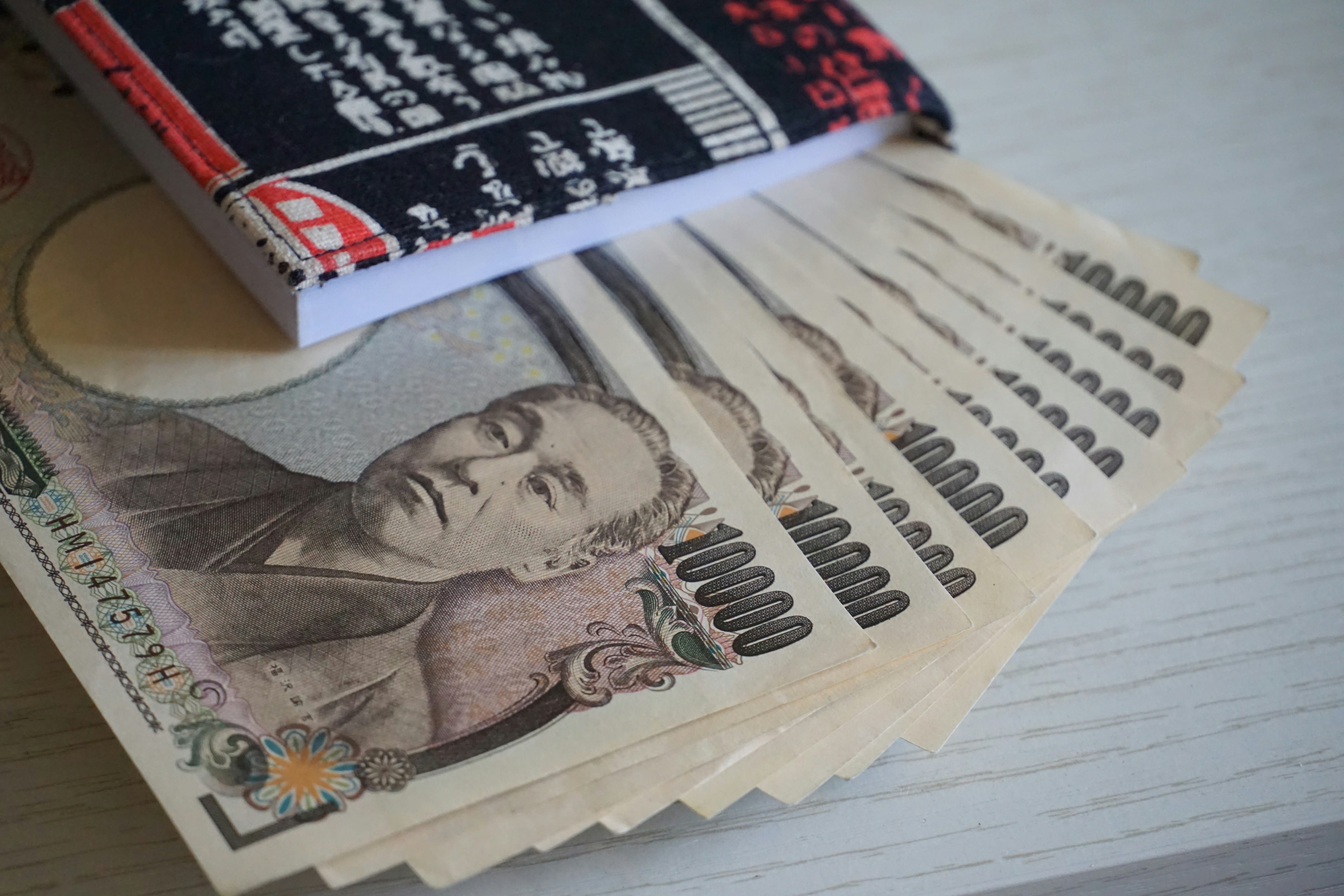
Photo by Cullen Cedric on Unsplash
Practical Tips for First-Time Visitors
These insider tips will help you navigate Japan like a seasoned traveler and avoid common rookie mistakes.
Money Matters
Japan is largely a cash society, so follow these tips so you won’t experience culture shock:
Many restaurants and shops only accept cash
Always carry at least ¥10,000 for emergencies
7-Eleven ATMs accept foreign cards
Post office ATMs also work with international cards
Mobile payments are growing but aren't universal yet. Here's something that might surprise you—tipping is not only unnecessary in Japan, it can actually be considered offensive since exceptional service is simply expected.
Language and Communication
Even if you’re traveling solo, don’t let the language barrier intimidate you. You'll manage just fine with some preparation and the right beginner phrases:
"Sumimasen" (excuse me/sorry)
"Arigatou gozaimasu" (thank you very much)
"Eigo wo hanashimasu ka?" (Do you speak English?)
"Toire wa doko desu ka?" (Where is the bathroom?)
Pro tip: Google Translate's camera function can translate signs and menus instantly, and you can even download an offline version so that you can use it in places where you won‘t have signal. However, with Jetpac eSIM, you’ll get 5G networks throughout the country.
Cultural Etiquette Essentials
Understanding basic etiquette will enhance your experience and show respect for local customs. These aren't just rules—they're expressions of deeper cultural values:
Remove hats and sunglasses as signs of respect
Photography rules vary by location—always check for signs
Don't touch religious objects or statues
Use purification stations at shrine entrances to cleanse hands and mouth
Frequently Asked Questions About Japan Travel
Is Japan expensive to visit?
Japan can be pricey, but it's manageable with smart planning. Budget travelers can get by on $50-70 per day using hostels, convenience store meals, and local transportation. Mid-range travelers should budget $100-150 per day, while luxury travelers might spend $200-300+ daily. The key is balancing splurges (like a ryokan night) with savings (like ramen at fast food places).
How do I prepare for my first trip to Japan?
On top of making sure that you have all your documents ready, get yourself a Jetpac eSIM for Japan. It’ll come in handy when you need to use translation apps or find your way around. You can use WhatsApp chat and Google Maps for free with select packs, even after you run out. Plus, every Jetpac eSIM comes with free lounge access in case of flight delays - what a steal!
What's the best way to exchange money?
Skip the airport exchange counters if possible—they offer poor rates. Instead, use 7-Eleven ATMs with your international debit card. Post office ATMs also work well. Bring some cash from home, but you can easily get more once you arrive.
Can I use my phone in Japan?
This depends on your phone and carrier. Many modern smartphones work in Japan, but data roaming can be expensive. Consider getting a local SIM card, renting pocket WiFi, or using an eSIM service like Jetpac for convenient connectivity.
For a detailed comparison of connectivity options, check out our guide on pocket wifi or eSIMs in Japan to find the perfect solution for your travel style. Can’t pick between Jetpac or Ubigi? Our detailed comparison can help you decide.
Is Japan safe for solo travelers?
Japan is one of the safest countries in the world for solo travelers, including women. Crime rates are extremely low, and people are respectful and helpful. The biggest safety concerns are natural disasters (earthquakes, typhoons) and getting lost in the complex train system.
What should I pack for Japan?
Pack layers for changing weather, comfortable walking shoes, and modest clothing for temple visits. Don't overpack—Japan has excellent shopping, and you can buy anything you forgot.
What are some cultural mistakes to avoid?
Don't wear shoes indoors, don't stick chopsticks upright in rice, keep your voice down on trains, and don't tip. Also, avoid eating while walking, and always have your passport with you—it's required by law.

Photo by Jetpac eSIM
Jetpac eSIM: Your Japan Travel Companion
Jetpac eSIM offers tailored data plans specifically designed for Japan travelers. With competitive pricing, reliable network coverage, and easy activation, you can focus on exploring rather than worrying about connectivity.
From uploading those epic Mount Fuji photos to using translation apps in local restaurants, Jetpac eSIM for Japan keeps you connected throughout your Japanese journey. The setup takes just minutes, and you'll have peace of mind knowing you can navigate, communicate, and share your experiences without any connectivity hiccups.
Ready to start planning your Japan adventure? Get ahead with the right eSIM for reliable connectivity when you land. Grab your Jetpac eSIM now for a seamless roaming experience!