Japan Travel Guide for First-Timers: Itinerary, Costs, Transport & Tips
Get started on your trip with our Japan travel guide for first-time travelers. Discover essential tips on planning, top destinations, and more for an unforgettable trip.

Japan combines ancient shrines, bullet trains, neon-lit cities, and mountain hot springs in a way that rewards careful first-visit planning.
This Japan travel guide covers everything needed to plan a trip to Japan in 2026, from seasonal timing to navigating the rail network from day one.
Japan suits solo travelers, couples, families, and cultural adventurers equally. Costs are lower than most expect for a developed country, the public transport network is one of the world’s most reliable, and the country is consistently ranked among the safest destinations for tourists.

Japan at a Glance
Source: Japan National Tourism Organization (JNTO) 2026.
Why Visit Japan?
Japan layers experiences found nowhere else in a single country. Thousand-year-old temples occupy the same neighborhoods as neon arcades, conveyor-belt sushi restaurants, and capsule hotels. The contrast is genuinely complementary rather than jarring.
Food culture alone justifies the trip. Japan has the world’s highest concentration of Michelin-starred restaurants, yet a 7-Eleven onigiri costs approximately USD 1.50 and outperforms convenience food in most other countries by a significant margin.
This Japan travel guide reflects what makes Japan different for first-time visitors: extreme attention to hospitality, safety, and public cleanliness that is noticeable within hours of landing.
Read more: Japan’s culture and history contain dozens of surprises that most visitors only discover after arriving. 👉 20 Fun Facts About Japan You Probably Didn’t Know
Best Places to Visit in Japan
The best places to visit in Japan for a first trip concentrate on the Tokaido Shinkansen corridor connecting Tokyo, Kyoto, and Osaka, with day trips to Nara, Hakone, and Hiroshima from those bases.
Tokyo
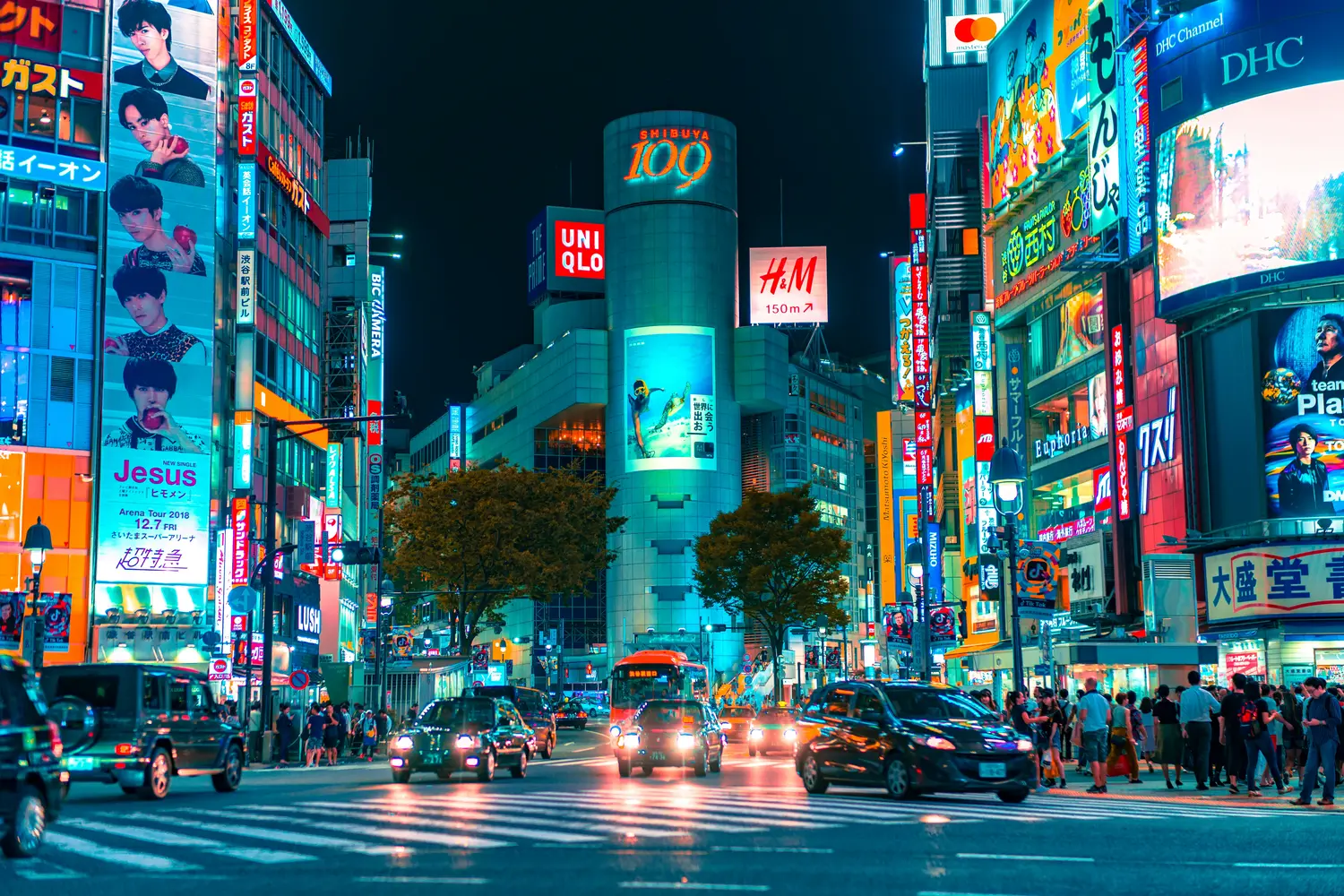
Senso-ji Temple in Asakusa, Shibuya Crossing, Akihabara’s electronics and anime district, and teamLab’s digital art museums each represent a different dimension of Tokyo. Three to four nights suit the city without feeling repetitive.
Kyoto
Fushimi Inari’s 10,000 torii gates, Arashiyama’s bamboo grove, and Gion’s preserved geisha district make Kyoto Japan’s most culturally concentrated city. Two nights is a minimum; three is more realistic for genuine depth.
Osaka
Dotonbori’s street food circuit, Kuromon Ichiba morning market, and Osaka Castle anchor a two-night stay. Osaka also works as a base for Nara’s deer park (45 minutes) and Hiroshima (1 hour 20 minutes by Shinkansen).
Hiroshima and Miyajima
The Peace Memorial Museum and the floating torii gate of Itsukushima Shrine are two of Japan’s most historically significant experiences, reachable as a single day trip from Osaka.
Hokkaido
Sapporo, Niseko’s ski resorts, and Furano’s lavender fields suit travelers extending to Japan’s northern island. Tokyo Haneda to Sapporo takes approximately 1 hour 30 minutes by domestic flight.
The best places to visit in Japan extend well beyond this list, but this circuit covers the highest-impact experiences for a first visit within a typical 7-14 day window.
Read more: Australia offers a completely different travel experience with unique wildlife, coastline, and adventure activities. 👉 Australia Travel Guide: Wildlife, Beaches & Adventure
Things to Do in Japan
Things to do in Japan divide naturally across cultural experiences, food exploration, and outdoor activities depending on the season and region.
Cultural
- Walk the Fushimi Inari torii trail at dawn before crowds arrive (free)
- Attend a traditional tea ceremony in Kyoto (approximately USD 20-40)
- Stay one night in a ryokan with onsen access in Hakone (approximately USD 150-300+ per person including meals)
Outdoor
- Hike Fuji Five Lakes for Mt. Fuji views (best in autumn and winter for clearest skies)
- Ski in Niseko, Hokkaido from December through March (lift pass approximately USD 55-80/day)
- Cycle the Shimanami Kaido coastal island route between Hiroshima and Ehime
Food
- Eat standing ramen in Shinjuku’s Memory Lane from approximately USD 8-14 per bowl
- Try conveyor-belt sushi (kaitenzushi) at approximately USD 15-30 per person
- Sample takoyaki at Osaka’s Dotonbori stalls from approximately USD 3-6
Things to do in Japan change significantly by season; cherry blossom viewing, summer matsuri festivals, autumn foliage walks, and winter onsen visits each require season-specific itinerary planning.
Things to do in Japan free of charge include Senso-ji Temple exterior, all public parks, and Tsukiji Outer Market morning visits.
Best Time to Visit Japan
The best time to visit Japan shifts by region and trip purpose; there is no single best season for every traveler.
Spring (March-May): Cherry blossom season peaks late March through mid-April in Tokyo and Kyoto. The best time to visit Japan for sakura is undeniably spring, but crowds and accommodation prices peak together; book 3-4 months ahead.
Summer (June-August): Rainy season runs June through mid-July. August brings 35°C+ heat inland and Obon holiday crowds. The best time to visit Japan for matsuri festivals is July-August; Gion Matsuri in Kyoto runs the entire month of July 2026.
Autumn (September-November): Fall foliage peaks October through mid-November. The best time to visit Japan for most first-time visitors combining comfortable weather, vivid scenery, and moderate crowds is late September through early November.
Winter (December-February): Hokkaido ski resorts run December through March. Tokyo and Osaka illuminations make December lively. The best time to visit Japan for budget travelers is January through mid-March when accommodation sits at its annual lowest.
Understanding each season helps you plan a trip to Japan that matches your budget and the experiences that matter most.
Read more: New Zealand’s dramatic landscapes and seasonal timing contrast sharply with Japan’s travel calendar. 👉 New Zealand Travel Guide: Top Spots, Best Timings, Travel Tips
How Many Days Do You Need?
How many days do you need in Japan depends on which cities the itinerary covers and the pace of travel.
- 7 days: Tokyo (3 nights), Kyoto (2 nights), Osaka (2 nights). The essential first-visit circuit at a manageable pace.
- 10 days: Add Hiroshima and Miyajima as an Osaka day trip, plus a Nara half-day.
- 14 days: Full circuit adding Hakone for Mt. Fuji views and one island extension to Hokkaido or Okinawa by domestic flight.
Japan travel itinerary planning works best when structured around two or three fixed bases rather than changing hotels every night.
Japan Itinerary Ideas
A Japan travel itinerary built around the Shinkansen corridor suits most first-time visitors and requires no rental car. The best places to visit in Japan on a first trip are all connected by Shinkansen, making city-hopping straightforward.
7-day Japan travel itinerary:
- Days 1-3: Tokyo (Asakusa, Shibuya, teamLab, Kamakura day trip)
- Days 4-5: Kyoto (Fushimi Inari, Arashiyama, Gion evening walk)
- Day 6: Nara half-day, Osaka check-in
- Day 7: Osaka (Dotonbori, Kuromon Ichiba, Osaka Castle)
Japan itineraries deliver more value when each city gets at least two nights. When you plan a trip to Japan for 10 days, adding one night in Hiroshima before Osaka deepens the historical dimension of the trip considerably.
This Japan travel guide recommends choosing two or three fixed bases rather than moving hotels every night.
Japan Travel Cost & Budget
Japan travel cost is frequently lower than visitors expect for a developed nation, particularly on food and local transport. This Japan travel guide covers costs across all budget levels so travelers can set realistic expectations before booking.
Source: Numbeo Japan and JNTO 2026 cost data. All figures are approximate.
Key cost markers:
Ramen approximately USD 8-14; Shinkansen Tokyo-Kyoto one-way approximately USD 85-105
JR Pass 7-day approximately USD 310-350; capsule hotel approximately USD 25-50/night.
Cash is essential; many restaurants, shrines, and rural shops are cash-only throughout Japan.
Visa & Entry Requirements
Do you need a visa for Japan? Citizens of approximately 68 countries, including the US, UK, EU nations, Australia, Canada, and New Zealand, enter visa-free for stays up to 90 days.
Register at Visit Japan Web before departure to complete digital immigration and skip paper forms at the airport. Japan abolished paper arrival cards in 2023.
Check current requirements with the Ministry of Foreign Affairs of Japan before booking, as rules can change.
How to Get Around Japan
Getting around Japan efficiently runs on two core systems: the Shinkansen for intercity travel and IC cards for city transit.
Shinkansen: Tokyo to Kyoto approximately 2 hours 20 minutes; Tokyo to Osaka approximately 2 hours 30 minutes. The JR Pass 7-day covers most Shinkansen routes at approximately USD 310-350.
IC cards (Suica/Pasmo): Load yen onto a digital or physical card and tap in and out on all metro, bus, and local rail lines. Works in Tokyo, Osaka, Kyoto, Hiroshima, and most major cities.
City metro: Tokyo Metro single fare is approximately USD 1.40-2.50. How to get around in Japan within cities is faster and cheaper by rail than by taxi; taxis start at approximately USD 3.50-5 for the first kilometer.
The best way to travel Japan between cities is Shinkansen; the best way to travel Japan within cities is an IC card plus walking. Getting around Japan by rental car only suits rural Hokkaido and off-the-beaten-track Kyushu.
Read more: Confirming phone compatibility and data options before landing in Japan saves time and cost at the airport. 👉 Will My Phone Work in Japan? What You Must Know Before Travel
Where to Stay
Tokyo: Shinjuku for central rail access; Asakusa for traditional neighborhood atmosphere; Shibuya for nightlife proximity. Capsule hotels from approximately USD 25-50; mid-range business hotels from approximately USD 80-150/night.
Kyoto: Gion district for traditional machiya townhouses; Kyoto Station area for Shinkansen access. Ryokans with dinner and breakfast start from approximately USD 150-300 per person per night.
Osaka: Namba and Shinsaibashi for immediate Dotonbori access; Umeda for Osaka’s main rail hub and shopping district. Budget travelers find Osaka’s accommodation consistently cheaper than equivalent Tokyo options.
Food & Culture
Japanese food is the trip’s backbone for most visitors. Ramen, sushi, tempura, tonkatsu, takoyaki, and yakitori each have regional variations worth seeking specifically.
Regional specialties: Hiroshima-style layered okonomiyaki (different from Osaka’s mixed version), Sapporo miso ramen, and matcha desserts in Uji near Kyoto.
Convenience store onigiri at approximately USD 1.50 and sandwiches from FamilyMart represent genuinely good everyday eating.
Key etiquette:
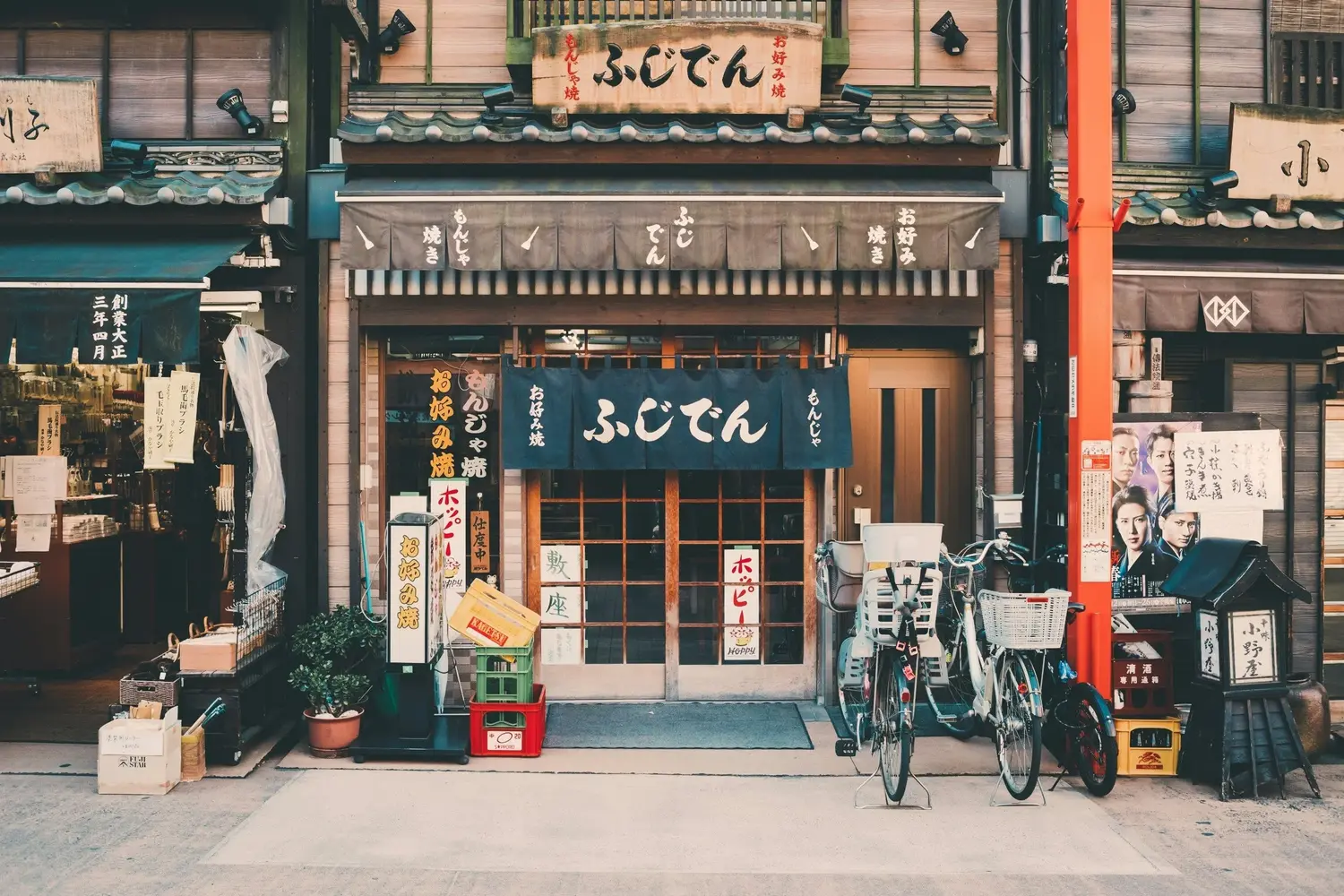
- No tipping at any establishment; tipping is considered rude
- Remove shoes at ryokans, traditional restaurants, and homes
- Tattoos may restrict onsen access; check specific facility rules before visiting
- Eating while walking is generally discouraged in Japan
Travel Tips
Every Japan travel guide for first-timers consistently comes back to one practical reality: cash is essential. Japan travel tips all point to the same starting point.
Carry at least USD 50-100 equivalent in yen at all times; many restaurants, shrines, and vending machine shops remain cash-only.
- Book Kyoto accommodation 3-4 months ahead for cherry blossom season (late March to mid-April)
- Buy a Suica IC card at any major JR station on arrival; it works on virtually all local transit
- 7-Eleven and Japan Post ATMs accept most international cards reliably
- Reserve Shinkansen seats in advance for Golden Week (late April through early May) when trains book out completely
Japan travel tips from experienced travelers consistently emphasize depth over breadth; two or three nights in each city delivers a more satisfying experience than one-night stops across many destinations.
What to Pack
A packing list for Japan should account for 10-15km of daily walking, seasonal temperature variation, and the availability of high-quality products at Japanese pharmacies and convenience stores.
Japan packing list essentials: broken-in walking shoes (cobblestones in temple districts cause blisters on new footwear), a compact umbrella, a Type A plug adapter, and slip-on shoes for easy removal at traditional venues.
Do not overpack toiletries; Japanese pharmacies stock excellent products at fair prices. Cash and a confirmed-working international ATM card matter more than any specific clothing item packed.
Read more: Europe’s connectivity and transport options differ significantly from Japan’s, covering multiple countries on a single eSIM plan. 👉 Europe Travel Guide: Places, Costs, Transport and More
Useful Travel Apps & Resources
- Google Maps: Works throughout Japan, including Shinkansen planning and city transit routing
- Navitime for Japan: More detailed multi-transfer rail routing than Google Maps for complex journeys
- Google Translate (camera mode): Reads Japanese menus, signs, and product labels in real time
- Suica app: Digital IC card via Apple Pay or Google Pay for tap-in transit throughout Japan
- Tabelog: Japanese restaurant reviews with English mode; more locally accurate than Google reviews
- Japan Official Travel App (JNTO): Official destination information and emergency contacts in English
Safety & Emergencies
Japan is consistently ranked among the world’s safest countries for tourists. Petty crime is rare; items left on trains are typically returned to lost-and-found offices.
Natural disaster awareness matters more here than in most destinations. Download the Safety Tips app from the Japan Tourism Agency for earthquake and typhoon alerts in English.
Typhoon season runs August through October; Pacific coast cities are most affected.
It is important to keep a photocopy of your passport separate from the original; Japanese law requires foreigners to carry identification at all times.
Travel insurance covering medical evacuation is strongly recommended; Japanese healthcare is excellent but expensive for uninsured visitors.
The most common tourist inconvenience is overpriced restaurants immediately outside major temple gates; walking one street away consistently finds better value.
Stay Connected During Your Japan Trip With Jetpac
Google Maps transit directions, restaurant booking apps, and Suica digital card functions all require live mobile data from the moment you land. Hotel Wi-Fi in rural onsen towns and mountain areas is unreliable precisely when navigation matters most.
How to get internet in Japan? In 2026, you have three practical options: a pocket Wi-Fi rental (about USD 5-10/day), a local SIM from airport vending machines, or a travel eSIM that activates before departure.
The eSIM removes the airport purchase step and connects on landing without queuing.
A Jetpac eSIM Japan plan activates before departure and connects on landing, covering Japan’s 4G and 5G network from Hokkaido to Okinawa. Plans start from USD 4 with a 100 percent money-back guarantee and no physical SIM required.
eSIM for Japan plans from Jetpac of 3 GB or more include free WhatsApp, Google Maps, and Uber access even after data runs out, with 24/7 WhatsApp support from a friendly customer support team throughout every leg of the trip.
FAQs
What should I know before traveling to Japan?
Cash is essential even in 2026; carry yen at all times, register on Visit Japan Web before departure for digital immigration, and book Kyoto accommodation months ahead for cherry blossom season.
How many days are enough to visit Japan?
Seven days covers Tokyo, Kyoto, and Osaka comfortably; ten adds Hiroshima and Nara; fourteen opens Hokkaido or Okinawa without feeling rushed.
What should I book in advance for Japan?
Kyoto cherry blossom season accommodation, JR Pass before departure, Shinkansen reserved seats for Golden Week, and popular Kyoto restaurants all require advance booking.
Can I use credit cards and ATMs in Japan?
7-Eleven and Japan Post ATMs accept most international cards reliably; many smaller restaurants and traditional shrines are cash-only, so always carry yen.
Do I need to speak Japanese in Japan?
English signage covers all major tourist areas, airports, and Shinkansen stations; Google Translate with camera mode handles menus and local signs effectively throughout the trip.
Does my phone work in Japan, and do I need an eSIM?
Most modern smartphones support Japanese 4G and 5G bands; a travel eSIM or local SIM is recommended for maps, transit apps, and real-time translation throughout the trip.
What are the most common tourist mistakes to avoid in Japan?
Running out of cash, packing too many cities into 7 days, underestimating Kyoto cherry blossom accommodation demand, and skipping Visit Japan Web registration before arrival are the four most common first-visit mistakes.
Do I need to rent a car in Japan?
A rental car is not needed for the Tokyo-Kyoto-Osaka circuit; it becomes useful only for rural Hokkaido, off-the-beaten-track Kyushu, and Okinawa’s outer islands.
Disclaimer
The information in this blog was accurate at the time of writing and is based on available travel guidance and destination information. All prices are approximate and reflect data available as of at the time of writing. Jetpac is not responsible for any changes to this information after publication. Exchange rates, transport fares, entry requirements, and attraction details may change; verify current information with official sources before booking.
Get connected as soon as you land with a Jetpac travel eSIM.