Mexico City Travel Guide: Food, Culture & Local Experiences
Plan your trip with this Mexico City travel guide covering culture, top attractions, best foods to try, safety tips, and how to stay connected with a Jetpac eSIM.
This Mexico City travel guide covers everything you need for a smooth trip, when to go, where to stay, what to eat, and how to get around. It includes details on top attractions like Chapultepec Park, Frida Kahlo Museum, and the historic center, plus local food spots, day trips, and safety tips. The guide also explains how a Jetpac eSIM makes it easy to stay connected while traveling through Mexico City.
Mexico City is one of the most fascinating capitals in the world. It’s a place where you can witness ancient history, creative food, and modern neighborhoods in unexpected ways. This Mexico City travel guide covers everything you need to plan a trip, from where to stay and what to eat to local customs, transport, and day trips.
Whether you’re exploring for two days or a whole week, it will help you plan a perfect trip and enjoy it while staying connected with an eSIM.
Essential Trip Planning for Mexico City
Here are some tips to help you plan the best trip to Mexico City.
Best Time to Visit Mexico City
The city’s climate remains mild throughout most of the year due to its high altitude. November through April is the dry season, with blue skies, warm afternoons, and cooler evenings. It’s the best time for walking tours, visiting outdoor markets, and taking photos of major Mexico City attractions without constant rain.
The wet season runs from May to September, when rain showers arrive in the afternoon but usually don’t last long. This period has fewer tourists, lower hotel rates, and greener parks.
Winter months are ideal if you want pleasant weather and plenty of open events, while October and early May are perfect for travelers who prefer smaller crowds. Timing your travel to Mexico City by season makes a big difference in how relaxed your trip feels.
How Long to Stay in Mexico City
How long you spend here depends on your travel pace. Many travelers find that three full days is the minimum to experience what to see in Mexico City without feeling rushed. A two-day visit works if you stick to the central districts, while a five-day stay allows time for markets, museums, and day trips.
A flexible plan helps you enjoy the city more, one day for history, another for food, and at least one for open-air parks or local neighborhoods. This travel guide to Mexico City recommends a longer stay if you like exploring slowly and exploring different areas.
Safety and Common Scams
Mexico City is busy but generally safe when you take basic precautions. Keep an eye on your bag in crowded areas, avoid carrying too much cash, and use official taxis or rideshare apps rather than flagging random cabs. Some tourist scams involve fake taxi meters or people offering “free” souvenirs.
Be polite but firm in saying no. Stick to well-lit streets at night and keep copies of your documents stored separately. With awareness and common sense, you can explore freely without issues.
Money and Typical Costs
Mexico City is affordable compared to many large capitals. The local currency is the peso, and ATMs are easy to find in banks and shopping centers. For a comfortable mid-range budget, expect to spend about $100 to $150 USD per day on food, transport, and hotels. Backpackers can spend far less, while fine-dining enthusiasts can spend much more. Tipping 10–15% is common at restaurants.
Cash is handy for markets and street food, though cards are accepted almost everywhere. Using ATMs inside banks is safer than street-corner machines. This Mexico City travel guide suggests bringing small bills for taxis, tips, and small purchases.
Stay Connected with Internet
Internet access is reliable if you plan ahead. Instead of paying high roaming fees, buy a Mexico eSIM before you leave or as soon as you arrive. The best eSIM for Mexico connects directly to local networks, so you’ll have coverage in nearly every part of the city.
Many travelers use an eSIM Mexico City plan to navigate the metro, check restaurant reviews, and share directions without switching SIM cards. It’s one of the easiest ways to stay connected while traveling and to avoid roaming charges during your stay.
Getting In and Around
Most visitors arrive through Mexico City International Airport (MEX). Taxis, rideshares, and airport shuttles are easy to find. Inside the city, the metro is fast and cheap, while the Metrobus offers dedicated lanes that save time in traffic. Uber is widely available, and walking is practical in areas like Roma, Condesa, and the Centro Histórico.
Traffic can be heavy, so avoid rush hour when possible. Keep your hotel address written down, and if you use public transport, hold onto your belongings tightly during busy hours.
Where to Stay in Mexico City (Best Neighborhoods)
Here are some of the ideal neighborhoods to stay in Mexico City:
Roma and Condesa – Cafés, Parks, and Nightlife
Roma and Condesa are the two neighborhoods that come up in every Mexico City travel guide for a reason. They’re central, safe, and full of character. Roma Norte has creative restaurants, art galleries, and vintage stores, while Condesa’s wide boulevards and green parks give it a more residential feel.
Both are perfect if you like to explore on foot. Sidewalk cafes serve strong coffee and pastries in the morning, and bars fill up by evening. The mix of food, art, and nightlife makes these districts great for first-time visitors.
Centro Histórico – History and Walkability
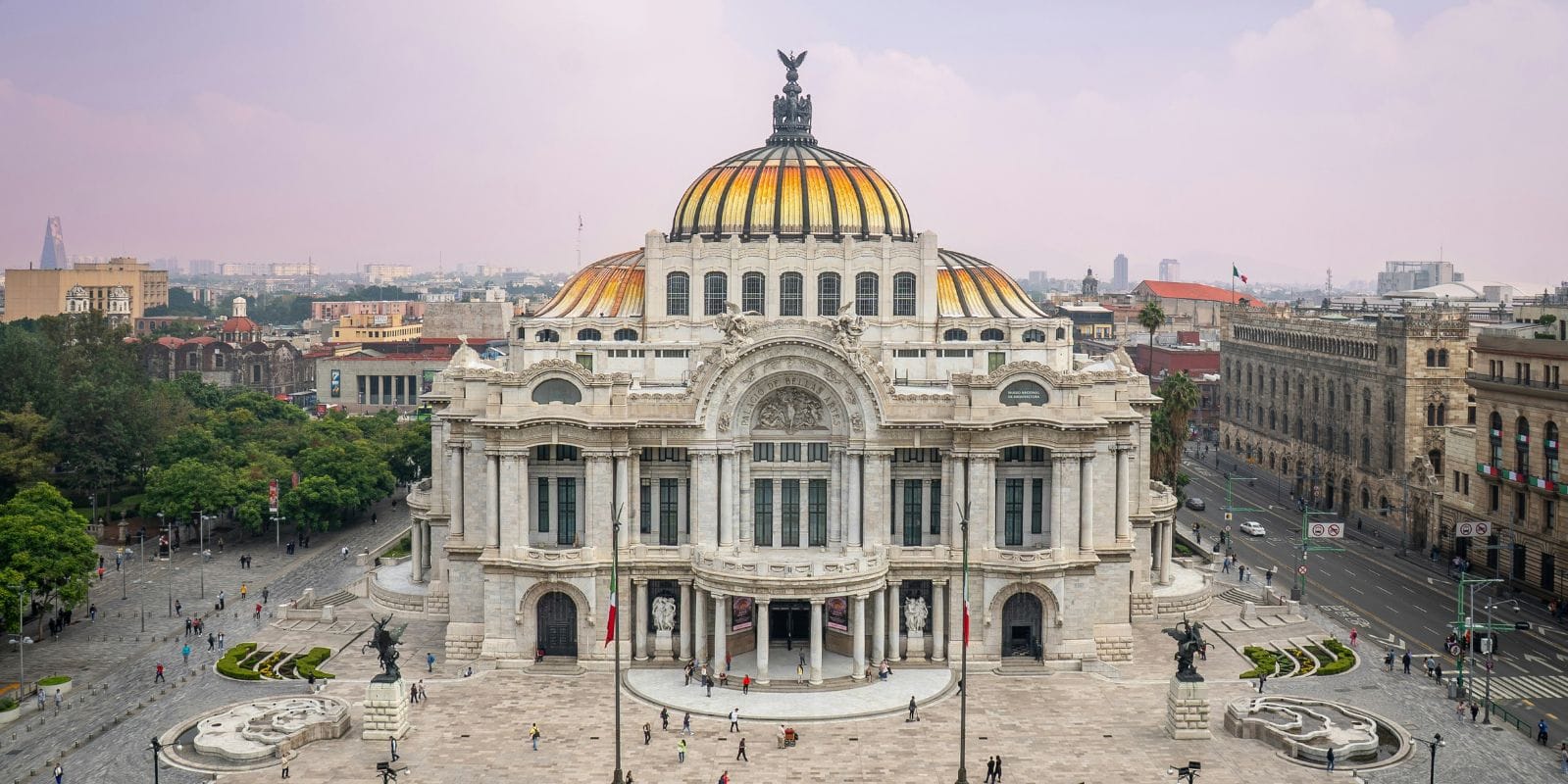
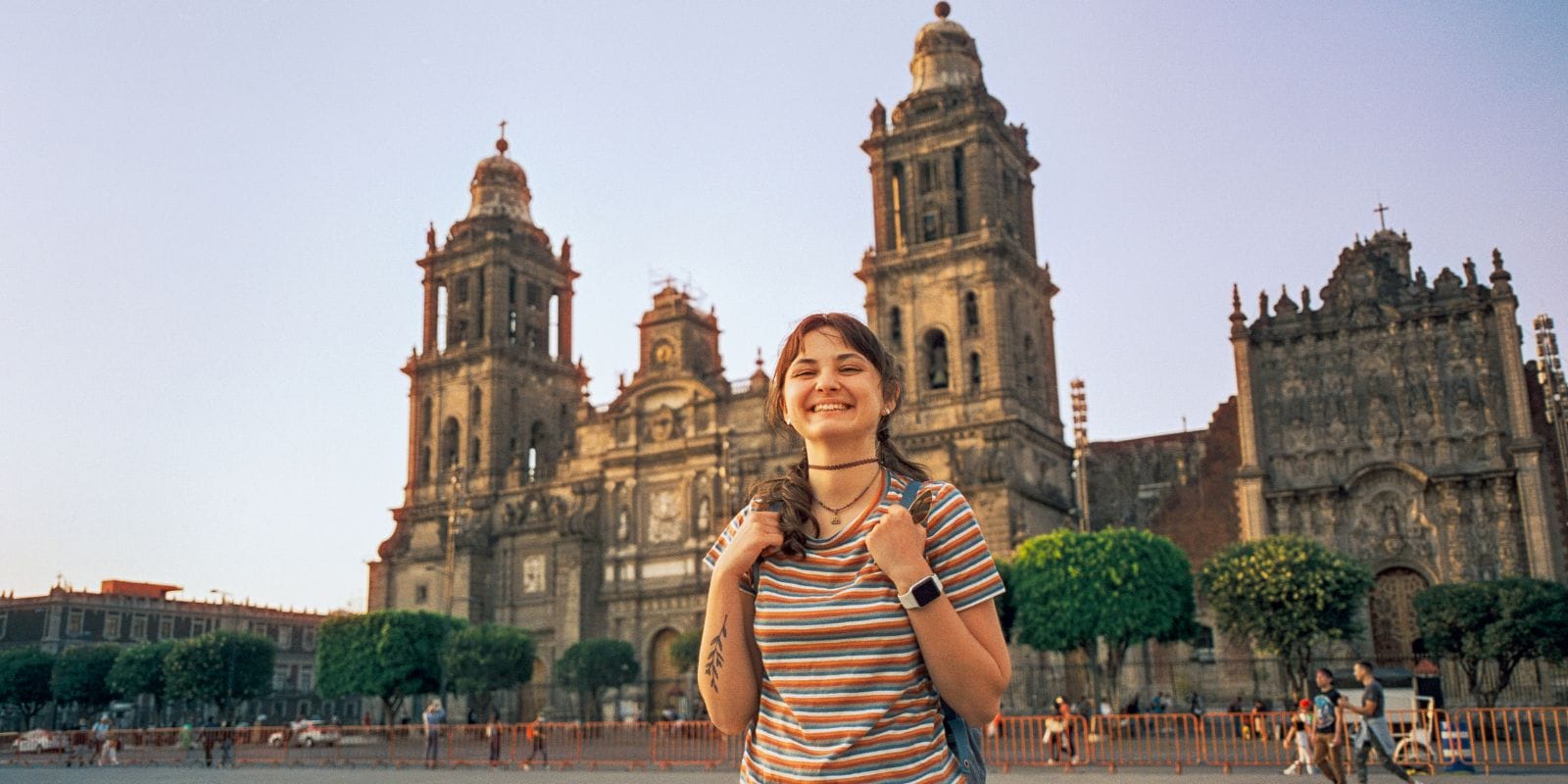
If you want to stay near landmarks, the Centro Histórico is perfect. It’s home to the Zócalo, the Metropolitan Cathedral, and countless colonial-era buildings. You’ll be within walking distance of many top things to do in Mexico City, such as the Palacio de Bellas Artes and the Templo Mayor ruins.
The area is full of life at all hours. Noise levels can be higher, but staying here means having history right outside your door. It’s also a great place for photographers and first-time visitors who want classic views of the city.
Polanco – Upscale Dining and Museums
Polanco is polished and modern, known for fine dining, luxury shops, and some of the city’s best museums. It’s home to the National Museum of Anthropology and the Soumaya Museum, two essential stops for anyone interested in culture and art. Hotels in Polanco range from elegant chains to designer boutiques.
The area is well-connected by metro and safe for evening walks. For travelers who want comfort, excellent food, and access to cultural institutions, Polanco is worth considering.
Coyoacán – Frida Kahlo and Plazas
Coyoacán feels like a town within the city. Its cobblestone streets, leafy plazas, and pastel houses make it a slower, more traditional area. The main attraction is the Frida Kahlo Museum, but there’s plenty more to enjoy: local markets, bookshops, and small coffee houses.
It’s farther from the center, yet offers a peaceful contrast to the city’s faster pace. This neighborhood is perfect for those who want local charm and space to unwind.
Where to Eat and Drink in Mexico City
Mexico City has so much to offer, especially its delicious food. Here is what to know about its exotic cuisine.
Can’t-Miss Restaurants
Dining is one of the biggest highlights in any travel guide to Mexico City. The city’s food scene ranges from classic family-run eateries to globally ranked restaurants. Book at least one special meal at a place that serves inventive takes on Mexican flavors.
Try modern tasting menus in Polanco, or a hidden gem in Roma that serves regional dishes with a local twist. You’ll find everything from mole and ceviche to dishes inspired by traditional markets.
Classic Street Eats – Al Pastor, Churros, and Markets
Street food is part of daily life here. Tacos al pastor, tamales, and churros are staples you’ll see everywhere. The best way to experience it is to stop where locals line up. Popular stands in Roma, Condesa, and the Centro serve tacos made on vertical spits, topped with pineapple and fresh salsa.
Markets such as Mercado de San Juan or Mercado Coyoacán are worth visiting for a range of flavors at low prices. Eating street food is one of the most rewarding tourist activities in Mexico City.
Coffee and Bakeries
Mexico City takes coffee seriously. Many cafes roast their own beans and serve slow-brew options alongside pastries like conchas and pan de elote. Spend an hour in a cafe courtyard, people-watch, and let the morning unfold without hurry.
Roma and Condesa have some of the best coffee spots in the city. It’s a simple but enjoyable part of everyday life that most visitors remember long after leaving.
Bars and Cantinas
Evenings in Mexico City can be quiet or lively depending on your mood. Traditional cantinas offer an old-school setting for beer and tequila, often with snacks served automatically. Rooftop bars in Polanco or downtown give wide city views and a more modern crowd. Both options reflect different sides of local nightlife. Dress codes are casual in most places, but upscale bars may require smart clothes.
Food and Market Tours
If you want to really enjoy the food in Mexico City, take a food tour. These tours introduce you to areas you might overlook and let you taste a wide range of regional specialties. Guides often explain the stories behind ingredients and dishes, giving insight into the culture beyond what you see.
For anyone serious about local cuisine, this is one of the most useful and fun things to do in Mexico City.
Things to Do in Mexico City
If you are wondering what to do in Mexico City, here are some of the best things:
Centro Histórico Highlights
The Centro Histórico is full of architectural and cultural landmarks. Start at the Zócalo, visit the grand cathedral, and stop by the Palacio de Bellas Artes to admire its stained glass and murals. Walk the nearby streets to see a mix of old and new architecture. This area gives a clear sense of what to see in Mexico City if you’re interested in its past and how it has evolved.
Chapultepec Park and Castle
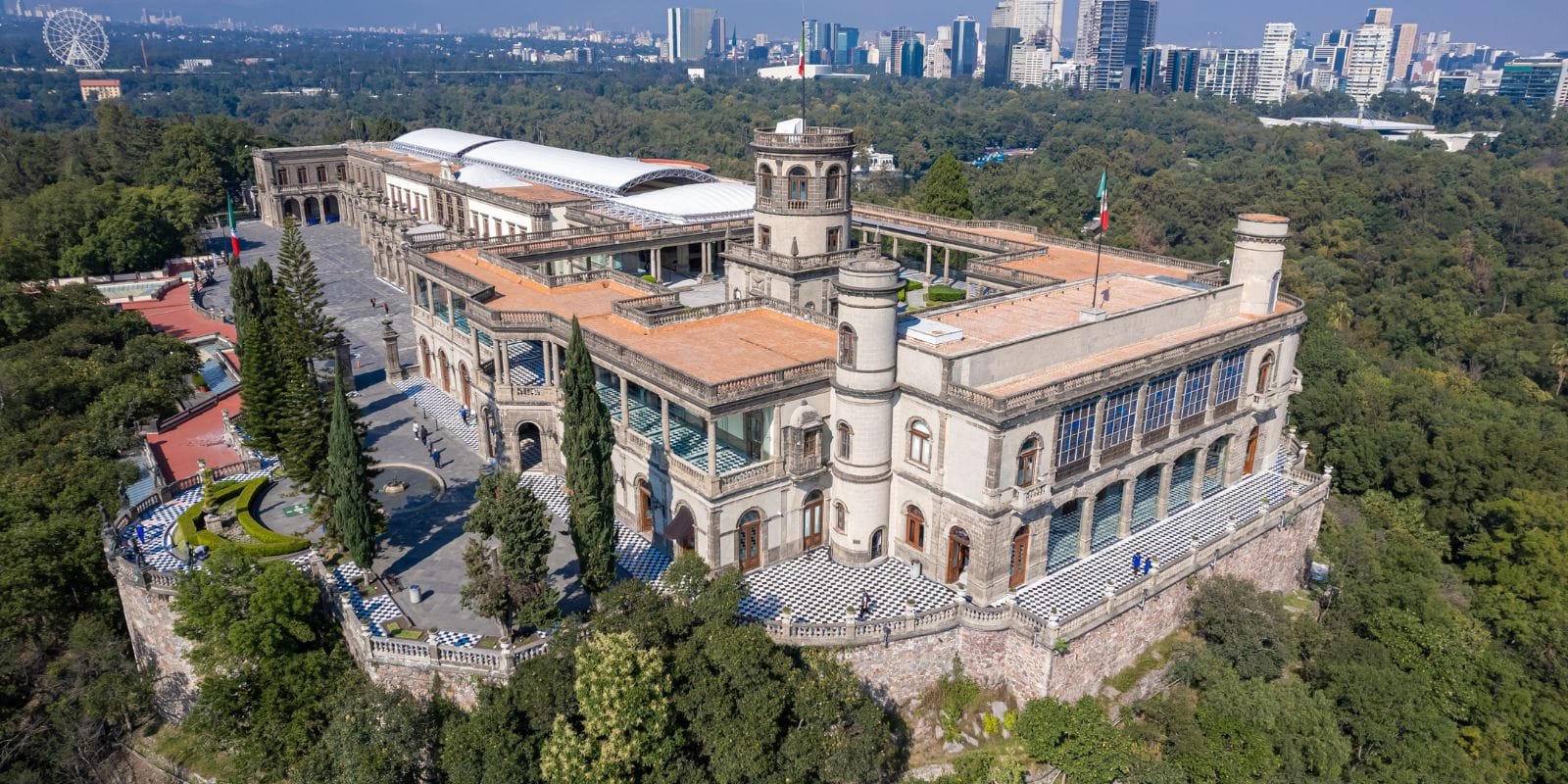
Chapultepec Park is one of the largest urban parks in the world. Within it stands Chapultepec Castle, a hilltop palace surrounded by gardens and museums. Climb up for panoramic views of the skyline. The park also houses the Museum of Anthropology and several lakes where locals rent boats on weekends. It’s a beautiful place to spend half a day exploring or relaxing.
Frida Kahlo Museum and Coyoacán Walk
The Frida Kahlo Museum, also known as Casa Azul, is located in the artist’s former home. It contains personal items, artwork, and photographs that capture her life and work. After your visit, walk through Coyoacán’s cobbled streets, browse craft markets, and stop in a plaza cafe. You can enjoy a full day of cultural and local experiences.
Biblioteca Vasconcelos and Modern Architecture
Biblioteca Vasconcelos is a striking contemporary library north of the center, famous for its open steel structure and hanging bookshelves. It’s often included in architecture tours because it represents the modern side of the city. You’ll find similar innovation in buildings like the Soumaya Museum and Torre Reforma.
Lucha Libre Night
Lucha Libre is one of the most entertaining activities in Mexico City. The wrestling shows mix sport and performance in a colorful way. Matches are loud, fast, and full of energy. Buy tickets in advance for Arena Mexico, arrive early, and don’t forget to try snacks sold at your seat. It’s a local favorite and one of the most memorable fun things to do in Mexico City.
Sample Itineraries for Mexico City
No matter how many days you plan for Mexico City, make sure to enjoy every place you visit, and don’t rush anything.
Perfect 2 Days
Day 1: Explore the Centro Histórico, visit the cathedral and Palacio de Bellas Artes, then have dinner in Roma or Condesa.
Day 2: Spend the morning at Chapultepec Park and Castle, visit a museum in Polanco, and enjoy a rooftop bar in the evening.
3 Days – Add Coyoacán and Xochimilco
On Day 3, take a trip to Coyoacán for the Frida Kahlo Museum, then visit Xochimilco’s canals. Ride a colorful boat, listen to mariachi bands, and enjoy snacks from floating vendors.
4–5 Days – More Time for Neighborhoods and Markets
With extra days, explore more of Roma and Condesa. Spend a morning at Mercado de Medellín or La Merced, or take a walking tour of Polanco’s galleries. Allow time to rest in cafes and enjoy slow afternoons.
Day Trips from Mexico City
Mexico City offers a plethora of activities, but it is also home to some breathtaking attractions easily accessible from the city.
Teotihuacán Pyramids
The ancient city of Teotihuacán lies about an hour away and is one of the top Mexico City. The site includes the Pyramids of the Sun and Moon and long avenues lined with ruins. Go early to avoid crowds and bring water and sunscreen. You can visit on your own or with an organized tour.
Puebla and Cholula
Puebla and nearby Cholula make another easy day trip. Puebla is known for its colonial center and culinary traditions, while Cholula features a pyramid topped by a church with views of the volcano. Both towns offer a calmer atmosphere and excellent regional food.
Practical Tips
In addition to the attractions in Mexico City, it’s also important to stay connected, pack smartly, and learn about the culture before you travel.
eSIM and Mobile Data
A Mexico eSIM or eSIM Mexico City plan keeps you online from the moment you land. Choose a provider with strong coverage, such as Jetpac, which connects to major local networks. Install it before you travel, then activate data once you arrive. Having reliable data makes it easier to find restaurants, check maps, and call rides without paying roaming fees.
Packing for Altitude and Rain
Mexico City sits over 2,000 meters above sea level. The air is thinner, so walk at an easy pace, drink plenty of water, and avoid overexertion on your first day. Bring light layers, a rain jacket, and good walking shoes. Streets can be uneven, and sudden showers are common in summer. Make sure to pack a small umbrella and a reusable water bottle.
Etiquette – Reservations, Mealtimes, and Lines
Locals eat later than many visitors expect. Lunch often starts around 2 p.m., and dinner after 8 p.m. Book tables at popular restaurants ahead, especially on weekends. Wait patiently in lines and greet people politely. Be courteous in markets and avoid haggling too aggressively.
Maps and Basic Spanish
Learn a few words before you arrive: hola (hello), gracias (thank you), and la cuenta (the bill). Keep an offline map on your phone or a paper one in your bag. Mark your hotel so you can show drivers the address if needed. Having a map and simple Spanish phrases makes travel to Mexico City smoother and more independent.
Why Jetpac eSIM Is Your Smart Choice for Mexico City Travel
Are you planning your trip, but worried about how to avoid roaming charges? Jetpac eSIM for Mexico is one of the best ways to stay connected while you travel to Mexico City, but you don’t want to pay for roaming. Instead of searching for a local SIM or paying high roaming rates, you can set it up before you leave home and have data as soon as you land. It connects through reliable local networks, giving you strong coverage across the city, from the busy streets of Roma and Condesa to day trips out toward Teotihuacán.
The process of setting up a Jetpac eSIM Mexico is simple. You buy it online, scan the QR code that comes by email, and activate it when you arrive. Within minutes, you can open maps, order a ride, or translate a menu without looking for Wi-Fi. The plan options are flexible, with affordable data packages that suit short visits or longer stays.
A Jetpac Mexico eSIM works especially well for travelers who rely on navigation apps, restaurant searches, and quick messages. It saves time, avoids surprise roaming charges, and keeps your phone connected wherever you go. Among the best eSIM options for Mexico, Jetpac stands out for coverage, speed, and ease of use. For anyone following this Mexico City travel guide, it’s a simple upgrade that makes the entire trip smoother from start to finish.
FAQs
Can US citizens travel to Mexico City?
Yes. US citizens can visit Mexico City with a valid passport for stays of up to 180 days. No visa is required for tourism.
How many days is enough for Mexico City?
Three full days let you comfortably cover the major highlights. Add one or two more if you plan to explore Coyoacán or Xochimilco, or to take day trips.
Is $100 US dollars a lot in Mexico?
It’s a moderate daily budget for mid-range travel. It covers a hotel, local meals, and transportation. Spending less is possible if you eat from local markets.
Is Mexico City walkable?
Many districts are very walkable. Roma, Condesa, Polanco, and the Centro Histórico are easy to explore on foot. Use the metro or rideshare for longer distances.
What’s the best way to get around Mexico City?
Use the metro or rideshare apps for convenience. Walking between nearby neighborhoods works well. Traffic is unpredictable, so plan some extra time to reach everywhere on time.
What’s Mexico City famous for?
Mexico City is known for its museums, street food, art, history, and mix of colonial and modern architecture. It’s also one of the top destinations for cultural travel in Latin America.
If you’ve been looking for an answer to “what to do in Mexico City”, this guide is a good start. It highlights tourist activities in Mexico City and how you can explore them with a Jetpac eSIM.
Before your trip, take a moment to read a few fun facts about Mexico. They’ll give you a better sense of the country’s history, culture, and everyday life. Once you arrive, you’ll recognize those details in the food, architecture, and people that make the city unforgettable.