New Zealand South Island Road Trip Guide: 7 & 14 Days Itinerary
A New Zealand South Island road trip feels very different with 7 or 14 days. One week covers the main highlights with steady driving, while two weeks allow a slower pace, weather flexibility, and deeper stops. The route stays similar, but the experience changes with time.
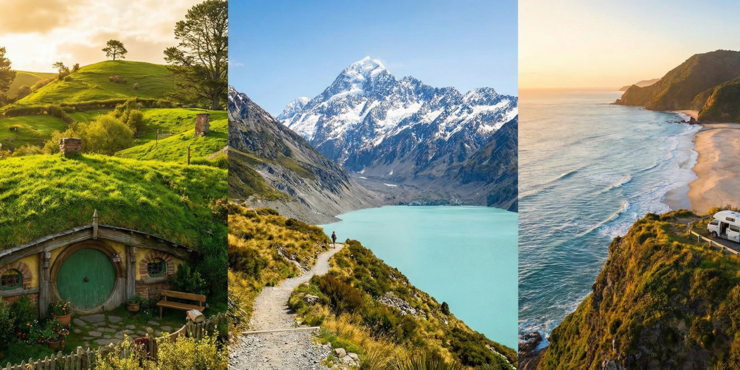
Most people land in New Zealand thinking they will “just drive a bit” and see what happens. By the second day on the South Island, they realize how wrong that was. Roads twist through valleys where every bend looks like a postcard. Lakes change color depending on the light. You stop more than you plan, and you start worrying about what you might miss next.
That is the quiet tension of a South Island road trip. Seven days feels exciting but slightly rushed, like skimming the surface of something big. Fourteen days lets you chase clear skies, wait out rain, and stay longer when a place pulls you in. The difference between the two is not just time, but how the island feels while you move through it.
With long stretches between towns and scenery that constantly tempts you to stop, staying connected matters. An international eSIM like Jetpac makes it easier to check routes, confirm bookings, and adjust plans as the road unfolds.
Choose Your Route: 7 vs 14 Days
Choosing between 7 and 14 days shapes the entire feel of your South Island road trip. It is less about ticking places off and more about how rushed or relaxed you want your days to feel.
Seven days suits travelers who like momentum. You wake up, pack quickly, drive, stop often, and move on. You will see the big names like Lake Tekapo, Mount Cook, Wanaka, Queenstown, and Milford Sound, but most stays are one night. Weather matters more here. If rain rolls in on the wrong day, you keep going anyway.
Fourteen days gives you room to breathe. You can stay two nights in places that feel good. You can wake up to rain and decide to wait it out. Short walks become longer ones. Evenings slow down, with time for proper meals instead of quick bites.
If long driving days tire you out, lean toward 14 days. If you enjoy full days on the road and are happy with highlights over depth, 7 days works well. Either way, the route stays mostly the same. The difference is how much space you give the island to surprise you.
The 7 Day South Island Itinerary
This route is built for travelers who want the strongest highlights without wasting time backtracking. Days are full but realistic, with enough stops to enjoy the scenery without turning every drive into a rush.
✅ Day 1: Christchurch to Lake Tekapo - Leaving Christchurch, the city fades quickly into open farmland. The drive is easy and sets the tone for the trip. Lake Tekapo appears suddenly, bright blue even on cloudy days. Walk along the shore, visit the small church, and end the evening with something warm to eat. Nights here are cold and quiet.
✅ Day 2: Lake Tekapo to Mount Cook - This is a short drive, but one of the most scenic. Lake Pukaki stretches out with Mount Cook rising at the end of the road. Spend the afternoon on the Hooker Valley Track, where glacial water rushes under swing bridges. The weather, can change fast, so layers matter.
✅ Day 3: Mount Cook to Wanaka - The road passes through wide valleys and long lakes. Wanaka feels relaxed compared to earlier stops. Sit by the lake, watch the light change on the mountains, and enjoy an easy dinner in town.
✅ Day 4: Wanaka to Queenstown - Cross the Crown Range, the highest sealed road in the country. The drive is narrow but rewarding. Queenstown feels lively after smaller towns, with music, people, and lake views everywhere.
✅ Day 5: Queenstown to Milford Sound and back - Start early. The drive is long, but the scenery builds slowly from lakes to deep valleys. Rain is common and makes the waterfalls stronger. Take a cruise, then return late.
Day 6: Queenstown - Keep this day flexible. Walk by the lake, ride the gondola, or rest. After several driving days, slowing down helps.
✅ Day 7: Departure or short extension - Fly out of Queenstown or add a short trip to Arrowtown for a calmer finish before leaving.
The 14 Day South Island Itinerary
This version keeps the same backbone as the 7-day route but slows everything down. You drive fewer hours each day and stay longer where it matters. It feels less like a checklist and more like settling into the rhythm of the island.
✅ Days 1 and 2: Christchurch - Use the first day to recover from travel. Walk along the river, visit the Botanic Gardens, and get used to driving on the left. The second day works well for picking up supplies and easing into the trip.
✅ Days 3 and 4: Lake Tekapo and Mount Cook - Stay two nights in this region. One clear morning can make the entire trip. Walk around the lake, soak in hot pools, and head to Mount Cook for short hikes. Evenings are quiet and cold.
✅ Days 5 and 6: Wanaka - Wanaka suits a slower pace. Sleep in, walk along the lake, and choose one good hike if the weather allows. If the Roy'sskies are clear, Roy's Peak is worth the early start.
✅ Days 7 and 8: Queenstown - Two nights here break up the driving. One day can be active, the next can be slow. This buffer also helps if weather delays earlier plans.
✅ Day 9: Te Anau - Drive to Te Anau and settle in. The lakefront is calm, and the town feels less busy than Queenstown. It makes the Milford Sound trip easier.
✅ Day 10: Milford Sound - Leave early and take your time. Stop often. The drive itself is part of the experience. Return to Te Anau before dark.
✅ Days 11 and 12: The Catlins Coast - This is where crowds thin out. Expect rougher roads, strong winds, waterfalls, and empty beaches. Wildlife sightings are common if you move slowly.
✅ Days 13 and 14: Dunedin or return south - End in Dunedin for historic streets and coastal walks, or loop back toward Queenstown, depending on your flights.
6 Must-See Stops You Should Not Skip
These stops sit naturally along the main routes and give the biggest return for the time you spend driving. They are not just famous names but places that show how varied the South Island really is.
#1. Lake Tekapo - The color of the water feels unreal, especially when the sun breaks through clouds. Even a short stop works here. Walk the shoreline, visit the small church, and stay until sunset if you can.
#2. Aoraki Mount Cook National Park - This is where the landscape shifts from rolling hills to raw alpine terrain. The Hooker Valley Track is flat and accessible, with glaciers, rivers, and constant mountain views.
#3. Lake Pukaki Lookouts - Pull over when you see them. The lake often glows pale blue, and Mount Cook appears at the far end on clear days. It is one of the most photographed stretches for a reason.
#4. Wanaka Lakefront - Simple and calm. The walking path along the water is perfect after long drives. Early mornings are especially quiet.
#5. Crown Range Road - This drive between Wanaka and Queenstown is slow but rewarding. Stop at the lookout near the top for wide views before descending.
#6. Milford Road - More than just a way to reach the sound. Short walks, mirror lakes, and steep valleys make this drive feel like a highlight on its own.
Each of these fits cleanly into both the 7 and 14-day plans, so you are never going out of your way just to chase a photo.
Drive Times, Road Rules, and What Surprises First Timers
Driving in the South Island looks simple on paper, but the reality is different. Roads are narrow, often winding, and the scenery slows you down. A three-hour drive usually becomes four once you add stops and photo breaks.
Most highways are single-lane each way. Passing lanes are limited, so expect to follow slower traffic at times. Locals are patient, but it is normal to pull over briefly and let cars pass when safe.
Fuel stations can be far apart, especially once you leave larger towns. It is smart to top up whenever you see one, even if the tank is half full. Food options thin out, too, so carrying snacks helps.
The weather is the biggest surprise. Rain, fog, and snow can appear quickly, even in summer. Always check conditions before long drives, particularly the Milford Road and mountain passes.
Drive on the left, take breaks often, and avoid night driving where possible. Wildlife, sharp curves, and limited lighting make dark roads tiring for first-timers.
What to Book and Pack
A South Island road trip works best when a few key things are locked in early, and the rest stays flexible. Overbooking can make the trip feel tight. Underbooking can leave you scrambling.
Start with accommodation in smaller towns like Lake Tekapo, Mount Cook, and Te Anau. These places have limited options and fill fast in peak season. Rental cars should also be booked early, especially if you want an automatic. Milford Sound cruises are the one activity worth reserving in advance, since timeslots disappear quickly.
Packing is about layers and simplicity. Mornings can be icy, afternoons warm, and evenings cold again. A light down jacket, a rain shell, and comfortable walking shoes cover most situations. Add sunglasses, sunscreen, and a reusable water bottle. Even on cool days, the sun is strong.
For the car, bring road trip snacks that do not melt or crumble. Nuts, fruit, jerky, crackers, and muesli bars travel well. Keep a small day pack handy so you can stop for short walks without digging through luggage.
Before long drives really settle in, there is one practical detail that shapes how smooth the trip feels. The South Island rewards flexibility, but flexibility depends on staying informed. Weather shifts, road updates, booking changes, and last-minute stops all happen on the go. When plans live inside your phone, reliable connectivity becomes part of the road trip, not an afterthought.
Why Smoother Connectivity Matters on a South Island Road Trip
Driving through the South Island often means long stretches with no towns, no cafes, and no clear landmarks. Plans change quickly here. A road closes because of the weather. You stop earlier than expected because a lake looks too good to pass. Having reliable internet makes these moments easier, whether you are checking alternate routes, confirming accommodation, or letting someone know you will arrive late.
The problem is that traditional telco roaming rarely works in your favor. Roaming charges add up fast, data limits disappear without warning, and bill shock usually comes after the trip is over. In remote areas, a single network can drop out completely, leaving maps frozen right when you need them most.
Good connectivity does not change the scenery, but it removes friction, letting the road trip flow the way it should.
FAQs
Is 7 days enough for a New Zealand South Island road trip?
Yes, if you focus on one core route and keep detours limited. Expect a highlights-focused pace with several full driving days.
How many days do you need for the South Island to feel relaxed?
Fourteen days allows a slower rhythm with extra nights and flexibility for the weather. It also reduces long back-to-back drives.
Do you need to book Milford Sound in advance?
Yes, especially in peak season when cruise slots fill quickly. Booking early also helps structure the longest driving day.
Is it better to do a loop or one way road trip?
A one-way trip usually saves time and avoids repeat driving. A loop works better if you have 14 days and flexible flights.
What are the best road trip snacks for long drives?
Low mess options like nuts, fruit, jerky, crackers, and muesli bars work best. Always carry water for remote stretches.
What is the best eSIM for New Zealand on a road trip?
Choose an eSIM with strong nationwide coverage and enough data for maps and bookings. Offline maps help when the signal drops in remote areas.
Disclaimer
Prices, distances, and travel details are based on publicly available information at the time of writing and can change without notice. Budgets mentioned reflect rough mid-range estimates and may vary depending on season, availability, and travel style.
This content is for educational purposes only and does not guarantee availability, pricing, or road conditions. Connectivity coverage can vary by location, terrain, and third-party network performance. Jetpac is not responsible for network variations or changes in external services. Always verify the latest information, bookings, and conditions before your trip.