20 Best Places to Travel in Europe (Top European Cities to Visit)
Europe's best cities range from iconic to quietly extraordinary. The best places to visit in Europe reward travelers who go beyond the obvious list, spend time in the neighborhoods rather than just the sites, and give each place at least two full days to reveal itself properly.
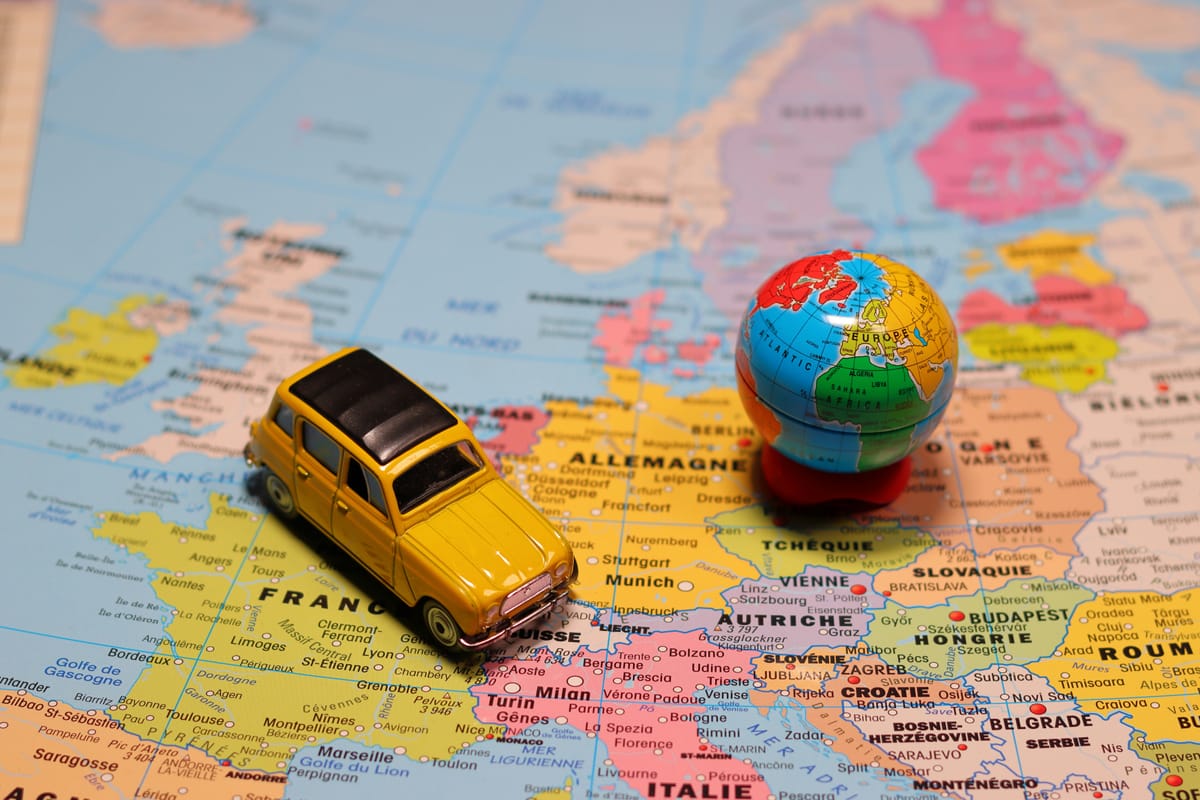
The best places to visit in Europe span everything from cities that have been drawing travelers for centuries to quieter corners that most people walk past on their way somewhere more famous. Europe rewards both kinds of traveler equally, provided you know where to look.
This blog covers 20 of the best cities to visit in Europe, organized across three tiers: the icons that earn their reputation, the beloved cities worth braving the crowds for, and the underrated destinations that consistently surprise people who finally make the trip. Whether you are planning your first European adventure or your tenth, this list gives you an honest, grounded picture of what each place actually delivers.
One practical thing to sort early is connectivity. A reliable eSIM for Europe helps you stay online for maps, train changes, tickets, and last-minute plans as you move between countries, without dealing with SIM swaps at each border.

The Icons: 7 Cities Most Travelers Build Trips Around
These are the best European countries to visit and cities within them that define the continent's global reputation. They are busy for good reason. Every single one delivers.
1. Paris, France
Paris is the most visited city in Europe and one of the most visited in the world, drawing around 44 million tourists annually. The Louvre, Eiffel Tower, Notre-Dame, and Musée d’Orsay are the headline names, but the real Paris is the in-between. A warm baguette on the walk back to your hotel. A long lunch in the 11th, where nobody is trying to rush you out. The Marais on a slow afternoon, when you are not “sightseeing” anymore, you are just living in the city.
If you want one of the best places to visit in Europe that works for first-timers and repeat travelers equally, Paris is it.
For a curated list of neighborhoods, landmarks, and hidden gems, explore the Best Places to Visit in Paris to plan your itinerary more effectively.
Insider note: Visit major museums on the first Sunday of the month when many offer free entry. Book the Louvre and Eiffel Tower tickets weeks in advance.
2. Rome, Italy
Rome is one of the most amazing European cities precisely because it layers 3,000 years of history across a functioning, living city without treating any of it as a museum piece. The Pantheon has been in continuous use since 125 AD. The Colosseum sits beside a metro stop. Cats sleep on ruins in the Forum.
The food in Rome is specific and seriously good. Cacio e pepe, carbonara, supplì, artichokes alla giudia in the Jewish Quarter. These are not tourist versions of Italian food. They are the real thing, and finding them requires nothing more than walking one street back from the main tourist drag.
If you're planning your stay, read How Many Days Do You Need in Rome to structure your itinerary efficiently.
Practical note: Book the Colosseum and Vatican Museums at least two weeks in advance. Arrive at the Trevi Fountain before 8 am for photographs without crowds.
3. Barcelona, Spain
Barcelona is one of the best cities to visit in Europe for the combination it delivers: beach, architecture, food, nightlife, and culture within a single, walkable city. Gaudí's Sagrada Família is still under construction after 140 years and remains the most visited paid monument in Spain. Park Güell, Casa Batlló, and La Pedrera complete a portfolio of architectural work that exists nowhere else on earth.
The neighborhoods tell different stories. The Gothic Quarter is medieval and dense. Gràcia is bohemian and residential. Barceloneta is beach-facing and informal. Poble Sec and Sant Antoni have the best independent restaurants. June brings Primavera Sound and Sónar.
August brings the heat and the volumes. For a curated itinerary, explore the top Things to Do in Barcelona before your trip.
Make it easier on yourself: Book Sagrada Família at least three weeks in advance. Avoid La Boqueria market at peak hours and shop at Mercat de Santa Caterina instead.
4. Amsterdam, Netherlands
Amsterdam is one of the top places to visit in Europe for the way it combines world-class museums, extraordinary canal architecture, and a cycling culture that makes the city feel like it was designed for unhurried exploration. The Rijksmuseum holds Rembrandt and Vermeer. The Van Gogh Museum is the most visited in the Netherlands. The Anne Frank House requires booking months in advance.
But Amsterdam works just as well without a single museum. Renting a bike and following the canals through Jordaan, stopping for stroopwafels at a market, and finding a brown café for an afternoon beer. The city operates at a pace that accommodates any kind of traveler.
For a curated list of highlights and local experiences, explore the Must-Do Things in Amsterdam before planning your itinerary.
Practical note: Book the Anne Frank House online months ahead. It sells out consistently. Avoid hiring a bike on weekends if you are not a confident urban cyclist.
5. Prague, Czech Republic
Prague feels like the Europe people imagine before they ever visit. The old town survived with its medieval texture intact, and you can feel it when you walk. Charles Bridge at sunrise is worth the early alarm because it is one of those rare tourist moments that still feels quiet and personal.
It is also one of the best-value top places to visit in Europe. You can eat well, stay central, and still spend less than you would in Western capitals.
A simple upgrade: Stay outside the Old Town in Vinohrady or Karlín for better prices and a more local rhythm, then walk or tram in.
6. Vienna, Austria
Vienna operates at a level of cultural seriousness that is unlike any other city in Europe. The Kunsthistorisches Museum, the Vienna State Opera, the Belvedere Palace, and the MuseumsQuartier make it one of the most concentrated cultural capitals on earth. Klimt's The Kiss sits in the Belvedere and draws people from every country who have only ever seen it reproduced.
The coffee house culture here is UNESCO-listed as an intangible cultural heritage. Sitting in a Viennese café with a Melange and a slice of Sachertorte for an entire afternoon is not laziness. It is doing exactly what the city was designed for. Vienna also connects easily by train to Prague, Budapest, and Salzburg, making it an excellent hub for Central European travel.
Practical note: The Vienna City Card covers public transport and offers museum discounts. Buy it on arrival at the airport.
7. Lisbon, Portugal
Lisbon is sunshine, steep streets, and a pace that makes you slow down without forcing it. You can do viewpoints, trams, and tile-covered streets, but the moments people remember are simple: a pastel de nata still warm, grilled seafood that costs less than it should, and that golden late-afternoon light bouncing off the Tagus.
Portugal is one of the best European countries to visit for warmth, value, and genuine friendliness, which is why it keeps showing up in “most loved” lists.
Practical note: Take tram 28 for the route, but walk the same streets at a different time of day to actually experience them.
The Beloved But Busy: 7 Cities Worth Every Crowd
These are popular European countries and cities that pull crowds because they deliver. The trick is not avoiding tourists. It is timing your days so the place still feels like yours.
8. Dubrovnik, Croatia
Dubrovnik’s old city is almost unreal: stone walls, limestone streets, and Adriatic water that looks filtered. It is stunning even when it is busy, but it becomes magical early morning when the cruise day-trippers have not arrived yet.
If you want to make it feel less “theme park,” add the nearby region: islands by ferry, oysters and wine on the Pelješac peninsula, or a quieter swim away from the main strip.
Insider tip: May or October gives you the same beauty with breathing room.
9. Budapest, Hungary
Budapest is two personalities in one city. Buda is hills, viewpoints, and calm. Pest is nightlife, markets, and the buzz. The Parliament building at night from the river is one of those views that makes you stop talking mid-sentence.
But the real Budapest memory for most people is the baths. Sitting in warm water while locals play chess next to you is oddly grounding after days of sightseeing.
Practical travel win: Plan one “bath day” where you do less, eat well, and let the city be a vibe, not a checklist.
10. Edinburgh, Scotland
Edinburgh is dramatic in a way few cities are. A castle on volcanic rock, narrow closes, moody light, and a skyline that feels like a storybook. It is also easy for first-time travelers because it is walkable and English-speaking, which lowers friction.
June and September give you the same city without the August Fringe accommodation chaos.
Simple move: Climb Arthur’s Seat on a clear morning, then reward yourself with a slow pub lunch after.
11. Santorini, Greece
Santorini is famous for a reason. The caldera views hit you immediately, and sunset in Oia really is that beautiful, even with the crowd. The mistake is trying to do the whole island like a photoshoot.
Slow it down. Do a winery tasting, eat tomatoes that actually taste like tomatoes, and pick a quieter base.
Better base tip: Imerovigli gives you similar views with fewer people and often better value than Oia.
12. Florence, Italy
Florence is the Renaissance in real life. Uffizi, Accademia, the Duomo, and streets that still feel like they belong to art history. It can be crowded, but it is also compact, which makes it easy to plan smart.
The best Florence days balance “big art” with small pleasures: a leather shop in Oltrarno, a long lunch, then a sunset viewpoint like Piazzale Michelangelo.
Crowd-friendly trick: Book Uffizi and Accademia early, then spend your evenings across the river where it feels calmer.
13. Seville, Spain
Seville is heat, shade, and soul. The Alcázar gardens feel like a dream, the cathedral is enormous, and tapas culture is basically built for travelers. You can eat alone comfortably here because small plates make everything casual.
For many people, Seville becomes their “I did not expect to love it this much” city.
Comfort tip: Visit in spring or early summer so you get the warmth without peak-season extremes.
If your route includes Barcelona or Seville, consider a Spain eSIM to stay connected without roaming surprises.
14. Copenhagen, Denmark
Copenhagen is polished but not stiff. It is design-forward, food-forward, and made for bikes. You can spend the morning in museums, the afternoon at harbor baths, and the evening at Tivoli or a street food market.
It is also one of the pricier picks in this guide, but the quality is real if you plan well.
Budget tip that works: Get the Copenhagen Card if you will do major attractions plus transport over two days.
The underrated: 6 cities most travelers walk past
These are the amazing European cities that people fall for once they stop chasing only the famous names.
15. Porto, Portugal
Porto is Lisbon’s moodier cousin, with steep streets, blue tiles, and river light that makes everything look cinematic. The Ribeira waterfront is lively, but the real Porto charm is in the small moments: a casual wine tasting that turns into an afternoon, a bakery stop, a viewpoint you stumble into.
And yes, the port wine lodges are worth it, even if you are “not a wine person.”
Easy planning tip: Stay near the river for atmosphere, then spend one morning on the quieter side streets when the city is waking up.
16. Ljubljana, Slovenia
Ljubljana is calm in the best way. It is compact, green, and built for walking. The river cafés make the city feel like it is always in a soft weekend mode, even on weekdays.
It also works perfectly as a base because Slovenia is small and gorgeous. Lake Bled is close, and nature is always within reach.
Keep it simple: Take the castle funicular once, then spend the rest of your day just wandering without an agenda.
17. Kotor, Montenegro
Kotor looks like a medieval postcard dropped into a dramatic mountain bay. The old town is small but atmospheric, and the fortress hike above it is the “wow” moment that stays with you. Every switchback gives you a bigger view until the bay looks unreal.
This is one of the best-value corners in the region, especially outside peak summer.
Small tip: Start the fortress climb early and bring water, then treat yourself to a slow seafood lunch after.
18. Bologna, Italy
Bologna is where you go when you want Italy to taste real. The food here is serious, rich, and proudly local. The city also feels lived-in, thanks to the university energy and the endless covered porticos that make wandering comfortable in any weather.
It is also perfectly placed for day trips to Florence, Venice, and beyond without paying Florence prices.
Simple move: Base here if you want Italy’s culture without constant crowds, then day trip to the heavy-hitters.
19. Ghent, Belgium
Ghent has medieval beauty without the “tourist-only” vibe that can happen in smaller, famous towns. The canals, the castle, the dramatic old center, it is all there, but the city still feels like it belongs to locals.
It is a university city, so the food and nightlife feel more real and less staged.
Good pairing: Do Bruges as a day trip, then come back to Ghent for dinner, where it feels less crowded.
20. Tallinn, Estonia
Tallinn’s old town is one of the best-preserved medieval centers in Northern Europe. The streets feel like they were designed for slow walking, and at dusk, the city gets this quiet, Baltic mood that is hard to describe until you see it.
What makes Tallinn extra interesting is the contrast: medieval walls outside, modern digital culture inside.
Small tip: Walk the walls near sunset, then find a cozy spot for dinner away from the main square for better value.
General Budget Overview
Staying Connected Across Europe
Moving between multiple European countries means crossing networks, switching cities, and relying on your phone for maps, transport bookings, translation, and communication throughout. The best eSIM for Europe, like Jetpac, removes the connectivity friction from all of it.
FAQs
What’s the best country in Europe to visit?
Italy and Portugal are often the strongest answers for first-time travelers. Italy delivers unmatched art, history, architecture, and food. Portugal is warm, affordable by Western European standards, and consistently welcoming, which makes it one of the best European countries to visit for an easier first trip.
Where is the prettiest place in Europe?
Santorini is one of the most widely cited “prettiest” spots thanks to its caldera views and iconic white architecture. For city beauty, Prague and Dubrovnik are frequently called the most visually striking. For landscapes, the Dolomites and Plitvice Lakes are classic picks.
What is the #1 tourist spot in Europe?
Paris landmarks like the Eiffel Tower are often cited among Europe’s most visited attractions. In practice, the “number one” spot depends on how you count (city vs monument vs museum), but Paris usually tops the list of the most visited European city destinations.
What are the 10 most beautiful cities in Europe?
A commonly loved mix is Prague, Paris, Florence, Dubrovnik, Vienna, Amsterdam, Lisbon, Edinburgh, Porto, and Tallinn. Each has strong street-level beauty, architectural coherence, and an atmosphere that feels memorable even without a big itinerary.
Which European countries are nicest to tourists?
Portugal, Ireland, Spain, and Croatia are often described as especially tourist-friendly because they are easy to navigate and generally welcoming. Slovenia and the Baltic states also tend to feel approachable and straightforward for first-time visitors.
Where to go for a 3-day trip to Europe?
Choose one compact city so you do not spend your trip packing and unpacking. Lisbon, Prague, Budapest, and Amsterdam are strong three-day picks because they are walkable, high on atmosphere, and easy to enjoy without rushing.
Which is the cheapest country in Europe to visit?
Albania is often one of the cheapest European countries to visit, with strong value for food, accommodation, and coastlines. In Central and Eastern Europe, Poland, Hungary, Romania, and the Czech Republic usually deliver the best affordability-to-experience ratio.
Disclaimer
Visitor figures, cost estimates, and destination information in this blog are based on publicly available data and travel industry averages at the time of writing. Actual costs will vary based on travel season, accommodation style, and personal spending habits. Attraction availability, opening hours, and ticket requirements may change. Jetpac is not responsible for network variations or third-party data accuracy. Mention of any destination, product, or service does not constitute an endorsement. Always verify current travel advisories and entry requirements before booking.