
Portable Wi-Fi for Travel: Avoid Roaming Fees Easily
Discover the 15 best places to travel in Europe in December, from snowy Alps to sunny islands, festive Christmas markets, and cozy winter escapes.
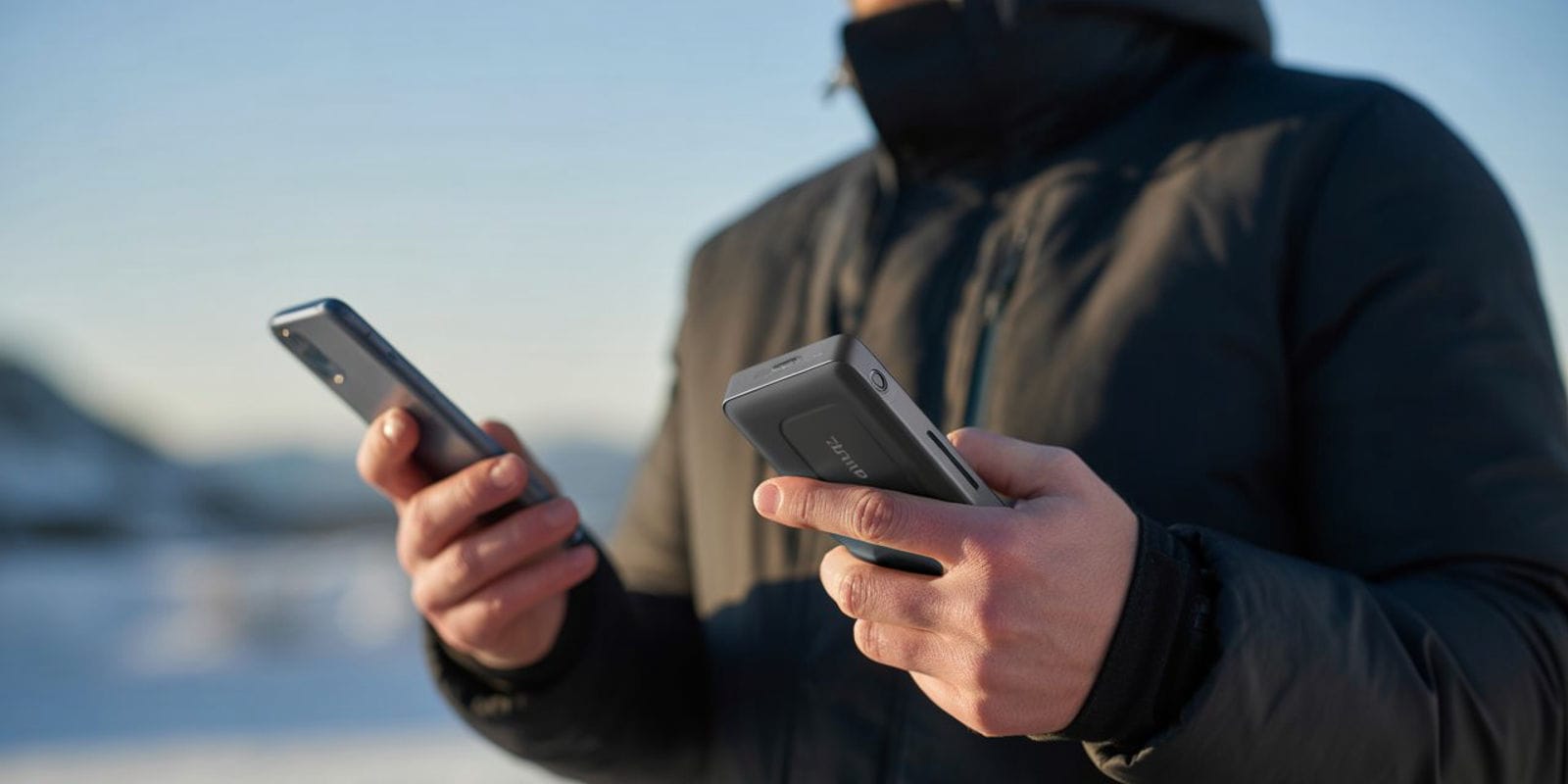
A portable Wi-Fi for travel is a small, rechargeable device that connects to local 4G or 5G networks and shares internet with multiple devices. Prices range from USD 80–300 for purchase or USD 8–12 per day for rentals. It’s ideal for travelers, families, and remote workers who want secure internet abroad without roaming fees. Alternatives like the Jetpac eSIM offer instant setup, 200+ country coverage, and plans up to 70% cheaper than roaming.
Staying connected while traveling is no longer a luxury; it’s essential. Whether you’re working remotely, navigating new cities, or sharing moments online, reliable internet access keeps your trip smooth and stress-free. A portable Wi-Fi for travel is one of the simplest ways to stay online without worrying about roaming fees or local SIM cards.
Unlike public Wi-Fi, which can be slow and risky, a portable hotspot gives you secure internet wherever you go, perfect for solo travelers, families, and digital nomads. In this blog, we’ll cover what portable Wi-Fi for international travel is, how it works, and the best portable Wi-Fi options, along with smarter alternatives like eSIMs for international travel that make staying connected effortless.
What Is Portable Wi-Fi and How Does It Work?
A portable Wi-Fi for travel (also known as a pocket Wi-Fi or travel hotspot) is a compact device that connects to local mobile networks and broadcasts a private Wi-Fi signal. You can link multiple devices, like your phone, laptop, or tablet, to it simultaneously, just like a home router.
How Does Portable Wi-Fi Work?
It uses a SIM card or built-in virtual SIM technology to connect to 4G or 5G networks in your travel destination. Once powered on, it converts that mobile signal into a secure Wi-Fi network. Simply turn it on, enter the password, and you’re connected, no setup hassle or roaming charges.
Typical Features:
Connects 5–10 devices at once
Offers 4G/5G speeds depending on model and region
Battery life between 8–15 hours
Works globally across multiple carrier networks
It’s a simple plug-and-play option for anyone wondering how portable Wi-Fi works; you carry your own network wherever you go.
7 Benefits of Using a Portable Wi-Fi Hotspot for Travel
A portable Wi-Fi hotspot for travel is one of the most practical tools for staying online abroad. It eliminates the uncertainty of finding reliable internet while keeping your data secure and private. Here’s why travelers and digital nomads prefer it over roaming or public networks:
Avoids roaming fees: Connect through local data networks without incurring international roaming costs.
Secure and private: Unlike public Wi-Fi in hotels or airports, a portable hotspot encrypts your data.
Connect multiple devices: Use the same connection for your phone, laptop, and tablet simultaneously.
Consistent speed: Get steady 4G or 5G speeds across destinations.
Ideal for group travel: One hotspot can serve several users, great for families or business teams.
Works in multiple countries: The best devices support 100+ destinations with automatic network switching.
Easy setup: Turn it on, connect via Wi-Fi, and you’re online instantly.
In short, a portable Wi-Fi for travel offers the flexibility, reliability, and safety needed for both leisure and work trips, with no SIM swapping or complicated setup required.
Portable Wi-Fi for International Travel – Why You Need It
When you’re traveling abroad, staying connected can be tricky, roaming fees are expensive, local SIMs can be confusing, and public Wi-Fi is often unreliable. That’s where a portable Wi-Fi for international travel becomes essential.
It gives you immediate, secure access to the internet from the moment you land, no contracts, no setup, and no searching for a café with Wi-Fi. You can use it to:
Navigate maps and translation apps while exploring new cities
Join remote meetings or upload files without interruption
Stream videos or connect with family back home
Access online banking and secure transactions safely
Unlike hotel Wi-Fi, which can be limited or shared, your portable Wi-Fi hotspot for travel provides a personal connection that travels with you. It’s especially useful for frequent flyers, business travelers, and digital nomads who move between countries.
In short, if you want peace of mind and predictable connectivity abroad, investing in a portable Wi-Fi for international travel is a smart choice.
Best Portable Wi-Fi Devices for Travel
Choosing the best portable Wi-Fi for travel depends on how often you travel, how many devices you connect, and how much data you need. These are the most reliable and traveler-approved devices suited for short trips, business travel, or long-term digital nomad life.
1. Skyroam Solis Lite – Best for Frequent Travelers
A global hotspot that works in 130 + countries with pay-as-you-go data via its app.
Network: 4G LTE coverage worldwide
Battery life: Up to 16 hours
Connections: 10 devices
Price: ~ USD 150 (device) or ~ USD 9/day data pass
Charging: USB-C
Best for: Remote workers and digital nomads
Why it’s great: No SIM needed, instant setup, and strong global connectivity
2. Netgear Nighthawk M1 – Best for Multiple Connections
High-performance router ideal for families or teams that need to connect many devices at once.
Network: 4G LTE Advanced (cat 16) worldwide (5G model available)
Battery life: Up to 24 hours
Connections: 20 devices
Price: ~ USD 270 – 320
Charging: USB-C / fast charge
Best for: Families and remote teams
Why it’s great: Lightning-fast speeds and an Ethernet port for wired access
3. TP-Link M7350 – Best Budget Option
A compact, affordable portable Wi-Fi hotspot for travel with a clear LCD display and reliable 4G speeds.
Network: 4G LTE Cat 4
Battery life: 8 – 10 hours
Connections: 10 devices
Price: ~ USD 80 – 100
Charging: Micro-USB
Best for: Budget travelers and solo nomads
Why it’s great: Simple setup and real-time data monitoring
4. Travel Wi-Fi – Best Pocket Wi-Fi Rental Option
Perfect for short vacations or business trips, with airport pickup and return service.
Network: 4G LTE in 130 + countries
Battery life: 10 – 12 hours
Connections: 5 – 10 devices
Rental Price: ~ USD 8 – 12 per day
Charging: USB-C
Best for: Short-term travelers and tourists
Why it’s great: No purchase needed, rent, use, and return with flexible plans
5. Keepgo Lifetime World Hotspot – Best for Occasional Trips
A prepaid device you own forever, just top up data when you need it.
Network: 4G LTE worldwide
Battery life: Up to 10 hours
Connections: 15 devices
Price: ~ USD 120 (one-time purchase, data sold separately)
Charging: Micro-USB
Best for: Casual travelers and families who travel a few times a year
Why it’s great: No subscription fees and lifetime use
All devices support standard 4G networks and are compatible with most carriers worldwide. Battery life and data performance may vary based on usage and local signal strength.
Portable Wi-Fi vs eSIM: Which Is Better for International Travel?
Both portable Wi-Fi for travel and eSIMs for international travel help you stay connected abroad, but they work in different ways. Choosing between them depends on how you travel and what devices you use.
Key Differences
Setup & Convenience: eSIMs activate instantly on your phone, no extra gadget needed. Portable Wi-Fi devices require charging and carrying, but they work with any device.
Group Use: A portable Wi-Fi hotspot for travel can connect multiple devices, making it ideal for families or teams. eSIMs are best for solo travelers using one phone or laptop.
Cost: eSIMs usually cost less since there are no rental or return fees. Portable Wi-Fi may have daily rental costs or data plan fees.
Hardware: eSIMs are digital and built into your device, while portable Wi-Fi is a physical device that needs maintenance and battery life.
Coverage: Both offer great global coverage, but eSIMs connect faster and automatically switch networks in supported countries.
Which Should You Choose?
Pick portable Wi-Fi for travel if you travel with multiple devices or companions.
Choose an eSIM for international travel if you want a quick, lightweight, and low-maintenance solution.
Frequent travelers often use both an eSIM for everyday use and a portable Wi-Fi as a backup or shared option.
In short, the best eSIM for international travel offers flexibility and simplicity, while the best portable Wi-Fi for travel provides shared, reliable coverage wherever you go.
How to Choose the Right Portable Wi-Fi for Travel
When comparing options, the right portable Wi-Fi for travel should fit your travel style and technical needs, not just price or size.
Device Compatibility: Make sure the hotspot is unlocked and supports international SIMs or data plans. Locked devices may only work with one carrier.
Ease of Setup: Choose models with a companion app or digital dashboard for quick activation and data tracking.
Customer Support & Warranty: Look for global customer service or easy replacements, especially if you travel often.
eSIM Integration: Some newer routers now support built-in eSIM for international travel, removing the need for physical SIMs altogether.
Security Features: WPA2/WPA3 encryption and password protection ensure safe connections on the go.
By focusing on reliability, flexibility, and ease of use, you’ll find the best portable Wi-Fi for travel, a device that keeps you connected effortlessly wherever you go.
Read More:
If you’re planning to explore Australia, from Sydney’s beaches to the Outback, knowing your connectivity options is key. From rental hotspots to instant eSIMs, find out which one suits your travel style best.
👉 Read our blog on Pocket WiFi Australia Guide: Costs, Coverage & Alternatives to stay connected wherever you go down under!
How to Rent or Buy a Pocket Wi-Fi for International Travel
You can either rent or buy a pocket Wi-Fi, depending on how frequently you travel and how long you’ll need it. Each option suits a different type of traveler.
1. Renting a Pocket Wi-Fi
A pocket Wi-Fi rental is ideal for short vacations or business trips. Many services allow you to book online, pick up the device at the airport, or have it delivered to your hotel.
Cost: Usually around USD 8–12 per day.
Ideal for: Travelers needing temporary access without owning a device.
Providers: Travel Wi-Fi, Japan Wireless, and Skyroam rental plans.
Tip: Reserve early during peak travel seasons to ensure availability.
2. Buying a Portable Wi-Fi Device
If you travel regularly, buying is more economical in the long run. The best pocket Wi-Fi for international travel can last several years and works across multiple regions.
Cost: Around USD 80–300, depending on speed and features.
Ideal for: Frequent flyers, digital nomads, and business travelers.
Tip: Choose an unlocked model that supports SIM cards or eSIMs for greater flexibility.
3. Managing Your Data Plans
Once you have your device, activate a regional or global data plan. Most modern routers let you top up online or through their mobile app. Prepaid data options are best for avoiding surprises while abroad.
Whether you rent or buy, a portable Wi-Fi for international travel gives you a dependable internet connection from the moment you land, helping you avoid roaming fees and unreliable public networks.
How Does Portable Wi-Fi Work Abroad?
A portable Wi-Fi for travel works abroad by connecting to local mobile networks in the country you’re visiting. It converts that mobile signal into a secure Wi-Fi network that you can use for your phone, laptop, or tablet, just like a mini router you carry with you.
Here’s how it works in simple steps:
The device automatically connects to a local partner carrier’s 4G or 5G network.
It creates a private Wi-Fi hotspot that you can join with a password.
You can connect multiple devices at once — usually up to 10 or more.
Data usage depends on your selected plan (daily, unlimited, or prepaid).
Most modern portable Wi-Fi hotspots for travel switch between networks automatically, so you stay online while moving between countries. You don’t need a new SIM card or set up each time.
It’s a simple, reliable way to stay connected internationally, especially for travelers who want consistent speed and privacy without relying on public Wi-Fi or roaming.
eSIM for International Travel – A Smarter Alternative
If you prefer a hassle-free way to stay connected without carrying an extra device, an eSIM for international travel is your best choice. The Jetpac eSIM stands out for its simplicity, flexibility, and wide global reach.
With one eSIM covering 200+ destinations, you can set it up once and reuse it for every trip, just top up your data when needed. Jetpac keeps you connected 24/7 by switching between multiple local networks in each country.
It’s 100% prepaid, meaning no hidden fees or unexpected bills, and costs about 70% less than roaming. You can also enjoy unlimited hotspot sharing, so your laptop or travel partner stays connected too. Even when your data runs out, Uber, WhatsApp chat, and Google Maps remain active for free.
Jetpac also offers outgoing voice calls and 5G connectivity in more than 50+ countries, starting at USD 1.99 for five minutes, along with 24/7 customer support via WhatsApp and email.
For frequent travelers, digital nomads, or anyone tired of juggling SIM cards, Jetpac eSIM is the best eSIM for international travel, simple to use, affordable, and always reliable.
Final Thoughts – Stay Connected Without Roaming Fees
Whether you’re exploring new countries, working remotely, or taking short trips, staying online no longer needs to be expensive or complicated. A portable Wi-Fi device for travel keeps you connected across multiple devices, while an eSIM for international travel, such as Jetpac, offers instant setup and global coverage without carrying extra gear.
Both options help you avoid roaming fees and unreliable public networks. Select the option that suits your travel style. For families or group travelers, a portable Wi-Fi hotspot is perfect; for frequent flyers and digital nomads, an eSIM offers unbeatable convenience.
Reliable internet means smoother journeys, easier communication, and more freedom, no matter where you go.
FAQ
What is a portable Wi-Fi for travel, and how does it work?
A portable Wi-Fi for travel is a small, battery-powered device that connects to local mobile networks and creates a private Wi-Fi signal. You can connect your phone, laptop, or tablet to it, just like a home router, for secure internet anywhere.
Is portable Wi-Fi good for international travel?
Yes. A portable Wi-Fi for international travel lets you stay online across countries without switching SIMs or paying roaming fees. It’s great for travelers who want reliable internet for navigation, remote work, or streaming on the go.
What is the best portable Wi-Fi for travel in 2025?
Some of the best portable Wi-Fi for travel devices include the Skyroam Solis Lite, Netgear Nighthawk M1, and TP-Link M7350. Each offers strong coverage, long battery life, and the ability to connect multiple devices.
How much does pocket Wi-Fi rental cost for international trips?
A pocket Wi-Fi rental usually costs around USD 8–12 per day, depending on the provider and data plan. It’s ideal for short trips where you don’t want to buy a device.
What is the best pocket Wi-Fi for international travel?
The Netgear Nighthawk M1 and Skyroam Solis Lite are among the best pocket Wi-Fi for international travel, offering global coverage, high-speed connectivity, and support for multiple devices.
How many devices can connect to a portable Wi-Fi hotspot?
Most portable Wi-Fi hotspots for travel allow 5–10 connections, while premium models like the Netgear Nighthawk can connect up to 20 devices at once.
Can I get portable Wi-Fi without an internet provider?
Yes. You can buy unlocked devices or rent global models that come preloaded with data plans, no local internet provider required.
How does portable Wi-Fi work abroad?
A portable Wi-Fi hotspot for travel automatically connects to local mobile networks in your destination and broadcasts a private Wi-Fi signal for your devices. No SIM swapping or setup is needed.
Which is better for travel, portable Wi-Fi or eSIM?
If you travel with multiple devices, portable Wi-Fi is better. If you prefer simplicity and no extra gear, an eSIM for international travel like Jetpac is the smarter, more flexible choice.
Which is the best eSIM for international travel?
The Jetpac eSIM is one of the best eSIMs for international travel, offering coverage in 200+ destinations, upfront pricing with no roaming fees, unlimited hotspot sharing, and 24/7 support.
Disclaimer
This blog is for informational purposes only and should not be considered financial, legal, or technical advice. All device specifications, pricing, data speeds, and coverage information mentioned are based on publicly available sources and reflect average market rates at the time of writing. Actual prices and performance may vary by location, carrier, and travel date.
Currency conversions and costs referenced in USD are approximate estimates converted from local currencies using the prevailing rates at the time of publication. Readers are encouraged to verify current details directly with service providers before making a purchase or travel decision.
Jetpac is not responsible for any discrepancies, changes, or losses resulting from the use or reliance on the information provided in this article and is not affiliated with or endorsed by any specific Wi-Fi device manufacturer or mobile carrier mentioned herein.