Sakura In Japan: A Complete History Of Cherry Blossoms
From its unique history to its place in modern everyday life, discover everything you need to know about sakura in Japan.
From its unique history to its place in modern everyday life, discover everything you need to know about sakura in Japan.
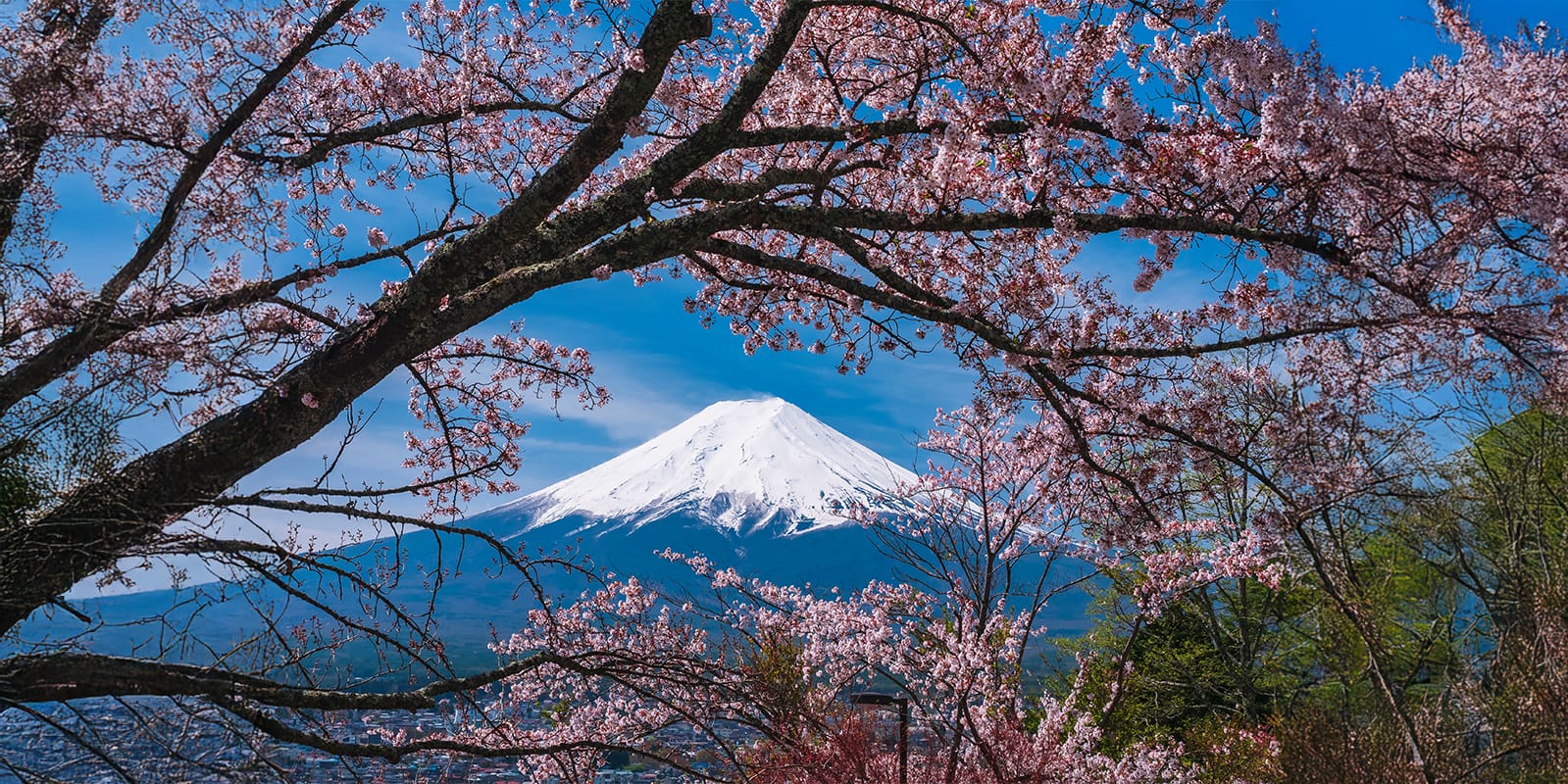
You’ve seen them on Instagram, or if you’re lucky, in person. Sakura, or cherry blossoms, are more than just perfect backdrops for your latest Instagram photo dump. Originally from China, it’s now been an iconic part of Japanese culture for millennia.
Discover the role sakura has played throughout Japan’s history, from harvest rituals to the popularity of hanami (sakura-watching) parties.
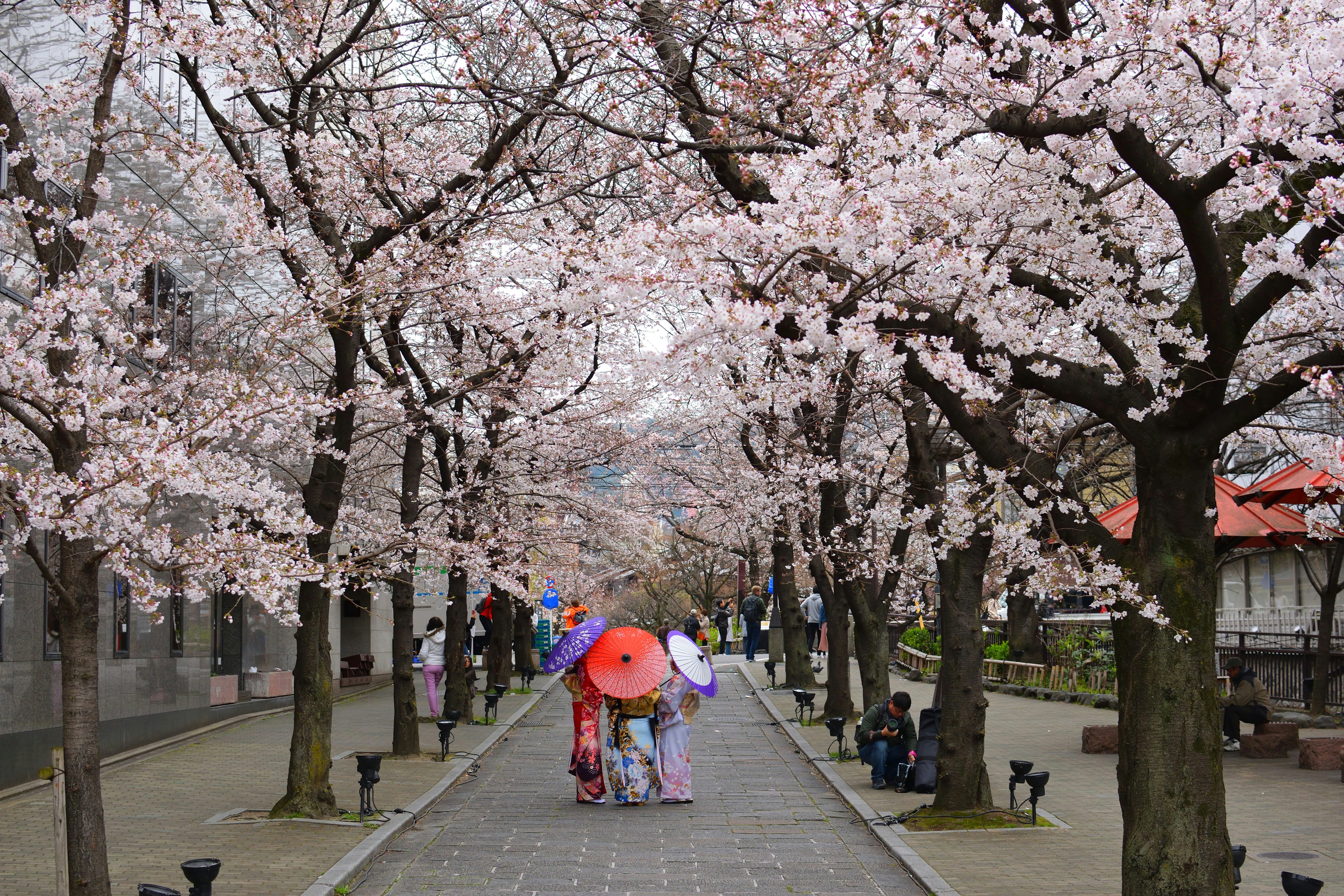
Photo by Pavlo Klein on Unsplash
The Rising Popularity of Sakura in Japan
Cherry blossoms weren't always the superstar they are in Japan today. In ancient Japan, plum blossoms (ume) were actually the flower of choice, imported from China. The earliest hanami (flower viewing) parties were also centered around plum flowers instead of cherry blossoms and were exclusive to the elite.
However, sakura trees started gaining popularity during the Heian period (794-1185), especially among the imperial court. Initially, people believed that sakura trees were home to deities, and they were used in agricultural rituals to pray for good harvests. The trees were seen as markers of the beginning of the rice-planting season and so held significant practical and spiritual value. Stories about them started appearing in literature, like the famous Tale of Genji.
This period saw a shift in aesthetic preference as well. The delicate and ephemeral nature of sakura aligned more closely with the refined sensibilities of the Heian court. It was also during the Heian era that sakura blooms started to be observed and recorded in historical texts.
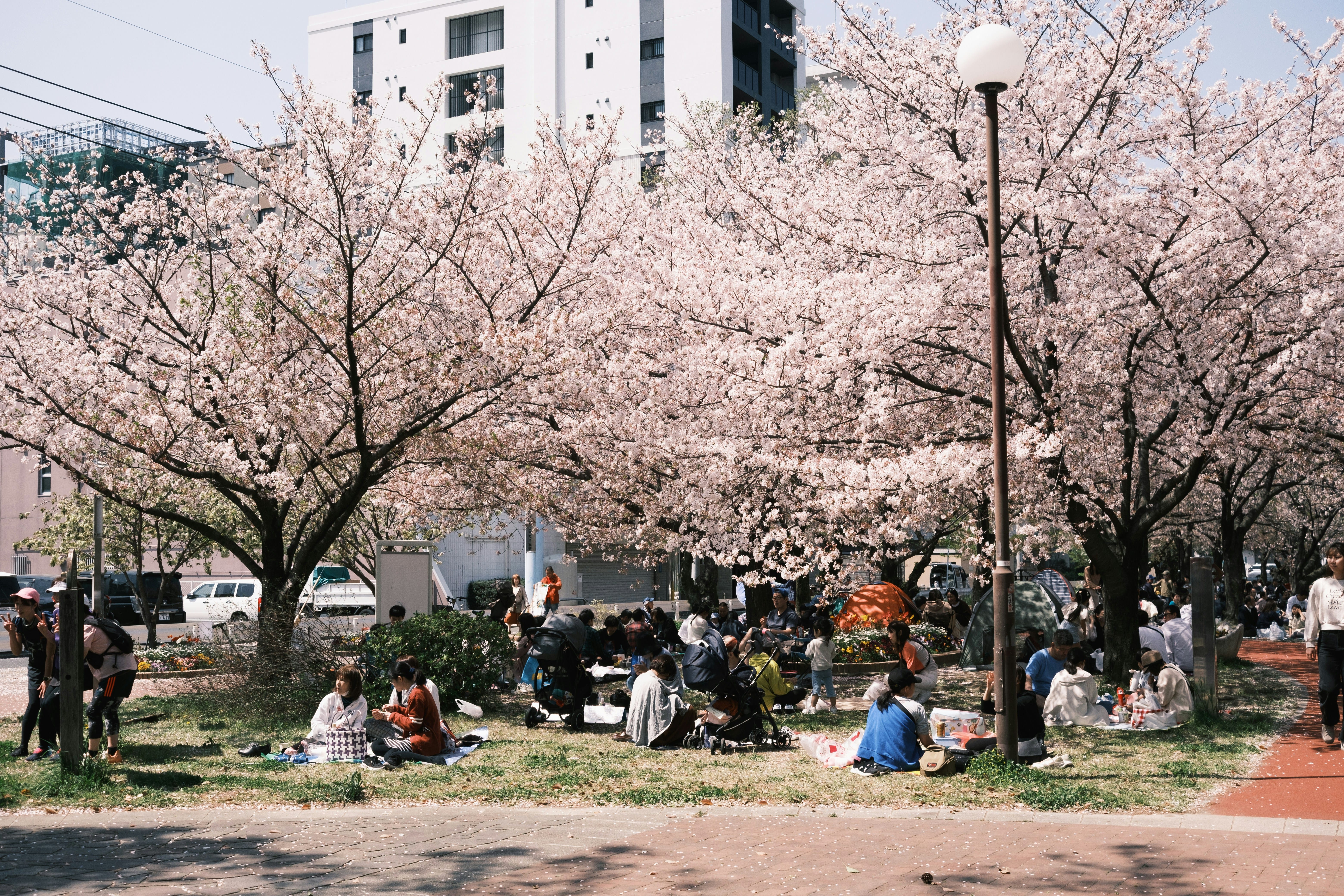
Photo by Nichika Sakurai on Unsplash
The Rise of Sakura and Hanami
Fast forward to the Edo period (1603-1868), and hanami became a full-blown national pastime. The shogun Tokugawa Yoshimune helped precipitate the popularity of hanami by planting cherry blossom trees in public parks, making them accessible to everyone. People from all walks of life started picnicking under the blooming trees, often with sake and snacks. Parks like Ueno in Tokyo, which remain popular today, became central to the hanami tradition.
Hanami became a way to celebrate spring together. It was a time for feasting, drinking sake, and writing poetry. The tradition of picnicking under sakura trees, with its colorful mats and bento boxes, became a beloved ritual that continues today. During this era, specific varieties of sakura were also cultivated, further enhancing the visual spectacle of hanami.
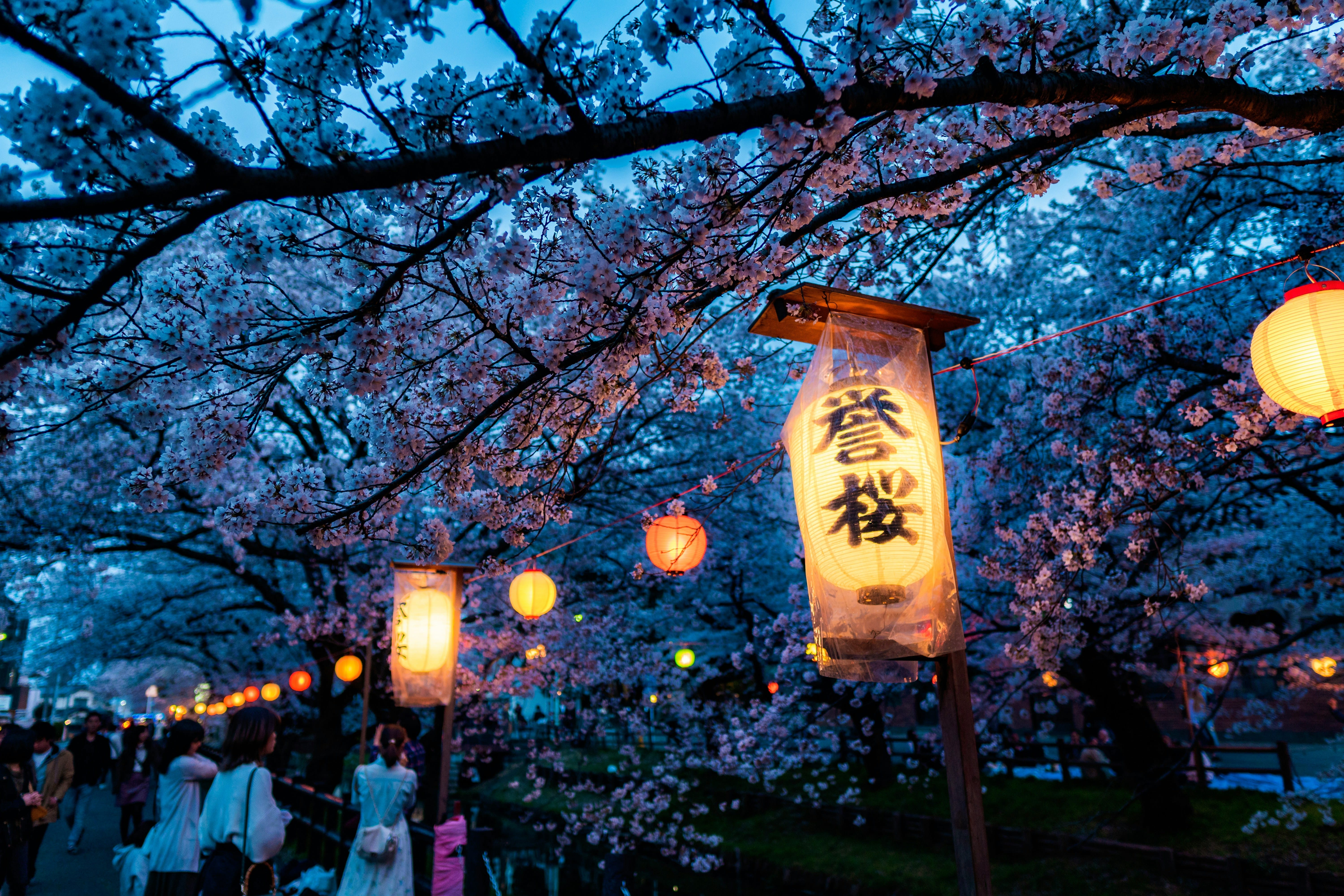
Photo by Zhaoli JIN on Unsplash
Sakura in Symbolism and Culture
Sakura aren't just visually stunning; they carry deep symbolic meaning. Their fleeting beauty represents the ephemeral nature of life, a concept known as "mono no aware." This awareness of impermanence is a core value in Japanese culture, reminding us to appreciate the present moment. The short lifespan of the blossoms serves as a poignant reminder of the transient nature of existence.
Throughout history, sakura have also symbolized various things. It’s been said that it represents the notion of the samurai spirit (bushido). The short-lived but brilliant bloom of sakura is often compared to the samurai's dedication to a life lived with intensity and ending with a noble flourish. As it also marks the start of spring, it also represents renewal and hope. This also extends to the promise of brighter days and a natural cycle of rebirth and the seasons changing.
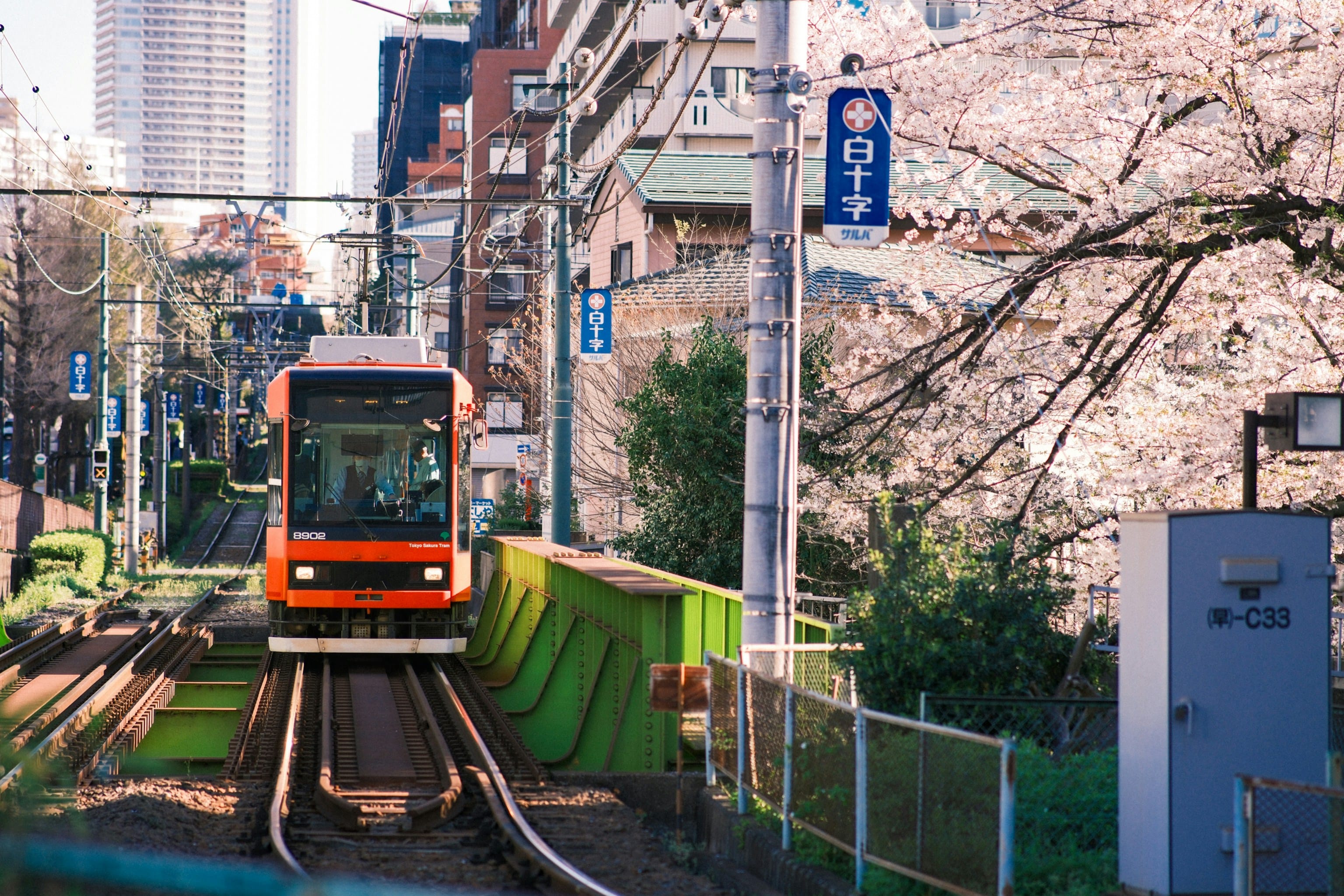
Photo by YUNAN WANG on Unsplash
Sakura in Modern Japan: A Living Tradition
Even in today's fast-paced world, sakura remain an integral part of Japanese life. Every spring, the entire country anticipates the sakura forecast, and news outlets track the “sakura front” as it moves northward. Parks and riversides become packed with people enjoying hanami parties, where you can also sample Japanese street food from nearby stalls.
You can also easily find sakura-themed food and drinks anywhere, from convenience store snacks to artisan snacks and goods. However, it’s important to keep in mind the do’s and don’ts of sakura season while you enjoy the blossoms.
Sakura continues to appear in countless forms of art, from manga (Japanese comics) to tableware to even tattoos. It’s also considered one of the national symbols of Japan, alongside the chrysanthemum. The association has also extended to sports, as the Japanese national rugby team is called the Cherry Blossoms or Sakura.
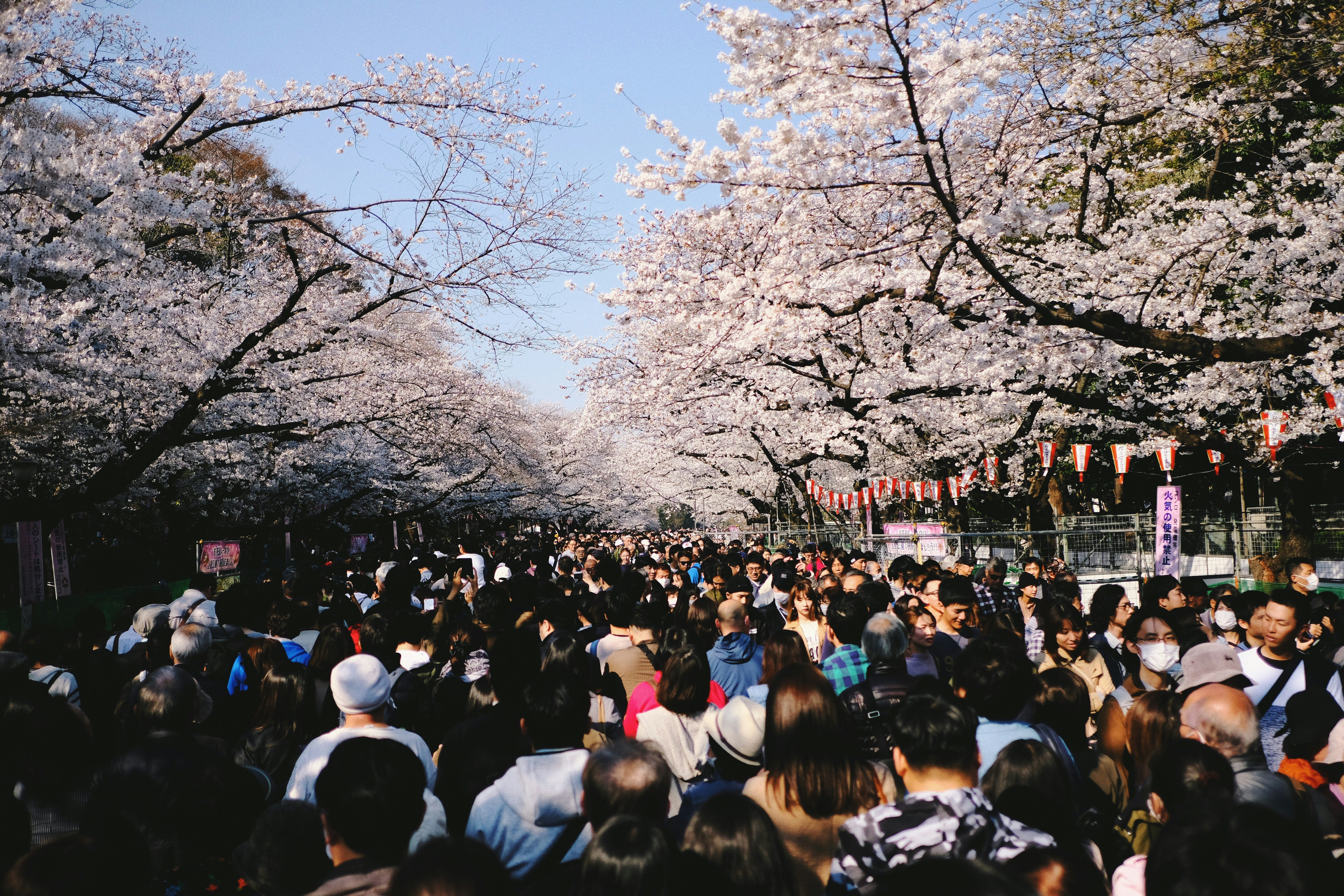
Photo by Trevor Paxton on Unsplash
Frequently Asked Questions About Sakura in Japan
When is the best time to see sakura in Japan?
Sakura season typically starts in late March and peaks in early April, but it often varies by region. Warmer areas like Kyushu may see blooms as early as mid-March, while Hokkaido's blossoms appear later, usually in late April or early May.
It's best to check the annual sakura forecast, as it also tracks ‘full bloom’ dates. This is the best chance to see cherry blossoms in all their glory, as it’s when most sakura trees will be fully flowering, compared to earlier blooms.
Where are the best places to view sakura?
It depends on where you’re going! Some of the most popular spots include:
Tokyo: Ueno Park, Shinjuku Gyoen, Meguro River, and Inokashira Park
Kyoto: Philosopher's Path, Maruyama Park, and Arashiyama
Osaka: Osaka Castle Park and Kema Sakuranomiya Park
However, you’re bound to run into crowds at these spots. Consider going to less-known parks for a better hanami experience.
What kind of food and drinks are popular during hanami?
Popular hanami foods include bento boxes, onigiri (rice balls), dango (sweet dumplings), and sakura-flavored treats. Drinks like sake, beer, and tea are also common. Street food can also be a good option, as you can try okonomiyaki (savory pancakes) or takoyaki (ball-shaped snacks with octopus) straight off the grill.
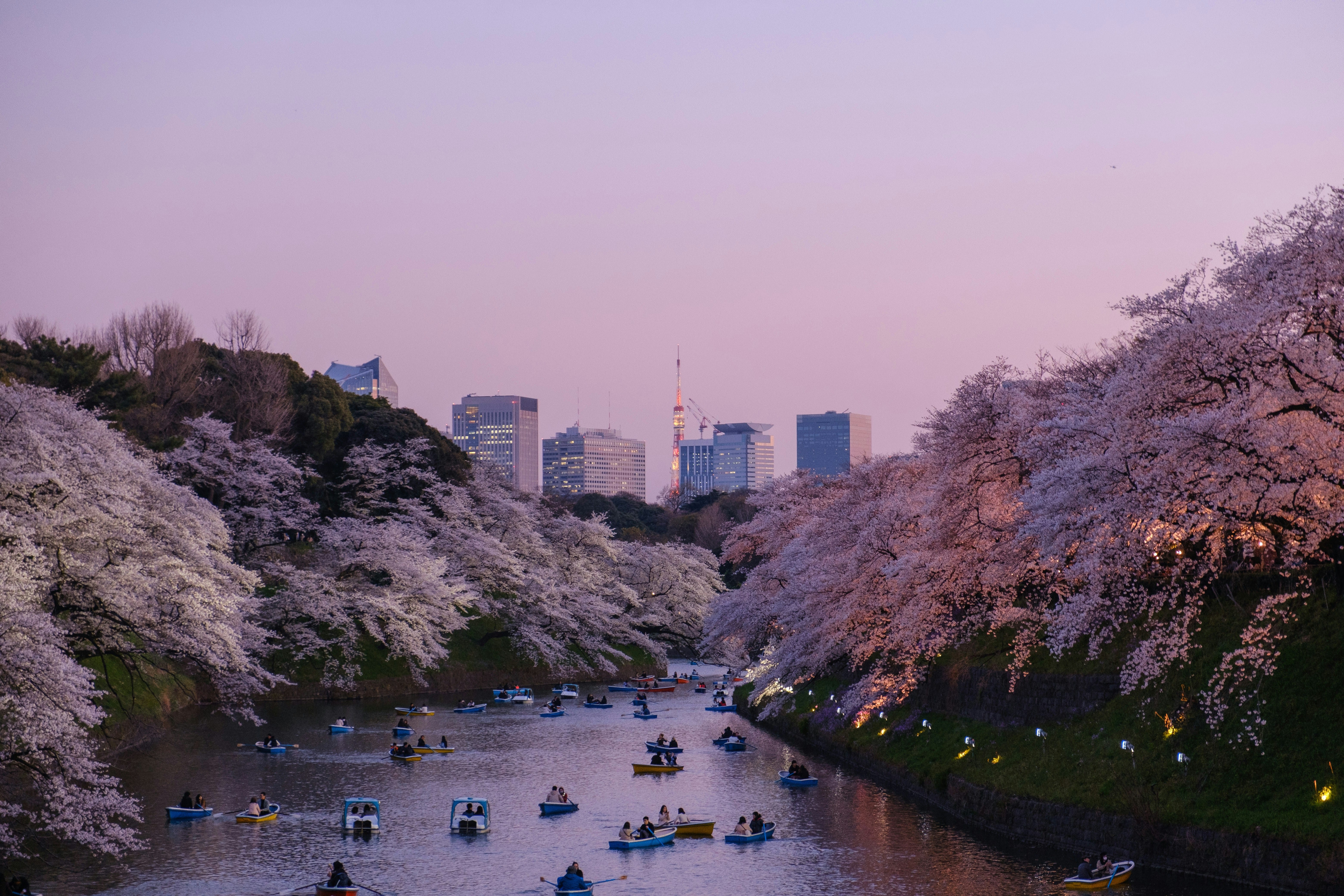
Experience Sakura in Japan with Jetpac
Ready to see cherry blossoms in Japan with your very own eyes? You don’t have to rely on paper maps or pricey pocket WiFi. Make your journey seamless and stress-free with Jetpac’s Japan eSIM. It’s got the best data plans around, with packs starting from $1 for 1 GB. Plus, you’ll also get 5G data with excellent coverage throughout the country.
With Jetpac's easy installation and dedicated customer support, you're just minutes away from connectivity upon landing. You can also enjoy exclusive perks like free airport lounge access in case of delays and discounted fast-track passes via JetPass, which comes free with every Jetpac eSIM.
What are you waiting for? Grab your passport, download our top travel apps for Japan, and get your Jetpac Japan eSIM so you hit the ground running.