Switzerland in Winter: Snow, Costs & Scenic Train Routes
Switzerland in winter requires planning around snow conditions, alpine rail schedules, and daily expenses. Clear route choices and cost awareness help reduce friction, while a Jetpac eSIM supports navigation and updates when weather or train plans change.
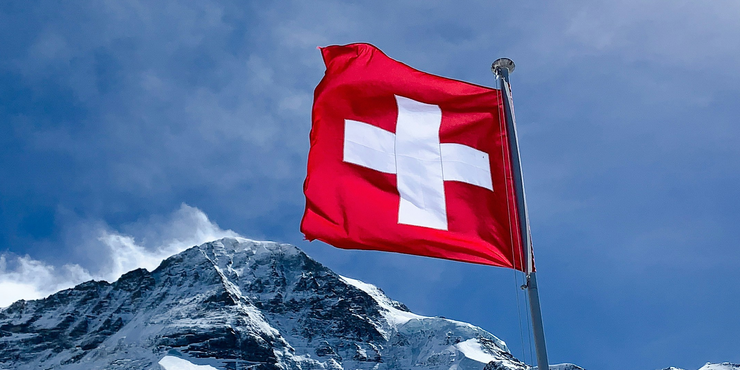
Over 60 percent of Switzerland’s mountain villages sit above 1,200 meters, which is why Switzerland in winter delivers reliable snow long after many European destinations struggle. Trains run daily through alpine valleys, frozen lakes, and high passes, even during heavy snowfall. This route-first winter plan focuses on where snow actually lasts, how to move efficiently by rail, and what a Switzerland trip costs in 2025. Staying connected during winter delays and platform changes also matters, and having a Jetpac eSIM ready can quietly help without overplanning.
With the big picture set, the first step is choosing a winter route that balances snow, views, and manageable travel days.The winter route blueprint that keeps snow and scenery realistic
Winter travel works best when routes are built around altitude and rail efficiency, not distance alone. Shorter hops at higher elevation improve snow reliability and reduce fatigue, which is critical in Switzerland in the winter.
Trips of 4 to 6 days suit travelers focused on scenic trains only. A 7 to 9 day plan allows multiple alpine bases, while a 10 to 12 days work for combining cities, villages, and panoramic rail. Limiting long rail days to two or three per week keeps winter travel enjoyable.
This blueprint prioritizes panoramic rail, winter villages, and flexible mountain days, while avoiding backtracking and weather-dependent peaks without alternatives.
Once the route logic is clear, timing matters because Swiss winter conditions vary sharply by week.
When to go for winter magic without paying peak prices
Winter officially runs from December through February. In practice, Switzerland in winter feels most expensive from late December to early January. The best time to visit Switzerland for snow and value is mid-January through early March, excluding school holiday weeks.
February offers deeper snow and longer daylight. December delivers festive towns but higher costs. Short daylight hours mean pacing matters, so plan two main activities per day with one warm indoor stop.
After locking timing, the next decision is your rail strategy because tickets and passes directly affect the budget.
How Swiss winter trains work in practice
Panoramic trains such as the Glacier Express run year-round, but regional trains often travel the same landscapes with more flexibility. Express trains require seat reservations, while regional trains allow stops and easier rerouting.
Stations are well marked, even in the snow. Winter timetables include buffers, but bulky coats and boots make light luggage important.
With train basics sorted, you can choose a scenic winter route that delivers views without overstuffing your days.
Reliable connectivity matters during winter reroutes, which is why many travelers set up an eSIM for Switzerland option before arrival to access live rail updates and platform changes.
A scenic winter rail route that stays flexible
A proven winter flow starts in Zurich or Geneva in winter, Switzerland, moves east through Graubünden and the Engadine, crosses Valais, enters the Bernese Oberland, and finishes in Lucerne.
Starting or ending in Geneva in winter, Switzerland makes sense for travelers combining alpine routes with international flights, as rail connections from the airport remain reliable even during snowstorms.
This direction climbs gradually in elevation, reduces backtracking, and leaves buffer days for weather. The route can be shortened to 5 days by skipping one alpine base or extended to 12 days with rest nights.
Next, break the route into bases so each area feels easy to navigate and always has a plan B.
Zurich as a winter start is efficient, not exhausting
Why it works: Zurich is Switzerland’s most efficient winter entry point because the airport connects directly to the national rail network, eliminating winter driving on arrival. Even during the snow, rail services from Zurich Hauptbahnhof run reliably, making Switzerland in winter feel manageable from the first day.
Travelers comparing Zurich with Geneva in winter, Switzerland often choose Zurich for faster eastern rail access, while Geneva suits western alpine routes and lake-side winter scenery.
Scenic rail picks: Take the S-Bahn or InterRegio from Zurich to Rapperswil along Lake Zurich for immediate winter scenery. If time allows, continue toward Pfäffikon or Ziegelbrücke to see snow-dusted hills before heading east.
A realistic winter day plan: Arrive, drop bags, and walk the Niederdorf old town. Warm up in a café near Lindenhof, then take the short train to Uetliberg for forest trails and city views before dusk.
Plan B if snowfall is heavy: Spend the day at the Swiss National Museum or Kunsthaus Zurich, then depart early the next morning when visibility improves.
Once your arrival day stays light, moving into the mountains early makes snow feel like the trip’s main character.
Chur and the Rhine Gorge for a dramatic winter rail with low effort
Why it works: Chur is the oldest city in Switzerland and sits directly on the Rhaetian Railway network, making it an ideal winter base with immediate access to snow-covered landscapes without long transfers. Even in heavy winter conditions, trains through this region operate reliably.
Scenic rail picks: Take the Rhaetian Railway from Chur to Ilanz through the Rhine Gorge, often called the Swiss Grand Canyon. Add the Chur–Arosa line for a steep mountain climb with forested winter scenery and frozen alpine lakes.
A realistic winter day plan: Morning train ride through the gorge, lunch back in Chur’s old town, then an afternoon walk along the Plessur River or a short cable car ride for valley views before dusk.
Plan B if snowfall is heavy: Stay on regional trains between Chur, Thusis, and Reichenau-Tamins, where tunnels and lower exposure keep travel smooth while still delivering dramatic winter scenery.
After a strong alpine intro, the next step is going higher, where winter landscapes are more consistent.
St. Moritz and the Upper Engadine for a deep-winter atmosphere
Why it works: At roughly 1,800 meters, St. Moritz offers one of the most reliable snow climates in Switzerland in the winter, which is why it anchors classic winter sports in Switzerland. Rail access via the Albula line keeps travel dependable even during storms.
This region is one of the strongest hubs for winter sports in Switzerland, with dependable snow coverage and easy rail access to ski areas without needing a car.
Scenic rail picks: Ride the Albula line from Thusis to St. Moritz for spiral tunnels and viaducts, then continue on the Bernina line toward Alp Grüm for high-altitude winter views.
A realistic winter day plan: Morning Albula ride, lunch by frozen Lake St. Moritz, then an afternoon stroll around Samedan or a visit to Muottas Muragl for sunset light if skies are clear.
Plan B if snowfall is heavy: Use valley trains between Pontresina, Samedan, and Zuoz, which stay operational and scenic when high passes are obscured.
From here, the route becomes iconic, but famous trains reward smarter booking.
The headline scenic train days, planned without burnout
Why it works: Dedicating one full day to a marquee train prevents rushing and preserves flexibility elsewhere in Switzerland in winter.
Scenic rail picks: The Glacier Express between St. Moritz and Zermatt for an all-day alpine crossing, and a shorter Bernina segment for dramatic altitude change.
A realistic winter day plan: Reserved seat, early departure, one planned photo stop, then a quiet evening on arrival rather than stacking activities.
Plan B if snowfall is heavy: Switch to regional trains on the same routes, which often provide identical views with easier rerouting.
After the big rail day, choose a base where winter views remain accessible even on slower days.
Zermatt for classic Matterhorn winter scenery
Why it works: Zermatt’s car-free village and high viewpoints make it one of the best places to visit in Switzerland in winter, especially for snow skiing in Switzerland and iconic alpine views.
Zermatt is especially popular for snow skiing in Switzerland because ski lifts, railways, and accommodation are tightly integrated within the car-free village.
Scenic rail picks: The Matterhorn Gotthard Railway from Visp to Zermatt, followed by the Gornergrat Railway for panoramic winter vistas.
A realistic winter day plan: Morning Gornergrat ride, short winter walk near Riffelalp, then time in the Matterhorn Museum before evening.
Plan B if snowfall is heavy: Use lower Sunnegga viewpoints and village photography, which remain atmospheric even in cloud.
Next comes the Jungfrau region, where planning keeps costs and crowds manageable.
Wengen, Grindelwald, or Lauterbrunnen for winter village drama
Why it works: This region concentrates many things to do in Switzerland in winter into short distances, with reliable rail links and sheltered valleys.
The Jungfrau region combines sightseeing with winter sports in Switzerland, making it ideal for travelers who want snow activities without staying in large ski resorts.
Scenic rail picks: Cogwheel train from Wengen to Kleine Scheidegg and the valley line through Lauterbrunnen for frozen waterfalls.
A realistic winter day plan: Ridge viewpoint in the morning, light sledding or snow walk, then an early village stroll as daylight fades.
Plan B if snowfall is heavy: Stay in the valley and ride between Lauterbrunnen, Interlaken, and Wilderswil, where trains remain frequent and sheltered.
After the peaks, a lake city finish keeps the ending cozy.
Lucerne for a winter finale that feels cozy and simple
Why it works: Lucerne’s compact old town and lake setting make it an easy final base when energy dips near the end of a Switzerland in winter trip.
Scenic rail picks: Lucerne to Vitznau and Mount Rigi for forgiving winter viewpoints that work even when higher peaks are cloudy.
A realistic winter day plan: Walk Chapel Bridge, lakeside promenade, warm café stop, then pack early for departure.
Plan B if snowfall is heavy: Museums such as the Transport Museum or covered lake walks replace mountain plans without losing atmosphere.
With bases clear, budgeting becomes straightforward.
Switzerland winter costs in plain numbers
A realistic Switzerland trip cost in winter depends on lodging and mountain railways. Understanding daily expenses clearly is part of managing the overall Switzerland trip cost, especially in winter when mountain transport and seasonal pricing fluctuate. Below are the rough estimates-
Budget travelers spend about $140 to $170 per day.
Mid-range travelers average $220 to $280 per day.
Comfort travelers range from $320 to $400 per day.
Major cost drivers include accommodation near ski areas, panoramic reservations, and mountain railways. Using regional trains and base planning is key for how to save money while traveling.
Costs are one side of winter planning, but comfort and safety matter just as much.
Winter safety and comfort tips that prevent common mistakes
Layering matters more than brand gear. Waterproof boots, gloves, and moisture control prevent fatigue. Snowy platforms require time buffers.
Using the best eSIM for Switzerland helps travelers stay connected in tunnels, valleys, and mountain stations where Wi-Fi access is limited in winter.
Visibility drops quickly. If peaks disappear, switch to valley rail rather than forcing summits. Carry offline maps and emergency contacts.
Once plans, costs, and safety are handled, connectivity becomes the small detail that keeps changes easy. Travelers rely on a Jetpac eSIM for live updates when switching scenic trains across Switzerland in winter.
Read more: If you want a detailed breakdown of practical ways to reduce travel expenses across destinations, including transport, stays, and daily choices, this explains it clearly. Read our blog 👉 How to Save Money While Traveling Without Sacrificing Fun
Staying connected in Switzerland in winter: Jetpac
Winter travel in Switzerland often involves last-minute platform changes, weather-related reroutes, and shorter daylight hours, which makes reliable connectivity more than just a convenience. That’s why having steady access with Jetpac to maps, train updates, and messaging helps winter days stay smooth, especially when moving between alpine regions or adjusting plans due to snow conditions.
For visitors planning short stays, Jetpac also works well as an eSIM for Switzerland for a tourist solution that avoids roaming charges during multi-city winter travel.
Jetpac Highlights:
- 1 eSIM, 200+ destinations: set up once and top up for the next trip/
- Always-on with multiple networks: It offers connectivity 24/7 with its multiple network connectivity.
- No bill shocks: Travelers prefer it because of its 100% upfront payment with no hidden charges and being 70% cheaper than traditional roaming.
- Hotspot sharing without any data restrictions: This allows you to connect several devices effortlessly.
- Free access to apps like Uber, WhatsApp, and Google Maps: even when your data runs out, to keep you connected when you need it the most.
- 24/7 premium customer support: Reach out to us on WhatsApp and email anytime.
- Outgoing voice calls and 5G network to 50+ countries: It starts from $1.99 per 5 minutes to keep you always connected.
FAQs
Which Swiss scenic train is most worth it in winter if I only pick one?
The Bernina and Glacier routes offer the strongest winter contrast, while regional trains provide flexibility.
How much does it cost to go to Switzerland?
Most winter trips cost between $140 and $400 per day, depending on comfort level and mountain excursions.
When is winter in Switzerland?
Winter runs from December to February, with peak snow from mid-January to early March.
Do I need seat reservations for panoramic trains in winter?
Some services require reservations, while regional trains remain flexible.
Is Jetpac a good option for staying connected while switching trains in winter?
Yes. Travelers comparing eSIM for Switzerland, best eSIM for Switzerland, or eSIM for Switzerland tourists choose Jetpac for reliability and upfront pricing.
Disclaimer
Prices, transport schedules, and mountain access can change due to weather, seasonal operations, or local regulations. Always check official railway, attraction, and regional tourism sources before travel. Information related to Jetpac is accurate at the time of writing, and Jetpac is not responsible for changes to third-party services, coverage availability, or travel conditions.