Best Things to Do in Europe 2026: Experiences Worth the Journey
Europe offers ancient cities, Alpine adventures, Greek island-hopping, scenic train rides, food tours, beaches, and more. Discover the best experiences to add to your 2026 trip.

Europe concentrates ancient ruins, Nordic fjords, Adriatic islands, Alpine peaks, and world-class food into one reachable continent.
Whether you want a focused city stay or a multi-country route, the continent delivers fun things to do in Europe across every interest and budget. This covers activities by experience type, region, season, and trip length for 2026 travelers.

Best Things to Do in Europe at a Glance
Best Things to Do in Europe
The strongest experiences in Europe center on specific activities rather than city ticking.
Explore Europe's Historic Cities
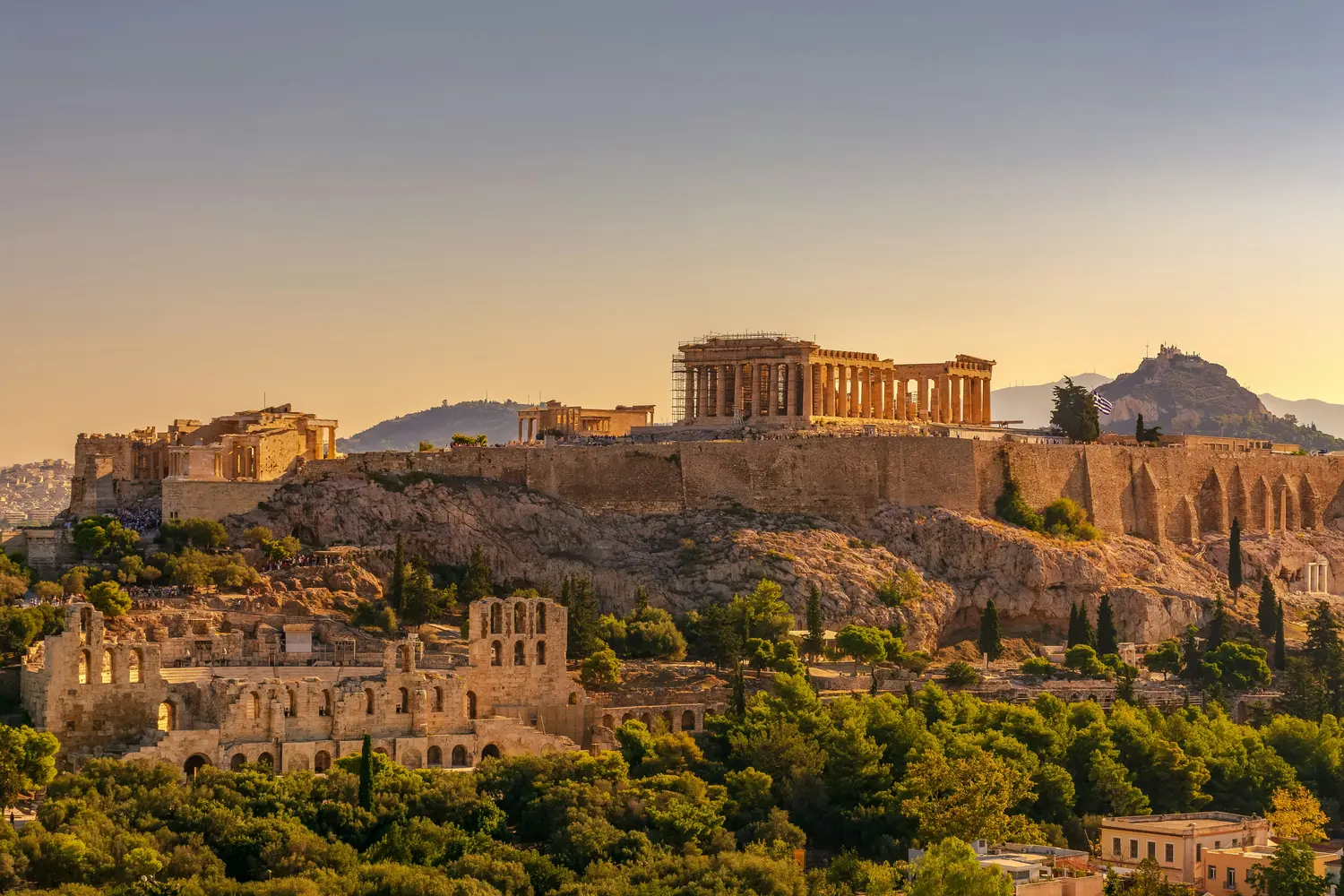
Rome's Palatine Hill, Paris's Marais district at dusk, Athens's Acropolis, and Prague's Charles Bridge at dawn each reward days of walking. Vienna's Ringstrasse and Budapest's thermal bath culture add Central and Eastern European depth to any first-time itinerary.
Island-Hop in the Mediterranean
Greece's Cycladic ferry network links Santorini, Ios, Naxos, and Paros on single multi-stop tickets. Croatia's catamaran service connects Split to Hvar, Korcula, and Vis from May through October. Spain's Balearic Islands and Italy's Aeolian Islands complete the Mediterranean island-hopping circuit.
Experience Europe's Art & Museums
The Louvre in Paris, the Vatican Museums' Sistine Chapel, Florence's Uffizi, Madrid's Prado, and Amsterdam's Rijksmuseum are the must-see places in Europe for art and cultural travelers. Advance timed-entry booking is essential at all five during peak season.
Experience European Food & Wine
Italian pasta culture in Bologna, French cuisine in Lyon's bouchons, Spanish tapas in San Sebastián, Portuguese grilled fish in Lisbon, Greek mezze in Thessaloniki, and Czech and Austrian hearty Central European specialties each represent distinct regional food traditions worth anchoring an itinerary around.
Take a Scenic Train Journey
The Bernina Express between Chur and Tirano, Norway's Flåm Railway, and Austria's Semmering Railway through UNESCO-listed mountain terrain run year-round and require advance seat reservations.
Explore Europe's Beaches
Portugal's Alentejo coast, Montenegro's Bay of Kotor, Puglia's Adriatic shoreline, and Crete's south coast offer Mediterranean and Atlantic swimming at lower crowd densities. Sweden's Gotland island and Estonia's Pärnu beach provide Baltic summer alternatives for travelers staying in Northern Europe.
Explore the Alps
Skiing in Verbier and Chamonix, riding cable cars above Innsbruck, and hiking the Haute Route from France through Switzerland represent Alpine depth beyond resort tourism. Italy's Dolomites and Slovenia's Triglav National Park offer quieter mountain alternatives, particularly in spring and autumn.
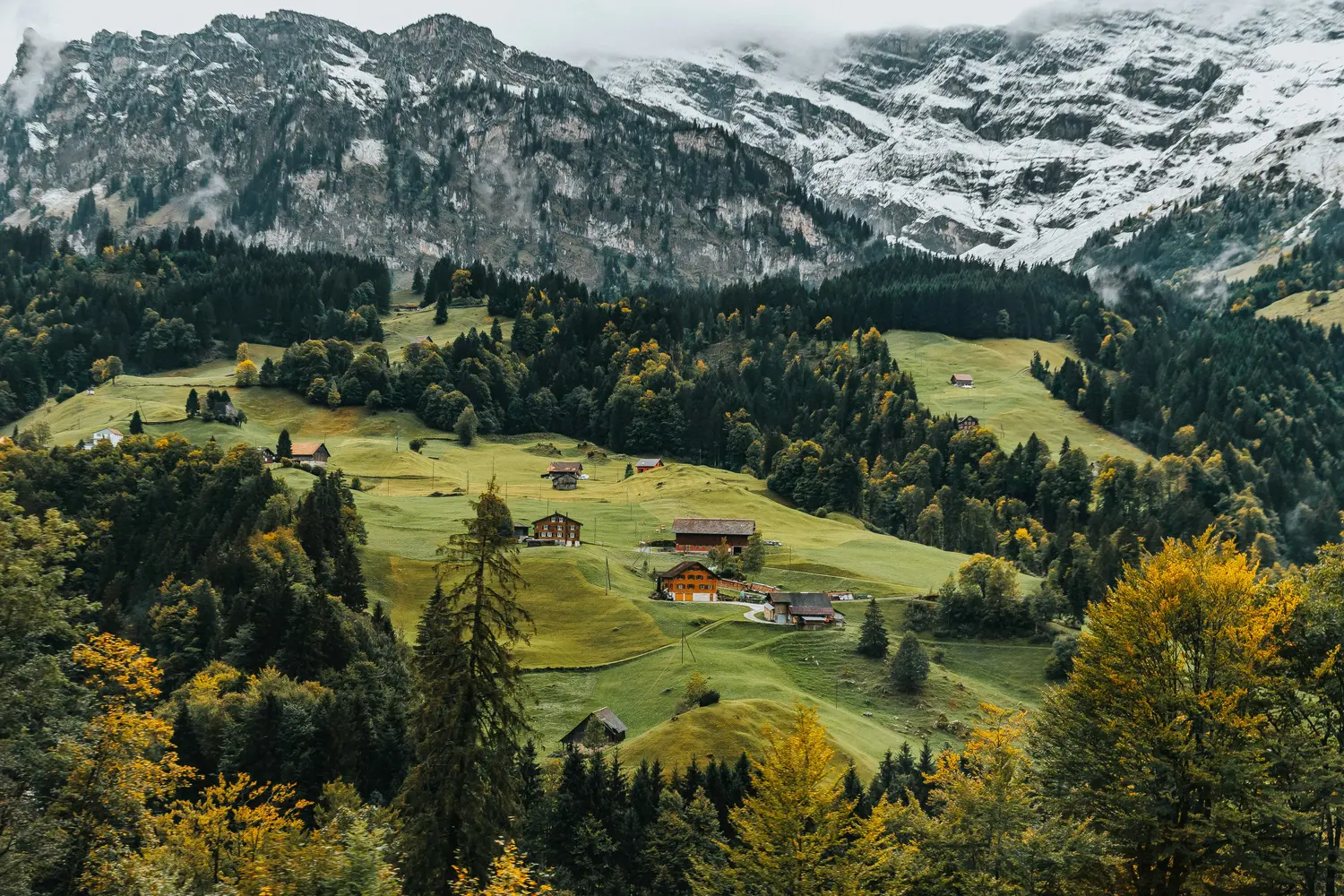
Read more: Europe's geography, transport network, costs, and essential planning information are covered in a comprehensive overview for international travelers. 👉 Europe Travel Guide: Places, Costs, Transport and More
Things to Do in Europe by Interest
Things to Do in Europe for History Lovers
The Auschwitz-Birkenau Memorial in Poland, Normandy's D-Day beaches, and Pompeii's excavation site reward focusing an itinerary on a single historical period rather than sampling multiple eras across too many cities.
Things to Do in Europe for Nature Lovers
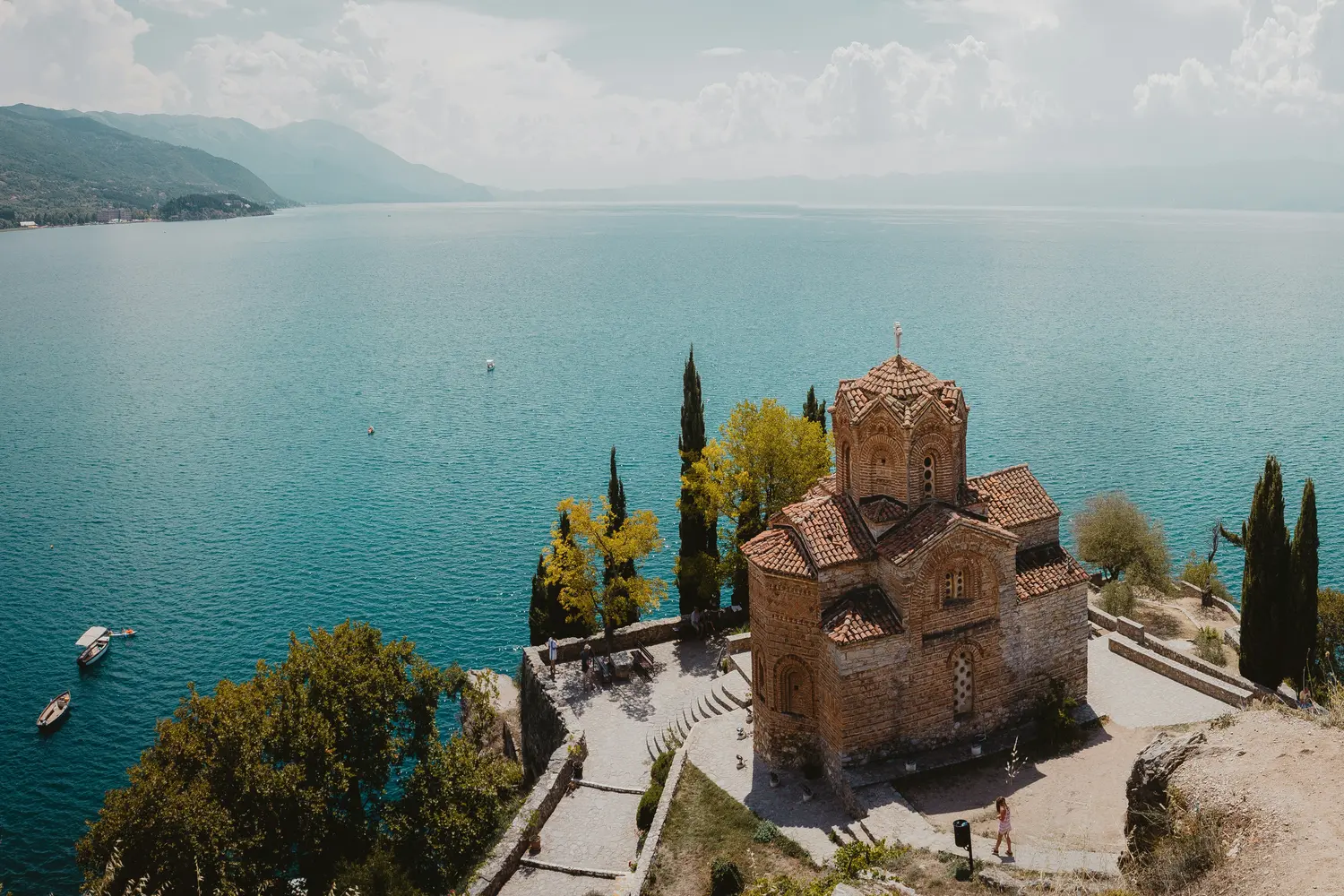
Romania's Danube Delta, the Azores' volcanic terrain, and North Macedonia's Ohrid Lake are among the fastest-emerging best places to visit in Europe for travelers seeking genuine wilderness outside the Swiss Alpine circuit.
Things to Do in Europe for Food Lovers
San Sebastián's pintxos bars, Lyon's bouchon restaurants, and Bologna's fresh pasta traditions each represent food cultures deep enough to anchor an entire trip rather than a single evening meal.
Things to Do in Europe for Couples
Santorini at sunset, a slow train through Tuscany's vineyards, and an evening walk along Lisbon's Alfama waterfront rank among the most consistently rewarding cool things to do in Europe for couples.
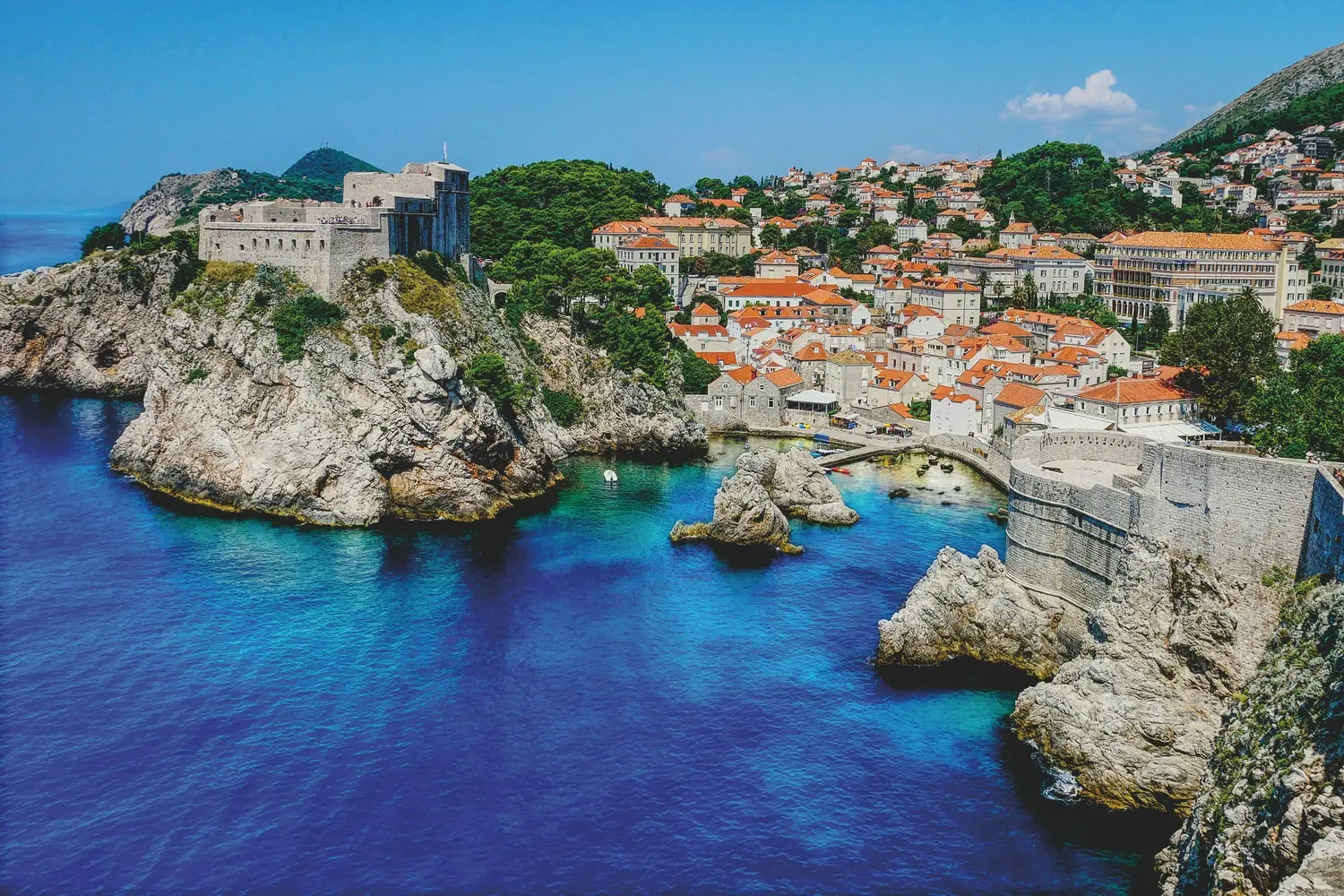
Dubrovnik's city walls at dusk and Porto's Douro riverfront offer quieter romantic alternatives.
Things to Do in Europe for Families
Copenhagen's Tivoli Gardens, Edinburgh's Dynamic Earth museum, and Germany's National Museum in Nuremberg make the best European countries to visit for families far broader than standard theme park circuits.
Things to Do in Europe for Adventure Travelers
Via ferrata routes in the Dolomites, white-water kayaking on Slovakia's Váh River, and canyoning in the Swiss Alps represent genuinely cool things to do in Europe for travelers wanting physical challenge over scenic observation.
Things to Do in Europe for Art & Culture Lovers
Vienna's Kunsthistorisches Museum, Paris's Centre Pompidou, and Bilbao's Guggenheim Museum represent the must-go cultural destinations in Europe that reward slower, more focused visits than a multi-city rush allows.
Things to Do in Europe for Beach Lovers
Sardinia's Costa Smeralda, Albania's Riviera, and Bulgaria's Black Sea coast deliver strong coastal swimming at price points well below the French Riviera or Cycladic islands in peak season.
Read more: Packing for Europe's seasonal climate variation requires very different preparation depending on the month and region of travel. 👉 Your Seasonal Europe Packing List: From Summer Sun to Winter Snow
Things to Do in Europe by Region
The best places to travel in Europe by region reflect genuinely distinct cultures, climates, and experiences.
Western Europe
France, Belgium, the Netherlands, and the UK concentrate world-class museums, cuisine, and architecture within a rail network connecting capitals in under three hours.
Southern Europe
Italy, Spain, Portugal, and Greece dominate summer beach and food travel in 2026. Croatia and Montenegro are the fastest-growing Adriatic alternatives.
Northern Europe
Norway, Iceland, Scotland, and Ireland deliver fjords, midnight sun, and Atlantic coastal landscapes entirely distinct from Southern European itineraries.
Central Europe
Germany, Austria, Switzerland, and the Czech Republic combine Alpine landscapes with cultural capitals and Europe's strongest Christmas market calendar in winter.
Eastern Europe
Poland, Romania, and Bulgaria offer medieval old towns, low daily travel costs, and natural sites including the Rila Mountains and Białowieża Forest that remain far less visited than Western equivalents.
Balkans
Croatia, Montenegro, Albania, and Slovenia combine Adriatic coastline with national parks like Plitvice Lakes and old towns. These are some of the most compelling, must-visit destinations in Europe at lower costs than Western Europe.
Things to Do in Europe by Country
Things to Do in Europe's Major Cities
The best places to visit in Europe across its major cities each reward focused day planning:
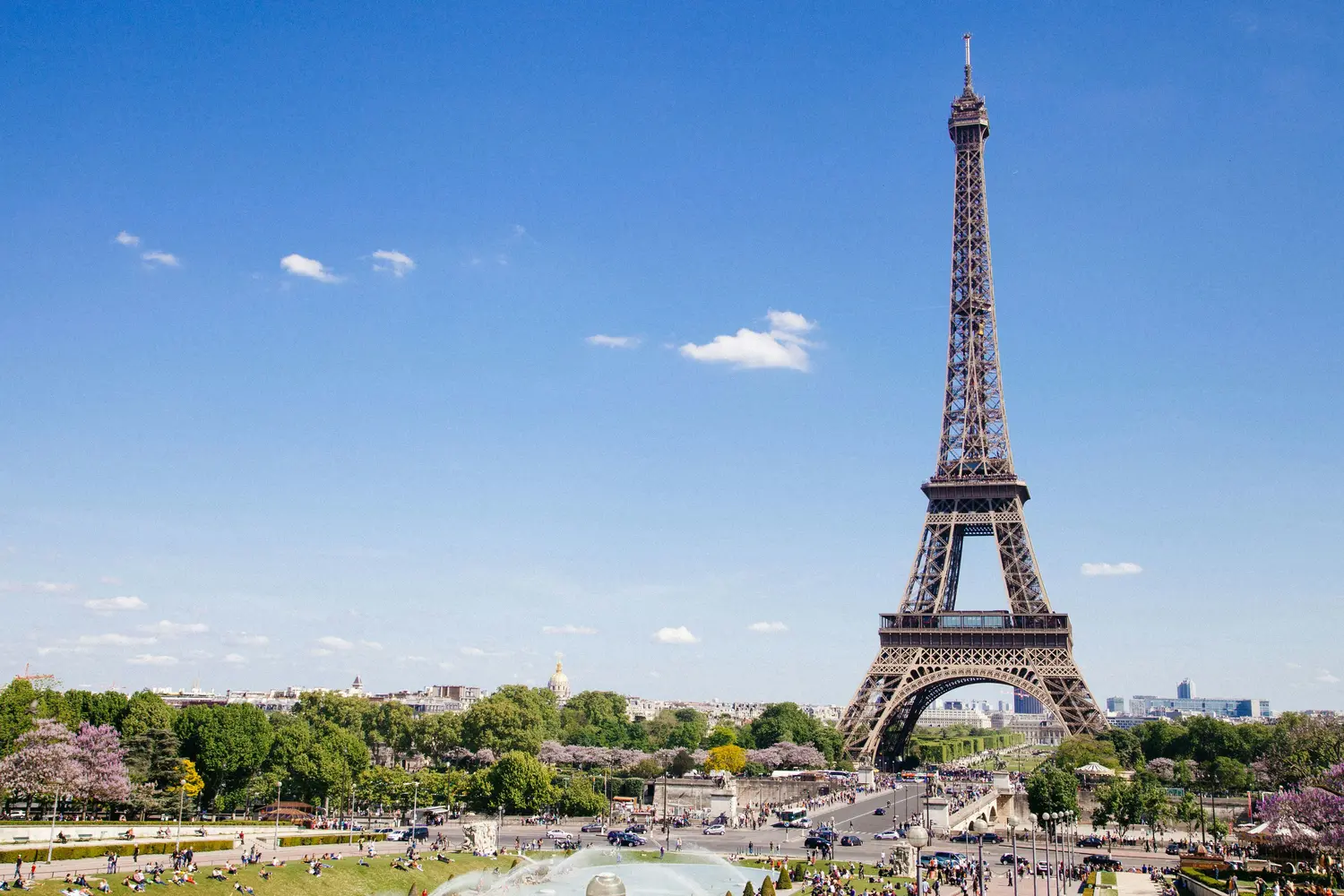
- Paris: Among the most rewarding things to do in Paris are Seine kayaking, Sainte-Chapelle stained glass, and Marché d'Aligre food market.
- Rome: The most distinctive things to do in Rome include Appian Way cycling, Testaccio food market, and Borghese Gallery.
- Barcelona: From Palau de la Música Catalana concerts to Park Güell at opening, the standout things to do in Barcelona extend into the Poblenou neighborhood.
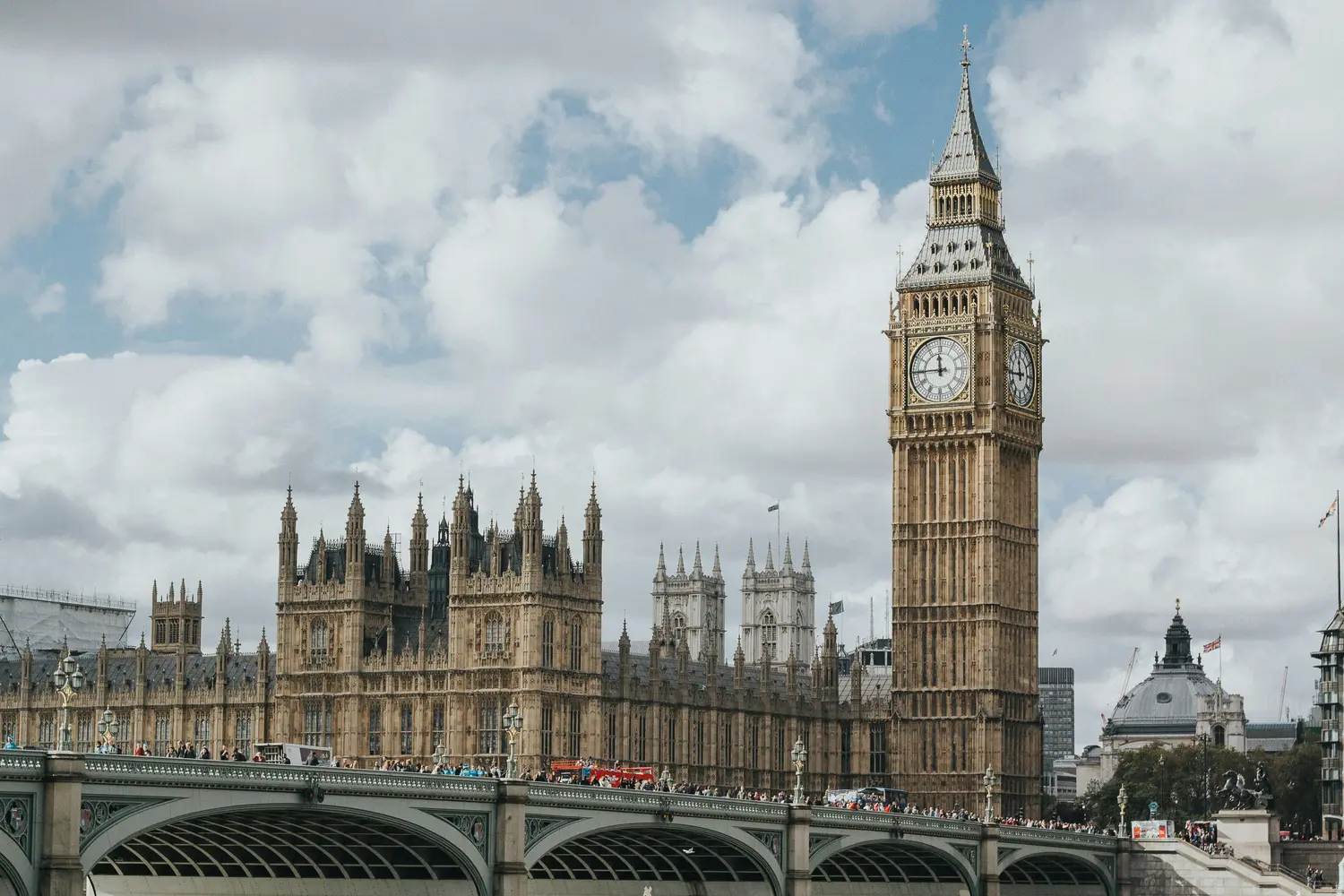
- London: Columbia Road Flower Market, Southbank cultural walk, HMS Belfast.
- Amsterdam: Explore these Must-Do Things in Amsterdam, from Eastern Docklands cycling and visiting NEMO Science Museum to discovering galleries in the Jordaan district.
- Athens: Cape Sounion sunset trip, Monastiraki flea market, Benaki Museum.
Read more: Europe's most underrated cities extend well beyond the standard capitals and offer rewarding travel at lower crowd levels and costs. 👉 Underrated Yet 20 Best Cities to Visit in Europe Ranked
Best Outdoor Things to Do in Europe
Cycling Portugal's EuroVelo 1 Atlantic route, hiking Slovenia's Soča Valley, and white-water rafting Montenegro's Tara Canyon rank among the most rewarding fun things to do in Europe for active travelers beyond the standard Alpine ski circuit.
Best Cultural Experiences in Europe
Vienna's State Opera, Pamplona's San Fermín in July, Lisbon's Festas de Lisboa in June, and Edinburgh's Festival Fringe in August represent European sightseeing places that function as living cultural experiences rather than passive museum visits.
Best Food Experiences in Europe
Truffle hunting in France's Périgord, fish market breakfasts in Bergen, and pastry school mornings in Paris are fun things to do in Europe with depth that no restaurant reservation alone can replicate.
Best Things to Do in Europe at Night
Verona Arena's summer opera season, Barcelona's Gothic Quarter tapas circuit after 10pm, and Reykjavik's Northern Lights viewing from October through February are cool things to do in Europe entirely outside daytime tourism patterns.
Free Things to Do in Europe
London's major museums on most days, open-access Scottish Highlands, and public beaches across Croatia and Portugal cost nothing. Note that the Pantheon in Rome charges EUR 5 admission since July 2023.
Pay-what-you-wish walking tours operate daily in most major European cities.
Things to Do in Europe by Season
Things to Do in Europe in Spring
Keukenhof tulip gardens in the Netherlands from mid-March through May and Seville's Feria de Abril make spring one of the strongest shoulder seasons for European travel.
Things to Do in Europe in Summer
Mediterranean beaches, outdoor music festivals across Germany and the Balkans, and midnight sun hiking in Norway define peak fun things to do in Europe from June through August. Book accommodation well ahead.
Things to Do in Europe in Fall / Autumn
Grape harvest experiences in Bordeaux and Rioja, autumn foliage in Germany's Black Forest, and significantly reduced queues at major museums make September and October the preferred months for many experienced travelers.
Things to Do in Europe in Winter
Christmas markets in Nuremberg, Strasbourg, and Tallinn, Alpine skiing from December, and quieter cultural exploration in Southern European cities define the strongest 2026 winter European travel experiences.
Read more: Scenic train journeys connect Europe's most iconic destinations while functioning as standalone experiences worth booking independently. 👉 Train Travel Across Europe: Tips, Routes & Everything You Need to Know
Best Day Trips & Short Trips in Europe
Paris to Versailles by RER takes 45 minutes. Madrid to Toledo by high-speed rail takes 30 minutes. Florence to Siena by bus takes 75 minutes. Amsterdam to Haarlem takes 20 minutes. All achieve full day-trip depth without changing accommodation.
Best Things to Do in Europe by Trip Length
A structured Europe travel itinerary should match realistic daily capacity:
- 3 to 4 days: One city in depth, one day trip included
- 7 days: One country or a focused two-city route
- 10 to 14 days: Two to three countries on a geographic loop
- 3 weeks plus: Multi-country rail pass itinerary
Best Europe Experiences for First-Time Visitors
A first-time trip to the must-see places in Europe works best with one historic city, one natural destination, and one food-focused experience rather than multiple regions. Rome plus the Amalfi Coast plus Sicily delivers depth that a five-country rush cannot match.
How to Plan Your Europe Experiences
Understanding how much does a trip to Europe costs before choosing destinations prevents budget mismatches on the ground. Booking the Vatican Museums, Sagrada Família, and Alhambra several weeks ahead avoids peak-season sold-out situations.
Building on practical travel tips for Europe, including validating rail tickets before boarding and carrying small cash for rural markets, prevents the most common and costly ground-level mistakes.
Getting Around Europe for These Experiences
Rail connects one of the best places to visit in Europe for city pairs under four hours apart efficiently.
Interrail and Eurail passes cover 33 countries in 2026. Budget airlines cover longer distances, and FlixBus reaches Eastern European destinations at the lowest price points.
Read more: Planning a complete Europe trip from flights and visas through daily budgeting and booking timelines is covered step by step in this dedicated planning guide. 👉 How to Plan a Trip to Europe: Step-by-Step Guide
Staying Connected in Europe
Standard international roaming from home carriers costs USD 10 to USD 15 per day across Europe. An eSIM Europe plan activates before departure and covers multiple Schengen countries on a single data plan without SIM swaps at each border.
When comparing best eSIM for Europe travel options, country coverage breadth and hotspot sharing inclusion are the two most critical factors. A reliable eSIM for Europe covers the full Schengen Area under one plan at a fixed daily cost. Jetpac's eSIM Europe options start from USD 4 and cover 30-plus countries.
Common Mistakes When Planning Things to Do in Europe
Attempting six or more countries in two weeks is the most consistent planning error across all traveler types. Underestimating airport-to-city transfer times, skipping bookings for the Vatican Museums and Alhambra, and ignoring seasonal site closures account for the majority of on-the-ground disruptions.
Stay Connected Across Europe With Jetpac
Navigating transit apps, accessing digital attraction tickets, and booking restaurants across multiple European countries all require reliable mobile data without daily roaming surprises.
Jetpac's best eSIM for Europe profile covers 30-plus destinations on 4G and 5G networks, installing before departure and activating automatically at each new border without reinstallation.
Plans start from USD 4, include unrestricted hotspot sharing for travel companions, and carry a 100 percent money-back guarantee. Real people are available 24/7 on WhatsApp if anything needs attention mid-trip.

FAQs
What are the best things to do in Europe?
The best things to do in Europe include historic city exploration in Rome and Paris, island-hopping in Greece and Croatia, scenic train journeys through Switzerland and Norway, and food travel through Italy, France, and Spain.
How many days do I need in Europe?
Seven days suits one country explored properly, ten to fourteen days covers two to three connected countries, and three weeks allows a meaningful multi-country route without rushing.
What are the best things to do in Europe for first-time visitors?
First-time visitors benefit most from one historic city, one natural destination, and one food experience rather than attempting to reach multiple regions in a single trip.
What are the best free things to do in Europe?
London's major museums on most days, public beaches across Greece and Croatia, and pay-what-you-wish walking tours in most cities are free or very low cost.
What are the best outdoor activities in Europe?
Via ferrata in the Dolomites, fjord kayaking in Norway, glacier walking in Iceland, and cycling Portugal's Atlantic coast represent Europe's strongest outdoor experiences across all seasons.
What are the best things to do in Europe in summer?
Summer suits Mediterranean beaches, outdoor festivals across Germany and the Balkans, and midnight sun hiking in Scandinavia. Book accommodation and ferries well ahead for July and August travel.
Which European countries are best for families?
Denmark, Germany, the Netherlands, and the UK offer strong family infrastructure. Italy and Spain suit families with older children wanting cultural depth alongside beach access.
How many countries can I visit in two weeks?
Two to four geographically connected countries is realistic in two weeks. Attempting more than four results in excessive transit time and insufficient depth at each destination.
Disclaimer
The information in this blog was accurate at the time of writing. Prices, opening hours, event dates, transportation schedules, attraction availability, travel requirements, and other details may change after publication. Jetpac is not responsible for any changes made after publication.
Get connected as soon as you land with a Jetpac travel eSIM.