Transportation in Bali: How to Get Around (2026 Guide)
The easiest way to get around Bali is to use Grab or Gojek for short journeys and hire a private driver for full-day sightseeing. Public buses and tourist shuttles serve selected routes, while ferries connect islands. Scooters suit experienced, licensed riders, and Bali has no passenger trains.

The easiest way to get around Bali is by Grab or Gojek for short trips, a private driver for full-day sightseeing, and ferries for nearby islands. Public buses and tourist shuttles cover selected routes, while scooters are suitable for experienced, properly licensed riders.
Transportation in Bali takes some planning because traffic can be heavy and public transport doesn't reach every attraction. The right option depends on your budget, itinerary, accommodation location, and travel style.
This blog explains "how to get around in Bali", including transport costs, airport transfers, booking apps, and useful tips for 2026.
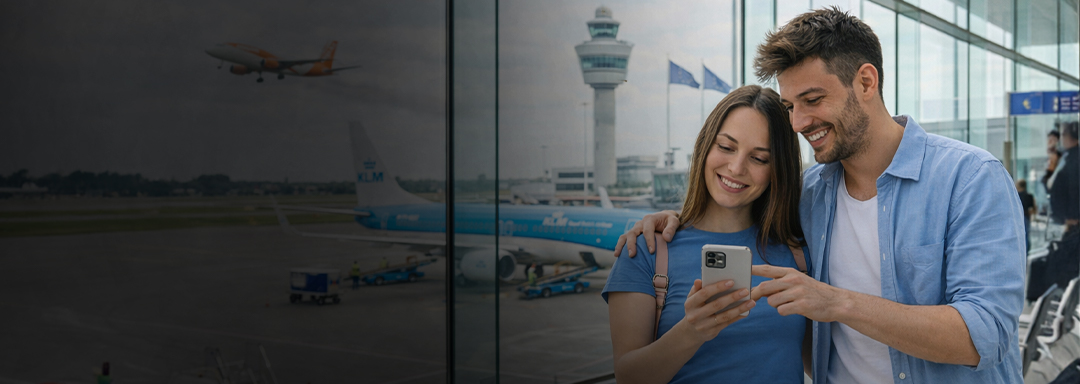
Quick Answer: What Is the Best Way to Get Around Bali?
For most first-time visitors, combining ride-hailing apps with occasional private-driver trips offers the best balance of convenience and flexibility.
If you're researching "how to get around in Bali without a car", ride-hailing, buses, shuttles, and guided transfers can cover most established tourist destinations.
Taxis and Ride-Hailing Apps in Bali
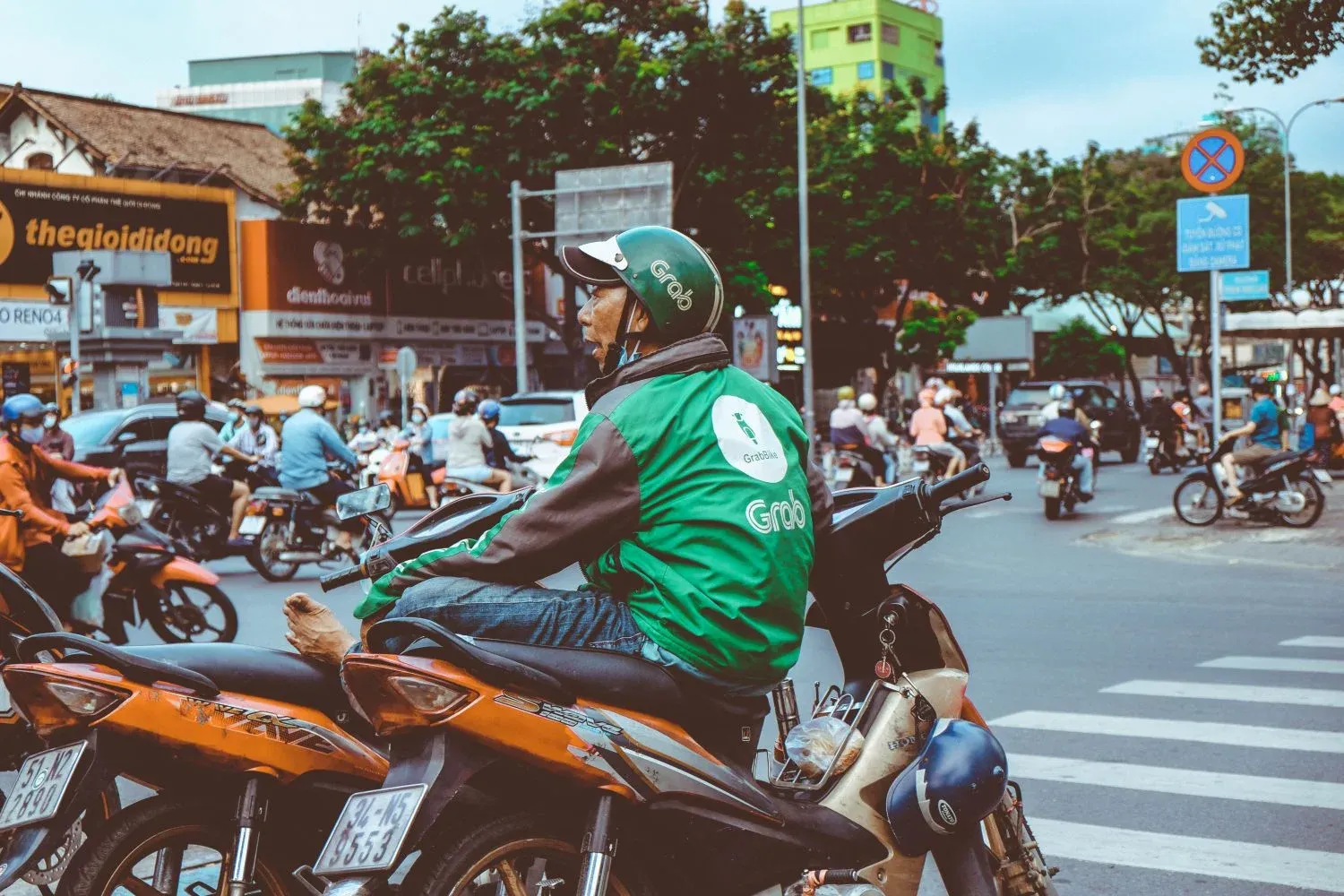
Grab and Gojek are convenient for booking cars and motorcycle taxis in many tourist areas, including Kuta, Seminyak, Sanur, Canggu, and parts of Ubud. Bluebird taxis are another established option.
- Typical cost: Around IDR 15,000–50,000 for short motorcycle rides and IDR 40,000–150,000 for many local car journeys.
- How to book: Grab, Gojek, or MyBluebird.
- Travel time: Highly dependent on traffic, especially in southern Bali.
- Insider tip: Some neighborhoods have designated or restricted app pickup areas. Follow the pickup instructions rather than assuming your driver can stop directly outside every attraction.
For shorter journeys, ride-hailing is one of the most practical forms of transportation in Bali for tourists.
Private Drivers in Bali
A private driver is useful when exploring temples, waterfalls, rice terraces, and attractions spread across different areas. It saves you from arranging several separate rides.
- Typical cost: Approximately IDR 350,000–550,000 for a half-day or IDR 500,000–900,000 for a full day.
- How to book: Your hotel, a reputable local operator, or a supported car-and-driver booking service.
- Travel time: Full-day excursions commonly involve 8–10 hours, including stops.
- Insider tip: Confirm the hours, fuel, parking, waiting time, overtime fees, and route before booking.
This is often the most comfortable option for families and travelers visiting the best places in Bali and seeing several attractions in one day.
Scooter Rentals in Bali
Scooters offer flexibility for short journeys, but Bali's traffic, narrow roads, and changing weather make them risky for inexperienced riders.
- Typical cost: Approximately IDR 70,000–180,000 per day, excluding fuel and possible additional charges.
- How to book: A reputable rental company that provides a suitable helmet and vehicle documents.
- Travel time: Useful for shorter local trips, although traffic and road conditions still matter.
- Insider tip: Confirm that you have the appropriate motorcycle licence, any required International Driving Permit (IDP), and insurance covering motorcycle use. A car-only licence isn't sufficient.
If you're wondering "how to get around in Bali" independently, don't choose a scooter solely because it's inexpensive. Riding experience and legal requirements matter more.
Car Rentals and Self-Driving in Bali
Self-driving gives you flexibility for regional trips, but parking, congestion, narrow roads, and left-side driving can make it stressful.
- Typical cost: Around IDR 200,000–500,000 per day for many standard rental cars, before fuel and optional extras.
- How to book: An established car rental provider.
- Travel time: Allow substantial extra time around Denpasar, Kuta, Seminyak, and Canggu.
- Insider tip: Check licence requirements, insurance coverage, vehicle condition, and any ferry restrictions before collecting the car.
For travelers unfamiliar with local roads, a private driver is often a better choice than self-driving.
Read more: If Italy is also on your travel list, weigh up its transport options separately with Transportation in Italy: How to Get Around in Italy.
Public Buses and Tourist Shuttles in Bali
Public transport in Bali is affordable on supported routes, but it doesn't provide island-wide coverage.
Trans Metro Dewata
Trans Metro Dewata operates public buses across selected corridors connecting Denpasar, Badung, Gianyar, and nearby areas. Its routes include airport, Kuta, Sanur, Nusa Dua, and Ubud connections, although not every destination is served directly.
- Typical cost: IDR 4,400 per standard adult journey in 2026.
- How to use it: Check the current corridor, stops, operating hours, and accepted cashless payment methods.
- Travel time: Depends on traffic, waiting time, and possible transfers.
- Insider tip: The airport corridor operates during the day and early evening. Don't rely on it for a late-night arrival without checking the final departure.
For visitors comparing public transportation in Denpasar, Indonesia, this is a useful budget option where the bus route matches their itinerary.
Kura-Kura Bus
Kura-Kura Bus operates scheduled tourist shuttles connecting Kuta, Sanur, Ubud, and Kintamani on selected routes.
- Typical cost: IDR 100,000 one way for selected Kuta–Ubud routes and IDR 200,000 for its Kintamani route.
- How to book: The official Kura-Kura Bus website or booking service.
- Travel time: Depends on the scheduled route and traffic.
- Insider tip: Reserve your boarding location and departure. Its airport service is for drop-offs, not regular airport-arrival pickups.
The main limitation of public transport in Bali is coverage. Buses and shuttles are useful for specific journeys, but many villas, beaches, and inland attractions require additional transport.
Local transportation in Denpasar, Indonesia also includes taxis and ride-hailing, which can help cover the final distance from a bus stop to your destination.
Is There Train Transportation in Bali?
No. Bali has no operating passenger railway, metro, or tram system as of October 2026.
On September 1, 2026, Indonesia's railway operator, Kereta Api Indonesia (KAI), and Bali authorities signed an agreement to prepare for potential railway development. The project remains in the planning stage.
For travelers researching train transportation in Bali, buses, cars, scooters, and private transfers are the practical alternatives.
Rail transport in Bali isn't currently available, including between the airport and major tourist areas.
Read more: For a future trip where you’re considering rail travel, see Transportation in Japan: How to Get Around in Japan to plan a different approach to getting around.
Ferries and Fast Boats From Bali
Ferries and fast boats connect Bali with nearby islands such as Nusa Penida, Nusa Lembongan, and Lombok. The Gilimanuk–Ketapang ferry also connects Bali with East Java.
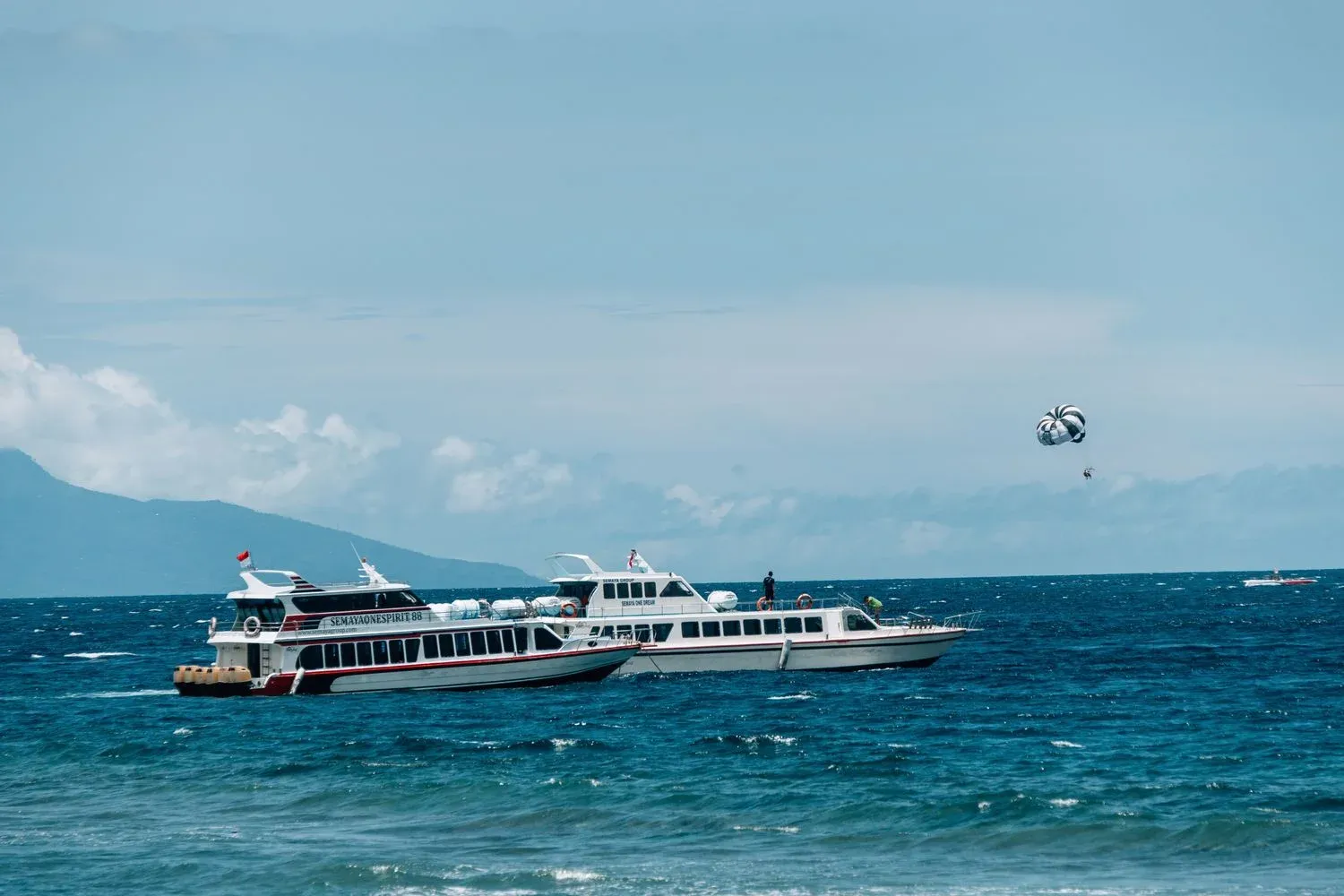
Sanur is a major departure point for Nusa Penida and Nusa Lembongan, while Padang Bai serves selected Lombok routes.
- Typical cost: Around IDR 125,000–300,000 or more one way for many fast-boat services to nearby islands.
- How to book: Official boat operators or reputable ticketing services.
- Travel time: Often 30–60 minutes from Sanur to nearby islands, depending on the route and conditions.
- Insider tip: Check the arrival harbor before purchasing tickets, especially for Nusa Penida. Different ports can mean significantly different onward travel arrangements.
Allow extra time for weather delays and avoid scheduling a ferry immediately before an international flight.
Read more: Weather also matters when choosing your travel dates, so consult Complete Travel Guide for the Best Time to Visit Bali before finalizing your island plans.
Domestic Flights in Bali
Bali's main commercial airport is I Gusti Ngurah Rai International Airport, commonly called Denpasar Airport.
Domestic flights are useful for travelling from Bali to other Indonesian destinations, not for moving between towns on the island.
- Cost: Varies by route, airline, and booking date.
- How to book: Airline websites or established flight-booking platforms.
- Travel time: Consider airport transfers and check-in time alongside the flight itself.
- Insider tip: For trips to Lombok, compare the total journey time of flying with the relevant ferry route.
Walking and Cycling in Bali
Walking and cycling are practical in selected areas, particularly Sanur's beachfront paths and parts of central Ubud.
However, many roads have narrow or missing pavements, heavy traffic, and limited shade.
- Typical cost: Walking is free; bicycle rentals may cost around IDR 50,000–100,000 per day.
- How to arrange: Local rental shops or accommodation providers.
- Travel time: Suitable for short journeys rather than crossing major tourist areas.
- Insider tip: Check the actual walking route, not just the distance. A short journey may involve an uncomfortable roadside walk.
Read more: Planning a separate trip to Spain? Use Transportation in Spain: How to Get Around in Spain to decide how walking fits alongside other transport options there.
Best Transport Apps for Bali
The most useful transport apps in Bali are those that help with real-time bookings, pickup locations, and directions.
Download offline maps before departure. Live maps and booking apps can be especially valuable when you're meeting a driver at an unfamiliar location.
For practical preparation beyond transport, see our Bali Travel Guide and Bali Travel Tips guide.
Getting To and From Bali Airport
I Gusti Ngurah Rai International Airport (DPS)
Ngurah Rai Airport is near Tuban and Kuta, south of Denpasar. It is Bali's principal commercial airport.
Airport transport options
- GrabCar: Book through Grab and follow directions to the designated airport pickup area.
- Airport taxi: Use an official taxi or airport transport service.
- Private transfer: Useful for late arrivals, families, and travelers with luggage.
- Trans Metro Dewata: An inexpensive option on its supported airport corridor, provided the route and operating hours suit your trip.
The public bus fare is IDR 4,400 for a standard journey. Car transfers to many southern Bali destinations may cost approximately IDR 100,000–450,000, although longer journeys, traffic, and demand can increase prices.
There is no operating airport train.
For late-night arrivals, a pre-booked car is generally more convenient than relying on public buses.
Which Transportation Option Is Best for You?
This comparison helps narrow down transportation in Bali for tourists by cost and convenience.
If you're deciding "how to get around in Bali" for the first time, ride-hailing for local trips and a private driver for sightseeing are usually the simplest combination.
Read more: The right transport mix changes with the destination; if France is next, start with Transportation in France: How to Get Around in France.
Bali Transportation Checklist
Before travelling, make sure you've checked:
- Airport transfer arrangements.
- Transport options near your accommodation.
- Current bus and shuttle routes.
- Grab, Gojek, and offline maps.
- Ferry times and departure harbors.
- Required driving licence, IDP, and insurance if renting.
- Return transport from remote attractions.
- The final scheduled bus or boat of the day.
- Mobile data availability for navigation and bookings.
- Extra travel time during peak traffic.
When planning Bali Itineraries, group nearby attractions together. Our guide on How Many Days Do You Need in Bali can also help you decide whether to stay in one area or use several accommodation bases.
Staying Connected While Getting Around Bali
Mobile data is useful for booking rides, checking ferry information, following maps, and contacting drivers. Hotel Wi-Fi helps, but it won't always be available while travelling.
A Bali eSIM can provide a separate mobile data connection without replacing your primary physical SIM. Jetpac offers travel eSIM plans for Indonesia with a reusable profile and access to supported partner networks.
When comparing the Best eSIM for Bali, check network coverage in the areas you'll visit, data allowances, hotspot conditions, and activation requirements.
An eSIM for Bali is particularly helpful if you want maps and transport apps available after arrival. Make sure your phone is unlocked and eSIM-compatible before purchasing.
For a broader comparison of local SIMs, roaming, and mobile data, see our How to Get Internet in Bali guide. You can also explore available Jetpac Bali eSIM plans for your trip.
FAQs
What is the easiest way to get around Bali?
Grab and Gojek are convenient for short journeys in supported areas. A private driver is often easier for full-day sightseeing involving several attractions.
Is public transportation good in Bali?
Public transport in Bali is affordable on supported routes, but coverage is limited. It works best when a bus or shuttle stop is conveniently located near your accommodation and destination.
Do I need to rent a car in Bali?
No. Most tourists can use ride-hailing apps, private drivers, public buses, shuttles, and ferries without renting a vehicle.
How to get around in Bali without a car?
Use Grab or Gojek for local trips, buses or shuttles for supported routes, and private drivers for longer sightseeing days. Walking works in selected neighborhoods.
Is it better to travel around Bali by train or bus?
Bus. Bali doesn't have an operating passenger railway, while public buses and tourist shuttles serve selected areas.
Can I use ride-hailing apps in Bali?
Yes. Grab and Gojek operate across many tourist areas, although availability and pickup arrangements differ by location.
Do I need an eSIM for maps and transport apps in Bali?
No. Wi-Fi or international roaming can also provide data, but a travel eSIM is another convenient option for compatible phones.
Is public transport in Bali safe and reliable?
Official buses and established shuttle services can be practical, although traffic, schedules, and route coverage affect reliability. Check current service information and use recognized operators.
What's the cheapest way to get around Bali?
Walking is free where practical. Trans Metro Dewata is inexpensive on supported routes, while motorcycle taxis can be affordable for short journeys.
Do I need an international driving permit in Bali?
Foreign visitors should confirm that they hold a valid licence recognized for the vehicle category in Indonesia, along with an appropriate International Driving Permit where required. Check rental and insurance conditions as well.
What's the fastest way between Canggu and Ubud?
A direct car transfer is usually the most practical choice. It often takes around one to two hours or longer, depending on traffic and the exact pickup and drop-off locations.
Disclaimer
This article is for educational and general travel-planning purposes only. Information is based on publicly available sources reviewed in October 2026. Transport fares, routes, operating hours, traffic conditions, ferry services, driving requirements, and eSIM plans may change. Always verify current details with official transport operators, Indonesian authorities, and relevant service providers before travelling. Jetpac is not responsible for inaccuracies, subsequent changes, or losses arising from reliance on this information.
Get connected as soon as you land with a Jetpac travel eSIM.