Transportation in Japan: How to Get Around (2026 Guide)
Tokyo, Kyoto, and Osaka are easy to connect by train, but islands and rural areas need a different plan. Compare Japan’s transport options, costs, and journey times before you go.

Japan’s Shinkansen bullet train connects Tokyo to Kyoto in approximately 2 hours 20 minutes, and IC card metro systems cover city transit for under approximately USD 2.50 per journey.
Transportation in Japan spans bullet trains, IC card metro systems, highway buses, domestic flights, and rental cars, each suited to a different leg of the journey.
How to get around in Japan is genuinely practical for first-time visitors on the main Tokaido corridor; Shinkansen, metro, highway buses, domestic flights, and rental cars each cover different portions of a typical Japan trip.
The best option depends on which cities and regions the itinerary covers, the daily budget per leg, and how much time is available between destinations.
Quick Answer: What Is the Best Way to Get Around Japan?
| Getting Around | Best Option | Typical Cost |
|---|---|---|
| Between major cities | Shinkansen (JR Tokaido/Sanyo line) | Approx. USD 85-110 per leg |
| Within a city | Metro or IC card bus | Approx. USD 1.40-2.50 per trip |
| To/from the airport | Train or limousine bus | Approx. USD 5-27 depending on airport |
| To rural areas/small towns | Rental car or domestic flight | Approx. USD 40-80/day car; USD 30-120 flight |
Source: Japan National Tourism Organization (JNTO) 2026 transport data.
Trains in Japan
What it is/when to use it: Train transportation in Japan is the fastest and most reliable way to travel between cities.
The JR Pass 7-day covers most Shinkansen routes for foreign visitors and must be purchased as an exchange order before arriving in Japan; it cannot be bought inside Japan at the tourist rate.
Typical cost: Tokyo to Kyoto approximately USD 85-105 for a reserved seat; Tokyo to Osaka approximately USD 90-110. JR Pass 7-day approximately USD 310-350; 14-day approximately USD 500-550.
How to book: JR Pass at jrpass.com before departure; individual reserved seats at station ticket machines or JR Ticket Windows on the day.
Insider tip: The JR Pass covers the Narita Express airport connection, the Hiroshima-Miyajima ferry, and most intercity Shinkansen legs in one purchase; calculating individual ticket costs against the pass price before buying consistently reveals whether it pays off.
How long does it take: Tokyo to Kyoto approximately 2 hours 20 minutes; Tokyo to Osaka approximately 2 hours 30 minutes; Tokyo to Hiroshima approximately 4 hours; Osaka to Kanazawa approximately 1 hour 30 minutes to 2 hours with connection at Tsuruga.
Car Rental and Driving in Japan
What it is/when to use it: Rental cars suit rural Hokkaido, Okinawa’s island circuits, the Noto Peninsula, and areas of Kyushu where rail connections run infrequently.
Driving in Tokyo, Osaka, or Kyoto is impractical due to traffic, high parking costs, and road signage primarily in Japanese.
Typical cost: Economy cars from approximately USD 40-80/day before fuel and optional insurance. Highway tolls add approximately USD 5-20 per long journey on expressway routes.
How to book: Toyota Rent a Car, Nippon Rent-A-Car, or Rentalcars.com. Book 2-3 weeks ahead for July-August and Golden Week periods.
Insider tip: An International Driving Permit (IDP) is required alongside the home country license; Japanese rental companies will refuse the vehicle without it, and this cannot be arranged on arrival.
How long does it take: Tokyo to Kyoto approximately 3.5-4 hours by road; Sapporo to Furano approximately 2 hours; Naha to Cape Manza in Okinawa approximately 1 hour.
Domestic Flights in Japan
What it is/when to use it: Domestic flights are the primary option for reaching the Okinawa island chain, Ishigaki, and more remote Hokkaido airports.
Transportation in Japan for tourists heading to Okinawa uses domestic flights almost exclusively; the Shinkansen does not cross any sea routes.
Typical cost: Tokyo (HND) to Sapporo (CTS) from approximately USD 30-90; Tokyo to Okinawa (OKA) from approximately USD 50-120 depending on booking lead time and carrier.
How to book: ANA and JAL for reliability; Peach, Jetstar Japan, and Skymark for budget fares. Book 4-6 weeks ahead for summer and public holiday periods.
Insider tip: Peach and Jetstar Japan charge approximately USD 20-35 for hold baggage on domestic routes; factoring this into the total fare often makes the Shinkansen competitive on routes where both options exist.
How long does it take: Tokyo to Sapporo approximately 1 hour 30 minutes; Tokyo to Okinawa approximately 2 hours 30 minutes; Osaka to Ishigaki approximately 2 hours 15 minutes.
Buses in Japan
What it is/when to use it: Highway buses operated by Willer Express and regional carriers run overnight routes between Tokyo, Osaka, Kyoto, and Hiroshima.
Public transport in Japan via highway bus suits budget travelers and those making city connections where Shinkansen pricing is hard to justify.
Typical cost: Tokyo to Kyoto overnight bus approximately USD 20-40; Tokyo to Hiroshima approximately USD 30-55. Booking in advance consistently delivers the lowest available fares.
How to book: Willer Express at willerexpress.com; Japan Bus Online at japanbusonline.com for regional carrier routes.
Insider tip: Overnight buses from Tokyo to Osaka or Kyoto save one night’s accommodation cost; the journey takes approximately 8-9 hours and arrives early morning, making the first day of the destination immediately usable.
How long does it take: Tokyo to Kyoto is approximately 8-9 hours overnight; Tokyo to Hiroshima is approximately 10-12 hours overnight.
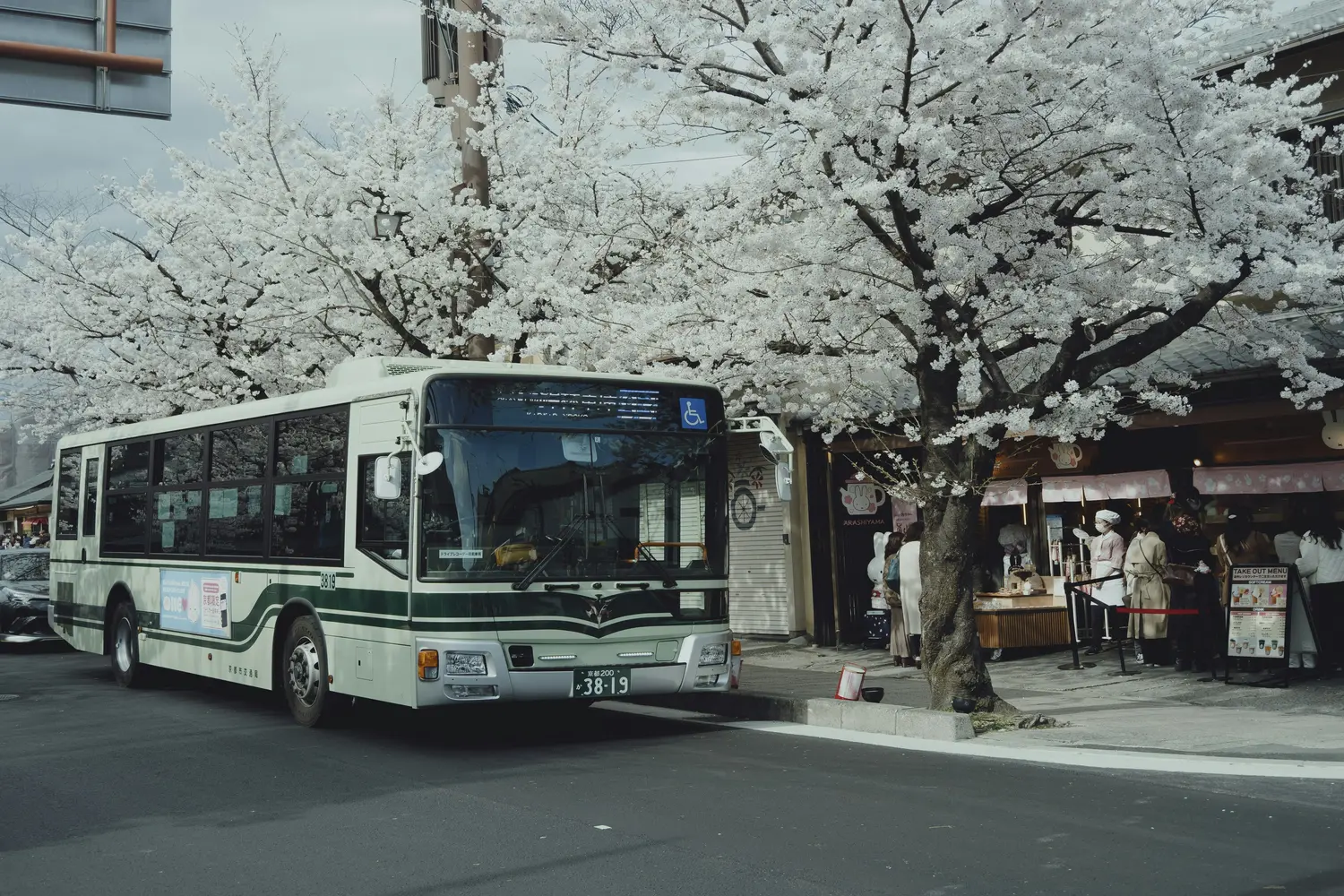
Read more: It is important to know whether your phone connects in Japan and which data option suits your trip to prevent connectivity problems from the first day. 👉 Will My Phone Work in Japan? What You Must Know Before Travel
Ferries in Japan
What it is/when to use it: Ferries connect mainland Japan to Okinawa, Shikoku, and the Seto Inland Sea island chain.
Overnight ferries from Osaka and Kobe serve Beppu in Kyushu and make a scenic alternative to flying for travelers with time available between destinations.
Typical cost: Osaka to Beppu overnight (Sunflower Ferry) from approximately USD 40-80 for a basic berth; Tokyo to Tokushima ferry from approximately USD 35-70 for economy seating.
How to book: Sunflower Ferry at ferry-sunflower.co.jp; Navitime Ferry Japan for cross-operator comparison on island routes.
Insider tip: Ishigaki Island and the Yaeyama chain in Okinawa are connected by local speedboat ferries (approximately USD 5-15 per crossing); build ferry wait times into island-hopping days rather than treating crossings as instant transfers.
How long does it take: Osaka to Beppu approximately 12 hours overnight; Naha (Okinawa) to Ishigaki approximately 13-16 hours by regular ferry; Okinawa inter-island speedboats 30-60 minutes.
Metro in Japan
What it is/when to use it: Metro networks operate in Tokyo (13 combined Tokyo Metro and Toei lines), Osaka (9 Osaka Metro lines), Kyoto (2 subway lines), Nagoya (9 lines), Sapporo (4 lines), and Fukuoka (3 lines).
A Suica or Pasmo IC card covers all metro lines and most buses nationwide with a single tap-in, tap-out system across every city.
Typical cost: Public transportation in Tokyo, Japan costs approximately USD 1.40-2.50 per journey; the 24-hour Tokyo Metro pass costs approximately USD 6.20.
Public transportation in Osaka, Japan costs approximately USD 1.50-2.20 per journey; the Osaka Metro day pass costs approximately USD 5-6 on weekdays.
How to book: Suica IC card at any major JR station machine or as a digital card via Apple Pay or Google Pay since 2024; day passes at station ticket offices.
Insider tip: The Suica IC card works across Tokyo, Osaka, Kyoto, Hiroshima, and most city metro systems nationwide; there is no need to purchase separate local transit cards for each city visited on the same trip.
How long does it take: Central Tokyo zone journeys average 15-25 minutes; Osaka Metro covers city center to most tourist zones in approximately 10-20 minutes.
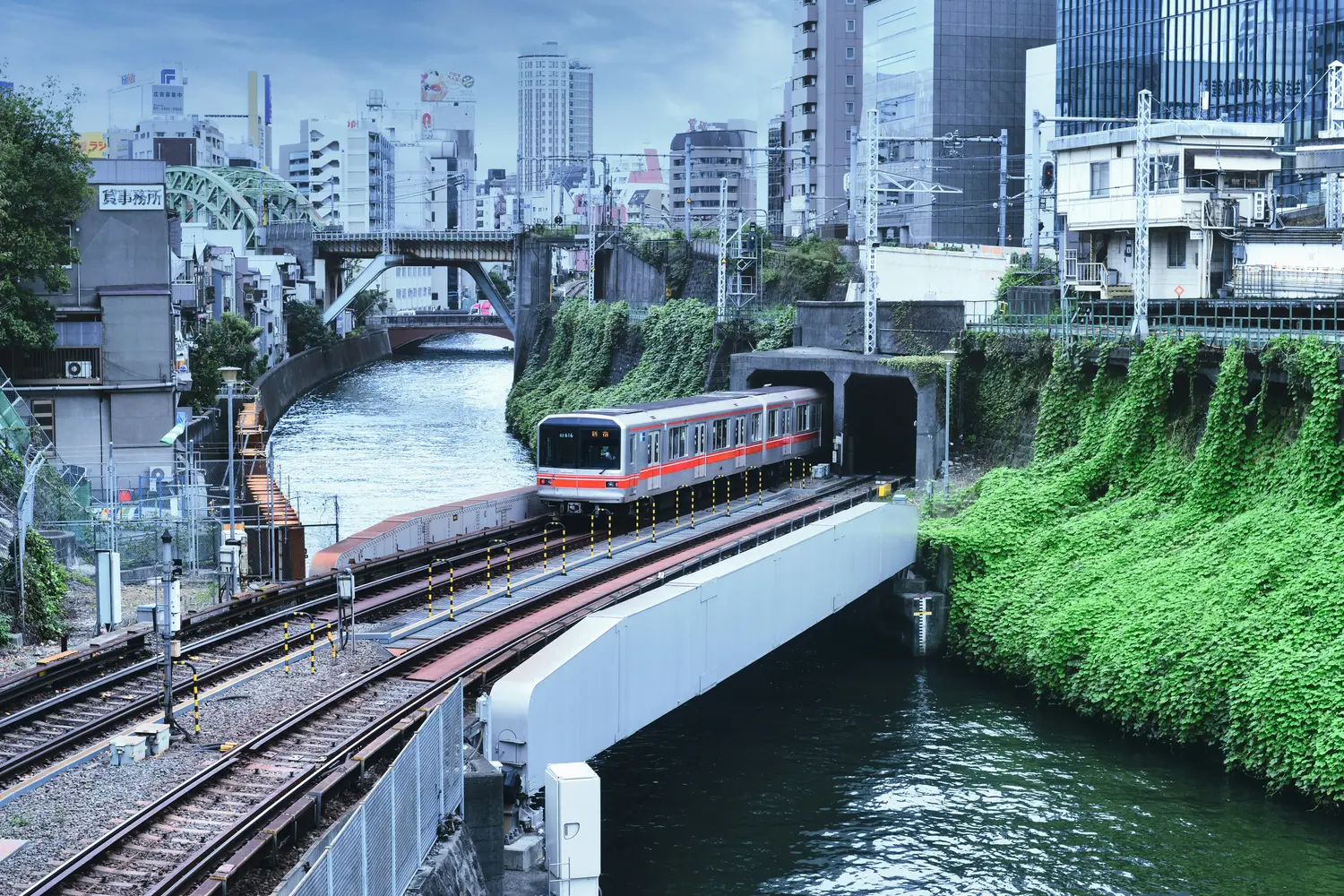
Read more: Japan’s transport network connects hundreds of unique experiences across cities and regions that first-time visitors rarely discover without advance planning. 👉 Best Unique Things to Do in Japan You Need to Know!
Trams and Light Rail in Japan
What it is/when to use it: Historic trams run in Hiroshima (Hiroden, 8 lines), Nagasaki (4 routes), Kumamoto (2 routes), and Takamatsu. Hiroshima’s tram is the most useful for tourists, covering the Peace Memorial area from the main rail station cheaply and frequently.
Typical cost: Hiroshima tram single fare is approximately USD 1.40 (200 JPY); day pass is approximately USD 3.50 (500 JPY). Nagasaki tram day pass: approximately USD 3.30-3.45 (500 JPY).
How to book: Pay on boarding with a Suica IC card or cash; day passes are purchased from the driver on first boarding.
Insider tip: Hiroshima’s tram runs from Hiroshima Station directly to the Genbaku Dome-mae stop for the Peace Memorial Museum; it is both the cheapest and the most direct option between the station and the city’s main tourist area.
How long does it take: Hiroshima Station to the Peace Memorial Museum is approximately 15-20 minutes; the Nagasaki tram covers the tourist center in approximately 10-15 minutes.
Taxis and Rideshare in Japan
What it is/when to use it: Taxis and rideshare apps fill gaps in transportation in Japan for tourists for late-night travel, airport connections after the last trains stop, and destinations with no metro access.
Japan’s taxis are metered, reliable, and clean; drivers are professional, but English is limited outside major city centers.
Typical cost: Tokyo taxi base fare is approximately USD 3.50-5 for the first kilometer (500-730 JPY); additional fare is approximately USD 0.70 per 237 meters. Central Tokyo to Shibuya from approximately USD 12-20, depending on traffic.
How to book: GO or S.RIDE app for licensed taxis across Japan; Uber operates in limited cities including Tokyo but dispatches licensed taxis, not private drivers.
Insider tip: Japan has no Grab, Bolt, or private-driver rideshare app; all app-based bookings dispatch licensed taxis at metered rates and do not offer lower pricing than street hailing.
How long does it take: Tokyo central to Shibuya approximately 10-20 minutes depending on traffic; Osaka city center to Dotonbori approximately 10-15 minutes.
Read more: If you want to keep Japan trip costs under control, it requires knowing which transport and activity expenses to prioritize and which to trim without affecting the experience. 👉 Japan Budgeting Tips to Make the Most of Your Yen
Biking in Japan
What it is/when to use it: Bike-sharing operates in Tokyo (DocoCycle), Osaka (HUBchari), and Kyoto (PiPPA). Cycling suits Kyoto’s temple circuit, Hiroshima’s river paths, and the Shimanami Kaido 60km coastal cycling route linking Hiroshima to Ehime on Shikoku across six Seto Inland Sea islands.
Typical cost: DocoCycle Tokyo approximately USD 2.10 per 30 minutes (300 JPY); Kyoto daily bike rental from approximately USD 8-15 depending on bike type; Shimanami Kaido full-day rental bicycle from approximately USD 15-25.
How to book: DocoCycle app for Tokyo; PiPPA app for Kyoto; local rental shops at major Shimanami Kaido cycle stations.
Insider tip: The Shimanami Kaido route takes approximately 6-8 hours on a standard bicycle, including ferry crossings between islands; the route is fully signposted in English and suits all fitness levels, with an electric bike option available at each cycle station.
How long does it take: Kyoto’s central temple circuit by bike takes approximately 3-4 hours at a relaxed pace; Shimanami Kaido full crossing takes approximately 6-8 hours.
Best Transport Apps for Japan
Planning how to get around in Japan is significantly easier with the right apps downloaded and configured before landing:
- Navitime for Japan: Multi-transfer rail routing more detailed than Google Maps for complex Shinkansen and metro combinations; covers Japan’s full train network, including private rail operators
- Google Maps: Real-time metro and bus directions across all major Japanese cities; download offline maps for Hokkaido and Okinawa before departure
- Suica app: Digital IC card via Apple Pay or Google Pay; tap in and out on all metro, bus, and rail lines without a physical card
- GO or S.RIDE: Licensed taxi apps operating across Japan; pre-book and pay by card in-app without needing cash
- ANA or JAL app: Domestic flight bookings and mobile check-in for Okinawa and Hokkaido routes
- Japan Official Travel App (JNTO): Transport maps, English-language emergency contacts, and offline destination information
How to get internet in Japan before landing is the first practical step; all these apps require live data or pre-trip configuration before arrival.
The best eSIM for Japan travel offers a meaningfully different value proposition from daily international roaming charges; most carrier plans add significant per-day fees that a dedicated Japan data plan avoids entirely.
Japan travel guide resources consistently point to Navitime as the most accurate rail planner for routes involving multiple operators; Google Maps misses some private rail connections that Navitime handles correctly.
Best places to visit in Japan tend to concentrate along well-served Shinkansen corridors, which makes the Suica IC card and Navitime combination sufficient for most first-visit itineraries.
Japan travel tips consistently recommend setting up the digital Suica card before the flight; it works at airport convenience stores and metro gates immediately on arrival.
Read more: Japan’s transport network is genuinely navigable solo, but knowing the safety and cost considerations in advance makes the difference on the ground. 👉 Solo Travel in Japan: Safety, Costs & Tips
Getting To/From the Airport
Tokyo Narita Airport (NRT)
Approximately 60- 80 km from central Tokyo; allow significant extra time for all ground transfers from this airport.
- Train (fast): Narita Express (N’EX) to Tokyo Station; approximately USD 24-27; approximately 53 minutes; covered by JR Pass
- Train (budget): Keisei Skyliner to Ueno; approximately USD 16-18; approximately 41 minutes
- Bus: Airport Limousine Bus to central Tokyo hotels; approximately USD 22-26; approximately 60-90 minutes depending on traffic
- Taxi: Approximately USD 140-200 flat rate to central Tokyo; approximately 60-90 minutes; only practical for large groups or heavy luggage
Tokyo Haneda Airport (HND)
Approximately 14- 20 km from central Tokyo; significantly more convenient than Narita for city access.
- Train: Tokyo Monorail to Hamamatsucho Station; approximately USD 3.30-3.50; approximately 13-18 minutes
- Train: Keikyu Line to Shinagawa; approximately USD 2.00-2.30; approximately 11 minutes
- Bus: Airport Limousine Bus to central Tokyo hotels; approximately USD 15-20; approximately 25-40 minutes
- Taxi: Approximately USD 25-40 to central Tokyo; approximately 20-30 minutes depending on traffic
Kansai International Airport (KIX)
Approximately 50km from Osaka city center; serves Osaka, Kyoto, and Kobe.
- Train (JR): Haruka Express to Osaka/Shin-Osaka; approximately USD 15-18; approximately 29-45 minutes; covered by JR Pass
- Train (budget): Nankai Rapid to Namba; approximately USD 8-10; approximately 45 minutes
- Bus: Airport Limousine Bus to Osaka city hotels; approximately USD 12-18; approximately 55-70 minutes
- Taxi: Approximately USD 70-100 to central Osaka; approximately 50-70 minutes
All airport transfer costs are approximate; verify current fares directly with the operator before travel.
Read more: Understanding Japan’s day-to-day transport and living costs helps plan realistic budgets for longer or extended-stay trips. 👉 Cost of Living in Japan: Monthly Expenses Breakdown
Which Transportation Option Is Best for You?
Understanding which form of transportation in Japan fits each leg of the journey saves both time and money across a multi-city trip.
| Mode | Best For | Avg. Cost | Avg. Time | Book Via |
|---|---|---|---|---|
| Shinkansen | Fast city-to-city travel | Approx. USD 85-110 | 2-4 hrs | jrpass.com, JR station |
| Highway bus | Budget overnight intercity | Approx. USD 20-55 | 8-12 hrs | willerexpress.com |
| Domestic flight | Okinawa, remote Hokkaido | Approx. USD 30-120 | 1.5-2.5 hrs | ANA, JAL, Peach |
| Ferry | Island crossings, scenic routes | Approx. USD 35-80 | 12-16 hrs | Sunflower Ferry |
| Metro | Within-city travel | Approx. USD 1.40-2.50 | 10-25 mins | Suica IC card |
| Taxi/rideshare | Late night, airport, flexibility | Approx. USD 10-40 | Varies | GO, S.RIDE apps |
| Rental car | Rural Hokkaido, Okinawa only | Approx. USD 40-80/day | Self-drive | Toyota Rent a Car |
Source: JNTO, ANA, Willer Express, and Sunflower Ferry 2026 pricing. All costs are approximate USD conversions from JPY. Verify before going.
The best way to get around Japan between major cities is the Shinkansen; for within-city travel, the IC card metro system handles most needs efficiently and affordably.
How to get around in Japan without a car is entirely practical for the classic Tokyo-Kyoto-Osaka-Hiroshima circuit; the Shinkansen and local metro cover every major tourist zone on this route without a single road journey.
How to get around in Japan without a car becomes genuinely limiting only in rural Hokkaido, the Noto Peninsula, and Okinawa’s outer island chain, where bus frequency drops to one or two daily services.
Japan itineraries built entirely around the Tokaido Shinkansen corridor and metro systems need no rental car at any point. Transportation in Japan by rail handles most first-visit circuits, and public transport in Japan via IC card metro fills the gaps within each destination city.
Rail transport in Japan via the JR Pass saves meaningful money when the itinerary covers three or more Shinkansen legs; Japan travel cost on individual tickets across a
Tokyo-Kyoto-Osaka-Hiroshima route runs approximately USD 250-320 versus approximately USD 310-350 for the 7-day pass including unlimited Shinkansen use.
How many days do you need in Japan to make the JR Pass pay off depends entirely on the route; three or more Shinkansen legs within seven days makes it financially clear.
Japan Transportation Checklist
Use this checklist to confirm transportation in Japan arrangements before departure:
- Main Shinkansen routes researched and JR Pass or individual tickets purchased
- JR Pass exchange order obtained before departure; cannot be purchased inside Japan at tourist rates
- Airport transfer option confirmed for each arrival airport on the itinerary
- Navitime, Google Maps, GO, and ANA or JAL apps downloaded before departure
- Suica IC card set up digitally via Apple Pay or Google Pay before the flight
- Rental car booked and International Driving Permit confirmed if rural Hokkaido or Okinawa are on the route
- Insurance type confirmed with the rental company if a car is on the itinerary
- Ferry schedules checked for Okinawa island-hopping or overnight Kyushu crossings
- Last train and last bus times noted for smaller towns and rural area day trips
- Offline maps downloaded for Hokkaido and Okinawa regions before departure
- Mobile data or eSIM confirmed and active before landing
How to get around in Japan smoothly starts with these steps before boarding the flight. On the classic Tokaido circuit, the JR Pass, a Suica IC card, and Navitime are the only tools needed from arrival through departure.
Stay Connected During Your Japan Trip With Jetpac
Shinkansen timetables, metro navigation, and GO taxi bookings all require live mobile data from the moment of landing. Wi-Fi at rural ryokans and mountain transport hubs is inconsistent, especially when live transit information matters most.
A Jetpac eSIM Japan plan activates before departure and connects on landing, covering 4G and 5G across Tokyo, Kyoto, Osaka, Hiroshima, Hokkaido, and Okinawa.
Plans start from USD 4. That means you won't waste time in long airport queues for a local SIM or have to ask strangers for a hotspot.
eSIM for Japan plans from Jetpac of 3 GB or more include unrestricted hotspot sharing and free WhatsApp, Google Maps, and Uber access even after data runs out.
The best eSIM for Japan offers multi-network connectivity with plans covering every region from Sapporo to Ishigaki, and eSIM Japan connectivity is backed by a customer-friendly support team.
FAQs
What is the easiest way to get around Japan?
How to get around in Japan for most first-time visitors is the Shinkansen between cities and a Suica IC card for metro travel within each destination; both systems are English-signed and among the world’s most punctual.
Is public transportation good in Japan?
Public transport in Japan is among the world’s most reliable; the Shinkansen’s average delay runs under one minute per journey, and metro networks cover all major tourist zones with frequent service throughout the day.
Do I need to rent a car in Japan?
A rental car is not needed for Tokyo, Kyoto, Osaka, and Hiroshima; it becomes practical only for rural Hokkaido, Okinawa’s outer islands, and the Noto Peninsula where rail service is infrequent.
Is it better to travel around Japan by train or bus?
Trains are faster and more comfortable for intercity travel; highway buses cost 30-50 percent less and suit budget travelers or overnight connections where saving one night’s accommodation cost justifies the longer journey time.
Can I use ride-hailing apps in Japan?
The GO and S.RIDE apps hail licensed taxis across Japan; Uber dispatches licensed taxis rather than private drivers, and prices are equivalent to street hailing rather than cheaper.
Do I need an eSIM to use maps and transport apps in Japan?
Mobile data is essential for Navitime routing, GO taxi booking, and digital Suica card function; a travel eSIM activates before departure and removes per-day roaming charges from day one.
Is public transport safe and reliable in Japan?
Japan’s trains and metro systems are among the safest in the world; delays are rare, crime is uncommon, and lost items are routinely returned to station lost-and-found offices.
What is the cheapest way to get around Japan?
Overnight highway buses between Tokyo and Kyoto or Osaka offer the lowest intercity fares at approximately USD 20-40; the Suica IC card keeps within-city metro costs under approximately USD 5-8 per day on most itineraries.
Disclaimer
The information in this blog was accurate at the time of writing and is based on available transport and travel information. Fares, schedules, journey times, routes, service availability and booking conditions may change after publication. Jetpac is not responsible for any changes to this information after publication.
Get connected as soon as you land with a Jetpac travel eSIM.