Travel Tips for First-Time Flyers You Need to Know
Got that first-time flying anxiety? From packing to boarding, our complete guide covers all the essential tips for first-time flyers.
Got that first-time flying anxiety? From packing to boarding, our complete guide covers all the essential tips for first-time flyers.
Summer's approaching, and for a change, now's the perfect time to fly for your trip. With lower prices and lots of availability for popular destinations, it's a no-brainer option for those who want to travel by air for the first time. Before you jump into that red-eye, though, it's good to know what you're up to.
Flying doesn't have to be intimidating when you know what to expect. Millions of people fly safely every single day, and with the right preparation and mindset, you'll soon be navigating airports like a seasoned traveler. Let's dive into everything you need to know to make your first flight smooth, comfortable, and maybe even enjoyable.

Photo by Daniel Thomas on Unsplash
Before You Book
The foundation of any great flight experience starts long before you reach the airport. Smart planning can save you money, stress, and potential headaches down the road.
Research Airlines and Routes
Not all airlines are created equal, and a little research goes a long way. Check out reviews on sites like Tripadvisor or Reddit, but remember that people are more likely to leave reviews when they're upset, so take extremely negative reviews with a grain of salt. Look for patterns in feedback rather than isolated complaints.
Compare prices across different booking platforms, but don't just go for the cheapest option without reading the fine print. Sometimes paying $50 for a premium economy seat means the difference between a comfortable experience and feeling like you're trapped in a sardine can. Also, consider the total travel time – a slightly more expensive direct flight might be worth it over a cheaper option with two layovers.
Choose Your Seat Strategically
Window or aisle? It's the age-old travel debate, but for first-timers, the aisle is usually the better choice. You'll have easier access to the bathroom, more legroom to stretch, and won't feel as claustrophobic. Plus, you won't have to climb over anyone if you need to get up.
Avoid seats near the bathrooms – the constant foot traffic and occasional odors aren't worth saving a few bucks. If your budget allows, paying for seat selection is often worth the peace of mind, especially on longer flights.
Understand Ticket Types
Basic economy might look tempting with its lower price, but understand what you're giving up. Often, your ticket is non-refundable, you can't choose your seat in advance, and you might have a smaller checked baggage weight limit. For your first flight, springing for a standard economy ticket is often recommended if possible – the extra flexibility is worth it while you're learning the ropes.
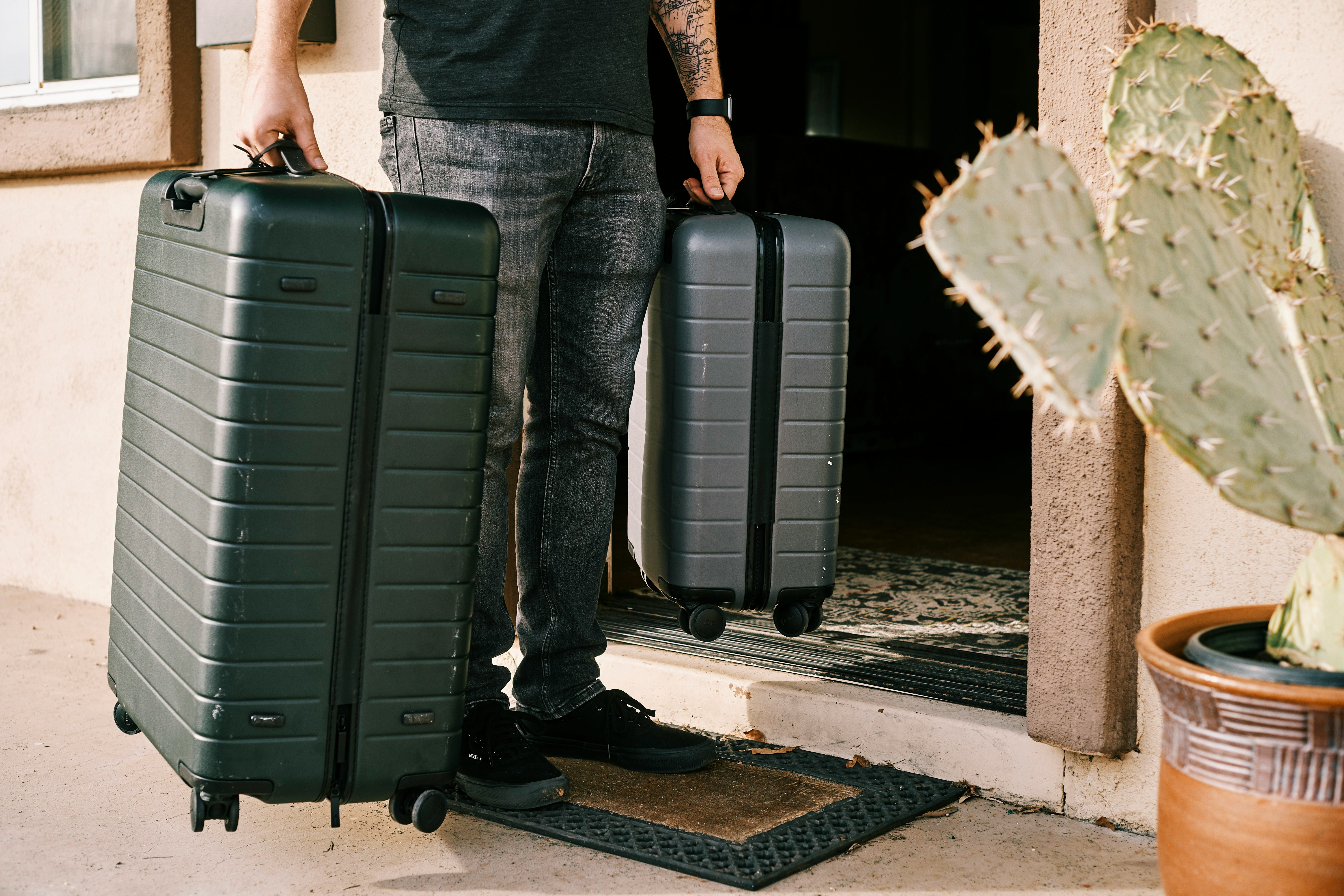
Photo by Kit (formerly ConvertKit) on Unsplash
Packing Like a Pro
Packing for your first flight doesn't have to be rocket science, but there are definitely some rules and tricks that'll make your life easier.
Master the TSA 3-1-1 Rule
This is the big one that trips up most first-timers. While it's normally called the TSA 3-1-1 liquids rule, these rules also apply to major international airports in London, Tokyo, Sydney, and more. Any liquids, gels, or aerosols in your carry-on must be in containers of 3.4 ounces (100ml) or smaller. All these containers must fit in one quart-sized, clear, zip-top bag. And you're limited to one bag per passenger.
This includes things you might not think of as "liquids" – toothpaste, deodorant, mascara, and even peanut butter and soups. When in doubt, if you can pour, pump, squeeze, spread, or spray it, it probably counts as a liquid.
Pro tip: Buy a set of TSA-approved travel containers and transfer your products, or simply buy toiletries after you pass security.
Smart Carry-On Essentials
Always pack at least one complete change of clothes in your carry-on, even if you're checking a bag. Lost luggage happens, and having fresh clothes can turn a travel disaster into a minor inconvenience. Include underwear, socks, and a basic outfit that could work for your first day at your destination.
Keep all medications in their original prescription bottles for security checks and pack more than you think you'll need in your carry-on. Pharmacies at your destination might not have your specific medications, and you don't want to spend your trip hunting for a pharmacy.
Don't forget your phone charger, a portable battery pack, and some form of entertainment. Even if the plane has WiFi and entertainment systems, having backup options ensures you won't be bored if technology fails or you don't want to spring for onboard WiFi.
Items That Surprise First-Timers
You can actually bring quite a bit of food through security, as long as it's solid. Sandwiches, fruit, cookies, and even pizza are all fair game. However, anything liquid or spreadable (like yogurt or hummus) falls under the 3-1-1 rule.
Most electronics are fine in carry-ons, but laptops and large electronics need to come out of your bag at security in most airports. Keep them easily accessible. Remove batteries from any checked electronics, as they can be a fire hazard in the cargo hold.
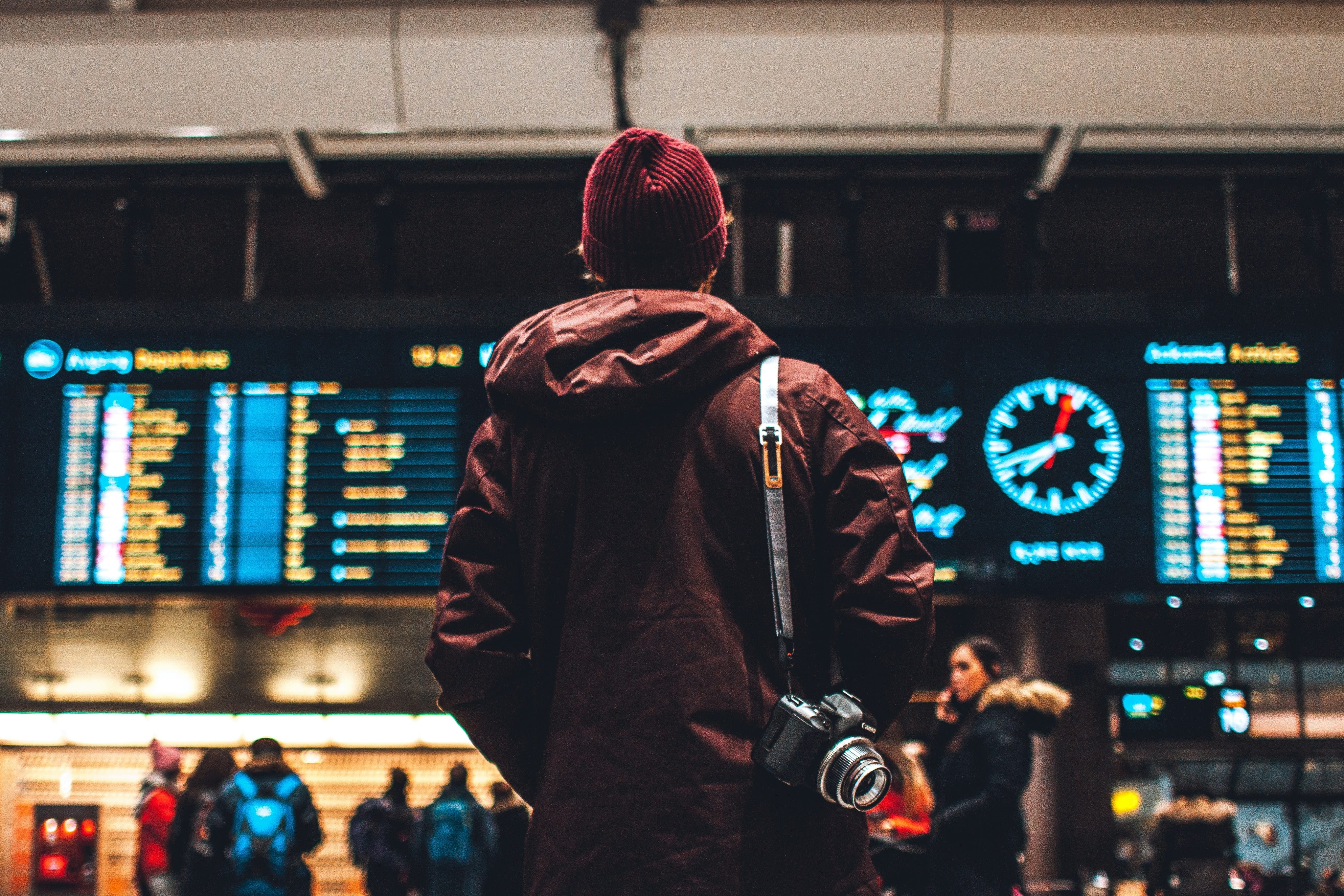
Photo by Erik Odiin on Unsplash
Airport Navigation: From Check-in to Your Gate
Airports can feel like small cities, but they're actually designed to guide you through a logical process. Once you understand the flow, navigation becomes much simpler.
Check-In Like a Pro
If you can check in online, do so when you can – set a phone reminder if you need to. Each airline differs, so make sure you check if it's 24 hours before or 48. This gives you the best selection of remaining seats if you haven't already chosen one, and you can often upgrade for less than it would cost at the airport.
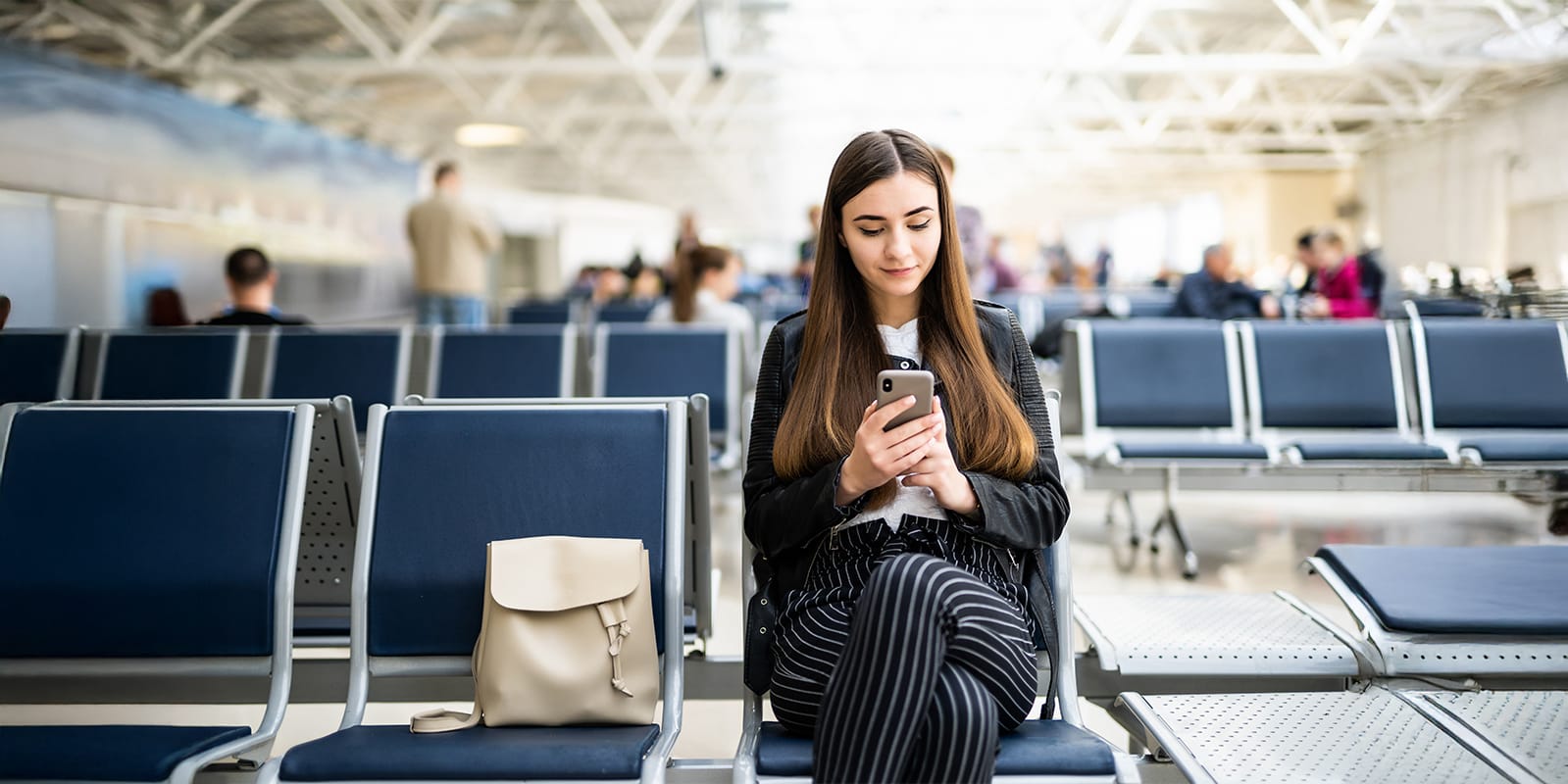
Mobile boarding passes are incredibly convenient, but always have a backup plan. Take a screenshot of your boarding pass and email it to yourself. Some airports have spotty WiFi, and you don't want to be fumbling with apps when you're already nervous.
If you're checking a bag, you'll still need to visit the airline counter or a self-service kiosk after checking in online. The process is usually straightforward – scan your ID, confirm your flight details, pay any baggage fees, and get your luggage receipt. Keep that receipt safe; you'll need it if your bag gets lost.
Security Checkpoints
The security line moves faster when everyone knows what they're doing, so be prepared. Wear shoes that slip off easily if you're passing through a TSA security check – you'll thank yourself when you're not struggling with complicated laces while people wait behind you. Minimize jewelry and metal accessories, and consider leaving your belt behind if it has a large metal buckle.
Have your ID and boarding pass ready, but don't stress if the agent seems stern – they see hundreds of people per day and are just doing their job efficiently. Follow the instructions, be polite, and remember that they're there for everyone's safety.
When going through the scanner, empty your pockets completely. That forgotten mint or receipt can trigger a pat-down. Raise your arms as instructed and stay calm – the process takes just a few seconds.
Finding Your Way Around
Once you're through security, take a moment to orient yourself. Find the nearest departure board and locate your gate, but don't panic if it seems far away – you have time. Note any gate changes, which are common and announced regularly. Some airports, like Dubai International Airport or Amsterdam Schiphol Airport, are silent, so changes won't be announced over the loudspeaker.
Most airports are designed like spokes on a wheel, with restaurants and shops concentrated in central areas and gates radiating outward. Find your gate first, then explore nearby amenities. Grab a snack, use the restroom, and charge your devices while you wait.
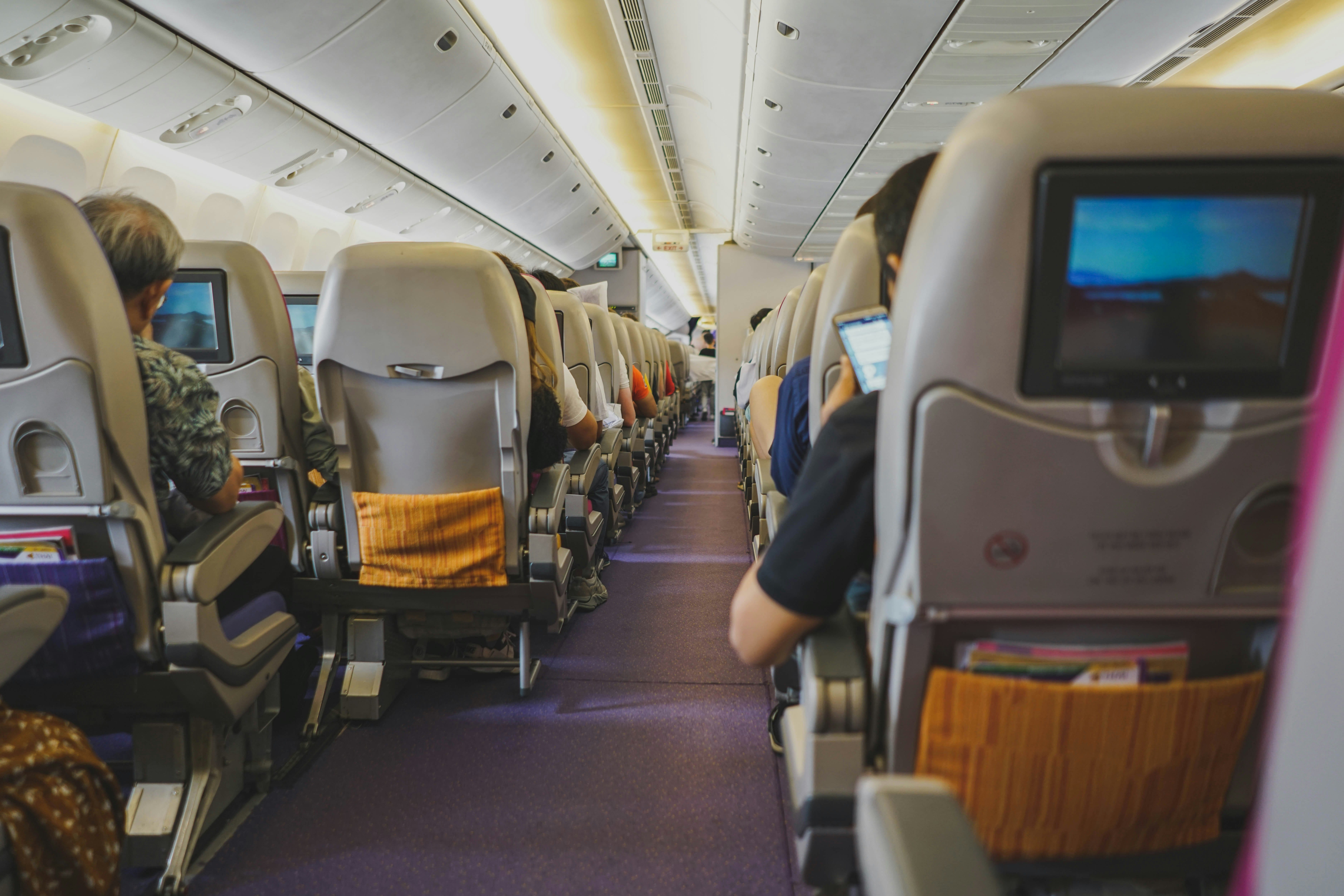
Photo by topcools tee on Unsplash
From Takeoff to Landing
The actual flying part is often less scary than first-timers imagine. Understanding what's normal helps you relax and enjoy the experience.
Boarding and Settling In
Airlines board passengers in groups, usually starting with first-class and frequent flyers, then moving through numbered zones. Don't stress if your group isn't called first – there's no advantage to standing in line early, and you'll just be more comfortable waiting in a seat. Boarding usually closes 15 minutes before takeoff, so make sure you’re at the gate on time.
When it's your turn to board, have your boarding pass and passport ready one more time. Find your seat using the row numbers and letters (A-F on most midrange planes, with A and F being window seats). Stow your larger carry-on in the overhead bin above your seat or nearby, but keep your personal item (purse, backpack) under the seat in front of you.
Get settled quickly to help the boarding process move smoothly. Buckle your seatbelt, put your phone in airplane mode, and take a few deep breaths. You've made it this far – the hard part is over.
Takeoff and In-Flight Basics
Those mechanical sounds during takeoff are completely normal – the plane is just configuring itself for flight. The engines will get louder, you'll feel acceleration, and then that magical moment when you realize you're airborne. The slight dropping sensation in your stomach is normal and passes quickly.
Your ears might feel pressure during takeoff and landing as the cabin pressure changes. Swallowing, chewing gum, or yawning helps equalize the pressure. If you have a cold, consider bringing a decongestant or nasal spray, as congestion can make ear pressure more uncomfortable.
Once you reach cruising altitude (usually announced by the captain), you can safely use electronic devices, move around the cabin, and use the restroom. The seatbelt sign will turn off, but keep your seatbelt loosely fastened when seated – turbulence can happen without warning.
In-Flight Comfort Tips
Airplane air is notoriously dry, so drink water regularly, but don't overdo it – you don't want to be constantly getting up for bathroom breaks. Avoid excessive alcohol, which can dehydrate you further and make jet lag worse.
Temperatures on planes can vary dramatically. Dress in layers so you can adjust as needed. Bring a light jacket or sweater, even on summer flights – the air conditioning can be quite strong.
Most airlines offer some form of entertainment, from seatback screens to (paid) WiFi streaming. However, download offline entertainment just in case. Bring headphones too – airplane-provided ones are often uncomfortable and of poor quality.

Photo by Caroline Attwood on Unsplash
Smart Travel Tips for First-Time Flyers
These are the tips that separate nervous first-timers from confident travelers. Once you know these tricks, you'll feel like you're in on the secret.
Airport Lounge Access Hacks
Airport lounges aren't just for business travelers and frequent flyers. Many credit cards offer lounge access as a perk, and you can often buy day passes. The comfortable seating, free WiFi, snacks, and quieter environment can be worth every penny, especially during long layovers.
Here's one of the best travel hacks you'll discover: Jetpac eSIM offers free airport lounge access for flight delays longer than an hour. You can register your flight if you have any Jetpac eSIM – even with the USD 1 for 1GB pack! Just register at least 24 hours before your departure time. For just $1, you could potentially access premium airport lounges if your flight gets delayed.
Even if you don't get lounge access, most airports have quiet zones, phone charging stations, and comfortable seating areas if you know where to look. Explore a bit instead of camping at your gate for hours.
Technology That Makes Flying Easier
Download your airline's app before you travel. These apps provide real-time flight updates, mobile boarding passes, and often let you track your checked luggage. You'll get notifications about gate changes and delays faster than the airport announcements.
Prepare entertainment for offline use. Download movies, podcasts, or books to your device before leaving home. Airplane WiFi can be expensive and unreliable, so having offline options ensures you won't be bored.
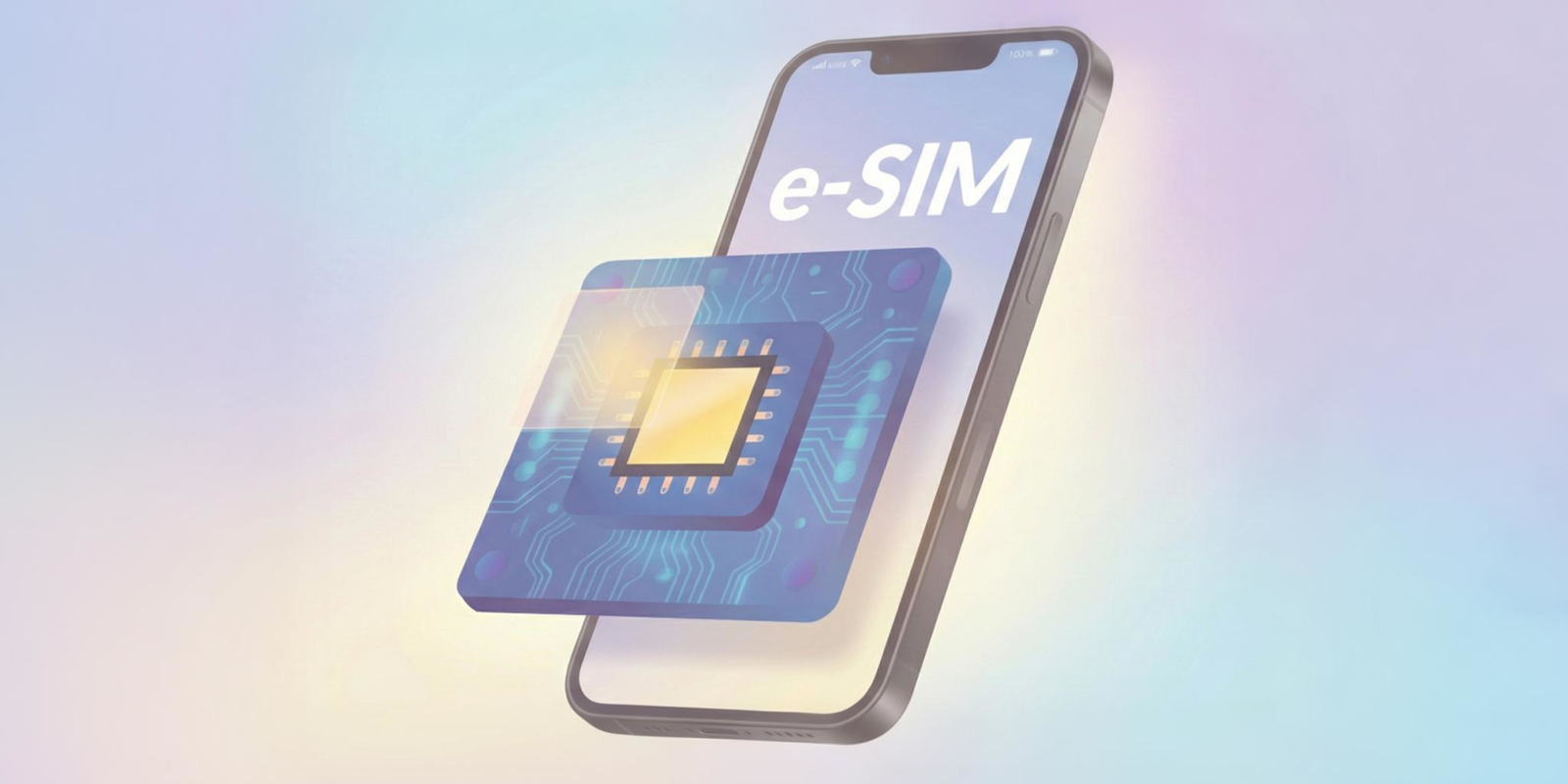
An internet connection is key after your flight lands. Get yourself an embedded travel SIM (eSIM) like Jetpac that skips the roaming fees and can latch onto top local networks soon after you arrive. It'll make navigating getting to your destination or hotel easier, as you can use it to access apps like Google Maps or Uber.
Comfort and Convenience Hacks
Always bring an empty water bottle through security and fill it at a water fountain afterward. Airport water is expensive, and staying hydrated is crucial for comfortable flying. Many airports now have bottle-filling stations with filtered water.
Wear comfortable, slip-on shoes. You'll be doing more walking than you expect, and you might need to remove your shoes at security. Avoid brand-new shoes that might cause blisters, and choose something with good support.
Keep important documents easily accessible but secure. Use a travel wallet or document organizer for your passport, ID, boarding passes, and any necessary visas or health certificates. Having everything in one place reduces stress and speeds up check-in processes.
Photo by Eva Darron on Unsplash
Frequently Asked Questions About First-Time Flying
How early should I arrive at the airport for my first flight?
For international flights, plan to arrive at least 3 hours in advance. As a first-timer, this extra time is your friend. You won't feel rushed, you'll have time to figure out where everything is, and if something goes wrong (like long security lines), you'll still make your flight. Once you're more experienced, you can cut these times down, but for now, err on the side of caution.
Can I bring food through airport security?
Yes! You can bring most solid foods through security. Sandwiches, fruit, chips, cookies, and even pizza are all allowed. However, anything liquid or spreadable (yogurt, hummus, soup) must follow the 3-1-1 rule for liquids. Bringing your own snacks can save money and ensure you have something you like, especially on longer flights or low-cost carriers where meal service might be limited or even nonexistent.
What happens if I miss my connecting flight?
Take a deep breath – this happens more often than you think, and airlines have procedures to help you. If the delay was the airline's fault, they'll rebook you on the next available flight at no charge. If you missed it due to your own timing, you might pay a change fee, but you won't lose your entire ticket. Head to the nearest customer service counter or call the airline immediately. Most airline apps also let you rebook directly from your phone.
Is it safe to put my phone in airplane mode, and what does that actually do?
Absolutely safe! Airplane mode turns off your phone's cellular, WiFi, and Bluetooth radios, but you can still use the device for offline activities like reading, games, or listening to downloaded music. You can manually turn WiFi back on if the plane offers it (usually for a fee). The airplane mode requirement exists to prevent interference with aircraft navigation systems, though modern planes are well-shielded against interference.
How do I deal with first-time flight anxiety?
Flying anxiety is incredibly common, so don't feel embarrassed. Here are some strategies that help: practice deep breathing exercises, bring distractions like music or podcasts, learn about how planes work (understanding the science often reduces fear), and consider informing the flight attendants about your anxiety – they're trained to help nervous flyers and can offer reassurance.

Photo by Austin Distel on Unsplash
Make Your First Flight a Breeze with Jetpac!
Ready to ditch the stress and embrace the adventure? With Jetpac, we're all about making your journey smoother and way more fun. Imagine this: if your flight gets unexpectedly delayed, you won't be stuck twiddling your thumbs. Instead, you could be chilling in a comfy airport lounge with a complimentary access pass, all thanks to Jetpac. And once you land, forget fumbling for a local SIM or hunting for Wi-Fi. We've got your back with seamless connectivity the moment you arrive, so you can share your adventures or find your way around without a hitch.
The world is truly waiting for you, and with Jetpac, you've got a fantastic travel buddy to help you explore it with ease. Safe travels!