
Your Guide to EU Entry: Schengen Travel Visa Explained
Traveling to the EU? Discover which countries can travel visa-free, how to apply for a Schengen travel visa, and more with our complete 2025 guide.
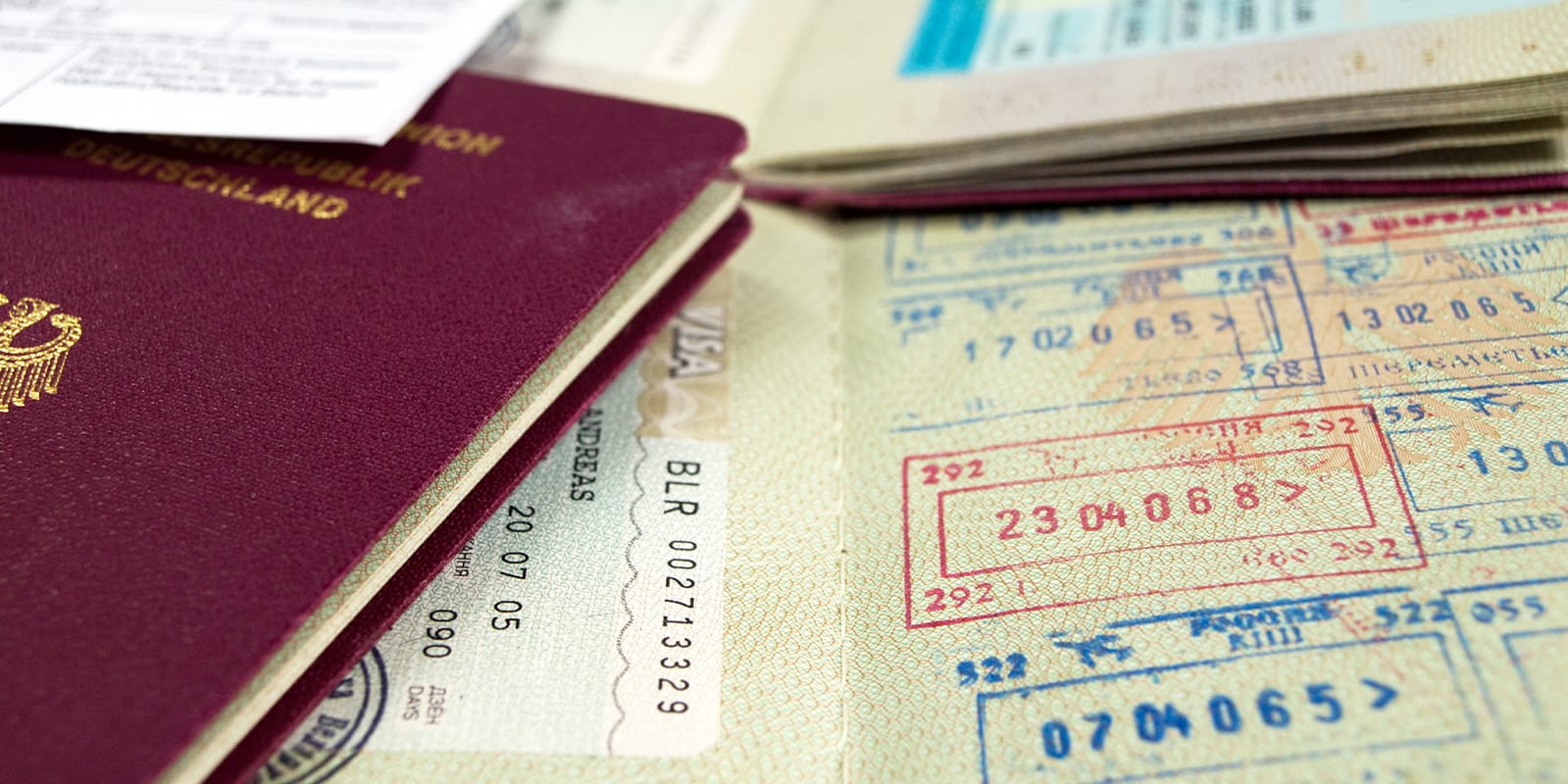
Traveling to the EU? Discover which countries can travel visa-free, how to apply for a Schengen travel visa, and more with our complete 2025 guide to European entry requirements.
Picture this: You're scrolling through Instagram, seeing all those dreamy shots of cobblestone streets in Prague, sunset dinners in Santorini, and cozy cafés in Amsterdam. Europe's practically begging you to visit, but then reality hits – do you actually need a visa to make those travel dreams happen?
Navigating European visa requirements doesn't have to be the stuff of nightmares. The good news? For many travelers, the process is surprisingly straightforward. Some lucky passport holders can just pack their bags and go, while others need to do a bit of paperwork first. Either way, once you know the rules, planning your European adventure becomes a whole lot less stressful and a lot more exciting.

Photo by Christian Lue on Unsplash
What is the Schengen Area?
Think of the Schengen Area as where Europe has open borders. Once you're in, you can move freely between 26 countries without dealing with border controls every time you cross from one nation to another. It's like having a pass to most of Europe, since chances are your passport won’t be checked again after entry.
The 26 Schengen Countries Include:
Western Europe: France, Germany, Netherlands, Belgium, Austria, Luxembourg, Switzerland, Liechtenstein
Nordic Region: Norway, Iceland, Denmark, Sweden, Finland
Eastern Europe: Poland, the Czech Republic, Hungary, Slovakia, Slovenia, Estonia, Latvia, Lithuania
Southern Europe: Italy, Spain, Greece, Malta, Portugal, Croatia
Norway, Iceland, Liechtenstein, and Switzerland are included even though they're not EU members, as they’re part of the European Economic Area (EEA) – that's the beauty of the Schengen system.
This means you can wake up in Paris, take a train to Amsterdam for lunch, and end your day in Brussels without showing your passport three times. The “one visa, multiple countries” concept is what makes those epic European road trips and train adventures possible.
Which Countries Aren’t Covered in the Schengen Visa?
Just keep in mind that not all EU countries are part of Schengen. Ireland and Cyprus have their own entry requirements, so they'll need separate planning if they're on your itinerary.

Photo by Elisa Schmidt on Unsplash
Do You Need a Schengen Visa?
Here's where things get personal – your visa requirements depend entirely on what passport you're carrying. The Schengen countries have divided the world into two camps: those who can rock up visa-free and those who need to apply for permission first.
Key Factors That Determine Your Visa Needs:
Your nationality – This is the biggest determining factor
Purpose of travel – Tourism, business, transit, or other reasons
Length of stay – Short visits vs. extended stays
Previous travel history – Some countries consider your travel record
Most tourist trips fall under the short-stay category, which covers visits up to 90 days. If you're planning to work, study, or stay longer than three months, you're looking at different visa categories with their own requirements.
The key here is planning ahead. Visa requirements don't change overnight, but processing times can vary wildly depending on the season and your local consulate's workload. Starting your research early means you won't be scrambling for appointments or documents at the last minute.
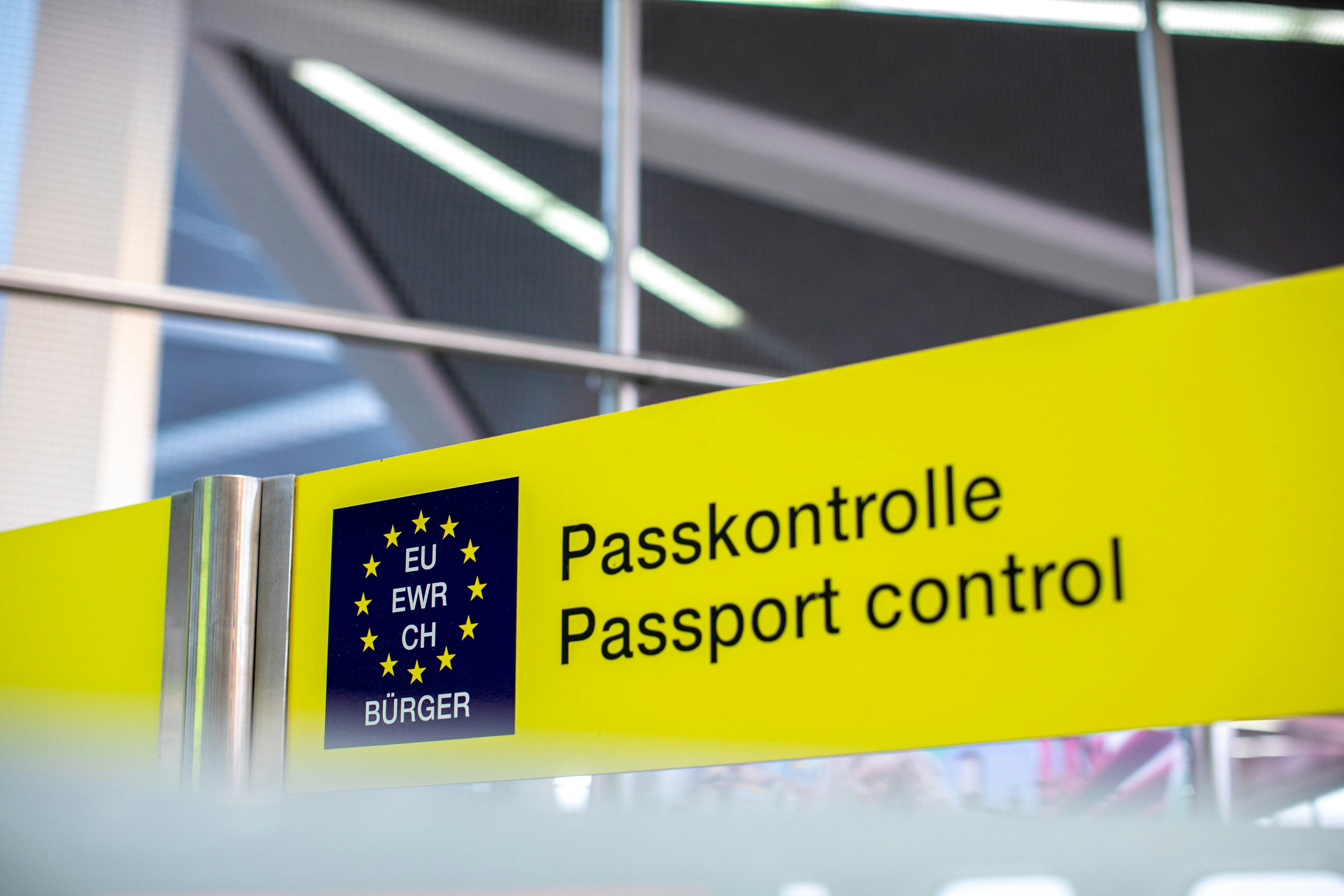
Photo by Daniel Schludi on Unsplash
Countries That Can Enter Schengen Visa-Free
If you're holding a passport from the United States, Canada, Australia, New Zealand, Japan, South Korea, or Singapore, you've hit the travel lottery. These countries (and more!) have visa-free access to the Schengen Area, which means you can book that flight to Rome without dealing with embassy appointments first.
Entry requirements for visa-free travelers:
Valid passport for at least 3 months beyond your departure date
Proof of sufficient funds to support your stay
Return ticket or onward travel documentation
Clean criminal record (no recent legal issues)
Travel insurance (recommended, sometimes required)
What visa-free entry covers:
Tourism and sightseeing
Business meetings and conferences
Short educational courses
Family visits
Medical treatment (short-term)
The visa-free privilege covers tourism, business meetings, short courses, and family visits – basically anything that doesn't involve working or studying for extended periods. You're looking at the same 90-day limit that applies to visa holders, so don't think visa-free means unlimited time.
Coming Soon: ETIAS Authorization
One heads-up for visa-free travelers: the European Travel Information and Authorization System (ETIAS) is rolling out at the end of 2026. It's not exactly a visa, but it's an electronic authorization you'll need to get before traveling. Think of it like the ESTA system for traveling to the US – a small extra step, but nothing too complicated.
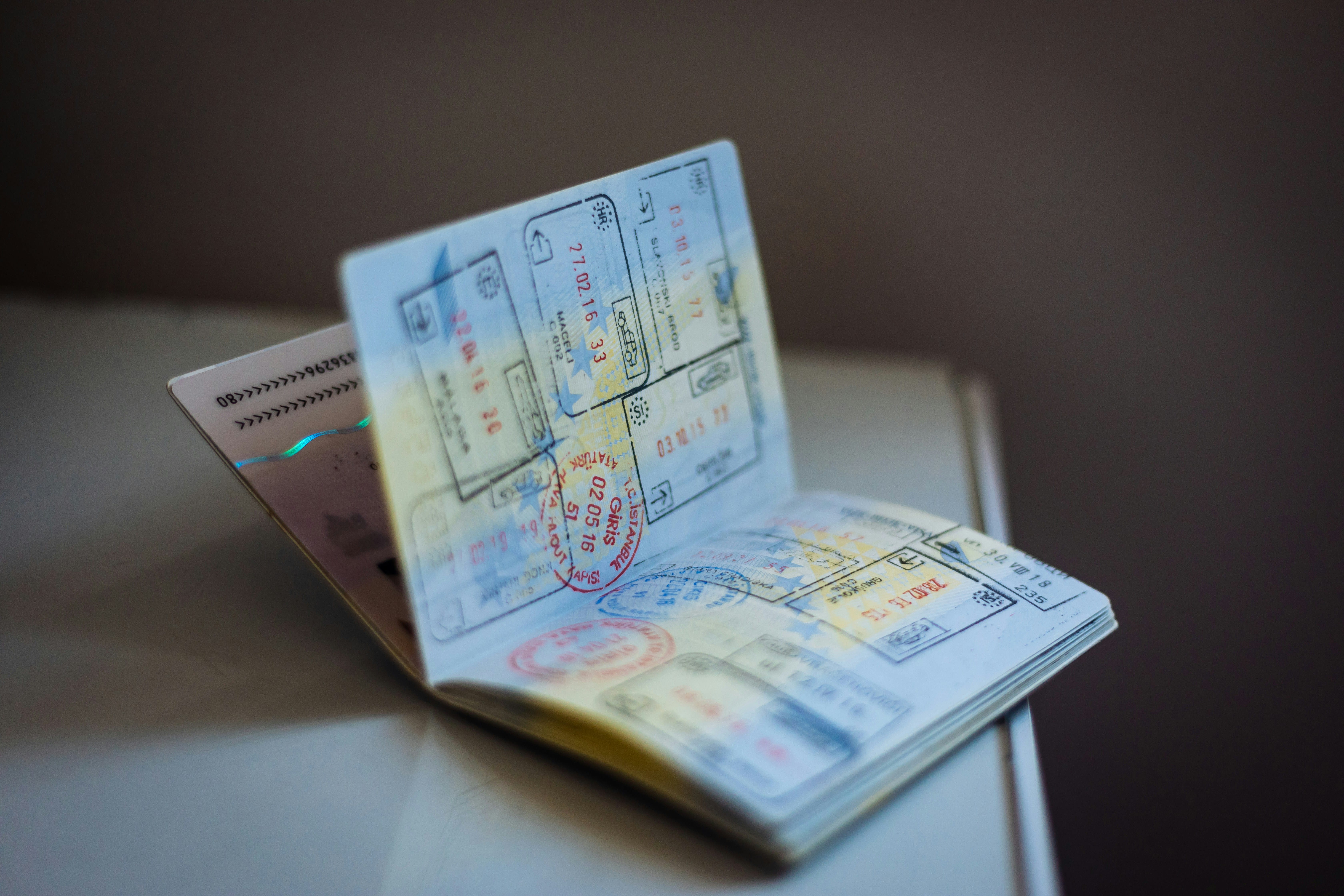
Photo by Global Residence Index on Unsplash
The Schengen 90/180 Rule Explained
The 90/180 rule is probably the most misunderstood aspect of European travel, so let's break it down in plain English. You can stay in the Schengen Area for up to 90 days within any 180-day period. It's not 90 days per country or 90 days per trip – it's 90 days total across all Schengen countries within a rolling six-month window.
How the 90/180 Rule Works
90 days maximum stay within any 180-day period
Rolling calculation – not calendar months or years
All Schengen countries combined – not per individual country
Entry and exit dates both count as days in the calculation
Example Scenario
Imagine you spend 30 days traveling through Europe in January. You can return and spend another 60 days anytime before July (180 days from your first entry). But if you use up all 90 days in your first trip, you'll need to wait until 180 days have passed from your first entry before you can return.
The clock starts ticking from your first entry into any Schengen country and resets on a rolling basis. Days spent in non-Schengen countries like the United Kingdom, Ireland, or Cyprus don't count toward your 90-day limit, which is why some savvy travelers use these destinations as "reset" countries during longer European adventures.
Overstaying your welcome is no joke – it can result in fines, deportation, and bans on future travel to Europe. There are apps and online calculators that can help you track your Schengen days if you're planning multiple trips or extended travel.

When You Need a Schengen Visa: Application Process Demystified
If your passport isn't on the visa-free list, don't worry – getting a Schengen travel visa is totally doable with the right preparation. The process might seem daunting at first, but thousands of travelers successfully navigate it every year.
Types of Schengen Visas
Type C (Short-stay): Tourism, business, family visits up to 90 days
Type D (Long-stay): Extended stays, work, study over 90 days
Transit visas: For passing through Schengen airports
Where to Apply
The standard short-stay Schengen visa (Type C) covers tourism, business trips, family visits, and short-term studies up to 90 days. You'll need to apply at the consulate or visa application center of your main destination country. If you're visiting multiple countries for equal amounts of time, apply at the consulate of your first entry point.
Required Documents Checklist
Completed application form with recent passport photos
Valid passport with at least 2 blank pages
Travel insurance covering a minimum of €30,000 in medical expenses
Proof of accommodation (hotel bookings, invitation letters)
Flight reservations or flight tickets (as long as they’re refundable)
Bank statements showing sufficient funds (usually 3-6 months)
Detailed itinerary with dates and activities
Employment letter or payslips for the last 3 months
Other proof of ties to your home country, such as mortgage statements, assets under your name, marriage certificates, etc.
Timeline and Costs
Processing time: 15 to 45 days, depending on administrative processing
Visa fees: Around €90 for adults, reduced rates for children
Apply: Up to 6 months before travel, minimum 45 days before
Pro Tips for Success
The secret to a successful application is organization and honesty. Make sure all your documents are complete, consistent, and clearly show your intention to return home after your trip. Immigration officers are looking for genuine tourists, not potential overstayers.
Travel insurance is mandatory and non-negotiable – don't try to skip this requirement. The good news is that many travel insurance policies designed for European travel automatically meet Schengen requirements.

Photo by Tran Mau Tri Tam ✪ on Unsplash
Frequently Asked Questions About the Schengen Travel Visa
Can I work in Europe with a tourist visa or visa-free entry?
Tourist visits are for tourism only. Working requires a separate work permit and visa, regardless of whether you normally travel visa-free. This includes remote working or “work from anywhere” arrangements.
What happens if I overstay my visa-free period?
Overstaying can result in fines, deportation, and bans on future Schengen travel. The penalties vary by country, but aren't worth the risk. Do note that your first and last day of travel count within the 90/180 rule.
Can I extend my Schengen visa while in Europe?
Extensions are only possible in exceptional circumstances, like medical emergencies or force majeure situations. Don't count on being able to extend for tourism purposes.
Do I need a visa for connecting flights through Europe?
If you're staying in the international transit area and not entering the Schengen Area, you typically don't need a visa. However, some nationalities require airport transit visas even for connections.
What countries can you enter with a Schengen visa?
You can enter 29 countries within the European Union and the European Economic Area: Austria, Belgium, the Czech Republic, Denmark, Estonia, Finland, France, Germany, Greece, Hungary, Iceland, Italy, Latvia, Liechtenstein, Lithuania, Luxembourg, Malta, the Netherlands, Norway, Poland, Portugal, Slovakia, Slovenia, Spain, Sweden and Switzerland.
Can I apply for a Schengen visa from any country?
You should apply in your country of residence. If you're traveling, you can sometimes apply elsewhere, but you'll need to provide additional documentation explaining why.
How early should I apply for my visa?
You can apply up to six months before your trip, but no less than 45 days before departure, as there might be administrative delays.

Photo by Nick Night on Unsplash
Stay Connected Across Europe with Jetpac eSIM
Now that you've got the visa situation sorted, let's talk about staying connected during your European adventure. Nothing kills the travel vibe like frantically searching for WiFi or dealing with shocking roaming charges when you're trying to navigate those charming but confusing European streets.
Jetpac’s eSIM for Europe works seamlessly across all Schengen countries and beyond – one eSIM for 200+ destinations, including all 29 countries covered under the Schengen visa. No physical SIM swapping, no hunting for local phone shops, and no worrying about losing your home SIM card somewhere between Prague and Paris.
Just download the app, choose your European data plan, and you're connected from the moment you land. Plus, we’ve got tons of travel perks like free lounge access and free WhatsApp and Google Maps for select packs.
Ready to make your European trip a reality? Check out your Jetpac eSIM now and take one more thing off your travel to-do list.