
Your Quick Guide to Applying for the Croatian Digital Nomad Visa
Ready to live and work in Croatia? Our comprehensive guide walks you through applying for the Croatian digital nomad visa, with all essential requirements and benefits.

Ready to live and work in Croatia? Our comprehensive guide walks you through applying for the Croatian digital nomad visa, with all essential requirements and benefits.
Did you know that remote workers are flocking to Croatia? This Mediterranean gem has become a hotspot for those seeking a perfect blend of work and play.
Thanks to its digital nomad visa, you can now live and work in this stunning country for up to a year—tax-free!
Croatia’s program, launched in 2021, was initially proposed by Dutch entrepreneur Jan de Jong as a pandemic recovery strategy. Today, it’s a thriving initiative that attracts professionals worldwide.
Imagine working from UNESCO World Heritage Sites or iconic Game of Thrones filming locations while enjoying reliable 55 Mbps internet speeds.
With Croatia’s recent entry into the Schengen Area in 2023, visa holders gain access to 26 European countries. Whether you’re drawn to Zagreb’s charm, Split’s coastal vibes, or Dubrovnik’s historic beauty, this nomad visa offers an unmatched lifestyle.
Ready to make the Adriatic your new office?
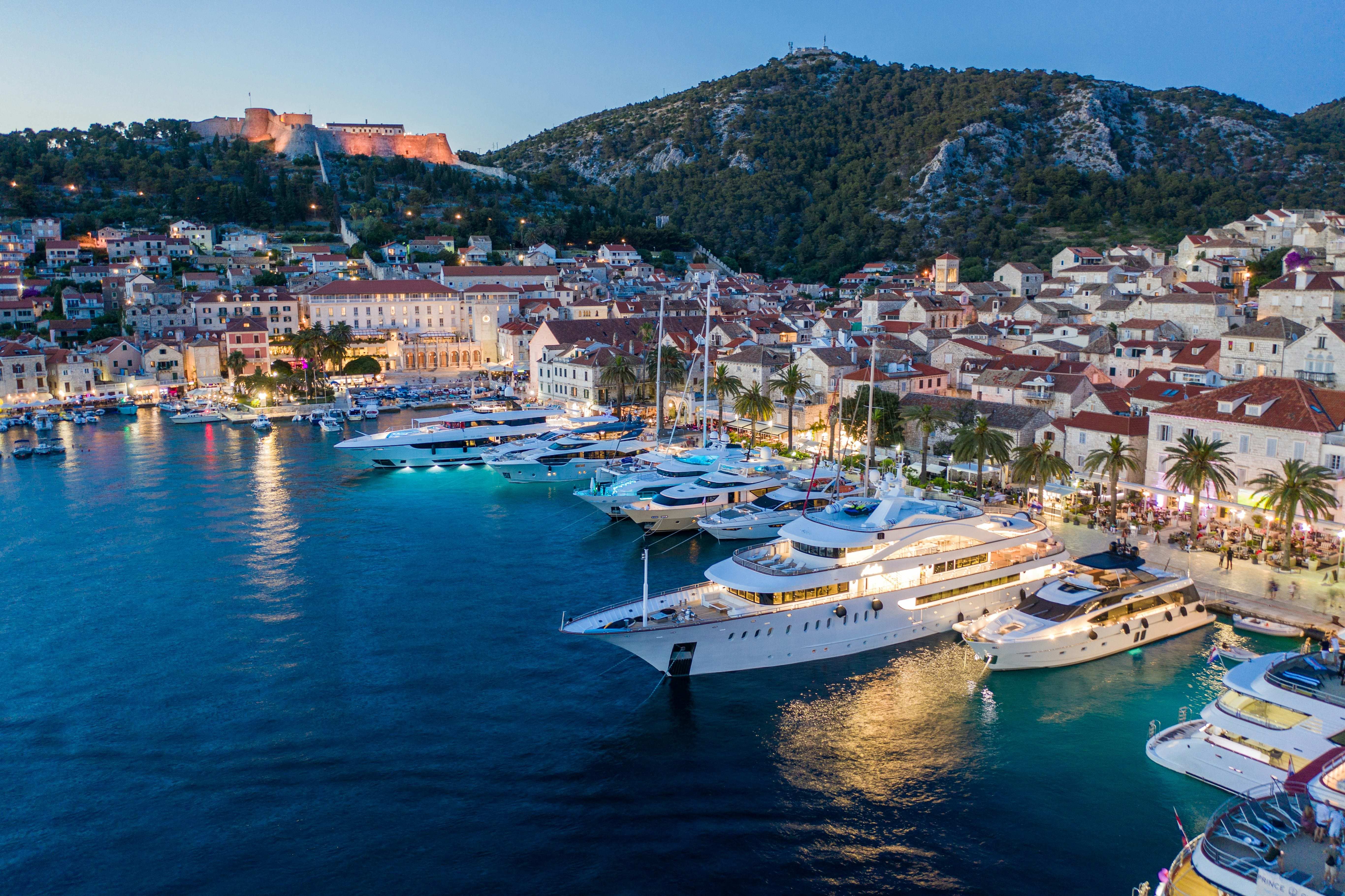
Photo by Geio Tischler on Unsplash
Who Can Apply for the Croatian Digital Nomad Visa?
Curious about who can call Croatia their temporary home office? This program is designed for third-country nationals, making it perfect for Americans, Canadians, and Australians.
If you’re from the EU, you can stay visa-free, but you’ll miss out on the tax benefits. Sometimes, the grass isn’t always greener!
Eligibility Criteria
To qualify, you’ll need to meet specific requirements. First, you must prove you’re a remote worker. This means having a steady income from outside Croatia. The program is tailored for those who want to blend work with adventure.
Think of it as your ticket to working from UNESCO World Heritage Sites.
Non-EU Citizens and Other Requirements
If you’re a non-EU citizen, this visa for Croatia is your golden opportunity. Each family member adds 10% to the income requirements. For couples, that’s €2,793 or more.
Unmarried partners can also qualify with proof of a “common-law marriage.” Yes, Instagram couples count!
Pet parents, rejoice! Croatia’s pet import rules are simpler than most Schengen countries. So, your furry friends can join you on this adventure.
With clear guidelines and a welcoming atmosphere, this program is designed to make your transition smooth and stress-free.

Photo by Aleh Tsikhanau on Unsplash
Benefits of the Croatian Digital Nomad Visa
Looking for a way to combine work with European adventures? This program offers more than just a stunning backdrop for your Zoom calls. From financial perks to border-free travel, it’s designed to make your life easier and more exciting.
Tax Exemptions and Financial Perks
One of the biggest draws is the tax-free residency. You won’t pay local taxes on your income, as long as it’s earned outside the country. This can save you thousands, making it easier to enjoy everything this region has to offer.
Plus, the cost of living is lower compared to many Western European countries. Think $12 lunches and affordable studio apartments. It’s a budget-friendly way to live the European dream.
Access to the Schengen Area
Your biometric residence card doubles as a Schengen passport. This means you can explore 26 European nations without additional visas. Parisian croissants are just a two-hour flight away!
Pro tip: Plan your 90-day Schengen travels within your one-year stay for maximum Euro-tripping.
Land border advantage: No passport checks when road-tripping to Slovenia.
Flight flexibility: Use Zagreb Airport’s 100+ European routes for €30 weekend flights.
Just remember to track your days with apps like SchengenCalc to avoid overstaying. Croatia counts toward your Schengen limits, so plan wisely.

How to Check Your Eligibility
Wondering if you qualify for this exciting opportunity? Before diving into the application process, it’s essential to ensure you meet the requirements.
Income Requirements and Proof
First, you’ll need to prove you have a steady income. This ensures you can support yourself during your stay. For individuals, the minimum monthly income is €2,539. If you’re bringing family members, add 10% for each person.
Documentation is key here. You’ll need bank statements, employment contracts, or freelance invoices. Make sure these are clear and up-to-date. If your documents aren’t in English, they’ll need certified translations.
Health Insurance and Background Checks
Next up is health insurance. Your policy must cover Croatia and be valid for your entire stay. Options like Cigna Global or SafetyWing start at just €45 per month. No medical exam is required—just valid coverage.
For the background check, US applicants must obtain an FBI clearance. This process can take 6-8 weeks, so start early. Non-US citizens should check their country’s requirements. All documents must be translated into Croatian if not in English.
Finally, don’t forget the police station visit. In cities like Dubrovnik, appointments fill up fast, especially in summer. Book your slot early to avoid delays.
Step-by-Step Guide to Applying for the Visa
Ready to turn your European dream into reality? Here’s how to apply. The process is straightforward, but attention to detail is key.
Gathering Required Documents
First, you’ll need to gather all the necessary paperwork. Start with Form A1, which you can download from the Ministry of Interior website. Keep an eye out for 2025 updates to ensure you’re using the latest version.
Next, prepare your passport photos. They must be 35x45mm in size. In Zagreb, photo shops charge around €10 for candid shots. Don’t forget to double-check the specifications to avoid delays.
Payment details vary depending on where you apply. Embassies often charge €150 or more, while in-country fees are around €110. Plan accordingly to avoid surprises.
Completing the Application Form
When filling out the form, select “digital nomad” as your purpose. Accidentally choosing “tourist” could lead to complications. Accuracy is crucial here.
For faster processing, consider applying in person at smaller towns like Rijeka. These locations often have shorter wait times compared to larger cities.
Where to Submit Your Application
Submitting your application is easier than you think. Whether you prefer the convenience of online submissions or the personal touch of in-person visits, there’s an option for everyone.
Let’s explore the best ways to get your paperwork in order.
Applying Online vs. In-Person
Online applications are perfect for those who value speed and efficiency. Simply upload your documents and track your progress from the comfort of your home.
However, first-time applicants from high-risk countries may need to drop off documents in person.
In-person submissions offer a chance to clarify any doubts with embassy staff. Smaller towns like Rijeka often have shorter wait times compared to bustling cities. Choose the method that suits your schedule and preferences.

Photo by Christina @ wocintechchat.com on Unsplash
How to Prove Your Remote Work Status
Proving your remote work status is easier than you think. Whether you’re employed or self-employed, the key is to provide clear and consistent documentation. This ensures your application is smooth and hassle-free.
Employment Contracts and Company Registration
If you’re employed, start with your employment contract. This document should outline your role, salary, and remote work arrangement. Make sure it’s signed and dated by both you and your employer.
For those running their own business, company registration documents are essential. These prove your business is legitimate and operational. Include any licenses or permits that validate your business activities.
Freelancing and Self-Employment Proof
Freelancers need to show a steady income for at least six months. Invoices, 1099s, and client agreements are perfect for this. Highlight consistent payments to avoid raising red flags.
Diversity is key. Having three or more clients shows you’re not reliant on a single source of income. This reduces concerns about your financial stability.
Invoice inventory: Show 12+ months of consistent payments—seasonal work can raise concerns.
Platform proof: Screen record your Upwork or Dribbble profile to show active gigs.
Tax return tactic: Include Schedule C if applying post-April to show verified income.
Client diversity: Three or more clients are preferred to avoid “single point of failure” issues.
Payment trail: Highlight international transfers—local checks can confuse clerks.
By gathering the right documents, you’ll prove your remote work status with ease. This step is crucial for your application, so take the time to get it right.

Photo by Lucian Petronel Potlog on Unsplash
Extending Your Stay in Croatia
Thinking about extending your stay in this Mediterranean gem? Whether you’re falling in love with the Adriatic coastline or just need more time to explore, there are ways to prolong your adventure.
Here’s what you need to know about reapplying and managing your travels after your visa expires.
Reapplying After Visa Expiry
Once your visa ends, you’ll need to leave the country before reapplying. The 90-day Schengen limit kicks in, so plan your exit strategy carefully. Border guards may ask for proof of onward travel, so book refundable flights to avoid complications.
Leaving and Re-entering Croatia
If you’re planning to return, keep these tips in mind:
Get an exit strategy: Border guards sometimes demand proof of onward travel. Refundable tickets are your best bet.
Travel around: Maximize your 90 days in neighboring countries like France or Italy during the cooling-off period.
Keep track of your tax obligations: Spending 183+ days a year? You might become a tax resident, so plan accordingly.
Storage solutions: Use locker rentals to store your belongings while you’re away.
For those bringing pets: Update your pet’s vaccines before re-entry. An EU pet passport simplifies the process.
By staying organized, you can make the most of your stay in Croatia and ensure a smooth transition when it’s time to return.

Photo by Jakub Żerdzicki on Unsplash
Tax Implications for Digital Nomads
Navigating tax laws while working abroad can feel like a maze, but it doesn’t have to be. Understanding your obligations ensures you stay compliant while maximizing your financial benefits. Let’s break down what you need to know about taxes as a remote worker.
Understanding Local Tax Laws
Croatia follows the 183-day rule for determining tax residency. If you stay in the country for more than 183 days in a calendar year, you’re considered a tax resident. This means you’ll need to report your worldwide income to local authorities.
However, if you stay under this threshold, your foreign income remains untaxed. This is a significant perk for remote workers who earn their income from outside the country. Keep track of your days to avoid unintentional residency status.
Managing Foreign Income
For Americans, reporting requirements don’t stop at Croatian borders. If you open a local bank account with over $10,000, you’ll need to file a Report of Foreign Bank and Financial Accounts (FBAR) with the IRS. Freelancers can simplify invoicing by using platforms like Wise, which handle multi-currency transactions without requiring a local account.
Ready to Live in Croatia?
If Croatia’s digital nomad visa sounds like your perfect fit, now’s the time to start planning your Mediterranean chapter. With its coastal towns, affordable lifestyle, and welcoming remote work policies, Croatia is quickly becoming a hotspot for location-independent professionals.
To keep up with work and travel logistics while you're there, Jetpac’s European eSIM is your ideal connectivity companion. Choose a flexible JetFlex plan for shorter stays or go with JetPro for unlimited high-speed data as you settle in.
Plus, with Jetpac, you’ll get free WhatsApp chat and Google Maps with packs worth 3 GB and above*. Even if you run out, you’ll still be able to send text messages and look up navigation options at no extra cost.
With Jetpac, there’s no need for local SIM cards or roaming fees—just instant, reliable coverage across Croatia and the EU. We’ve also introduced dual access networks, which means if your current network experiences any issues, you can switch to another one.
So, as you embark on your Croatian adventure, make sure Jetpac is part of your essential toolkit, keeping you connected, productive, and ready for whatever comes next.
*Offer is subject to change without prior notice.